作者: admin

  • OP-ED: A modern day siege – Cuba, the Caribbean, and the architecture of coercion

    OP-ED: A modern day siege – Cuba, the Caribbean, and the architecture of coercion

    Cuba faces an unprecedented humanitarian crisis as a comprehensive fuel blockade imposed by the United States triggers the near-total collapse of essential services across the island nation. Since January 2026, Washington has effectively isolated Cuba’s energy supply through executive orders prohibiting any nation from selling oil to Havana, creating conditions that experts describe as a modern-day siege operation.

    The immediate consequences have been catastrophic: March 16 witnessed the complete failure of Cuba’s national electrical grid, marking the third island-wide blackout within four months. This power collapse has paralyzed water pumping systems serving over 80% of the population, compromised intensive medical care, and spoiled vital vaccines and blood products. Agricultural production has stalled without fuel for machinery, while urban centers face mounting sanitation crises as garbage collection vehicles sit immobilized.

    What distinguishes this crisis from previous tensions is the explicit language employed by U.S. officials. President Trump has openly discussed having the ‘honor of taking Cuba,’ while administration figures have framed the blockade as leverage for regime change. This rhetoric echoes historical patterns of imperial domination that Caribbean nations know intimately from their colonial experiences.

    The international community has repeatedly condemned these measures through overwhelming UN General Assembly votes, with UN human rights experts characterizing the blockade as ‘a serious violation of international law.’ Cuba’s significance within the Caribbean community extends beyond symbolism—for decades, the nation has provided medical personnel, educational opportunities, and diplomatic partnership without interference in neighboring states’ sovereignty.

    Regional analysts now warn that Cuba’s predicament establishes a dangerous precedent for hemispheric relations. The demonstration that economic power can be weaponized to force political change threatens all smaller nations dependent on imported energy and food. This crisis ultimately tests whether international law retains meaning when confronted with unilateral power, posing fundamental questions about sovereignty, collective security, and the very architecture of twenty-first-century coercion.

  • Beslag van €5 miljoen komt vrij na schikking DSB in geldzendingzaak

    Beslag van €5 miljoen komt vrij na schikking DSB in geldzendingzaak

    The Surinaamsche Bank N.V. (DSB) has successfully concluded a protracted legal dispute with the Dutch Public Prosecutor’s Office through a €124,500 settlement agreement, resulting in the release of approximately €5 million in previously frozen funds. The resolution, announced on March 17, 2026, stems from a contentious money transfer incident that occurred in April 2018.

    Following six months of intensive negotiations described by the bank as ‘productive,’ both parties reached an out-of-court settlement that DSB considers an appropriate resolution to the long-standing case. The Dutch banking institution confirmed the arrangement with reference to an official statement from the Netherlands Public Prosecution Service.

    The primary motivation for DSB’s acceptance of the settlement was the termination of an extended and financially draining legal battle, coupled with the recovery of seized assets. Upon payment of the agreed €124,500 penalty, the bank will regain access to the full €5 million that had been under seizure.

    In an official statement, DSB emphasized its ongoing commitment to regulatory compliance, stating: ‘From our societal responsibility perspective, we remain unwavering in our dedication to strict adherence to national and international compliance laws and regulations, thereby promoting an integrity-based financial system.’

    The settlement represents a significant development in cross-border financial regulation enforcement, demonstrating how international banking institutions can resolve compliance disputes through negotiated settlements rather than prolonged litigation.

  • Education Ministry Praises Debate Team After Title Defence

    Education Ministry Praises Debate Team After Title Defence

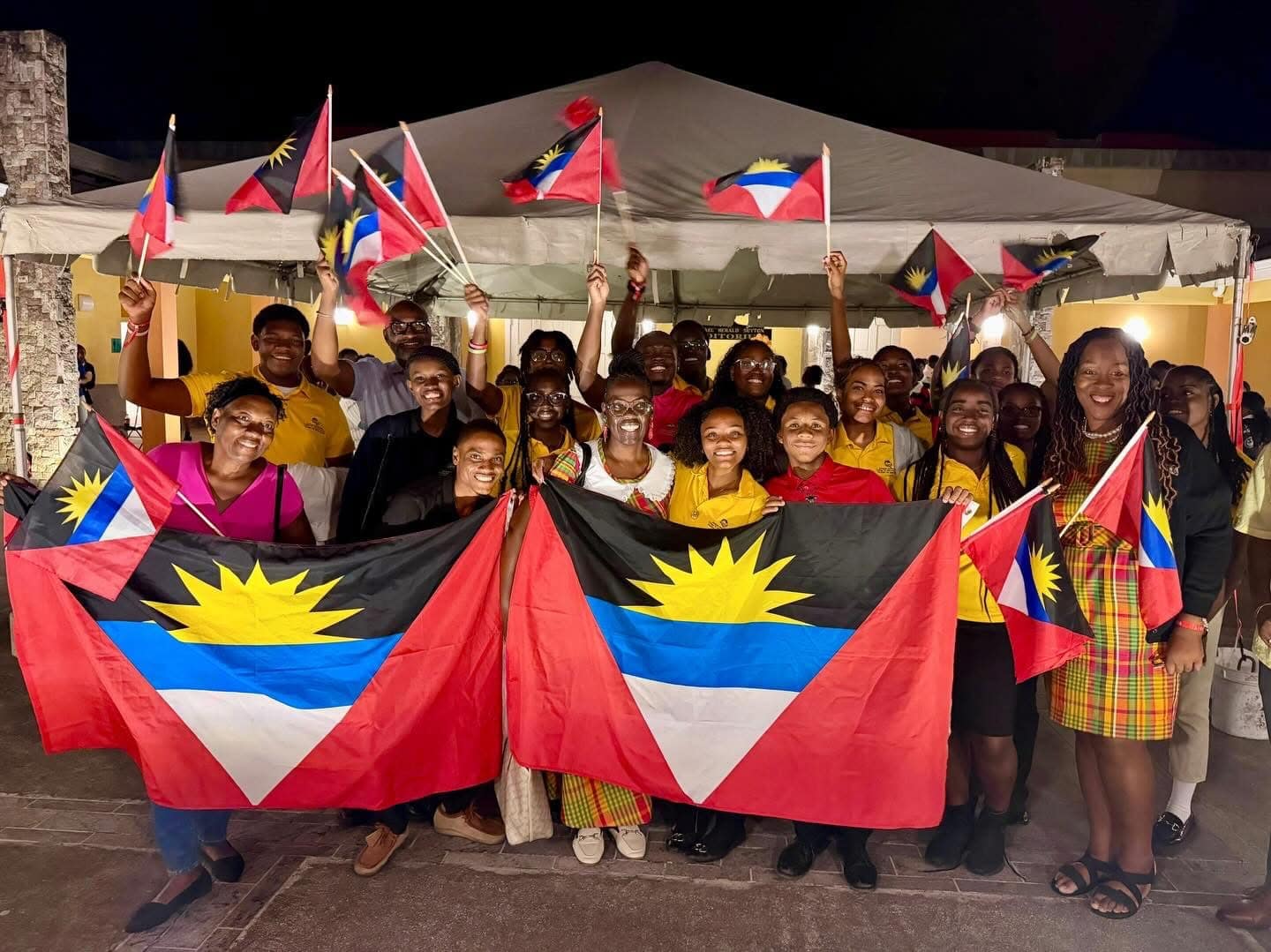
    The Ministry of Education, Sports and Creative Industries has lauded Antigua and Barbuda’s national debating squad for successfully retaining the prestigious Leeward Islands championship crown. Ministry officials characterized this academic triumph as a direct manifestation of the nation’s educational excellence and intellectual vigor.

    In an official communiqué released following the competitive victory, the ministry emphasized how the team’s performance showcased ‘the formidable capability of our emerging generation.’ The statement further praised the student delegates for embodying the nation with ‘exceptional distinction and profound pride’ throughout the tournament.

    Beyond recognizing the debaters’ individual accomplishments, the ministry expressly acknowledged the instrumental contributions of dedicated coaching staff and the broader support network. Officials highlighted that this collective achievement stemmed from a robust ecosystem of academic encouragement and developmental guidance.

    Government authorities indicated that this consecutive debating victory bolsters national confidence in the country’s youth demographic and validates ongoing investments in educational infrastructure and cognitive development programs. The achievement stands as a testament to the nation’s commitment to fostering critical thinking and articulate leadership among its young scholars.

  • Banken betalen boetes in geldtransportzaak uit 2018

    Banken betalen boetes in geldtransportzaak uit 2018

    Three major Surinamese financial institutions—Finabank, De Surinaamsche Bank, and Hakrinbank—have formally concluded a longstanding investigation into cross-border currency transports dating back to 2018. The resolution comes after the banks collectively paid substantial fines to the Dutch Public Prosecutor’s Office, facilitating the release of previously seized funds.

    The case originated from logistical cash transfers arranged by the Central Bank of Suriname that transited through Dutch territory in 2018. Following coordinated investigations into the movement of physical currency across borders, Dutch authorities have now closed the matter without establishing any procedural irregularities or misconduct.

    Financial settlements were structured differently among the institutions: Finabank and De Surinaamsche Bank each paid €124,500, while Hakrinbank settled for €166,000. These payments trigger the release of confiscated funds in accordance with the resolution agreements.

    In an official statement, Finabank emphasized its commitment to operating within established legal and compliance frameworks, acknowledging the critical role financial institutions play in maintaining systemic integrity and stability. The bank highlighted its continuous efforts to enhance governance structures and compliance protocols in alignment with evolving international regulatory expectations.

    The resolution occurs against the backdrop of Suriname’s strengthened anti-money laundering and counter-terrorism financing framework. The Caribbean Financial Action Task Force (CFATF) recognized measurable progress in its 2022 assessment, reflecting coordinated efforts between public authorities and financial institutions.

    Notably, the settlement does not impact the banks’ operational capabilities or their collaborative relationships with regulatory bodies and international partners. Finabank reaffirmed its dedication to responsible banking practices, transparency, and ongoing alignment with international standards as part of its long-term contribution to confidence in Suriname’s financial system.

  • Lett-Hypolite homicide sparks calls for urgent reform

    Lett-Hypolite homicide sparks calls for urgent reform

    A potential lawsuit against the Grenadian government has introduced a complex legal dimension to the brutal murder of 22-year-old nursing student Aleandra Lett-Hypolite, exposing systemic failures in both prisoner mental healthcare and gender-based violence protections.

    The case centers on Kade Richards, a 42-year-old farmer from Mt Gay, St George, who faces charges of capital murder and rape in connection with Lett-Hypolite’s death on February 6 in Café, St Andrew. The incident, which involved a violent chopping attack, marked Grenada’s first homicide of the year and triggered nationwide shock and mourning.

    Richards’ legal representative, Attorney Jerry Edwin, contends that his client’s history reveals critical flaws in Grenada’s correctional system. Edwin asserts that Richards, whom he describes as mentally challenged, was previously incarcerated for a sex-related offense but received early release without mandatory psychological evaluation. The attorney further reveals that approximately 30 inmates at Richmond Hill Prison are ‘bona fide mentally incapacitated’ yet housed within the general population due to the absence of specialized facilities.

    ‘The authorities’ neglect of mentally compromised individuals created this preventable tragedy,’ Edwin stated, noting that he is preparing legal action against the state. ‘We will be bringing an action against the government because we are tired of talking about it.’

    The case has simultaneously ignited national conversations about gender-based violence. Minister Gloria Thomas addressed the issue during a Post-Cabinet briefing, highlighting that sexually related cases dominate Grenada’s court dockets. ‘As a people we need to take a deep look at how we treat women,’ Thomas urged, emphasizing that addressing the problem requires examining how boys are socialized within Grenadian society.

    Civil society responses included a candlelight vigil organized by the Ministry of Social and Community Development in Crochu and a silent protest coordinated by Empower Her Caribbean. Participants marched from the Botanical Gardens in St George’s demanding enhanced protections for women and girls.

    The tragedy now positions itself at the intersection of two critical national issues: the state’s responsibility toward mentally ill offenders and the urgent need for comprehensive strategies against gender-based violence, testing Grenada’s commitment to meaningful systemic reform.

  • US counterterrorism chief resigns over Trumps’ support for Iran war, citing conscience and political dissent

    US counterterrorism chief resigns over Trumps’ support for Iran war, citing conscience and political dissent

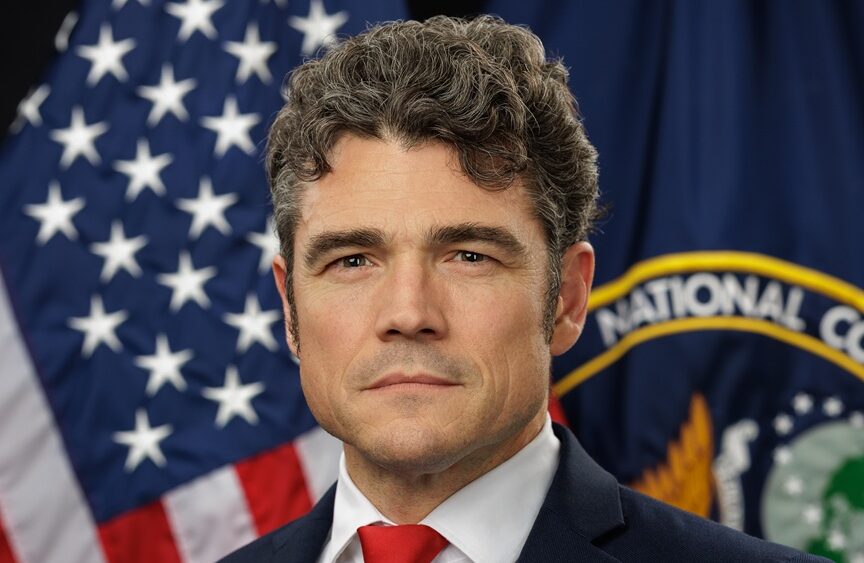
    In a significant development within US national security leadership, National Counterterrorism Center Director Joe Kent has publicly resigned from his position, citing profound ethical concerns regarding American military operations in Iran. The veteran intelligence official announced his departure through a social media statement, revealing an irreconcilable conflict between his professional responsibilities and personal convictions.

    Kent’s resignation letter, addressed to former President Donald Trump, contained striking criticisms of current foreign policy direction. The former Green Beret and CIA operative asserted that Iran never presented an immediate threat to national security, attributing the conflict initiation to substantial pressure from Israeli interests and their influential American lobbying networks. He specifically referenced what he characterized as a coordinated misinformation campaign orchestrated by high-ranking Israeli officials and sympathetic media figures that allegedly manipulated the administration into military action.

    The intelligence veteran invoked both his professional background and personal tragedy to underscore his position. Having deployed to combat zones on eleven separate occasions and lost his wife Shannon in a conflict he describes as ‘manufactured by Israel,’ Kent emphasized his inability to endorse military engagement that offers no tangible benefit to American citizens or justification for potential casualties. His statement included sharp criticism of what he perceived as the abandonment of Trump’s original ‘America First’ platform, which he had supported across three presidential campaigns.

    Kent’s appointment to the NCTC leadership in July 2023 had previously drawn scrutiny from media outlets including The Guardian, which noted his associations with controversial far-right figures and white nationalist personalities. His departure creates a significant vacancy in the nation’s counterterrorism infrastructure during ongoing international tensions.

  • Pearlette Louisy Primary dominate District 1 track meet

    Pearlette Louisy Primary dominate District 1 track meet

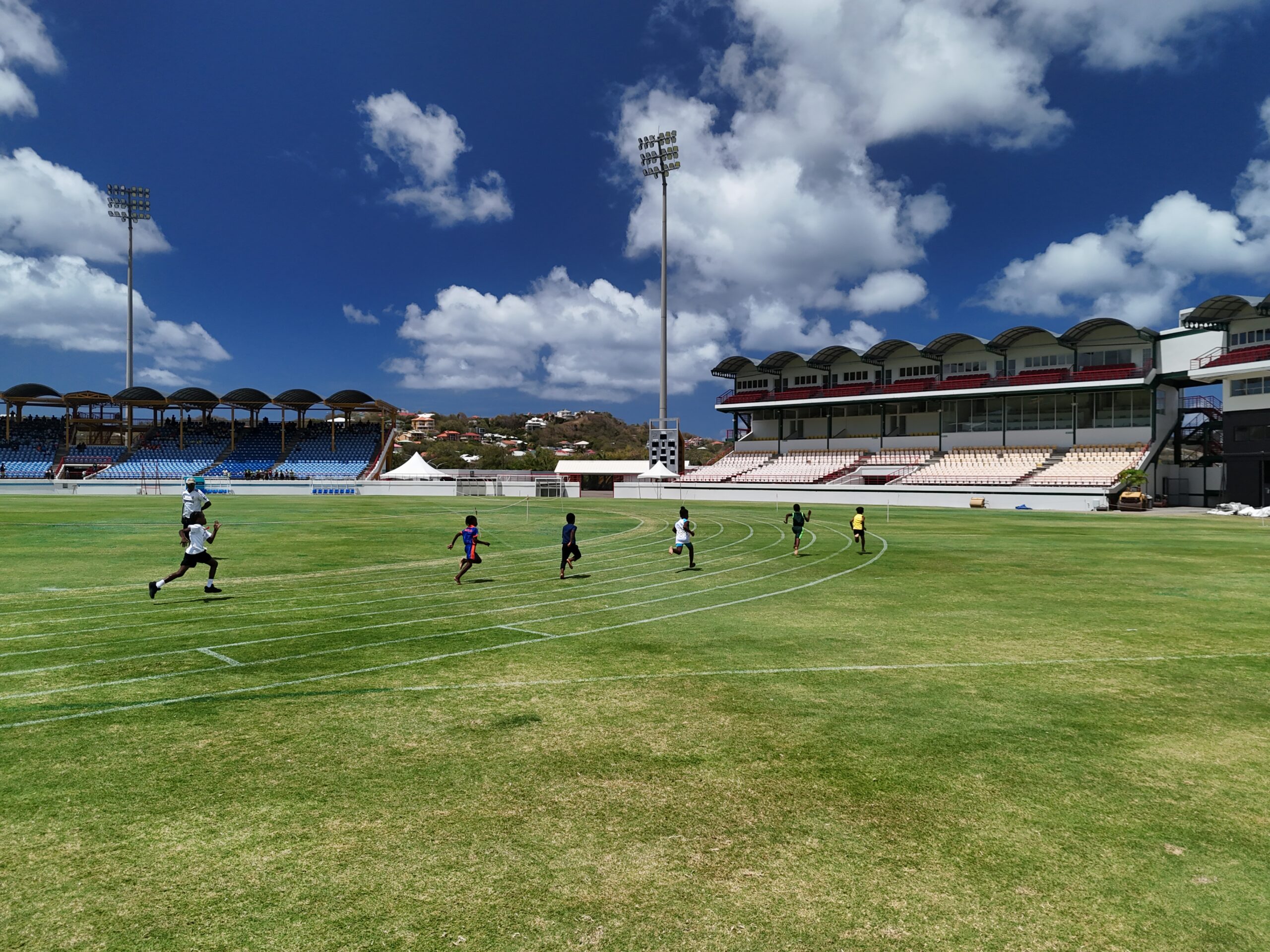
    In a spectacular display of athletic prowess, Dame Pearlette Louisy Primary School (DPLPS) claimed decisive victory at the District 1 Primary Schools Track and Field Championships held at Daren Sammy Ground on March 13th. The event served as a crucial preparatory competition for the upcoming Inter-District Track Finals, where District 1 aims to challenge District 8’s recent dominance.

    DPLPS amassed an impressive 1,159 points, establishing overwhelming superiority over runner-up Gros Islet Primary (771 points) and third-place Monchy Primary (606 points). The complete standings featured Balata (488), Fond Assau (456), The Montessori Centre (356), Grande Riviere Primary (329), Babonneau (309), La Guerre (277), Boguis/Des Barras Combined (231), Bonne Terre Prep (72), and The International School (10).

    The championship witnessed exceptional individual performances across age categories. In Under-13 divisions, Asa Emmanuel (boys) and Monchy’s Timikah Bernard (girls) emerged victorious. Avary Maryat and Lu-Marie Ottley shone in Under-11 competitions, while Kaeden Casimir and King James shared Under-9 boys’ honors. Daniqua Emmanuel dominated the Under-9 girls’ category.

    Notable track achievements included Asa Emmanuel’s double gold in 80m (10.1s) and 150m (19.6s), with teammate Jeremiah Etienne securing silver in both events. Gros Islet’s Orlando Felix claimed 300m gold (47.8s), Babonneau’s Dre Volney won the 600m (1:49.3), and Balata’s Jahvis Emmanuel took 1200m victory (4:21.5).

    Monchy’s Bernard demonstrated remarkable versatility with wins in 80m (11.0s), 150m (20.7s), and ball throw, narrowly defeating DPLPS’s Chloe Emanus in sprint events. DPLPS’s Ezabel Charles dominated distance events with 600m (1:59.4) and 1000m (3:48.7) victories.

    The championships concluded with District 1 athletes demonstrating significantly improved form as they prepare to host the Inter-District Finals, determined to overcome last year’s fourth-place finish and break District 8’s championship streak.

  • Golfstaten onder zware druk door oorlog met Iran: recessierisico groeit

    Golfstaten onder zware druk door oorlog met Iran: recessierisico groeit

    The ongoing military confrontation between the United States, Israel, and Iran is inflicting severe economic damage across Gulf Cooperation Council (GCC) states, with analysts warning of potential recessionary pressures comparable to the 1990-1991 Gulf War. Since hostilities erupted on February 28th, Iran’s persistent attacks on military bases throughout the region have created catastrophic disruptions to energy production, tourism, and transportation networks.

    According to aviation analytics firm Cirium, approximately 37,000 flights were canceled between February 28 and March 8 alone due to airspace closures and restrictions. Dubai International Airport, typically the world’s busiest international hub, suspended operations following a drone strike on nearby fuel storage facilities. While Qatar Airways has gradually resumed limited special flights, no Gulf carrier has restored pre-conflict flight capacity.

    The energy sector has suffered particularly dramatic losses. Rystad Energy data indicates Middle Eastern oil production plummeted from 21 million to 14 million barrels per day within little over a week. In worst-case scenarios where commercial vessels continue avoiding the Strait of Hormuz due to Iranian threats, production could crash to just 6 million barrels daily.

    Despite former President Donald Trump’s claims that multiple nations would help secure the vital waterway, no government has confirmed participation in military operations, with some explicitly rejecting involvement in maritime coalitions.

    Goldman Sachs estimates suggest Qatar and Kuwait could experience 14% GDP contractions if the conflict persists through April, while the UAE and Saudi Arabia would face 5% and 3% declines respectively. Capital Economics projects regional economic shrinkage of 10-15% should the conflict extend at least three months with lasting energy infrastructure damage.

    The tourism sector, representing approximately 11% of GCC GDP, faces devastating losses. The World Travel & Tourism Council calculates the region is losing $600 million daily in international tourist expenditures. Emilie Rutledge of The Open University emphasizes that cancellations of tourist bookings, conferences, and sporting events are creating massive repercussions for hospitality industries.

    Iraq, though not a GCC member, suffers equally severe consequences. Wood Mackenzie analyst Peter Martin estimates the Iraqi government is losing roughly $3 billion daily in revenue from approximately 70% reduced oil production. A 10% annual production decline could trigger 3.5% GDP contraction for Iraq in 2026.

    Khaled Almezaini, political scientist at Zayed University in Dubai, notes that combined disruptions to aviation, tourism, shipping routes, and energy exports—coupled with rising insurance premiums and transport costs—could cost the region hundreds of millions in daily economic activity. However, he anticipates no full-scale regional recession due to substantial financial reserves that can buffer short-term shocks.

    “The most probable outcome remains growth deceleration and delayed recovery, particularly in larger economies like the UAE and Saudi Arabia,” Almezaini stated. “Should tensions de-escalate rapidly, the region remains well-positioned for faster recovery than many anticipate.”

  • Taking Flight with Purpose: Juelle Colaire’s Journey at Signature Aviation Antigua

    Taking Flight with Purpose: Juelle Colaire’s Journey at Signature Aviation Antigua

    In the heart of Antigua and Barbuda’s aviation sector, Juelle Colaire has carved an extraordinary career path defined by genuine human connection and service excellence. Her professional evolution from jewelry sales to aviation hospitality showcases the transformative power of courage and dedication to one’s craft.

    Colaire’s foundational years as a Sales Representative at Heritage Quay’s jewelry store (2018-2020) revealed her true calling: creating meaningful interpersonal connections rather than focusing on transactional relationships. This realization became the cornerstone of her professional philosophy.

    The global COVID-19 pandemic marked a pivotal turning point when Colaire embraced an unexpected opportunity at Signature Aviation on September 1, 2020. Despite limited aviation knowledge, she demonstrated remarkable resilience during industry-wide uncertainty, mastering complex operations including aircraft coordination, immigration documentation, health protocols, and VIP services.

    Her proactive leadership style and natural aptitude for guest relations quickly distinguished her within the organization. Management recognized her exceptional initiative, progressively entrusting her with greater responsibilities that ultimately led to her current position as Guest Experience Manager.

    Today, Colaire oversees seamless guest experiences with meticulous attention to detail, emphasizing that personalized touches create unforgettable moments. Her leadership approach combines empathetic service with operational precision, ensuring every visitor receives Signature Aviation’s distinctive welcome upon arriving in Antigua.

    Colaire extends powerful advice to young professionals navigating career uncertainty: ‘Embrace calculated risks rather than remaining in comfortable positions. Pursue education in your chosen field, conduct thorough research, and continually challenge yourself to elevate professionally. Believe in your capacity to find footing through growth and learning.’

    Her story represents both personal achievement and contribution to national excellence, as she continues to enhance Antigua and Barbuda’s reputation for world-class hospitality through her dedicated service at Signature Aviation.

  • Accessibility plan welcomed, but disabled council wants seat at the table

    Accessibility plan welcomed, but disabled council wants seat at the table

    Barbados has launched a comprehensive accessibility initiative through its 2026 Budget, marking a potential turning point in disability inclusion efforts. The government has allocated $600,000 for a pilot accessible corridor in Bridgetown, featuring infrastructure upgrades including sidewalk improvements, kerb ramps, and tactile paving to address long-standing mobility barriers.

    The Barbados Council for the Disabled (BCD) has welcomed this development as a significant advancement after advocating for similar improvements for over 15 years through its Fully Accessible Barbados (FAB) Programme. Operations Manager Roseanna Tudor characterized the initiative as ‘a positive shift’ that recognizes accessibility as a national development priority.

    However, the council emphasizes that successful implementation requires structured involvement of persons with disabilities throughout the process. The BCD is urging formal consultation to ensure infrastructure meets international accessibility standards and genuinely addresses community needs. ‘The lived experiences and technical expertise of persons with disabilities are essential,’ Tudor emphasized.

    The budget package includes complementary measures: a $100 monthly cost-of-living credit for Special Needs Grant recipients, a new legal framework for special needs trusts, and an adaptive aquatics program to expand recreational access. These developments coincide with the recent passage of the Rights of Persons with Disabilities Act, creating what the BCD describes as a ‘critical opportunity’ for tangible improvements.

    International partners, including the UN Global Disability Fund, have highlighted the importance of civil society organizations in advancing disability reform in Barbados. The BCD has positioned itself as ready to collaborate with government entities to ensure the pilot project becomes the foundation for broader national transformation, ultimately making Barbados more accessible for all citizens.