作者: admin

  • Column: Leg eindelijk alle kaarten over de Mennonieten op tafel

    Column: Leg eindelijk alle kaarten over de Mennonieten op tafel

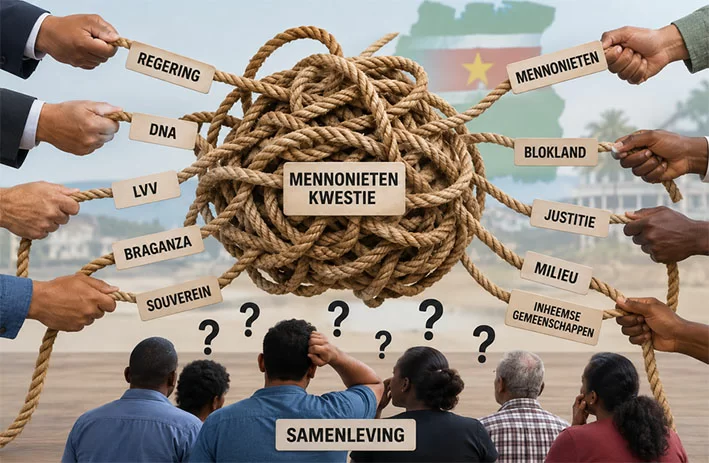
    As questions continue to mount over the presence of Mennonite communities in Suriname, a new group of Mennonite arrivals entered the country Thursday aboard a Copa Airlines flight. This new influx comes even as critical details remain unresolved about the status of existing Mennonite groups, the agricultural land they intend to work, and the agreements that were purportedly struck before their initial arrival. This situation cannot continue as it stands: full, permanent clarity on this entire issue is long overdue.

    Against this backdrop, the recent site visit by Members of Parliament Rabin Parmessar and Jennifer Vreedzaam to the areas where Mennonites have settled is a welcome step. It is positive that elected representatives are not limiting their questioning to debates within the National Assembly, but are instead choosing to see conditions firsthand and speak directly to stakeholders. Even so, this on-the-ground visit is far from sufficient to resolve the deep uncertainty surrounding the settlement initiative.

    During the visit, Peter Petersen, a Mennonite originally from Belize, made statements that have underscored the need for further formal investigation. Petersen told lawmakers that his group had no idea they would be required to leave the area they are currently occupying; instead, they were told that formal approval for agricultural use of the land was still being processed. He also shared that group members have already sold all their property in Belize and shipped their agricultural equipment to Suriname to begin work. Most notably, when asked who had facilitated the group’s relocation to Suriname, Petersen named two individuals: Ruud Souverein and Lionel Blokland.

    These claims require urgent follow-up investigation, as both names have already been linked to the Mennonite settlement initiative and the allocation of agricultural land in Suriname. Souverein was involved in efforts to bring Mennonite farmers to Suriname for large-scale agricultural projects during the previous national administration. Through his firm Terra Invest, Souverein submitted extensive applications for large land parcels. While not all of these applications were approved, the paper trail confirms that the current controversial situation has roots in decisions made by the previous government. More recently, Braganza Marketing Group has emerged as a key actor in the initiative. The Surinamese Ministry of Agriculture, Livestock and Fisheries (LVV) has signed formal agreements with Braganza for large-scale agricultural development projects, and the company has publicly stated its intent to partner with Mennonite farmers on these projects.

    However, conflicting public statements from all involved parties, including the national government, have only deepened public confusion. LVV Minister Mike Noersaliem told parliament that the Surinamese government has not entered into any formal agreement directly with the Mennonite groups. Technically, this statement may be accurate, but that does not resolve the core controversy. If a company that has a direct formal agreement with the Surinamese state then brings Mennonite farmers into the agricultural project, the debate cannot end with a technical disclaimer that there is no direct agreement between the state and the Mennonites. This technicality hides far more complex arrangements that need to be brought into the open.

    A series of core questions remain unanswered: Who first contacted the Mennonite groups about relocating? What promises were made to them before they left Belize? What agreements have they reached with Braganza or other private entities? Was the LVV aware that Mennonite farmers would be brought into these development projects? If the ministry was aware, when did they learn of this partnership, and how does this align with the government’s recent public order that Mennonites leave the land currently occupied? It is also critical to clarify what the Mennonite settlers themselves believed they were getting when they relocated. Do they expect to own or occupy the land themselves? Are they working as employees for Braganza? Are they private investors, project partners, or independent agricultural producers within the larger development scheme? These are not semantic points: the answers will directly determine the legal rights, obligations and accountability of all parties involved.

    In this context, the $150 per hectare payment Petersen mentioned is also a key relevant detail. Who is paying this fee, to whom is it paid, and what is it for? Until this detail is clarified, a core part of the entire arrangement remains hidden from public view. And all the while, new groups of Mennonite settlers continue to arrive in Suriname, which only increases the urgency of resolving the controversy. Who is organizing these new arrivals? What information are they given before they leave their home country? Are they aware that there is ongoing debate and regulatory uncertainty about land access and approval in Suriname? Who is receiving them upon arrival, and what future plans are they promised upon entry?

    It would be deeply irresponsible to allow Mennonite families to continue selling their belongings, shipping their equipment and relocating to Suriname under the impression they will be able to begin agricultural work, when fundamental questions about the project remain unresolved on the Surinamese side. This debate does not need to devolve into being for or against Mennonite immigration. The settlers who have already moved to Suriname deserve clarity just as much as the Surinamese public. If agreements were made with the settlers, we need to establish who made those agreements and on what legal basis. If agreements were made that cannot be honored, we must also establish who bears responsibility for that outcome.

    Suriname’s parliament must deepen its investigation into this matter and leave no stone unturned. It is not only the current LVV minister that must provide answers. The full history of the initiative under the previous government also needs to be reconstructed: What land applications were submitted? What agreements were reached? What changes or adjustments were made to the plan along the way? And how did the country end up in a situation where Mennonite settlers are already living and working in Suriname, while they maintain they were invited here to develop agricultural land? Braganza must also provide full transparency about its role. If all processes have followed proper legal procedure, the company should be able to explain its agreements with the Mennonite settlers and how these align with its formal contract with the Surinamese state.

    If evidence emerges that Mennonite settlers were brought to Suriname under false pretenses, it will be necessary to determine whether further legal action is required. The Mennonite controversy is already about far more than just agricultural development. It touches on state-owned land, governmental accountability, transparency, environmental protection, foreign investment, and the reliability of agreements made by the Surinamese government. Enough statements have been issued, and enough questions have been raised. It is time to put all cards on the table. The public deserves full clarity on who brought the Mennonites to Suriname, what promises were made to them, and what agreements underpin the entire initiative. As long as new settlers keep arriving while these questions remain unanswered, the problem will only continue to grow.

  • Díaz-Canel inspects Ariguanabo water supply system

    Díaz-Canel inspects Ariguanabo water supply system

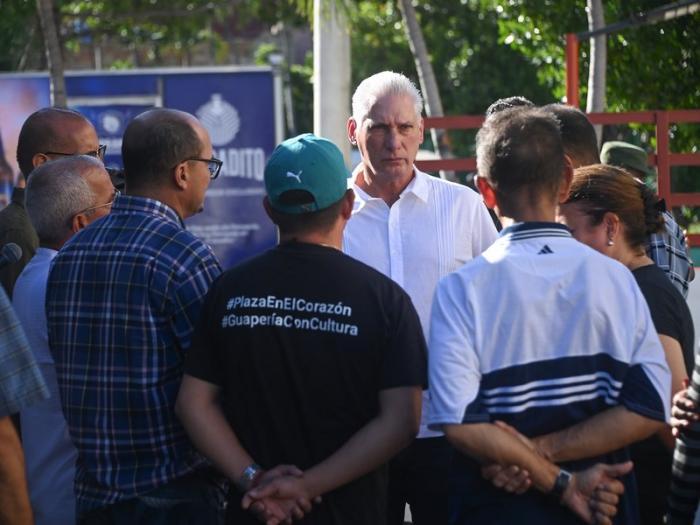
    On Thursday, September 18, 2026, Cuba’s top leader Miguel Díaz-Canel Bermúdez — who holds the dual positions of First Secretary of the Central Committee of the Communist Party of Cuba and President of the Republic — embarked on a day-long inspection tour of high-priority public works, sports and sustainable infrastructure projects across Artemisa province and the capital city of Havana.

    The first stop on the president’s itinerary was the Ariguanabo water supply facility, located in Bauta municipality of Artemisa. This site is a critical component of western Havana’s water distribution network, providing clean drinking water to more than 23 percent of the capital’s total population, covering the densely populated municipalities of La Lisa, Playa, and Marianao. The visit was part of ongoing oversight for the national Comprehensive Program to Guarantee Stable Water Access for Havana’s residents. During the inspection, Díaz-Canel received a full briefing on the facility’s current operations and upcoming upgrades from senior government officials, including Minister of Energy and Mines Vicente de la O Levy, National Institute of Hydraulic Resources President Antonio Rodríguez Rodríguez, Havana Provincial Communist Party Committee First Secretary Liván Izquierdo Alonso, and Havana Governor Yanet Hernández Pérez.

    Briefers updated the president on progress across the full water program, noting that new generator sets are already being deployed at key pumping stations across the system to improve reliability. Teams are also advancing site preparation for new photovoltaic solar farms and grid-scale energy storage facilities, designed to cut the system’s carbon footprint and reduce vulnerability to power disruptions. Discussions during the briefing also touched on water security efforts across the country, including ongoing work to stabilize supplies for communities in Santiago de Cuba province, covering the provincial capital and the municipalities of Guamá, San Luis, Contramaestre, and Songo-La Maya.

    Following the inspection of the Ariguanabo facility, the president traveled back to Havana for his second stop: La Polar Stadium, Cuba’s first sports venue to install synthetic playing turf back in 2017. The stadium already leverages photovoltaic solar panels to power lighting for evening matches, fitting into Cuba’s broader push for renewable energy adoption across public infrastructure. During the visit, Díaz-Canel was briefed on plans for the venue’s third phase of modernization, which includes expanding spectator seating and upgrading on-site facilities with cutting-edge sports technology.

    The president used the visit to emphasize the central role of grassroots sports in Cuban communities, calling for expanded access to neighborhood athletic activities and stronger collaboration between local schools and community groups to grow popular sports including soccer. He noted that competitive sports do more than develop athletic talent and boost personal self-esteem; they also serve as a unifying force that brings together players’ families and entire local neighborhoods.

    The third and final stop on Thursday’s itinerary was a newly developed solar-powered charging station located at the intersection of 23rd and J Streets in Havana’s historic Vedado district. The facility boasts 18 individual charging points, purpose-built to power the fleet of electric tricycles that now handle solid waste collection for the surrounding Rampa neighborhood. After touring the station, Pedro Lizardo Garcés Escalona, president of the Rampa People’s Council, shared details of the new waste collection model with the Cuban presidency’s press team.

    Lizardo explained that 15 solar-powered tricycles now serve the 15 electoral districts that make up the Rampa People’s Council. The project has introduced coordinated collection schedules: residents are asked to place their waste bags outside their buildings by 7 a.m. and 7 p.m. daily, with some areas adjusted to a 6 p.m. evening collection to improve efficiency. He reported that the community-focused initiative has already delivered dramatic, positive results for local residents, with more than 20 large illegal open dump sites completely eliminated across the district.

    The initiative also includes restoration work for street corners that were damaged by heavy waste collection equipment used in previous collection models, improving the overall quality of public space in the neighborhood. Lizardo acknowledged that organizational and cultural challenges remain, noting that low civic compliance in some areas continues to slow progress toward the clean, vibrant neighborhood residents expect. Even so, the successful pilot in Rampa is already being scaled to other People’s Councils across the Plaza de la Revolución municipality.

    Looking forward, the project aligns with Cuba’s long-term goals to transition toward a circular economy that prioritizes raw material recovery and waste reduction. The ultimate aim, Lizardo explained, is to fully revitalize sidewalks, community gardens, and public parks, creating a cleaner, more attractive environment for both local residents and visitors who pass through the iconic Vedado district.

  • Onderwijsbonden beginnen volgende week onderhandelingen over nieuwe loonstructuur

    Onderwijsbonden beginnen volgende week onderhandelingen over nieuwe loonstructuur

    After months of preparatory work and unexpected delays, joint education unions in Suriname have confirmed that the first full round of negotiations for a new dedicated pay structure for education workers will kick off on September 24 and 25, according to an internal GOV (Gezamenlijke Onderwijs Vakbonden, or Joint Education Unions) notice obtained by local outlet Starnieuws on September 17.

    Work on the separate, education-specific pay framework began back in June, with the four participating unions — Syndicaat, DoHoS, FOLS and VWPU — laying out a core goal of building a “fair, inflation-resilient” pay system that will be rolled out in phases. The unions first presented the preliminary framework to the Government Negotiation Body (OO) on July 24, and a follow-up presentation to the Presidential Working Group on Trade Union Affairs, chaired by Minister of the Interior Marinus Bee, was originally scheduled for August 27.

    That presentation was unexpectedly postponed, however, after the national government proposed a general 15 percent pay increase for civil servants and equivalent public employees. Despite the holdup to the scheduled presentation, unions continued advancing work on the dedicated education pay structure, and finally submitted their full pay scale proposal to government representatives led by Minister Bee and the OO on September 14. Now, the first plenary sessions to dive into substantive discussions of the proposed framework are locked in for later this month.

    In their internal notice to members, the unions have chosen not to release specific pay figures at this stage of the process. Union leaders acknowledged that widespread impatience and demand for clarity have grown among education workers, particularly amid ongoing challenging economic conditions, but stressed that no numerical details will be shared publicly before negotiations advance. The organizations also reassured members that they will confront every challenge head-on during talks to secure a beneficial outcome for education staff.

    Beyond the pay structure negotiations, the unions added that they hold weekly coordination meetings with staff from the Ministry of Education, Science and Culture to track progress on implementing the collective agreement reached on June 2, 2026. Unions have urged education workers to follow GOV’s official communication channels for all future updates as negotiations progress.

  • Amazon Warriors stun Red Force to claim CPL crown

    Amazon Warriors stun Red Force to claim CPL crown

    In a dramatic, come-from-behind thriller at Bridgetown’s Kensington Oval on Thursday, the Guyana Amazon Warriors etched their name in Caribbean cricket history, claiming the first-ever Women’s Caribbean Premier League title with a tension-fueled two-wicket win over the Trinidad and Tobago Red Force that went down to the final three balls of the match.

    The script for the day was set early when Trinidad and Tobago Red Force skipper Deandra Dottin won the toss and opted to set a target, betting on her bowling unit to defend a competitive total. What followed was a steady, well-constructed innings that saw the Red Force build momentum gradually after a cautious opening. They reached just 27 for the loss of two wickets by the end of the mandatory powerplay, and did not cross the 50-run mark until the 10th over, off 57 deliveries. Opener Sushma Verma anchored the innings with a polished 39 runs from 34 balls, featuring two boundaries and two towering sixes to top score for her side. Late-order hitting added crucial impetus to the total: Marizanne Kapp smashed 25 runs off only 10 deliveries, while Shikha Pandey contributed a quickfire 27 to lift the Red Force to a challenging 145 for six at the close of their 20 overs. For the Amazon Warriors, fast bowler Shabnim Ismail was the stand-out performer with figures of two wickets for just 18 runs, while Shamilia Connell chipped in with one wicket for 18 runs to keep her side in the game.

    Chasing 146 runs for victory, the Amazon Warriors got off to a promising start, despite losing opener Eboni Brathwaite for five runs on the final ball of the first over. By the end of the powerplay, they had reached 43 for one, putting them well ahead of the required run rate. But the Red Force bowling attack turned the match on its head soon after, led by Dottin, Pandey and Karishma Ramharack who all claimed two wickets apiece. The chase collapsed spectacularly, with the Amazon Warriors slumping to 71 for six by the middle of the 13th over. The dismissals came quick: opener Tazmin Brits made 22, Erin Burns 12, Realeanna Grimmond two, Shemaine Campbelle nine, and Nadine de Klerk fell for a duck, leaving the tournament’s underdogs on the brink of defeat.

    What followed was one of the most remarkable lower-order fightbacks in women’s T20 cricket. Player-of-the-Match Chedean Nation and captain Chloe Tryon refused to let their side’s title hopes die, combining for a match-winning stand that defied the Red Force’s momentum. Nation, playing against her home country teammates, unleashed a brutal innings of 39 not out from just 21 deliveries, smashing four sixes to keep the scoreboard ticking. Tryon was equally clinical, stroking 32 runs from 18 balls, including four fours and one six to bring the Amazon Warriors within touching distance of the target.

    Going into the final over, the Amazon Warriors still needed nine runs to win. Nation stepped up to face the first delivery from West Indies teammate Ramharack, and launched it straight over the boundary for six to cut the requirement to three runs. After a dot ball on the second delivery, Nation connected with Ramharack’s third ball, sending it flying over the rope once again to seal the win, sparking wild celebrations from her teammates and fans packed into the Kensington Oval stands. The title win caps a remarkable run for the Guyana Amazon Warriors, who pulled off one of the most memorable comebacks in Caribbean Premier League history to claim the first-ever women’s title.

  • Education chief issues stranger-danger warning

    Education chief issues stranger-danger warning

    A viral social media video documenting an unfamiliar adult approaching uniformed schoolchildren in a public Barbadian space has triggered an immediate nationwide safety directive from the country’s Ministry of Education Transformation, directing all school leaders to reinforce critical stranger-danger protocols with students. The incident that sparked the alert was captured and shared publicly by Barbadian attorney Michelle Russell, who stepped in to intervene when she witnessed the interaction near Sheraton Mall.\n\nRussell detailed the encounter in her widely circulated post, explaining that she was in the process of parking her car when she noticed a tall Caucasian man holding a Bible, accompanied by a woman and several young children, engaging three uniformed schoolboys estimated to be between 6 and 10 years old. After observing the conversation stretch on for an unusual length of time and noting that at least two of the boys displayed visible discomfort, with the oldest appearing visibly upset, Russell chose to confront the man. When she questioned his interaction with unaccompanied minors, the man told her he was engaged in proselytizing, sharing Christian teachings. Russell reminded him that adults are not permitted to approach children without the explicit consent of a parent, guardian or school representative, then escorted the boys away from the group despite the man’s pushback.\n\nWithin days of the post going viral, both the Ministry of Education Transformation and Sheraton Mall issued formal public notices in response. The mall updated its policies to explicitly ban all unsolicited solicitation, distribution of printed materials and organized public outreach activities on its property. For its part, the Ministry of Education issued an official circular to every primary and secondary school principal across the country, outlining updated safety protocols amid growing public concern.\n\nChief Education Officer Dr. Ramona Archer-Bradshaw confirmed in an interview with local outlet Barbados TODAY that while the agency had not received a formal, filed report of the incident from law enforcement or parents, the viral spread of the footage and the clear risk it exposed warranted urgent action. The circular requires school leaders to reiterate core safety rules to all students: minors must not hold extended conversations with unknown individuals, may not accept gifts, reading materials, invitations or any other items from strangers without explicit approval from a parent, guardian or school staff member, and must immediately report any suspicious interaction that causes discomfort to a trusted adult.\n\nDr. Archer-Bradshaw also emphasized that vigilance is required beyond school grounds. Students have been warned to stay alert while commuting to and from class, particularly while waiting at bus stops or loitering in other public spaces away from adult supervision. In addition to guidance for students, the circular urges principals to remind all school staff to stay vigilant for suspicious activity on or adjacent to school campuses and report any concerns through official, established channels. The Chief Education Officer also called on parents and guardians to partner with schools, reinforcing the stranger-danger messaging at home to ensure children internalize the critical safety rules.\n\nThe incident has drawn sharp concern from local parent advocacy groups, who note this is not an isolated report of foreign proselytizers targeting Barbadian children. Paula-Ann Moore, spokesperson for the Group of Concerned Parents, described the alleged encounter as deeply alarming, linking it to prior reports of foreign groups targeting minors with proselytizing activity, including gifting free tickets to screenings of an anti-LGBTQ film.\n\nMoore stressed that while Barbados has a long-standing tradition of welcoming people of all religious faiths and respect for freedom of belief, foreign visitors must uphold the country’s laws and norms around child safety. She argued that foreign nationals would never attempt similar unregulated interactions with unaccompanied minors in their own home countries, and have no right to engage in this behavior on Barbadian sovereign soil. “While we are a nation who respects and welcomes various religious faiths and creeds, it is deeply disturbing if it is true that foreign nationals from more developed nations could feel so emboldened that they could arrive at the shores of Barbados, a sovereign nation, and approach our nation’s minor children in public without their parents or guardians either being present or having given prior consent,” Moore said.\n\nMoore also used the incident to frame a broader public safety message, encouraging parents to teach children that it is always acceptable to decline an interaction and remove themselves from any situation that makes them uncomfortable, even when an adult uses emotional pressure such as religious guilt to coerce compliance. She commended the Ministry of Education for its fast response to the viral video, but called for a broader, coordinated public education campaign that reinforces safety messaging across homes, schools, and community institutions including places of worship. Moore also raised unanswered questions about how long this unreported proselytizing activity targeting children may have been ongoing, whether authorities have identified the individuals involved in the Sheraton Mall incident, and whether any further action will be taken to prevent future occurrences.

  • MISSING: 35-year-old Keisha Connor

    MISSING: 35-year-old Keisha Connor

    The loved ones of 35-year-old Keisha Connor have launched a public appeal for assistance after the woman was officially reported missing, with growing anxiety over her well-being spreading among her inner circle.

    A missing person announcement shared widely by Connor’s relatives confirms that the last confirmed sighting of the woman was by her own daughter, which took place on Saturday, September 12. In the days following that encounter, Connor has not made contact with any members of her family, and all attempts to reach her—including phone calls and messages sent through the WhatsApp platform—have remained completely unanswered.

    As more days pass without any sign of Connor, her family’s worry over her safety has intensified dramatically. In a statement shared through the public notice, the family pressed members of the community who may have any information about Connor’s recent whereabouts or current location to step forward, stressing that even seemingly insignificant details could prove critical to locating her safe and sound.

    Anyone who can offer any relevant information is asked to contact the family or relevant authorities at the tip line 788-1930.

  • Was Anthony Perry Killed Because Of An Old Rivalry?

    Was Anthony Perry Killed Because Of An Old Rivalry?

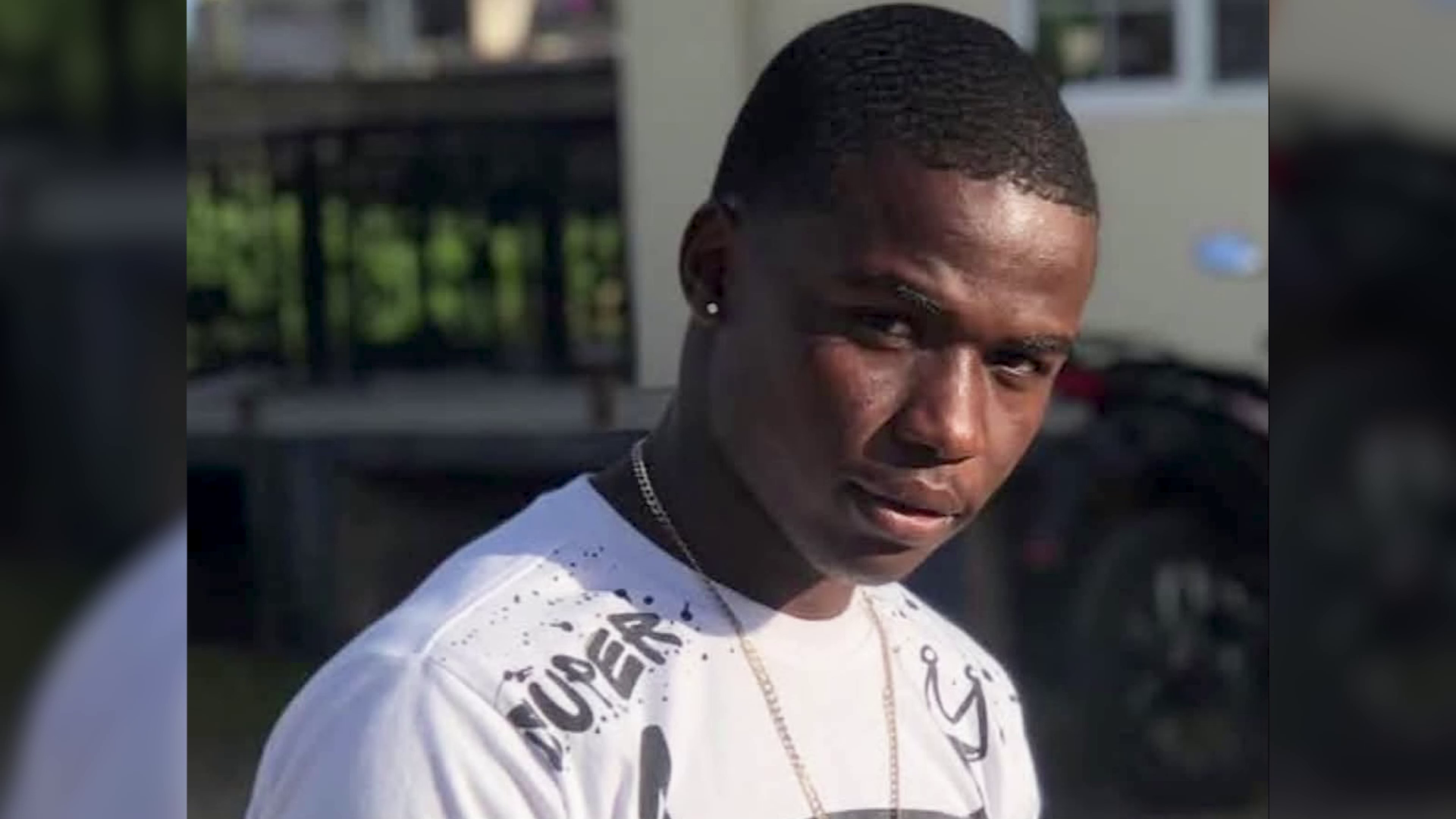
    PORT LOYOLA, Belize – Three deadly shooting incidents unfolded across Belize within three hours on Wednesday evening, leaving a 19-year-old local man dead and his family grappling with an inexplicable loss. Anthony Perry, a young resident of the area who had recently been attempting to distance himself from past violence, was gunned down just a few hundred feet from his home while on his way to visit a relative.

    Allyssa Teul, Perry’s girlfriend of three years, recalled the ordinary evening that quickly turned tragic. “We were cooking together, he told me he’d be right back,” she shared in an off-camera interview with News Five. “By the time I stepped outside, his aunt was asking if that was Anthony down the road. I ran as fast as I could, and I never expected to find him lying on the ground.”

    Teul, who held Perry as he drew his final breath, remembered him as a loving partner and the life of every gathering, even as she acknowledged his troubled past. “It hurts more than words can say,” she said. “We had three years of memories together, and I never thought I’d lose him like this. He wasn’t perfect, but he was trying to change.”

    Local law enforcement has launched a full investigation into the killing. Assistant Commissioner of Police Hilberto Romero, head of the National Crimes Investigation Branch, confirmed that authorities suspect the shooting is tied to a long-running rivalry between groups in the Louis Bevans Area.

    “When officers arrived on scene, they found Perry had sustained multiple gunshot wounds,” Romero stated in a press briefing. “He was rushed to the Karl Heusner Memorial Hospital, where he was pronounced dead on arrival. Witness accounts indicate an unidentified male approached Perry on the street and fired multiple shots before fleeing. We are currently searching for two persons of interest and reviewing surveillance footage from the area to identify suspects.”

    Romero added that Perry had a prior criminal record and was known to law enforcement, a detail that aligns with the family’s acknowledgment of his past troubles. But Perry’s father, Anthony Perry Sr., says his son was working to leave that life behind.

    “I got three missed calls, and before I could call back, my oldest son called me again and said, ‘Daddy, they just killed Anthony,’” the elder Perry recalled through tears. “When I found out my boy was gone, it broke me. My son was outspoken and respectful, and as far as I know, he never killed anyone. He got into fights growing up because he was bullied constantly in school, and when he got older, he refused to let people push him around anymore. But he was trying to leave all that behind.”

    As investigators continue their manhunt for the gunman responsible, Perry’s family and loved ones are left to mourn a young life cut violently short, holding tight to the memories of the man they knew. This report was filed by Paul Lopez for News Five.

  • Honduran Jeweler Shot and Killed in Faber’s Road Area

    Honduran Jeweler Shot and Killed in Faber’s Road Area

    A wave of deadly gun violence swept through Belize City on the evening of September 17, 2026, opening with the fatal shooting of a 43-year-old Honduran scrap gold buyer in the Faber’s Road area, and claiming two more lives in separate shooting incidents before the night concluded.

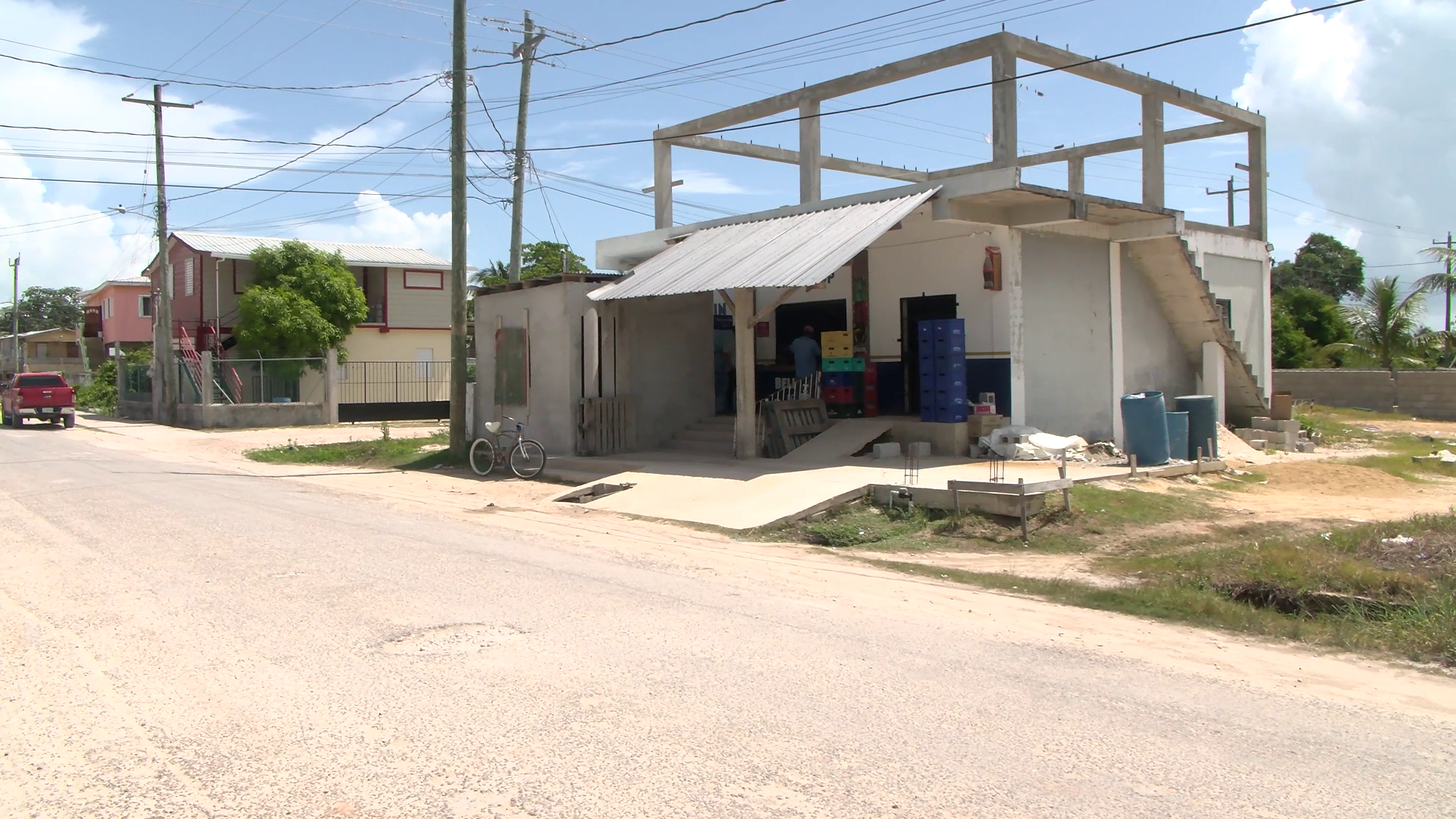
    The first attack unfolded just after 6 p.m. local time on Terrylee Crawford Street, where Denny (also documented as Dennis/Denny Guevara) Gurvara, a Honduran national working as a traveling jeweler, was gunned down moments after arriving in the neighborhood. Senior law enforcement officials with Belize’s National Crimes Investigation Branch have outlined the early details of the incident, confirming that responding emergency crews rushed the wounded jeweler to the country’s main public care facility, Karl Heusner Memorial Hospital (KHMH), where he was pronounced dead from multiple gunshot wounds.

    Assistant Commissioner of Police Hilberto Romero, head of the national crime investigation unit, told reporters that initial probe indicates Gurvara had arranged to meet an unidentified individual at the Terrylee Crawford Street location for a scrap gold transaction. According to Romero’s account of witness statements, after the two parties met, the unknown suspect demanded money from Gurvara before opening fire, striking the jeweler multiple times.

    Local residents who spoke to reporters offered additional context about the moments leading up to the killing. They confirmed Gurvara was not a resident of the neighborhood, and had been going door-to-door earlier that evening asking local residents if they had any scrap gold or pre-owned jewelry to sell. Witnesses say the jeweler had been at the meeting spot outside a local shop for no more than five minutes when the attacker approached and opened fire.

    In the wake of the killing, investigators have launched a full probe into the incident, with officers currently canvassing the surrounding area to collect surveillance camera footage, interview additional witnesses, and track down any forensic evidence that could help identify and locate the shooter. Authorities have not yet released any information about possible suspects or motives beyond the initial account of the attempted robbery.

    The killing of Gurvara marked the start of a bloody night of gun violence in Belize District, with two more men killed in separate shooting incidents across the area before midnight. No additional details about those later fatal attacks have been released as part of the initial reporting on the first killing.

  • Deovan Hall is Ambushed and Killed on His Way Home

    Deovan Hall is Ambushed and Killed on His Way Home

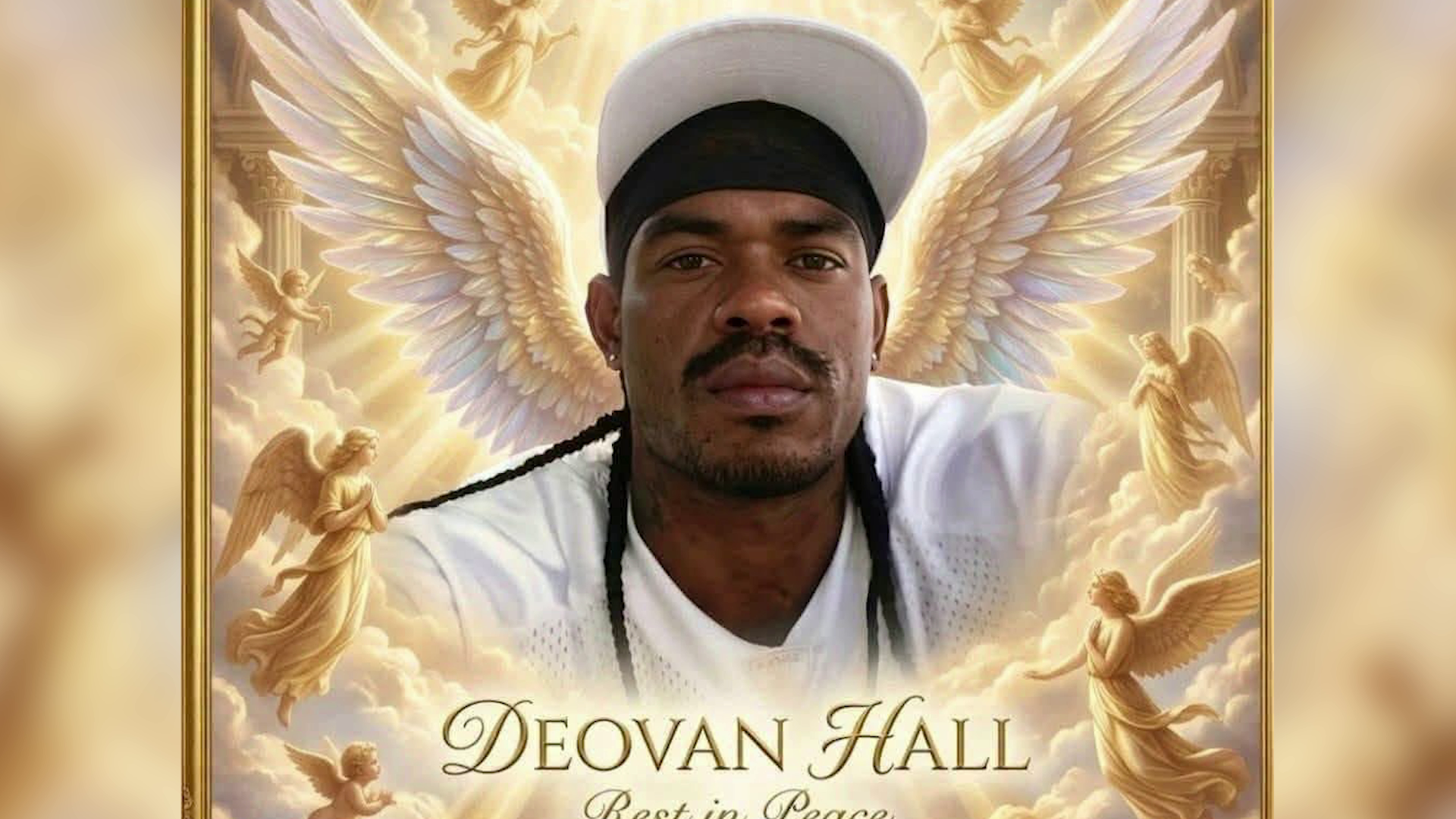
    The peaceful, tight-knit community of San Antonio Village in Corozal District has been fractured by a sudden, brutal act of violence that has left residents stunned and a family reeling from an unfathomable loss. Forty-one-year-old Deovan Hall never made it home from a village community gathering Saturday night, ambushed and shot to death along a dark, remote stretch of road on the village’s outskirts, leaving investigators searching for answers and his loved ones demanding justice.

    Hall had spent the evening at a local village event, and according to his common-law wife Sharlean Robateau, he left the gathering to bring home a favorite local dish—black dinner soup—planning for a quiet night in with his family. He rode home on his bicycle, a routine trip that should have taken mere minutes, but an unknown attacker lay in wait near a local cane field and opened fire multiple times. Neighbors reported hearing the crack of gunshots around an hour before Hall’s family discovered his fate, but by the time first responders arrived on scene, Hall had already succumbed to his multiple gunshot wounds. His bicycle and the container holding his soup were found abandoned just feet from his body.

    As news of the shooting spread, Robateau and Hall’s father began a search of the route Hall would have taken home. Robateau told reporters that she and Hall had a shared whistle signal to communicate when he arrived near the house, and that she had spoken to him shortly before he was killed, reminding him to return quickly because their two young children were already asleep. When Hall failed to arrive, the family searched the road and found his bike, slippers and spilled soup abandoned by the side of the path. Following a trail of blood to a nearby coconut tree and plantain patch, Hall’s father discovered his son’s body.

    Robateau, who shares two young sons, aged 6 and 8, with Hall, described her partner as a gentle, devoted father who loved spending time fishing and hunting with their boys. She said Hall was a peaceful man who got along with everyone in the village and was always willing to lend a helping hand to neighbors in need. She stressed that she has no idea why anyone would target her husband, and is calling on law enforcement to leave no stone unturned in the investigation to find his killer.

    “I don’t know why they did this,” Robateau said in a phone interview with local outlet News Five. “I want justice for him because I don’t think it’s fair to just take away an innocent life and leave two innocent kids fatherless. He was a loving, caring person, and he’ll forever be in our hearts.”

    Authorities from the National Crimes Investigation Branch confirmed that responding officers found Hall’s body at the scene with multiple gunshot wounds, and have identified two persons of interest in connection with the killing. Head of the branch ACP Hilberto Romero told reporters that investigators are working to establish a motive for the attack, noting only that Hall had prior arrests for minor, non-violent offenses in the past. The killing has upended life in the normally quiet Corozal District village, where violent crime is a rare occurrence.

    Hall is survived by four children, including his two young sons with Robateau. As the family mourns, they hold out hope that investigators will quickly identify and apprehend the person responsible for this deadly ambush, bringing closure to a community that is still reeling from the tragedy. News Five’s Britney Gordon contributed to this report.

  • $250 Million Compact, But When Will Belizeans Benefit?

    $250 Million Compact, But When Will Belizeans Benefit?

    In a major policy address on September 17, 2026, Prime Minister John Briceño of Belize has laid out a sweeping, multi-billion-dollar national development agenda designed to cut household costs, upgrade critical infrastructure, expand energy independence and boost economic growth. However, even as the prime minister touts the transformative potential of his administration’s plans, Belizean citizens are left waiting for answers about accountability, implementation timelines and when they will see tangible improvements to their daily lives.

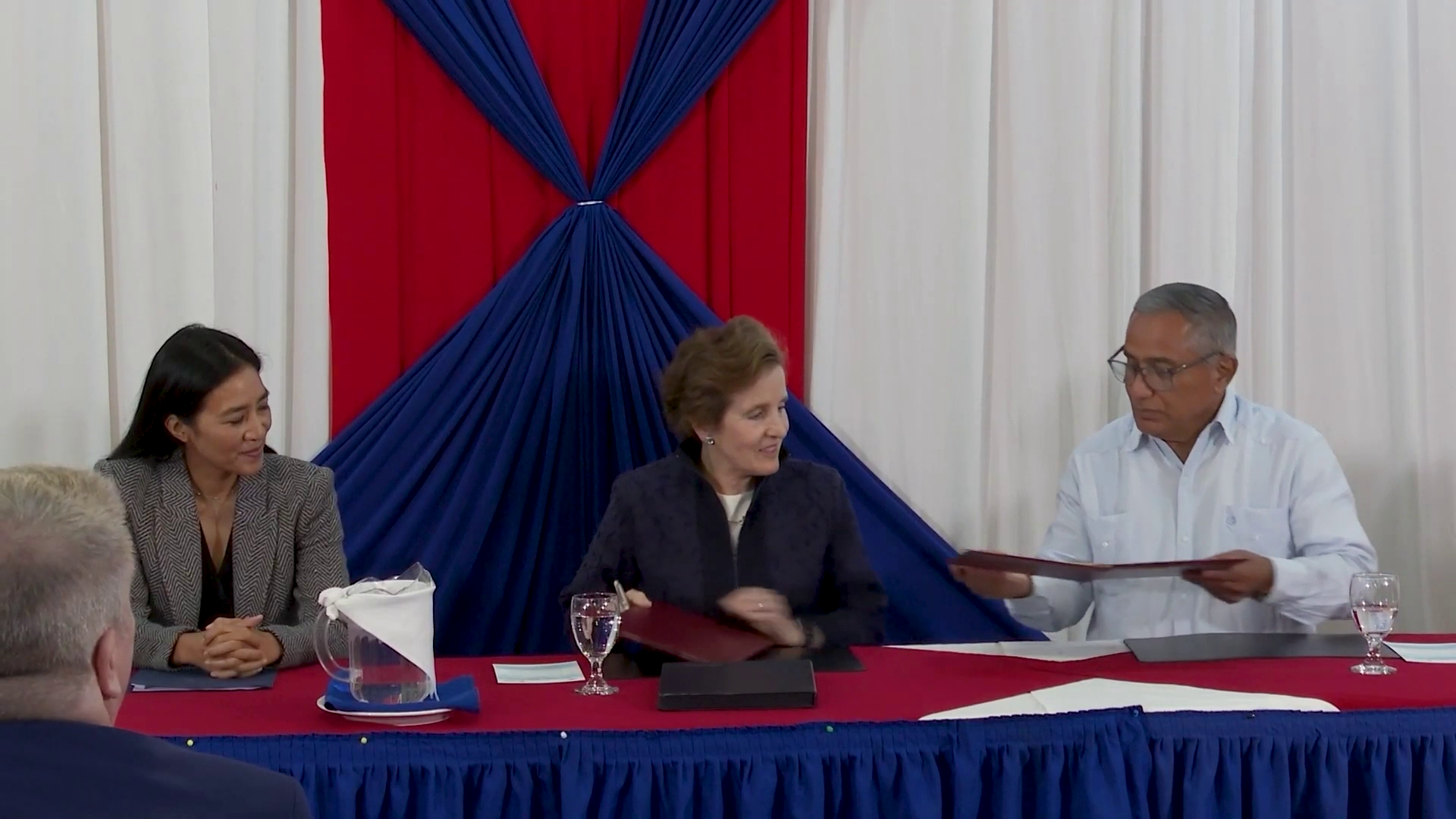
    At the center of the government’s announced investment package is a $250 million grant-based Millennium Challenge Corporation (MCC) Compact, a partnership with the United States government that will direct funding specifically to two key sectors: energy expansion and public education. Briceño emphasized that this historic grant represents one of the largest targeted foreign investments in Belize’s recent development, separate from the administration’s existing national capital budget allocations. As negotiations and preliminary planning move forward, many local communities are already asking when these resources will translate to improved school resources, lower energy bills and new local jobs.

    The single largest infrastructure project outlined in the agenda is a full redevelopment of the Port of Belize in Belize City, a project Briceño calls the largest infrastructure initiative in the nation’s history, with a projected total investment of more than $800 million. Construction is scheduled to break ground next year, and the planned upgrades include widening and deepening the marine access channel to Belize City, constructing modern, expanded cargo handling facilities, and building a new state-of-the-art gateway for cruise tourism vessels. According to the prime minister, the most immediate benefit for ordinary households will come from lower shipping costs for imported goods, which he says will translate directly to lower retail prices and put extra disposable income back into the budgets of working families across the country.

    Beyond large-scale infrastructure and foreign-backed investment, the Briceño administration has already implemented one immediate policy change to ease cost-of-living pressures: an increase to the Pay-As-You-Earn (PAYE) income tax threshold. The new policy raises the tax-exempt income cap to $29,000 per year for resident employed workers, meaning any Belizean earning $29,000 or less annually now pays no income tax on that portion of their earnings. Official data shows the change has benefited 2,851 workers, putting a total of $2.6 million back into annual take-home pay – an average increase of more than $900 per worker per year. Still, many workers question whether this relief is enough to offset ongoing inflation and rising living costs across the country.

    Completing the administration’s energy agenda is a new 160-megawatt domestic power generation project focused on expanding renewable energy capacity and moving Belize toward greater energy independence. The initiative will add 120 megawatts of utility-scale solar power generation paired with 40 megawatts of grid-scale battery storage, and construction is set to begin in the coming months. Briceño noted that six years ago, his predecessor had no national plan to expand independent domestic power generation, but his administration has already secured $127 million in fully committed financing from the Saudi Fund for Development and the World Bank to move the project forward.

    Briceño’s administration has framed the full suite of initiatives as a generational opportunity to reshape Belize’s economic future, but public attention now turns to implementation. For most Belizeans, the success of these plans will not be measured by the size of the announced investment totals, but by whether the projects deliver on their promises: lower consumer costs, increased job opportunities, and tangible improvements to the quality of life for communities across the nation. As planning moves forward, residents continue to press for transparency around how funds will be managed, who will bear any outstanding costs not covered by grants and financing, and how the government will keep to its announced timelines. This reporting, by Paul Lopez for News Five, is a transcript of the outlet’s evening television broadcast.