作者: admin

  • Planet Soca to host Part 2 of Entertainment Dev’t Workshop in May

    Planet Soca to host Part 2 of Entertainment Dev’t Workshop in May

    Building upon the resounding success of its inaugural event, Planet Soca has announced a strategic follow-up collaboration with the Carnival Development Corporation (CDC) to host Part Two of its Entertainment Development Workshop in May 2026. This initiative continues a dedicated mission to enhance the professional capabilities and global market readiness of creative professionals within St. Vincent and the Grenadines’ entertainment sector.

    The upcoming workshop is designed to deepen the foundational work established in October 2025, which convened a diverse gathering of artists, industry stakeholders, and creatives at Victoria Park for an interactive educational session. Facilitated by Planet Soca experts Chandelle De Riggs and Ari Shaw, the initial workshop delivered critical insights into electronic press kit (EPK) development, media interview techniques, social media strategy, and the essentials of effective artist management, culminating in a productive networking segment.

    Part Two will advance this curriculum by exploring sophisticated aspects of artist branding, digital presence optimization, performance excellence, and long-term career strategy within the dynamic Caribbean music industry. The workshop aims to provide practical tools for artists and professionals to successfully navigate both regional and international entertainment markets.

    This program underscores the CDC’s sustained commitment to fostering the professionalization and sustainable growth of St. Vincent and the Grenadines’ cultural and creative industries. Meanwhile, Planet Soca continues to solidify its regional influence by supporting a prominent roster of Caribbean talent, including artists L Pank, Mad Skull, Kennie Montana, Wyz Skid, Stamina Smurf, Blama, and DJs Blaze, Justin Miller, Lazer, and Fugitive.

    Through such initiatives, Planet Soca reaffirms its dedication to elevating Caribbean music and culture by creating vital opportunities for exposure, education, and industry connection. The organization remains pivotal in bridging the gap between raw talent and the professional music industry, ensuring Vincentian and Caribbean creatives are equipped to thrive on the world stage. Organizers will announce specific details regarding the May 2026 workshop’s date, venue, and registration process in the coming weeks.
  • UN votes to recognise enslavement of Africans as ‘gravest crime against humanity’

    UN votes to recognise enslavement of Africans as ‘gravest crime against humanity’

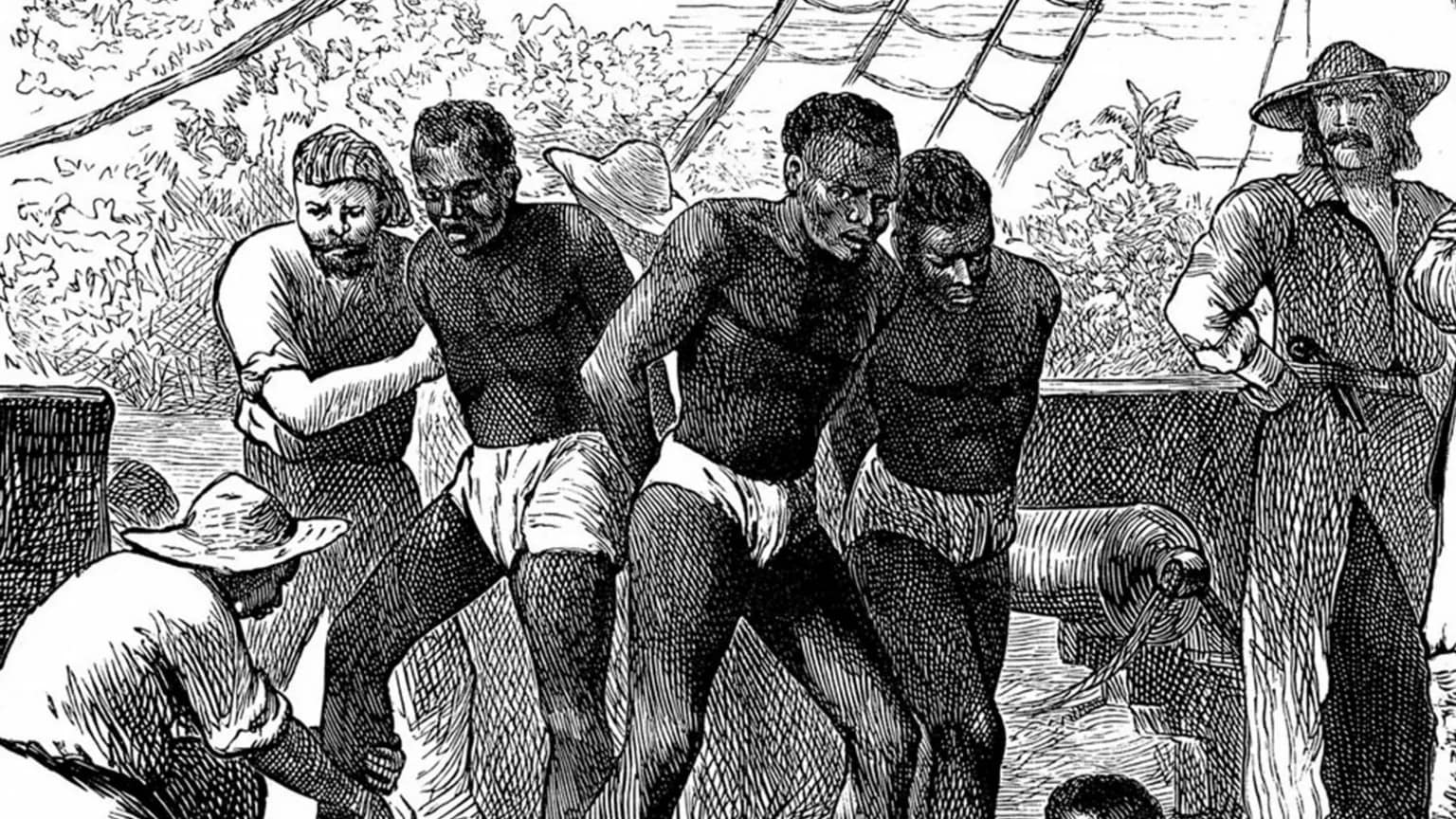
    In a historic move, the United Nations General Assembly has formally designated the enslavement of Africans during the transatlantic slave trade as ‘the gravest crime against humanity.’ The resolution, championed by Ghana and supported by the African Union and Caribbean Community, received overwhelming approval with 123 nations voting in favor. Only three countries—the United States, Israel, and Argentina—opposed the measure, while 52 nations, including the United Kingdom and several European Union member states, abstained.

    The resolution not only establishes this historical classification but also urges member states to consider issuing formal apologies and contributing to a global reparations fund. While no specific monetary amount is stipulated, advocates emphasize that reparatory justice should support educational endowments, skills training programs, and heritage preservation initiatives rather than direct payments to governments.

    Ghanaian President John Mahama addressed the assembly prior to the vote, stating, ‘Let it be recorded that when history beckoned, we did what was right for the memory of the millions who suffered the indignity of the slave trade and those who continue to suffer racial discrimination.’ He emphasized that the resolution serves as ‘a safeguard against forgetting’ and confronts the enduring scars of slavery that continue to manifest as racial inequalities and underdevelopment affecting people of African descent worldwide.

    The vote revealed significant geopolitical divisions regarding historical accountability. The United Kingdom acknowledged the ‘untold harm and misery’ caused by the slave trade but expressed reservations about the resolution’s wording and legal implications. U.S. Ambassador Dan Negrea articulated stronger objections, stating that the United States ‘does not recognize a legal right to reparations for historical wrongs that were not illegal under international law at the time they occurred.’ He criticized what he characterized as the ‘cynical usage of historical wrongs as a leverage point to reallocate modern resources.’

    The resolution additionally calls for the repatriation of cultural artifacts looted during the colonial era, with Ghanaian officials emphasizing the spiritual and cultural significance of these items. The debate also touched upon contemporary American politics, with Ghana’s president criticizing the Trump administration’s cultural policies, while the U.S. delegation defended the president’s record with African American communities.

    Historical context provided in the resolution notes that between 1500 and 1800, approximately 12-15 million Africans were forcibly transported to the Americas, with an estimated two million perishing during the treacherous journey. The resolution asserts that the consequences of this centuries-long system continue to reverberate through persistent racial discrimination and economic disparities.

  • Residents & Stakeholders to Join Consultation on Natural Resources and Marine Spatial Plans for the Nelson’s Dockyard National Park

    Residents & Stakeholders to Join Consultation on Natural Resources and Marine Spatial Plans for the Nelson’s Dockyard National Park

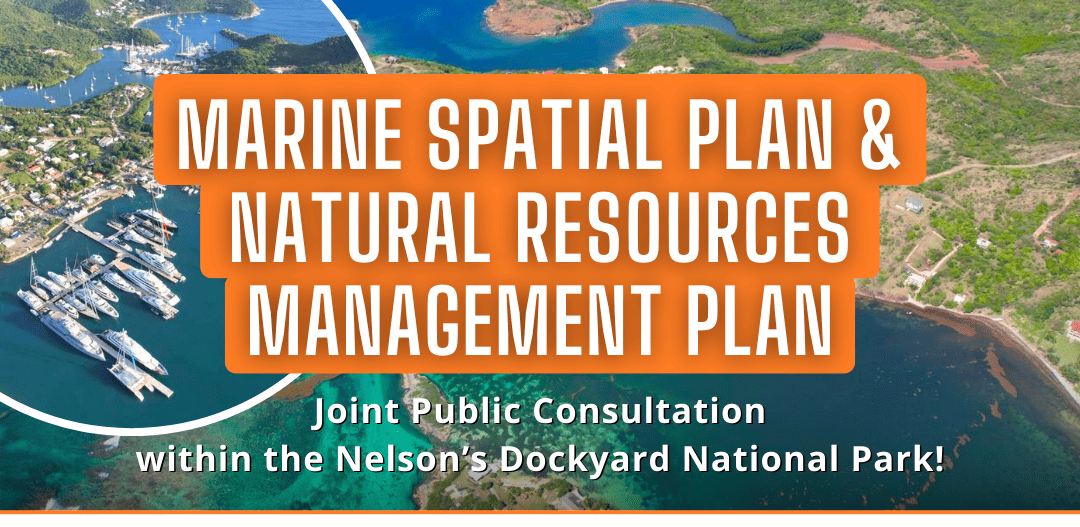
    The Nelson’s Dockyard National Park (NDNP) is set to host a pivotal public consultation this Wednesday evening, bringing together local residents and key stakeholders to deliberate on two comprehensive strategic plans. The dual-focused meeting will address both the newly drafted Natural Resources Management Plan and the NDNP Marine Spatial Plan, marking a significant step in the region’s climate adaptation efforts.

    Scheduled for March 25th at Cobbs Cross Primary School from 5:30 pm to 8:30 pm, this joint consultation represents the latest in a series of engagement initiatives forming part of the broader Ecosystem-based Adaptation (EbA) Caribbean Project. This multinational climate resilience program is currently active across three Caribbean nations: Antigua and Barbuda, Jamaica, and the Dominican Republic.

    In Antigua and Barbuda, the nonprofit organization Integrated Health Outreach (IHO) is spearheading project implementation within the NDNP in collaboration with the National Parks Authority (NPA). Technical expertise is provided by a specialist team from the Centre of Excellence of Oceanography and the Blue Economy (COBE) at the University of the West Indies, Five Islands campus, which has been commissioned to develop both strategic plans.

    The Natural Resources Management Plan will establish critical priorities for managing terrestrial, coastal, and marine ecosystems while formulating an updated governance framework. Concurrently, the Marine Spatial Plan will address pressing issues including pollution control, waste management strategies, designation of specific marine zones, and the balancing of conservation areas with fishing priorities and other marine activities.

    This week’s consultation follows previous stakeholder engagements, including February’s Sustainable Fisheries and Land Management Workshop, which featured two community consultations. Kieron Murdoch, Communications Officer with IHO, emphasized the fundamental importance of community involvement: “Engaging the community continues to be an extremely important part of the work being done by everyone attached to this project. It’s vital to ensure that the results are informed by the experiences of those who live, work and operate within the National Park.”

    The EbA Caribbean Project operates under the official title “Strengthening regional climate resilience and supporting green economic recovery through ecosystem-based adaptation (EbA) and sustainable livelihoods in the Dominican Republic, Antigua and Barbuda, and Jamaica.” Funded by the Caribbean Biodiversity Fund with co-financing from Germany’s International Climate Initiative (IKI) through KfW Development Bank, the project is implemented through a consortium including the UN Environment Programme’s World Conservation Monitoring Centre, Oracabessa Marine Trust, and several regional conservation organizations.

  • ESFN Weaves Threads of Creativity through Creative Expression Workshop

    ESFN Weaves Threads of Creativity through Creative Expression Workshop

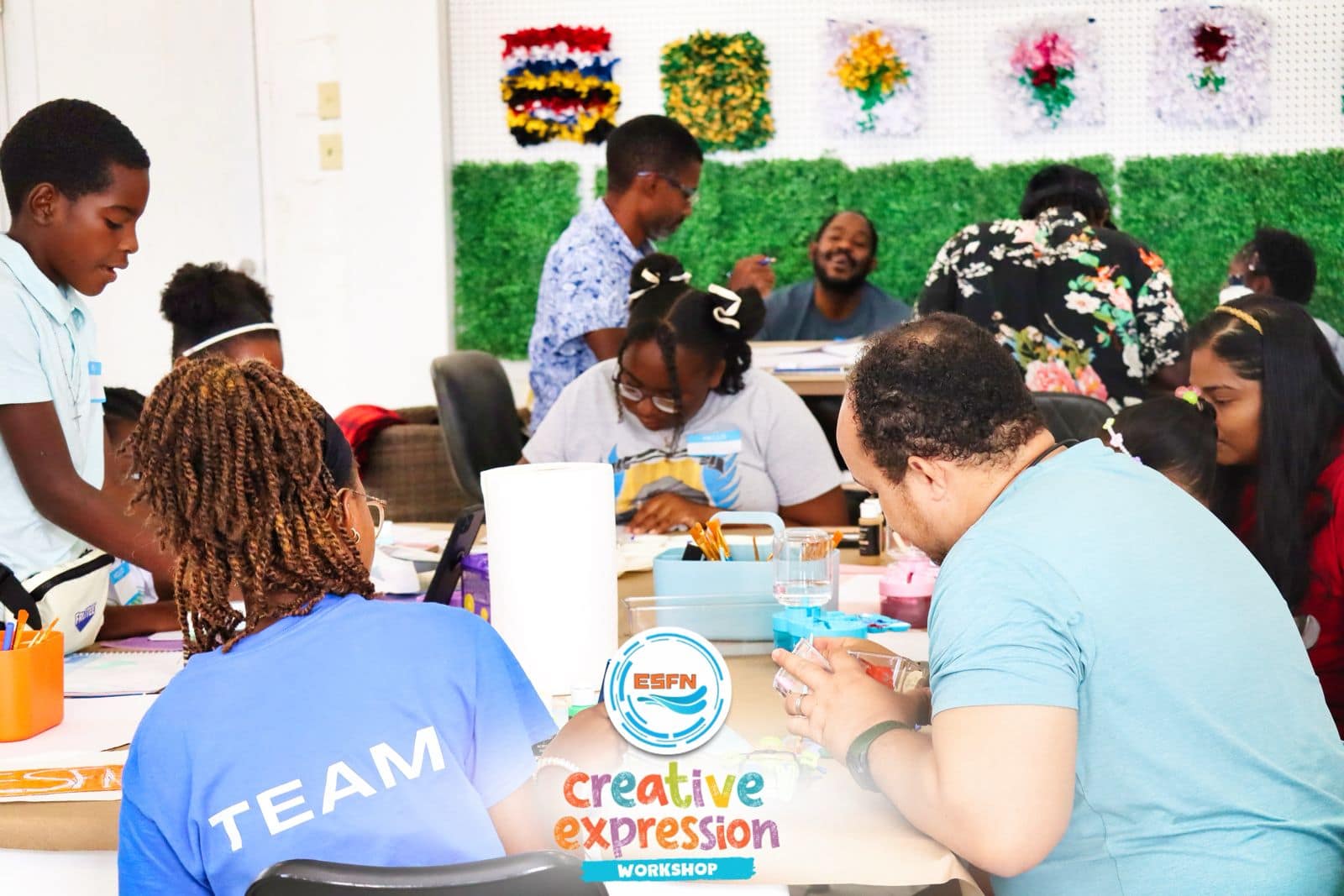
    The EcoShores Sustainable Futures Network (ESFN) convened an innovative Creative Expression Workshop on March 21st, 2026, at Wadadli Spaces, gathering participants across generations from ages 5 to 35 for a dynamic exploration of artistry and environmental consciousness. The event fostered a unique convergence of imaginative expression and community engagement through diverse artistic mediums.

    Centered around the thematic prompt “Threads,” participants interpreted this concept through writing, drawing, painting, and experimental art forms including puzzle design and mixed media creations. This single-word inspiration yielded a remarkable spectrum of cultural and creative interpretations, demonstrating how minimal guidance can generate expansive artistic diversity reflecting heritage and identity.

    The workshop strategically aligned with two significant global observances. It preceded World Water Day (March 22nd, 2026) and its theme “Water and Gender: Where water flows, equality grows,” prompting participants to contribute to a collective board expressing personal connections to water. This collaborative artwork emerged as a powerful symbol bridging environmental awareness with cultural expression.

    A notable segment featured recognition ceremonies for winners of ESFN’s Creative Young Voices for Wetlands Competition, originally held in February 2026 for World Wetlands Day. This initiative, developed in partnership with the IUCN Wise Use of Caribbean Wetlands Project, highlighted youth perspectives on wetland conservation through creative media.

    Britney McDonald, ESFN Portfolio Manager, emphasized the organization’s mission: “We are thrilled to open this space where art and environmental equity meet. This workshop was about building community, valuing creatives, and sharing together in imagination and heritage while celebrating youth voices.”

    Given overwhelming participant response, ESFN is collaborating with partners to schedule additional creative workshops throughout 2026, responding to demonstrated community need for continued artistic engagement opportunities.

    ESFN operates as a registered non-profit organization focused on sustainability, environmental conservation, and community empowerment across Small Island Developing States (SIDS) and the Southern United States. Their initiatives address climate justice, biodiversity, youth development, technological innovation, and education through programs including the Volunteer Explorer Program, World Wetlands Day Awareness campaigns, and community development projects.

  • First Phase of VC Bird Runway Rehabilitation Completed

    First Phase of VC Bird Runway Rehabilitation Completed

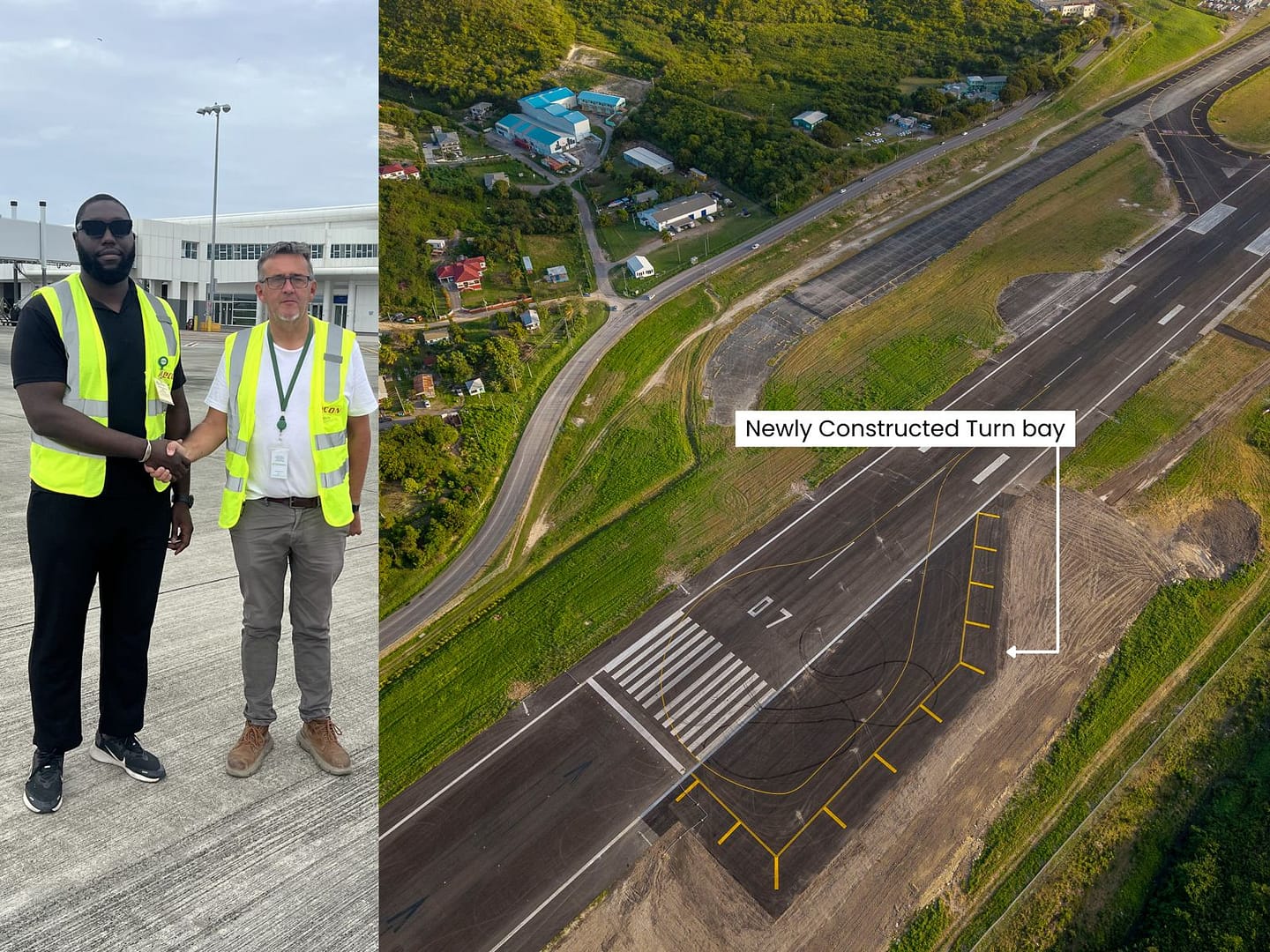
    Antigua and Barbuda’s primary aviation facility, VC Bird International Airport, has achieved a significant milestone in its comprehensive infrastructure upgrade program. The initial phase of the runway rehabilitation project has been successfully completed, marking substantial progress in the enhancement of the nation’s critical transportation hub.

    International construction and infrastructure leader Aecon Group Inc. is executing this strategic redevelopment initiative, which aims to significantly improve runway operational performance, elevate safety standards, and extend the long-term durability of essential airport infrastructure. The completion of the first phase sets the stage for the project to advance to subsequent stages in the coming months.

    Adding a innovative dimension to the project documentation, local creative enterprise Spencer Branding Studio has been commissioned to capture the transformation through advanced aerial drone cinematography, professional photography, and comprehensive video production. Their work entails regular aerial surveillance and on-site visual documentation, creating a detailed visual timeline of the rehabilitation’s progression.

    This extensive visual archive will serve multiple purposes: facilitating precise project reporting, enhancing stakeholder communication, and creating a permanent historical record of the airport’s infrastructure transformation. As the main aviation gateway for Antigua and Barbuda, VC Bird International Airport plays a pivotal role in supporting the nation’s tourism-driven economy and maintaining crucial regional connectivity throughout the Caribbean.

  • The War is disrupting the delivery of used cars headed to countries globally

    The War is disrupting the delivery of used cars headed to countries globally

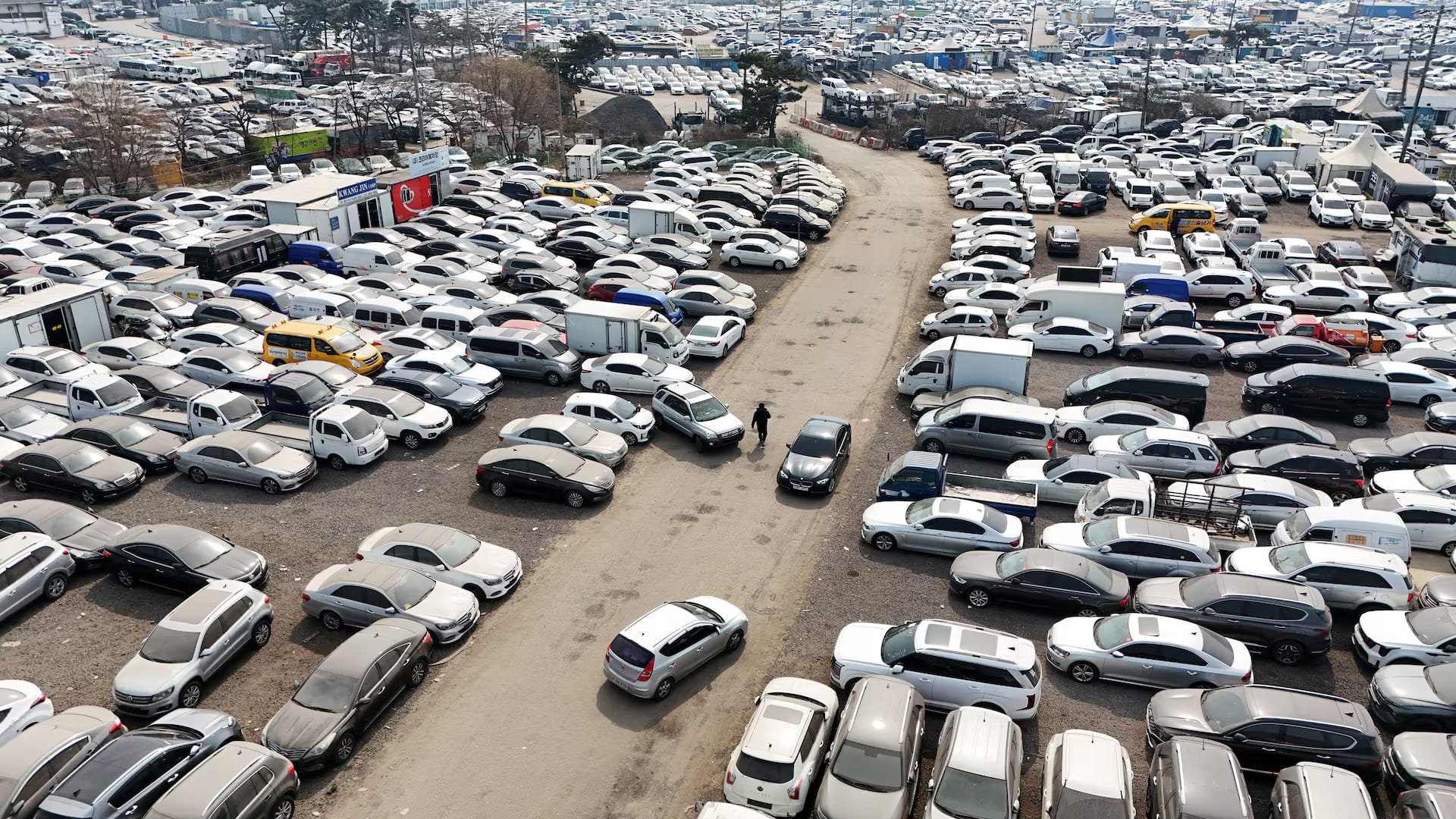
    An escalating international conflict is creating severe disruptions within the global automotive sector, specifically crippling the supply chain for pre-owned vehicles. This logistical crisis is halting the delivery of millions of second-hand cars destined for markets worldwide, creating a ripple effect that impacts economies, businesses, and consumers from emerging nations to developed countries.

    The disruption originates in key transit corridors and shipping lanes that have become inaccessible or perilous due to geopolitical hostilities. Major export hubs, primarily reliant on maritime transport, are experiencing unprecedented delays and cancellations. This has stranded vast inventories of vehicles at ports, leaving dealerships overseas with rapidly depleting stock and forcing market prices to surge unexpectedly.

    Industry analysts report that nations dependent on imported used vehicles for affordable personal and commercial transportation are facing an acute shortage. This is not only stifling mobility but also hindering small businesses that rely on these cost-effective vehicles for logistics and operations. The scarcity is triggering inflationary pressures in local markets, making basic transportation increasingly unaffordable for the average citizen.

    The long-term implications extend beyond immediate logistics. The paralysis of this multi-billion-dollar trade segment threatens to reshape global automotive market dynamics, potentially accelerating the shift towards local manufacturing and alternative mobility solutions. Stakeholders across the spectrum are urgently calling for diplomatic interventions to establish safe passage corridors and mitigate the widespread economic fallout.

  • Van Pakistan tot Egypte: oorlog met Iran drijft prijzen op in het mondiale Zuiden

    Van Pakistan tot Egypte: oorlog met Iran drijft prijzen op in het mondiale Zuiden

    The escalating military conflict between the United States, Israel, and Iran has triggered a global energy crisis that disproportionately impacts the world’s most vulnerable economies across Asia, Africa, and the Middle East. As supply disruptions from the Strait of Hormuz closure and attacks on Gulf energy facilities drive oil prices upward, developing nations with high import dependency and limited fiscal capacity face unprecedented economic challenges.

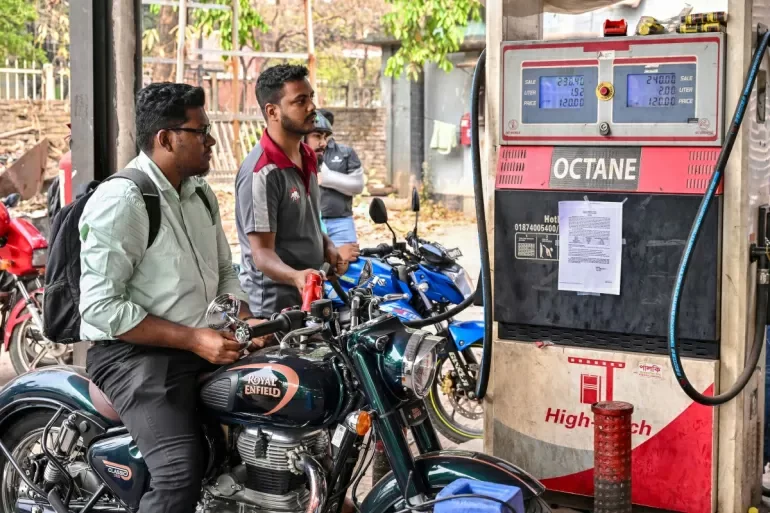
    Pakistan exemplifies the crisis, importing approximately 80% of its energy from the Gulf region while battling persistent economic instability. With fuel reserves projected to deplete within weeks, authorities have implemented emergency measures including school closures, a four-day government workweek, and drastic reductions in official travel allowances. Prime Minister Shehbaz Sharif has temporarily absorbed price increases ahead of Eid al-Fitr celebrations, though economists warn this reprieve may be short-lived.

    Neighboring Bangladesh, which imports 95% of its oil, has already exhausted fuel supplies in several districts despite implementing rationing systems. Similarly, Sri Lanka—still recovering from its 2019 economic collapse—has declared weekly holidays and introduced mandatory fuel passes for vehicle owners as reserves dwindle dangerously low.

    In Egypt, among the Middle East’s most indebted economies, the government has ordered commercial establishments to close early and reduced public lighting. Officials announced 15-22% price hikes for gasoline, diesel, and cooking gas in March, with President Abdel Fattah el-Sisi acknowledging public hardship while insisting these measures prevent “more serious and dangerous consequences.”

    The crisis compounds existing vulnerabilities through currency depreciation against the US dollar, with currencies like Indonesia’s rupiah and the Philippine peso hitting near-record lows even before the conflict. This depreciation makes oil imports substantially more expensive, creating what economist Yeah Kim Leng describes as “a powerful combination of inflation, currency pressure, and budgetary pressure” for nations already struggling with debt and high import dependency.

    According to the Washington-based Centre for Global Development, Pakistan, Bangladesh, Sri Lanka, Jordan, Senegal, Egypt, Angola, Ethiopia, and Zambia face the highest risk due to their fuel import reliance, debt levels, and foreign exchange reserve ratios.

    The human impact remains severe across less developed economies, where households spend significantly larger portions of income on fuel and food. Governments possess limited capacity to provide safety nets, creating conditions ripe for social unrest when subsidy programs become unsustainable amid depleted budgetary reserves.

    As analyst Khalid Waleed notes from Islamabad, rising diesel costs—the backbone of freight and agricultural economies—will soon translate to higher food prices. With Pakistan’s wheat harvest commencing in April, equipment running on diesel will operate at peak costs, potentially driving food inflation to levels that households cannot absorb.

  • Column: Aftellen

    Column: Aftellen

    Football enthusiasts worldwide are marking their calendars for the planet’s most anticipated sporting spectacle—the 2026 FIFA World Cup. With precisely 76 days remaining until the tournament’s June 11th kickoff, anticipation builds for what promises to be the most inclusive and commercially significant edition in football history.

    This edition breaks records with 16 additional teams compared to previous tournaments, dramatically expanding regional representation and creating unprecedented opportunities for smaller footballing nations. While most participants are confirmed, several countries continue battling through intercontinental playoffs for the final coveted spots. Host nations from the Caribbean region received automatic qualification, further diversifying the participant pool.

    Suriname narrowly missed direct qualification and now faces a decisive playoff against Bolivia, with Iraq awaiting the winner for a chance at historic participation. The expanded format has intensified global engagement, particularly among nations celebrating their inaugural World Cup appearance, such as Curaçao.

    The commercial landscape anticipates unprecedented returns, with FIFA securing lucrative sponsorship deals from global corporations eager to capitalize on worldwide viewership. Local entrepreneurs likewise prepare for economic benefits through artisanal souvenir production and hospitality sector growth.

    Beyond commercial implications, the tournament serves as a global showcase for emerging talents seeking professional advancement through international exposure. Players recognize the World Cup’s unique platform for demonstrating their value to elite clubs worldwide.

    The convergence of sporting excellence, commercial opportunity, and cultural celebration establishes the 2026 World Cup as a multifaceted global phenomenon with far-reaching impacts across sports, business, and international relations.

  • Natio op scherp voor play-off om WK-kwalificatie tegen Bolivia

    Natio op scherp voor play-off om WK-kwalificatie tegen Bolivia

    Suriname’s national football team, under the guidance of head coach Henk ten Cate, is preparing for their crucial World Cup qualifying match against Bolivia with unwavering determination. Since his appointment in December, Ten Cate has instilled a singular focus throughout the entire squad and technical staff: securing Natio’s place in June’s final tournament.

    The coach has made World Cup qualification his personal mantra, emphasizing to players: “The boys need to go to bed with it and wake up with it. It won’t be easy, but we’re going to make it happen. We have the players for it.”

    Players arrived in Monterrey, Mexico, on Sunday and Monday in staggered groups following an exhausting journey from the Netherlands. Lengthy layovers in Houston and Atlanta, combined with the challenging seven-hour time difference, tested the team’s resilience, though the internationals have grown accustomed to such demanding travel conditions.

    Despite Ten Cate’s preference for keeping media at a distance to minimize distractions, journalists including an NOS camera team—set to broadcast the Bolivia match live—were granted a brief press opportunity on Tuesday afternoon.

    Newcomer Joel Piroe, Leeds United striker joining alongside goalkeeper Janilho Wiegel and midfielder Melayro Bogarde for their first national team selection, expressed eagerness about his impending debut: “It’s true I hesitated for a while. The possibility of being called up for the Netherlands played a role, but I’m already thrilled to be here. This is a unique opportunity we intend to capitalize on.”

    Winger Gyrano Kerk, returning to the squad after battling a persistent muscle injury late last year, praised the extensive Zoom preparation sessions with Ten Cate and assistant coaches Winston Bogarde and Jimmy Hasselbaink: “These are legends I look up to. Those conversations have been crucial for group cohesion and atmosphere.”

    Central defender Myenty Abena reflected on the team’s journey: “We’ve worked years for this. Look how far we’ve come—we’ve grown tremendously as a team, and the organization keeps becoming more professional. We’ve long moved past the loss to Guatemala. We’re grateful for this second chance and determined to achieve our goal this time.”

    Abena described the emotional pre-match rituals: “When we’re in the locker room praying together, I always get goosebumps. Recently, I’ve been the one giving the powertalk. That’s when I remember we’re doing this for our country and everyone supporting us—the country where I was born and raised. How incredible to have this opportunity to represent Suriname.”

    The team is accommodated in a comfortable hotel in San Pedro, Monterrey’s most upscale district, with training facilities just fifteen minutes away. At manager Brian Tevreden’s explicit request, a brand-new artificial turf pitch was installed after his inspection last month revealed unsatisfactory conditions: “It was a sandy field full of holes, but FIFA left nothing to chance—they fixed it rapidly for us.”

    Natio faces Bolivia at 7:00 PM Surinamese time tonight. A victory would set up a Tuesday confrontation with Iraq, while Jamaica and New Caledonia meet in the other semifinal. The winners will ultimately compete against Congo for a place in the final tournament.

  • Man who attempted to rape baby among 2 people killed in SVG

    Man who attempted to rape baby among 2 people killed in SVG

    Two separate shooting incidents in St. Vincent on Wednesday resulted in fatalities, including a man recently released from prison for a disturbing attempted rape case. The killings mark the third homicide within 48 hours, elevating the nation’s murder count to 10 for the year—already reaching one-quarter of 2025’s total.

    Sebastian John, a 57-year-old welder from Ottley Hall, was fatally shot in the West Kingstown community shortly after 3 p.m. John had served a seven-year prison sentence imposed in March 2023 for attempting to assault a three-year-old girl in 2018. According to trial records, the child’s grandmother discovered John naked from the waist down, holding his penis, inside the toddler’s bedroom at approximately 12:45 a.m. on August 19, 2018.

    Hours after John’s killing, another shooting occurred in Lowmans Hill, another West Kingstown community, around 8 p.m. Sources identified the victim as Collis Charles, also known as ‘Brain,’ a 33-year-old farmer from the area.

    Law enforcement authorities have not officially commented on either shooting or confirmed the victims’ identities. These incidents follow Monday’s chopping death of Munti ‘Munt-I’ Thomas in Barrouallie, for which 41-year-old Keon Dennie has been charged with murder and appeared before the Serious Offences Court in Kingstown.