作者: admin

  • What Saint Lucia’s new youth policy promises young people

    What Saint Lucia’s new youth policy promises young people

    After nearly four decades of incremental development, Saint Lucia’s long-awaited 2025–2030 National Youth Policy has officially come into effect, with government officials and cross-sector partners now moving forward to turn the framework’s goals into tangible improvements for young people across the island. This new policy marks the culmination of efforts that first began in 1987, when the government first explored a dedicated national strategy for youth development, and advanced with an initial draft completed in 2000. The current administration has made youth empowerment a core policy priority, formally approving and launching the full policy framework in 2025.

    Speaking to local outlet St Lucia Times at the official launch held at Derek Walcott Square, Youth Development Officer Jonathan Chalon emphasized that the policy is far more than a static policy document—it is a call for collective, cross-agency action to transform young lives for the better. “We’re meeting with all the agencies, both government bodies and non-governmental organizations, so we can map out clear roles to ensure this policy is brought to action,” Chalon explained. “It’s not just a document, but collective action to really change the lives of young people for the better.”

    The National Youth Policy is structured around eight core pillars that address the full scope of young people’s lives in Saint Lucia: education and lifelong learning, economic participation, health and well-being, peace and security, democracy and citizenship, information and communication technologies (ICT) and mass media, climate change and disaster risk reduction, and the cross-sector mainstreaming of youth priorities across all levels of government.

    Each pillar includes concrete strategies to meet its goals: for education, the policy expands access to both formal schooling and non-formal learning opportunities like mentorship and workshops, with a specific focus on growing technical and vocational education and training (TVET) programs, increasing scholarship access, and strengthening digital literacy. For economic participation, the framework prioritizes youth employment and entrepreneurship through startup grants, job placement support, and targeted entrepreneurial training. It also expands access to mental health and reproductive health services, promotes safe, inclusive communities through violence prevention programming, creates formal pathways for youth participation in governance, builds digital skills for the modern economy, supports youth-led climate action, and ensures marginalized youth groups are centered in all development planning.

    TVET has emerged as a key pillar for delivering on the policy’s promises, addressing a longstanding gap in the island’s education system that left many school leavers unprepared for the workforce. Shanez Narcisse-Clipa, TVET Officer within the Ministry of Education, explained that for years, students completing secondary education with Caribbean Examinations Council (CXC) qualifications often lacked the hands-on skills needed to enter the workforce immediately. TVET programs solve this gap by offering industry-recognized Caribbean Vocational Qualifications (CVQs) alongside real-world work experience in high-demand fields ranging from graphic design and traditional folk dance to carpentry, construction, crop production, and furniture manufacturing.

    While some critics have questioned whether introducing vocational training at the secondary level is too early, Narcisse-Clipa noted that the new policy will expand TVET options dramatically, building on the foundation of new TVET institutions launched across the island in 2023. These programs are designed to equip young people with skills that address critical labor gaps both across the Caribbean region and in international markets, creating meaningful economic opportunities for youth who may not pursue traditional university pathways.

    At the launch, young educator Kimdell Eugene highlighted one emerging priority that he hopes the policy will address more explicitly in the implementation phase: public awareness of the opportunities and risks posed by artificial intelligence for young Saint Lucians. Eugene noted that while he had not yet fully reviewed the full policy text, he sees widespread AI literacy as an urgent unmet need. “I think it’s important that more people are sensitised on the challenges that artificial intelligence might pose for students and for young people in general,” he said. “What are the disadvantages, the advantages, the bigger picture, because I can see how it could lead young people down a rabbit hole.”

    To ensure the policy stays aligned with its core goals and adapts to evolving youth needs, Chalon confirmed that a formal monitoring and evaluation framework is already in place, with regional support from the Caribbean Community (CARICOM), which has deployed a technical team to assist with implementation tracking. Cross-sector collaboration is central to this monitoring strategy, with officials working to coordinate youth services across every government department to avoid duplication and ensure all youth can access the support they need. The ultimate goal, Chalon said, is simple: to guarantee every young person in Saint Lucia has equal access to the opportunities and resources they need to grow, learn, achieve their goals, and transition into healthy, fulfilled adulthood.

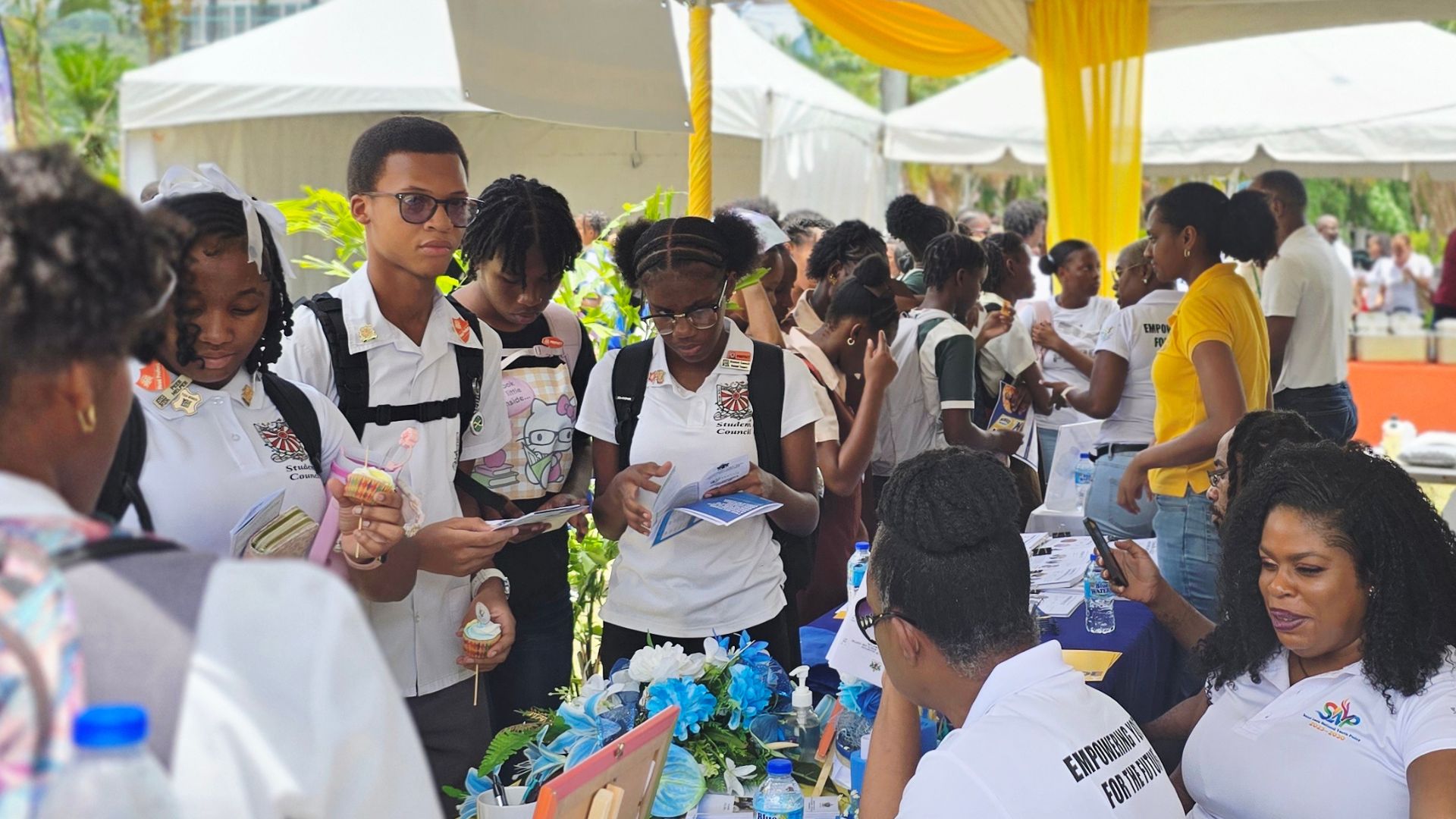
    The official launch event drew participation from government officials, students from local institutions including St. Mary’s College, and civil society stakeholders, with Ministry of Education Minister Danny Butcher joining students for the official kickoff. Department of Sustainable Development staff also briefed attending students on the policy’s climate and environmental components during the event.
  • PM secures critical energy, trade, and security alliances

    PM secures critical energy, trade, and security alliances

    From May 18 to 19, 2026, Grenada Prime Minister the Honourable Dickon Mitchell completed a high-stakes, two-day official working visit to Washington, D.C., marking a landmark step in deepening diplomatic and economic collaboration between the Caribbean island nation and the United States. The packed itinerary centered on five core priority areas: cross-border investment, energy development, trade expansion, critical infrastructure upgrades, and regional security cooperation, with Mitchell holding direct, substantive talks with senior officials from the U.S. Cabinet, congressional leaders, and major U.S. private sector stakeholders.

    ### Strengthening Bilateral and Economic Partnerships
    The entire diplomatic mission was framed around boosting Grenada’s global visibility as an attractive destination for sustainable trade and international investment, starting with high-level dialogue across key U.S. government branches. At the U.S. Department of State, Mitchell sat down with Deputy Secretary of State Christopher Landau to reaffirm shared commitments to regional collaboration and expand mutually beneficial bilateral economic ties.

    Moving to the Department of Commerce, the prime minister held targeted discussions with Commerce Secretary Howard Lutnick and William Kimmett, Under Secretary for the International Trade Administration. The talks centered on unlocking Grenada’s emerging oil and gas potential while streamlining and optimizing existing trade routes between the two nations to reduce barriers for Grenadian exporters. Mitchell also made direct outreach to key congressional leaders, including Representative Joe Wilson of the House Foreign Affairs Committee and Senator Bill Hagerty, ranking member of the Senate Foreign Relations Subcommittee on the Western Hemisphere, to secure ongoing legislative support for the deepening of U.S.-Grenada bilateral relations.

    ### Advancing Energy Security and Maritime Logistics
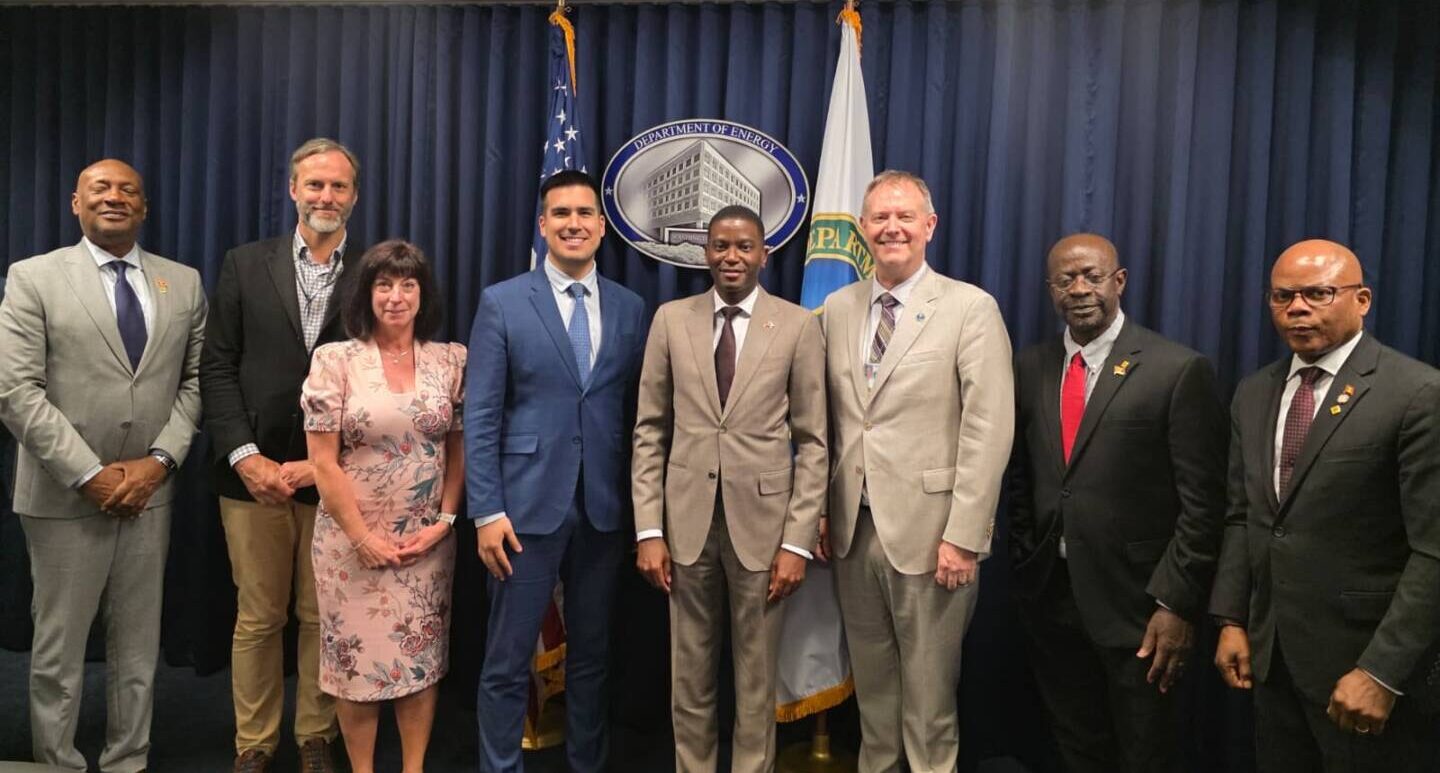
    A central pillar of Mitchell’s visit was advancing Grenada’s goals of energy sovereignty, climate resilience, and long-term economic sustainability, with technical and private sector discussions focused on renewable energy development and supply chain improvements. At the U.S. Department of Energy, the Grenadian delegation met with a senior leadership team including Juan Pablo Varela, Special Advisor for International Affairs, and John Lassek, Deputy Assistant Secretary for the Office of Subsurface Energy, Hydrocarbons and Geothermal Energy. The two sides explored opportunities for U.S. technical assistance and international private investment in Grenada’s geothermal and utility-scale solar energy sectors.

    Separately, Mitchell held talks with Adam Cortese, CEO of UGT Renewables, focused on mobilizing global private capital to deliver large-scale solar energy projects and related infrastructure to unlock Grenada’s abundant renewable energy potential. For maritime logistics, a meeting with Tropical Shipping CEO Tim Martin centered on practical improvements: streamlining cross-border supply chains, cutting freight costs for Grenadian businesses, and building more efficient maritime logistics networks that support the island nation’s trading community.

    ### Aligning on National and Regional Security Priorities
    Addressing shared border management challenges and aligned geopolitical interests across the Western Hemisphere, Mitchell held strategic strategy sessions at the White House National Security Council with Michael Jensen, Senior Director of the NSC, and Will Turner, Special Advisor to the Vice President for the Western Hemisphere. Discussions focused on advancing regional stability in the Eastern Caribbean, advancing the U.S. ‘Americas First’ policy framework, expanding U.S. support for Grenada’s disaster response and risk management systems, and strengthening joint air and maritime border security enforcement in the subregion.

    In his post-visit commentary, Mitchell emphasized that the two days of intensive engagement marked the starting point of a deeper, long-term partnership with the United States, one centered on driving Grenada’s national development goals through expanded bilateral cooperation. “By solidifying direct alliances with U.S. federal agencies, key congressional committees, and major industrial leaders, we are positioning Grenada to attract premium, sustainable investments that deliver long-term benefits to our people,” Mitchell noted.

    Before arriving in Washington for official diplomatic talks, Mitchell undertook a two-day engagement with the Grenadian diaspora in New York City from May 16 to 17. During that trip, he attended the graduation ceremony of St George’s University at Madison Square Garden, where renowned Grenadian physician Dr. Dolland Noel was honored with the institution’s Distinguished Service Award. Alongside the Project Polaris Team and Grenada’s Ambassador for Diaspora Affairs Terry Forrester, Mitchell also led a well-attended town hall meeting at Medgar Evers College, where he addressed questions and priorities from the local Grenadian community. He also took part in the Spice Excellence Awards, where 12 accomplished Grenadians from diverse professional fields were recognized for their outstanding career achievements.

    Following the conclusion of his official travel, Mitchell and his delegation completed their itinerary and returned to Grenada on Wednesday, May 20, 2026. This report was issued by the Office of the Prime Minister of Grenada.

  • Police obtain video of suspect vehicle in Angelo probe

    Police obtain video of suspect vehicle in Angelo probe

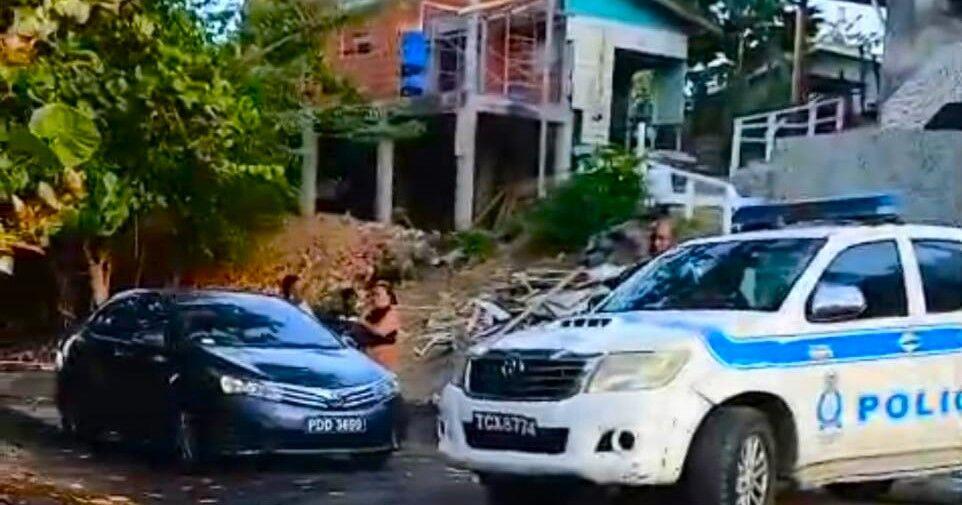
    The 11-day search for a missing two-year-old boy from Tobago has entered a critical phase, with investigators securing new video evidence and a shocking confession that has left a small coastal community reeling in grief.

    Angelo Tobias-Plaza, who was last seen from his home in the village of Goodwood on the night of May 11, remains unfound as law enforcement and volunteer search teams comb the island’s coastline and surrounding areas for answers. In the latest development in the high-profile case, investigators have obtained closed-circuit television footage collected from a private Goodwood residence, which they believe could shed new light on the movements of a suspect tied to the toddler’s disappearance. The footage captures a vehicle that authorities suspect was used by the person of interest in the hours immediately surrounding Angelo’s vanishing, and forensic teams are now meticulously reviewing the recording to map out movement patterns in and around the village on that fateful night.

    As the investigation advances, a key person connected to the case has returned to the island to cooperate with authorities. Angelo’s landlady, who was traveling abroad in Canada when the child went missing, flew back to Tobago overnight following updates on the probe. She is scheduled to sit down with investigators this week to share details about the property and any connections to persons of interest that may assist the inquiry.

    The case took a dramatic, chilling turn over the weekend, when one of seven detainees held in connection with the disappearance allegedly confessed to killing the toddler and disposing of his body in the Caribbean Sea off Goodwood Bay. According to official police sources, the suspect told interrogators that he strangled Angelo before dumping the small child’s remains in the nearby coastal waters.

    Following the alleged confession, search teams immediately redeployed to Goodwood Bay, and investigators returned to the rented Goodwood home shared by Angelo’s mother Kalifa Tobias and stepfather at Cambridge Trace. Authorities had planned to bring the self-confessed suspect out to map out key locations tied to the crime, but the plan was derailed after the suspect reported feeling unwell. He was quickly transported to the Accident and Emergency Department of Scarborough General Hospital for medical evaluation and treatment, halting the on-site location identification process.

    To date, seven people—three women and four men—remain in police custody as investigators piece together what happened to the toddler. Over the weekend, Tobias was also brought back to the family’s rented property by investigators; dressed in a standard crime scene protective suit, she walked officers through key areas of the home and surrounding land before being escorted from the premises.

    Since Angelo was reported missing 11 days ago, large-scale search operations have been carried out across multiple sites in Tobago, including Goodwood Bay, the Studley Park Landfill, and Pig Farm Road in nearby Goldsborough. Teams have also followed up on every tip from the public: just days ago, a local resident reported spotting a suspicious black bag wedged in a cliff face off Pig Farm Road. Members of the Hunters Search and Rescue Team, a volunteer group that has supported the probe from the start, abseiled down the precipice to retrieve the bag, only to find its contents had no connection to the missing toddler case.

    The Trinidad and Tobago Police Service (TTPS) has confirmed that the investigation has reached a “critical turn”, with multiple specialized units working around the clock to secure a conclusive outcome. Assistant Commissioner of Police Rishi Singh said in a recent statement that the entire investigative team remains committed to reaching “a clear and definitive outcome” for the family and the community. The sprawling probe draws resources from across the TTPS, including the Special Victims Department, Tobago Division Gang Unit, Homicide Bureau of Investigations, Tobago Divisional Task Force, Canine Unit, and Criminal Records Office, with additional logistical and operational support from the Tobago Emergency Management Agency and the Hunters Search and Rescue Team. Officials have noted that the investigation remains sensitive and ongoing, declining to share further details that could compromise the process.

    As the search drags on without finding the toddler, the tight-knit community of Goodwood and surrounding areas is being consumed by anxiety and collective grief. Local residents have continued to hold public prayer vigils this week, coming together to pray for answers and comfort for Angelo’s family.

    Chandra Jerry, a resident of nearby Pembroke, broke down in tears while speaking to reporters at Goodwood Bay this week. “I want to see the baby come out so that I could feel good in my spirit,” she said. “We really want answers to this, and the only answer is to see the baby alive or dead to give us comfort.”

    Eighty-seven-year-old Agnes Alleyne, a lifelong Goodwood resident, said the community would take years to recover from the shocking tragedy. “It’s a very sad situation right now because I have never seen such a thing in my life,” Alleyne said. “When I heard that this boy confess, it hurt me very much.” As of last night, Angelo Tobias-Plaza has still not been located, and search operations are set to resume at first light this week.

  • Psychische aandoeningen nemen wereldwijd toe, ook in Suriname

    Psychische aandoeningen nemen wereldwijd toe, ook in Suriname

    New data emerging ahead of the World Health Organization’s 79th World Health Assembly in Geneva has put a stark spotlight on the escalating global mental health crisis, with Suriname standing out as one of the hardest-hit nations worldwide. As of 2021, the South American country recorded a suicide rate of 22.3 deaths per 100,000 residents, placing it 7th on the global list of highest suicide rates. That year alone, 148 suicides were officially registered, accounting for nearly 4% of all deaths in the country. For Suriname’s population aged 15 to 39, suicide is the second leading cause of death, a trend that mirrors alarming patterns across the broader Caribbean region. Neighboring Guyana leads the region with an even higher rate of 26.4 suicides per 100,000 people.

  • Govt urges deeper embrace of African heritage to strengthen national identity

    Govt urges deeper embrace of African heritage to strengthen national identity

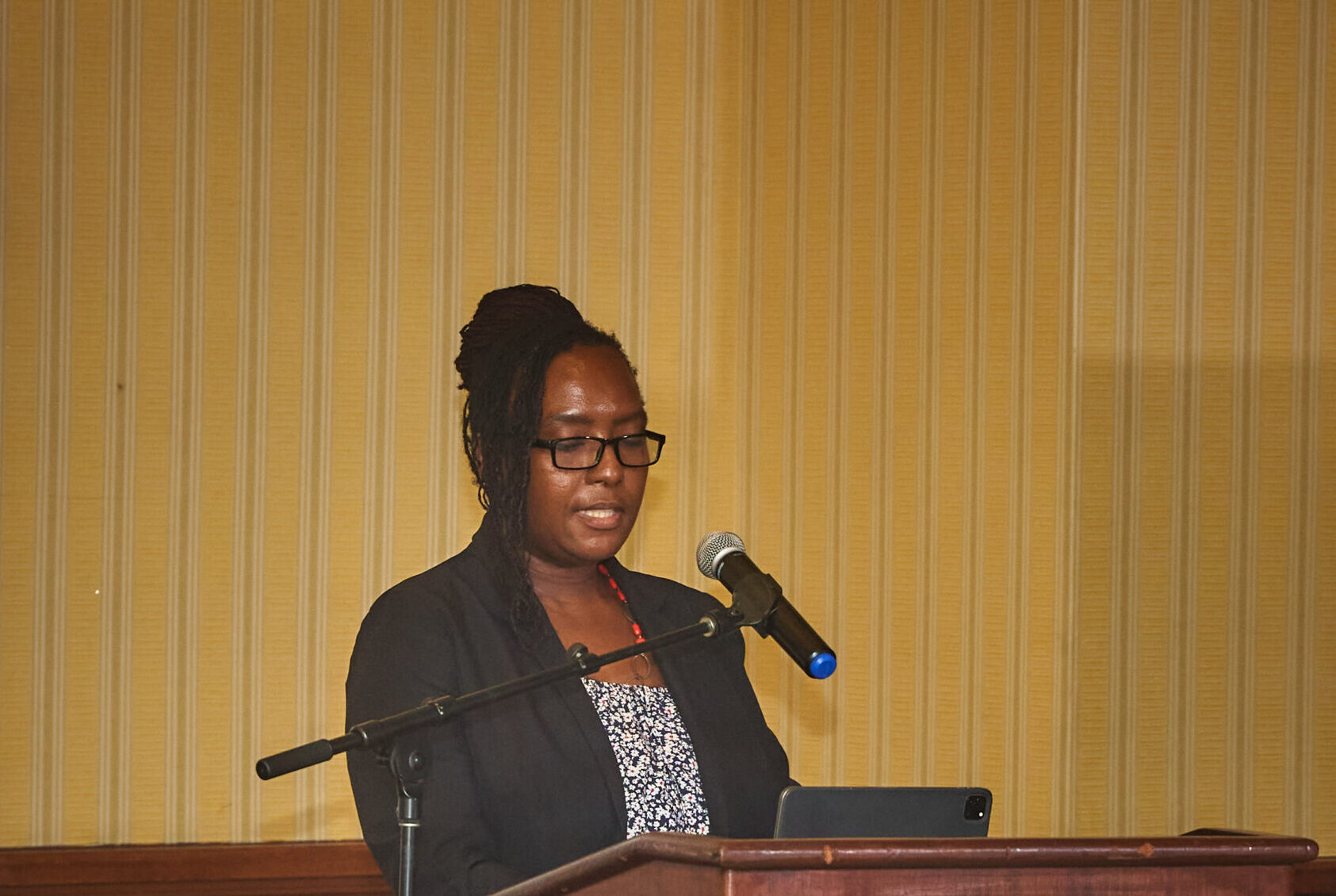
    At the opening of a vibrant Africa Day cultural celebration hosted at Solidarity House, headquarters of the Barbados Workers Union, a top Barbadian culture leader has issued a renewed call for intensified efforts to help the country’s population — especially younger generations — build a more profound connection to their African ancestral roots. Michelle Maynard, Deputy Permanent Secretary in the Ministry of Culture, delivered the address on Wednesday on behalf of Trevor Prescod, Minister in the Prime Minister’s Office with oversight of Pan-African Affairs and Heritage.

    During her remarks, Maynard emphasized that the Barbadian government has long centered culture and heritage as foundational pillars for advancing public education, strengthening national cohesion, and driving inclusive national development, rather than framing these areas as mere nostalgic reflections on the past. “As a government, we recognize that culture and heritage are not simply about the past, they are powerful tools for education, national development, unity, and transformation,” she stated in her opening address.

    To advance this goal, Maynard outlined that the government is rolling out a range of targeted initiatives to expand access to ancestral education for young Barbadians. These include annual Africa Day commemorations, the ongoing Season of Emancipation programming, academic education partnerships, and cross-cultural exchange programs, all designed to create accessible opportunities for youth to explore their ancestry and clarify their personal and national identity.

    “Our overarching goal is to build a country that stands confident in its heritage and is unapologetically proud of its people,” Maynard told attendees of the cultural extravaganza. She went on to reframe Africa Day as far more than a one-off cultural festival, positioning the annual observance as a critical collective reminder of the origins of the Barbadian people, the centuries of struggle endured by their African ancestors, the extraordinary resilience those ancestors demonstrated, and the enduring cultural legacy they passed down to modern generations.

    “Every core part of our national life bears the unique, indelible imprint of Africa,” Maynard explained. “The rhythms of our native music, the distinct flavor of our traditional cuisine, the extraordinary resilience that defines our people, our shared spirituality, our colloquial language, our vibrant artwork, and our most cherished community traditions all trace back directly to African roots.”

    She stressed that this deep ancestral connection makes intentional heritage education an urgent priority for Barbados, particularly for young people who have grown up exposed to harmful narratives that misrepresent African cultural practices. “Too often, unfair negative stereotypes are attached to core parts of our culture, whether it be our traditional hairstyles, our music, our food, our language, or our art,” she noted. “Africa Day gives us an important annual opportunity to present a true, powerful portrait of African culture — one that is rich, creative, vibrant, and full of life.”

    Maynard added that accurate, accessible education about African history and heritage is a transformative force that can reshape how Barbadians view themselves and one another. “I believe strongly that our young people must not only know the full history of their roots, but also feel deep pride in that history,” she said. “Understanding where we come from gives us collective confidence, clear direction, and a deeper appreciation for who we are as a people.”

    “When we learn the unfiltered truth about Africa and its countless invaluable contributions to global civilization, we begin to step away from harmful stereotypes and outdated misconceptions, and move toward a greater sense of national pride, mutual respect, and cross-cultural understanding,” she concluded.

  • Diaz-Canel accuses US of trying to discredit leader Raul Castro

    Diaz-Canel accuses US of trying to discredit leader Raul Castro

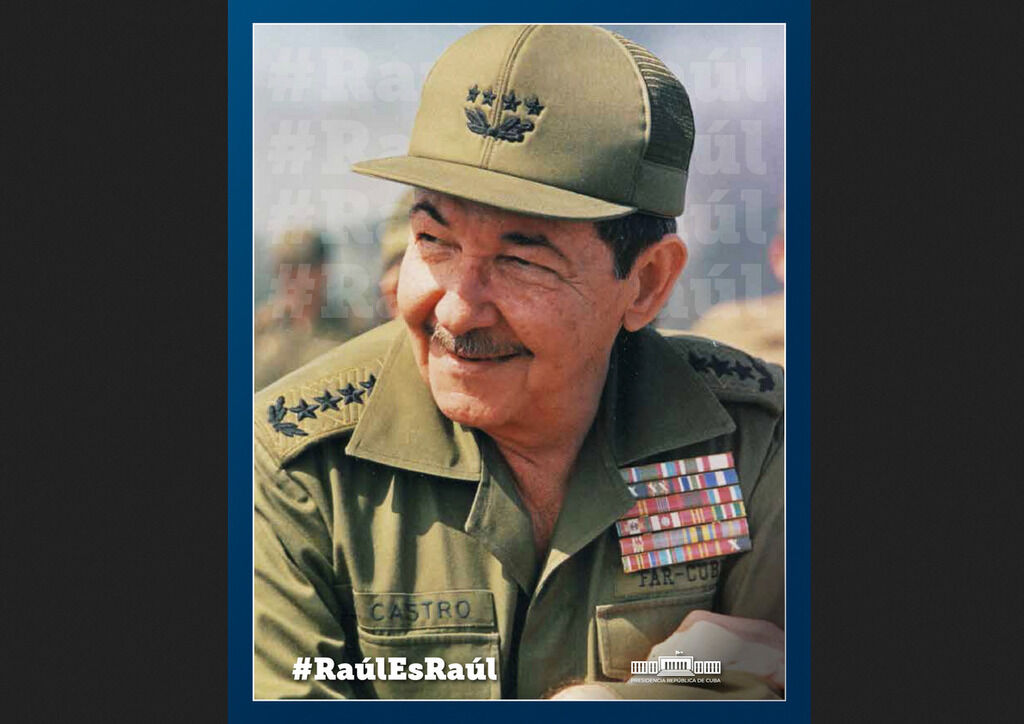
    Cuba’s head of state has issued a scathing rejection of newly unveiled U.S. government accusations targeting former Cuban leader Army General Raúl Castro Ruz, framing the charges as a transparent display of Washington’s long-standing arrogance and mounting frustration over the Cuban Revolution’s unyielding principles and the unified moral standing of its leadership. In an official statement posted to the social platform X, Cuban President Miguel Díaz-Canel underscored that the allegations are a purely politically motivated maneuver, completely devoid of any legitimate legal foundation.

    Díaz-Canel argued the move is designed solely to prop up a manufactured narrative that Washington can use to justify what he called the reckless ambition of potential military aggression against Cuba. “The United States is lying,” he stated firmly, accusing U.S. authorities of deliberately distorting the facts surrounding the 1996 downing of aircraft belonging to the anti-Castro group Brothers to the Rescue, which the Cuban government has long labeled a narco-terrorist organization.

    The Cuban president emphasized that his country holds extensive, well-documented evidence proving that Havana did not act recklessly, nor did it violate international law when it downed the planes. He contrasted Cuba’s actions with the consistent pattern of U.S. military conduct, pointing to what he described as cold, premeditated, publicly acknowledged extrajudicial killings of civilian vessels in the Caribbean and Pacific regions carried out by American forces.

    Díaz-Canel reaffirmed that the 1996 incident, which took place on February 24, was a clear exercise of legitimate self-defense within Cuba’s own territorial waters. He explained that the aircraft had repeatedly violated Cuban airspace in dangerous incursions organized by well-documented terrorists, and that the U.S. government in power at the time had been warned more than 12 times about the activity. Despite these repeated warnings, Washington chose to ignore the notifications and allowed the violations to continue.

    He went on to defend Raúl Castro’s personal and professional legacy, noting that the veteran revolutionary leader’s long record of ethical leadership and commitment to human-centered values directly contradicts every slanderous claim leveled against him. Throughout his career as a guerrilla commander and head of state, Raúl Castro earned the profound love of the Cuban people, as well as widespread respect and admiration from global and regional leaders, Díaz-Canel added. These deeply rooted, widely recognized moral values, he concluded, serve as both the former leader’s strongest defense and an impenetrable moral shield against what he called the absurd effort to undermine his standing as a heroic figure in Cuban history.

  • Cuban writers’ gathering honors Francisco Lopez Sacha’s legacy

    Cuban writers’ gathering honors Francisco Lopez Sacha’s legacy

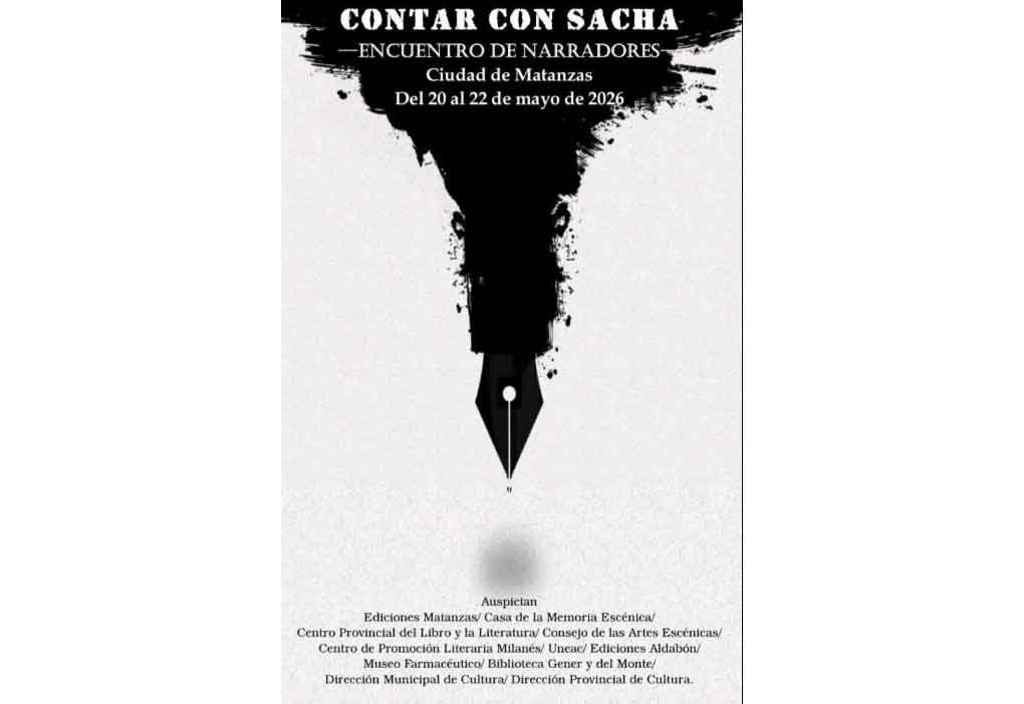
    A three-day immersive literary gathering has brought together fiction writers and storytellers from two of Cuba’s most culturally vibrant regions, Havana and Matanzas, for a packed schedule of creative and academic events designed to elevate domestic narrative craft and strengthen connections within the island’s literary community. Organized around core themes of memory, creative expression, and the enduring power of Cuban storytelling, the festival covers a diverse range of activities, from in-depth theoretical discussions and public readings to hands-on narrative technique workshops, new book launches, and open forums for critical reflection.

    The festival kicked off its opening session at Havana’s Casa de las Letras Digdora Alonso, the home of publishing house Ediciones Matanzas, with an opening panel discussion titled “Voy a escribir la eternidad” (I’m Going to Write Eternity). According to official announcements shared via social media by Cuba’s cultural ministry, the panel featured prominent Cuban writers Dazra Novak, Karla Flores, Ulises Rodriguez Febles, and Norge Cespedes, and was moderated by academic and cultural figure Maylan Alvarez.

    On the first day’s afternoon schedule, a showcase of emerging narrative talent is set to take place at Casa de la Memoria Escenica, where a new generation of young storytellers including Nathaly Hernandez Chavez, Raul Piad, and Luis Enrique Mirambert will present their original work to audiences. Over at Gener y del Monte Public Library, attendees will have access to a curated special sale of Cuban narrative fiction, paired with live musical performances by students from the local Sachariana music school.

    Additional planned programming includes the Pena del Maiz Regado, a community gathering that will feature dedicated readings for children and adolescent audiences, alongside the hands-on narrative technique workshop “La Buena Pipa”. Both events will be hosted at the Matanzas chapter headquarters of the Union of Writers and Artists of Cuba, one of the festival’s lead institutional partners.

    The closing event on the festival’s final Friday will be held at the historic Ernesto Triolet Pharmaceutical Museum. The evening will open with a collective group reading of the celebrated Cuban work *Dorado Mundo* (Golden World), followed by the official awards ceremony for the annual short story competition “El Que Va Con la Luz”. Celebrated Cuban pianist Elvira Santiago will also deliver a special live performance to cap off the three-day event.

    Organized and supported by a coalition of leading Cuban cultural and educational institutions, including the Union of Writers and Artists of Cuba, Gener y del Monte Public Library, Aldabin Publishing House, and the Ernesto Triolet Pharmaceutical Museum, the festival positions itself as a unique collaborative space that bridges creative practice, collective memory, and literary innovation. At its core, the gathering works to advance the preservation and growth of Cuban literature and amplify its ongoing cultural impact across the island and beyond.

  • Cuban Foreign Minister rejects Marco Rubio’s statements

    Cuban Foreign Minister rejects Marco Rubio’s statements

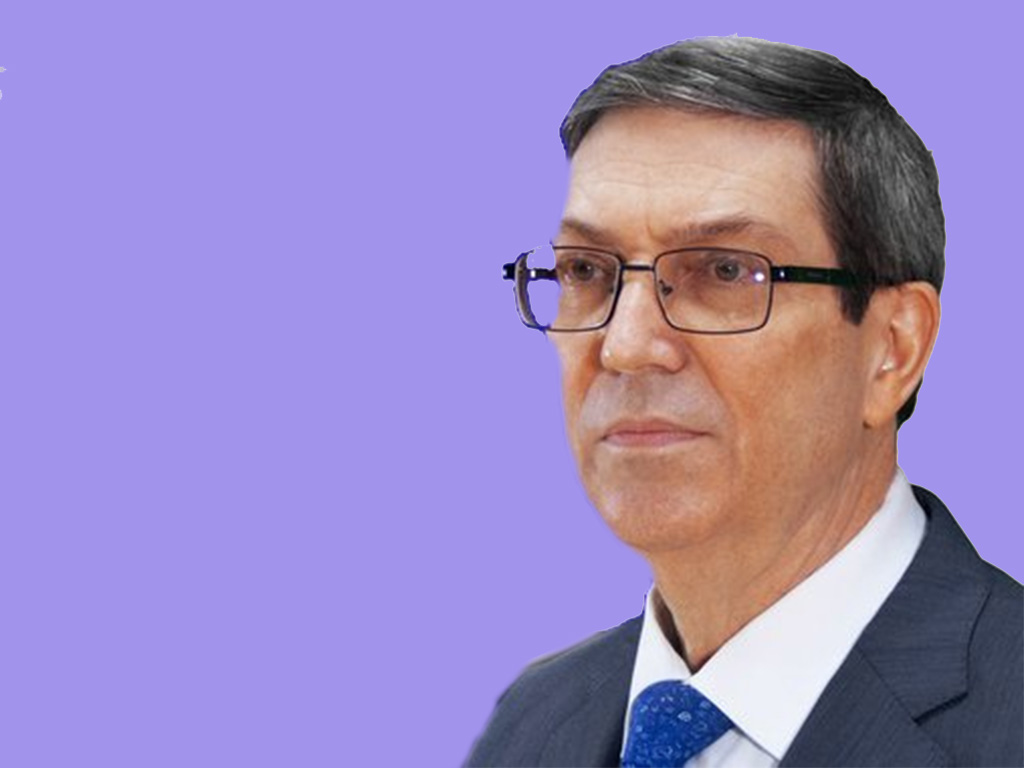
    A sharp diplomatic war of words has erupted between Cuba’s top foreign policy official and senior U.S. political figures, centered on competing historical narratives and blame for the Caribbean island’s ongoing economic hardship. In a series of posts on the social platform X, Cuban Foreign Minister Bruno Rodriguez launched a forceful rebuke of U.S. Secretary of State and Republican senator Marco Rubio, accusing both of spreading falsehoods to shift blame for Cuba’s struggles away from decades of U.S. policy. Rodriguez charged that the Secretary of State has repeated a dishonest talking point that incorrectly pins responsibility for widespread suffering among the Cuban people on the Cuban government, when that suffering is actually the direct result of harm inflicted by Washington’s policies.

    Rodriguez also targeted Rubio specifically, framing the Florida-based senator as a mouthpiece for corrupt, retaliatory special interest groups concentrated in South Florida’s Cuban exile community. He emphasized that these groups do not represent the views of the majority of the American people, nor do they speak for the majority of Cuban residents living in South Florida.

    One key point of contention is the $100 million in proposed U.S. aid to Cuba that Washington claims Cuba has refused to accept. Rodriguez pushed back on this framing, noting that while Cuba has not formally rejected the aid package, its hypocrisy is obvious to any observer. The devastating, long-term impact of the U.S. economic blockade and energy embargo on Cuba’s economy makes any offer of limited aid nothing more than a hollow, cynical gesture, he argued.

    The conflict further escalated around the symbolic date of May 20. Rodriguez explained that this date marks the start of a decades-long neocolonial period for Cuba, when the island became a dependent satellite of the United States. He claimed that top U.S. diplomats are leveraging this historical anniversary to push for Cuba to return to that subordinate status. However, Rubio has pushed an opposing narrative, framing May 20, 1902 as the date of Cuba’s formal independence from Spain. Rubio points to the date as the moment the Cuban flag flew over a sovereign Cuban state for the first time, but he deliberately omits the historical reality that after ending Spanish rule, Cuba immediately transitioned into a neocolonial dependency under U.S. control, Rodriguez countered.

    Rubio has also drawn attention to the current acute crisis on the Cuban island, highlighting widespread issues including extended power blackouts, and severe shortages of food, fuel, and basic electricity. But Rodriguez pointed out a critical omission in Rubio’s commentary: the U.S. lawmaker fails to acknowledge that the decades-old U.S. economic, commercial, and financial blockade, combined with the ongoing oil embargo, is the root cause of the shortages facing ordinary Cubans, and remains the single largest barrier to the country’s sustainable development.

  • OECS and EU support water protection efforts in St. Kitts through new arboretum project

    OECS and EU support water protection efforts in St. Kitts through new arboretum project

    Against a backdrop of escalating climate pressure on global natural resources, regional environmental cooperation has delivered a landmark conservation milestone in the Eastern Caribbean. On May 13, 2026, the Organisation of Eastern Caribbean States (OECS), the European Union (EU), and the government of Saint Kitts and Nevis formally inaugurated the new Royal Basseterre Valley National Park Arboretum, completing a key component of the OECS’ five-year Integrated Landscape Management (ILM) Project, a EU-funded regional conservation initiative.

    Amid accelerating climate change and environmental degradation, small island developing states like those in the Eastern Caribbean face disproportionate risks to their limited natural resources, particularly freshwater supplies. The ILM Project was developed to address these vulnerabilities by scaling up sustainable landscape and ecosystem management across the region, with the Royal Basseterre Valley Arboretum serving as one of its flagship on-the-ground outcomes.

    The newly completed arboretum occupies a section of Royal Basseterre Valley National Park, which sits atop a critical aquifer that supplies clean drinking water to nearly 40 percent of St. Kitts’ population. Funded through an EU grant, the project included installation of protective perimeter fencing to safeguard the sensitive ecosystem, as well as targeted afforestation to establish the new arboretum. Beyond protecting the region’s vital water resources, the initiative was designed to enhance the site’s value for recreation, environmental education, cultural engagement, and biodiversity conservation, through the strategic planting of both fruit-bearing and native ornamental tree species.

    The official handover ceremony drew a diverse cross-section of attendees, including government leaders, OECS and EU representatives, local students, community members, development partners, and environmental stakeholders. The gathering celebrated the project’s completion and reaffirmed collective commitments to regional sustainable development and climate-resilient conservation.

    In her remarks at the event, Joyelle Clarke, Saint Kitts and Nevis’ Senator and Minister of Sustainable Development, Environment and Climate Action and Constituency Empowerment, emphasized the arboretum’s central role in the federation’s national sustainability strategy, which integrates environmental protection, public health and wellness, and long-term freshwater security.

    “This arboretum is a testament to what we can achieve through partnership and our regional systems,” Clarke said. “We are able to benefit from an initiative that actively takes into consideration our local realities and caters to the unique needs of this protected space, all while strengthening our environmental resilience.”

    Derionne Edmeade, Director of Saint Kitts and Nevis’ Department of Environment, framed the project as a dual investment in ecological health and public good. “This initiative reflects the Federation’s collective commitment to biodiversity conservation, climate resilience, environmental stewardship, and sustainable development for current and future generations,” he noted.

    Delamine Andrew-Williams, speaking on behalf of the OECS Commission, hailed the project as a tangible demonstration of regional conservation vision. “The Royal Basseterre Valley National Park Arboretum stands as a practical example of this vision in action, where environmental stewardship, community benefit, and national development come together harmoniously,” she said. “The successful establishment of the arboretum, including its fencing and afforestation, is a testament to sustained collaboration and technical excellence.”

    Quentin Peignaux, representing the European Union, reaffirmed the bloc’s long-term commitment to supporting biodiversity, soil and water protection, and sustainable development across the Caribbean. “It is very important for the European Union to participate in initiatives such as the ILM Programme because water resources and soil conservation are inseparable and are both essential to protecting the natural resources that sustain our living environment,” Peignaux explained. He added that the EU continues to back a broad portfolio of conservation action in the OECS region, including biodiversity programs, protected area management, blue carbon projects, and nature-based climate solutions.

    The ceremony concluded with two symbolic acts: the unveiling of a commemorative plaque marking the arboretum’s opening, and a collective tree-planting activity aligned with Saint Kitts and Nevis’ national day tree planting initiative. Attendees including government officials, OECS delegates, students, environment ministry staff, community members, and development partners all took part, underscoring the cross-sector commitment to long-term environmental conservation and sustainable landscape management in the federation.

  • UWP raises alarm over crime and governance

    UWP raises alarm over crime and governance

    Opposition political group the United Workers Party (UWP) has launched a scathing rebuke of the Saint Lucia government’s management of public safety and national development, arguing that the island nation’s ongoing surge in violent crime is a direct product of long-running structural gaps and incompetent leadership.

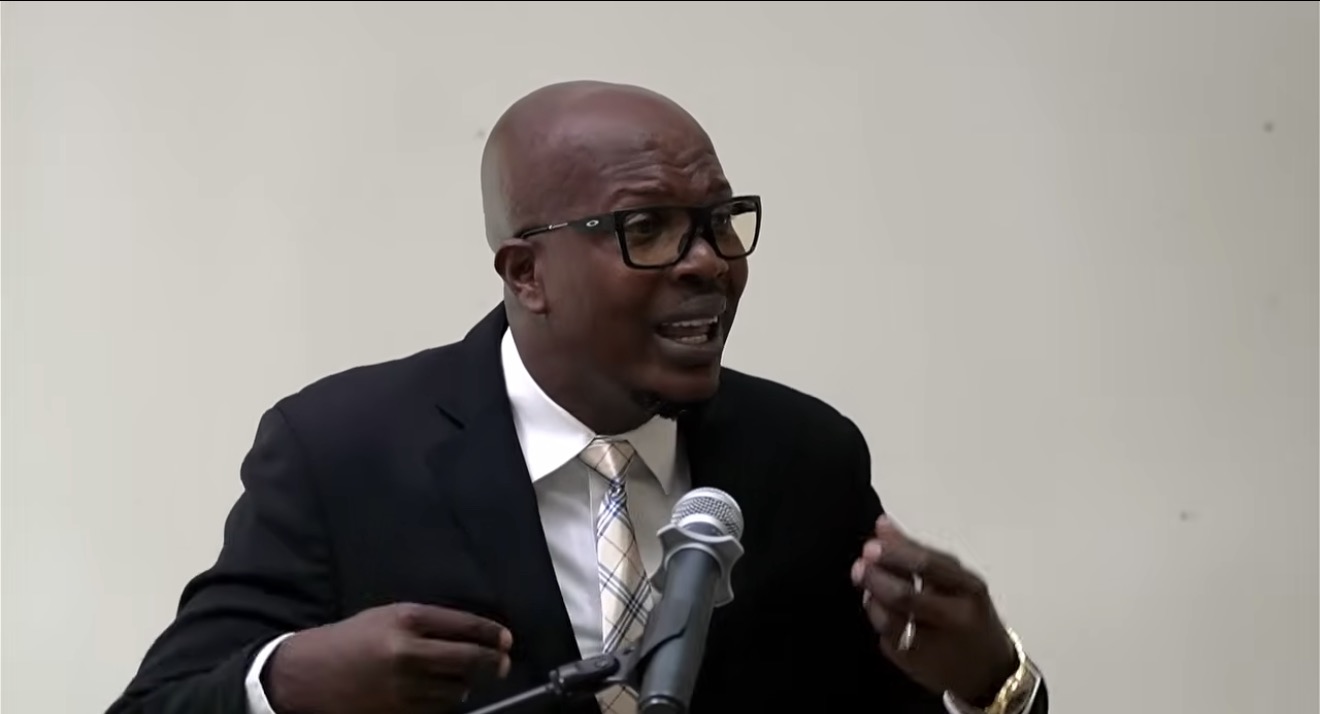
    Speaking at a formal press conference, former Member of Parliament for Vieux Fort North Calixte Xavier broke down the roots of the current crisis, emphasizing that the unchecked crime wave gripping the country did not materialize suddenly. “Crime at this level does not emerge overnight. It takes time,” he noted, attributing the escalation to expanding transnational criminal networks, unregulated flow of illegal firearms across borders, and a reactive governance style that lacks proactive long-term strategy.

    Xavier cast doubt on the tangible impact of the government’s recent public safety interventions, pointing out that even after increasing police deployments, allocating new law enforcement equipment, reshuffling the security ministry, and imposing a 2.5% national levy for health and security initiatives, the island has yet to record a sustained drop in homicide rates.

    He further criticized gaps in border security framework and weak support for frontline law enforcement, highlighting concerning missteps including the disbandment of the police canine unit, non-functional border scanning equipment, and plummeting morale among ranks of the Royal Saint Lucia Police Force. “Our security begins at our borders,” Xavier said, adding that the poor treatment of serving officers has directly eroded their ability to carry out their duties effectively.

    Beyond systemic failures, Xavier drew attention to the devastating human and social toll of persistent violent crime, from the chronic trauma endured by victims, their families, and first responders to the unaddressed mental health burden placed on police officers who repeatedly respond to violent incidents. He revealed that the Royal Saint Lucia Police Force currently has no dedicated in-house counsellor to support officers dealing with occupational trauma, a gap he described as a “a bigger problem” that exacerbates existing morale issues.

    Xavier also outlined the crippling financial strain that violent crime places on affected households, noting that the loss of a breadwinner and unexpected medical bills often push already vulnerable families into severe economic hardship. Echoing widespread public discontent, he stressed: “We are tired of speeches. We are tired of promises. We want safety, we want leadership.”

    UWP Second Deputy Political Leader Dominic Fedee expanded on the party’s critique, framing rising crime as a visible symptom of far deeper failures in governance, economic planning and national priority-setting. He warned that Saint Lucia is effectively “drifting” at a moment when clear, decisive strategic direction is most needed.

    Fedee pointed out that the government has controlled substantial financial resources from international loans and the island’s popular Citizenship by Investment Programme, yet the public still remains gripped by feelings of insecurity, uncertainty and distrust in the government’s national direction. “The issue confronting Saint Lucia was never simply a lack of money; the issue was a lack of priorities,” he explained.

    He called for sweeping improvements to transparency and accountability, particularly for public funds generated through the citizenship by investment initiative, noting that “the people of Saint Lucia deserve transparency, they deserve accountability.”

    Fedee argued that the absence of long-term strategic planning has directly fueled broader social ills including rising youth unemployment, weakened community cohesion, and growing social instability. “When governments fail to create opportunity, fail to plan strategically… criminal networks eventually begin filling the vacuum,” he said, underscoring the direct causal link between economic mismanagement and rising crime.

    He also issued a stark warning that the ongoing surge in violence threatens to damage Saint Lucia’s $tourism sector$, the central pillar of the island’s national economy. Rising instability and negative international press could deter international visitors and drive away critical foreign investment, Fedee argued, noting: “A country cannot market paradise abroad while instability spreads at home.”

    In addition to security failures, Fedee criticized the government’s ad-hoc, unplanned approach to national development projects, which he said has disproportionately harmed informal vendors and artisanal fisherfolk. He claimed there is no cohesive national policy to protect vulnerable groups when large-scale redevelopment projects move forward, leaving marginalized communities to bear the brunt of poorly planned growth.

    Fedee concluded by emphasizing that Saint Lucia needs comprehensive, long-term solutions rather than short-term, reactive fixes. “Band-aids cannot replace nation building,” he said, renewing the UWP’s call for strategic forward planning, greater governmental accountability, and equitable sustainable development across the island.