作者: admin

  • Fuel price hikes spark public backlash

    Fuel price hikes spark public backlash

    A controversial announcement of sharp fuel price increases in the Dominican Republic has triggered widespread public anger and organized pushback, with critics accusing the administration of placing an unfair economic burden on already struggling working families. The government’s Ministry of Industry, Commerce and MSMEs (MICM) unveiled the new price adjustments for the week of September 19–25, which include a 9 Dominican peso (RD) increase per gallon for premium gasoline and premium diesel, bringing their new prices to RD$350.10 and RD$302.10 respectively. Regular grades of gasoline and diesel saw a 5 peso per gallon increase, now retailing at RD$315.50 and RD$267.80. Additional hikes were applied to other fuel products: aviation fuel rose by RD$27.43 to RD$345.40 per gallon, kerosene jumped by RD$29.30 to RD$388.30, fuel oil #6 increased RD$5.53 to RD$178.38, and 1% fuel oil rose by RD$11.08 to RD$214.47. Only Liquefied Petroleum Gas (LPG) was spared from a price hike, a detail critics have acknowledged but dismissed as insufficient to offset broader harm.

    Public backlash was immediate and widespread across all segments of Dominican society. Commenter Wesly Fermin was one of many residents who voiced outrage on local outlet Listín Diario’s Instagram page, arguing that “when oil prices fall, domestic fuel prices stay the same, but when oil goes up, consumers end up footing the entire bill.” Fermin warned that the 9 peso jump for premium fuel is far from a trivial change, noting that higher fuel costs ripple through every sector of the economy, driving up transportation fares, grocery prices, and the cost of nearly all consumer goods. “At the end of the day, it’s always the average citizen that ends up paying for the government’s bad decisions,” he said. That frustration was echoed in public spaces across the country: from office hallways to subway platforms, from bus routes to neighborhood corner stores, residents shared criticism and anxiety over how the price hikes would erode their already strained quality of life.

    Four major civil society and community organizations – the Don Bosco Neighborhood Organizations Coordinator (Codonbosco), the Center for Education for Peace, Tolerance and Development (Cepatode), the Alexis Rafael Peña Institute for Alternative Conflict Resolution (Ircap), and the Association of Housewives Committees of the National District and Santo Domingo (Acadisando) – have issued a categorical rejection of the price increase. The groups point out that the government has collected fuel taxes for six years without implementing comparable increases in prior periods, and argue that moving forward with steep hikes now ignores the fact that basic commodity prices have already been rising for Dominican households. They warned that the fuel price increase will push up costs for a broad swath of working people, including housewives, commercial truckers, small business owners, farmers, and local producers. The organizations estimate that as many as four million Dominican residents will see their basic food costs rise as a result, and criticized President Luis Abinader for failing to introduce a comprehensive plan to mitigate the coming economic crisis. “Dominican households can no longer bear the burden of rising prices and growing food insecurity,” the groups said in a joint statement, warning that continued price hikes on fuel could push the country toward widespread unrest in the impoverished neighborhoods of the National District and Santo Domingo province, where deepening poverty is already squeezing household finances. “If the government keeps moving in this direction, we are heading toward a social precipice,” they added.

    Transportation sector leaders have also added their voices to the criticism, while calling for a return to collaborative policy making. Williams Pérez Figuereo, president of the National Confederation of Unified Transporters (CNTU), acknowledged that the government faced significant political pressure to avoid raising fuel prices in the current climate. But he emphasized that even so, the new price increases will impose severe hardship on the general public. To address the ongoing conflict over fuel pricing, Pérez Figuereo called on the Abinader administration to reinstate Decree 257-95, a policy that established a permanent public-private dialogue forum for reaching consensus on fuel pricing decisions before adjustments are announced.
  • National Police confirm five people were injured in the shooting where Diddy Glow and Cotuí died

    National Police confirm five people were injured in the shooting where Diddy Glow and Cotuí died

    A weekend shooting in the Los Coquitos neighborhood of Boca Chica, Dominican Republic, has left two people dead including a well-known local urban artist and five people wounded, national law enforcement officials have confirmed, pushing back against inconsistent casualty numbers that spread across local media and social platforms in recent days.

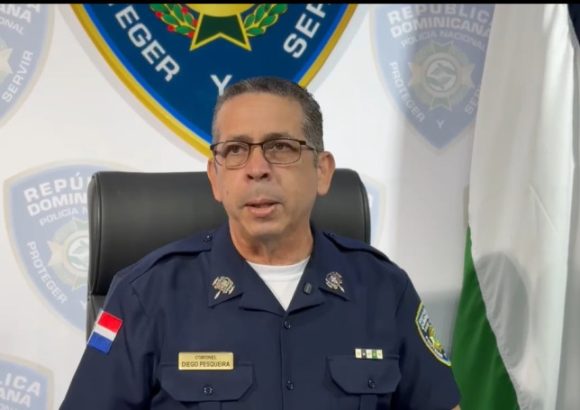
    The fatal victims of the violence were identified as Jesús Alexis Delgado Ortiz, the performer professionally known as “Diddy Glow,” and Jonathan Villanueva, who goes by the nickname “Cotuí,” National Police representatives confirmed. Multiple early unofficial reports circulating through traditional news outlets and digital social channels claimed the incident left 14 people injured, a figure that does not match official law enforcement records, according to police spokesperson Diego Pesqueira.

    “Our investigation confirms that the weekend incident in Los Coquitos de Boca Chica resulted in two deaths and five injuries. We are issuing this clarification because we have observed that many media outlets and digital platforms are spreading misinformation to the public with incorrect casualty counts,” Pesqueira stated publicly. He added that any additional people who suffered harm in the shooting but have not yet been in contact with authorities are encouraged to reach out to the National Police to help officials update and finalize the official casualty record.

    The five people confirmed injured in the shooting are Alexis José Castro, Manuel Alberto Perdomo, Javier Reyes, Albert Ozuna Beato, and Ismael Novoa Mejía, police confirmed.

    In the days following the September 12 incident, three suspects wanted by authorities have turned themselves in to law enforcement. The first to surrender was Oscar Alberto de los Santos, who uses the alias “La Rabia.” He presented himself at the National Police’s Central Directorate of Strategic Communications at midday, accompanied by two members of the press and his legal counsel. De los Santos was the subject of active arrest warrant No. 2026-AJ0079552 at the time of his surrender.

    One hour after de los Santos turned himself in, a second suspect, Frankelys Javier Capellán, surrendered at the Office of the Ombudsman in the National District, accompanied by members of his family. Detectives from the Central Directorate of Criminal Investigation (DICRIM) met Capellán at the ombudsman’s office before moving him to National Police headquarters for processing.

    The third suspect to turn himself in is 23-year-old José Abraham Castro Arango, known by the alias “El Tuerto.” He was also sought by authorities via arrest warrant No. RAJ-2026-15748 connected to the Saturday violent incident in the Boca Chica municipality of Santo Domingo province.

  • Police kill four men, two of them linked to the Diddy Glow case

    Police kill four men, two of them linked to the Diddy Glow case

    In a series of coordinated law enforcement actions across the Dominican Republic, the National Police has confirmed that four high-profile alleged criminal figures are dead following separate encounters with officers. The fatal operations targeted men with a long trail of violent offenses, including direct connections to a deadly public shooting that rocked the country earlier this month.

    The four deceased suspects have been identified as Wender Alcántara (alias “El Compa”), Deivi Rosado Durán (alias “El Gordo”), Jordin Antonio Ogando (alias “Jordin”), and Dilson Humberto Reynoso Cruz (alias “Mandrake”), according to official police statements. The first two names on that list are directly linked to the September 12 shooting incident in Los Coquitos, Boca Chica, that left two local residents dead and five others injured, a case that sparked urgent police action to dismantle the responsible gang.

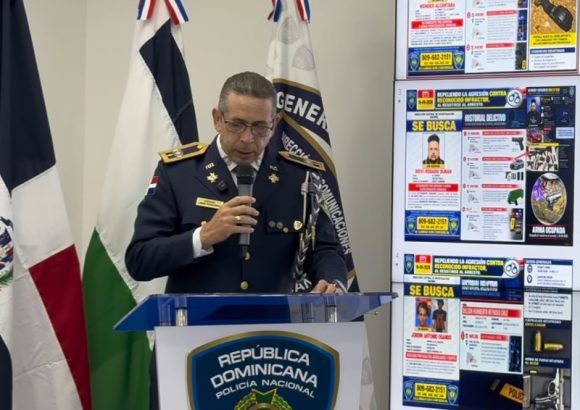
    The remaining two suspects were already the subject of active arrest warrants for a pattern of violent criminal activity, which includes a confirmed homicide in Santiago, alongside multiple assaults and kidnappings across the region. National Police spokesperson Diego Pesqueira outlined the timeline and details of each operation to the public, starting with the first fatal confrontation in the early hours of Thursday.

    That first operation unfolded on José Francisco Peña Gómez street in the Andrés sector of Boca Chica, where Alcántara confronted responding police officers and was killed in the ensuing exchange. Officers recovered an undocumented Glock 43 pistol equipped with a drum-type magazine from Alcántara following the encounter, confirming the suspect was armed at the time of the confrontation.

    As part of the ongoing investigation into the Los Coquitos shooting, police also tracked down Deivi Rosado Durán, who is also known by the second alias “El Fantasma.” According to official allegations, Rosado Durán was the primary firearms supplier for the criminal gang that authorities are in the process of dismantling following the September 12 attack. He was killed in a separate operation shortly after Alcántara’s confrontation.

    Third, Jordin Antonio Ogando was killed during an encounter on Doctor Betances Street, at the intersection with 11th Street in the Villa María sector of the country’s capital. Police allege Ogando was responsible for a string of kidnappings and robberies targeting local taxi drivers, and during the operation officers seized an unregistered firearm and multiple rounds of ammunition from him after he engaged responding officers in a gunfight.

    Finally, Dilson Humberto Reynoso Cruz, known by the alias “Mandrake,” was also killed by National Police agents. Authorities confirm Reynoso Cruz carried an extensive criminal history with multiple confirmed homicides linked to his name, making him one of the higher priority targets for law enforcement in this series of operations.

    The string of operations marks a major breakthrough for Dominican law enforcement as they work to crack down on violent organized crime following the high-profile Boca Chica shooting, removing four alleged key figures from criminal networks that have been linked to multiple deaths and violent offenses across the country.

  • Rainfall will decrease across the country starting this Saturday

    Rainfall will decrease across the country starting this Saturday

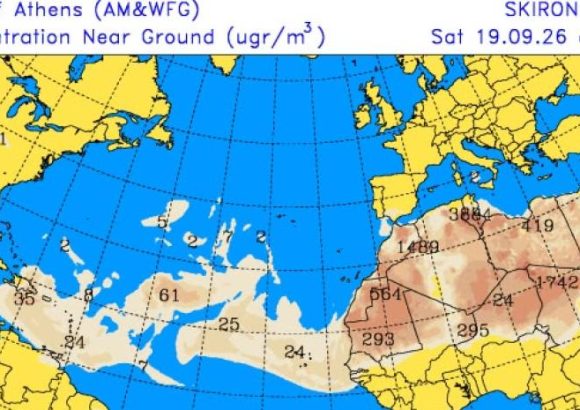
    SANTO DOMINGO – After days of widespread rainfall across the Dominican Republic driven by a tropical wave and upper-level trough, the primary weather systems that brought heavy precipitation have moved out of direct influence over the Caribbean nation, leaving only residual moisture to trigger isolated downpours in inland regions. According to Cristopher Lorian, a leading meteorologist with the Dominican Institute of Meteorology (Indomet), ongoing residual rain activity is currently concentrated in specific zones, including Santiago Rodríguez, the southern districts of the Santiago province, and the elevated mountainous regions of La Vega. Lorian notes that these scattered rain events, which can come paired with sudden thunderstorms and strong wind gusts, are projected to shift across other parts of the Cibao region through Saturday afternoon, covering Puerto Plata, Valverde, Dajabón, and their adjacent surrounding areas. Moving into the weekend, three overlapping atmospheric conditions will reshape the country’s weather pattern. A lingering humid air mass will remain in place, while moderate concentrations of Saharan dust will drift into the region, all under the stabilizing influence of an upper-level anticyclonic system. This combination will drastically restrict rainfall across the nation, limiting both the total volume of precipitation and the geographic area that will see any rain at all. “Rain will be restricted to far fewer provinces, and any showers that do develop will be light in intensity,” Lorian explained. “Most of the country will experience mostly sunny skies, though a hazy gray tint will hang over the atmosphere due to the incoming Saharan dust, which begins arriving tomorrow.” The combination of residual humidity, Saharan dust, and limited cloud cover will push perceived temperatures higher across the entire Dominican Republic, driving the heat index to uncomfortable levels in most areas. Weather projections indicate this warm, dry, hazy pattern will hold through the entire extended weekend into early next week. Conditions on Sunday will mirror those on Saturday, with the same warm, limited-rain profile expected to continue through Monday and Tuesday. While a weak trough is forecast to move near the nation during this period, atmospheric moisture levels will remain far too low to trigger widespread significant rainfall.

  • How much do women earn compared to men in the Dominican Republic?

    How much do women earn compared to men in the Dominican Republic?

    Fresh analysis from the latest Quarterly Bulletin of the ONE Business Directory, paired with official labor market statistics from the Dominican Republic, has underscored that stark gender-based income disparities remain entrenched across every layer of the country’s workforce — cutting across distinctions of employment formality, seniority level, and weekly working hours. The data paints a clear picture of inequality that persists even as women make notable educational gains, highlighting an unfinished policy and institutional agenda for the Dominican labor market.

    Across the country’s large informal employment sector, the gap between male and female hourly earnings is the widest. Official data puts the average hourly wage for men working in informal roles at RD$140.1, compared to just RD$102.8 per hour for women in the same segment. When extended to a standard full-time monthly work schedule, this hourly difference adds up to women earning nearly RD$8,000 less than their male counterparts each month — a substantial financial penalty that disproportionately impacts female household breadwinners and deepens economic gender disparity.

    In the formal employment sector, where workers are registered with the Dominican Social Security Treasury (TSS), the dynamics of inequality are more nuanced but still present. Women in formal roles often hold higher levels of technical and university education than their male peers, a gain that has pushed average hourly wages for women in some lower and mid-tier segments to near parity, or even a slight edge over men. But this educational advantage does not translate to equal pay for equal work: for the exact same position and rank, women still take home an average of 18% less pay than men.

    This gap is widened further by systemic barriers to senior leadership, often referred to as the “glass ceiling” effect. Data shows that 77.7% of all formal registered businesses in the Dominican Republic are headed by male leaders, while women hold just 15.9% of top leadership positions. Female representation in management is relatively higher among smaller businesses with annual revenues below RD$10 million, but the dynamic shifts dramatically at large corporations. For major companies with annual revenues exceeding RD$500 million, male dominance in executive and leadership roles is overwhelming, a disparity that directly contributes to the national aggregate gender wage gap.

    The report’s final analysis confirms that despite decades of progress in expanding women’s access to education at all levels in the Dominican Republic, structural labor market inequalities persist. Women’s academic advancements have not yet translated to equal pay or equitable representation in senior decision-making roles, creating a critical institutional challenge for policymakers, business associations, and labor regulators to address. Closing the gap will require targeted reforms to translate educational achievement into fair compensation and break down the systemic barriers that keep women underrepresented at the highest levels of the country’s business community.

  • Is tap water safe to drink? Factors that lower water quality

    Is tap water safe to drink? Factors that lower water quality

    As the world marks World Water Quality Control Day on September 18, a senior water management official in the Dominican Republic has shed light on a widespread, underaddressed issue facing urban communities in Greater Santo Domingo: while treated water leaves processing facilities fully fit for consumption, systemic infrastructure flaws and poor household maintenance practices often degrade its quality before it reaches residents’ glasses.

    Water, the foundational natural resource that sustains all life and maintains planetary ecological balance, faces consistent quality degradation along the delivery chain in the Dominican capital region, according to José Mateo Mota, Director of Water Quality at the Santo Domingo Water and Sewerage Corporation (CAASD). In an interview with local newspaper Hoy, Mota outlined the multiple factors that erode water quality after it exits treatment plants. Intermittent water service, cracked and aging distribution pipes, and unaddressed leaks all create opportunities for contaminants to enter the supply, he explained. But the single largest contributor to post-treatment quality loss, he emphasized, lies within residential and commercial properties themselves: poorly maintained household water storage systems.

    “In almost 100% of cases, water leaves our treatment plants 100% potable. That does not mean it arrives at your home with the same quality, because there are widespread problems across the distribution network and service model,” Mota told reporters. “The intermittent nature of our service alone means that the initial high quality we produce cannot be preserved all the way to the end consumer.”

    Unlike many regions where water is delivered directly to taps through constant pressurized service, the Dominican Republic relies heavily on private on-site storage for most residential and commercial buildings. By standard construction practice, cisterns are excavated before any building work begins, and overhead water tanks are a near-universal fixture to offset inconsistent supply. But according to Mota, there is a critical lack of public awareness around regular maintenance for these storage systems, creating widespread contamination risks.

    Sediment buildup, damaged or ill-fitting cistern lids that allow dirt, insects, and rainwater to enter, and years without cleaning or disinfection all combine to compromise stored water quality. Mota’s data shows that between 93% and 96% of potable water delivered to residential properties ends up degraded by the time it is consumed, a trend he directly links to homeowners failing to follow the recommended six-month cleaning schedule for cisterns and tanks.

    Beyond highlighting the issue, Mota also pushed back against widespread public dissatisfaction with water quality in the capital, noting that most residents receive water of far higher quality than the minimum regulatory standards require. He attributed much public frustration to a widespread lack of awareness about homeowner responsibilities for maintaining on-site storage, saying “There is a real disregard for the role of end-users in preserving water quality, and a general lack of understanding about where contamination actually occurs.”

    To address ongoing quality monitoring across the capital’s distribution network, CAASD implements rigorous sanitary control protocols, collecting more than 80 random water samples from distribution lines every day for laboratory bacteriological testing. Mota emphasized that with rare exceptions, the entire urban area of the National District and Santo Domingo province receives water that meets all safety standards when it exits the distribution network.

    For residents concerned about the quality of their drinking water, Mota outlined clear steps to verify safety. While visual checks for clarity and the absence of unusual odors can flag obvious issues, he said the only reliable way to confirm water quality is to submit a sample to a certified laboratory for testing. Both CAASD and the National Institute of Drinking Water and Sewerage (INAPA) operate accredited testing facilities, alongside multiple private sector providers that can deliver accurate results quickly.

    Reaffirming the agency’s commitment to public safety, Mota restated that the vast majority of the capital’s urban population receives water that is safe for consumption. “The entire urban area of the National District and Santo Domingo province is supplied with reliable water,” he said. “Water that comes from treatment plants producing 100% potable product, and is backed by the daily sanitary controls we conduct across the entire distribution network.”

  • Flow Recognizes CPL Fans During 2026 Season in Antigua

    Flow Recognizes CPL Fans During 2026 Season in Antigua

    The Caribbean Premier League (CPL) has announced a groundbreaking initiative that will put passionate supporters front and center during the 2026 tournament hosted in Antigua, marking one of the most fan-centric moves in the league’s recent history. In an official statement released by tournament organizers, the CPL confirmed that it will launch a dedicated series of events and honors under the “Flow Recognizes CPL Fans” banner, designed to celebrate the unwavering support that has turned the T20 cricket competition into a staple of Caribbean sporting culture.

    Antigua, a longstanding host venue for the CPL that has welcomed thousands of cricket fans from across the globe over the tournament’s history, will serve as the primary hub for this recognition initiative. Organizers note that fans will be highlighted across multiple touchpoints throughout the 2026 season, from in-stadium on-site honors for long-time attendees to social media features that share personal stories of fandom connected to the league. Local authorities in Antigua have also embraced the program, noting that it will not only boost engagement with the tournament but also strengthen the island’s reputation as a welcoming destination for international sports tourism.

    The CPL has grown steadily in popularity since its inaugural season, drawing top cricket talent from around the world and attracting sell-out crowds at its Caribbean host venues. This new fan recognition program comes as league officials work to deepen connections between the tournament and the communities that support it, emphasizing that fans are just as much a part of the CPL experience as the players competing on the pitch. Details of specific recognition activities, including nomination processes for standout fans, are expected to be released in the months leading up to the start of the 2026 season, with organizers hinting at exclusive experiences for honored supporters to make the celebration even more memorable.

  • AABL Basketball League opens with two games at Massacre Indoor Sports Complex

    AABL Basketball League opens with two games at Massacre Indoor Sports Complex

    The highly anticipated All About Ball League (AABL) officially kicked off its 2026 tournament on Thursday, September 17 in Dominica, bringing nine days of intense, high-stakes basketball competition to local fans. Hosted by the Dominica Amateur Basketball Association, all matchups are taking place at the Massacre Indoor Sports Complex, with the event running straight through to Saturday, September 26.

    Opening night delivered exactly the kind of thrilling action organizers promised, with a packed double-header schedule to welcome the season. The first tip-off went off at 7:00 PM local time, pitting the Dr. Darroux PSC Falcons against the BAA Sharks in a hotly contested opening matchup. Immediately following that game, the 767 Sports Club Dominators faced off against the D-Treads Blazers in the nightcap, starting at 9:00 PM.

    Six teams in total earned spots in this year’s tournament, all vying to claim the coveted AABL championship title by the end of the nine-day event. The competition schedule is structured to build steadily toward a dramatic conclusion: the playoff round will get underway on Friday, September 25, before the tournament wraps up with Championship Night on September 26, where the top two teams will battle for supremacy.

    Tournament organizers have issued a public call-out to basketball lovers across Dominica, urging fans to attend games in person to cheer on their favorite teams. They note that crowd energy plays a major role in elevating the on-court excitement, and are encouraging attendees to bring their enthusiasm to create a lively, electric atmosphere for every matchup. For the next week and a half, basketball fans will have the chance to catch a continuous lineup of high-energy competitive matchups as the league crowns its new champion.

  • Men’s Health Fair 2026 to promote wellness and prostate cancer awareness

    Men’s Health Fair 2026 to promote wellness and prostate cancer awareness

    As the Caribbean region marks Caribbean Wellness Month 2026, public health officials in Dominica are launching a targeted campaign to push men across the island nation to place their personal well-being at the top of their daily priorities. Aligned with this year’s overarching theme “Engage, Empower, Elevate,” the initiative centers on a free community-focused Men’s Health Fair, organized to coincide with global Prostate Cancer Awareness Month.

    The event is the product of a collaborative partnership between the Grand Bay local health team and the visiting China Medical Team, bringing together cross-border medical expertise to serve the Dominican community. Scheduled to take place on Sunday, September 20, 2026, the fair will run from 9:00 a.m. to 12:00 p.m. at the Grand Bay Health Centre, offering free, accessible services to all attending men.

    Unlike general health outreach events, this fair is designed to connect men directly with specialized medical providers across a range of critical care fields. Attendees will have the opportunity to receive one-on-one consultations, personalized health guidance, and targeted information from urologists, cardiologists, anesthesiologists, and ophthalmologists, covering multiple common health concerns that often go undiagnosed in men.

    Event organizers have noted that the core goal of the initiative is to close the knowledge gap around men’s health, encourage greater participation in routine preventive screening, and motivate men to adopt sustainable, proactive habits that support long-term wellness. A special focus will be placed on reaching men in high-demand, high-stress professions that often lead to delayed care-seeking, including bus drivers, firefighters, teachers, and police officers.

    the Ministry of Health, Wellness and Social Services is stressing a critical public message: men should not delay seeking medical care until noticeable symptoms develop. Early detection of life-threatening conditions such as prostate cancer drastically improves treatment outcomes, the ministry emphasizes, making proactive engagement with health services one of the most impactful choices men can make.

    To amplify the reach of the initiative, public health officials are also calling on the broader Dominican community to support the effort. Members of the public are encouraged to bring a friend, encourage family members including brothers and fathers to attend, and help normalize open conversations about men’s health across the island.

  • Dominica farmers adopt innovative techniques to boost high-value crop production

    Dominica farmers adopt innovative techniques to boost high-value crop production

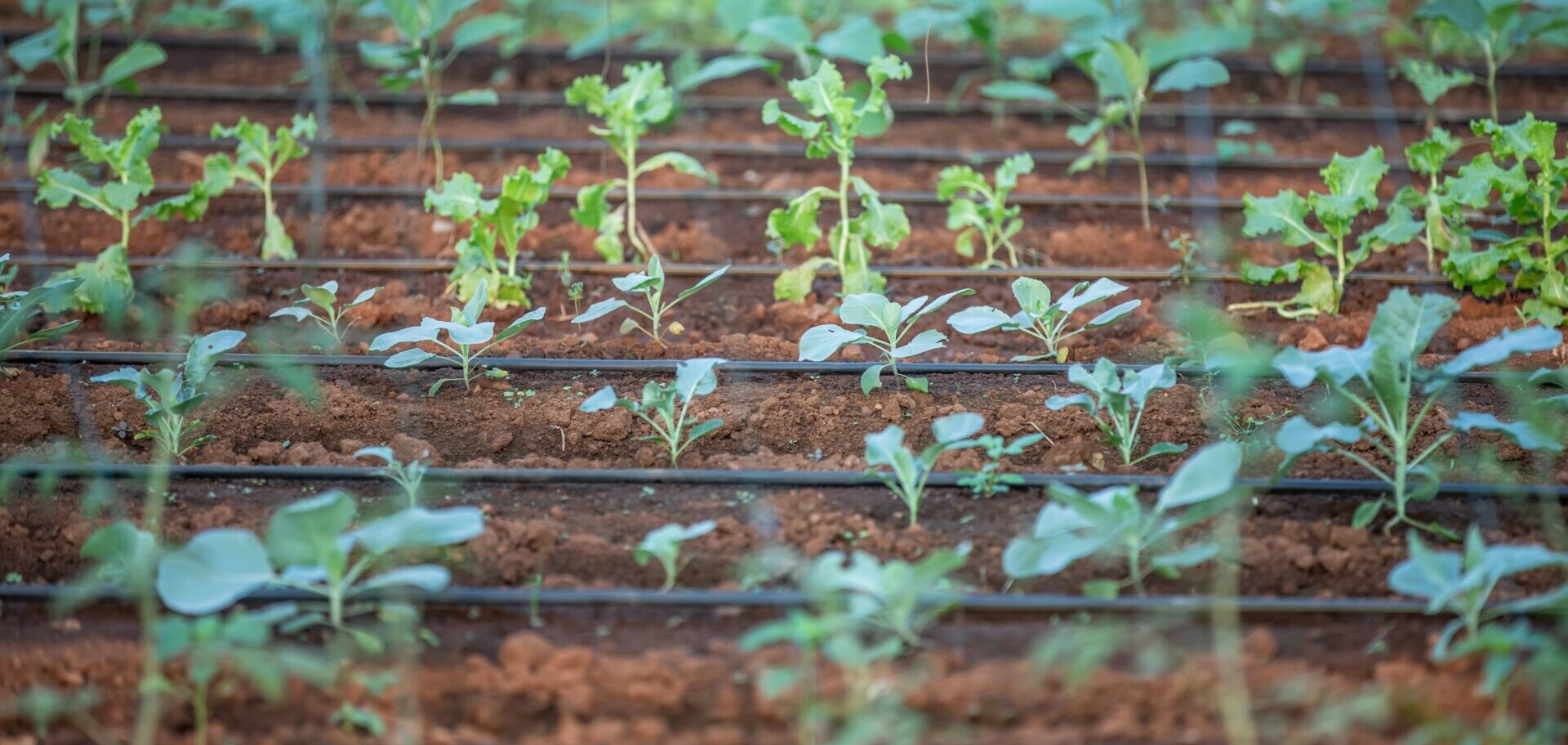
    A joint agricultural development initiative between the Government of Dominica and the Food and Agriculture Organization (FAO) is delivering measurable progress, as local farmers adopt modern, sustainable production practices designed to boost livelihoods across the island nation. The five-year TCP/DOM/4001 Project, officially titled *Improving Livelihoods through Diversified High-Value Vegetable Production in Selected Agroclimatic Zones*, focuses on building capacity for efficient, climate-smart cultivation of premium vegetable crops while expanding market access for small-scale producers. To date, 14 participating farmers have already begun integrating two evidence-based advanced techniques into their daily operations: fertigation and agricultural ground cover. These practices are targeted at lifting overall crop yields, cutting operational waste, streamlining on-farm workflows, and delivering uniform, high-quality produce that meets commercial market standards. Fertigation, one of the core techniques being promoted, delivers water-soluble nutrients directly to crop root systems through existing irrigation infrastructure. This targeted approach cuts down on manual labor required for traditional fertilizer application, eliminates over-spreading of nutrients, and ensures growers can time feeding cycles to align with critical crop growth stages for optimal output. The second promoted practice, the use of protective ground cover, delivers a cascade of additional benefits for participating operations. It suppresses the growth of invasive weeds that would otherwise compete with crops for nutrients and water, helps soil retain critical moisture through periods of inconsistent rainfall, and creates a more stable growing environment that supports stronger, healthier plant development. The Ministry of Agriculture, Fisheries, Blue and Green Economy, which oversees the project’s on-the-ground implementation, has highlighted two standout participants from Dominica’s South Region: Diane Joseph and Glennis Isles. Their working farms now serve as local demonstration sites, showcasing how the adoption of improved production methods and targeted agricultural innovation can translate to tangible gains in crop health and overall performance. Upcoming harvests from participating farms are expected to yield a diverse selection of high-value commercial vegetables, including broccoli, cauliflower, bell peppers, and tomatoes – crops that command premium prices in both local and regional export markets. Ultimately, the initiative is framed as a core component of Dominica’s broader strategy to transform its domestic agricultural sector. By modernizing production practices, supporting smallholders, and diversifying crop output toward higher-value products, the project aims to make the nation’s agriculture more efficient, more productive, and more connected to profitable markets, while lifting incomes and improving long-term livelihood security for farming communities across the country.