作者: admin

  • Carolina Mejía welcomes delegations for Santo Domingo 2026 Games

    Carolina Mejía welcomes delegations for Santo Domingo 2026 Games

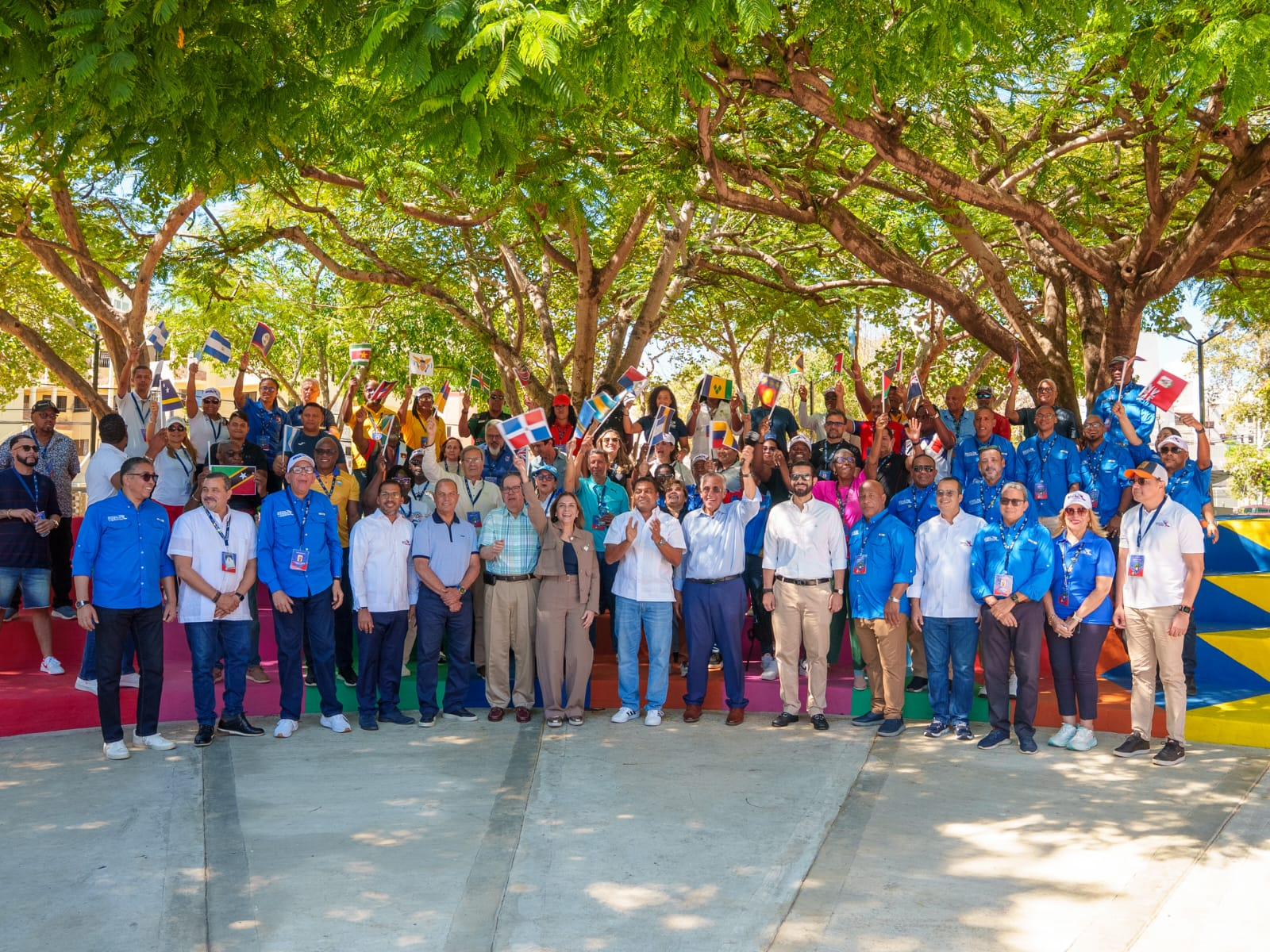
    Santo Domingo rolled out the welcome mat for international sports officials as Mayor Carolina Mejía hosted a pivotal gathering at the revitalized Taíno Park. The event brought together delegation leaders from 37 participating nations ahead of the Central American and Caribbean Games Santo Domingo 2026.

    The reception, attended by organizing committee chairman José Monegro and other distinguished officials, served as a ceremonial precursor to the major sporting event. During the proceedings, Mejía emphasized the transformative potential of hosting the Games, characterizing them as a monumental opportunity for national development and international recognition.

    The newly renovated Taíno Park will function as both a competition venue and a symbolic centerpiece for the Games. In a unique display of unity and environmental consciousness, organizers revealed that each national delegation will plant a native tree within the park grounds when the Games commence on July 24, 2026.

    This arboreal ceremony will establish a living legacy of the international gathering, representing both cultural exchange and environmental stewardship. The planting ritual will precede the athletic competitions that will continue through August 8, creating a permanent green monument to regional cooperation and sporting camaraderie.
  • Faced with threats from the empire, Cuba stands firm

    Faced with threats from the empire, Cuba stands firm

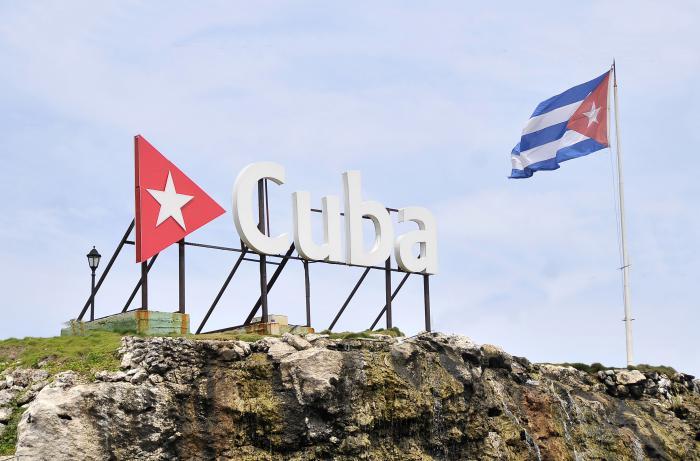
    Cuban President Miguel Díaz-Canel Bermúdez has issued a stark warning through social media channels, declaring that the nation stands prepared to mount formidable resistance against any external aggressor confronting the Caribbean island. The First Secretary of the Communist Party of Cuba articulated this position while addressing what he characterized as daily threats from the United States aimed at overthrowing Cuba’s constitutional order.

    President Díaz-Canel condemned what he described as six decades of economic warfare against Cuba, asserting that Washington utilizes Cuba’s economic difficulties—which he attributes directly to U.S. policies—as justification for further hostility. He framed these actions as collective punishment against the Cuban people orchestrated by an empire seeking to seize national resources and undermine sovereignty.

    The Cuban head of state’s sentiments were reinforced by Foreign Minister Bruno Rodríguez Parrilla, who serves on the Political Bureau of the Communist Party. Rodríguez echoed the administration’s stance, emphasizing that neither economic blockade nor energy embargo would compromise Cuba’s exercise of sovereignty or diminish the creativity of its people in overcoming challenges.

    Both officials presented a unified front regarding Cuba’s determination to preserve independence, with Rodríguez asserting that any act of imperialist aggression would confront the indomitable will of the Cuban population in defending their homeland. The statements emerge amid ongoing tensions between the two nations despite periodic diplomatic engagements.

  • Vietnam will continue to support Cuba

    Vietnam will continue to support Cuba

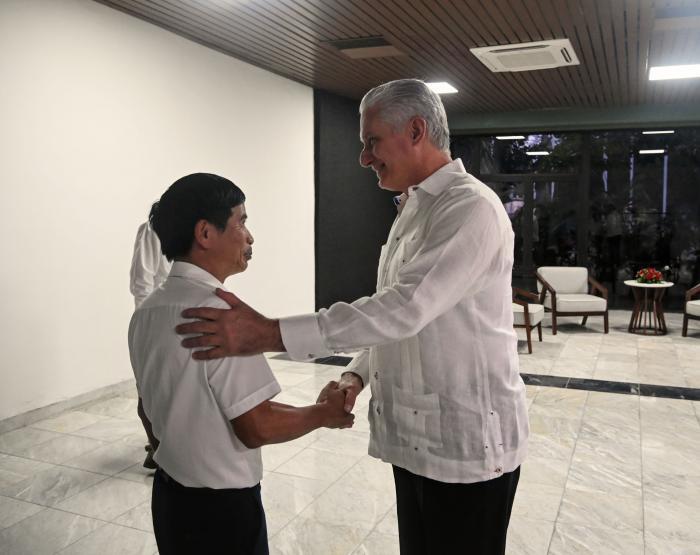
    In a significant development for Cuba’s agricultural sector, President Miguel Díaz-Canel Bermúdez met with Nguyen Van Quang, President of Vietnamese firm Agri-VMA, to review the substantial progress of a collaborative rice cultivation project in Pinar del Río. The high-level discussion centered on the tripartite management model being pioneered in Los Palacios, which is demonstrating remarkable success in boosting wet paddy rice yields.

    The innovative project, operating through the Mariel Special Development Zone, employs a multifaceted approach: direct cultivation on usufruct land under a fully foreign-owned enterprise, formal partnership agreements with local Cuban producers, and the sale of advanced technological packages and inputs to growers in the Vueltabajo region for foreign currency. This diversified strategy is proving highly effective, generating impressive production metrics.

    President Díaz-Canel positioned these achievements as a direct manifestation of the agreements solidified with To Lam, General Secretary of the Communist Party of Vietnam, during his official 2024 visit to Cuba. The Cuban leader expressed profound gratitude for Vietnam’s steadfast support, asserting that such collaboration paves a clear path toward national rice self-sufficiency in the near future. He urged Agri-VMA to expedite the completion of established plans and to further intensify cooperative production and technological marketing efforts with local farmers, noting the project’s role as a beacon for attracting additional Vietnamese investment.

    In response, Mr. Quang conveyed his appreciation for the warm reception and reaffirmed the commitment of Vietnam’s leadership to continue supporting Cuba through its current economic challenges. He emphasized that his nation stands fully prepared to assist its ‘sister nation’ in overcoming these difficulties, highlighting the deep, fraternal bonds between the two communist-led countries. The meeting underscores a strategic international partnership actively working to strengthen Cuba’s food security and agricultural resilience.

  • Argentinië stapt officieel uit Wereldgezondheidsorganisatie, volgt VS in breuk

    Argentinië stapt officieel uit Wereldgezondheidsorganisatie, volgt VS in breuk

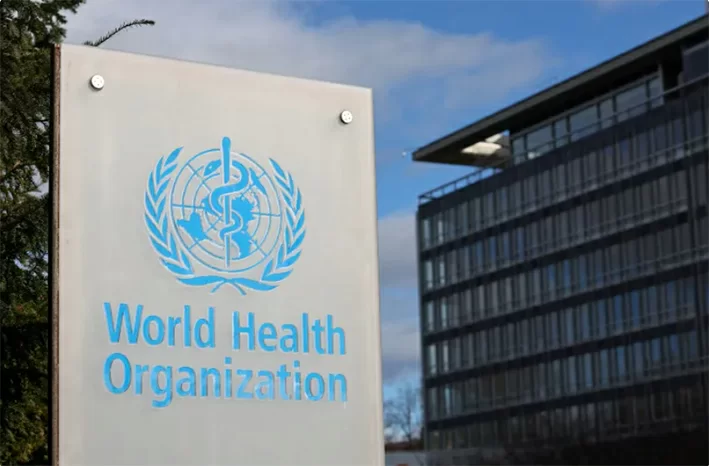
    Argentina has formally completed its withdrawal from the World Health Organization (WHO), aligning with the United States in a significant move that severs ties with the global health body. Argentine Foreign Minister Pablo Quirno announced the completion on Tuesday, marking exactly one year since the nation submitted its formal notification.

    The decision, initially announced in February last year and formally communicated in March 2023, reflects the libertarian and right-wing stance of President Javier Milei’s administration. Milei has been a vocal critic of the WHO’s COVID-19 pandemic management, labeling the organization a ‘shadowy institution’ that conducted ‘the greatest experiment in social control in history.’ This criticism specifically targeted global measures including mask mandates, social distancing protocols, and vaccination campaigns—policies frequently criticized by right-wing movements worldwide.

    While the WHO primarily functions as an advisory body without enforcing binding policies on member states, the withdrawal undermines international public health collaboration. WHO Director-General Tedros Adhanom Ghebreyesus had previously warned of such risks when the U.S. announced its departure, stating that withdrawal reasons were ‘misguided’ and would make both the departing nation and the world less safe.

    Despite exiting the WHO, Foreign Minister Quirno emphasized Argentina’s continued commitment to international health cooperation through bilateral agreements and regional forums. This approach, he noted, allows Argentina to maintain full sovereignty and policy autonomy while engaging in global health initiatives.

    The move reduces WHO membership to 194 nations, with Argentina following the precedent set by the United States earlier this year. The development signals growing tensions between global health governance and national sovereignty advocates in the post-pandemic era.

  • Middle East Conflict Threatens Global Food Supply, UN Warns

    Middle East Conflict Threatens Global Food Supply, UN Warns

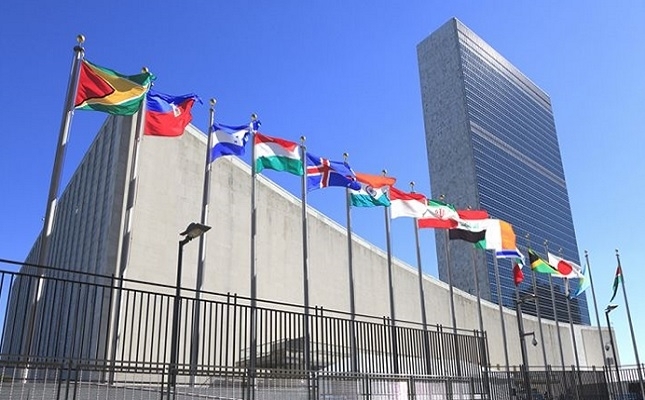
    The United Nations has issued an urgent appeal for an immediate cessation of hostilities in the Middle East, cautioning that continued conflict combined with the strategic closure of the Strait of Hormuz poses a severe threat to worldwide food security. According to a recent assessment by the World Food Programme (WFP), persistent regional instability could drive global hunger to unprecedented heights by 2026.

    Projections from the WFP indicate that an additional 45 million people could face acute food insecurity—classified as IPC Phase 3 or higher—should the conflict extend beyond mid-2026. This would compound the existing plight of the 318 million individuals already experiencing severe food shortages globally.

    The crisis is fueled by multiple interconnected factors, including soaring oil prices potentially reaching $100 per barrel due to geopolitical tensions involving Iran. More critically, the Strait of Hormuz serves as a vital transit route for a substantial share of the world’s fertilizer supply. Disruptions in this corridor threaten agricultural productivity during crucial planting seasons, potentially causing cascading failures in food production systems.

    Small, import-dependent nations—particularly Caribbean states—face immediate vulnerability to rising shipping and food costs. Nevis Premier Mark Brantley voiced these concerns, noting that international decisions already impact the Federation and warning of potential essential goods shortages should supply chains deteriorate.

    UN Deputy Spokesperson Farhan Haq drew parallels to the 2022 Ukraine conflict, which triggered a global cost-of-living crisis and pushed hunger levels to 349 million people. Haq emphasized that food prices during that period spiked rapidly but receded slowly, leaving vulnerable families priced out of staple foods for extended durations.

    In response, St. Kitts and Nevis is pursuing enhanced food security through its ’25 by 2030′ initiative, which aims to reduce food import dependency by 25% through increased domestic agricultural output and greater self-sufficiency.

  • Suriname en Nederland willen samenwerking verdiepen na eerste gesprek Simons en Jetten

    Suriname en Nederland willen samenwerking verdiepen na eerste gesprek Simons en Jetten

    In a significant diplomatic development, Surinamese President Jennifer Simons and Dutch Prime Minister Rob Jetten held their inaugural official discussion on Tuesday, marking a new chapter in bilateral relations. The high-level telephone conference, attended by Surinamese Foreign Minister Melvin Bouva, focused on enhancing cooperation across multiple sectors including education, scientific research, tourism, agricultural production, culture, and investments.

    The dialogue acknowledged the profound historical connections between the two nations while building upon the momentum generated by King Willem-Alexander’s royal state visit to Suriname in December last year. Minister Bouva characterized the exchange as exceptionally productive and conducted in an atmosphere of mutual respect and friendship.

    Central to the discussions was the Makandra cooperation program, with both parties reviewing current progress and outlining ambitious plans for its continued implementation. The visa processing system emerged as another critical agenda item, with the Netherlands committing to streamline application procedures particularly for urgent cases while maintaining visa liberalization as an ongoing dialogue point.

    Both governments have arranged to convene in-person meetings in the foreseeable future, demonstrating their shared commitment to deepening the strategic partnership based on reciprocal benefits and strengthened diplomatic engagement.

  • Leisure : Did you know ? #7

    Leisure : Did you know ? #7

    Deep within Haiti’s dry forest ecosystems grows Guaiacum officinale, known locally as ‘Gwayak’—a botanical marvel renowned for possessing one of the world’s densest woods, so heavy it sinks in water. This extraordinary species, often called ‘holy wood’ or ‘tree of life,’ displays striking blue blossoms against its evergreen foliage and carries profound historical significance in traditional medicine.

    The tree’s resin was historically utilized to treat various ailments, earning its medicinal reputation. However, the very properties that make guaiac wood exceptional—its density and durability—have also made it highly sought after for shipbuilding and luxury craftsmanship, contributing to its threatened status today.

    With an extremely slow growth rate, guaiac populations struggle to recover from exploitation. Its presence in Haiti’s coastal regions serves as a critical indicator of forest ecosystem health. Conservationists emphasize that protecting this species represents more than preserving biodiversity—it safeguards a living connection between Haiti’s medicinal heritage and its unique natural patrimony.

    The survival of Guaiacum officinale directly correlates with efforts to combat rampant deforestation in Haiti’s coastal areas. This conservation challenge highlights the delicate balance between preserving natural resources and addressing human pressures on the environment.

    This botanical profile originates from educational materials developed for the HaitiLibre Quiz platform, which launched in January 2026 to promote knowledge about Haiti’s cultural and natural heritage. The platform offers dozens of free, accessible games in both French and English across three difficulty levels, with new content added monthly.

  • Kenyan police begin withdrawal from Haiti

    Kenyan police begin withdrawal from Haiti

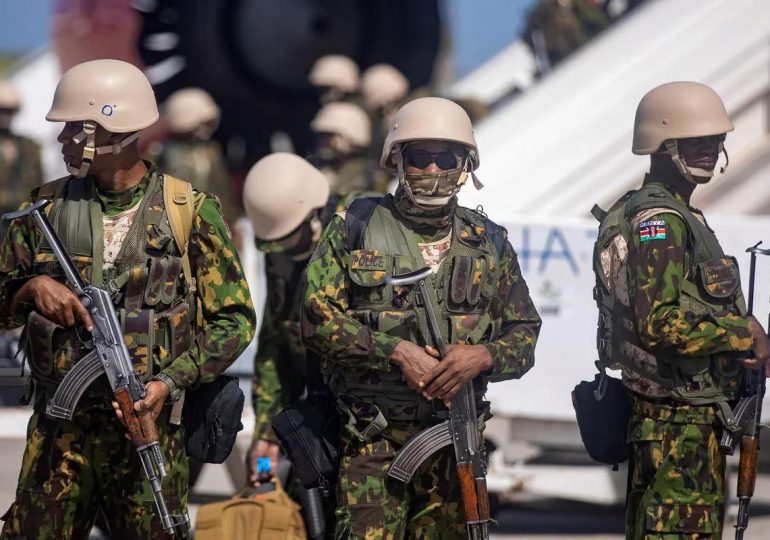
    Nairobi will commence the repatriation of its security personnel from Haiti starting Tuesday, marking the initial phase of a strategic drawdown from the international stabilization mission. This transition occurs simultaneously with preparations to deploy Chadian forces as part of a newly structured United Nations-backed security initiative.

    Dominican Foreign Minister Roberto Álvarez confirmed the progressive withdrawal plan, indicating that the Gang Suppression Force (GSF)—the mission’s successor—is projected to achieve full operational capacity by October. This staggered timeline facilitates an orderly handover, allowing incoming troops adequate preparation for Haiti’s complex security environment.

    The GSF represents an evolution of the previous Multinational Security Support (MSS) mission, which Kenya spearheaded to bolster the Haitian National Police against powerful criminal organizations controlling significant territories. Despite its authorization last year, the MSS operation remained predominantly Kenyan, with minimal reinforcements from Central American and Caribbean nations.

    The predecessor mission confronted substantial operational hurdles, including critical shortages in personnel, financial resources, and tactical equipment. Originally conceptualized for 2,500 deployed personnel, the force reached only approximately 970 members—primarily from Kenya. After more than a year of operations targeting gang leadership, the mission proved unable to reclaim territory from armed factions, underscoring the challenges of international security interventions in Haiti’s volatile landscape.

  • President grijpt in bij stijgende brandstofprijzen, price cap afgesproken

    President grijpt in bij stijgende brandstofprijzen, price cap afgesproken

    The Surinamese government has enacted emergency measures to stabilize domestic fuel prices as global oil market volatility intensifies due to ongoing Middle East conflicts. President Jennifer Simons, following consultations with cabinet members and oil companies, authorized a price cap mechanism effective March 17, 2026, establishing fixed maximum rates of SRD 53.27 per liter for diesel and SRD 48.32 for unleaded gasoline. The stabilization measure excludes super unleaded fuel products.

    Under the newly implemented system, the government will subsidize price differentials through its Government Take mechanism when international benchmarks exceed the established cap. This intervention aims to cushion consumers from immediate pump price fluctuations while maintaining national economic stability.

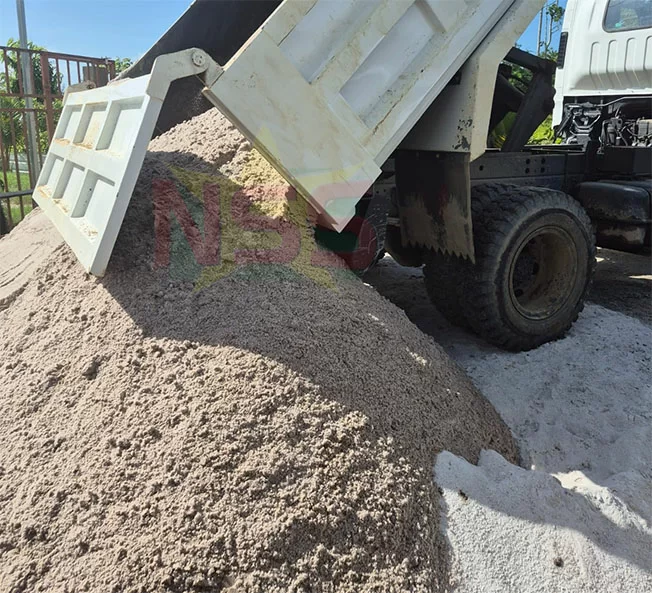
    Despite these measures, inflationary pressures are already emerging throughout supply chains. Construction material suppliers have implemented transport surcharges, driving noticeable price increases for sand, gravel, and other building commodities this week.

    Economic Affairs Minister Andrew Baasaron issued stern warnings against unjustified price manipulations, emphasizing that most retail goods currently in circulation were imported under previous freight and insurance rates. “Arbitrary price increases are unacceptable,” Baasaron stated, revealing that the Economic Control Service (ECD) will enforce compliance through audits based on original purchase costs and authorized profit margins.

    The minister confirmed exchange rate stability remains intact, noting that fuel price impacts haven’t yet materially affected import costs. However, excavation and logistics firms counter that already-elevated fuel costs are significantly impacting operational expenses.

    A presidential crisis task force is monitoring developments and preparing contingency plans, including targeted subsidies for vulnerable populations should inflationary trends persist. The government acknowledges further price increases are likely and stands ready to implement additional protective measures as the international energy situation evolves.

  • Balearic president visits Abinader to strengthen tourism support

    Balearic president visits Abinader to strengthen tourism support

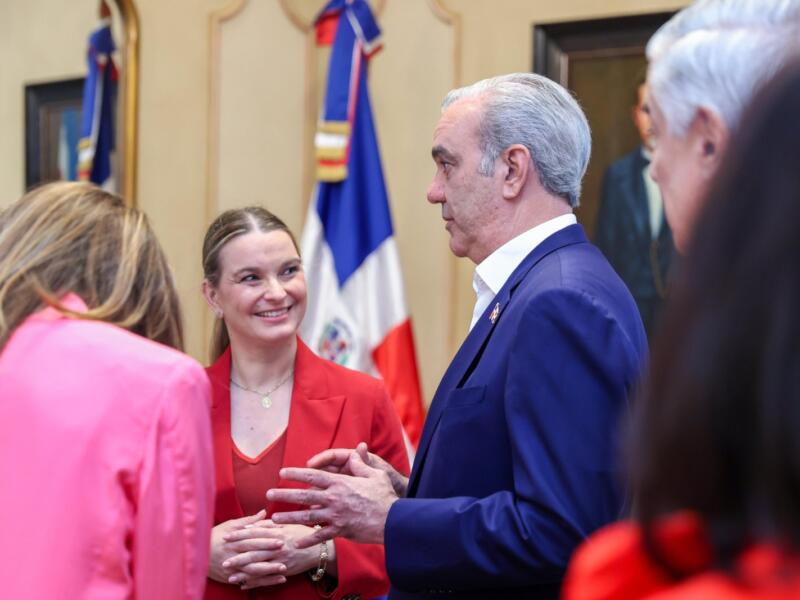
    SANTO DOMINGO – In a significant diplomatic engagement, President Marga Prohens of Spain’s Balearic Islands and Dominican Republic President Luis Abinader convened in Santo Domingo to reinforce bilateral relations with particular emphasis on tourism collaboration. The high-level meeting served as a strategic precursor to the 26th Plenary Session of the Council of the Balearic Islands Abroad, scheduled to convene in Punta Cana with delegates from throughout Latin America.

    The discussions centered on implementing the tourism agreement initially established at FITUR (International Tourism Fair), with both nations committing to enhanced training protocols and service quality improvement within the Dominican tourism sector. Through the esteemed Balearic Islands Hospitality School, Spain will provide comprehensive educational support to both instructors and students at the technical institute in Sabana de la Mar, creating a sustainable framework for industry-wide standards elevation.

    President Prohens underscored the dual significance of preserving cultural connections with the Balearic diaspora across Latin America while simultaneously advancing tourism quality through professional development. ‘Excellence in tourism services fundamentally relies on well-qualified human capital,’ Prohens stated during the meetings. The Spanish delegation is scheduled to visit the training facility to monitor program implementation, signaling deepened cooperation in both educational exchange and tourism development between the two nations.