作者: admin

  • Today in History: French landed in Lagoon 18 March 1649

    Today in History: French landed in Lagoon 18 March 1649

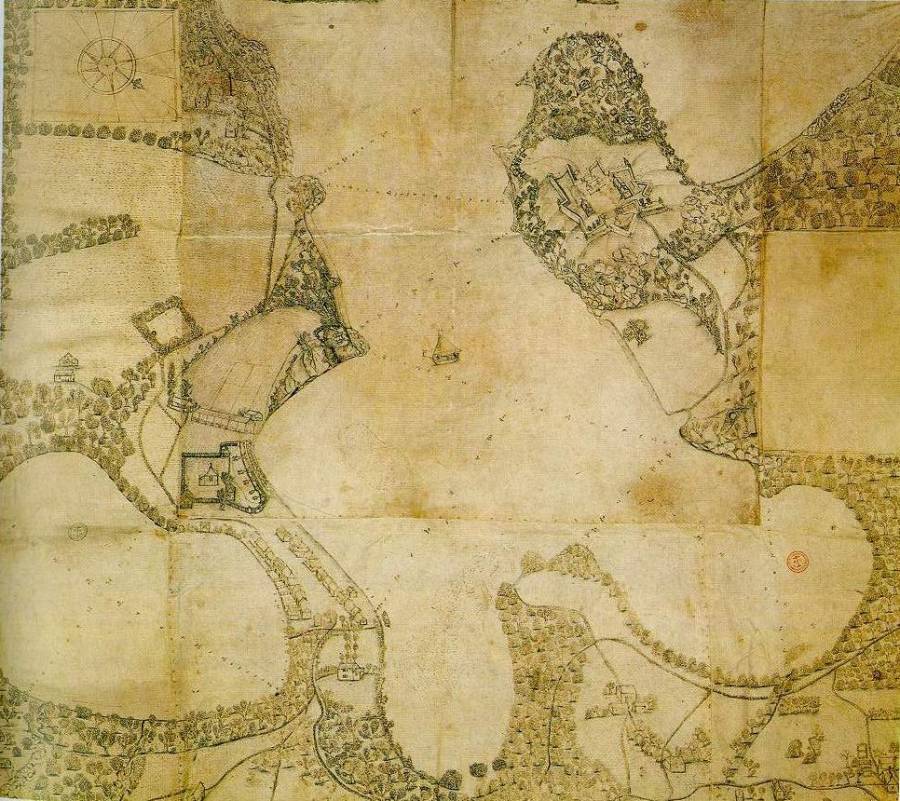
    March 18, 1649, marks a pivotal moment in Caribbean history when French colonists from Martinique initiated the first successful European settlement on the island of Grenada. This expedition, led by Governor Jacques Dyel du Parquet, culminated in a landing at St. George’s Harbor following decades of failed colonization attempts by various French adventurers.

    The strategic push for Grenada’s colonization emerged from its perceived economic potential and proximity to South American trade routes. Prior efforts by prominent figures including Phillip de Poincy (1639/40) and Jean Aubert (1643) had collapsed due to Carib resistance and logistical challenges. In 1645, Philibert de Noailly received a gubernatorial commission but similarly failed to establish a foothold.

    Du Parquet’s meticulously planned operation departed Martinique on March 14, 1649, with two vessels and two barks carrying 45 colonists, construction materials, and military supplies. After anchoring offshore on March 17, the French established Fort l’Annunciation on March 25, formally claiming the territory through a ceremonial act of possession.

    Initial encounters with the indigenous Island Carib population involved tense negotiations rather than immediate conflict. French accounts claiming Chief Kairoüane sold Grenada for trivial trade goods like beads and brandy are contradicted by historical evidence showing the Caribs understood the interaction as trade, not land transfer. The chief’s subsequent banishment by his people for failing to expel the French further undermines the legitimacy of these colonial claims.

    The French rapidly developed agricultural settlements, cultivating both subsistence and cash crops. By June 1650, du Parquet had purchased Grenada, Martinique, St. Lucia and the Grenadines from the bankrupt Compagnie des Isles de l’Amérique for approximately £1,660, retroactively legitimizing French control.

    Peaceful coexistence proved短暂 as Carib resistance intensified within seven months of settlement. The establishment of a second French settlement at Beausejour triggered a decade-long conflict featuring guerrilla warfare, ambushes, and bloody confrontations. The French ultimately prevailed through military superiority, systematically reducing the indigenous population and eliminating organized resistance.

    This colonial acquisition fundamentally altered Grenada’s demographic and cultural landscape, initiating the displacement and destruction of the island’s original inhabitants that would continue through the colonial era.

  • Holder hailed by CWI for outstanding World Cup performance

    Holder hailed by CWI for outstanding World Cup performance

    Cricket West Indies (CWI) has formally celebrated the exceptional achievement of veteran all-rounder Jason Holder, who has been selected for the prestigious 2026 ICC Men’s T20 World Cup Team of the Tournament. This recognition, bestowed by an elite panel of former international cricketers and expert commentators, highlights Holder’s monumental impact throughout the global championship.

    At 34 years old, Holder, a cornerstone of West Indies’ 2016 championship squad, delivered a masterclass in all-round prowess. His tournament statistics were nothing short of extraordinary: claiming ten crucial wickets while amassing 141 runs with a devastating strike rate of 174.07. His batting average of 35.25 underscored remarkable consistency under pressure.

    Several iconic moments defined Holder’s campaign. His blistering 33 from just 17 deliveries against England proved instrumental in setting a winning total of 196, which the Caribbean side successfully defended by 30 runs. In a display of resilience and power, Holder partnered with Romario Shepherd to establish a new world-record eighth-wicket stand of 89 runs against South Africa during the Super Eights stage. Coming to the crease with his team reeling at 83-7, Holder’s counter-attacking 49 from 31 balls salvaged the innings.

    Even against eventual champions India, Holder demonstrated his value with a late flourish of 37 from 22 balls, pushing West Indies to a competitive 195. With the ball, his 6’7″ frame generated troubling bounce and discipline, epitomized by a spectacular bowling performance of 4-27 against Nepal at Mumbai’s Wankhede Stadium.

    Reflecting on the honor, Holder expressed profound pride, noting this represented his first complete T20 World Cup campaign. “I felt everything was in alignment. My game is in a good place, I kept things simple, lived in the moment and contributed whenever the team needed me,” he stated.

    CWI’s Director of Cricket, Miles Bascombe, praised Holder’s professionalism and game-changing abilities. “Jason’s impact was undeniable. His selection reflects the quality, experience and composure he brings to West Indies cricket. His ability to influence games with both bat and ball, particularly in pivotal moments, speaks to his immense value and leadership,” Bascombe emphasized.

    Holder’s individual success mirrored the team’s vibrant performance. Shimron Hetmyer emerged as the tournament’s leading West Indian run-scorer with 248 runs, while Sherfane Rutherford delivered a breathtaking unbeaten 76 against England. The team collectively electrified fans with a record 76 sixes throughout the competition. Holder attributed this success to collective determination: “Everyone wanted the same result. We buckled down as a team to bring a proud feeling to the Caribbean people.”

  • Browne urges Africa and Caribbean to rebuild ‘extractive’ economies

    Browne urges Africa and Caribbean to rebuild ‘extractive’ economies

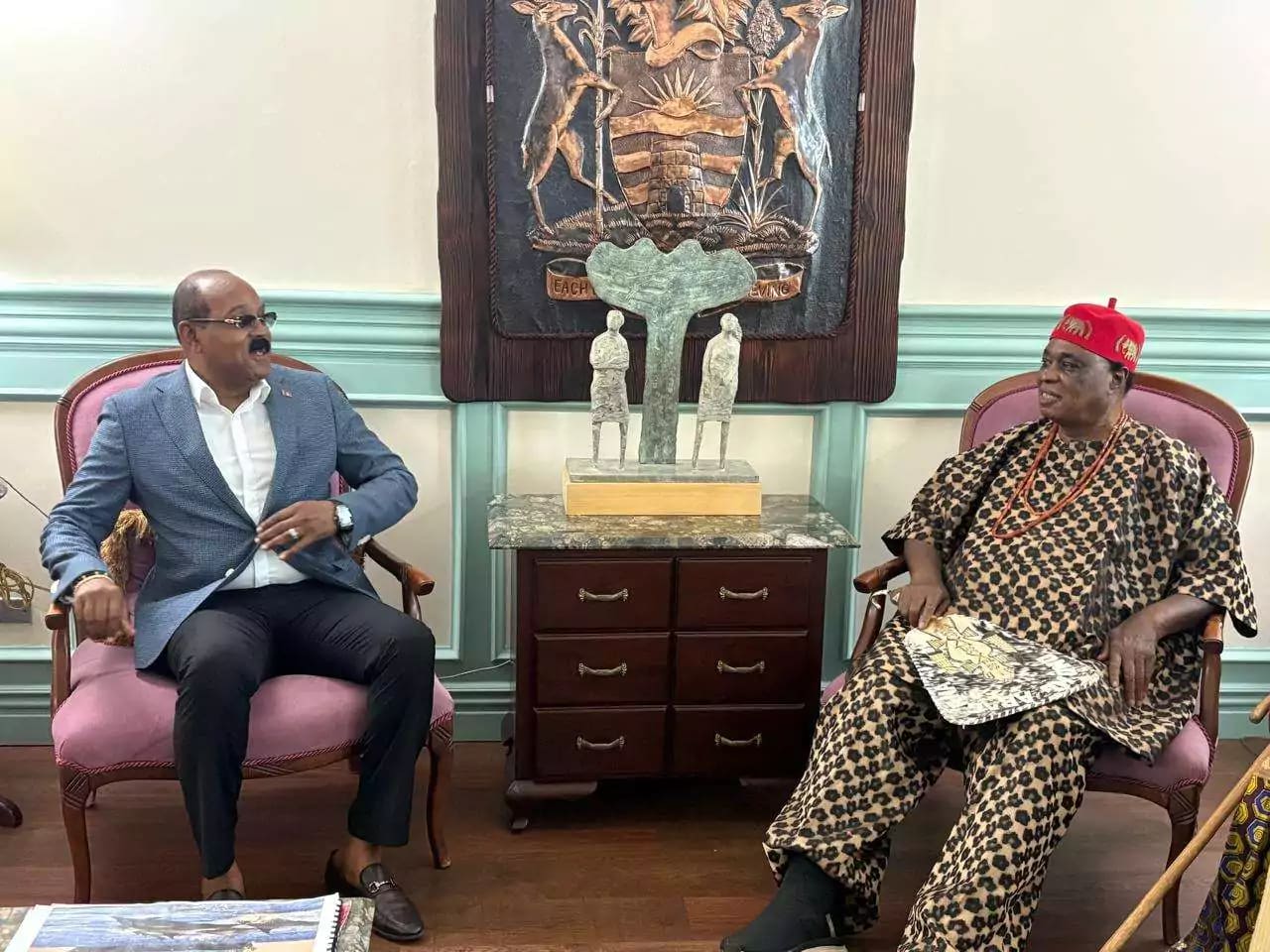
    In a powerful address to Nigerian dignitaries, Antigua and Barbuda Prime Minister Gaston Browne issued a compelling call for radical economic transformation across African and Caribbean nations. Speaking during an official reception for a delegation from Nigeria’s Abagana Kingdom led by Regent Nwachukwu Anakwenze, Browne emphasized the urgent need to break from colonial economic legacies that continue to hinder regional development.

    The Prime Minister presented a critical analysis of how historical forces shaped both regions into ‘extractive economies’ designed to export wealth rather than nurture local prosperity. ‘Our natural resources and agricultural capacities built fortunes abroad while leaving our own populations underdeveloped,’ Browne stated, highlighting the persistent economic disparities stemming from colonial practices.

    Browne pointed to concrete policy actions his administration has taken, notably preventing Canadian financial institutions from selling local banking operations to foreign entities. Instead, his government mandated their transfer to domestic ownership—a controversial decision that has subsequently strengthened Antigua and Barbuda’s financial sector despite initial criticism.

    Emphasizing the necessity of courageous leadership, Browne declared, ‘This is the moment for resolute action. We must prioritize our populations’ interests above external pressures and entrenched established interests.’ He advocated for transitioning toward ‘productive economies’ where wealth circulates within local ecosystems through reinvestment and domestic ownership.

    The Prime Minister also celebrated strengthening ties between Caribbean and African leaders, expressing his anticipation for an upcoming visit to the Abagana Kingdom to further solidify cross-continental cooperation aimed at economic self-determination.

  • LETTER: Reader Questions Hairstyle Policy at Antigua Girls’ High School

    LETTER: Reader Questions Hairstyle Policy at Antigua Girls’ High School

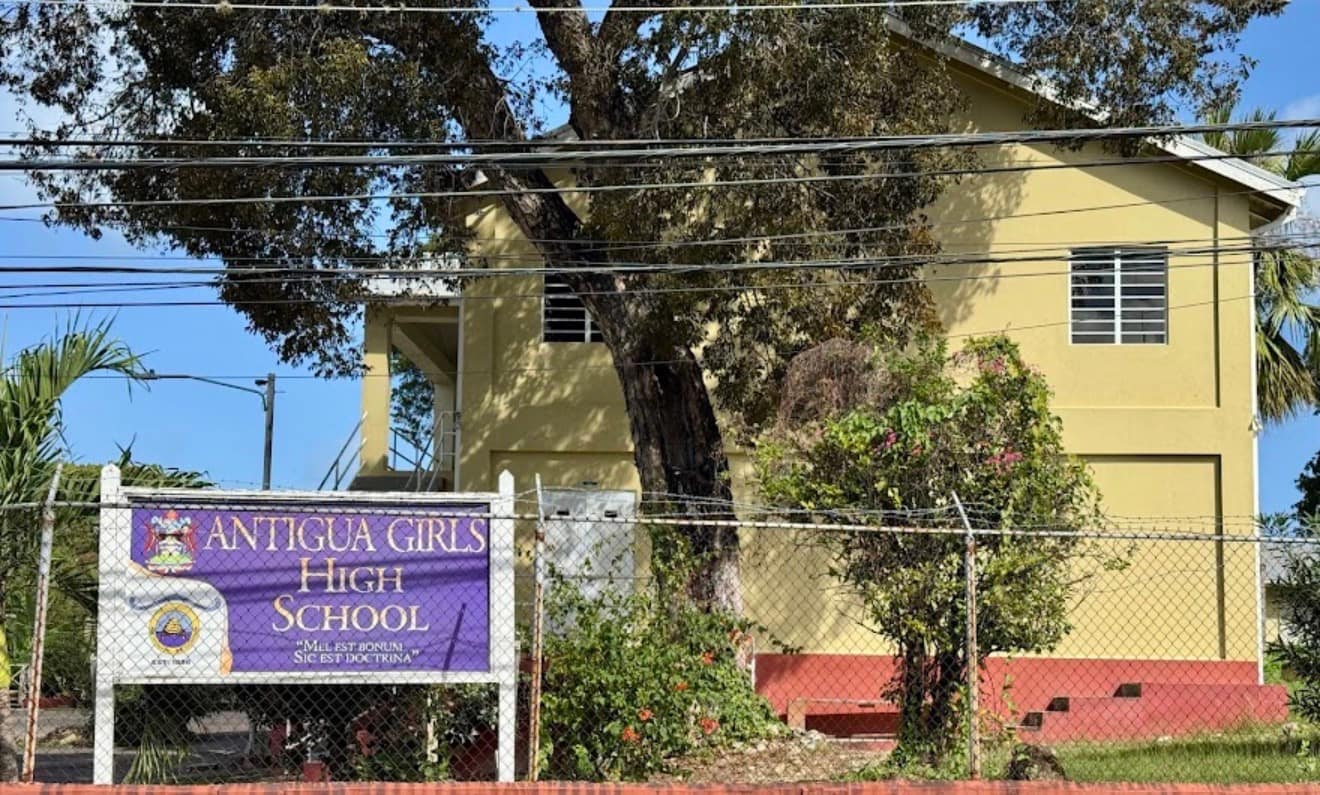
    A contentious dispute over hairstyle regulations at Antigua Girls’ High School has ignited debates about cultural identity and educational equity after a student was repeatedly dismissed from classes for wearing natural hair extensions. The incident began when a student with naturally short hair was instructed to remove crocheted locs she had installed during the Christmas break, which she complied with promptly. Seeking to maintain a presentable appearance, the student subsequently added minimal natural twist extensions to achieve manageable length and neatness for school environments. Despite these efforts toward compliance, school authorities sent her home for the second time within days, deeming even the subtle extensions unacceptable. The situation highlights growing concerns about institutional policies that potentially disadvantage students of African descent who utilize traditional hairstyling methods. Educational observers note that such styles represent both practical hair management solutions and cultural significance for many Caribbean students. The case gains additional complexity as other regional institutions reportedly permit similar natural hairstyles provided they meet general neatness standards. This discrepancy raises questions about consistency and cultural sensitivity in school grooming policies across Antigua’s educational landscape. The student’s experience has sparked broader discussions about whether dress code regulations should evolve to accommodate diverse hair textures and cultural practices while maintaining professional standards.

  • Participation in the Regional Caribe Wave Tsunami Exercise—Thursday, 19th March 2026

    Participation in the Regional Caribe Wave Tsunami Exercise—Thursday, 19th March 2026

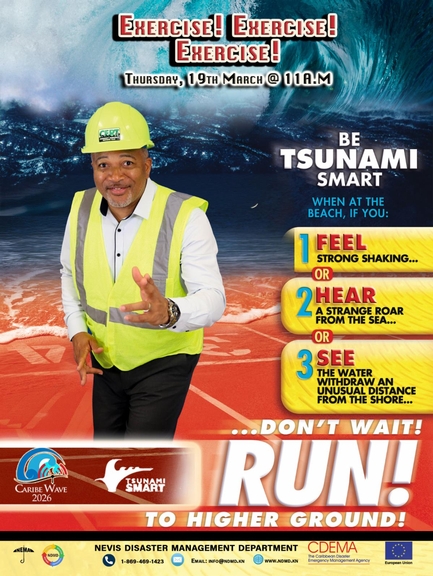
    The Nevis Disaster Management Department (NDMD) has announced its participation in the annual Caribe Wave Tsunami Exercise, scheduled for Thursday, March 19th, 2026. This regional initiative will take place from 11:00 a.m. to 2:30 p.m., involving comprehensive testing of the island’s emergency response capabilities.

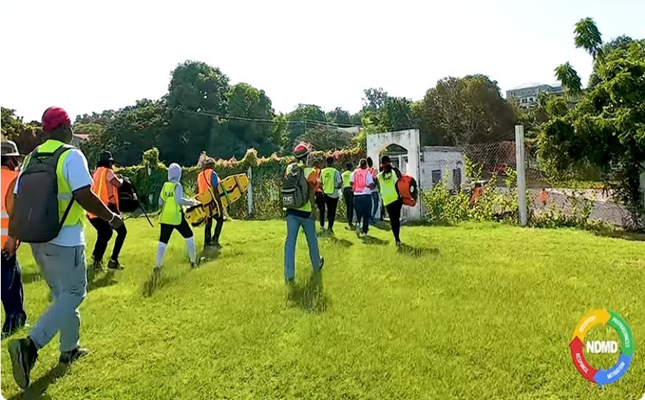
    The drill is strategically designed to evaluate and enhance tsunami preparedness protocols across the Caribbean region. During the exercise, participants will simulate evacuation procedures from designated Tsunami Hazard Zones in low-lying coastal areas. Evacuees will proceed to predetermined Assembly Areas and Tsunami Safe Sites situated at higher elevations, following established emergency routes.

    Authorities have issued advisories to motorists, urging heightened caution and vigilance during the exercise period. Drivers should anticipate increased pedestrian movement along major transportation corridors as residents practice evacuation procedures.

    The NDMD expressed gratitude to multiple stakeholders, including the general public, business community, Royal St. Christopher and Nevis Police Force, St. Kitts-Nevis Fire and Rescue Services, Emergency Medical Services, and volunteer organizations. Their collective cooperation is deemed vital for the exercise’s success and for strengthening community resilience against potential tsunami threats.

    This annual exercise forms part of broader regional efforts to improve disaster response coordination and public safety protocols, ultimately aiming to save lives and minimize potential damage from future tsunami events.

  • Nevis Prepares for Caribe Wave 2026 Tsunami Exercise on Thursday

    Nevis Prepares for Caribe Wave 2026 Tsunami Exercise on Thursday

    The island of Nevis is set to participate in the region-wide Caribe Wave 2026 tsunami preparedness exercise on Thursday, March 19, with authorities urging full community engagement. The Nevis Disaster Management Department (NDMD) is coordinating the comprehensive drill designed to enhance emergency response capabilities across the Caribbean region.

    According to NDMD Director Brian Dyer, the simulation will commence precisely at 11:00 a.m. with distributed alert notifications to participating institutions including schools, businesses, and various organizations. The exercise will employ clear verbal markers—repeating “exercise, exercise, exercise”—to distinguish the drill from actual emergencies while maintaining procedural seriousness.

    This year’s scenario simulates a tsunami generated by the hypothetical collapse of the Kick’em Jenny submarine volcano, creating a region-wide impact situation that tests coordinated response mechanisms. Emergency services including police and fire departments will activate sirens and conduct simulated evacuations through designated impact zones.

    The department has conducted extensive preparatory work with diverse community segments including educational institutions, faith-based organizations, volunteers, and persons with disabilities to ensure inclusive participation. Public announcements will guide evacuation procedures along predetermined routes to officially designated safe sites across all parishes.

    Dyer emphasized critical tsunami safety protocols, advising immediate relocation to higher ground (minimum 30 meters above sea level) upon observing natural warning signs such as strong tremors, unusual ocean withdrawal, or roaring ocean sounds—without waiting for official instructions in genuine emergencies.

    The director reiterated that Thursday’s activity remains a training exercise, not an actual emergency, while underscoring the importance of public awareness and participation in building community resilience against potential tsunami threats.

  • Youth Advocate Darin Connor captures Development Bank’s 2025 Mental Health Grant

    Youth Advocate Darin Connor captures Development Bank’s 2025 Mental Health Grant

    In a significant recognition of youth leadership in mental health advocacy, the Development Bank of St. Kitts and Nevis has selected Mr. Darin Connor as the recipient of its 2025 Mental Health Grant. The XCD$10,000 award acknowledges Connor’s exceptional contributions to strengthening mental health systems throughout the Caribbean region.

    Mr. Connor, currently pursuing a Psychology major with Political Science minor at the University of the Virgin Islands, described the grant as representing far more than mere financial assistance. In his acceptance statement, he emphasized how this recognition validates the critical importance of normalizing mental health discussions within communities. “This award serves as an external confirmation that society increasingly recognizes the necessity to destigmatize mental health conversations,” Connor noted, reflecting on his personal journey from a background where higher education was uncommon and imposter syndrome frequently prevailed.

    The young advocate holds the distinguished position of LUIx-UNICEF Mental Health Focal Point for St. Kitts and Nevis, representing the Federation across more than twenty Caribbean nations. His portfolio includes developing youth mental health resources, engaging regional partners, and advocating for enhanced psychosocial support systems for young people. Connor’s leadership credentials extend to his previous role as Vice President of the Student Government Association, where he pioneered student wellness initiatives and peer support programs.

    Ms. Chantelle Rochester, Integrated Marketing and Communications Manager at DBSKN and grant coordinator, explained the rigorous selection criteria emphasizing both academic merit and demonstrated commitment to mental health improvement. “Mr. Connor embodies the future of mental health leadership in our nation,” Rochester stated, highlighting how the grant identifies individuals who have already shown tangible dedication to better mental health outcomes.

    General Manager Laurinston Matthew articulated the Bank’s broader vision behind the initiative, noting that “development transcends traditional financial metrics and encompasses the strength, health, and capacity of our people.” This grant program signals the institution’s strategic evolution from conventional financing toward becoming a catalyst for social transformation and human capital development.

    The Development Bank encourages public engagement through its social media channels @developmentbankskn and WhatsApp platform for updates on this and other national development initiatives.

  • OPINION: My Assessment of the By-Elections of St. Phillip’s North on March 16, 2026

    OPINION: My Assessment of the By-Elections of St. Phillip’s North on March 16, 2026

    In the eight months since his primary victory, Randy Baltimore has demonstrated remarkable political connectivity that transcends traditional partisan boundaries. His deep community engagement has fostered exceptional levels of public trust, with even committed opposition supporters indicating they would cross party lines to support him based solely on his demonstrated character and integrity.

    Baltimore’s extensive mentorship under the late Sir Robin Yearword, Sr.—a legendary figure known for his unparalleled accessibility and constituent advocacy—has provided him with unique political advantages. While contemporary challenges differ significantly from those faced during Sir Robin’s fifty-year tenure, the foundational principles of hands-on representation remain profoundly relevant to today’s electorate.

    Recent electoral analysis suggests that the previous general election outcome reflected more anti-administration sentiment than genuine opposition support. The opposition’s campaign strategy, which included unsubstantiated claims about imported African voters, alleged foreign campaign financing, and fabricated allegations against political leaders, ultimately backfired as voters prioritized the government’s concrete efforts to address national issues within budgetary constraints.

    The political landscape continues to evolve, but Baltimore’s combination of community credibility, mentorship under a beloved political figure, and demonstrated commitment to practical governance positions him as a formidable candidate capable of bridging political divides and building upon established legacies of public service.

  • Registration Deadline Fast Approaching for Queen of Carnival 2026

    Registration Deadline Fast Approaching for Queen of Carnival 2026

    With the vibrant Rhythm of Pageantry building momentum across Antigua and Barbuda, the National Festivals Commission has issued an urgent advisory regarding the impending registration closure for the prestigious Queen of Carnival 2026 pageant. The official deadline for submitting completed registration documents falls on Friday, March 20, 2026, creating a narrow window for prospective participants.

    Aspiring contestants who have previously obtained registration packets are strongly urged to finalize and submit their applications without delay. The National Festivals Office, situated on the first floor of the Cecil George-John Building at the intersection of Corn Alley and Redcliffe Street in St. John’s, will accept submissions during specified hours: Monday through Thursday from 10:00 a.m. to 2:00 p.m., and Fridays from 10:00 a.m. to 1:00 p.m.

    Alternative registration arrangements are available through WhatsApp at (268) 727-9201, while general inquiries may be directed to (268) 462-4707. The Queen of Carnival competition represents a cornerstone event within the Antigua Carnival celebrations, renowned for showcasing exceptional intellect, artistic talent, graceful composure, and profound cultural heritage.

    The Commission extends a compelling invitation to young women throughout the dual-island nation to embrace this transformative opportunity. Participants are promised an empowering journey of personal growth and cultural celebration, perfectly aligned with the 2026 carnival theme: ‘Feel the Rhythm.’ This experience promises to create lasting memories while contributing to the preservation and evolution of Antigua and Barbuda’s rich cultural tapestry.

  • Santo Domingo to host regional energy summit with 27 countries

    Santo Domingo to host regional energy summit with 27 countries

    Santo Domingo prepares to host the pivotal 11th Energy Week of the Latin American Energy Organization (OLADE) this October, marking a significant gathering for regional energy cooperation. The event will convene an estimated 3,000 participants, including high-level delegations from 27 member nations, alongside over 200 expert panelists representing government institutions, private sector corporations, and global energy organizations.

    Co-organized with the Dominican government, the summit’s strategic agenda prioritizes critical pathways for a sustainable energy future. Core discussion themes encompass accelerating renewable energy deployment, fortifying regional energy security frameworks, fostering technological innovation in clean energy, and enhancing cross-border electrical integration. The official program will feature the high-profile Meeting of Energy Ministers alongside dedicated business forums designed to translate policy dialogue into actionable investment and collaboration opportunities.

    Dominican Energy Minister Joel Santos utilized the platform to outline ambitious national strategies, declaring the country’s objective to emerge as a definitive Caribbean energy hub. He unveiled forthcoming initiatives to substantially boost national generation capacity and develop large-scale battery storage systems. A flagship infrastructure project, a submarine electrical interconnector to Puerto Rico, was announced to advance regional grid stability. Officials further reported a milestone achievement, with renewable sources now constituting 25% of the nation’s electricity matrix, cementing its leadership role in the Caribbean’s energy transition.