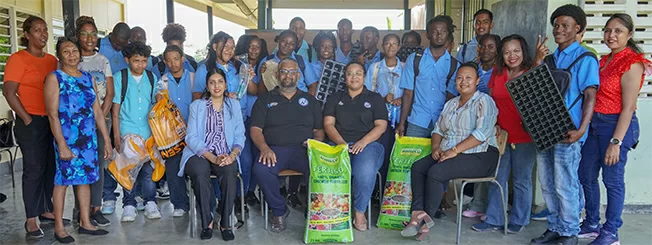
On World Food Day, Suriname’s Minister of Agriculture, Livestock, and Fisheries, Mike Noersalim, urged consumers to prioritize locally produced Sranan food. Emphasizing the benefits of supporting local farmers, he highlighted the freshness, safety, and nutritional richness of Surinamese diets. “By choosing local, you not only bolster our farmers and economy but also embrace a healthier way of life,” he stated. Noersalim underscored agriculture as the backbone of food production, calling for collective efforts to ensure the nation’s agricultural abundance benefits future generations. He outlined initiatives to protect farmers, including investments in climate-smart techniques, improved irrigation, and robust quarantine measures to safeguard local crops and biodiversity from external pests. The livestock sector, he noted, plays a vital role in providing essential proteins, with a focus on quality and biosecurity. Investments in better breeds, modern slaughterhouses, and strict monitoring programs aim to prevent diseases and ensure safe, locally produced meat and dairy. Noersalim also described fisheries as Suriname’s “treasure from the water,” emphasizing sustainable practices to preserve marine resources for future generations. “Sustainable fishing is the only way forward to ensure our ‘blue economy’ remains productive and healthy,” he asserted. In alignment with this year’s World Food Day theme, “Hand in Hand for Better Food and a Better Future,” the ministry, in collaboration with the FAO, donated agricultural tools and materials to educational institutions and the Stichting Ontspanningsoord voor Gehandicapte Kinderen (SOGK) to support their agricultural activities.
作者: admin
-
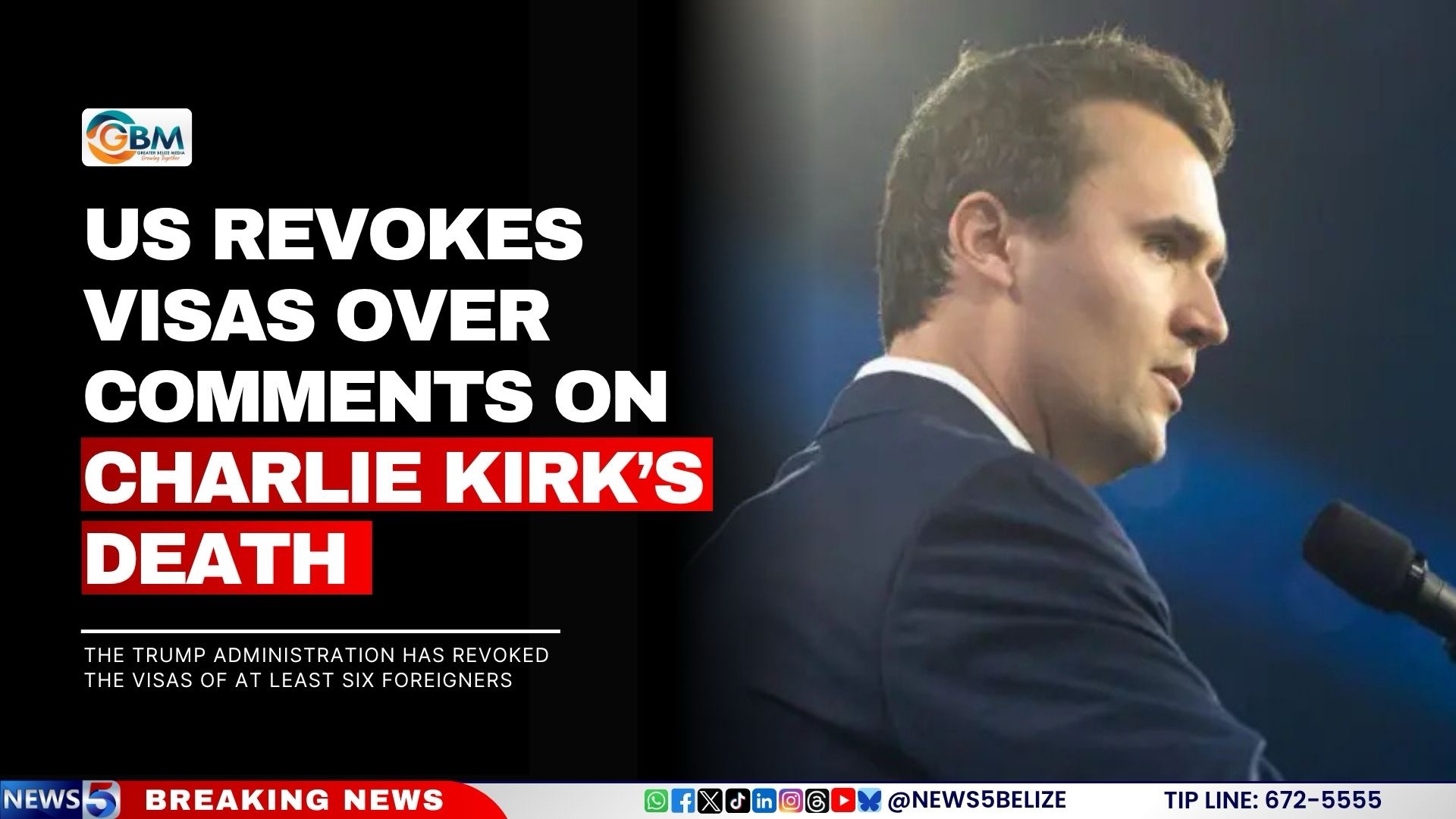
US Revokes Visas Over Comments on Charlie Kirk’s Death
In a decisive move, the Trump administration has revoked the visas of at least six foreign nationals following their controversial social media posts celebrating the murder of conservative influencer Charlie Kirk. The U.S. State Department announced the decision on X, stating, ‘The United States has no obligation to host foreigners who wish death on Americans.’ The department also shared screenshots of the offending posts. The individuals affected hail from Argentina, South Africa, Mexico, Brazil, Germany, and Paraguay. Charlie Kirk, 31, co-founder of Turning Point USA and a close ally of Donald Trump, was tragically shot dead while speaking at Utah Valley University on September 10. Trump has since honored Kirk as a ‘martyr’ and posthumously awarded him the Presidential Medal of Freedom. Among those impacted by the visa revocations are South African businessman Nhlamulo Baloyi and Brazilian comedian Tiago Santineli, both of whom confirmed their visas had been canceled after mocking Kirk online.
-
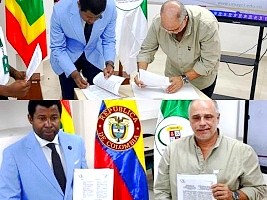
Internationalization of the UEH : Signature with the Colombian University (UMAYOR)
In a landmark move to bolster international academic collaboration, Dieuseul Prédélus, Rector of the State University of Haiti (UEH), and Juan Alberto Arraut Camargo, Rector of the Institución Universitaria Mayor de Cartagena (UMAYOR), signed a Framework Agreement for Academic Cooperation on October 16 in Cartagena, Colombia. The ceremony, attended by key academic officials from both institutions, signifies a pivotal step in UEH’s ongoing internationalization efforts. This partnership, rooted in South-South cooperation, unites two Caribbean universities with shared challenges and aspirations in higher education and scientific research. The agreement outlines collaborative initiatives across multiple domains, including academic mobility for students, faculty, and staff; joint research and innovation projects; institutional capacity building; language training; continuing education programs; and international internships to enhance student employability. Spanning an initial four-year term with automatic renewal, the agreement establishes a Technical Coordination Committee to oversee implementation and ensure sustainability. Prédélus highlighted the broader significance of the partnership, stating, ‘This signing symbolizes the university’s role as a bridge between peoples, a space to address contemporary challenges, and a beacon of hope for the future.’ This agreement is part of UEH’s broader strategy to expand its global academic network, with additional partnerships planned with Canadian universities.
-
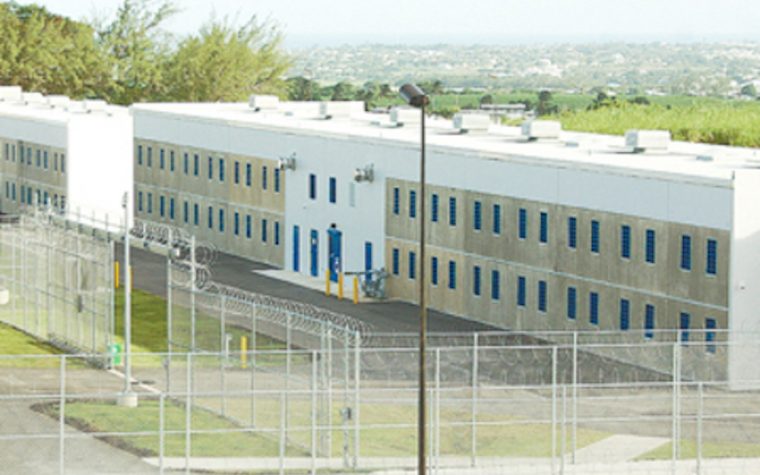
Dodds Prison awaits $4m green light to expand farm operations
The Barbados Prison Service is poised to transform its agricultural operations at the Dodds prison farm in St. Philip, pending government approval of a $4 million budget allocation. Superintendent of Prisons DeCarlo Payne announced on Thursday that the funds would be used to significantly expand meat production and modernize the facility, aligning with the government’s goal of achieving food self-sufficiency within 18 months. The initiative aims to reduce reliance on external suppliers and enhance food production capabilities. Currently, the farm produces chicken, beef, lamb, pork, and turkey, with plans to slaughter 67 pigs next month. Additionally, 90% of the arable land at Dodds is under cultivation, yielding crops such as sweet potatoes, yams, and cucumbers. The Prison Service recently supplied the Barbados Defence Force with 600 pounds of sweet potatoes and 150 pounds of cucumbers. The $4 million investment will also fund the construction of seven new chicken pens, each capable of housing 3,000 birds, with a long-term goal of producing 21,000 chickens to meet the needs of institutions like the School Meals Department, Queen Elizabeth Hospital, and the prison itself. In January, the University of the West Indies (UWI) Cave Hill Campus partnered with the Prison Service to launch a six-week agricultural training program. Conducted through UWI’s Centre for Agricultural Research and Innovation (CAGRI), the program focuses on sustainable crop production, soil management, poultry care, and integrated farming systems. It aims to reduce food costs, support national food security, and provide inmates with practical skills for rehabilitation. Superintendent Payne emphasized that the farming program is a key component of a broader rehabilitative strategy, equipping inmates with agricultural and business expertise while contributing to institutional cost savings and national food security.
-
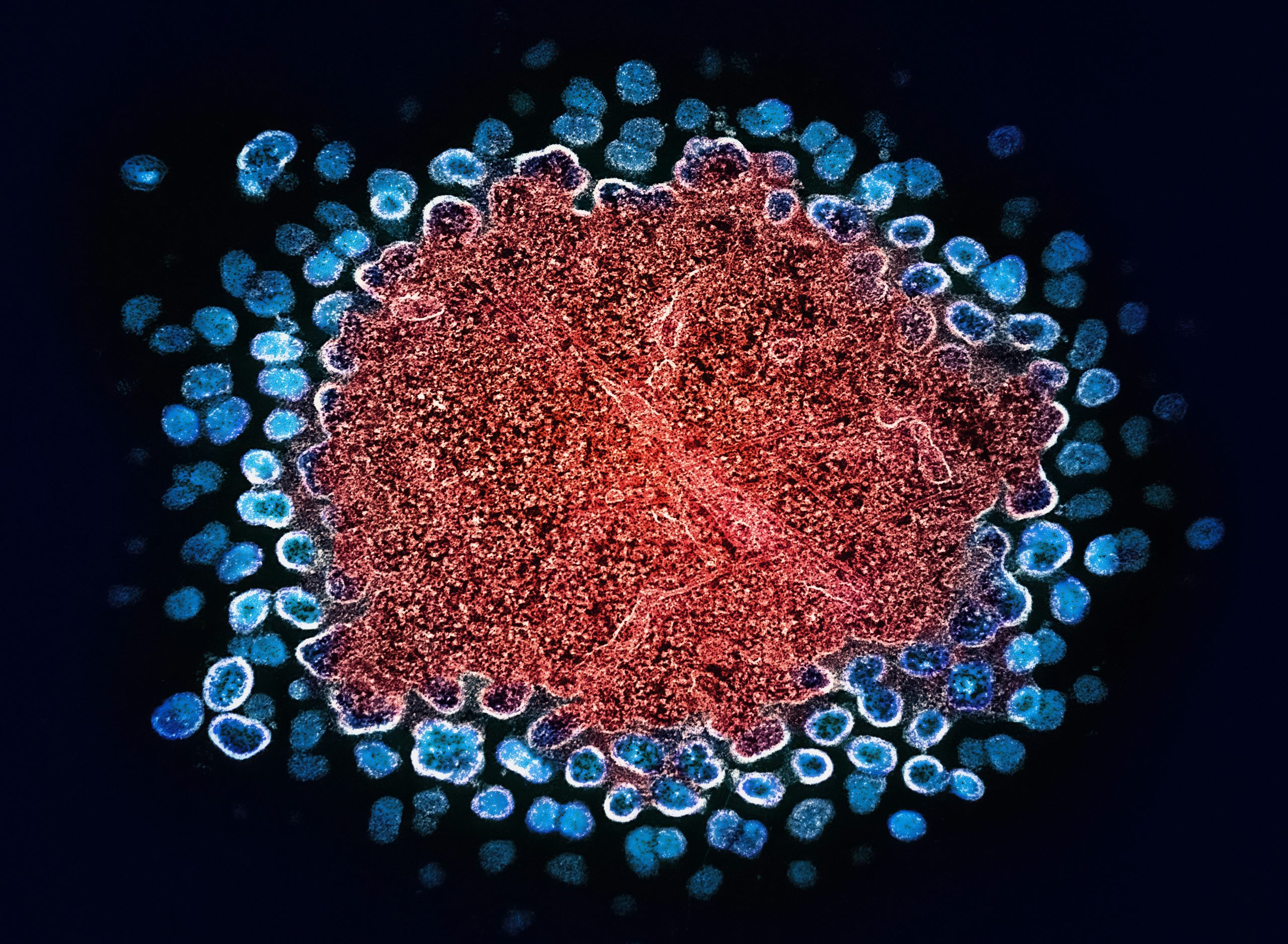
CONAVIHSIDA reports decline in HIV cases in the Dominican Republic
In a recent announcement by the National Council for HIV and AIDS (CONAVIHSIDA), it was revealed that approximately 87,000 individuals in the Dominican Republic are currently living with HIV. Among these, 79,810 have been formally diagnosed, 56,503 are undergoing antiretroviral treatment, and an encouraging 49,517 have achieved a suppressed or undetectable viral load. CONAVIHSIDA emphasized that individuals with an undetectable viral load are incapable of transmitting the virus, highlighting the critical need to safeguard their fundamental rights, including access to employment, healthcare, and education without facing discrimination. National data further indicates that the Dominican Republic has achieved a 13% reduction in new HIV infections and a 59% decline in AIDS-related deaths by 2024. These advancements are attributed to the successful implementation of comprehensive prevention, treatment, and awareness policies as part of the country’s ongoing HIV response strategy.
-
Security : Donation of 90 Kawasaki motorcycles and logistical equipment to the PNH
In a significant move to enhance Haiti’s law enforcement capabilities, the Organization of American States (OAS), in collaboration with the Canadian government, has donated 90 Kawasaki motorcycles and essential logistical equipment to the Haitian National Police (PNH). The donation, comprising Kawasaki KLX 300 and KLR 650 models, aims to bolster police deployment in operations against armed gangs, which have been a persistent threat to the nation’s security. The handover ceremony also served as a platform for discussions between Cristobal Dupouy, the OAS Secretary General’s Representative in Haiti, and Vladimir Paraison, the Acting Director General of the PNH. Key topics included structural reforms, modernization of police operations, and improvements in officers’ social benefits. This initiative is part of a broader international effort to support Haiti’s fight against violence, with contributions from the United Nations, Canada, the United States, France, and Taiwan. Earlier this year, the PNH also received armored vehicles and personal protective equipment, further strengthening their operational capacity.
-
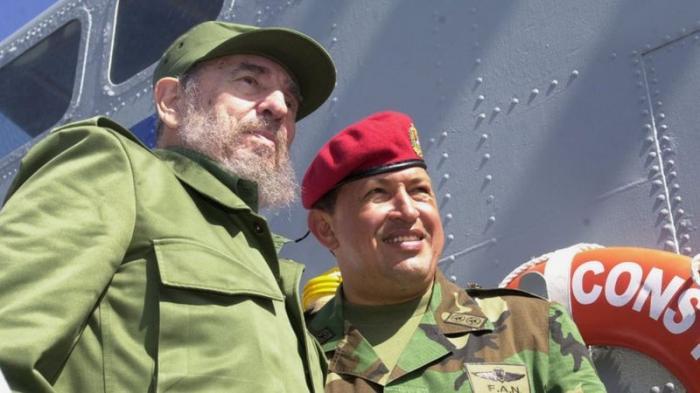
“We must give our all for Venezuela”
In a powerful display of unity, Cuba has reaffirmed its unwavering support for Venezuela, a nation currently facing significant military pressure from the United States. Miguel Díaz-Canel Bermúdez, First Secretary of the Central Committee of the Communist Party of Cuba and President of the Republic, expressed solidarity with Venezuela and its President, Nicolás Maduro, during a public statement on X. He emphasized that Venezuela, the homeland of Simón Bolívar and Hugo Chávez, will not stand alone amidst the escalating tensions. Díaz-Canel condemned the US military deployment, which includes approximately 1,200 missiles, as well as covert CIA operations targeting Venezuela. He invoked the words of Cuban national hero José Martí, who famously declared, ‘Give me Venezuela to serve, she has a son in me,’ and echoed Fidel Castro’s sentiment that ‘For Venezuela, we must give our all.’ The Cuban people have also demonstrated their solidarity, gathering at the equestrian statue of Simón Bolívar to express their support. Díaz-Canel further quoted Bolívar, who once warned that the United States ‘seems destined by Providence to plague America with misery in the name of freedom.’ This statement underscores Cuba’s commitment to defending Venezuela against external aggression and its broader critique of US interventionism in Latin America.
-

Granma Rebelde: a festival of challenges, alternatives, and shared dreams
The Granma Rebelde International Festival commenced today at the Estación Cultural de Línea y 18 in Havana, marking a significant milestone in Cuban journalism. This year’s festival celebrates the 60th anniversary of two iconic Cuban publications, Granma and Juventud Rebelde, both founded by the late Commander-in-Chief Fidel Castro Ruz. Running until October 19, the event features a dynamic blend of exhibitions, theoretical discussions, book presentations, and cultural performances, attracting delegations from over 30 countries. Organized by the Communist Party of Cuba and the Union of Young Communists, the festival emphasizes counter-hegemonic communication, advocating for equality, sovereignty, and social justice. A highlight of the program is the panel ‘Fidel in the Press: The Leader Who Wrote His Own History,’ moderated by renowned journalist Katiuska Blanco, which explores Castro’s contributions to Cuban journalism. The festival also includes performances by acclaimed artists and the celebrated children’s theater group La Colmenita, alongside discussions on global cooperation and social change. Open to the public, the event aims to foster dialogue between journalists, intellectuals, and the community, reflecting on six decades of Cuban media and revolutionary ideals.
-
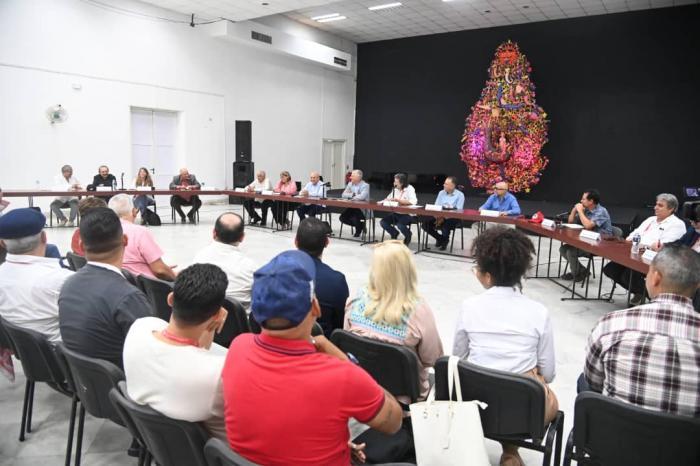
“We are defending the great homeland that is humanity”
On Thursday, October 17, 2025, a pivotal meeting took place at Casa de las Américas in Havana, marking the launch of a new phase for the Network of Artists and Intellectuals in Defense of Humanity. Established in 2003 by Commanders Fidel Castro Ruz and Hugo Chávez Frías, the Network aims to unite left-wing thinkers globally to counter neo-fascism and imperialist threats. Cuban President Miguel Díaz-Canel Bermúdez, alongside prominent intellectuals and activists, emphasized the urgency of defending humanist values and fostering solidarity in the face of global challenges. The meeting, held in the Che Guevara Room, lasted nearly four hours and focused on revitalizing the Network’s mission. Díaz-Canel highlighted the need for unity among leftist movements, particularly in Latin America, to resist military and ideological aggression. He also condemned the ongoing crisis in Gaza and the media attacks against Venezuelan President Nicolás Maduro. The newly elected general coordinator of the Network, Miguel Pérez Pirela, echoed these sentiments, stressing the importance of ideas, beauty, and solidarity in combating barbarism. The event also featured contributions from Cuban and international intellectuals, who discussed the role of culture, science, and ethics in shaping a progressive future. The gathering underscored the Network’s commitment to fostering critical thinking, digital literacy, and revolutionary praxis as tools for social transformation.
-
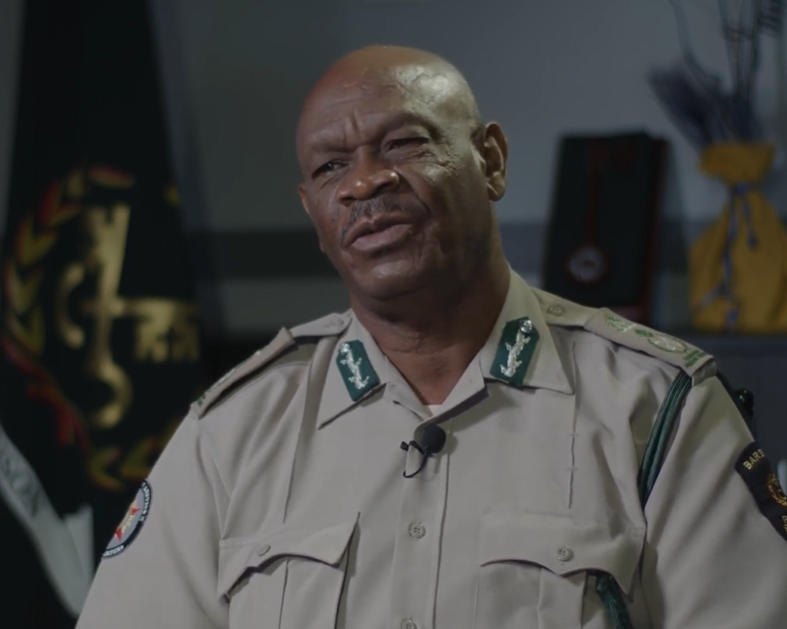
Prison chief: More teens in Dodds Prison for serious crimes as average inmates’ age falls
Barbados is grappling with a troubling surge in youth crime, as highlighted by Superintendent of Prisons DeCarlo Payne in a recent interview with Barbados TODAY. Payne revealed that the age of convicted inmates is steadily decreasing, with more young males aged 15 to 25 being incarcerated for serious and violent crimes, particularly those involving firearms. He described this as a deeply concerning trend that reflects broader societal issues requiring a unified national response. Payne emphasized that the prison system is witnessing inmates as young as 15 or 16, with crimes becoming increasingly violent and often linked to robberies and gun-related offenses. Criminologist Kirk Alleyne echoed these concerns, noting a disturbing shift in behavior among youth, where violence is increasingly used to resolve interpersonal disputes rather than dialogue or mediation. Alleyne’s July report, ‘Confronting Violent Crime in Barbados,’ highlighted that retaliatory violence and escalation have become normalized. He also pointed to the growing accessibility of firearms to juveniles, which significantly increases their involvement in serious crimes such as armed robberies and shootings. Alleyne further warned of the evolution of gang activity, with informal street groups transforming into well-organized criminal networks resembling corporations. Barbados has recorded 34 homicides this year, with 31 occurring by the end of July. Despite these challenges, the Barbados Prison Service is implementing rehabilitative programs for both remanded and sentenced individuals, focusing on religious services, anger management, drug counseling, and vocational training. These initiatives aim to reduce reoffending and prepare young offenders for reintegration into society.