作者: admin

  • ABSA and Hopeful Hearts Foundation Partner for Outreach Visit to Sunshine Home for Girls

    ABSA and Hopeful Hearts Foundation Partner for Outreach Visit to Sunshine Home for Girls

    On August 8, 2026, two Antigua and Barbuda-based organizations partnered to bring joy, resources and connection to young residents of a local girls’ care facility. The Antigua and Barbuda Students’ Association (ABSA) from the Cave Hill Campus of The University of the West Indies joined forces with the Hopeful Hearts Foundation (HHF) for a community outreach visit to the Sunshine Home for Girls, located in Johnson’s Point, Antigua.

    Unlike traditional one-off donation drops, this outing was designed to pair tangible charitable support with deep, personal engagement between visitors and residents. Beyond delivering a curated selection of critical daily items—including personal hygiene products, educational school supplies, hair-care goods and a new collection of reading books—the teams prioritized getting to know the girls who call the facility home. Members led open, non-judgmental dialogues about daily life, shared challenges and pressing issues affecting young people, setting aside dedicated time to learn about each girl’s unique personality, personal hobbies and lived experiences.

    This intentional approach fostered a warm, trusting environment where residents felt comfortable asking questions, voicing their own perspectives, and building genuine connections with the visiting group. Many participants left the interaction noting that the mutual exchange had been just as meaningful for them as it was for the girls at the home.

    Founded by Antigua and Barbuda’s National Youth Ambassador Kristine Louisa, the Hopeful Hearts Foundation has long centered its mission on lifting up young people across the twin-island nation. Its core work spans youth empowerment, expanded educational access, humanitarian relief and inclusive community development. To date, the organization has rolled out a wide range of impact-driven initiatives, from on-site school outreach and youth motivational programs to large-scale community donation drives and local service projects.

    For ABSA, the partnership and visit marked an important step in fulfilling the organization’s core mission: extending its positive impact beyond the boundaries of the university campus to invest in the long-term development and overall well-being of young people across Antigua and Barbuda. The successful collaboration highlighted the power of cross-organizational cooperation, where pooling shared resources, institutional knowledge and mentorship experience can create far more meaningful, sustainable change for local communities than either group could achieve alone.

    As the visit drew to a close, both organizations and the girls of Sunshine Home left with a unifying, empowering message: All young people deserve to recognize their inherent potential, intentionally surround themselves with supportive, positive influences, chase their personal and professional goals with courage, and understand that their current circumstances do not have to define or limit their future.

  • SHI roept op tot verbinding rond ‘Ingi Dey’ en Javaanse Immigratiedag

    SHI roept op tot verbinding rond ‘Ingi Dey’ en Javaanse Immigratiedag

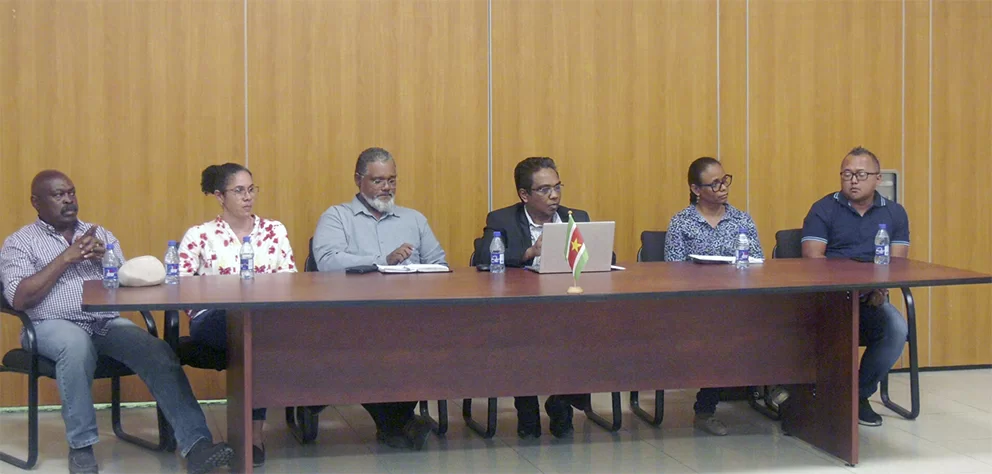
    As Suriname prepares for two key national cultural commemorations — Ingi Dey for the Indigenous community and Javanese Immigration Day for the Javanese community — the country’s Stichting Hindostaanse Immigratie (SHI, Hindostani Immigration Foundation) has issued a urgent public call for all demographic groups to leverage these cultural moments to strengthen intergroup connections, warning against growing internal and cross-community division that threatens national cohesion.

    First, the SHI offered official congratulations to both the Indigenous and Javanese communities on their respective commemorative days. The foundation emphasized that these observances serve a larger purpose beyond reflecting on individual group history and cultural heritage: they are opportunities to celebrate the shared ties that bind all Surinamese people together across cultural differences.

    The organization did not hide its growing concern over the tensions that regularly emerge around national commemorations and public celebrations, pointing specifically to recent unrest and disagreements surrounding events held in Suriname’s iconic Palmentuin (Palm Garden) as evidence of the urgent need for consistent, open dialogue between representatives of all of the country’s cultural and demographic groups.

    The SHI acknowledges that differences of opinion around community organization, representation, and cultural practice are normal and unavoidable in a diverse society. What the foundation warns against is allowing these disagreements to fester into estrangement or open confrontation between groups. “When divides within a community run so deep that neighbors end up standing against one another, all of us must ask whether we are still paying enough attention to the bigger picture that unites us as Surinamese,” the foundation stated in its official appeal.

    This message, the SHI stresses, is not directed at any single community. It applies to every demographic group across the entire nation. Far from being a source of tension, the country’s diverse histories, distinct identities, and varied cultural traditions are the country’s greatest national strength, the foundation argues. To head off conflict before it escalates, the SHI is urging community groups, civil society organizations, cultural associations, and community leaders across Suriname to proactively reach out to one another for open dialogue. The foundation’s core guidance is clear: connect with other groups before disagreements escalate into open conflict, talk to one another instead of talking about one another, collaborate wherever possible, and uphold mutual respect even when core opinions differ.

    National commemorative moments, the foundation argues, should never be occasions that pit community against community. Instead, they should serve as visible public demonstrations that diverse cultural identities can coexist peacefully, and that collective collaboration is far stronger than division. Notably, the SHI also tied its call for cross-community cooperation to environmental protection, arguing that Suriname’s rivers, forests, and entire natural environment are shared national heritage that belongs to all Surinamese, not any single demographic group. As such, responsibility for protecting these vital natural resources must be shouldered collectively by all communities.

    In closing, the SHI called on all Surinamese people to reimagine Ingi Dey and Javanese Immigration Day as more than just individual cultural commemorations. These days should be centered on four core values: mutual respect, open dialogue, cross-group collaboration, and shared national unity. “We do not need to be the same to work together. We do not need to agree on everything to respect one another. But we must never forget that together, we are Suriname,” the foundation emphasized.

  • Patriots’ Batting Struggles Continue as Knight Riders Claim Rain-Affected Opening Victory

    Patriots’ Batting Struggles Continue as Knight Riders Claim Rain-Affected Opening Victory

    The 2026 Caribbean Premier League (CPL) kicked off with a rain-soaked, drama-filled opening match that ended with defending champions Trinbago Knight Riders securing a 19-run victory over St. Kitts and Nevis Patriots under the Duckworth-Lewis-Stern (DLS) method. Held in St. Vincent and the Grenadines, the contest got off to a devastating start for the Patriots after they were asked to take the batting crease first.

    Veteran Trinbago spinner Sunil Narine turned in a masterclass of spin bowling that tore through the Patriots’ top order before the batting line-up could find any momentum. Narine’s incredible opening spell saw him claim a wicket on the very first delivery of star batsman Kyle Mayers’ innings, and he went on to remove three of the Patriots’ top four batmen inside the first overs. This early collapse left the Patriots reeling at a shaky 16 runs for the loss of three wickets, putting the side on the back foot for the rest of their batting innings.

    In a bid to rescue the innings, batsman Kevin Wickham put together a patient, steady knock of 38 runs to rebuild the Patriots’ total. However, consistent wicket breakthroughs from pacer Terrance Hinds prevented the home side from building the long, high-scoring partnerships needed to post a competitive total. Despite a late flurry of resistance from the lower order, the Patriots could only manage a modest total of 109 runs for 9 wickets from their full 20 overs.

    When it came to Trinbago’s turn to chase the revised target after the first rain interruption, openers Alex Hales and Colin Munro started their innings cautiously. The pair lost quick wickets inside the PowerPlay: Hales was dismissed by Patriots fast bowler Jason Holder for just 9 runs off 11 deliveries, with Munro following soon after for 17 runs. These early losses, though, did not disrupt the defending champions’ game plan.

    South African batsman Matthew Breetzke stepped up to anchor the Trinbago innings, remaining unbeaten on 35 runs off 35 balls and building a steady, match-winning partnership with wicket-keeper batsman Joshua da Silva. Da Silva battled through visible physical discomfort throughout his stay at the crease before being forced to retire hurt on 18 runs off 22 deliveries. Even with this setback, Trinbago stayed on track to reach the required total, with Breetzke calmly guiding the side closer to victory.

    A second rain interruption halted play when Trinbago had reached 94 runs for the loss of 2 wickets after 15 overs. Upon reviewing the match situation, officials applied the DLS method, which confirmed the Knight Riders were well ahead of the 75-run par score required at that stage of the innings. The result confirmed a 19-run victory for Trinbago, giving the defending champions a perfect winning start to their 2026 title defence campaign.

    The CPL 2026 tournament is set to continue later the same day, with Antigua and Barbuda Falcons facing off against St. Lucia Kings in the next fixture, scheduled to begin at 7:00 p.m.

  • LIVE (from 7:30 p.m.): DBF discussion on 2026-2027 National Budget

    LIVE (from 7:30 p.m.): DBF discussion on 2026-2027 National Budget

    When a request to process and rewrite a piece of news is submitted, only a set of social media sharing labels and an image link are provided, with no actual core news text included. Without the full, substantive content of the original news report, it is impossible to conduct in-depth analysis of the event it covers, extract core information, reconstruct a narrative framework, or complete any of the required processing steps. To receive a full, compliant rewrite and analysis, submitters are required to provide the complete original text of the news alongside any supporting links or metadata.

  • President Simons kondigt steun aan voor onderzoek naar cultureel erfgoed

    President Simons kondigt steun aan voor onderzoek naar cultureel erfgoed

    As Suriname wraps up its 2026 Heritage Month, national leaders have announced a lasting commitment to preserving and celebrating the country’s diverse cultural roots, promising government funding for targeted academic research and cultural projects focused on Surinamese heritage after the month-long celebration concludes.

    The announcement was made by President Jennifer Simons this past Friday during a student-organized mini-congress held at the Anton de Kom University of Suriname (AdeKUS), an event designed to center conversations around heritage, scientific inquiry, cultural identity, and heritage’s evolving role in modern Surinamese society. The congress, held as a core part of 2026 Heritage Month programming, was paired with a public Heritage Fest that gave attendees the chance to engage with traditional food and drink from Suriname’s many distinct cultural communities. According to the Communication Service of Suriname, the festival also featured dedicated exhibit spaces showcasing cultural artifacts and educational materials highlighting the unique heritage of each of the country’s population groups. Event photos even captured President Simons participating in traditional cassave pounding, demonstrating her hands-on engagement with local cultural practices.

    In her keynote address to attendees, President Simons emphasized that Heritage Month extends far beyond a simple annual cultural celebration. For the country, the initiative serves a critical purpose: helping Surinamese people deepen their sense of shared responsibility for the nation’s future. Greater public awareness of personal history, ancestral origins, and collective national identity, she argued, is a foundational building block for mutual understanding and cross-cultural respect across communities.

    “Heritage Month aims to help every person better understand themselves, and learn to respect themselves — because if you respect yourself, you can extend that same respect to others,” Simons told the audience. The president stressed that Suriname draws its core national strength from its longstanding cultural diversity, and that cross-generational collaboration is essential to building a society that actively values and protects differences between communities.

    Looking beyond the 2026 celebration, Simons outlined next steps for the initiative: following the conclusion of this year’s Heritage Month, an official post-event report will be compiled to guide preparations for the 2027 iteration. Crucially, the national government will allocate dedicated funding to support academic research, artistic expression, and community-led heritage projects in the months between annual celebrations.

    “After this year’s event, the government will make funding available for scientific research, artistic projects, and a wide range of initiatives centered on themes put forward by Surinamese civil society,” Simons said. She explained that the long-term goal is to keep young people, researchers, and cultural organizations actively engaged in heritage-focused projects throughout the year, so that their work can contribute to more robust and inclusive future Heritage Month programming. The president issued a special call to university students, urging them to deepen their exploration of both Suriname’s rich history and its dynamic contemporary society, noting that this knowledge will foster a stronger, more cohesive national community.

    Education, Science and Culture Minister Dirk Currie echoed the president’s remarks, focusing his address on the critical role that academic institutions like AdeKUS play in advancing heritage preservation. Currie argued that the university’s mission goes far beyond simply transmitting existing knowledge to students; it also has a responsibility to generate new, evidence-based insights to solve pressing social challenges.

    “A university does not only have the job of passing on existing knowledge. It also has a responsibility to create new knowledge,” Currie stated. The minister noted that durable, effective public policy can only be developed when it is rooted in rigorous research, community-derived data, and on-the-ground insights from across Suriname. He encouraged all Surinamese people to take ownership of the country’s national unity, framing cultural diversity not as a source of division, but as one of the nation’s greatest assets. Currie concluded by emphasizing that the country’s history, collective identity, and shared heritage must be protected through scientific inquiry and documented by the Surinamese people themselves.

  • Bedrijfsleven wil aanpassing economische wetsontwerpen vóór verdere behandeling

    Bedrijfsleven wil aanpassing economische wetsontwerpen vóór verdere behandeling

    Suriname’s organized business community is pushing for sweeping amendments to three draft laws that will have far-reaching implications for domestic enterprises and the country’s overall investment climate. The Vereniging Surinaams Bedrijfsleven (VSB), the country’s leading business association, confirms it supports the core policy goals behind the draft Investment Law, the bill establishing the Suriname Investment and Trade Agency (SITA), and the draft Enterprise Consultation Act. But business leaders warn that in their current form, the legislation fails to deliver adequate guarantees for legal certainty, transparency, good governance, and practical implementation, requiring major revisions before they can be enacted into law.

    For the Investment Law and SITA bill, VSB and partner business organizations are calling for substantive stakeholder consultations before the draft legislation advances further through the parliamentary process. For the Enterprise Consultation Act, VSB has already submitted its detailed technical feedback to the Committee of Rapporteurs of the National Assembly (DNA).

    At the core of the business community’s criticism is a simple principle: new legislation designed to boost investment, drive economic growth, and improve labor relations should not introduce new layers of uncertainty and unnecessary administrative burdens for domestic enterprises. When it comes to the draft Investment Law, business leaders go a step further: the current draft cannot be supported in its current form and requires fundamental restructuring. First, they argue, Suriname must formalize a comprehensive national investment policy that clearly outlines the country’s long-term economic development targets, prioritizes key sectors, and lays out clear eligibility criteria for tax incentives and other investor support programs.

    The current draft lacks objective criteria for designating priority sectors and approving incentives, business leaders say, creating excessive discretionary power for individual government officials that opens the door to unequal treatment and widespread investor uncertainty. Beyond the size of an investment, business leaders argue, investment incentives should account for a range of sustainable development outcomes: durable job creation, export growth, import substitution, local value addition, knowledge and technology transfer, and meaningful partnership with domestic Surinamese firms. Special priority must also be given to supporting small and medium-sized enterprises (SMEs), they emphasize: large foreign investments should strengthen local businesses rather than displace them, and local content requirements can be used to boost local employment, increase use of domestic goods and services, and build out national value chains.

    Additionally, the business community is calling for the principle of equal treatment to be explicitly enshrined in the legislation: local, foreign, and diaspora investors should receive equal rights, protections, and opportunities under comparable operating conditions. Any sector-specific variations to rules must be based on pre-established, publicly available criteria, and all investment incentives should be tied to measurable performance targets and subjected to regular periodic evaluations. Incentive eligibility should be assessed against metrics including job creation volumes, reinvestment levels, tax contributions, export growth, import substitution, local value addition, and knowledge transfer, and incentives should not be granted permanently without verification of tangible outcomes. The draft law must also set clear binding timelines for government approval of investment applications and outline clear appeal processes for rejected requests, in addition to formalizing guarantees for protection against expropriation, profit and capital repatriation rights, and structured frameworks for resolving investment disputes.

    For the proposed SITA, while business leaders welcome the creation of a professional body to drive investment promotion and export growth, they warn the agency must not become an unnecessary new layer of bureaucracy or duplicate the work of existing government bodies including ministries, the tax authority, the chamber of commerce and industry, and the national statistics bureau. Instead, SITA’s core mandate should focus on facilitating investment, coordinating cross-government processes, and promoting Suriname as an investment destination, not taking over core functions of existing competent authorities.

    A key priority for SITA should be launching a fully functional digital one-stop portal for investors, built around the “One Company, One Reporting Obligation” principle: any information already submitted by a business to one government agency should not be requested again by another agency. Business leaders also call for stronger guarantees of SITA’s independence and technical expertise: appointments and removals of SITA’s executive and board members must follow transparent procedures based on pre-defined competency and integrity criteria, and organized business representatives and independent experts must be included in the agency’s oversight body.

    Similar concerns over legal certainty and implementability have been raised by VSB in its feedback on the draft Enterprise Consultation Act. VSB director Kamlesh Ganesh presented the organization’s official technical position to the parliamentary rapporteur committee earlier this month. While VSB supports the core premise of the bill that requires structured regular dialogue between employers and workers, noting that open communication and worker engagement can support sustainable labor relations and healthy business operations, the current draft suffers from widespread legal and implementation ambiguity on multiple key points.

    One major flaw is the failure to clearly distinguish between information sharing, consultation, advisory input, and formal co-decision approval, creating confusion over exactly what obligations employers face and what rights workers can claim under different procedures. VSB also argues that the draft’s scope for mandatory consultation is overly broad, and in its current form would require mandatory consultation for almost all major corporate decisions. The scope should be narrowed to only cover decisions that have material collective impacts on workers, the association says.

    The most significant objection is to the provision that would automatically invalidate any employer decision if it is not approved through the required consultation process. VSB argues this penalty is disproportionate and would create crippling legal uncertainty for businesses, calling for a system that allows employers to first correct procedural shortcomings before severe legal sanctions are imposed. Additional revisions the association calls for include clearer language outlining how the new law interacts with existing collective bargaining agreements and trade union structures, stronger protections for confidential business information, and a reduction in the number of core provisions deferred to future executive orders. VSB emphasizes that all fundamental rights and obligations should be laid out directly in the legislation to give both employers and workers clear upfront predictability.

    Across all three pieces of legislation, the common thread in the business community’s position is that it is not opposed to regulatory reform. Business leaders agree that a modern investment framework, a professionally functioning SITA, and a formal legal framework for employer-worker dialogue are all necessary for Suriname’s economic growth. The non-negotiable conditions, however, are that all rules must be clear, implementable, and predictable, and must not create unnecessary bureaucracy or grant broad unaccountable discretionary power to government officials.

    As a result, joint business organizations are calling for extended substantive consultations on the Investment Law and SITA bills. For the Enterprise Consultation Act, VSB has recommended that the DNA conduct a full technical and legal revision of the draft before resuming parliamentary debate. Ultimately, business leaders say, Suriname needs legislation that attracts investment, boosts worker participation, strengthens domestic enterprises, guarantees legal certainty, and lays the foundation for long-term inclusive and sustainable economic development.

  • Two Tropical Waves Being Monitored in Atlantic as Development Chances Rise

    Two Tropical Waves Being Monitored in Atlantic as Development Chances Rise

    As the 2026 Atlantic hurricane season enters its most active period, the U.S. National Hurricane Center has placed two emerging tropical waves across the Atlantic basin under constant surveillance, with meteorologists projecting low but non-negligible chances of cyclone development over the coming seven days.

    As of 2 p.m. Eastern Daylight Time on Saturday, August 8, the first of the two disturbances, located across the central tropical Atlantic, is not expected to strengthen into a named tropical cyclone within the next two days, with official forecasts placing its 48-hour formation probability at nearly zero. Over a longer seven-day window, however, that chance rises to 20%. Forecasters note that slow, incremental strengthening of this system could occur as the week progresses, between the early and middle stages of the coming week.

    A second tropical wave, spanning the eastern and central sections of the tropical Atlantic, is also being tracked closely by forecasters. Like the first system, it carries a near-zero chance of cyclone formation in the next 48 hours. Unlike its counterpart, though, its seven-day formation likelihood has been upgraded to 30%, a small but notable increase from earlier projections. Gradual strengthening of this second system is forecast to become possible between the middle and end of next week, should conditions align for development.

    Neither disturbance is projected to undergo immediate cyclone development at this time, but continuous monitoring remains in place as both systems traverse the tropical Atlantic during the peak of the 2026 season. Climatologically, August kicks off a sharp uptick in tropical cyclone activity across the basin, with the seasonal historical peak for storm formation falling in mid-September. The official Atlantic hurricane season runs annually from June 1 through November 30, covering the full window when conditions are most favorable for tropical storm and hurricane development.

    Local authorities are urging residents of Antigua and Barbuda, as well as communities across the rest of the Lesser Antilles, to stay updated on evolving conditions by checking official forecasts and regular bulletins released by the Antigua and Barbuda Meteorological Service as the two systems continue their westward movement across the Atlantic.

  • What’s Behind the Fish Kill in the Belize River? Public Advisory ‘Still in Effect’

    What’s Behind the Fish Kill in the Belize River? Public Advisory ‘Still in Effect’

    In a developing environmental emergency along Belize’s major waterway, officials have confirmed that a 17.5-mile stretch of the Belize River is grappling with severely depleted dissolved oxygen levels, the primary observed condition linked to a widespread mass fish mortality event first reported earlier this week.

    As of the latest official update released Friday by Belize’s Department of the Environment (DOE), investigators have not yet identified the root cause of the die-off or pinpointed any party responsible for the contamination or conditions that triggered the event. The assessment area stretches from the vicinity of Banana Bank, located upstream of Santander Farms, all the way to the Burrell Boom Village bridge. Field teams recorded the most severe fish deaths and most dramatic shifts in water quality between the Isabella Bank and Grace Bank segments of the river.

    Preliminary on-site testing uncovered additional worrying water conditions at multiple monitoring points: elevated conductivity, increased chlorophyll-a concentrations, and higher turbidity than normal. All of these factors are known to create hostile environments for native aquatic life, according to the DOE. To pinpoint the exact causes of the event, investigators have collected a range of samples for detailed laboratory analysis, including water samples from the Santander Farms drainage network and multiple downstream sites, as well as tissue samples from deceased fish and sediment samples from the affected stretch. These samples will be tested to confirm whether any man-made contaminants played a role in the mass die-off. Department officials are also reviewing high-resolution satellite imagery to identify other potential contributing factors that may not be visible through ground-based assessments alone.

    A public health precautionary advisory first issued Wednesday remains fully in effect for all communities along the affected river segment. The advisory urges residents and visitors to avoid eating fish or any other aquatic resources harvested from the impacted area, and to refrain from using untreated river water for drinking, cooking, food preparation, or providing water for livestock and domestic pets.

    In its own public statement released Friday, Santander Sugar Group, the agricultural operator that owns Santander Farms in the upstream area, said it has granted DOE investigators full, unrestricted access to all of its facilities and on-site operations to support the ongoing probe. The company pushed back against any implied connection to the fish kill, noting that its sugar processing factory operates a closed-loop water management system that does not allow for routine discharge of high-temperature process water into the Belize River. It also confirmed that its on-site irrigation and processing canals are not connected to Labouring Creek, a tributary that feeds into the impacted main stem of the Belize. Per Santander Sugar Group’s explanation, all process water generated at the facility is recovered, actively managed, cooled when required, and reused within the factory’s operations, with no regular discharge into surrounding waterways.

  • Nearly 300 children benefit from back-to-school church outreach

    Nearly 300 children benefit from back-to-school church outreach

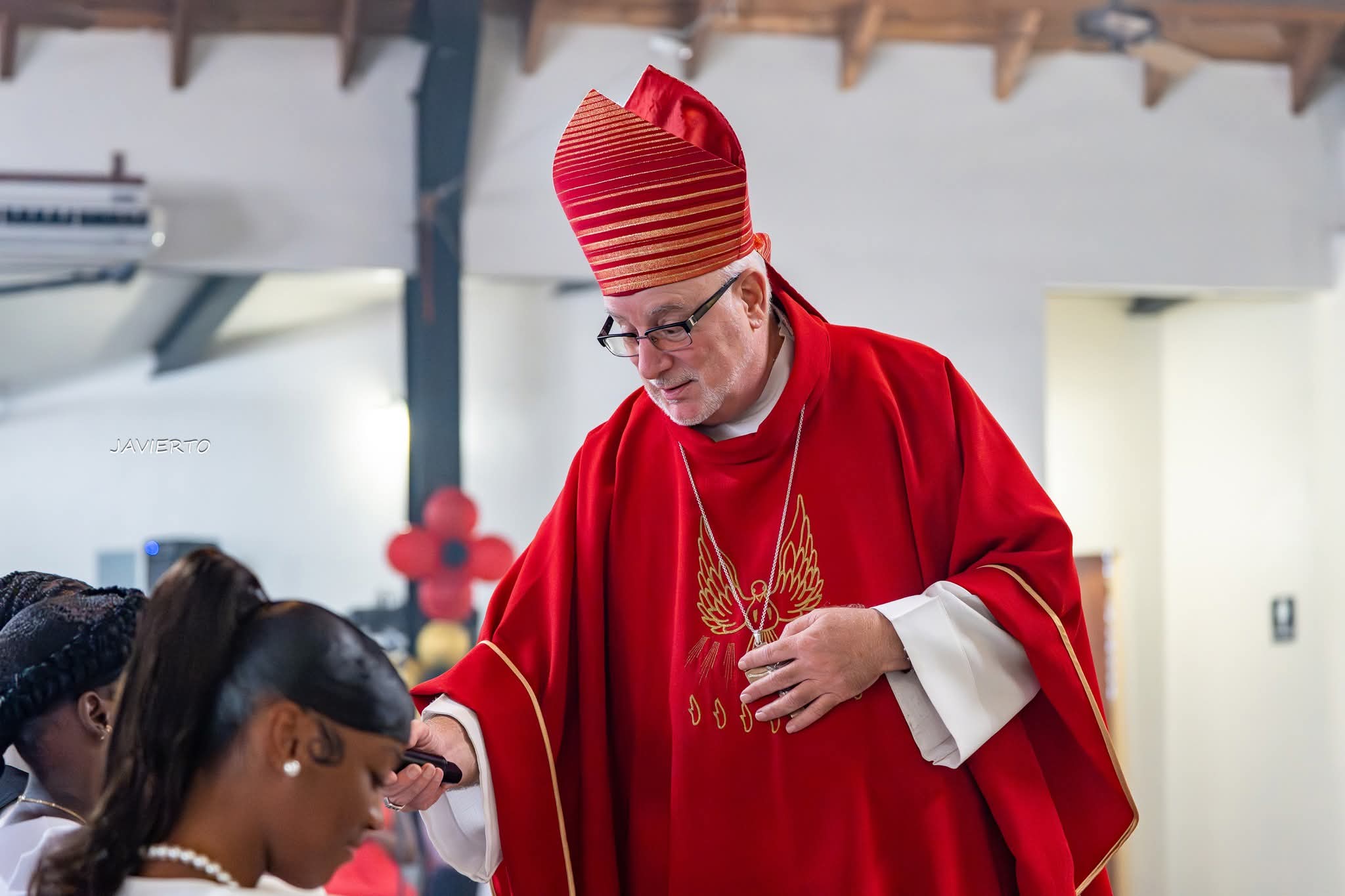
    A community-focused back-to-school outreach initiative led by the Church of God in Christ at its Brittons Hill facility on Layne’s Road is delivering critical preventive health services to hundreds of school-aged children across Barbados. In a collaborative partnership with the island’s Ministry of Health and Wellness and the community-focused One Family Programme, 289 registered students have accessed a full suite of services including routine vaccinations, comprehensive health screenings, dental check-ups and eye examinations ahead of the new academic year.

    Speaking with local outlet Barbados TODAY during Saturday’s event, Bishop Paul L. Fortson, head of the Church of God in Christ for Barbados and the Caribbean, noted that the organization has operated in the country for 27 years, and this year’s project marked a deliberate expansion of the church’s longstanding community outreach work. “This year, we chose to take the initiative to another level, to meet growing demand for accessible preventive health services for local families,” Fortson shared.

    Diane VanDyke, supervisor of the Barbados and Caribbean Jurisdiction Department of Women, framed the event as a fulfillment of the church’s community mission. She expressed excitement about the impact of the work, saying: “It’s a true blessing to be able to provide these much-needed services for families across our communities, and to lift up these children as they prepare to head back to the classroom.”

    VanDyke credited the success of the initiative to coordinated cross-sector support, noting that clinical services were delivered entirely through the Ministry of Health and Wellness’ clinical teams, while additional backing came from program partners including the Sandy Lane Charitable Trust and the One Family Programme.

    Donna Barker, senior health promotion officer with the Ministry of Health and Wellness, confirmed this is the second time the government body has partnered with the Church of God in Christ’s Barbados District on this back-to-school health effort. She explained that the services address a critical gap in preventive care: “We’ve seen a steady stream of parents and children coming through the event all day, and these screenings are so important to track that children are hitting their developmental milestones on schedule.”

    Barker emphasized that early detection is key to addressing common childhood health issues that can impact academic performance, from uncorrected vision impairments to undiagnosed dental diseases and cavities. Catching these conditions early allows families to access follow-up care before issues worsen and interfere with a child’s ability to learn and participate in school activities, she added.

  • 2 first-time finalists crowned Grenada’s newest Soca Monarchs

    2 first-time finalists crowned Grenada’s newest Soca Monarchs

    Grenada’s iconic annual Spicemas festival delivered a historic night of celebration during Bacchanal Friday 2026, as two first-time monarchs claimed top honors in the island’s prestigious Soca Monarch competition — breaking long-standing barriers and delivering unforgettable performances for thousands of attendees.

    In the Groovy Soca category, Sabrina Francis made history as the first woman ever to win the Groovy Soca Monarch title, ousting the defending champion Mr Gold’n in a tight and hotly contested race. The performer, daughter of veteran Grenadian calypsonian Lady Empress, already boasts an established international career in Afro-Caribbean pop, with credits ranging from opening for Nigerian star Asa at London’s legendary Royal Albert Hall to sharing stages with Grammy-winning vocal ensemble Pentatonix. She has also headlined acclaimed regional creative projects including *Wide Open* and *Meet Me at the Mango Tree*. Her award-winning track “Honour You” was crafted by production team Stemz Productions, with mixing and mastering completed by Johann “Madman” Seaton.

    The final results for the 2026 Groovy Soca Monarch competition saw Boyzie secure second place, alongside a special award for Best Groovy Intro Video, while Muddy took third. Riggy Atmosphere placed fourth, with outgoing champion Mr Gold’n slipping to fifth place, followed by Jeverson in sixth, Blaka Dan in seventh, a tie for eighth between Terra D Governor and Luni Spark and Electrify, Sakinah in tenth, Shortpree in eleventh, and Lazer HD in twelfth.

    Reflecting on her groundbreaking debut competition run, Francis noted that performing on the Soca Monarch stage, which hosted a crowd of 10,000, had already reshaped her approach to her craft. “Performing on a big monarch stage is very, very different. There’s a different way you have to speak, a different way you have to carry yourself, command 10,000 people,” she shared. “I will take a lot from this experience going forward.”

    In the high-energy Power Soca division, first-time finalist Rio “Snakey” St Paul pulled off a stunning Cinderella run to claim the 2026 Power Soca Monarch crown with his dynamic entry “Raging Seas”. Produced by Alix “XILA” Aird (also known as Sandman) and mastered by Rezonance, the track secured St Paul a decisive first-place finish after years of grinding to reach the top of the competition. St Paul, an active police constable (badge number 309) representing St John, previously competed in the 2024 Power Soca Monarch contest, where he advanced to the semifinal round but narrowly missed qualifying for the final stage. Two years later, he returned sharper and more determined, walking away with the top prize on his first final appearance.

    Ahead of his winning performance, St Paul opened up about the mindset that carried him to victory, emphasizing the power of self-confidence. “Just think positive and shoot and go because the success starts from you,” he said. “If you don’t believe in yourself, people won’t believe in you. Believe in yourself, and people will believe in you.”

    Defending Power Soca champion Muddy finished as runner-up and took home the award for Best Power Soca Intro Video, while Lil Kerry claimed third place. Rounding out the top 12 were Bubbah 473 in fourth, Terra D Governor in fifth, Mansly in sixth, Lil Jelo in seventh, Luni Spark and Electrify in eighth, Happy Boy in ninth, Shequan in tenth, Mello in eleventh, and General PP in twelfth.

    Friday’s coronation closes out a milestone chapter for Grenada’s Spicemas festival, marking the first time a woman has won the Groovy Soca Monarch title, and seeing two rising soca talents claim the sport’s most prestigious crowns in the same year.