作者: admin

  • Farmers to use biodigester to turn waste into gas and fertiliser

    Farmers to use biodigester to turn waste into gas and fertiliser

    In a significant advancement for sustainable agriculture, Saint Lucian farmer Glyndia Charles has become the latest recipient of cutting-edge biodigester technology through the Recycle Organics Programme. The system was formally transferred by programme consultant Hayden Redhead in a ceremony that marks a new chapter in climate-smart farming practices across the Caribbean region.

    This innovative technology represents a transformative approach to agricultural waste management by converting organic materials into multiple valuable resources. As Redhead explained, “These models are quite innovative—they separate waste into liquid and solid fractions while simultaneously producing usable gas. Their operational simplicity combined with a lifespan of up to 15 years makes them particularly suitable for small-scale farming operations.”

    For Charles, the practical implications are immediate and substantial. “The animal manure and organic materials generated on our farm will now be transformed into cleaner cooking gas and high-value liquid fertilizer,” she stated, highlighting the dual economic and environmental benefits.

    The installation extends beyond mere equipment provision. Charles will undergo comprehensive online training facilitated by HomeBiogas to ensure optimal system management, monitoring, and maintenance—a critical component for long-term success.

    This initiative forms part of a broader regional strategy to address methane emissions and improve organic waste management throughout Small Island Developing States in the Caribbean and Pacific. The project gains particular significance in light of recent data revealing that approximately 50% of Saint Lucia’s waste stream consists of organic material.

    Davis Mathurin, Zonal Supervisor at the Saint Lucia Solid Waste Management Authority, emphasized the paradigm shift underlying this approach: “As we work to improve our nation’s waste management system, we must transition from mere disposal practices toward prioritizing environmental protection through waste reduction and recovery.”

    Keithlin Caroo-Afrifa, Executive Director and Founder of Helen’s Daughters, framed the initiative as an investment in agricultural transformation. “We are not simply handing over equipment—we are investing in a vision where Caribbean agriculture becomes smarter, more regenerative, and fundamentally connected to natural cycles. When we redefine waste as resource, we reimagine agriculture as renewal rather than just production.”

    The biodigester will additionally function as a demonstration model for other members of the Helen’s Daughters network, facilitating knowledge sharing and encouraging broader adoption of circular economy principles throughout the region’s agricultural sector.


  • Former Dominican ambassador faces trademark law suit in Sint Maarten

    Former Dominican ambassador faces trademark law suit in Sint Maarten

    The shimmering casino landscape of Sint Maarten has become the centerpiece of an unprecedented intellectual property battle, as French luxury powerhouse Louis Vuitton initiates legal proceedings against Francesco Corallo’s Vegas Casino. Registered under Corlac Games NV, the establishment faces allegations of systematically appropriating the iconic LV monograms and trademarked patterns across its interior design elements and staff attire.

    Court documents reveal that a Sint Maarten tribunal has imposed a preliminary freeze on $350,000 of the casino’s assets pending litigation outcomes—a remarkable financial intervention in trademark enforcement cases. Legal representatives for Louis Vuitton, led by Curaçao-based attorney Wiek Herben, maintain that the casino deliberately replicated protected designs in wall coverings, carpeting, and employee uniforms to capitalize on the brand’s prestige despite cease-and-desist notifications.

    The luxury conglomerate seeks substantial financial compensation, mandatory destruction of counterfeit materials, and a permanent judicial injunction against future infringements. This case establishes a critical precedent for brand protection in the Caribbean gaming industry and demonstrates how intellectual property disputes can directly impact casino operations.

    Central to the controversy is casino proprietor Francesco Corallo, an Italian-Dutch gambling magnate historically dogged by legal controversies. Dubbed Italy’s ‘King of Slots,’ his career has been punctuated by investigations into tax evasion, money laundering, and alleged connections to organized crime networks. While not all accusations resulted in convictions, his professional reputation remains under scrutiny.

    The current trademark dispute resurrects memories of Corallo’s controversial 2011 appointment by Dominica Prime Minister Roosevelt Skerrit as the nation’s ambassador to the Food and Agriculture Organization (FAO)—a role that conferred diplomatic immunity. This designation sparked intense criticism when Italian authorities arrested Corallo in Sint Maarten in 2016 on charges of financial crimes, culminating in his extradition after an eight-month legal struggle.

    The episode triggered rigorous debate within Dominica regarding diplomatic vetting processes, with opposition leaders accusing the government of exchanging diplomatic privileges for financial influence. Though Prime Minister Skerrit initially defended the appointment as properly vetted, the administration ultimately distanced itself from Corallo, emphasizing that his legal challenges were unrelated to his brief diplomatic service. Nonetheless, the affair raised persistent concerns about transparency in diplomatic appointments and the risks associated with granting immunity to internationally controversial figures.

    This landmark case serves as a cautionary tale for hospitality and gaming operators in the region, highlighting the escalating determination of global brands to enforce intellectual property rights across international jurisdictions.

  • “The Truth is Simple: Girls are Incredible Problem Solvers”

    “The Truth is Simple: Girls are Incredible Problem Solvers”

    In a significant move to address gender disparities in technology, Belize Bank has unveiled the latest iteration of its Girls4Tech program, providing hands-on training in coding, digital security, and analytical problem-solving for young female students across Belize. This Mastercard-supported initiative has now expanded its reach to approximately 300 participants nationwide, marking a substantial commitment to fostering female representation in STEM fields.

    The program emerges against the backdrop of persistent underrepresentation of women throughout Caribbean technological sectors. Girls4Tech was specifically conceived to dismantle these barriers and create equitable opportunities for female participation in digital innovation.

    At the official launch ceremony, Chief Banking Officer Monica Daryanani Urbina delivered a powerful address challenging entrenched stereotypes about gender and technology. ‘The fundamental truth remains undeniable: young women possess extraordinary problem-solving capabilities,’ Urbina asserted. ‘They demonstrate remarkable creativity, innovation, and consistently pose the critical questions that spark transformative ideas.’

    Urbina further observed that many participants already exhibit innate innovative thinking through their engagement with puzzles, applications, and computer systems—activities that form the foundational mindset for technological proficiency. She emphasized technology’s central role in modern development, stating, ‘Technology transcends being merely an organizational department; it represents the core engine of innovation, the primary driver of progress, and among our most potent tools for empowerment in the contemporary world.’

    In her concluding remarks, Urbina addressed the psychological barriers that frequently deter women from pursuing technical careers, offering an empowering perspective: ‘Every existing barrier presents an opportunity to dismantle it.’ The program represents a strategic investment in building a more inclusive technological landscape while equipping young women with essential digital skills for future professional success.

  • State Department Says Visa Bonds On Antigua and Barbuda and Other Nations Aim to Combat Illegal Overstay Rates, saves Americans money

    State Department Says Visa Bonds On Antigua and Barbuda and Other Nations Aim to Combat Illegal Overstay Rates, saves Americans money

    The U.S. State Department is significantly expanding its visa bond initiative, extending the policy to encompass 50 countries effective April 2. Nationals from these designated nations seeking B-1/B-2 business or tourism visas will be required to post a $15,000 financial guarantee prior to visa issuance. This bond serves as a financial incentive for compliance, with full reimbursement granted to travelers who depart the United States in accordance with their visa terms.

    The program expansion targets the reduction of illegal visa overstays, a persistent challenge in immigration enforcement. Current data demonstrates remarkable effectiveness: approximately 1,000 visas have been issued under the bond requirement, with 97% of bonded visitors returning to their home countries before visa expiration. This compliance rate presents a stark contrast to the previous administration’s final year, which recorded over 44,000 overstays from these same 50 nations.

    Twelve additional countries will now fall under the bond mandate: Cambodia, Ethiopia, Georgia, Grenada, Lesotho, Mauritius, Mongolia, Mozambique, Nicaragua, Papua New Guinea, Seychelles, and Tunisia. These join 38 nations already subject to the requirement, primarily across Africa, Asia, and the Caribbean. The State Department maintains that future designations will be determined through ongoing assessment of immigration risk factors.

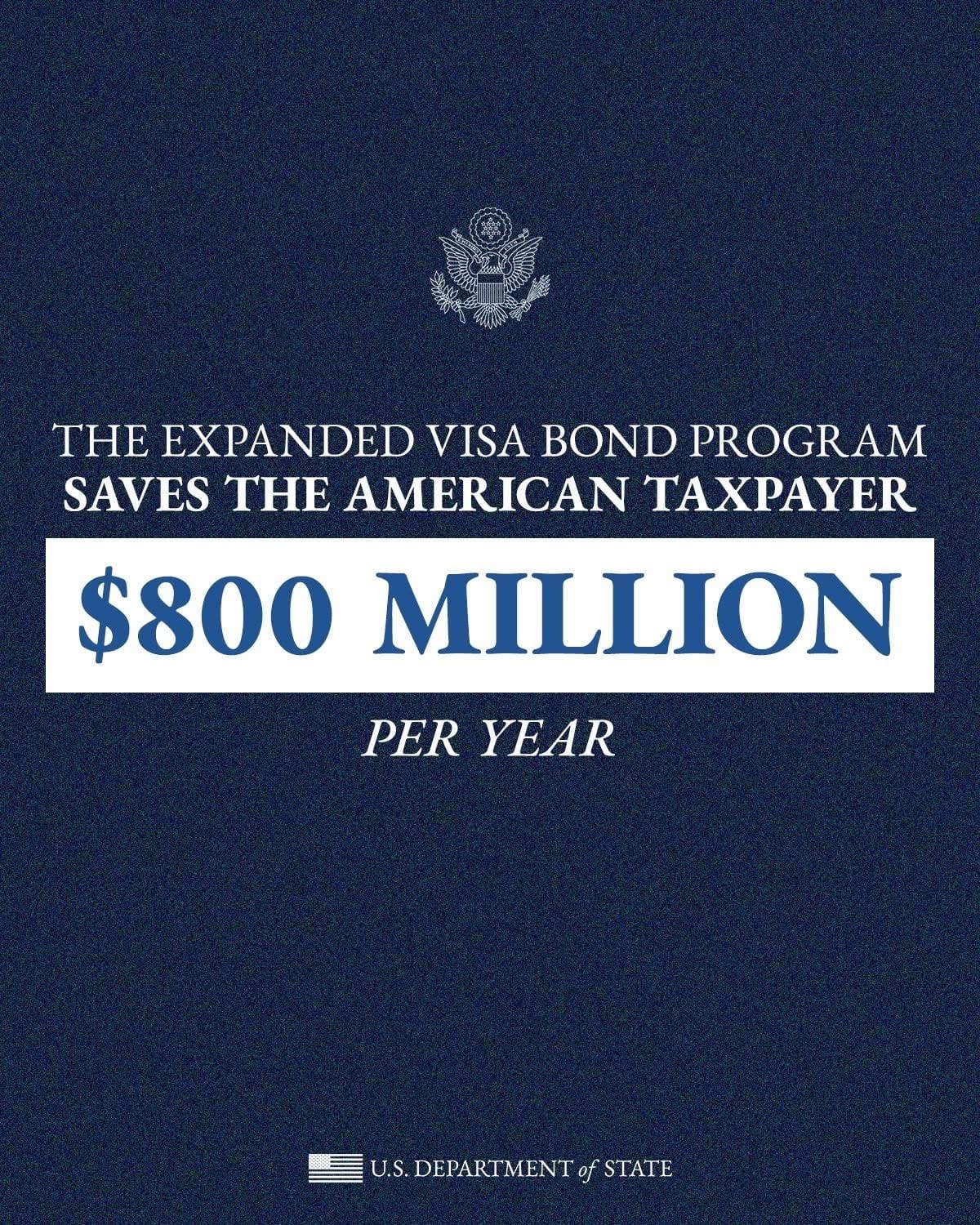
    Beyond enforcement benefits, the program generates substantial taxpayer savings. With the average cost of removing an illegally present individual exceeding $18,000, the bonded visa system prevents significant expenditure. State Department estimates indicate approximately $800 million in annual savings—funds that would otherwise be allocated to deportation procedures for those who overstay their authorized period.

  • Caribbean Development Bank initiates program to enhance educational results in Haiti

    Caribbean Development Bank initiates program to enhance educational results in Haiti

    The Caribbean Development Bank (CDB) has formally initiated the Quality Enhancement in Public Education II (QEPE II) Project in collaboration with Haiti’s government, marking a substantial advancement in educational reform for the Caribbean nation. This comprehensive $14.7 million initiative combines a $13 million grant from CDB’s Special Development Fund with $1.7 million in counterpart funding from Haitian authorities to address educational disparities nationwide.

    Building upon the foundational achievements of its predecessor, QEPE II is strategically designed to impact approximately 16,000 students and 700 educators through multifaceted interventions. The program encompasses nutritional support through school feeding programs, financial assistance via tuition waivers, gender-responsive initiatives, technological enhancements through ICT equipment distribution, and comprehensive professional development frameworks for educational personnel. A cornerstone of the project involves the development and implementation of an innovative e-learning platform for secondary students, ensuring educational continuity during socio-political disruptions.

    Dr. Martin Baptiste, Division Chief of CDB’s Social Sector Division, emphasized the transformative potential of the initiative during the launch ceremony: “Education represents one of the most potent instruments for fostering resilience, social stability, and sustainable development. QEPE II constitutes a vital investment in Haiti’s future trajectory, guaranteeing that children across all socioeconomic backgrounds can access secure, supportive, and high-caliber learning environments.”

    Yves Roblin, Director General of Haiti’s Ministry of National Education and Vocational Training, acknowledged the project’s critical timing: “Amidst our nation’s challenges, QEPE II delivers essential support to maintain educational operations and preserve every Haitian child’s fundamental right to education. This collaborative partnership with CDB enhances our institutional capabilities, enriches classroom resources, and ultimately improves student outcomes nationwide.”

    The initiative demonstrates strategic alignment with Haiti’s Decennial Education Sector Plan (2022–2032) and advances national priorities including school health protocols, nutritional support, educational accessibility, and governance improvements. Simultaneously, it supports CDB’s Country Engagement Strategy for Haiti (2023–2025), which identifies human capital development—particularly educational quality and access—as fundamental pillars for sustainable economic growth.

    This educational transformation project further contributes to CDB’s overarching mission of fostering social resilience through educational innovation while simultaneously addressing broader developmental objectives including poverty reduction, gender equality, and inclusive socioeconomic progress. The Bank reaffirms its commitment to supporting Haiti’s long-term developmental aspirations, particularly through expanding educational opportunities for youth and strengthening foundational elements for future national development.

  • Padarath: Rowley ‘despicable’ for calling PM a ‘jamette’

    Padarath: Rowley ‘despicable’ for calling PM a ‘jamette’

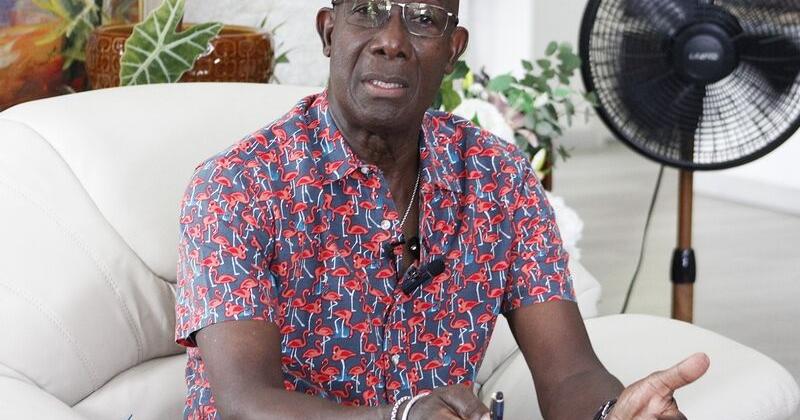
    Trinidad and Tobago’s political landscape has been rocked by a severe verbal confrontation between current and former leadership, culminating in allegations of misogyny and systematic dishonesty. The controversy erupted when former Prime Minister Dr. Keith Rowley employed the derogatory term “jamette”—a historically charged Trinidadian epithet implying promiscuity and low social standing—to characterize sitting Prime Minister Kamla Persad-Bissessar.

    Rowley’s inflammatory remarks came during a Tuesday news conference at his Glencoe residence, constituting a direct response to the Prime Minister’s parliamentary allegations from the previous Friday. Persad-Bissessar had asserted that the opposition People’s National Movement (PNM) financed its headquarters, Balisier House, with narco-trafficking proceeds and maintained connections to pedophile networks.

    In a scathing Wednesday rebuttal, Barry Padarath, Minister within the Office of the Prime Minister and Member for Couva South, denounced Rowley’s language as revealing “arrogance, misogyny and moral collapse.” Padarath characterized the former leader’s behavior as a public “meltdown” indicative of a “bitter man whose collapsing legacy rests on contradiction and chronic distortion of facts.”

    The minister contextualized the exchange within Trinidad and Tobago’s broader societal challenges, noting that Rowley had chosen insult over substance despite widespread issues of gender-based abuse and economic pressure affecting women. Padarath identified a persistent pattern of fabrication in Rowley’s political conduct, citing historical controversies including the Police Merit List debacle, disputed Interpol watchlist claims, the Emailgate scandal, and Petrotrin’s controversial closure.

    Further undermining Rowley’s credibility, Padarath highlighted the PNM’s public correction of its former leader’s claim regarding exclusion from the party’s 70th anniversary celebrations. Official invitations dated January 2026 were produced, directly contradicting Rowley’s assertions.

    The minister concluded that Rowley’s conduct reflects “pathological dishonesty” and represents the outbursts of a former leader unable to accept his diminished political relevance, ultimately warning that such behavior damages national discourse and demonstrates how abuse has replaced accountable leadership.

  • CARICOM Chair emphasizes agriculture’s leadership role at launch of regional agricultural insurance in St Kitts and Nevis

    CARICOM Chair emphasizes agriculture’s leadership role at launch of regional agricultural insurance in St Kitts and Nevis

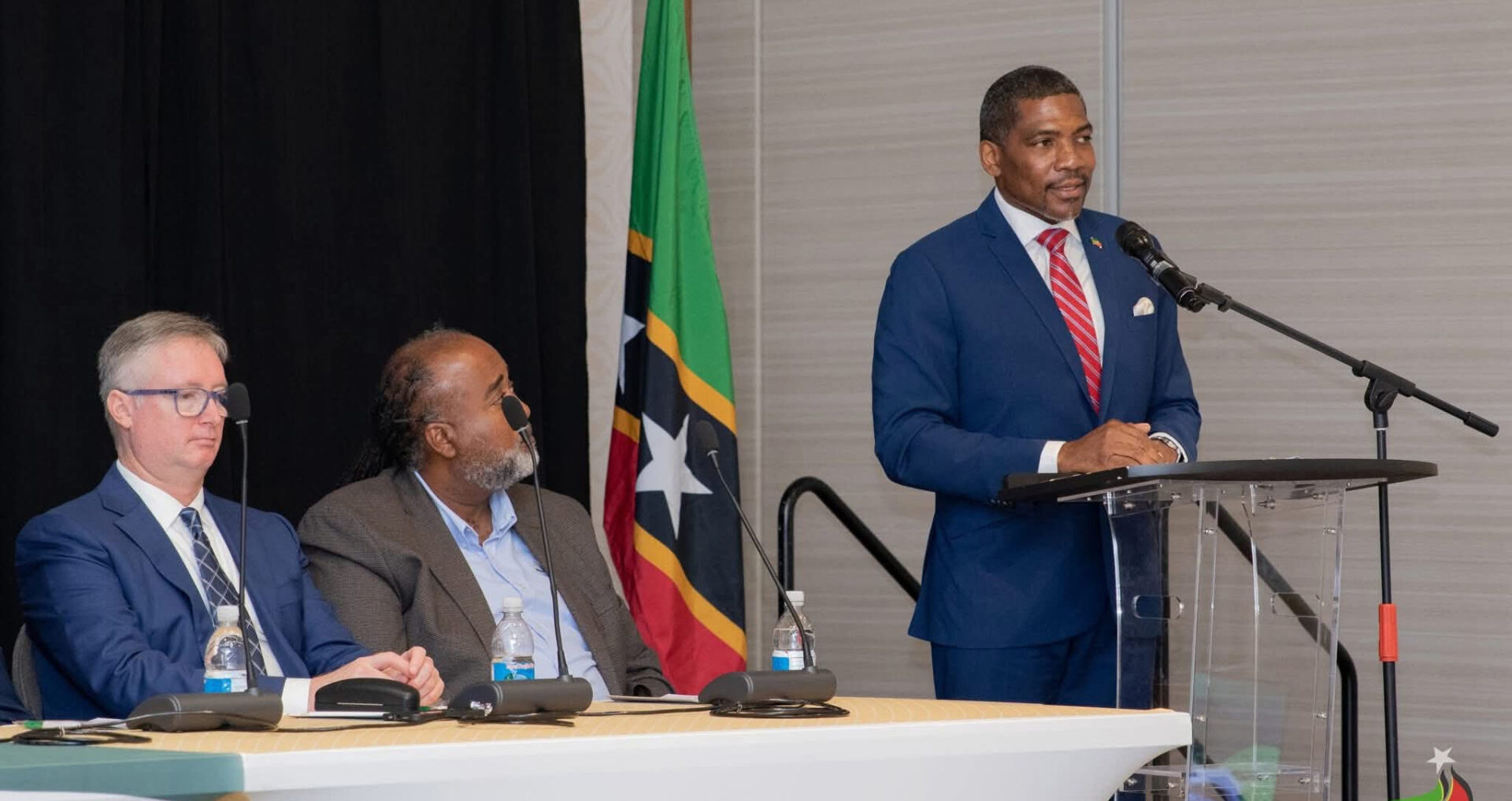
    ST. KITTS AND NEVIS – CARICOM Chairman and Prime Minister of St. Kitts and Nevis, Dr. Terrance Drew, inaugurated the Regional Economical Agri-Insurance Programme (REAP) on Tuesday, March 17, positioning agricultural resilience at the forefront of regional development agendas. The initiative aims to safeguard Caribbean farmers and fishers against devastating financial losses caused by natural disasters.

    In his keynote address, Prime Minister Drew emphasized that agriculture must be central to national development strategies rather than marginalized as a secondary sector. “Agriculture is essential for building a resilient and sustainable island nation,” he stated, according to an official CARICOM release.

    The Prime Minister framed REAP as a testament to the value of regional cooperation, referencing the recent 50th Regular Meeting of CARICOM held in St. Kitts and Nevis. He explicitly addressed skeptics of the regional body: “St. Kitts and Nevis alone could not have done this. This is the value of CARICOM.”

    Dr. Drew highlighted the extreme vulnerabilities faced by agricultural producers, noting that a single catastrophic event could “wipe out millions of dollars in investment with no guarantee of compensation.” REAP establishes a safety net for registered farmers and fishers, providing risk mitigation guarantees that offer “ease of mind” and faster recovery following natural phenomena.

    The program primarily benefits crop farmers, livestock producers, and fishers, representing a fundamental step in strengthening the Caribbean’s agricultural sector. This marks the third launch of REAP following successful implementations in Guyana and Saint Lucia.

    The event featured remarks from St. Kitts and Nevis Agriculture Minister Hon. Samal Duggins, CARICOM Assistant Secretary-General for Economic Integration Dr. Wendell Samuel, and leadership from Lynch Caribbean Brokers Ltd. and National Caribbean Insurance.

    REAP advances the Caribbean’s 25×25+5 food security initiative, which aims to reduce regional food imports by 25 percent by 2030 through enhanced agricultural sustainability and disaster resilience.

  • NMA traint personeel voor betere milieuregels en controle

    NMA traint personeel voor betere milieuregels en controle

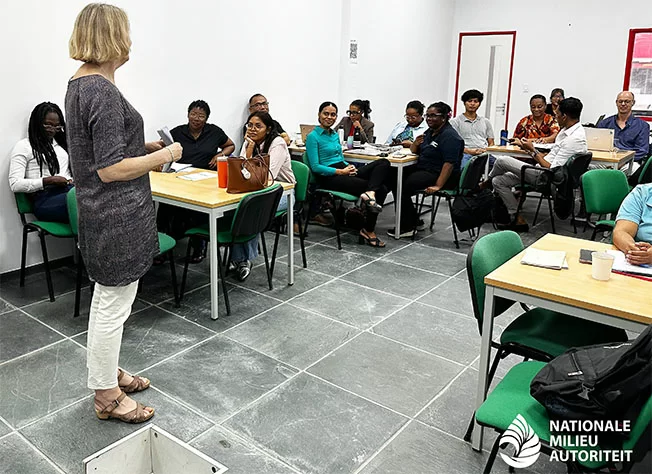
    The National Environmental Authority (NMA) has initiated a comprehensive four-day training program designed to enhance staff capabilities in converting environmental impact assessments (EIAs) into actionable and enforceable licensing conditions. Commencing on March 16, 2026, this specialized training is being conducted through a collaborative effort between the Netherlands Commission for Environmental Assessment and WWF-Guianas.

    The core curriculum focuses on three critical areas: strengthening the evaluation of environmental reports, formulating more precise project conditions, and improving monitoring and enforcement mechanisms. The NMA emphasizes that environmental impact assessments should not be considered final documents but rather foundational tools for policy development and implementation.

    According to agency officials, the primary objective of this initiative is to ensure that environmental reports are effectively utilized in practical applications rather than remaining dormant in archives. Deputy Director Iwan Samoender stressed that this knowledge enhancement is essential for balancing economic development with environmental protection and sustainable management of natural resources.

    ‘The transformation of assessment data into enforceable parameters represents a significant advancement in our regulatory approach,’ Samoender noted. ‘This training ensures that theoretical assessments translate into concrete environmental safeguards.’

    The program, which concludes on March 19, 2026, represents a strategic investment in regulatory capacity building that could establish new standards for environmental governance throughout the region.

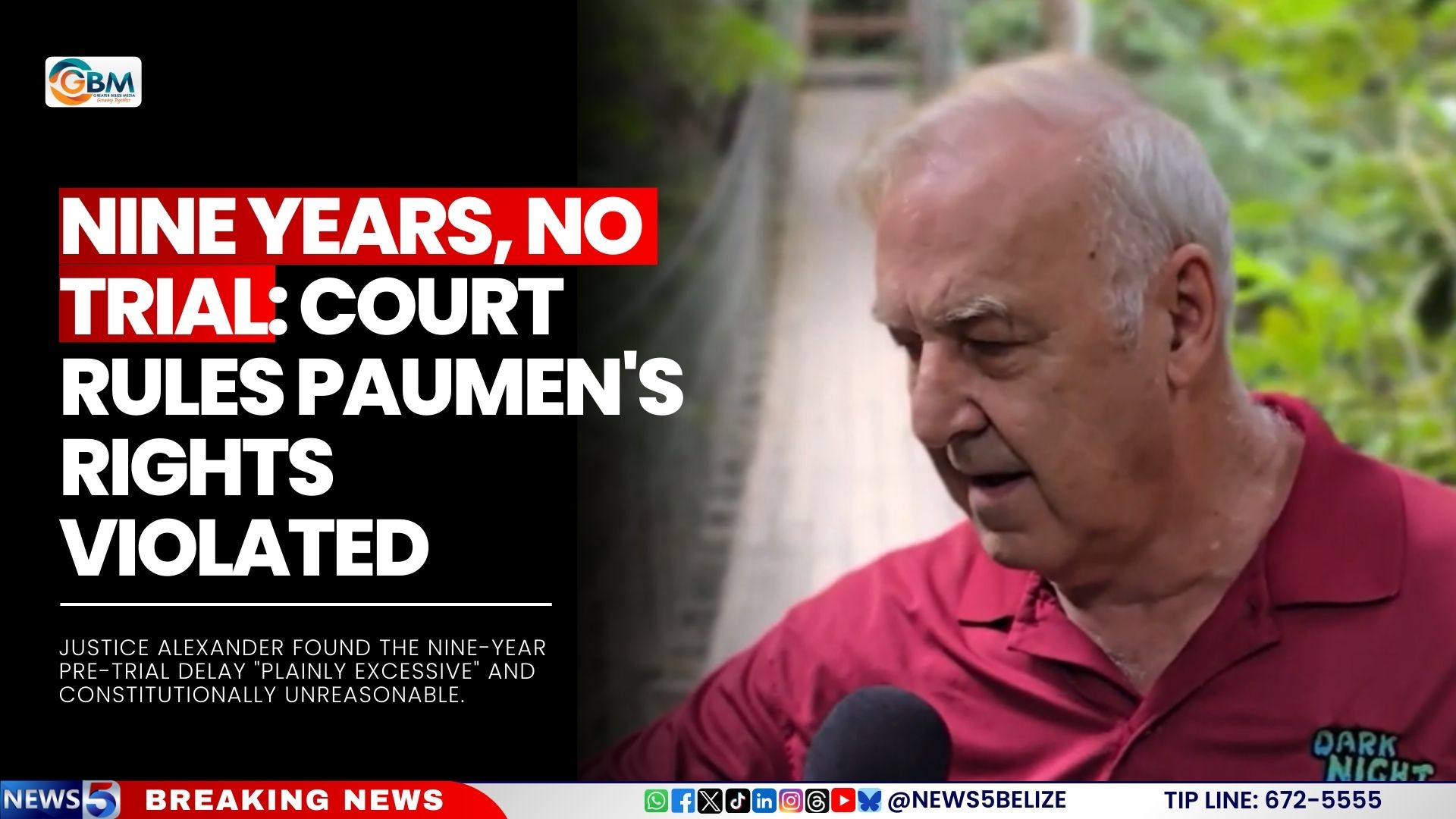
  • Nine Years, No Trial: Court Rules Paumen’s Rights Violated

    Nine Years, No Trial: Court Rules Paumen’s Rights Violated

    In a landmark judicial decision, Belize’s High Court has determined that the state violated the constitutional rights of businessman Bradley Paumen through excessive pretrial delays spanning nearly a decade. Presiding Justice Martha Lynette Alexander delivered the ruling this month in case CV29 of 2025, declaring the nine-year postponement of Paumen’s murder abetment trial “plainly excessive” and constitutionally unreasonable.

    The 68-year-old owner of Dark Night Cave Tubing Adventure Park in the Cayo District faced criminal charges since January 2016, accused of soliciting Jerome Crawford to murder four individuals: attorney Nazira Myles, businessman Michael Modiri, security officer Paul Wade, and potential witness Juan Shol. Despite pleading not guilty and remaining on bail, Paumen’s case languished in judicial limbo without progressing to trial.

    Justice Alexander identified “sustained institutional inaction” as the primary cause of delays, particularly highlighting a four-year period from mid-2020 to mid-2024 when the case entered administrative paralysis following two judicial recusals. During this timeframe, the Director of Public Prosecutions encountered contradictory information from court officials regarding case assignment, despite repeated written inquiries and court attendance.

    While acknowledging some delay attribution to defense-requested adjournments in 2019-2020 due to bereavement and illness, plus pandemic-related court disruptions, the court determined these factors accounted for less than two years of the total delay. The overwhelming majority stemmed from systemic institutional failures.

    Paumen’s legal team, led by Magali Marin-Young SC and Allister T. Jenkins, sought comprehensive relief including constitutional violation declaration, permanent case dismissal, and compensatory damages for alleged business losses. The court granted only the declaration of rights violation and ordered expedited case management before Justice Creary-Dixon, mandating trial commencement within six months to avoid automatic case dismissal.

    The ruling declined additional remedies, finding no proven connection between judicial delays and Paumen’s claimed business losses. In a concerning postscript, Paumen was recently hospitalized after sustaining multiple gunshot wounds during a home invasion at his Frank’s Eddy residence, with police detaining one suspect and pursuing two others.

  • Trump Threatens “Imminent Action” Against Cuba

    Trump Threatens “Imminent Action” Against Cuba

    Diplomatic tensions between the United States and Cuba have reached a critical juncture following provocative statements from former U.S. President Donald Trump indicating potential “imminent action” against the Caribbean nation. Cuban President Miguel Díaz-Canel responded forcefully on social media platform X, characterizing the Trump administration’s rhetoric as daily public threats and vowing that any aggression would meet “impregnable resistance.”

    The escalating situation occurs against the backdrop of Cuba’s severe economic crisis, marked by critical shortages of fuel, food, medicine, and recurring power blackouts. These hardships have been exacerbated by tightened U.S. sanctions that disrupted vital oil supplies from Venezuela, Cuba’s primary energy partner.

    Trump’s controversial remarks, which included claims of unrestricted authority to act against Cuba, aligned with Secretary of State Marco Rubio’s calls for radical changes to Cuba’s government and economic systems. The statements have drawn international scrutiny and concern.

    Meanwhile, the geopolitical pressure extends beyond bilateral relations. Throughout Latin America, U.S. influence has prompted several nations to reduce or terminate agreements with Cuban healthcare workers. Belize presents a contrasting case where Prime Minister John Briceño describes “delicate negotiations” regarding the Cuban Medical Brigade’s future. Opposition Leader Tracy Panton advocates maintaining the partnership, emphasizing Cuba’s historical support for Belize’s independence and warning that rural clinics depend critically on Cuban medical personnel. Panton insists Belize must resist external demands that jeopardize this essential healthcare collaboration.