作者: admin

  • Jamara Patterson first Grenadian woman over 400m

    Jamara Patterson first Grenadian woman over 400m

    Grenada’s rising track and field star Jamara Patterson has etched her name into the country’s athletic history books, delivering a series of record-breaking performances on the U.S. collegiate circuit that have cemented her status as one of the region’s most exciting young quarter-milers. A former athlete at St Joseph’s Convent St George’s who now competes for Louisiana Tech University, Patterson is the first Grenadian woman since iconic sprinter Hazel-Ann Regis to break the 51-second barrier in the women’s 400-meter dash.

    Patterson’s historic post-season run kicked off at the 2026 Conference USA Outdoor Track and Field Championships, held on Saturday, May 16. She claimed the 400m title at the event with a then-personal best time of 51.43 seconds, a mark that shattered the 19-year-old meet record of 51.74 seconds set by Houston’s Ebonie Floyd back in 2007.

    Carrying the momentum of that championship win, Patterson headed to the 2026 NCAA Division I East First Round in Lexington, Kentucky, where she delivered an even more impressive performance. In the preliminary heats on Thursday, May 28, she clocked a massive new personal best of 50.98 seconds, and backed up that world-class result in the quarterfinals to secure her spot among the top elite collegiate 400m runners in the United States.

    This historic result also moves Patterson to second place on Grenada’s all-time women’s 400m rankings, sitting only behind Regis’ long-standing national record of 50.64 seconds. On the regional and global stage, Patterson’s breakthrough has turned heads across the track and field community: this season, she ranks second in the Organization of Eastern Caribbean States (OECS) region, trailing only Vincentian Olympian Shafiqua Maloney, while climbing to 11th in the Central American and Caribbean (CAC) rankings and 15th across the Commonwealth.

    With two major international championship events on the 2026 summer calendar, local sporting officials in Grenada are closely tracking Patterson’s rapid development ahead of her scheduled appearances. The XXV CAC Games are set to run from July 24 to August 8 in Santo Domingo, Dominican Republic, while the 2026 Commonwealth Games will kick off later this year in Glasgow, Scotland.

    Johnell Mitchell, First Vice President of the Grenada Athletic Association (GAA), highlighted the significance of Patterson’s achievement for the small Caribbean nation. “Jamara’s performance speaks volumes since it’s been some time that we’ve had a female quarter miler threatening the national record,” Mitchell explained. “Additionally, this is a reminder that as a federation we need to continue on the present trajectory of providing opportunities for our budding athletes to showcase their talents.”

    Both the GAA and the Grenada Olympic Committee (GOC) are continuing to monitor Patterson’s progress as she solidifies her reputation as a top contender for the tri-island nation ahead of the busy summer international competition window.
  • “It’s Upsetting to See The Beach Like This When We Can Help”

    “It’s Upsetting to See The Beach Like This When We Can Help”

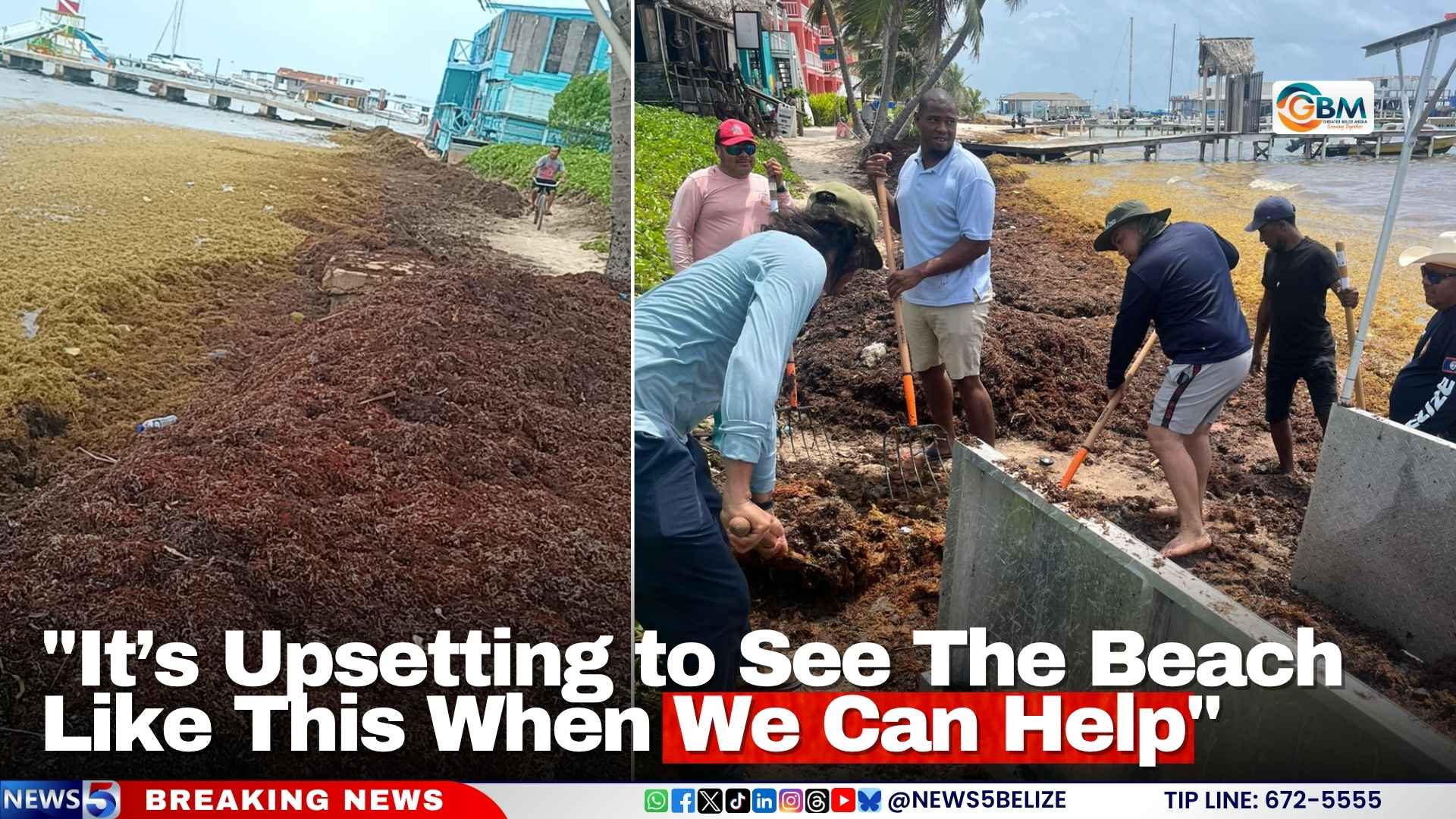
    On the sun-drenched coastlines of San Pedro, Belize’s top tourist hub, a growing problem of rotting sargassum accumulation has spurred a local tour guide to launch a grassroots movement to restore the island’s iconic beaches.

    Oscar Iboy, a dedicated member of the local advocacy group San Pedro Citizens for Change, launched the regular community cleanup initiative after participating in a small cleanup event near the town’s high school. Frustrated by consistently low volunteer turnout at scattered one-off events, Iboy made the decision to formalize a recurring program to tackle the sargassum crisis that is choking stretches of the island’s shoreline.

    For Iboy, protecting the beaches is not just an environmental issue—it is an economic priority for every member of the San Pedro community. “San Pedro is the number one tourist destination in the country, and every local industry from restaurants to hotels to tour operations benefits from that reputation,” he explained. “We all gain from tourism, so we all have a stake in keeping the island’s image pristine.”

    So far, the initiative has seen slow but steady growth in community participation. The first organized cleanup drew just 13 volunteers, while the most recent event attracted around 20 local residents committed to the cause. That upward momentum has encouraged Iboy to continue expanding the program, which currently holds cleanup events every other Sunday.

    Beyond damaging the island’s appeal to visitors, Iboy warns that prolonged sargassum buildup poses a tangible threat to local marine life. Though he is not a marine scientist, he has firsthand evidence of the harm: as sargassum decomposes on the shore, it releases harmful acids that have already killed scores of small fish and sardines that wash up onto the beach. “You can see dead fish floating all along the shoreline,” he said. “It doesn’t take a scientist to see how dangerous this buildup is.”

    The crisis comes at a particularly difficult time for San Pedro’s tourism sector, which has struggled in recent years and left many tour guides like Iboy out of consistent work. To address both the sargassum problem and the economic hardship facing local workers, Iboy has proposed that the San Pedro Town Council create paid cleanup positions for unemployed residents. The model would kill two birds with one stone: it would give struggling locals a chance to earn extra income while tackling the ongoing sargassum problem and protecting the island’s tourism brand.

    The initiative has sparked some local debate: some San Pedro residents argue that addressing coastal sargassum is a government responsibility, not a job for volunteer community groups. But Iboy remains firm that collective community action is the only way to deliver real, lasting change. “We all reap the benefits of living and working on this beautiful island,” he said. “It’s upsetting to see our beach ruined like this when we have the power to step in and help.”

    As the cleanup effort continues, Iboy and San Pedro Citizens for Change are urging both local residents and business owners to join the movement, lend a hand at upcoming events, and help protect the natural resource that forms the foundation of San Pedro’s livelihood.

  • Canada-funded STAR-Fish ramps up clean energy interventions for Caribbean fisheries

    Canada-funded STAR-Fish ramps up clean energy interventions for Caribbean fisheries

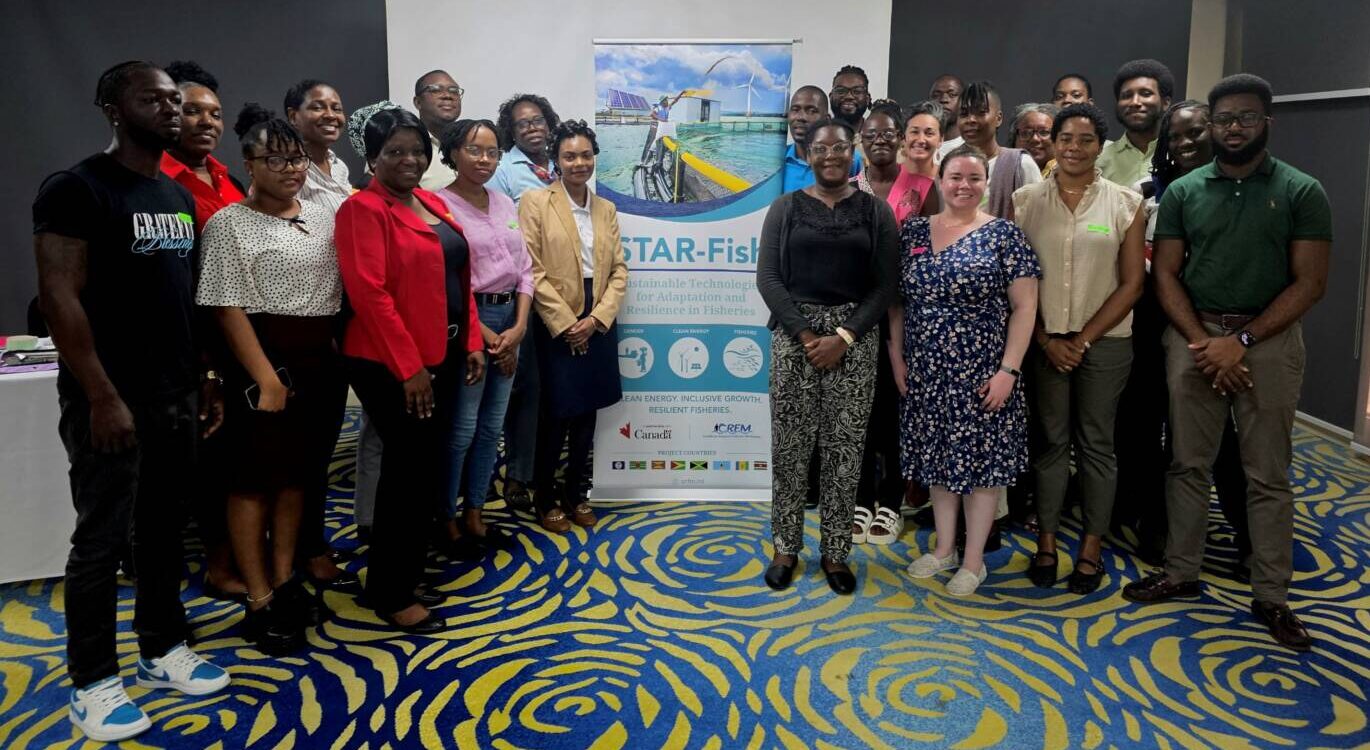
    The Caribbean’s fisheries and aquaculture sectors, long foundational pillars of regional food security, livelihoods, and economic growth, face mounting dual pressures: skyrocketing global energy costs and accelerating climate change impacts that threaten the sustainability of small and large fishing operations across the region. In response, the Caribbean Regional Fisheries Mechanism (CRFM) is accelerating the rollout of clean energy interventions through its $4.324 million CAD flagship initiative, the STAR-Fish Project, short for Sustainable Technologies for Adaptation and Resilience in Fisheries.

    Eight Caribbean nations are participating in the project: Belize, Dominica, Grenada, Guyana, Jamaica, St Lucia, St Vincent and the Grenadines, and Suriname. The core mission of the initiative is to boost both the resilience and market competitiveness of regional fisheries and aquaculture by shifting to low-carbon development models and deploying accessible clean energy infrastructure. Planned interventions span multiple stages of the fisheries value chain, from on-shore processing to distribution: key activities include identifying and rolling out appropriate renewable energy technologies, building energy-efficient cold storage facilities to strengthen cold chain logistics and reduce post-harvest waste, and providing targeted support for participating fisheries to earn international low-carbon sustainability certification.

    At the project’s second Regional Project Steering Committee Meeting, held May 14, 2026, Sherron Barker, the STAR-Fish Project’s Regional Coordinator, formally presented the approved 2026–2027 Work Plan and Budget, which will guide the initiative’s third implementation phase. Near-term priorities outlined in the new work plan include developing bankable, locally adapted business models to attract private and public investment in clean energy technologies, supporting the conversion of existing fossil fuel-powered fish processing facilities to low-carbon energy systems, and expanding market access for fisheries that earn low-carbon certification.

    Ena Ćimić, STAR-Fish Project Lead at the High Commission of Canada to Jamaica, which funds the initiative through Global Affairs Canada (GAC), opened the meeting by acknowledging the outsized role the sector plays across the Caribbean. “The Caribbean’s fisheries and aquaculture sectors are important drivers of economic activity, livelihoods, and food security across the region,” Ćimić noted, adding, “the sectors also remain highly vulnerable to climate change, rising energy costs, and evolving market demands.”
    Ćimić emphasized that the project’s design addresses these vulnerabilities holistically: “The activities implemented through this project position STAR-Fish to further strengthen institutional capacity, advance gender-responsive approaches, and support the adoption of sustainable energy technologies within the fisheries and aquaculture sector, while also improving access to finance, enhancing competitiveness, and building resilience to climate and disaster risks across participating countries.”

    Reflecting on the project’s progress over the previous implementation year, CRFM Secretariat Executive Director Dr. Marc Williams noted that the second year marked a critical turning point for the initiative, moving from foundational planning and research to coordinated, on-the-ground implementation across all participating nations. Key technical milestones achieved in the prior year included advancing work on renewable energy business model development, standardized carbon footprint measurement for fisheries operations, and establishing frameworks for low-carbon certification. One of the most significant achievements of the reporting period, Dr. Williams highlighted, was the completion of groundbreaking work on gender equality and social inclusion in the clean energy transition for Caribbean fisheries. This work has deepened regional understanding of how gender and social disparities shape access to the benefits of clean energy upgrades, supported the development of national and regional Gender Action Plans (GAPs) for Belize, Grenada, Jamaica, and St. Vincent and the Grenadines, and expanded gender-responsive capacity building and inclusive stakeholder engagement across all participating countries.

    GAC has welcomed the project’s intentional gender-inclusive approach, Ćimić confirmed, noting that this focus is critical to ensuring that the gains of the clean energy transition are shared equitably across all segments of fishing communities. “This aligns with Canada’s priorities of advancing gender equality, climate action, and sustainable, inclusive growth, while also supporting expanded trade opportunities in the region,” she said, reaffirming GAC’s long-term commitment to supporting the CRFM-led initiative.

    As the project enters its third implementation year, Dr. Williams noted that the initiative now has all the foundational structures in place to deliver tangible results: “We enter Project Year 3 with activities underway, strengthened governance arrangements, and a clearer pathway toward the practical application of renewable energy solutions across fisheries value chains in the Caribbean.”
    Ćimić closed the meeting by reaffirming the shared commitment of all partners to the project’s mission: “We look forward to continuing to work with all of you to support effective implementation and to contribute to a more resilient, sustainable, and inclusive Caribbean fisheries sector.”

  • Are You and Your Family Ready? Here’s Your Hurricane Prep Checklist

    Are You and Your Family Ready? Here’s Your Hurricane Prep Checklist

    As the 2026 Atlantic hurricane season enters its second day, no active storm systems are currently developing across regional waters, but disaster response officials in Belize are already sounding the call for proactive preparation, warning residents against waiting until a storm is imminent to get ready.

    In a public appeal on the local morning current affairs program *Open Your Eyes*, Red Cross volunteer Feliciana Vernon and Fred Hunter, head of Disaster Risk Reduction at the Belize Red Cross, emphasized that advance planning is the most critical step to avoiding chaos and danger when a hurricane strikes.

    “Sometimes we might wait too long, too late to actually go to the shelter. We hope that at least there is a set plan so that when you do decide, you’re moving quickly,” Vernon explained during the appearance.

    The pair outlined a comprehensive preparedness checklist for Belizean households, starting with a formal family emergency plan that accounts for every member of the household, including those with special medical or access needs. The plan should map out all available evacuation routes, cover whether residents will head to an official community shelter, stay with nearby family, or shelter with a neighbor, and detail how the household will travel to their safe location, whether by private vehicle, bus, boat, or on foot. It should also include a pre-designated meeting point for any family members who become separated during evacuation, and a clear list of contacts who will be notified of the household’s evacuation plans before the storm hits.

    Vernon noted that communication infrastructure is often knocked offline in the aftermath of a major hurricane, making advance coordination all the more important. “After a hurricane passes, there probably won’t be internet for a couple of days. So let your family know where you would go,” she said.

    In addition to a written emergency plan, the Belize Red Cross advises every household to pack a dedicated grab-and-go emergency bag that can be grabbed at a moment’s notice when an evacuation order is issued. The bag should be stocked with three days of non-perishable food and clean drinking water, with recommended options including canned fruits and vegetables, canned meats, peanut butter, tortillas, johnny cake, and high-energy trail snacks or bars.

    Essential tools and supplies to include are a flashlight with extra batteries, a kerosene lamp, manual can opener, basic hand tools including a hammer, nails, pliers, a wrench and scissors. All critical identifying and legal documents should also be stored in a waterproof compartment of the bag, including photo IDs, birth and marriage certificates, medical records, insurance policies, passports, property deeds for land and homes, bank account records, and household keys. Finally, the bag should hold basic hygiene supplies, a change of clothes for each family member, and small items to keep children occupied during an extended shelter stay.

    Beyond packing and planning, the Red Cross team emphasized the importance of running full practice evacuation drills with the entire household long before a storm approaches the coast. These dry runs help every family member understand their role, how quickly the household can mobilize, and what steps they need to take, eliminating panic when an actual evacuation is required.

    “It’s practice, practice, practice. Have your plan and work it out,” Hunter said. Vernon echoed that sentiment, noting that even young children can have a small assigned role in the evacuation process: “Just grab and go. Everybody has a role, even the little kids.”

    To support households in building their emergency plans, the Belize Red Cross currently makes free printed emergency plan booklets available at their main Belize City office, with electronic versions also accessible for download. The organization is currently accepting public donations of any amount to fund the printing of additional copies to distribute to communities across the country.

  • Former Senator Mary-Clare Hurst Laid To Rest

    Former Senator Mary-Clare Hurst Laid To Rest

    On Tuesday, the Caribbean nation of Antigua and Barbuda came together to lay to rest one of its most influential female political figures, former Senator Cheryl Mary-Clare Hurst, at an official funeral that drew cross-sector attendees from across the country and highlighted her decades of dedicated public service.

    The funeral service, hosted at the SJPC House of Restoration Ministries, brought together a wide range of dignitaries and ordinary citizens alike. Among those in attendance were Governor General Sir Rodney Williams, Prime Minister Gaston Browne, sitting Cabinet ministers, current and former parliamentarians, foreign diplomatic representatives, and scores of Hurst’s family members, friends, and long-time supporters.

    Over the course of the commemorative service, speakers walked through Hurst’s extraordinary political career, which included multiple pivotal roles: former senator, Minister of State, Leader of Government Business in the Senate, and a groundbreaking milestone as the first woman to hold the position of General Secretary for the Antigua and Barbuda Labour Party. Attendees heard repeatedly that Hurst’s impact stretched far beyond the walls of the country’s legislative bodies, touching the daily lives of thousands of ordinary Antiguans and Barbudans.

    Personal anecdotes shared by close friends and colleagues painted a vivid picture of Hurst’s well-documented generosity and commitment to standing by loved ones and constituents. One long-time personal friend recalled how Hurst never left her side when her son suffered through a terminal illness, even suspending her official duties mid-Senate sitting to travel to New York for the young man’s funeral.

    Beyond her personal kindness, Hurst was widely recognized for her unshakable commitment to lifting up the next generation. “She was relentless in her passion for helping young people,” reflected long-time associate Georges, who also noted that Hurst maintained her characteristic optimism and active engagement with public life even as she battled serious health complications in her later years.

    A written tribute from Archdeacon Franklin Reid framed Hurst as a “beloved servant of the people” who consistently used her platform to advocate for justice, greater social equality, and expanded economic opportunity for all Antiguans and Barbudans. Reid’s tribute highlighted her unwavering personal integrity, deep compassion for marginalized communities, and natural ability to make every person she interacted with feel seen and valued.

    The Antigua and Barbuda Labour Party Choir, which Hurst herself founded, also shared their own tribute to their founding patron. Choir members remembered her as a steady guiding force who often led musical performances at the party’s public events, and remained deeply committed to the organization and its core values throughout her life.

    The service itself was woven through with musical performances that reflected Hurst’s lifelong involvement in cultural and community work, including selections from the Antigua Community Players, choral pieces from the Labour Party Choir, traditional steelpan performances, and congregational worship songs.

    In his opening remarks to the gathered congregation, the service’s lead church leader described Hurst as a woman who built her entire life around service to others, noting that her many contributions to national development would remain permanently etched in Antigua and Barbuda’s collective memory. He reminded attendees that the occasion was as much a celebration of a life that touched countless people as it was a moment of national mourning.

    Across all tributes, Hurst was consistently remembered as a trailblazing champion for youth development, women’s political empowerment, local community service, and national progress. Speakers closed by urging the many young people Hurst mentored over her career to carry forward the critical work she started.

  • Anderson Peters starts 2026 Diamond League campaign with Rabat victory

    Anderson Peters starts 2026 Diamond League campaign with Rabat victory

    Two-time world champion and Olympic bronze medalist Anderson Peters of Grenada launched his 2026 Wanda Diamond League season with a statement win, claiming the men’s javelin gold at the Rabat leg of the series in Morocco with a top mark of 86.08 meters. The result marks a promising opening to the 2026 international track and field circuit for Peters, who has long held his status as one of the globe’s top-ranked javelin throwers. Currently sitting 4th in the World Athletics men’s javelin world rankings, Peters has consistently cemented his place among the sport’s elite in recent seasons, and his opening victory in Rabat has only built early momentum for his 2026 campaign. Next up, Peters is set to compete at the Golden Gala Pietro Mennea, the Rome stop of the Diamond League, scheduled for June 4. The men’s javelin event is slated to kick off at 7:10 p.m. local time in Rome, which translates to 1:10 p.m. in Peters’ home country of Grenada. Fans across Grenada, both at home and in diaspora communities abroad, are already tuning in to follow his progress as he carries the nation’s flag on one of track and field’s biggest global stages. Reflecting on his opening win, Peters emphasized the significance of a strong start while keeping his focus locked on upcoming competitions. “Opening the season with a win is always a good feeling,” he shared. “Rabat was a solid start, but the focus now is on continuing to build, staying consistent, and sharpening for the meets ahead. Every competition is an opportunity to grow, and I am proud to keep representing Grenada at this level.” Off the track, Peters continues to receive sustained backing from both local and international brand partners that enable him to compete at the highest level. Domestically, he holds a brand partnership with Republic Bank (Grenada) Limited, while he also serves as a global ambassador for sportswear giant Adidas. These partnerships highlight both the international draw of Peters’ athletic profile and the foundational support that has helped fuel Grenadian sporting success on the world stage. As he finalizes preparations for his Rome appearance, Peters remains a source of immense national pride for Grenada, inspiring a new generation of athletes in the small Caribbean nation with his consistent elite performances. With a winning opening already in the books, all eyes in Grenada and across the track and field world will be on Peters when he steps into the field in Rome this Thursday.

  • Caribbean delegation visits Martinique and Guadeloupe to examine Sargassum management strategies

    Caribbean delegation visits Martinique and Guadeloupe to examine Sargassum management strategies

    For more than a decade, massive, recurring blooms of sargassum seaweed have plagued the small island developing nations of the Caribbean, leaving widespread damage in their wake. These invasive influxes disrupt fragile coastal ecosystems, threaten marine biodiversity, trigger public health concerns from rotting biomass, and undermine the economic stability of communities that rely heavily on coastal tourism and fishing. Now, a coordinated regional effort is bringing stakeholders together to share proven solutions and strengthen collective action against this transboundary threat.

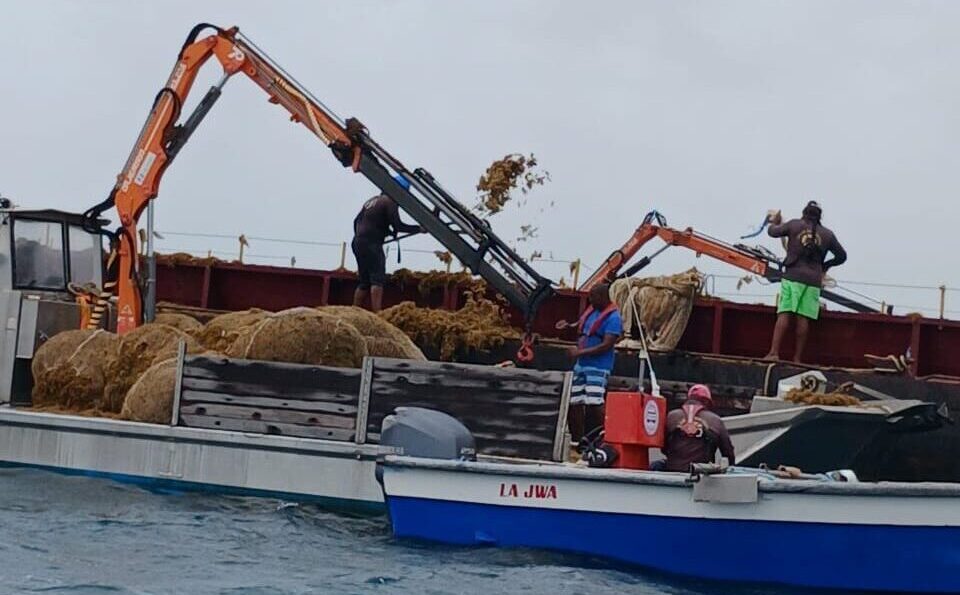
    Following recent regional meetings for the Sargassum Regional Strategies for Ecosystem-based Actions (SARSEA) project in Dominica, a delegation representing nine Caribbean states and territories under the Organisation of Eastern Caribbean States (OECS) has launched a four-day technical study mission, running from June 1 to 4, 2026, in the French Caribbean territories of Martinique and Guadeloupe. The core goals of the mission are to examine locally developed sargassum management frameworks and explore viable pathways to turning harvested seaweed into marketable, value-added products.

    Supported jointly by the European Union and the OECS, the initiative forms part of long-standing regional collaboration aimed at fostering cross-border knowledge exchange and building more robust collective responses to the overlapping environmental, economic and public health harms caused by repeated sargassum landings. Over the years, Martinique and Guadeloupe have built comprehensive, multi-faceted strategies covering every stage of sargassum management, from open-ocean monitoring and early warning to large-scale collection, risk mitigation and innovative processing of harvested seaweed into useful goods. The mission gives delegates the chance to observe these strategies in action, hold direct discussions with local public and private stakeholders, and map out opportunities for deeper regional coordination on the shared challenge.

    The first half of the itinerary is focused on technical visits and demonstrations across Martinique, spanning June 1 and 2. On opening day in Le François, the delegation will start with a morning tour of offshore containment barriers and dedicated collection barges, followed by an afternoon visit to two air quality monitoring sites run by local operator Madininair. The day will conclude with a formal presentation on sargassum monitoring systems and early-warning tools at Le François Town Hall.

    On June 2, the schedule moves to Le Vauclin, where delegates will first join guided tours of manual sargassum collection sites at Macabou and Pointe Faula, led by representatives of local organization ACI. After a working meeting with GIP and ACI representatives at Le Vauclin Town Hall, the group will travel back to Le François to visit Holdex, a local company pioneering commercial and innovative applications for processed sargassum. The Martinique portion of the program will close with a presentation on ongoing initiatives to develop value-added sargassum products, delivered by Dominique Bœuf of SARA/SERD. After concluding the Martinique leg, the delegation will travel to Guadeloupe for the final two days of the mission, June 3 and 4, to continue learning from that territory’s management approaches.

    The entire mission is backed by the SARSEA project, which receives funding from the Agence Française de Développement and is implemented through a partnership between Expertise France and the OECS Commission. SARSEA’s core mandate is to build technical capacity across the Caribbean, strengthen regional governance frameworks for sargassum management, and promote ecosystem-centered approaches to addressing the bloom crisis.

    Event organizers emphasize that the study mission underscores Martinique and Guadeloupe’s commitment to sharing their hard-won experience with neighboring Caribbean territories through a foundation of cross-border cooperation, collective solidarity, and innovative problem-solving. Echoing this collaborative spirit, an OECS representative participating in the mission noted that sargassum is a transboundary problem that does not respect national borders. “By combining our knowledge, expertise and resources, we can better protect our coastlines, our economies and our communities,” the representative said.

  • Central Procurement Unit to host symposium on strengthening public procurement

    Central Procurement Unit to host symposium on strengthening public procurement

    Grenada’s Central Procurement Unit (CPU), operating under the country’s Ministry of Finance, has partnered with the Climate-Resilient Water Sector in Grenada (G-CREWS) Project to organize a landmark two-day national procurement symposium. Slated for June 10 and 11, 2026, the event will be hosted at the Radisson Beach Resort in Grand Anse, with daily sessions kicking off at 9:00 a.m. and centered around the official theme “Smart Bidding, Stronger Partnerships.”

    The symposium is designed to convene a broad cross-section of stakeholders active in Grenada’s public procurement ecosystem, including sitting public officers, private contractors, local and national suppliers, independent consultants, and other key industry players. Core goals of the gathering include deepening participants’ working knowledge of official government procurement protocols, reinforcing adherence to regulatory compliance standards, and building more productive collaborative ties between the country’s public and private sectors.

    This strategic initiative is a core component of the Government of Grenada’s broader long-term push to modernize the nation’s public procurement systems. Beyond procedural updates, the government aims to boost transparency across all procurement activities and expand equal access to contracting opportunities for vendors operating in every region of the country. Attendees will gain actionable insights through a structured program of expert-led presentations and interactive working sessions, covering core topics from standard procurement procedures and mandatory compliance rules to the emerging framework of green procurement aligned with Grenada’s climate action goals.

    Several targeted highlights are baked into the symposium’s agenda. First, sessions will walk participants through industry best practices for developing bids that are both competitive and fully compliant with current regulatory requirements. Second, leading regulatory experts will share clear, up-to-date insights into Grenada’s latest procurement regulations, step-by-step procedural workflows, and official bid evaluation processes. Third, the event will build in dedicated time for direct, one-on-one engagement between attending vendors and senior procurement professionals, as well as technical specialists from the CPU.

    The Ministry of Finance has issued an open call to all contractors, suppliers, service providers, and public officers engaged in any form of procurement activity across the country to register and take part in this pivotal industry forum. In a statement announcing the event, the CPU reaffirmed its ongoing commitment to nurturing a fair, transparent, and modern procurement environment that directly advances Grenada’s national development priorities and creates new, sustainable growth opportunities for domestic businesses of all sizes.

    *Disclaimer: NOW Grenada holds no responsibility for opinions, statements, or third-party media content shared by contributing entities. Individuals may report content violations through the platform’s official abuse reporting channel.*

  • Iran’s Inflation Hits Worst Levels Since World War II

    Iran’s Inflation Hits Worst Levels Since World War II

    In a landmark and long-awaited official confirmation of Iran’s deepening economic turmoil, the Islamic Republic’s own Central Bank released a report on Monday, June 2, 2026, confirming that domestic inflation has climbed to levels unmatched since the end of World War II. This marks the first time a state-affiliated institution has publicly acknowledged the severity of the ongoing economic crisis, breaking a period of limited official transparency around the country’s collapsing financial conditions.

  • Grenada hosts validation workshop

    Grenada hosts validation workshop

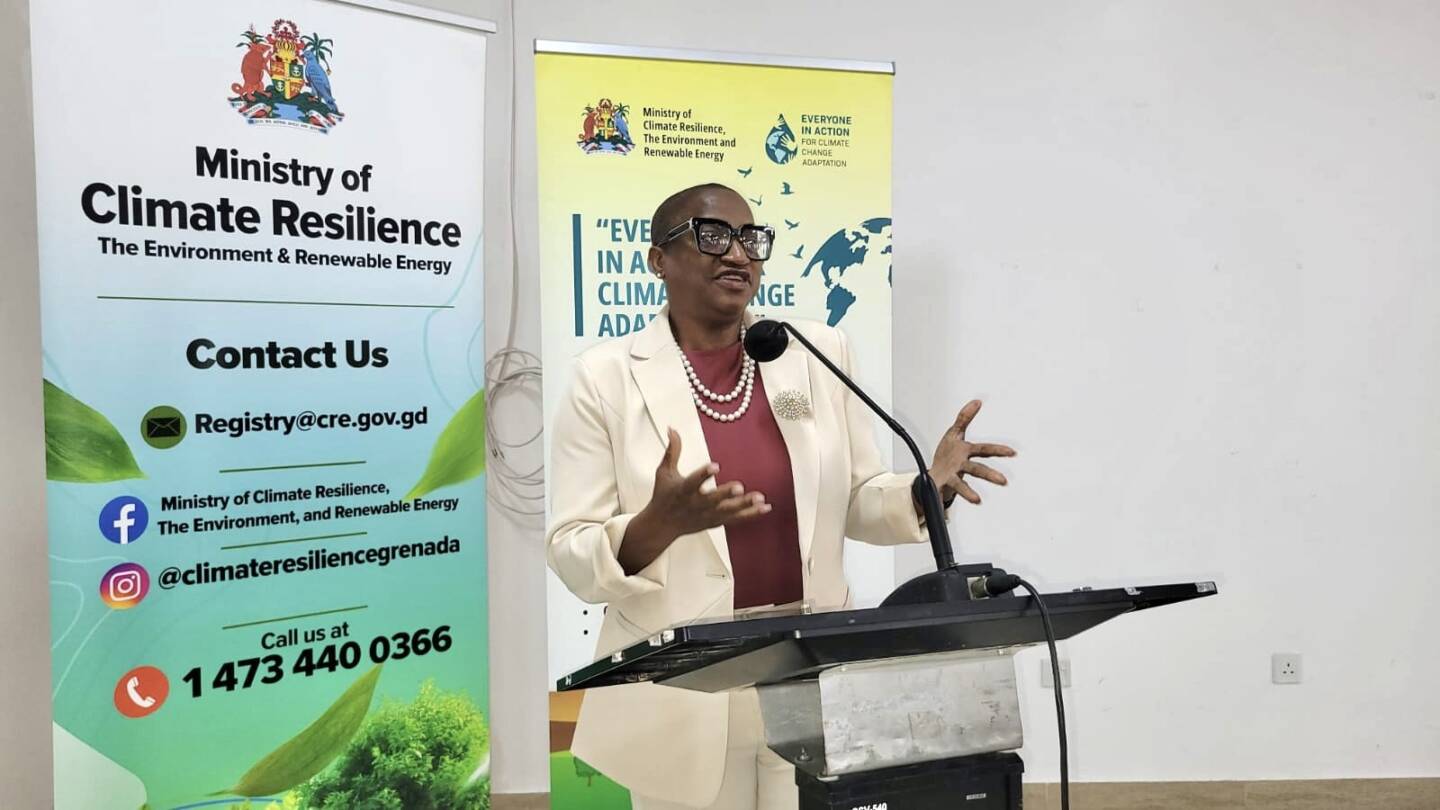
    On June 1, 2026, Grenada’s Ministry of Climate Resilience, the Environment and Renewable Energy marked a major milestone in the island nation’s ongoing push to strengthen climate preparedness, hosting a full stakeholder validation workshop for the *Citizen’s Guide to Climate Change Adaptation for Grenada, Carriacou and Petite Martinique* at St. George’s Kirani James Athletic Stadium.

    The workshop gathered a cross-section of key actors, from senior government ministry and agency officials to civil society leaders, community organizers, academic researchers, youth delegates, and international development partners. The group’s core task was to review and sign off on the revised draft of the guide before it enters its final editing stage and official public release. This validation session forms an integrated part of the ministry’s broader work to boost public awareness, inclusive participation, and collective ownership of climate adaptation initiatives outlined in Grenada’s updated 2025–2030 National Adaptation Plan (NAP).

    The revised draft presented at the June workshop was built on iterative stakeholder feedback collected during an earlier Focus Group Session held on April 27, 2026. During that initial meeting, participants conducted a line-by-line review of the guide’s zero draft and submitted detailed recommendations to refine its structure, accessibility, clarity, on-the-ground relevance, and practical usability. All of these suggestions were integrated into the revised version, with key updates including simplified, jargon-free language, clearer alignment with national climate adaptation priorities, real-world examples of actionable adaptation measures, and enhanced visual design to make the content more approachable for general readers.

    In his opening address to attendees, Permanent Secretary Peron Johnson emphasized that the core mission of the guide is to demystify national climate policy for everyday Grenadians. “The National Adaptation Plan is a critical national framework for building resilience across all sectors of our economy and society. However, formal policy documents can often be highly technical and inaccessible to the average person. The Citizen’s Guide is intended to bridge that gap by translating complex adaptation concepts into information that households, communities, schools, businesses, civil society organisations, and citizens can understand, relate to, and act upon.”

    Johnson went on to stress that climate resilience cannot be delivered by the government alone; it requires collective, informed engagement from every segment of Grenadian society. “Climate resilience will only be achieved when adaptation becomes everyone’s business. This Guide is designed to empower citizens with the knowledge needed to understand climate risks, identify opportunities for action, and contribute meaningfully to building a more resilient Grenada, Carriacou and Petite Martinique.”

    National Adaptation Plan Officer Dr. Roxanne Graham-Victor highlighted that inclusive stakeholder engagement has been central to the guide’s entire development process, noting that the validation workshop was a critical step to ensure the final document meets the practical needs of its target audience. “The objective of this process is to ensure that the Guide is clear, practical, accessible, and useful to the people it is intended to serve. Stakeholder feedback remains central to achieving that objective,” she explained.

    Acting Director of Climate Resilience Titus Antoine added that the guide will serve as a cornerstone public resource to support full implementation of the National Adaptation Plan and deepen ongoing public participation in national climate action.

    The ministry extended formal gratitude to all workshop participants for their input and sustained commitment to advancing Grenada’s climate resilience goals. It also gave special recognition to the National Adaptation Plan Global Network and the International Institute for Sustainable Development (IISD) for their long-standing technical and financial support to strengthen Grenada’s adaptation planning systems and make the development of the Citizen’s Guide possible.

    Following the conclusion of the workshop, the guide’s drafting team will implement the final round of stakeholder recommendations. Once finalized, the document will be distributed across all three islands as a foundational public resource to support climate adaptation education, awareness, and local action.