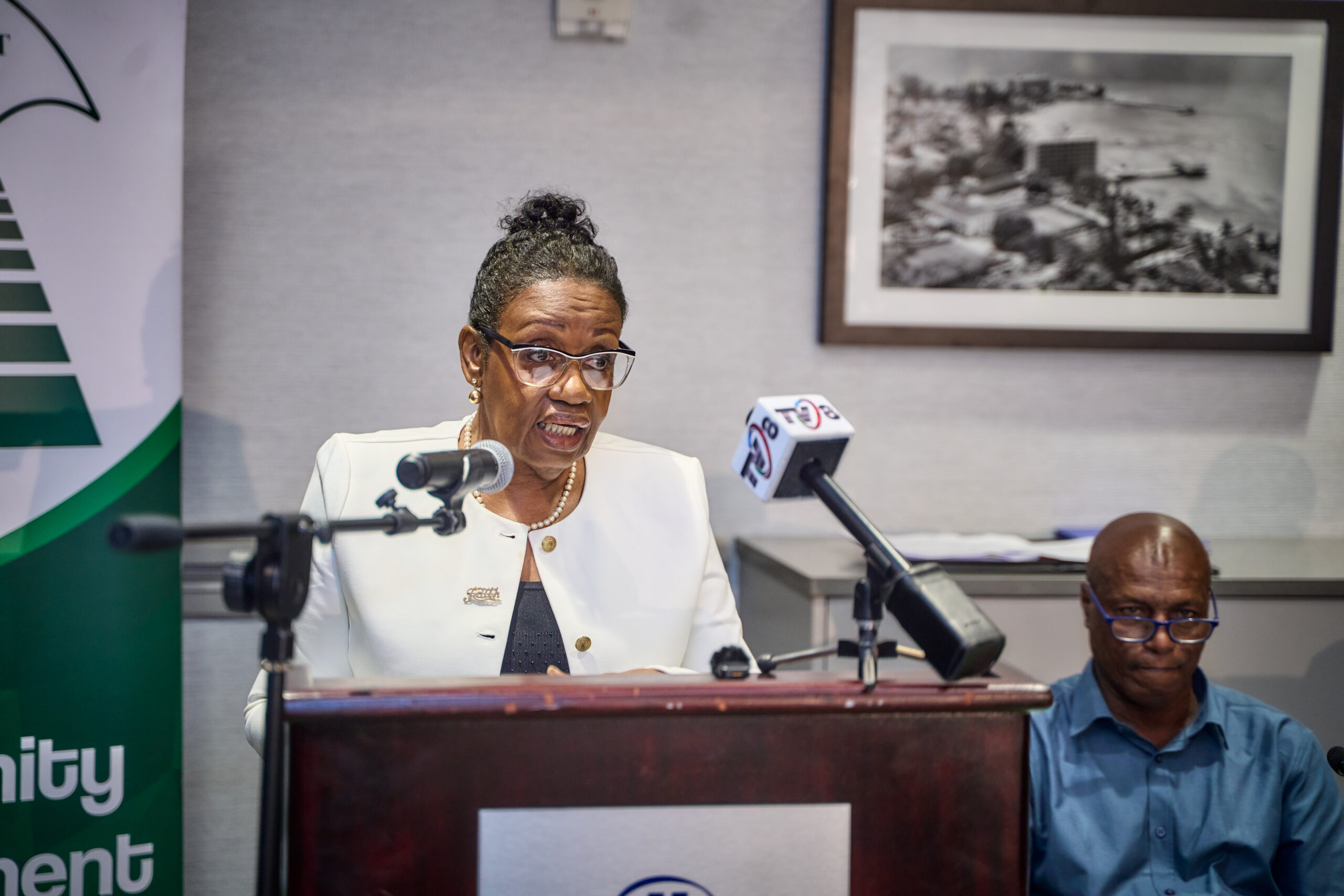
A United Nations child rights authority has issued a stark warning regarding the powerful pull of negative community influences on Barbadian youth, advocating for an island-wide shift toward collective parenting responsibility. Faith Marshall-Harris, delivering the keynote address at a National Parenting Seminar in Bridgetown, revealed alarming insights from her direct work with at-risk teenagers, many of whom view illicit activities on the ‘block’ as their primary career path. The event, orchestrated by the Community Development Department, convened stakeholders to design a structured framework for community parenting and family-strengthening initiatives slated for national implementation by mid-2026. Marshall-Harris detailed how a pervasive ‘block culture’ offers adolescents not just income but a dangerous sense of structure and belonging, effectively competing with traditional education and family guidance. She emphasized that antisocial behavior is not innate but cultivated through systemic neglect, arguing that the community at large—not just parents at home—bears responsibility for shaping the next generation. The expert also confronted mounting misconceptions about children’s rights on the island, rejecting the notion that prioritizing young people’s welfare diminishes the rights of other vulnerable groups like the elderly. She dismissed claims linking children’s rights advocacy to increased youth violence, instead charging adults with the duty to teach balanced respect for both rights and responsibilities.
作者: admin
-

Wales thrash Bagatelle to move up to fourth
In a commanding display of football prowess, defending champions Weymouth Wales reignited their title defense with a decisive 5-1 triumph over Bagatelle in the Barbados Football Association’s Premier League. The Tuesday night fixture at Wildey Technical Centre saw Wales establish an early dominance that would set the tone for the entire match.
Defender Akeem Hill emerged as an unexpected offensive catalyst, breaking the deadlock with a clinical finish in just the 4th minute. Bagatelle managed a brief resurgence when Azure Cumberbatch equalized in the 11th minute, but their hopes were short-lived as Hill struck again six minutes later to restore Wales’ advantage.
The reigning champions systematically dismantled their opponents with additional first-half goals from Ackeel Applewaite in the 38th minute and Keon Atkins on the stroke of halftime, entering the break with a comfortable 4-1 lead. Rashad Smith delivered the final blow in the 85th minute, completing the comprehensive victory.
This result propels Wales to 19 points, level with last season’s runners-up Brittons Hill but ahead on goal difference to claim fourth position. More significantly, the champions now sit just one victory behind league leaders Paradise (21 points), with second-placed Ellerton and third-placed Kickstart Rush both holding 20 points.
In the evening’s opening contest, Eyre’s Meatshop Pride of Gall Hill and St Andrew Lions battled to a 1-1 stalemate. Lions seized the initiative through Jomo Harewood’s 43rd-minute strike, but Radarico Marques equalized for Gall Hill just three minutes after the restart. The draw elevates Gall Hill to seventh position with 11 points, while Lions remain entrenched in the relegation zone with just 6 points.
The Premier League landscape remains intensely competitive with no clear favorite emerging for the title. Sunday’s triple-header at Wildey promises further drama as Paradise seeks to maintain their slender advantage against Gall Hill, Brittons Hill United aims to reclaim top-three status against UWI Blackbirds, and Weymouth Wales faces bottom-placed Wotton—a team yet to secure a point after ten matches following the departure of key players and former head coach Marlon Harte.
-
Poor air quality among challenges facing Cubans as energy crisis deepens
Cuba is grappling with an escalating humanitarian emergency as a severe energy crisis continues to paralyze essential services across the island nation. According to the United Nations Office for the Coordination of Humanitarian Affairs (OCHA), the fuel shortage has reached critical levels, severely disrupting daily life and compromising basic services.
The nation’s electrical grid has experienced repeated systemic failures in recent weeks, resulting in widespread rolling blackouts that have left communities without reliable power. While partial restoration efforts are underway in certain regions, UN officials emphasize that the situation remains highly unstable, fundamentally undermining citizens’ access to critical infrastructure.
Farhan Haq, Deputy Spokesperson for the UN Secretary-General, revealed alarming secondary effects: “Uncollected garbage is accumulating on street corners throughout Havana, with air quality deteriorating significantly due to widespread burning of waste and wood for cooking. Authorities report that energy shortages prevented over 50,000 scheduled surgeries in February alone.”
International assistance efforts led by the UN and partners including the Pan American Health Organization (PAHO) are facing operational challenges due to the very fuel shortages they aim to address. Dozens of humanitarian containers remain stranded at Havana’s port, with additional shipments expected, but fuel scarcity is dramatically increasing delivery costs and slowing distribution to affected populations.
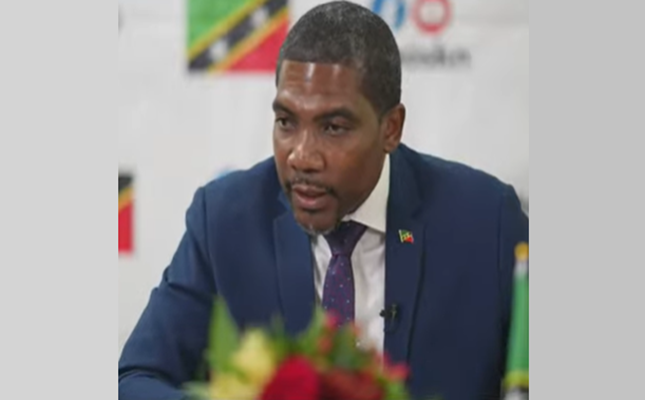
In regional response, CARICOM Chairman and Prime Minister Dr. Terrance Drew confirmed that Caribbean nations are mobilizing support through coordination with Mexico. This decision emerged from recent CARICOM Heads of Government meetings in Basseterre, where leaders formulated a collective humanitarian strategy. “We have established the operational framework with Mexican partners,” stated Dr. Drew, indicating that shipments from Saint Kitts and Nevis are anticipated to commence within the forthcoming fortnight.
-
TSA staffing shortages are causing long wait times at airports across U.S Airports
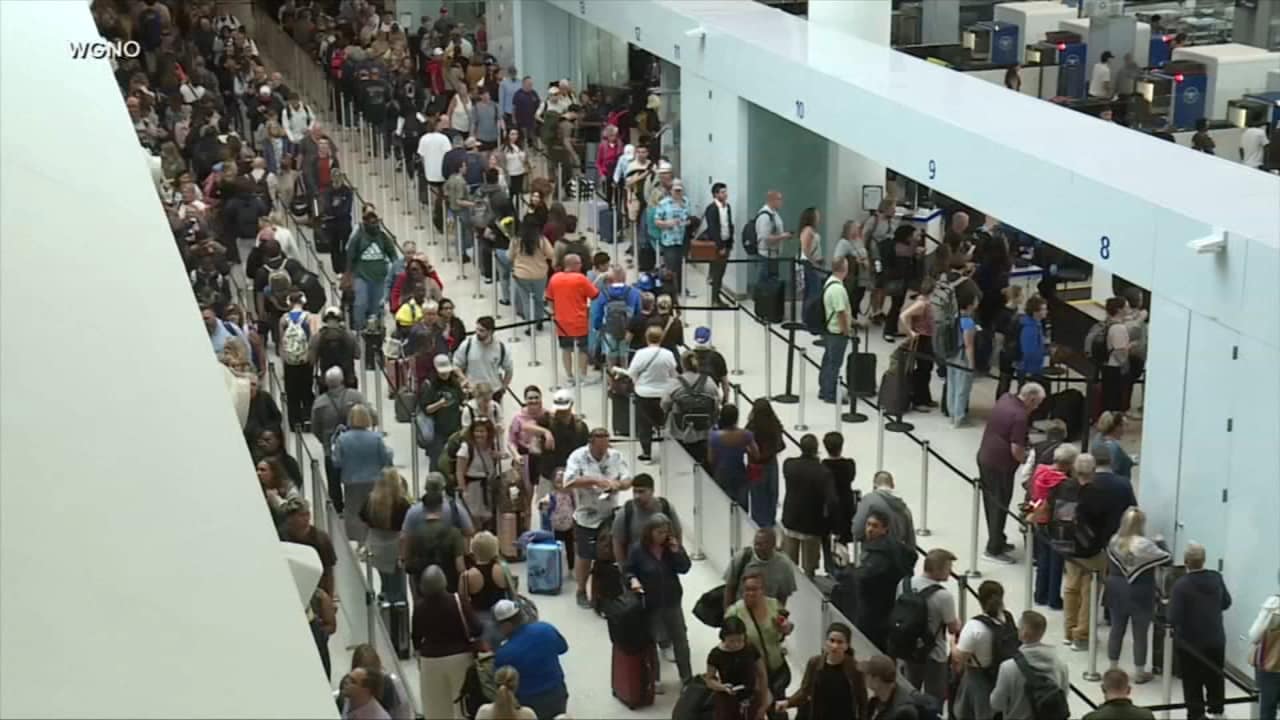
A deepening crisis is unfolding at airports across the United States as critical staffing shortages within the Transportation Security Administration (TSA) trigger extensive security delays and operational disruptions. The situation stems from the ongoing partial government shutdown that has left approximately 50,000 security officers working without pay since February 14th.
According to CBS News, approximately 10% of TSA personnel nationwide called out of work on Monday, with some major airports experiencing absentee rates exceeding one-third of their workforce over the weekend. The Department of Homeland Security confirms that more than 360 security officers have resigned since the shutdown began.
The staffing crisis has created cascading effects throughout the aviation security system. Understaffed checkpoints are struggling to process passenger volumes, resulting in significantly extended wait times. These disruptions were further exacerbated by severe winter weather conditions affecting parts of the country earlier this week.
Financial Hardship and Essential Service Mandate
TSA employees occupy a unique position within federal workforce regulations. Unlike many government workers who are furloughed during shutdowns, security personnel are deemed essential to national security and are legally required to report to work despite the payroll suspension. The agency’s pay schedule structure meant employees received their last partial paycheck in early March, with Friday marking their first scheduled payday without compensation.
Aaron Barker, a representative for the TSA workers’ union in Atlanta, revealed the severe personal toll on employees: ‘Many are coping with eviction notices, vehicle repossessions, empty refrigerators and overdrawn bank accounts. Every available financial option has been exhausted, yet these officers still report to work protecting the traveling public.’
Political Impasse and Historical Precedents
The funding stalemate centers on immigration policy reforms within the Trump administration, though TSA operations are unrelated to the political disagreement. Both political parties share responsibility for the impasse—Democrats have blocked comprehensive Department of Homeland Security funding without immigration reforms, while Republicans have rejected proposals to reopen non-immigration agencies including TSA.
Historical patterns suggest that airport disruptions may eventually pressure lawmakers toward resolution. The record-setting 43-day shutdown in 2018 ended just five days after transportation officials forced 40 major airports to reduce air traffic due to staffing shortages. Similarly, a 2019 shutdown concluded hours after air traffic controller sick calls threw East Coast travel into disarray.
Travel Advisory and Operational Outlook
TSA’s acting deputy administrator Adam Stahl warned Fox News that continued deterioration could force actual airport closures: ‘If this continues, it’s not hyperbole to suggest we may have to quite literally shut down airports.’
Travelers are advised to build significant extra time into their airport itineraries and monitor airport advisories. Unlike previous shutdowns, this partial closure affects only TSA operations while leaving air traffic control and most other government functions unaffected, potentially limiting the ultimate scale of travel disruptions compared to historical precedents.
-

Brickdam Secondary School teacher sent off job amid sexual allegations
Education authorities in Guyana have initiated a formal investigation into serious allegations of a sexual nature involving a teacher at Brickdam Secondary School. Chief Education Officer Saddam Hussain confirmed on Wednesday that the educator was immediately placed on administrative leave following established protocols.
The teacher was removed from duty on March 13, 2026, the same day the allegations were formally brought to the attention of the Ministry of Education. The case has triggered a multi-agency response involving both governmental and non-governmental organizations specializing in child protection.
Blossom Inc., a respected non-governmental organization focused on child rights, has been engaged to conduct forensic interviews with affected students. Hussain reported that one such interview has already been completed as part of the ongoing investigation.
Concurrently, the Welfare Department of the Georgetown Department of Education has been actively engaging with parents of potentially affected students. Meetings were held with three separate parents between March 13 and March 17, with each receiving official referral letters to the Child Protection Agency in accordance with standard operating procedures.
The Chief Education Officer explicitly addressed circulating social media claims, stating: “The Ministry of Education wishes to state unequivocally that, contrary to certain misleading claims circulating on social media, there has been no delay in the investigative process.” The statement emphasized the ministry’s commitment to thorough and timely resolution of the matter while ensuring proper procedural safeguards are maintained throughout the investigation.
-

Antigua And Barbuda Joins The Rest Of The World In Observing World Recycling Day
Antigua and Barbuda has officially joined the global observance of World Recycling Day, with the Ministry of Health, Wellness, Environment and Civil Service Affairs leading national initiatives in partnership with the National Solid Waste Management Authority. This significant event underscores the critical need for enhanced waste management strategies, environmental conservation, and the adoption of sustainable practices across all levels of society.
Minister Sir Molwyn Joseph articulated the government’s stance, framing recycling not merely as an environmental activity but as a fundamental national duty. “Recycling transcends basic environmental practice; it represents a collective national responsibility demanding every citizen’s engagement to secure the ecological future of Antigua and Barbuda,” he asserted during the commemorative events.
The Minister further elaborated on the administration’s vision for fostering enduring ecological mindfulness. “By cultivating robust partnerships and maintaining continuous public involvement, we can establish a pervasive culture of environmental stewardship that benefits both our population and the planet,” Joseph added.
This year’s observance coincides with the National Solid Waste Management Authority’s ongoing nationwide cleanliness campaign. The Ministry is actively encouraging community participation, urging residents to engage in or organize local and household cleaning initiatives to contribute to healthier, more hygienic living environments.
Looking forward, the Ministry reaffirmed its dedication to collaborating with institutional partners to amplify public education efforts and implement actionable measures for progressive waste management reform throughout the twin-island nation.
-

Antiguan educator Alex Wharton named South Carolina Teacher of the Year finalist
In a remarkable achievement for Caribbean educators in the United States, Alex Wharton—a special education teacher from Antigua and Barbuda—has been selected as one of five finalists for South Carolina’s 2026 Teacher of the Year award. The announcement was made during a surprise visit by state and district education officials to Wharton’s classroom at Berkeley High School, where she serves as a resource teacher for special education.
With an impressive 34-year career spanning both the Caribbean and the United States, including eight years in South Carolina, Wharton brings extensive experience to her role. Her educational journey began in her hometown of Grays Green, Antigua and Barbuda, before expanding across multiple educational systems.
Wharton’s nomination follows her recognition as Berkeley County School District’s 2025 Teacher of the Year, highlighting her exceptional contributions to special education. Her teaching methodology emphasizes practical life skills and workforce preparation, combined with vigorous advocacy for her students’ needs and inclusion.
The selection process for South Carolina’s Teacher of the Year program identifies educators who demonstrate exemplary leadership, innovation, and dedication to student achievement. As a finalist, Wharton received a $10,000 award, while the overall winner—to be announced on April 23—will receive $25,000, a BMW for one year, and serve as a statewide education ambassador.
Colleagues and administrators describe Wharton as a devoted educator who cultivates supportive and inclusive environments for both students and staff. Her influence extends beyond the classroom through her additional role as an ordained minister, reflecting her deep commitment to community service.
Following the announcement, Wharton characterized the honor as both humbling and validating, acknowledging the unique challenges and profound rewards inherent to special education. The celebration included her family and school community members, underscoring the collective support for her achievement.
-
What’s Killing the Fish Near San Estevan?
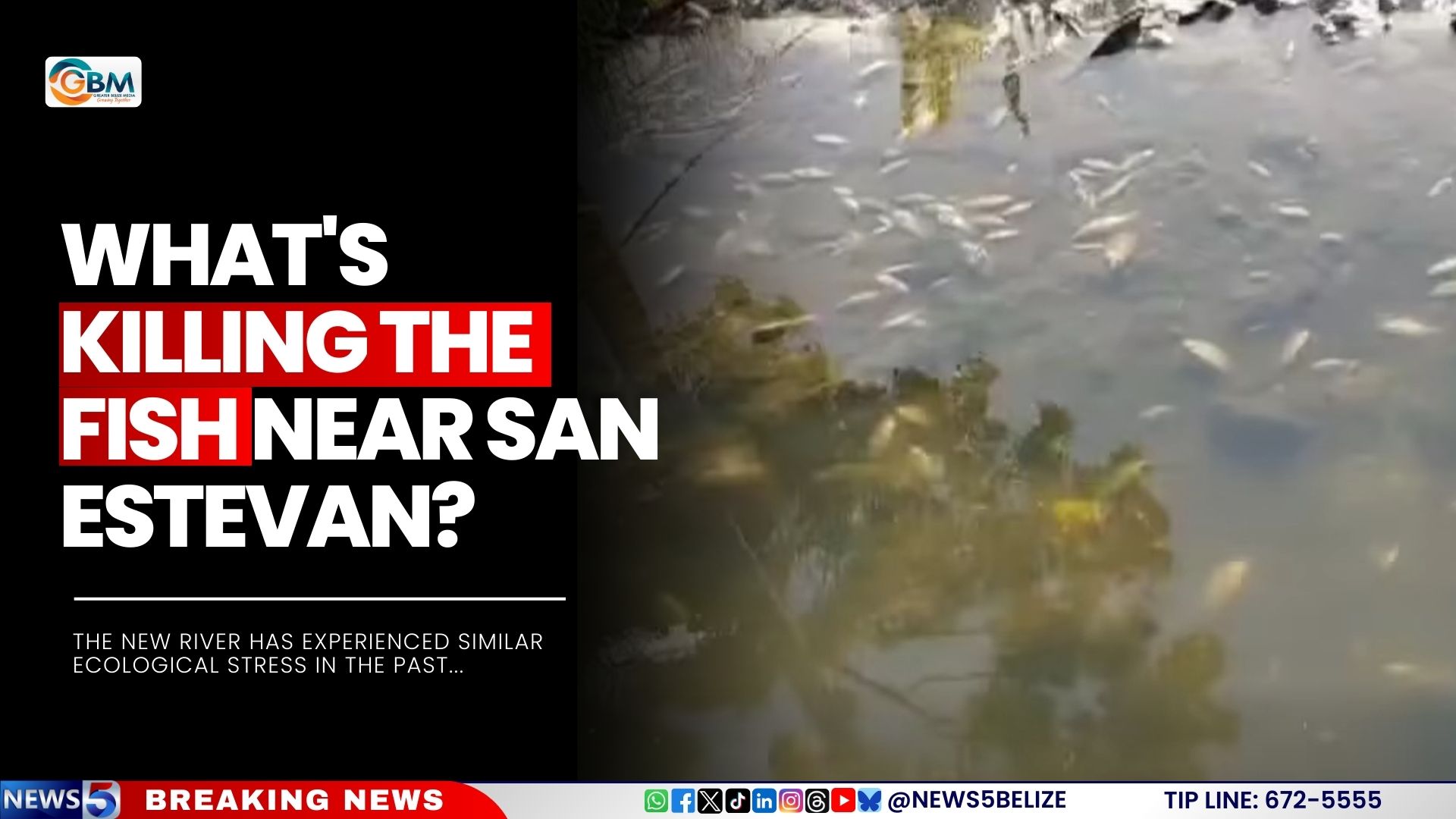
Environmental authorities in Belize are investigating a significant aquatic mortality event along the New River following reports of dead fish near San Estevan Village in the Orange Walk District. Anthony Mai, Chief Environmental Officer, confirmed that the Department of Environment (DOE) initiated immediate water quality monitoring after receiving alerts about the ecological incident.
Scientific analysis revealed critically low dissolved oxygen levels throughout multiple river sections from the Toll Bridge to San Estevan, creating lethal conditions for aquatic organisms. The investigation further identified elevated chlorophyll-a concentrations at various depths, indicating an active algal bloom phenomenon.
According to environmental experts, these blooms typically result from excessive nutrient concentrations—particularly nitrates and phosphates—in the water system. Mai explained the biological sequence: ‘Algal proliferation consumes available oxygen, creating an anoxic state that suffocates marine life. This explains the mortality pattern we’re observing.’
The New River’s geographical characteristics exacerbate its vulnerability to such events. With minimal elevation gradient and slow flow dynamics, the waterway experiences limited natural oxygenation. Additionally, tidal influences from coastal regions introduce saltwater intrusion, further destabilizing the delicate freshwater ecosystem.
Historical data indicates this represents a recurring environmental challenge, with similar events documented biennially. The most severe incident occurred in 2019 when extreme eutrophication caused substantial degradation of aquatic habitat quality. Environmental officials continue monitoring the situation while evaluating potential mitigation strategies to address the river’s chronic ecological vulnerabilities.
-

Regering stelt crisisteam in om gevolgen oliecrisis op te vangen
The Surinamese government has activated a specialized crisis response team to mitigate the economic repercussions of soaring global oil prices triggered by ongoing Middle Eastern hostilities. President Jennifer Simons announced the formation of this ministerial-level task force through an official statement on March 18th.
President Simons emphasized that international geopolitical developments are exerting substantial pressure on the nation’s economy, particularly through rapidly escalating fuel costs. The newly assembled team—comprising key ministers and senior advisors—will maintain continuous monitoring of the situation while developing strategic policy options to address the crisis.
The administration has prioritized minimizing adverse effects on both national stability and citizen welfare throughout all phases of the global energy crisis. In immediate response measures, the government will accelerate disbursement of previously planned subsidies while the Ministry of Finance designs additional community support mechanisms.
Simons noted that the velocity of recent price fluctuations necessitates flexible yet calculated governmental action. The crisis team will serve as the central coordination body for preparing and implementing subsequent interventions based on evolving market conditions.
Official communications underscore that the duration of Middle Eastern conflict will be the primary determinant of Suriname’s economic exposure. The government is maintaining collaborative surveillance with relevant international institutions to track developments and calibrate responses accordingly.
-

Saint Lucia receives electric vehicles from Germany in green push
In a significant stride toward sustainable transportation, the Saint Lucian government has formally received the initial batch of electric vehicles from Germany’s international development agency. This delivery marks the operational launch of the Nationally Determined Contributions Technology Electric Vehicle Pilot (NDC-TEC) project, designed to advance the island nation’s clean energy objectives.
Four specially configured electric vehicles arrived on March 4th through an informal handover from the German Society for International Cooperation (GIZ) to three key agencies: the Ministry of Infrastructure, the Water and Sewerage Company (WASCO), and the Royal Saint Lucia Police Force. The police vehicles feature professional-grade emergency equipment including sirens, warning lights, performance monitoring systems, and advanced communication technology.
An additional eighteen electric vehicles are scheduled for delivery in coming months, with allocation planned for multiple government departments including the Ministry of Education, Saint Lucia Air and Sea Ports Authority, Postal Services, Customs and Excise Department, and the Fire Service.
The comprehensive initiative extends beyond vehicle provision to include installation of solar-powered charging stations and integrated solar systems at government facilities. This infrastructure will ensure the entire fleet operates exclusively on clean, locally generated renewable energy.
Ina de Visser, NDC-TEC Programme Director, emphasized that “this pilot allows many services of the Government of Saint Lucia to gain experience with fully electric vehicles in their operations,” noting that knowledge-sharing will occur between departments and other CARICOM nations pursuing similar sustainability goals.
The project aligns with Saint Lucia’s National Energy Policy commitment to electrify at least 30% of government vehicles by 2030. Lorraine Matthew, Permanent Secretary in the Ministry of Infrastructure, characterized the initiative as demonstrating tangible progress, stating that Saint Lucia is “literally ‘walking the talk’… demonstrating that our transition to a green economy is well underway.”
According to Communications Specialist Tecla Fontenard, success metrics will focus on demonstrating both economic and environmental viability without disrupting government operations. “We have successfully tested the technology in multiple government services to prove their suitability,” Fontenard noted, adding that the project aims to show the feasibility of transitioning to fully electric government fleets.
An official commissioning ceremony for the complete 22-vehicle fleet and solar infrastructure is planned for mid-2026. The NDC-TEC project represents a multinational collaboration between GIZ and five implementing partners: the Caribbean Centre for Renewable Energy and Energy Efficiency, the University of the West Indies, Climate Analytics, and the Caribbean Development Bank, with funding from Germany’s Federal Ministry for the Environment through its International Climate Initiative.