作者: admin

  • Briceño’s “Glowing” U.S. Letter Raises More Questions Than Comfort

    Briceño’s “Glowing” U.S. Letter Raises More Questions Than Comfort

    Belize’s political landscape has been roiled by a diplomatic controversy surrounding Prime Minister John Briceño’s interpretation of correspondence from U.S. Congressman Carlos Gimenez. The situation emerged during Briceño’s appearance on The Morning Show, where he presented what he characterized as a “glowing” endorsement from the Florida representative amid mounting criticism from Washington.

    The controversy centers on the Prime Minister’s selective reading of Congressman Gimenez’s letter, which specifically addressed agricultural cooperation rather than providing the comprehensive political endorsement Briceño implied. This interpretation appears strategically timed to counter blistering criticism from Congressman Brian Mast, who had written to Secretary of State Marco Rubio expressing serious concerns about Belize’s rule of law, transparency, and treatment of foreign investors—particularly regarding the ongoing Stake Bank and Port of Belize disputes.

    Opposition Leader Tracy Panton has intensified the political pressure, warning that the administration’s handling of investment disputes is severely damaging Belize’s international reputation. Panton emphasized that while agricultural cooperation deserves acknowledgment, it should not be misrepresented as broader political validation. She expressed particular concern about the government’s dismissive approach toward both foreign and domestic investors, noting that the investment climate has reached a critical juncture.

    The congressional clarification from Gimenez’s office specifically noted gratitude for Belize’s support of American agricultural investments and urged protection of existing U.S. investments, without offering the political cover or broad endorsement suggested by the Prime Minister. This diplomatic nuance has raised questions about the government’s narrative management strategies and their potential impact on Belize’s standing with international partners.

    Analysts suggest the situation reflects deeper tensions in Belize-U.S. relations, with the investment climate and legal transparency becoming focal points for bilateral discussion. The unfolding controversy highlights the delicate balance small nations must maintain between asserting sovereignty and maintaining international investor confidence in an increasingly scrutinized global environment.


  • DLP, FOD welcome budget relief but warn of long-term uncertainty

    DLP, FOD welcome budget relief but warn of long-term uncertainty

    Barbados’ opposition parties offered measured approval of the government’s 2026 budget measures aimed at mitigating cost-of-living pressures while raising substantial concerns about fiscal sustainability and strategic planning. The Democratic Labour Party (DLP) acknowledged Finance Minister Ryan Straughn’s efforts to provide immediate relief through expanded reverse tax credits, direct support for pensioners, temporary energy price controls, and small business assistance. However, DLP spokesman Corey Greenidge emphasized that these measures represent short-term solutions without addressing fundamental structural issues.

    The DLP analysis highlighted several critical shortcomings in the budgetary approach. The party expressed deep concern about the significant expansion of government spending combined with revenue-reducing tax concessions, warning this combination would likely widen the fiscal deficit without clear articulation of financing mechanisms. Greenidge questioned whether this would necessitate increased borrowing and criticized the absence of a definitive timeline or strategy for returning public finances to balance.

    Beyond fiscal management, the opposition identified substantial gaps in several policy areas. The budget’s approach to crime reduction through dedicated gun courts was deemed insufficient without a comprehensive strategy addressing firearm importation, narcotics trafficking, and border security enhancements. Similarly, food security measures were criticized as incremental rather than transformative, lacking a clear framework to reduce import dependency or bring idle lands into production.

    Energy policy also drew scrutiny, with the DLP noting that while oil price hedging provided temporary relief, Barbados remained vulnerable to global market fluctuations without an accelerated pathway toward renewable energy adoption and grid modernization.

    The Friends of Democracy (FOD) party offered parallel criticisms despite praising the tax-free nature of the budget. FOD President Senator Karina Goodridge described the $100 monthly cash credit as insufficient against current living costs and questioned the rationale behind increasing allocations to foreign companies without demonstrated returns on investment. The party also criticized transportation recommendations as impractical without systemic improvements and noted the missed opportunity to remove VAT on solar products.

    Both opposition groups acknowledged the government’s responsiveness to public pressure amid global economic challenges including pandemic recovery, Ukraine conflict repercussions, and Middle East tensions affecting energy markets. However, they unanimously called for greater transparency, detailed implementation plans, and a shift from crisis management toward sustainable long-term economic resilience.

  • Panton Repeats Call for Accountability on Budna Abduction

    Panton Repeats Call for Accountability on Budna Abduction

    In a striking political development, Opposition Leader Tracy Panton has intensified her demands for governmental transparency regarding the controversial abduction of Ryan Budna, directly challenging Prime Minister John Briceño’s administration. This resurgence of the case follows the Prime Minister’s indication that Belize is negotiating a prisoner-transfer arrangement with Guatemala, which would enable Budna to complete his incarceration domestically.

    Panton has categorically rejected this proposed transfer as an inadequate response to what she describes as a grave constitutional violation. She emphasizes that the core issue remains the identification and prosecution of those responsible for authorizing and executing Budna’s extraordinary rendition.

    “The fundamental question for the Belizean people,” Panton stated, “is not where Mr. Budna serves his sentence, but rather which state actors orchestrated his brutal beating, unlawful detention, and clandestine transportation across the country into hostile territory without due process. This represents a state-sanctioned breach of our constitution.”

    The Opposition Leader framed the incident as a critical test of Belize’s democratic integrity, asserting that the government’s primary duty is to safeguard the constitutional rights and liberties of all citizens. She warned that without full accountability, such rights violations could potentially affect any Belizean citizen.

    Panton’s statement concluded with a powerful declaration: “This case transcends the individual circumstances of Mr. Budna. It establishes a dangerous precedent that undermines the very foundation of our legal protections. We cannot remain silent when the constitutional safeguards designed to protect every citizen are so blatantly disregarded by those entrusted with upholding them.”

  • Davis and Sealy clinch early domino title

    Davis and Sealy clinch early domino title

    Barbados ushered in its new dominoes season with a display of strategic prowess as the Number One Beauty Supply President’s Pairs Four Hand Tournament culminated in a decisive victory. The event, hosted at the Barbados Defence Force (BDF) premises one week prior to the official league commencement, served as a prestigious prelude to the national championship. A competitive field exceeding 60 doubles teams entered the tournament, all contending for the coveted title. After a series of intense matches, the duo of Kirk Davis and Torique Sealy demonstrated remarkable synergy and skill. They secured the championship in commanding fashion, overpowering the finalists Sharon Lynch and Johnathan Grandison with a resounding scoreline of 6-2, 6-1. This victory sets a high competitive benchmark for the newly launched season, which officially began across all three divisions island-wide this Sunday.

  • FIU Letter Puts Senator Dennison in Serious Legal Jeopardy!

    FIU Letter Puts Senator Dennison in Serious Legal Jeopardy!

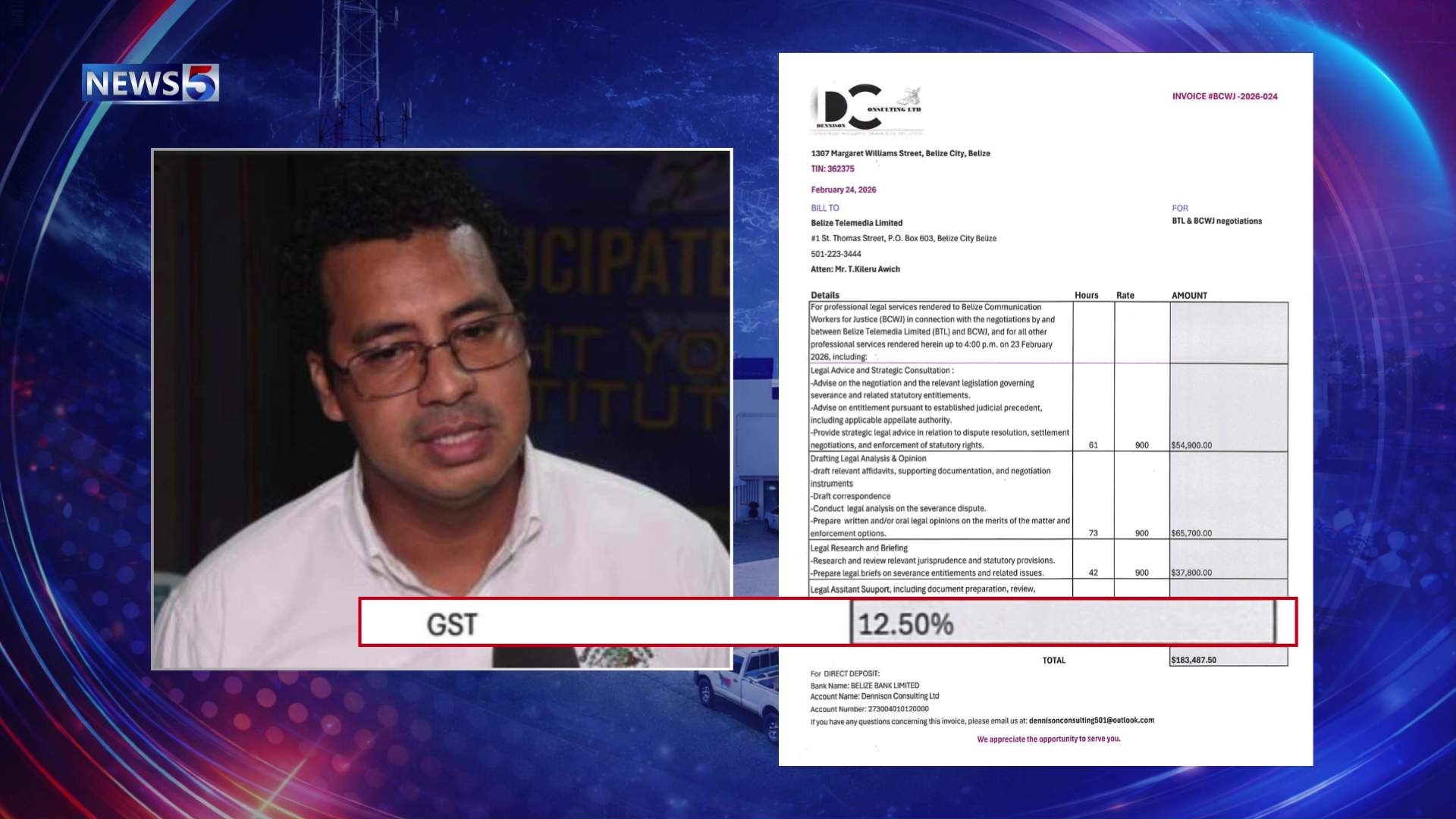
    Union Senator Glenfield Dennison confronts escalating legal complications as financial regulators intensify scrutiny of his consulting firm’s tax practices. The controversy originated from a disputed invoice involving negotiations between the Belize Communications Workers Union and telecommunications provider BTL, which revealed potential unauthorized collection of Goods and Services Tax.

    The Financial Intelligence Unit (FIU) has formally notified BTL that Dennison Consulting Limited lacks registration as a Designated Non-Financial Business and Profession—a mandatory requirement for legal practitioners operating within Belize. This development suggests the potential for expanded financial investigations beyond initial tax concerns.

    According to Belize Tax Services Department Director General Michelle Longsworth, charging GST without proper registration constitutes a severe violation under Section 90 of the GST Act. Offenders face summary conviction penalties including fines up to $10,000 or imprisonment for maximum two years. Additionally, the Tax Administration and Procedure Act empowers the department to impose administrative penalties without judicial proceedings.

    Longsworth emphasized the gravity of submitting invoices containing unregistered GST charges, stating: “The Belize Tax Services continues to strengthen our system to detect these types of activities. Where identified, BTSD will take all necessary enforcement action, including referral to appropriate authorities such as the FIU.”

    While the Belize Tax Service acknowledges no formal complaint has been received yet, officials confirm that multiple agencies may initiate coordinated investigations once financial red flags emerge. The case represents a significant test of Belize’s financial regulatory enforcement mechanisms and could establish important precedents for political accountability.

  • Economists Applaud Belize’s Fiscal Turnaround

    Economists Applaud Belize’s Fiscal Turnaround

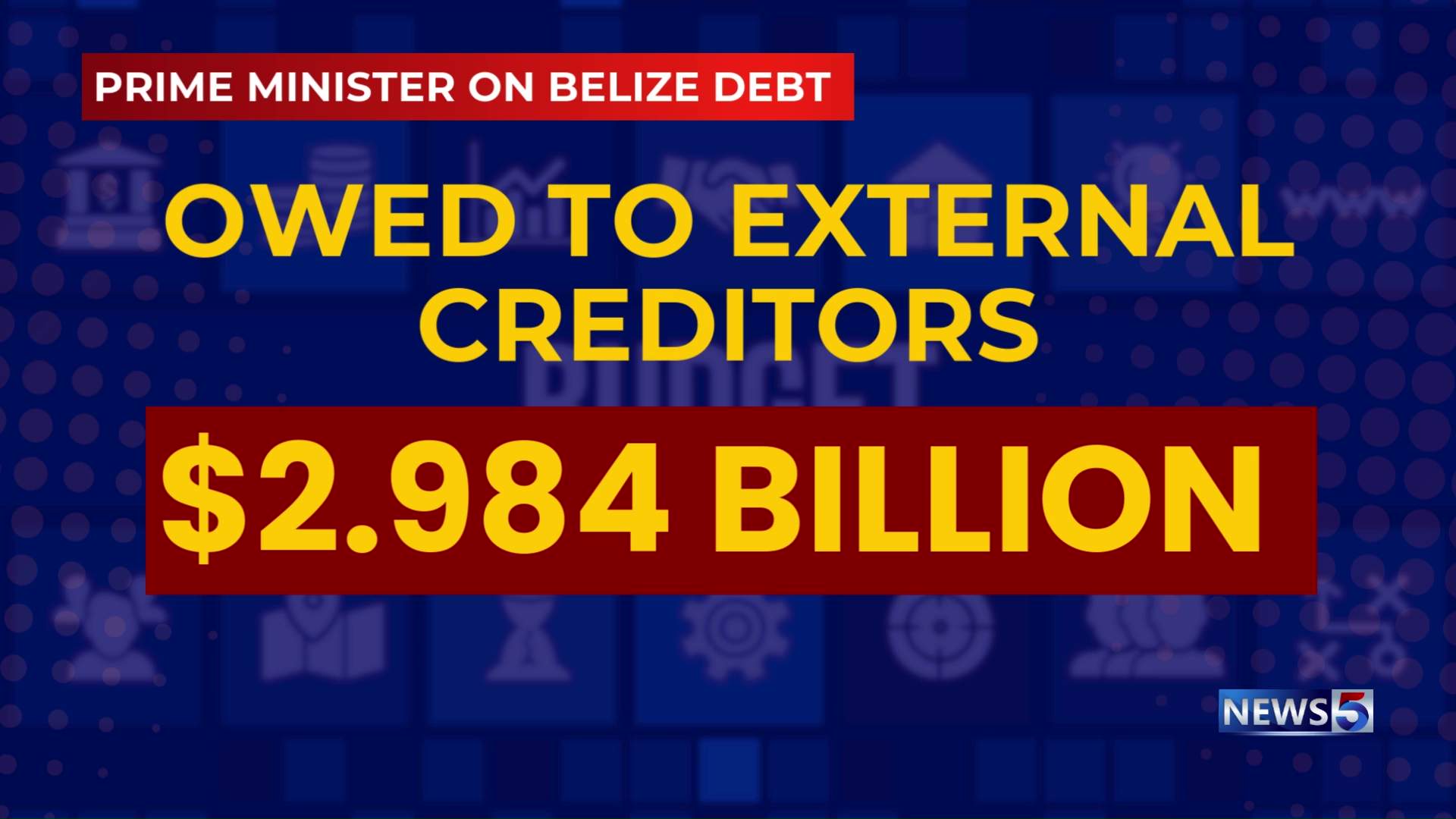
    Belize has engineered one of the most impressive financial recoveries in recent regional history, transforming from a debt-burdened nation to an emerging model of fiscal responsibility. In a dramatic reversal, the country has slashed its debt-to-GDP ratio from approximately 130% in 2020 to around 65% today—cutting its relative debt burden in half within just six years.

    Esteemed economist Dr. Phillip Castillo highlights that this achievement places Belize comfortably within the sustainable threshold recognized by global financial institutions. “The size of the debt is not by itself a problem,” Dr. Castillo explains. “The critical metric is the percentage of debt relative to GDP. At approximately 60%, we now fall within the range international financial agencies regard as acceptable.”

    The nation’s remarkable turnaround has been significantly accelerated by innovative financial instruments, particularly the groundbreaking Blue Bonds initiative. These specialized bonds have provided strategic debt relief while simultaneously funding critical marine conservation efforts, creating a dual benefit for both the economy and environment.

    Concurrent with its debt reduction success, the Belizean government has launched an ambitious public investment campaign targeting education, healthcare, and infrastructure modernization. This comprehensive spending strategy represents one of the most substantial domestic investment pushes in recent years, with officials describing these upgrades as fundamental prerequisites for sustainable long-term growth.

    Dr. Castillo emphasizes the interconnected nature of these developments: “A healthy and educated population is inherently more productive. Government involvement in education and healthcare at all levels is essential, provided that spending remains efficient and meaningful.” The economist also praised recent infrastructure improvements, noting dramatically reduced travel times between major population centers thanks to road network enhancements.

    Beyond transportation, Dr. Castillo stresses the importance of holistic infrastructure development encompassing utilities, water systems, and sanitation facilities. The government’s coordinated approach—balancing fiscal responsibility with strategic investment—appears to be creating a foundation for sustained economic growth built on human capital development and modernized national systems.

  • Belizean Lawmakers Join Global Parliamentary Seminar

    Belizean Lawmakers Join Global Parliamentary Seminar

    A high-level delegation from Belize has concluded an intensive week of parliamentary development training in London, marking a significant step toward institutional strengthening. The delegation, comprising Minister of State Marconi Leal Jr., Senator Sheena Pitts, and Parliamentary Officer Manuel Grant, participated in the 74th iteration of the esteemed Westminster Seminar alongside fellow Commonwealth parliamentarians.

    The program provided an immersive deep-dive into the foundational pillars of democratic governance. Core curriculum modules focused on enhancing legislative transparency, refining oversight mechanisms, understanding parliamentary privilege, and implementing robust codes of conduct for elected officials.

    Beyond the seminar rooms, the delegation engaged in high-level diplomatic and observational activities. Senator Pitts represented the nation at the Commonwealth Day Flag Raising Ceremony at Westminster Abbey, where she delivered a formal reading from ‘The House of the Commonwealth.’ The delegation also gained firsthand experience of British parliamentary procedure by observing the dynamic Prime Minister’s Questions session in the House of Commons.

    A field visit to the Liverpool Riverside constituency offered practical insights into local governance, featuring substantive dialogues with local council members and community leaders. The seminar’s agenda also addressed contemporary challenges facing modern legislatures, including strategies for effective leadership, public communication, integrating gender-sensitive practices, ensuring parliamentarian safety, and the evolving role of artificial intelligence in legislative functions.

    Parliamentary Officer Manuel Grant contributed to the knowledge exchange by presenting Belize’s advancements in the digital transformation of its parliamentary operations, showcasing the country’s progress to an international audience.

  • Opposition Stands with Cuba: “Don’t Abandon Our Friends”

    Opposition Stands with Cuba: “Don’t Abandon Our Friends”

    Belize finds itself at a critical diplomatic crossroads as the future of its Cuban Medical Brigade program hangs in the balance. The government has confirmed engaging in what it describes as “delicate negotiations” amid mounting pressure from the United States to terminate the long-standing medical cooperation agreement.

    Opposition Leader Tracy Panton has taken a firm stance against potential capitulation to external demands, delivering a powerful defense of Belize-Cuba relations. In a recent address, Panton emphasized Cuba’s historical significance as one of the first nations to support Belize’s independence and its consistent assistance during times of national crisis.

    The Cuban Medical Brigade represents a vital component of Belize’s healthcare infrastructure, particularly in rural areas where local medical professionals remain in short supply. Panton highlighted the brigade’s critical role in manning remote health clinics and facilities, questioning how Belize would fill this healthcare void if the program were terminated.

    “The notion that we would abandon our principles and sovereignty to appease policy demands from what I consider a bully nation is profoundly disturbing,” Panton stated, directly referencing US pressure tactics. She challenged the Briceño administration to maintain this partnership as a matter of national principle, sovereignty, and longstanding friendship.

    This development occurs against a regional backdrop where several nations have already discontinued similar medical cooperation programs with Cuba to avoid potential repercussions from the United States. As negotiations continue, Belize must weigh its critical healthcare needs against intensifying geopolitical pressures, making this one of the most significant foreign policy decisions in recent years.

  • A New Wave of Self‑Care Sweeps Belize

    A New Wave of Self‑Care Sweeps Belize

    BELIZE CITY – Amidst accelerating global pace, Belize is witnessing a profound cultural transformation as citizens increasingly prioritize holistic wellness over mere illness treatment. This paradigm shift toward intentional self-care practices is redefining how Belizeans approach quality of life, with establishments like Sea-Shelz spa emerging as sanctuaries for mental and physical rejuvenation.

    Shelby Musa, founder of Sea-Shelz, identified a critical gap in Belize’s healthcare landscape: the neglect of preventive wellness. “When overwhelmed by life’s demands, Belizeans need safe spaces to recenter themselves,” Musa explains. Her facility addresses this through scientifically-backed treatments combining traditional relaxation techniques with modern dermatological technology.

    The wellness experience incorporates multi-sensory therapies including aromatherapy, hydro facials utilizing peptide-infused serums, and targeted massage treatments. These procedures employ medical-grade equipment for deep pore cleansing while simultaneously delivering anti-aging compounds through advanced dermal infusion technology.

    Musa emphasizes the philosophical foundation of this movement: “Wellness represents an intentional journey toward wholeness. If health measures your current state, wellness constitutes the continuous practice of maintaining equilibrium.” This perspective challenges the longstanding perception that self-care constitutes indulgence rather than necessity.

    Clinical massage therapy forms another cornerstone of this approach. Contrary to popular belief, these treatments extend beyond luxury services to address physiological connections between muscle tension and stress-related conditions. “Cephalalgia often manifests from cervical tension,” notes Musa. “Our adaptable sessions—from 15-minute targeted relief to comprehensive treatments—address immediate needs while promoting long-term wellness.

    The emerging consensus among healthcare professionals suggests that Belize’s wellness movement reflects broader global recognition that self-preservation enables fuller life engagement. As preventive care gains institutional validation, facilities like Sea-Shelz are pioneering a new healthcare model that harmonizes traditional relaxation practices with evidence-based therapeutic interventions.

  • Belizean Abroad Aims to Boost Mental‑Health Care

    Belizean Abroad Aims to Boost Mental‑Health Care

    Ron Blake, a Belizean mental health professional residing in England, is spearheading an ambitious initiative to address Belize’s escalating mental health crisis through the establishment of a specialized residential care facility. Having relocated to the UK in 2018, Blake has developed his expertise as a Mental Health Support Officer, observing from abroad the increasing frequency of mental health emergencies and public incidents in his native country.

    Blake’s proposed solution involves creating Monz & RBS Care, a residential home designed to provide 24-hour structured support for individuals facing acute mental health challenges. His vision is informed by firsthand experience with the UK’s mental health system, where he has witnessed patients previously deemed incapable of community reintegration achieve stability and successful recovery through consistent care plans and robust support systems.

    Beyond immediate care provision, Blake’s initiative includes a significant educational component aimed at combating the stigma surrounding mental health conditions in Belize, where awareness and understanding remain developing areas. As a trained Mental Health First Aider working with a business partner, Blake emphasizes dual objectives of direct care provision and community education.

    The project currently faces its most significant hurdle: securing government collaboration. Blake has formally reached out to the Belizean government requesting support, particularly regarding land allocation for facility construction, but awaits an official response. His proposal represents a transnational effort to translate international mental healthcare expertise into tangible solutions for Belize’s specific needs, potentially creating a new model for mental health infrastructure in the country.