作者: admin

  • BHTA chief suggests new highway to combat traffic gridlock

    BHTA chief suggests new highway to combat traffic gridlock

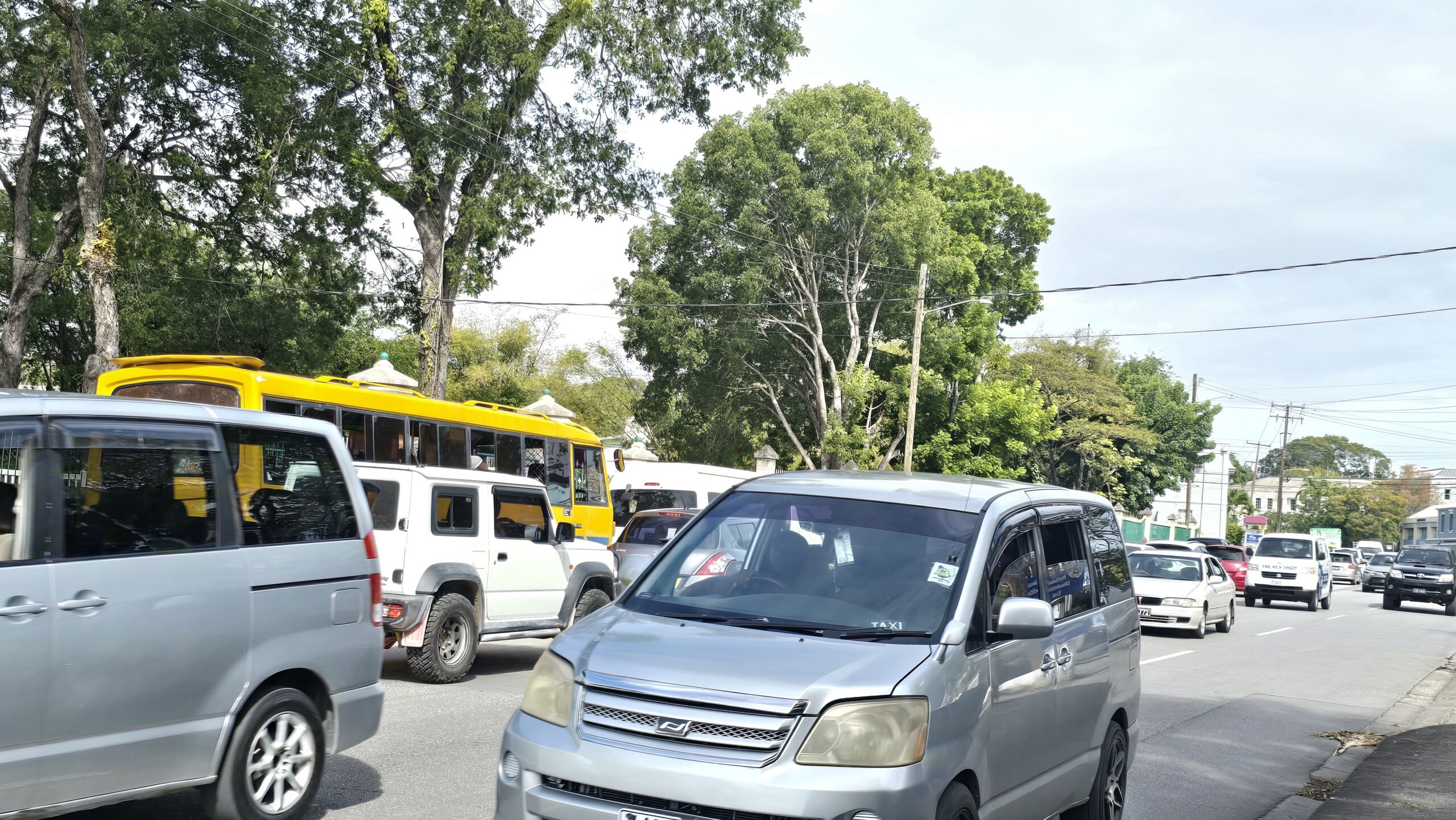
    Barbados faces a critical infrastructure crisis as severe traffic congestion threatens to undermine its thriving tourism industry and national productivity, according to a stark warning from the island’s top tourism official. Javon Griffith, Chairman of the Barbados Hotel and Tourism Association (BHTA), issued an urgent call for national intervention to address what he described as “unacceptable” transportation challenges that have escalated from peak-hour inconveniences to island-wide daily obstacles.

    Speaking from both professional and personal perspectives as a northern resident, Griffith detailed how the deteriorating traffic situation has created operational disruptions across the tourism sector. “The commute from St Lucy to St Michael has become highly unpredictable and, in many cases, unmanageable,” he revealed, noting that many drivers now must divert through alternative routes never designed for such traffic volume.

    The congestion produces tangible consequences for tourism businesses, including increased staff lateness, operational delays, and mounting frustration among employees striving to maintain the island’s renowned service standards. Griffith emphasized that these transportation challenges directly impact the visitor experience that Barbados has built its reputation upon.

    To combat the gridlock, the tourism leader proposed a comprehensive modern traffic management plan featuring multiple strategic components: a serious review of traffic flow patterns, enhanced transport planning methodologies, targeted road infrastructure improvements, and greater integration of technology for efficient vehicle movement management.

    “The status quo is no longer sustainable,” Griffith asserted. “If we are to continue growing our tourism sector, improving national productivity, and enhancing quality of life, then resolving our traffic challenges must become a national priority.”

    The infrastructure concerns emerge following a record-breaking year for Barbadian tourism. In 2025, the island welcomed over 729,000 long-stay visitors, surpassing previous records driven by substantial growth from key markets including the United States (8.1% increase), Canada, and CARICOM nations. This tourism boom has contributed to reducing unemployment to a historic low of 6.1%.

    Despite these achievements, Griffith expressed cautious optimism for 2026, citing significant private sector investments including the upcoming June opening of Royalton Vessence Barbados and the recent soft launch of Hotel Indigo in Bridgetown. Enhanced air connectivity also promises increased capacity, with Aer Lingus commencing direct Dublin service and British Airways deploying larger Airbus A350-1000 aircraft on its London Heathrow route.

    While acknowledging supportive government measures such as extended Tourism Development Act concessions and VAT reductions in the 2026 Budget, Griffith warned against complacency. “In tourism, comfort is often the first step towards decline,” he cautioned. “This is a time for clarity of purpose, decisive action, and above all, leadership that is bold and collaborative.”

  • Higher gas prices for March 2026

    Higher gas prices for March 2026

    The Government of Grenada has announced substantial increases in petroleum product prices across the nation, effective Wednesday, March 18, 2026. The new pricing structure affects gasoline, diesel, kerosene, and liquefied petroleum gas (LPG) throughout Grenada, Carriacou, and Petite Martinique.

    Gasoline prices will rise by $1.25 per imperial gallon, reaching $15.18 from the previous $13.93. Diesel experiences the most significant percentage increase at $1.76 per imperial gallon, climbing to $16.11 from $14.35. Kerosene sees the largest absolute increase of $2.65, jumping from $10.45 to $13.10 per imperial gallon.

    Notably, standard 20-pound LPG cylinders for household cooking will maintain their current pricing at $40 in Grenada and $49 in the sister islands. However, commercial and bulk users face substantial increases, with 100-pound cylinders rising by $66.40 and bulk LPG prices increasing by $0.65 per pound across all territories.

    The Ministry of Finance confirmed these adjustments follow comprehensive monitoring of international market conditions, using average cost, freight, and insurance rates for computation. The government has implemented full price harmonization for gasoline, diesel, and kerosene nationwide, fulfilling commitments made in the 2023 Budget Address.

    Consumers are reminded that petroleum products remain price-controlled commodities, and retailers are prohibited from deviating from the established pricing. The ministry encourages immediate reporting of any overpricing instances to the Price Control/Consumer Affairs Unit at 435-1459.

    The government maintains its commitment to market monitoring and has established an intervention threshold should prices exceed $17 per imperial gallon, though current levels remain below this benchmark.

  • Women start make-up artistry training in St Michael Central

    Women start make-up artistry training in St Michael Central

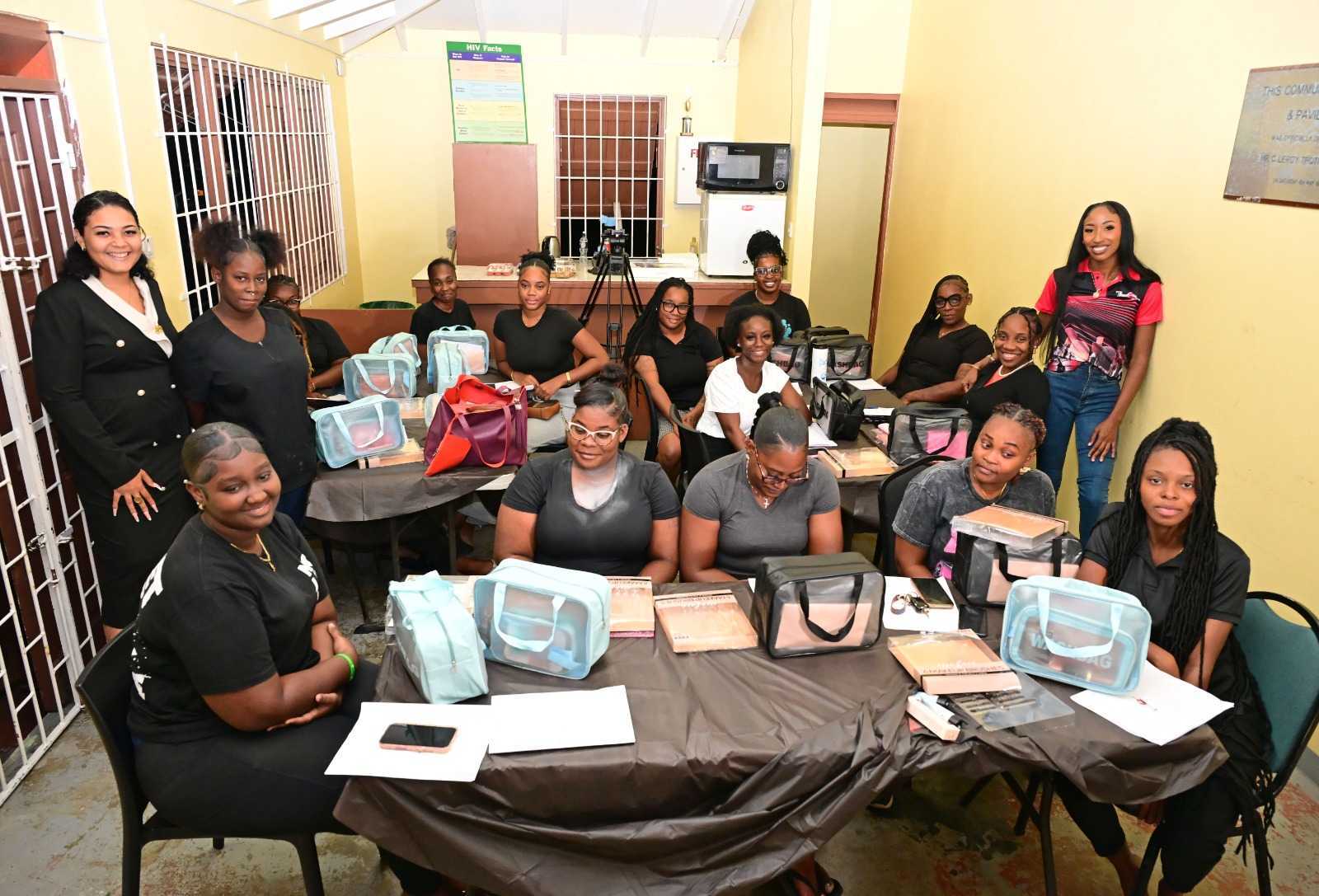
    A groundbreaking entrepreneurship initiative is transforming career prospects for young women in St Michael Central, Barbados. Seventeen aspiring beauty professionals have embarked on a comprehensive six-week training program in professional make-up artistry, designed to convert creative talent into sustainable business ventures.

    The innovative ‘Faces of the Future’ program, launched at the Andrew Alleyne Community Centre in Station Hill, represents a strategic effort by recently elected MP Tyra Trotman to expand economic opportunities and practical skills development within her constituency. Specifically targeting women aged 16-35, the initiative provides completely free hands-on instruction in professional make-up techniques delivered through two weekly cohorts meeting on Tuesdays and Wednesdays.

    Financed through a substantial $22,000 government grant administered by the St Michael Central branch of the Barbados Labour Party, the program allocates $11,000 to each training group. Participants benefit from world-class instruction delivered by internationally trained make-up artist Sapphire Moore of Makeup Academy Barbados, who guides them through advanced professional techniques while simultaneously introducing fundamental business management principles specific to the beauty industry.

    During the program launch, MP Trotman emphasized the initiative’s role within a broader constituency development strategy aimed at fostering entrepreneurship and equipping young women with income-generating practical skills. “We’re cultivating an environment where we can grow entrepreneurs,” Trotman stated, noting that the training represents the crucial first step in providing participants with both certification and professional capabilities to establish self-sufficient enterprises without relying on government assistance.

    The comprehensive program includes six weeks of practical instruction complemented by professional make-up kits for training purposes. Upon completion, each participant will receive formal certification and a complete professional kit enabling immediate service provision. The entrepreneurial component further requires participants to develop business identities and formally register their enterprises with Business Barbados, with Attorney Trotman personally assisting through the registration process to ensure proper legal recognition.

    This initiative forms part of a wider constituency push to support self-employment and small business creation among young residents seeking alternative career pathways in Barbados’s evolving economic landscape.

  • Poetry and Jazz night celebration to honor the spirit of Edward Oliver LeBlanc

    Poetry and Jazz night celebration to honor the spirit of Edward Oliver LeBlanc

    Dominica prepares to celebrate the dual legacy of Edward Oliver LeBlanc—the nation’s final Chief Minister and inaugural Premier—through an innovative cultural fusion of poetry and jazz. A collaborative effort between Jungle Bay Resort, MAC Services Inc., the LeBlanc family, and the Alwin Bully Foundation Inc. will present a distinctive Poetry and Jazz Cocktail event on Saturday, May 2, 2026, at 6 PM.

    The evening will feature the posthumous unveiling of LeBlanc’s recently published poetry collection, “Fragments of the Dawn,” offering attendees an intimate glimpse into the creative mind that simultaneously shaped both Dominican politics and literature. The event forms part of the prelude to Jazz Creole 2026, enhancing the festival’s cultural programming with profound literary significance.

    Young talents from Roseau’s secondary schools and performers from the theatrical production “STREAK” will conduct poetry readings alongside live musical accompaniment from Dominica’s premier jazz musicians. This interdisciplinary approach aims to bridge artistic mediums while honoring LeBlanc’s multifaceted contributions to national development.

    Organizers emphasize the statesman’s previously private poetic vocation, which powerfully articulated the experiences of Dominican farmers, fishermen, and workers. His verses, now recognized as foundational to the nation’s cultural identity, reflected the same principles of humility, integrity, and devotion that characterized his political leadership.

    The event encourages business casual attire incorporating national colors. Tickets, priced at EC$150.00, are exclusively available in advance at Jay’s Bookstore and Jungle Bay Resort, with no door sales permitted. Net proceeds will support the Alwin Bully Foundation’s ongoing mission to advance arts, culture, and educational initiatives across Dominica.

  • Japan-backed project focuses on building disaster-resilient fishing fleet

    Japan-backed project focuses on building disaster-resilient fishing fleet

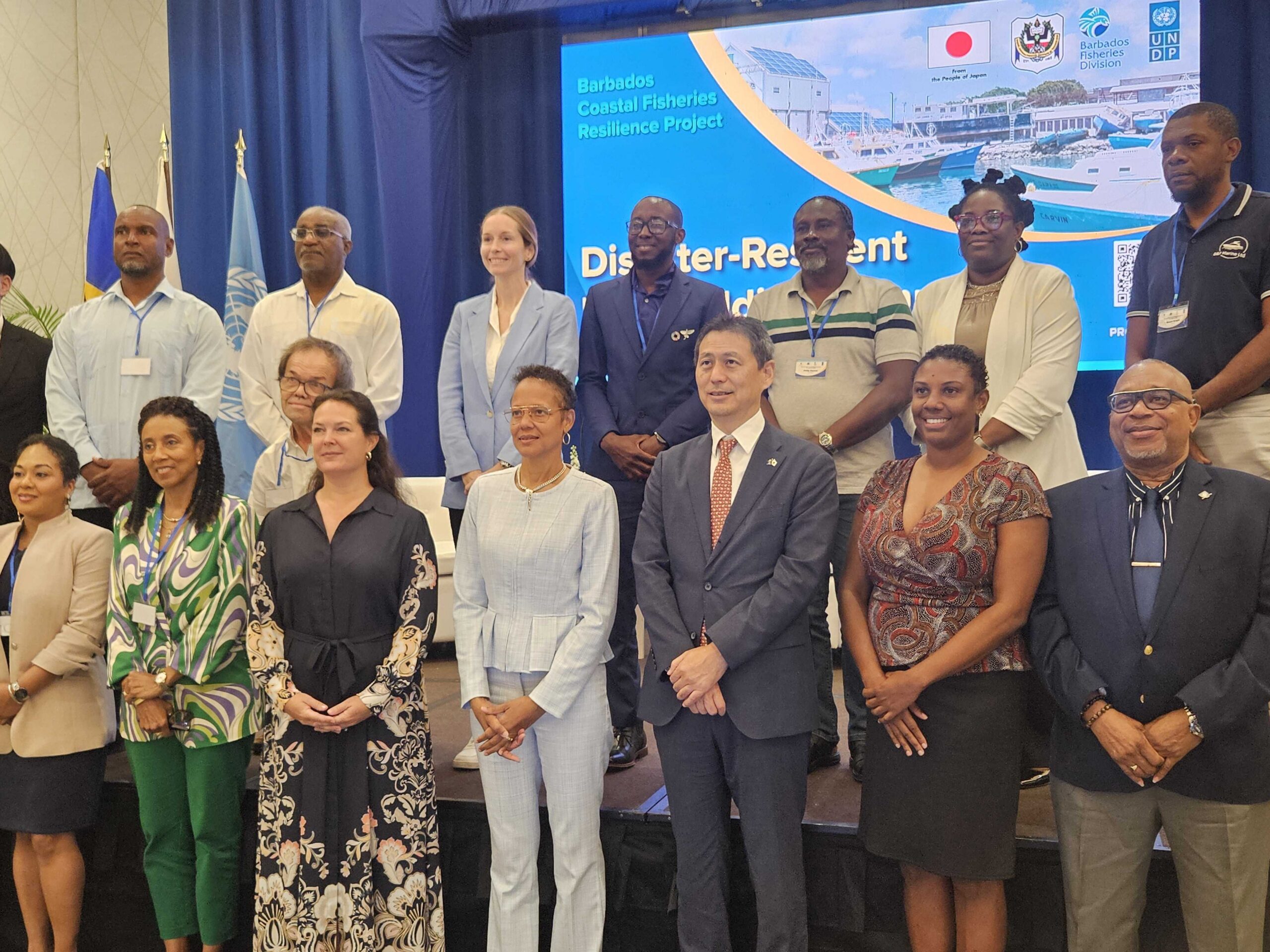
    A major symposium inaugurating Barbados’s post-hurricane maritime reconstruction effort convened this week, uniting boatbuilders, fishers, and international development experts under a $6 million Japanese-funded resilience initiative. The two-day Disaster Resilient Boatbuilding Symposium at Hilton Barbados Resort served as the cornerstone event for reimagining the Eastern Caribbean’s fishing industry following catastrophic damage from Hurricane Beryl in 2024.

    Organized through a collaboration between Barbados’ Fisheries Division, the United Nations Development Programme (UNDP), and the Japanese government, the initiative represents a strategic component of the broader Barbados Coastal Fisheries Resilience Project. UNDP Deputy Resident Representative Stephanie Zibell emphasized that the program extends beyond mere vessel replacement, focusing instead on comprehensive industry transformation through advanced training and technological integration.

    The symposium’s agenda combined theoretical knowledge exchange with practical site visits to marine businesses, boatyards in Bridgetown and Oistins, and the Samuel Jackman Prescod Institute of Technology. Participants explored innovative construction techniques, including 3D printing applications and modern composite materials, while addressing the critical challenge of preserving traditional Barbadian boatbuilding craftsmanship.

    Deputy Prime Minister Santia Bradshaw highlighted the cultural significance of Barbados’s boatbuilding heritage, noting that approximately 90% of the island’s 1,100-vessel fishing fleet originates from local shipyards. This tradition, deeply rooted in communities like Oistins and Silver Sands, now faces the dual challenge of integrating modern technologies while maintaining cultural authenticity.

    Japanese Embassy Second Secretary Hideichiro Nakamura articulated the shared vulnerability of island nations to climate disasters, referencing Japan’s own experiences with natural catastrophes. The destruction of over 2,000 fishing boats during Hurricane Beryl represented not merely material loss but a fundamental threat to food security and community welfare across the Caribbean region.

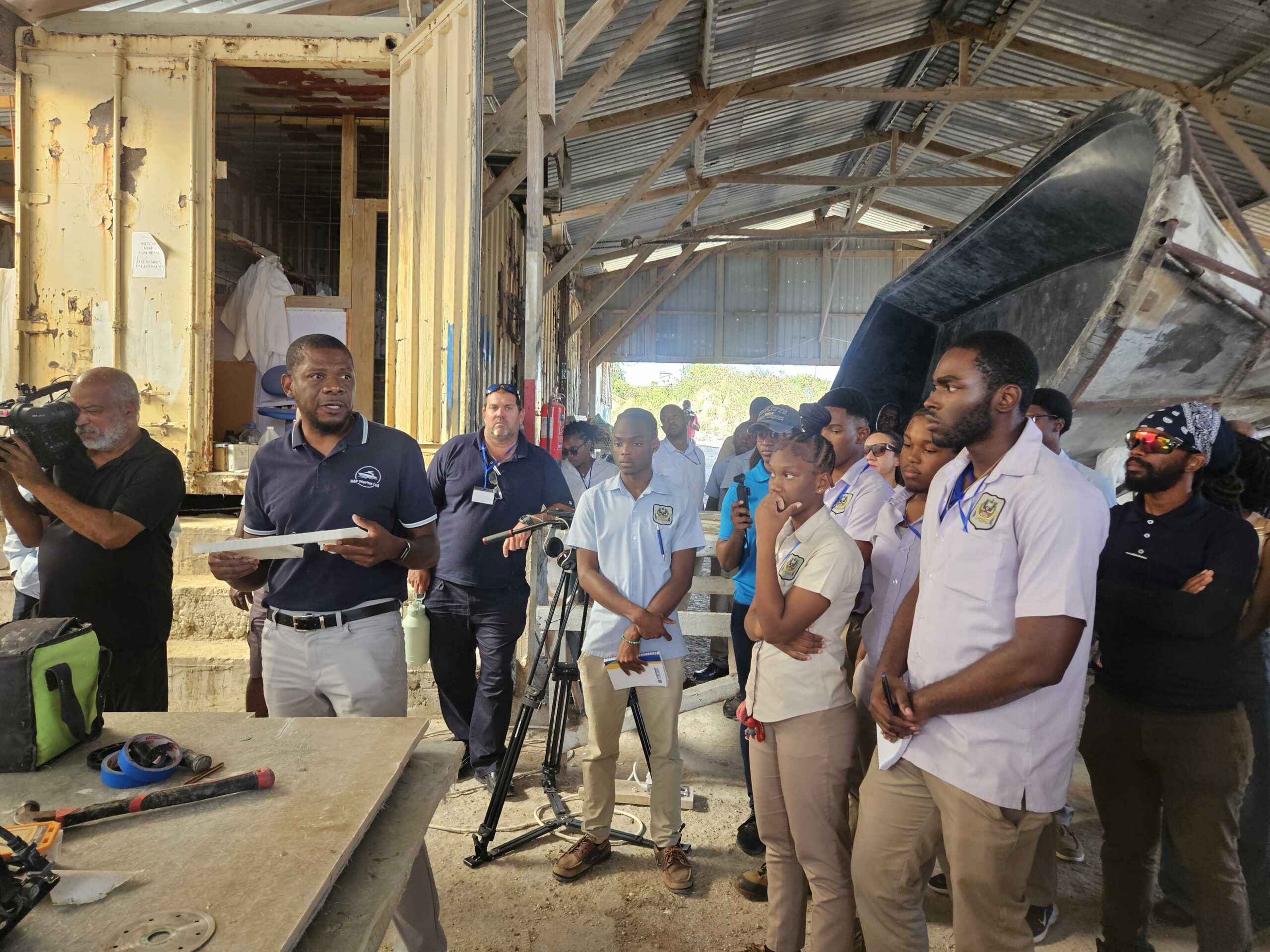
    The symposium concluded with practical workshops in St. Philip, where industry leaders like B&F Marine Limited’s Shawn Knight demonstrated advanced fibreglass construction techniques capable of producing vessels with 50-100 year lifespans. These innovations, combined with ongoing vocational training programs, aim to attract younger generations to a trade vital to Barbados’s cultural identity and economic stability.

  • Fisheries upgrade ‘to boost resilience’

    Fisheries upgrade ‘to boost resilience’

    The Barbadian government has unveiled a comprehensive strategy to revolutionize its fisheries sector, focusing on critical infrastructure modernization and combating environmental challenges. Deputy Prime Minister Santia Bradshaw announced these initiatives during her keynote address at the Disaster Resilient Boatbuilding Symposium held at the Hilton Barbados Resort.

    The modernization campaign centers on significant enhancements to fishing facilities at Consett Bay in St. John. Following the recent completion of a new slipway, the government has committed to further upgrades for the local market and jetty to bolster operational capabilities for fisherfolk. These improvements form part of a broader national effort to strengthen coastal communities and increase resilience against environmental and economic pressures.

    A particularly innovative component of the strategy addresses the escalating sargassum seaweed invasion plaguing Caribbean waters. Minister Bradshaw confirmed the deployment of a specialized vessel dedicated to removing the odoriferous seaweed, whose massive influxes have severely disrupted fishing operations and coastal ecosystems throughout the region. This targeted approach aims to safeguard both livelihoods and marine environments.

    Concurrently, the Bridgetown Fisheries Complex has seen substantial operational enhancements. The breakwater reconstruction was largely completed in January, significantly improving harbor protection and daily safety for workers. Final installation of a structural walkway is anticipated shortly.

    Operational data reveals impressive sector activity: approximately 350 vessel inspections and 300 haul-up operations were conducted in the past year alone. These coordinated efforts are strategically positioning Barbados to develop one of the Caribbean’s most technologically advanced artisanal fishing fleets, transforming both infrastructure and operational standards across the fisheries sector.

  • Today in History: French landed in Lagoon 18 March 1649

    Today in History: French landed in Lagoon 18 March 1649

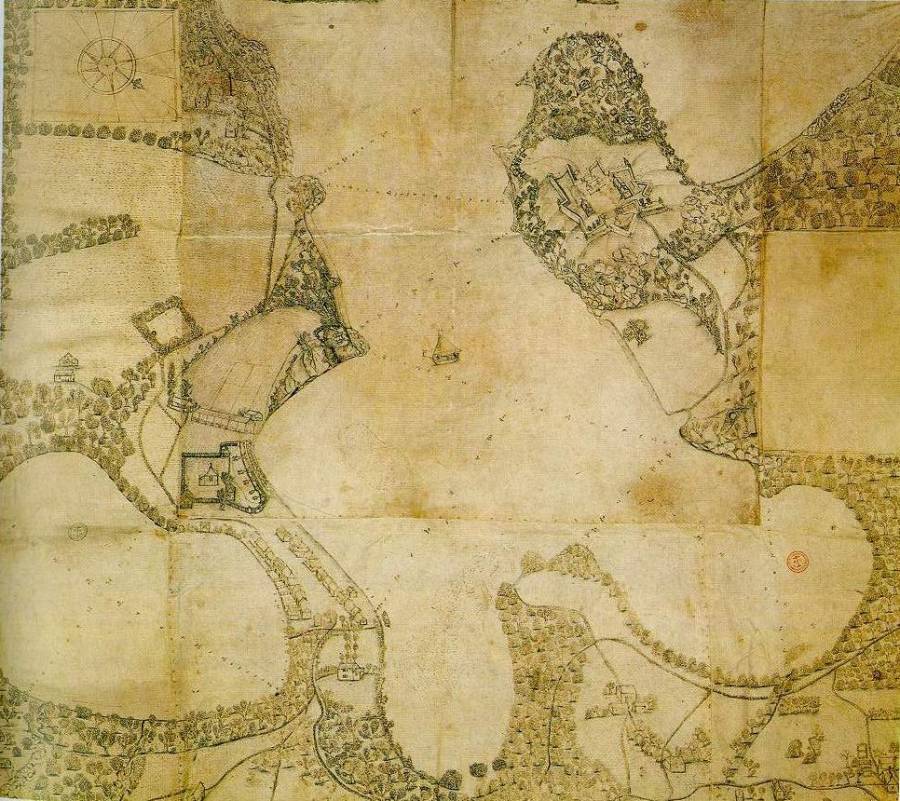
    March 18, 1649, marks a pivotal moment in Caribbean history when French colonists from Martinique initiated the first successful European settlement on the island of Grenada. This expedition, led by Governor Jacques Dyel du Parquet, culminated in a landing at St. George’s Harbor following decades of failed colonization attempts by various French adventurers.

    The strategic push for Grenada’s colonization emerged from its perceived economic potential and proximity to South American trade routes. Prior efforts by prominent figures including Phillip de Poincy (1639/40) and Jean Aubert (1643) had collapsed due to Carib resistance and logistical challenges. In 1645, Philibert de Noailly received a gubernatorial commission but similarly failed to establish a foothold.

    Du Parquet’s meticulously planned operation departed Martinique on March 14, 1649, with two vessels and two barks carrying 45 colonists, construction materials, and military supplies. After anchoring offshore on March 17, the French established Fort l’Annunciation on March 25, formally claiming the territory through a ceremonial act of possession.

    Initial encounters with the indigenous Island Carib population involved tense negotiations rather than immediate conflict. French accounts claiming Chief Kairoüane sold Grenada for trivial trade goods like beads and brandy are contradicted by historical evidence showing the Caribs understood the interaction as trade, not land transfer. The chief’s subsequent banishment by his people for failing to expel the French further undermines the legitimacy of these colonial claims.

    The French rapidly developed agricultural settlements, cultivating both subsistence and cash crops. By June 1650, du Parquet had purchased Grenada, Martinique, St. Lucia and the Grenadines from the bankrupt Compagnie des Isles de l’Amérique for approximately £1,660, retroactively legitimizing French control.

    Peaceful coexistence proved短暂 as Carib resistance intensified within seven months of settlement. The establishment of a second French settlement at Beausejour triggered a decade-long conflict featuring guerrilla warfare, ambushes, and bloody confrontations. The French ultimately prevailed through military superiority, systematically reducing the indigenous population and eliminating organized resistance.

    This colonial acquisition fundamentally altered Grenada’s demographic and cultural landscape, initiating the displacement and destruction of the island’s original inhabitants that would continue through the colonial era.

  • Holder hailed by CWI for outstanding World Cup performance

    Holder hailed by CWI for outstanding World Cup performance

    Cricket West Indies (CWI) has formally celebrated the exceptional achievement of veteran all-rounder Jason Holder, who has been selected for the prestigious 2026 ICC Men’s T20 World Cup Team of the Tournament. This recognition, bestowed by an elite panel of former international cricketers and expert commentators, highlights Holder’s monumental impact throughout the global championship.

    At 34 years old, Holder, a cornerstone of West Indies’ 2016 championship squad, delivered a masterclass in all-round prowess. His tournament statistics were nothing short of extraordinary: claiming ten crucial wickets while amassing 141 runs with a devastating strike rate of 174.07. His batting average of 35.25 underscored remarkable consistency under pressure.

    Several iconic moments defined Holder’s campaign. His blistering 33 from just 17 deliveries against England proved instrumental in setting a winning total of 196, which the Caribbean side successfully defended by 30 runs. In a display of resilience and power, Holder partnered with Romario Shepherd to establish a new world-record eighth-wicket stand of 89 runs against South Africa during the Super Eights stage. Coming to the crease with his team reeling at 83-7, Holder’s counter-attacking 49 from 31 balls salvaged the innings.

    Even against eventual champions India, Holder demonstrated his value with a late flourish of 37 from 22 balls, pushing West Indies to a competitive 195. With the ball, his 6’7″ frame generated troubling bounce and discipline, epitomized by a spectacular bowling performance of 4-27 against Nepal at Mumbai’s Wankhede Stadium.

    Reflecting on the honor, Holder expressed profound pride, noting this represented his first complete T20 World Cup campaign. “I felt everything was in alignment. My game is in a good place, I kept things simple, lived in the moment and contributed whenever the team needed me,” he stated.

    CWI’s Director of Cricket, Miles Bascombe, praised Holder’s professionalism and game-changing abilities. “Jason’s impact was undeniable. His selection reflects the quality, experience and composure he brings to West Indies cricket. His ability to influence games with both bat and ball, particularly in pivotal moments, speaks to his immense value and leadership,” Bascombe emphasized.

    Holder’s individual success mirrored the team’s vibrant performance. Shimron Hetmyer emerged as the tournament’s leading West Indian run-scorer with 248 runs, while Sherfane Rutherford delivered a breathtaking unbeaten 76 against England. The team collectively electrified fans with a record 76 sixes throughout the competition. Holder attributed this success to collective determination: “Everyone wanted the same result. We buckled down as a team to bring a proud feeling to the Caribbean people.”

  • Browne urges Africa and Caribbean to rebuild ‘extractive’ economies

    Browne urges Africa and Caribbean to rebuild ‘extractive’ economies

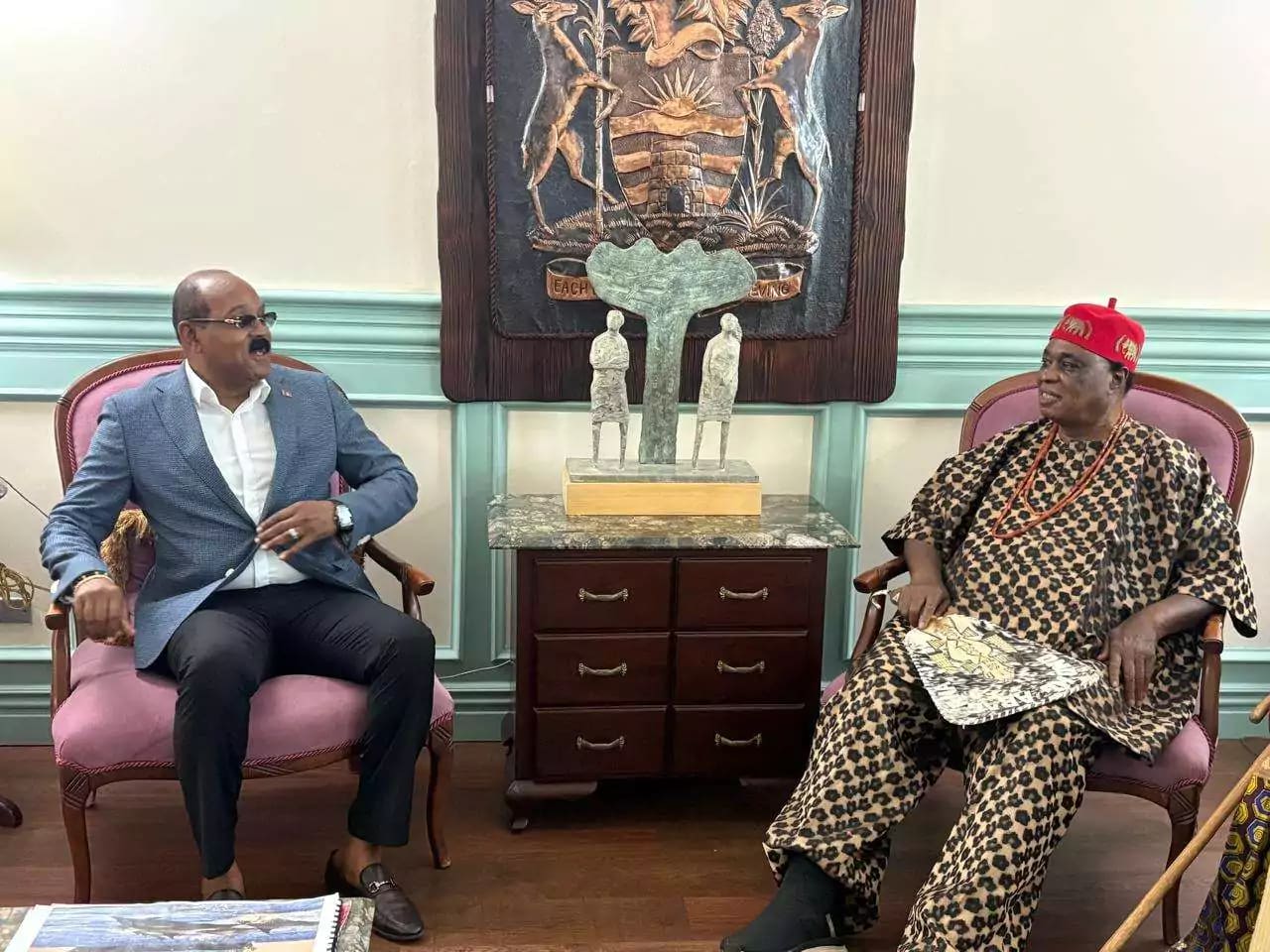
    In a powerful address to Nigerian dignitaries, Antigua and Barbuda Prime Minister Gaston Browne issued a compelling call for radical economic transformation across African and Caribbean nations. Speaking during an official reception for a delegation from Nigeria’s Abagana Kingdom led by Regent Nwachukwu Anakwenze, Browne emphasized the urgent need to break from colonial economic legacies that continue to hinder regional development.

    The Prime Minister presented a critical analysis of how historical forces shaped both regions into ‘extractive economies’ designed to export wealth rather than nurture local prosperity. ‘Our natural resources and agricultural capacities built fortunes abroad while leaving our own populations underdeveloped,’ Browne stated, highlighting the persistent economic disparities stemming from colonial practices.

    Browne pointed to concrete policy actions his administration has taken, notably preventing Canadian financial institutions from selling local banking operations to foreign entities. Instead, his government mandated their transfer to domestic ownership—a controversial decision that has subsequently strengthened Antigua and Barbuda’s financial sector despite initial criticism.

    Emphasizing the necessity of courageous leadership, Browne declared, ‘This is the moment for resolute action. We must prioritize our populations’ interests above external pressures and entrenched established interests.’ He advocated for transitioning toward ‘productive economies’ where wealth circulates within local ecosystems through reinvestment and domestic ownership.

    The Prime Minister also celebrated strengthening ties between Caribbean and African leaders, expressing his anticipation for an upcoming visit to the Abagana Kingdom to further solidify cross-continental cooperation aimed at economic self-determination.

  • LETTER: Reader Questions Hairstyle Policy at Antigua Girls’ High School

    LETTER: Reader Questions Hairstyle Policy at Antigua Girls’ High School

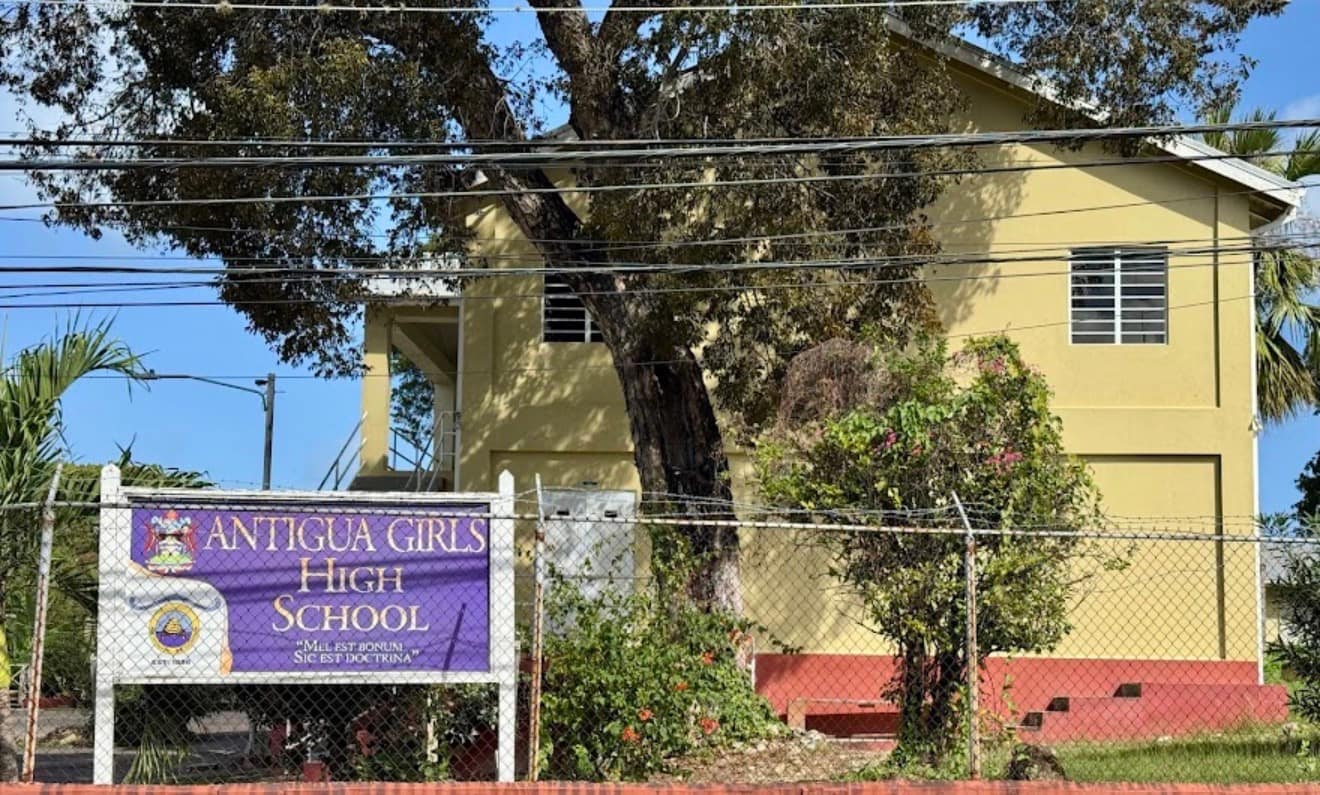
    A contentious dispute over hairstyle regulations at Antigua Girls’ High School has ignited debates about cultural identity and educational equity after a student was repeatedly dismissed from classes for wearing natural hair extensions. The incident began when a student with naturally short hair was instructed to remove crocheted locs she had installed during the Christmas break, which she complied with promptly. Seeking to maintain a presentable appearance, the student subsequently added minimal natural twist extensions to achieve manageable length and neatness for school environments. Despite these efforts toward compliance, school authorities sent her home for the second time within days, deeming even the subtle extensions unacceptable. The situation highlights growing concerns about institutional policies that potentially disadvantage students of African descent who utilize traditional hairstyling methods. Educational observers note that such styles represent both practical hair management solutions and cultural significance for many Caribbean students. The case gains additional complexity as other regional institutions reportedly permit similar natural hairstyles provided they meet general neatness standards. This discrepancy raises questions about consistency and cultural sensitivity in school grooming policies across Antigua’s educational landscape. The student’s experience has sparked broader discussions about whether dress code regulations should evolve to accommodate diverse hair textures and cultural practices while maintaining professional standards.