作者: admin

  • State Department Says Visa Bonds On Antigua and Barbuda and Other Nations Aim to Combat Illegal Overstay Rates, saves Americans money

    State Department Says Visa Bonds On Antigua and Barbuda and Other Nations Aim to Combat Illegal Overstay Rates, saves Americans money

    The U.S. State Department is significantly expanding its visa bond initiative, extending the policy to encompass 50 countries effective April 2. Nationals from these designated nations seeking B-1/B-2 business or tourism visas will be required to post a $15,000 financial guarantee prior to visa issuance. This bond serves as a financial incentive for compliance, with full reimbursement granted to travelers who depart the United States in accordance with their visa terms.

    The program expansion targets the reduction of illegal visa overstays, a persistent challenge in immigration enforcement. Current data demonstrates remarkable effectiveness: approximately 1,000 visas have been issued under the bond requirement, with 97% of bonded visitors returning to their home countries before visa expiration. This compliance rate presents a stark contrast to the previous administration’s final year, which recorded over 44,000 overstays from these same 50 nations.

    Twelve additional countries will now fall under the bond mandate: Cambodia, Ethiopia, Georgia, Grenada, Lesotho, Mauritius, Mongolia, Mozambique, Nicaragua, Papua New Guinea, Seychelles, and Tunisia. These join 38 nations already subject to the requirement, primarily across Africa, Asia, and the Caribbean. The State Department maintains that future designations will be determined through ongoing assessment of immigration risk factors.

    Beyond enforcement benefits, the program generates substantial taxpayer savings. With the average cost of removing an illegally present individual exceeding $18,000, the bonded visa system prevents significant expenditure. State Department estimates indicate approximately $800 million in annual savings—funds that would otherwise be allocated to deportation procedures for those who overstay their authorized period.


  • Caribbean Development Bank initiates program to enhance educational results in Haiti

    Caribbean Development Bank initiates program to enhance educational results in Haiti

    The Caribbean Development Bank (CDB) has formally initiated the Quality Enhancement in Public Education II (QEPE II) Project in collaboration with Haiti’s government, marking a substantial advancement in educational reform for the Caribbean nation. This comprehensive $14.7 million initiative combines a $13 million grant from CDB’s Special Development Fund with $1.7 million in counterpart funding from Haitian authorities to address educational disparities nationwide.

    Building upon the foundational achievements of its predecessor, QEPE II is strategically designed to impact approximately 16,000 students and 700 educators through multifaceted interventions. The program encompasses nutritional support through school feeding programs, financial assistance via tuition waivers, gender-responsive initiatives, technological enhancements through ICT equipment distribution, and comprehensive professional development frameworks for educational personnel. A cornerstone of the project involves the development and implementation of an innovative e-learning platform for secondary students, ensuring educational continuity during socio-political disruptions.

    Dr. Martin Baptiste, Division Chief of CDB’s Social Sector Division, emphasized the transformative potential of the initiative during the launch ceremony: “Education represents one of the most potent instruments for fostering resilience, social stability, and sustainable development. QEPE II constitutes a vital investment in Haiti’s future trajectory, guaranteeing that children across all socioeconomic backgrounds can access secure, supportive, and high-caliber learning environments.”

    Yves Roblin, Director General of Haiti’s Ministry of National Education and Vocational Training, acknowledged the project’s critical timing: “Amidst our nation’s challenges, QEPE II delivers essential support to maintain educational operations and preserve every Haitian child’s fundamental right to education. This collaborative partnership with CDB enhances our institutional capabilities, enriches classroom resources, and ultimately improves student outcomes nationwide.”

    The initiative demonstrates strategic alignment with Haiti’s Decennial Education Sector Plan (2022–2032) and advances national priorities including school health protocols, nutritional support, educational accessibility, and governance improvements. Simultaneously, it supports CDB’s Country Engagement Strategy for Haiti (2023–2025), which identifies human capital development—particularly educational quality and access—as fundamental pillars for sustainable economic growth.

    This educational transformation project further contributes to CDB’s overarching mission of fostering social resilience through educational innovation while simultaneously addressing broader developmental objectives including poverty reduction, gender equality, and inclusive socioeconomic progress. The Bank reaffirms its commitment to supporting Haiti’s long-term developmental aspirations, particularly through expanding educational opportunities for youth and strengthening foundational elements for future national development.

  • Padarath: Rowley ‘despicable’ for calling PM a ‘jamette’

    Padarath: Rowley ‘despicable’ for calling PM a ‘jamette’

    Trinidad and Tobago’s political landscape has been rocked by a severe verbal confrontation between current and former leadership, culminating in allegations of misogyny and systematic dishonesty. The controversy erupted when former Prime Minister Dr. Keith Rowley employed the derogatory term “jamette”—a historically charged Trinidadian epithet implying promiscuity and low social standing—to characterize sitting Prime Minister Kamla Persad-Bissessar.

    Rowley’s inflammatory remarks came during a Tuesday news conference at his Glencoe residence, constituting a direct response to the Prime Minister’s parliamentary allegations from the previous Friday. Persad-Bissessar had asserted that the opposition People’s National Movement (PNM) financed its headquarters, Balisier House, with narco-trafficking proceeds and maintained connections to pedophile networks.

    In a scathing Wednesday rebuttal, Barry Padarath, Minister within the Office of the Prime Minister and Member for Couva South, denounced Rowley’s language as revealing “arrogance, misogyny and moral collapse.” Padarath characterized the former leader’s behavior as a public “meltdown” indicative of a “bitter man whose collapsing legacy rests on contradiction and chronic distortion of facts.”

    The minister contextualized the exchange within Trinidad and Tobago’s broader societal challenges, noting that Rowley had chosen insult over substance despite widespread issues of gender-based abuse and economic pressure affecting women. Padarath identified a persistent pattern of fabrication in Rowley’s political conduct, citing historical controversies including the Police Merit List debacle, disputed Interpol watchlist claims, the Emailgate scandal, and Petrotrin’s controversial closure.

    Further undermining Rowley’s credibility, Padarath highlighted the PNM’s public correction of its former leader’s claim regarding exclusion from the party’s 70th anniversary celebrations. Official invitations dated January 2026 were produced, directly contradicting Rowley’s assertions.

    The minister concluded that Rowley’s conduct reflects “pathological dishonesty” and represents the outbursts of a former leader unable to accept his diminished political relevance, ultimately warning that such behavior damages national discourse and demonstrates how abuse has replaced accountable leadership.

  • CARICOM Chair emphasizes agriculture’s leadership role at launch of regional agricultural insurance in St Kitts and Nevis

    CARICOM Chair emphasizes agriculture’s leadership role at launch of regional agricultural insurance in St Kitts and Nevis

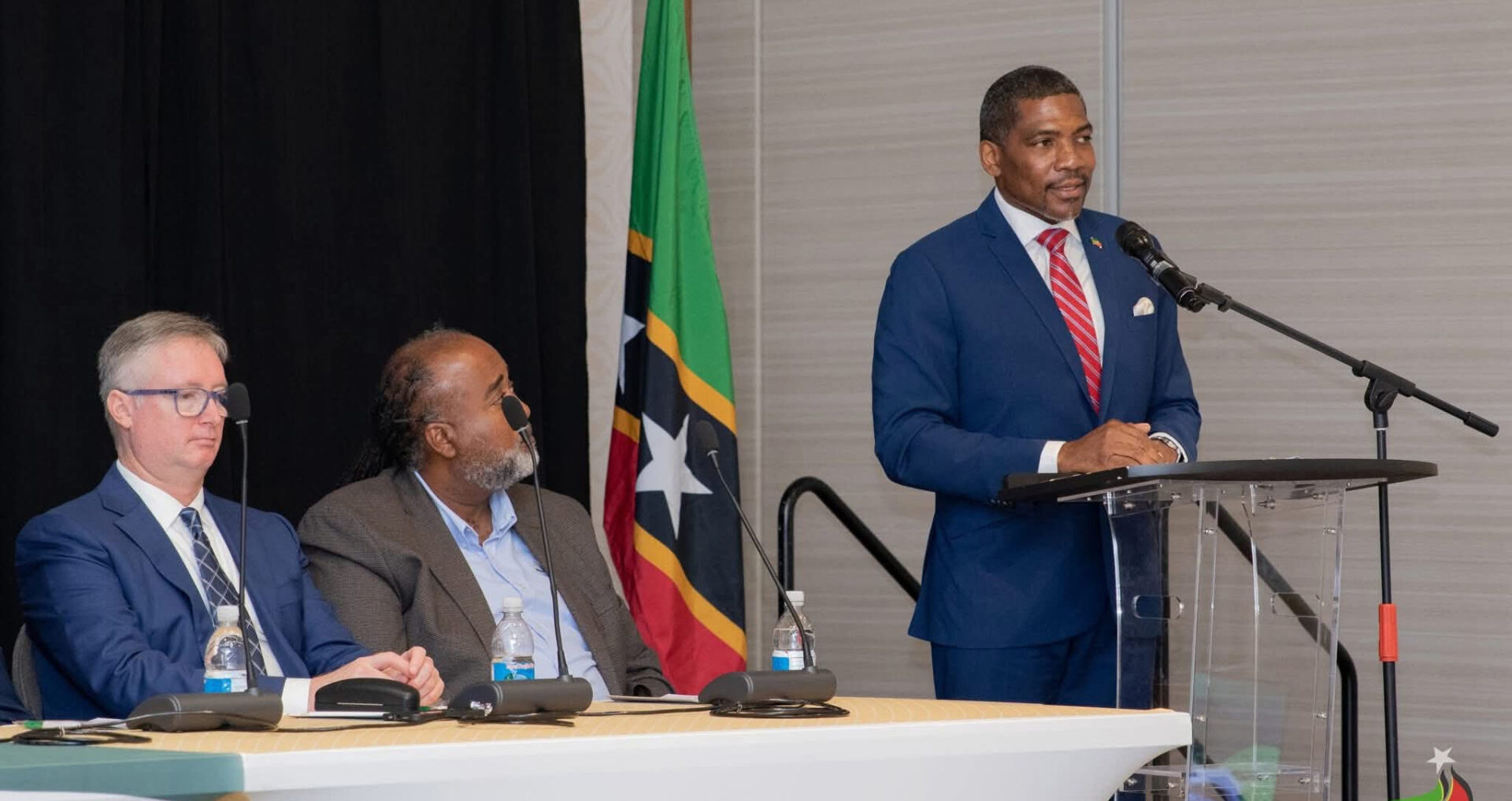
    ST. KITTS AND NEVIS – CARICOM Chairman and Prime Minister of St. Kitts and Nevis, Dr. Terrance Drew, inaugurated the Regional Economical Agri-Insurance Programme (REAP) on Tuesday, March 17, positioning agricultural resilience at the forefront of regional development agendas. The initiative aims to safeguard Caribbean farmers and fishers against devastating financial losses caused by natural disasters.

    In his keynote address, Prime Minister Drew emphasized that agriculture must be central to national development strategies rather than marginalized as a secondary sector. “Agriculture is essential for building a resilient and sustainable island nation,” he stated, according to an official CARICOM release.

    The Prime Minister framed REAP as a testament to the value of regional cooperation, referencing the recent 50th Regular Meeting of CARICOM held in St. Kitts and Nevis. He explicitly addressed skeptics of the regional body: “St. Kitts and Nevis alone could not have done this. This is the value of CARICOM.”

    Dr. Drew highlighted the extreme vulnerabilities faced by agricultural producers, noting that a single catastrophic event could “wipe out millions of dollars in investment with no guarantee of compensation.” REAP establishes a safety net for registered farmers and fishers, providing risk mitigation guarantees that offer “ease of mind” and faster recovery following natural phenomena.

    The program primarily benefits crop farmers, livestock producers, and fishers, representing a fundamental step in strengthening the Caribbean’s agricultural sector. This marks the third launch of REAP following successful implementations in Guyana and Saint Lucia.

    The event featured remarks from St. Kitts and Nevis Agriculture Minister Hon. Samal Duggins, CARICOM Assistant Secretary-General for Economic Integration Dr. Wendell Samuel, and leadership from Lynch Caribbean Brokers Ltd. and National Caribbean Insurance.

    REAP advances the Caribbean’s 25×25+5 food security initiative, which aims to reduce regional food imports by 25 percent by 2030 through enhanced agricultural sustainability and disaster resilience.

  • NMA traint personeel voor betere milieuregels en controle

    NMA traint personeel voor betere milieuregels en controle

    The National Environmental Authority (NMA) has initiated a comprehensive four-day training program designed to enhance staff capabilities in converting environmental impact assessments (EIAs) into actionable and enforceable licensing conditions. Commencing on March 16, 2026, this specialized training is being conducted through a collaborative effort between the Netherlands Commission for Environmental Assessment and WWF-Guianas.

    The core curriculum focuses on three critical areas: strengthening the evaluation of environmental reports, formulating more precise project conditions, and improving monitoring and enforcement mechanisms. The NMA emphasizes that environmental impact assessments should not be considered final documents but rather foundational tools for policy development and implementation.

    According to agency officials, the primary objective of this initiative is to ensure that environmental reports are effectively utilized in practical applications rather than remaining dormant in archives. Deputy Director Iwan Samoender stressed that this knowledge enhancement is essential for balancing economic development with environmental protection and sustainable management of natural resources.

    ‘The transformation of assessment data into enforceable parameters represents a significant advancement in our regulatory approach,’ Samoender noted. ‘This training ensures that theoretical assessments translate into concrete environmental safeguards.’

    The program, which concludes on March 19, 2026, represents a strategic investment in regulatory capacity building that could establish new standards for environmental governance throughout the region.

  • Nine Years, No Trial: Court Rules Paumen’s Rights Violated

    Nine Years, No Trial: Court Rules Paumen’s Rights Violated

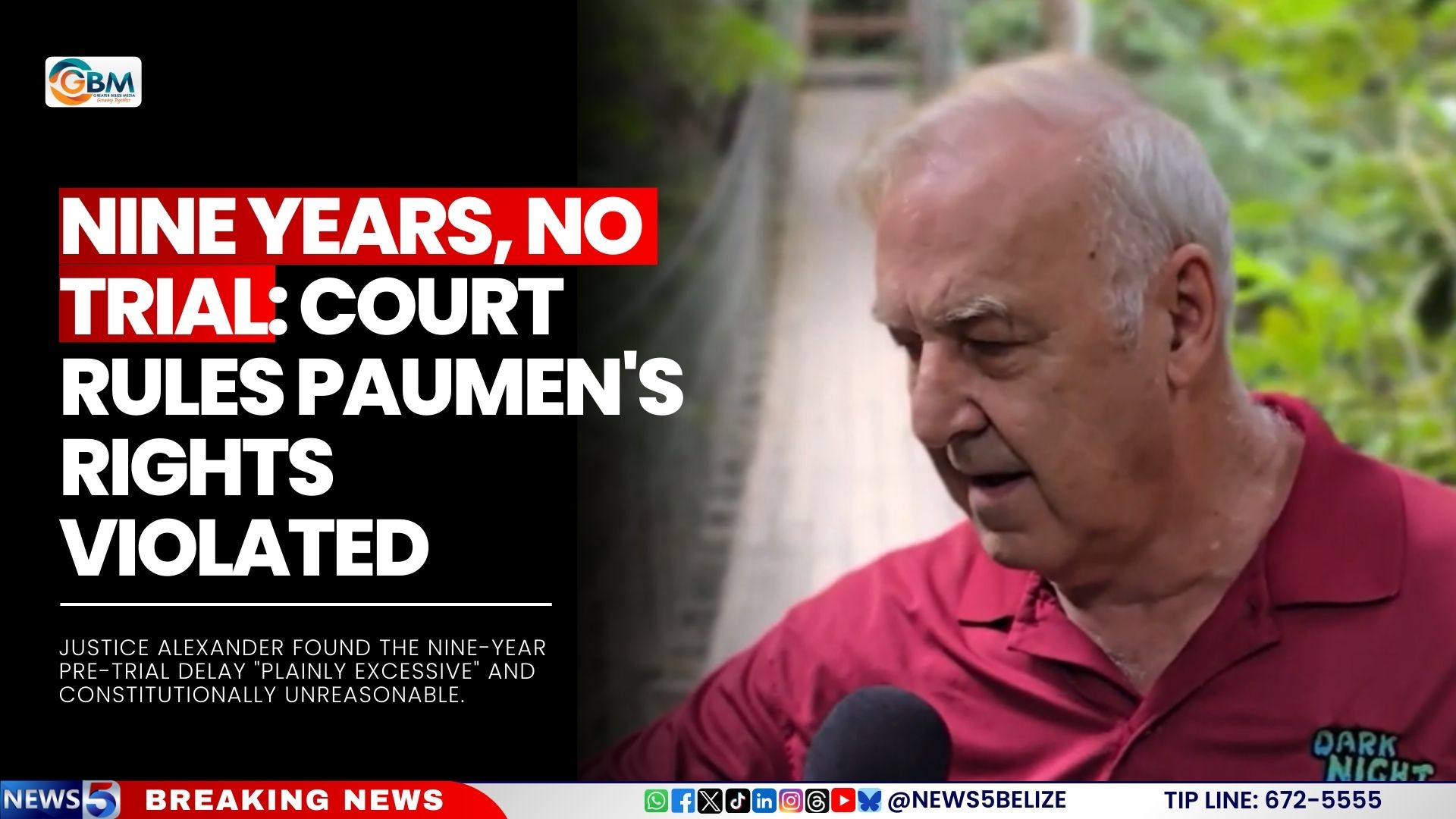
    In a landmark judicial decision, Belize’s High Court has determined that the state violated the constitutional rights of businessman Bradley Paumen through excessive pretrial delays spanning nearly a decade. Presiding Justice Martha Lynette Alexander delivered the ruling this month in case CV29 of 2025, declaring the nine-year postponement of Paumen’s murder abetment trial “plainly excessive” and constitutionally unreasonable.

    The 68-year-old owner of Dark Night Cave Tubing Adventure Park in the Cayo District faced criminal charges since January 2016, accused of soliciting Jerome Crawford to murder four individuals: attorney Nazira Myles, businessman Michael Modiri, security officer Paul Wade, and potential witness Juan Shol. Despite pleading not guilty and remaining on bail, Paumen’s case languished in judicial limbo without progressing to trial.

    Justice Alexander identified “sustained institutional inaction” as the primary cause of delays, particularly highlighting a four-year period from mid-2020 to mid-2024 when the case entered administrative paralysis following two judicial recusals. During this timeframe, the Director of Public Prosecutions encountered contradictory information from court officials regarding case assignment, despite repeated written inquiries and court attendance.

    While acknowledging some delay attribution to defense-requested adjournments in 2019-2020 due to bereavement and illness, plus pandemic-related court disruptions, the court determined these factors accounted for less than two years of the total delay. The overwhelming majority stemmed from systemic institutional failures.

    Paumen’s legal team, led by Magali Marin-Young SC and Allister T. Jenkins, sought comprehensive relief including constitutional violation declaration, permanent case dismissal, and compensatory damages for alleged business losses. The court granted only the declaration of rights violation and ordered expedited case management before Justice Creary-Dixon, mandating trial commencement within six months to avoid automatic case dismissal.

    The ruling declined additional remedies, finding no proven connection between judicial delays and Paumen’s claimed business losses. In a concerning postscript, Paumen was recently hospitalized after sustaining multiple gunshot wounds during a home invasion at his Frank’s Eddy residence, with police detaining one suspect and pursuing two others.

  • Trump Threatens “Imminent Action” Against Cuba

    Trump Threatens “Imminent Action” Against Cuba

    Diplomatic tensions between the United States and Cuba have reached a critical juncture following provocative statements from former U.S. President Donald Trump indicating potential “imminent action” against the Caribbean nation. Cuban President Miguel Díaz-Canel responded forcefully on social media platform X, characterizing the Trump administration’s rhetoric as daily public threats and vowing that any aggression would meet “impregnable resistance.”

    The escalating situation occurs against the backdrop of Cuba’s severe economic crisis, marked by critical shortages of fuel, food, medicine, and recurring power blackouts. These hardships have been exacerbated by tightened U.S. sanctions that disrupted vital oil supplies from Venezuela, Cuba’s primary energy partner.

    Trump’s controversial remarks, which included claims of unrestricted authority to act against Cuba, aligned with Secretary of State Marco Rubio’s calls for radical changes to Cuba’s government and economic systems. The statements have drawn international scrutiny and concern.

    Meanwhile, the geopolitical pressure extends beyond bilateral relations. Throughout Latin America, U.S. influence has prompted several nations to reduce or terminate agreements with Cuban healthcare workers. Belize presents a contrasting case where Prime Minister John Briceño describes “delicate negotiations” regarding the Cuban Medical Brigade’s future. Opposition Leader Tracy Panton advocates maintaining the partnership, emphasizing Cuba’s historical support for Belize’s independence and warning that rural clinics depend critically on Cuban medical personnel. Panton insists Belize must resist external demands that jeopardize this essential healthcare collaboration.

  • PRESS RELEASE: CCJ remits matter to high court for reconsideration

    PRESS RELEASE: CCJ remits matter to high court for reconsideration

    In a landmark ruling with significant implications for Caribbean judicial procedures, the Caribbean Court of Justice (CCJ) has established a comprehensive framework for handling deficient statements of claim in civil litigation. The decision, delivered on March 17, 2026, stems from the case Harry Panday v Malcolm Panday and Deosaran David, originating from Guyana.

    The court’s reasoning addresses a longstanding partnership dispute between brothers Harry Panday (the Applicant) and Malcolm Panday (the First Respondent) concerning a judgment sum of USD 733,451 plus interest that Harry claims belongs to their partnership. The case had previously been struck out at multiple judicial levels—first by Guyana’s High Court, then upheld by both the full Court and Court of Appeal—due to insufficient particulars in the statement of claim.

    The CCJ’s groundbreaking approach, now termed the ‘Panday Approach,’ mandates that courts must first determine whether a pleading discloses a reasonable cause of action before considering striking it out. Crucially, the framework requires judges to conduct a balancing exercise considering multiple factors: effective use of judicial resources, proportionality, fairness to all parties, and the overriding objective of delivering justice.

    Justice Jamadar, delivering the judgment on behalf of the panel comprising Honourable Justices Barrow, Jamadar, Ononaiwu, Eboe-Osuji, and Bulkan, emphasized that cases should be determined on substantive merits rather than procedural technicalities whenever possible. The court found that lower courts had erred in law by failing to consider whether the Applicant should have been granted an opportunity to amend his Statement of Claim before dismissal.

    The ruling represents a significant shift in judicial philosophy toward more substantive justice rather than procedural technicalities, potentially affecting civil litigation practices throughout the Caribbean Community. The full judgment is available for legal professionals and scholars on the CCJ’s official website at www.ccj.org.

  • Anse La Raye e-waste drive collects 500 pounds of electronics

    Anse La Raye e-waste drive collects 500 pounds of electronics

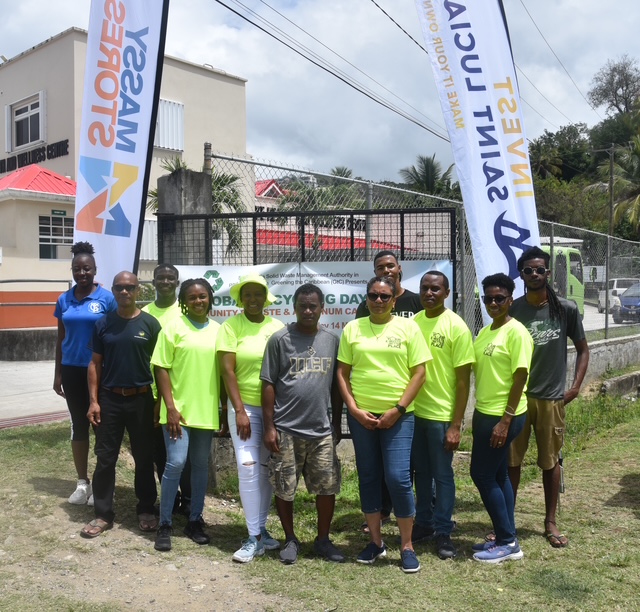
    In a powerful demonstration of environmental consciousness, the Anse La Raye community in Saint Lucia mobilized impressively for an electronic waste collection drive on March 14. The event, organized collaboratively by Greening the Caribbean (GtC) and the Saint Lucia Solid Waste Management Authority (SLSWMA), attracted over 90 participants who responsibly disposed of approximately 500 pounds of electronic equipment ahead of Global Recycling Day 2026.

    The community turnout significantly surpassed organizer expectations, signaling a notable shift toward sustainable waste management practices among residents. The collection encompassed diverse electronic items including small household appliances, mobile devices, computers, cooling fans, and lighting fixtures.

    A strategic innovation contributed to the event’s success: Massy Stores’ recycling trailer was deployed directly within the community for the first time, providing unprecedented accessibility. The unit filled rapidly as residents seized the opportunity to discard unwanted electronics through proper channels.

    Emlyn Jean, Information and Communications Manager at SLSWMA, emphasized the existential urgency: ‘We’re a small island. Our soil, our water, our coastline; these aren’t abstract things, they’re our livelihood. When electronics break down in landfills, they release lead, mercury, cadmium—real toxins. We can’t afford to ignore that. And honestly, we don’t have to. That’s what today proves.’

    Organizers highlighted that electronic waste represents one of the Caribbean’s fastest-growing waste streams and among the most hazardous when mismanaged. All collected materials will undergo processing at Greening the Caribbean’s Recycling Centre for systematic sorting, disassembly, and preparation for export to specialized facilities that transform them into new products.

    Wayne Neale, Chief Operating Officer of Greening the Caribbean, explained the technical process: ‘At our recycling services center, e-waste, aluminum, plastic beverage containers and other recyclables are handled using best environmental techniques that are safe for people and the environment—contributing to closing the circular economy loop. At events like this, folks bring it in, so it gets handled properly. No dumping, no burning, no landfill unless absolutely unrecyclable. That’s the difference. Old electronics. New purpose.’

    This initiative forms part of an Integrated E-Waste Management program developed by Greening the Caribbean and SLSWMA with support from IDB Lab. The program aims to establish a structured, sustainable framework for electronic waste management in Saint Lucia while fostering increased community engagement and responsible disposal behaviors.

    Key supporting partners included Massy Stores St. Lucia, Invest Saint Lucia, the Saint Lucia Air and Sea Ports Authority, the Anse La Raye Constituency Council, Anse La Raye Facilities Management Committee, NEMO, the Ministry of Equity, and the Caribbean Youth Environment Network.

  • Voter confirmation is a prerequisite for casting ballot, says former gov’t minister

    Voter confirmation is a prerequisite for casting ballot, says former gov’t minister

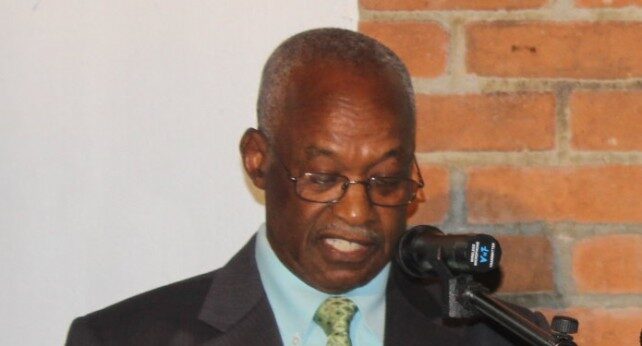
    In a compelling address at a recent Town Hall Meeting hosted at Newtown Primary School, former Dominican government minister Ambrose George issued a critical public advisory regarding electoral participation. The seasoned politician emphasized the mandatory nature of voter confirmation procedures, warning constituents that incomplete registration could disenfranchise them in upcoming elections.

    George articulated with clarity that historical presence on voter rolls provides no guarantee of voting eligibility. “Merely having your name previously listed doesn’t authorize participation in future elections,” he stated during the gathering. The procedural requirement demands that all prospective voters undergo a formal confirmation process to appear on the official roster of confirmed electors—the only document permitting ballot access.

    The former minister outlined tangible consequences for non-compliance: “Arriving at polling stations without confirmed status constitutes wasted effort and lost opportunity.” He framed confirmation as essential to exercising fundamental democratic rights, enabling citizens to select both their preferred local representatives and national governance leadership.

    The confirmation protocol involves multiple verification stages: First, officials cross-reference applicants against the May 2025 voter registry. Subsequently, they validate witness registration within identical polling districts while reviewing supporting documentation. Participants must then complete and sign Form 31 under supervision of enrollment officers and witnesses.

    Finally, authorities photograph applicants and scan documents into electronic databases, with applicants verifying accuracy through dual-screen review systems. Successful applicants receive Form 32 receipts as confirmation of completed registration—the ultimate safeguard for electoral participation.