作者: admin

  • ABCAS launches poultry and crop courses to support food production

    ABCAS launches poultry and crop courses to support food production

    In a strategic move to enhance domestic food production capabilities, the Antigua and Barbuda College of Advanced Studies (ABCAS) has unveiled two specialized short-term programs in agricultural practices. The institution’s School of Agriculture will administer both the Broiler Poultry Production and Crop Production courses, which are specifically crafted to deliver practical, applicable skills for home-based and small-scale agricultural operations.

    Department Head Andrea Edwards-Browne emphasized the comprehensive nature of the poultry curriculum, which encompasses the entire lifecycle of broiler chickens—from nurturing day-old chicks through market preparation stages. The initiative emerges against the backdrop of persistent food security challenges, particularly acute within small island developing states like Antigua and Barbuda.

    “Global food security concerns have taken on renewed significance, and for our nation, developing self-sufficiency in food production is paramount,” Edwards-Browne stated. “Our instructional approach begins with fundamental principles, guiding participants through crop initiation, effective management techniques, and final market readiness.”

    The college has structured both programs as 10-week intensive studies, with poultry classes convening on Mondays and Wednesdays while crop production sessions occur on Tuesdays and Thursdays. This scheduling framework enables simultaneous enrollment in both courses, reflecting ABCAS’s commitment to encouraging multifaceted agricultural engagement.

    These educational initiatives represent a concerted effort to stimulate community participation in agricultural sectors and expand local food output capacities, addressing both immediate food security needs and long-term sustainable development goals.
  • PM Browne calls for a realignment of African and Caribbean economies

    PM Browne calls for a realignment of African and Caribbean economies

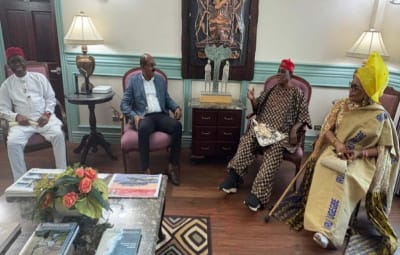
    In a significant address to a Nigerian royal delegation, Antigua and Barbuda Prime Minister Gaston Browne issued a powerful appeal for economic transformation across African and Caribbean nations. The Prime Minister received Dr. Nwachukwu Anakwenze, soon to be installed as King of Abagana Kingdom from Nigeria’s Anambra State, at his official residence.

    Browne delivered a critical analysis of what he termed ‘extractive economies’ that continue to plague both regions. He articulated how historical plundering created generational wealth in Europe while simultaneously establishing persistent poverty in Africa and the Caribbean. The Prime Minister emphasized that these nations have yet to achieve their full economic potential due to these deeply entrenched systems.

    The Antiguan leader presented a concrete example from his own administration’s experience with international banking operations. When two major Canadian banks attempted to withdraw from the region and sell their local branches externally, Browne’s government intervened decisively. Despite facing personal criticism and being labeled a ‘dictator,’ he refused to sign the necessary Vesting Orders unless the banks agreed to local ownership.

    This steadfast approach resulted in the successful sale of bank branches to local financial institutions, which have since grown substantially and now retain profits within the domestic economy. Browne framed this as emblematic of the ‘bold leadership’ required to counter special interests that resist economic sovereignty.

    The Prime Minister connected current economic challenges directly to historical injustices, noting how European powers deliberately destabilized African and Caribbean economies through slavery and colonialism. He asserted that it remains possible to redesign economic systems to transition from extractive to productive models that benefit regional populations.

    Browne expressed particular satisfaction with the Nigerian delegation’s visit and indicated his intention to reciprocate with a future visit to the Abagana Kingdom, signaling strengthened diplomatic ties between the regions.

  • PHOTOS: Roadworks Underway Across Multiple Communities in Antigua

    PHOTOS: Roadworks Underway Across Multiple Communities in Antigua

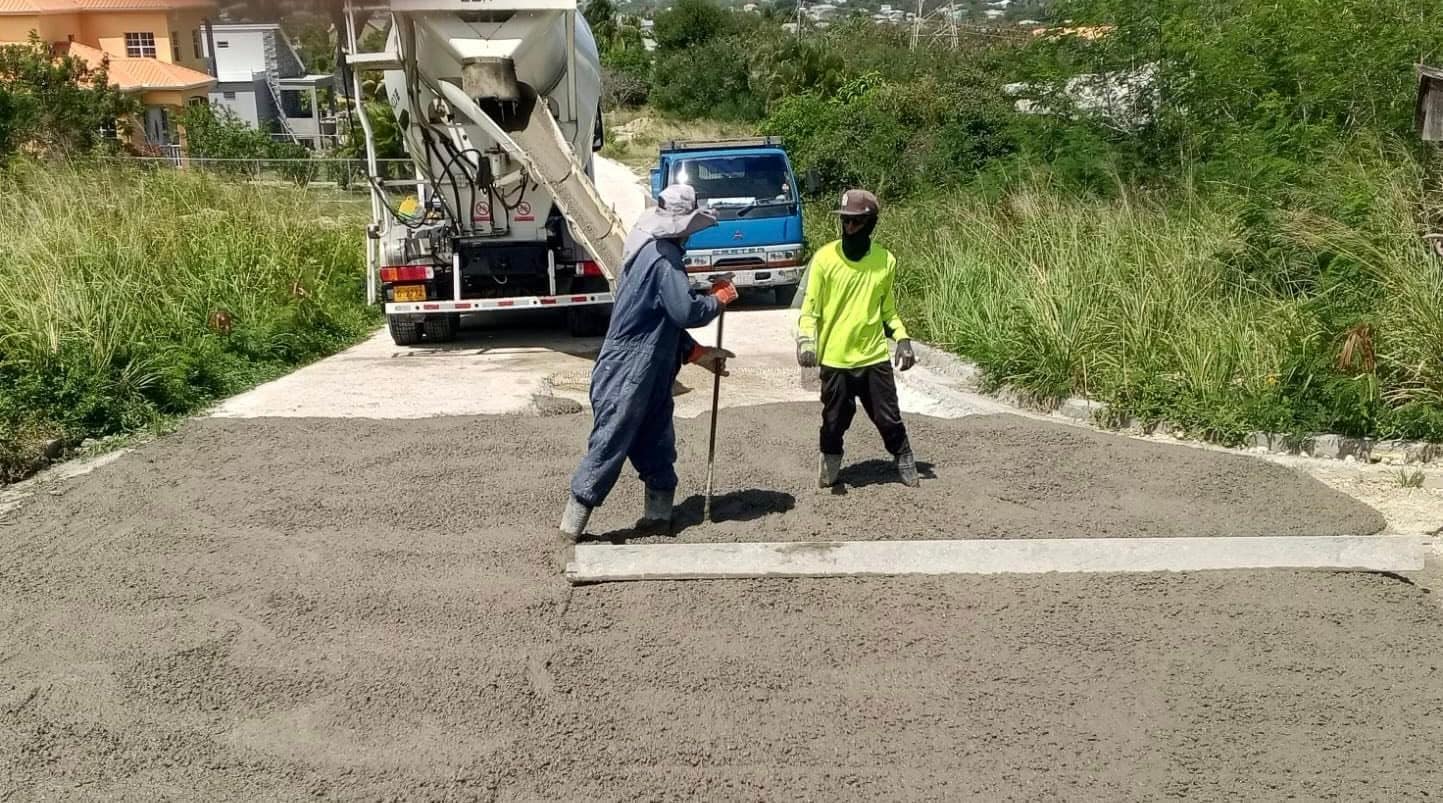
    The Caribbean nation of Antigua and Barbuda has initiated a comprehensive road rehabilitation initiative across multiple key communities as part of its ongoing national infrastructure enhancement program. The Ministry of Works is currently executing significant roadworks in the Potters, Piccadilly, Gunthrope’s, and Lightfoot districts, marking a crucial phase in the government’s broader strategy to modernize transportation networks and improve public infrastructure.

    This infrastructure development project represents a substantial investment in the nation’s physical assets, focusing on improving road surfaces, drainage systems, and overall transportation safety. The selected areas for rehabilitation have been prioritized based on traffic volume assessments and community needs evaluations conducted by transportation authorities.

    The strategic implementation of these improvements aligns with the government’s commitment to sustainable development and economic growth through enhanced infrastructure. By addressing road conditions in these densely populated and frequently traversed areas, the Ministry aims to reduce vehicle maintenance costs for residents, decrease travel time, and improve overall accessibility to essential services and economic centers.

    Infrastructure experts note that well-maintained road networks serve as critical economic enablers, facilitating smoother commerce, tourism access, and daily commuting. The current projects demonstrate the administration’s proactive approach to maintaining public assets and investing in long-term solutions rather than temporary repairs.

    Local residents and businesses have been notified of construction schedules and potential temporary disruptions, with authorities emphasizing that short-term inconveniences will yield long-term benefits through improved road quality and enhanced safety features.

  • Damaru nieuwe directeur Anthony Nesty Sporthal, wil NIS nieuw leven inblazen

    Damaru nieuwe directeur Anthony Nesty Sporthal, wil NIS nieuw leven inblazen

    In a significant leadership transition, renowned entertainer and entrepreneur Dino ‘Damaru’ Canterburg has officially assumed the role of Director at Suriname’s Anthony Nesty Sporthal (ANS), commonly known as the National Indoor Stadium (NIS). The appointment ceremony occurred Wednesday with minimal public attention, where Canterburg formally signed the official documentation under the supervision of Sports Director Enrique Ralim, foundation board members, and staff.

    The transfer of responsibilities included a brief spiritual blessing ceremony, during which Canterburg received assurances of broad institutional support for his forthcoming initiatives. The new director immediately outlined his comprehensive vision to restore the stadium as Suriname’s premier venue for major sporting events, cultural performances, and entertainment exhibitions.

    Among his most ambitious proposals is the creation of an annual December festival inspired by the Netherlands’ Kwaku Festival, strategically timed to coincide with the return of overseas Surinamese nationals. This envisioned event would showcase the nation’s culinary diversity, musical heritage, and cultural traditions within the NIS complex.

    Canterburg acknowledged the facility’s current challenges, prioritizing immediate renovation of the deteriorated flooring system that has drawn complaints from event organizers. ‘Quality infrastructure begins with a solid foundation, particularly for athletic activities,’ he stated. Subsequent phases will address audience seating areas and sanitation facilities.

    Emphasizing collective effort, the new director appealed to national unity: ‘Suriname, we must accomplish this together. Let us restore the era of packed stands during futsal tournaments and school performances. By 2030, we should proudly declare: Mission accomplished—this is truly our national indoor stadium.’

  • Hunt on for ‘family friend’

    Hunt on for ‘family friend’

    The tranquil community of Cedros, Granville, has been shattered by the brutal murder of 28-year-old Rashme Deoajit, a beloved local cricketer found slain in her Tat Trace residence on Tuesday afternoon. The victim was discovered by her brother with fatal stab wounds and her throat slit, in what investigators describe as a deeply personal crime.

    According to homicide reports, the primary suspect is a male acquaintance whom Deoajit had generously allowed to stay at her home despite his impoverished circumstances. The investigation reveals that on Monday evening, Deoajit, her brother, and the suspect had been socializing with alcohol at her residence before moving to a friend’s nearby home around 6 p.m. Witnesses reported seeing Deoajit and the suspect engaged in a heated argument approximately two hours later, after which they departed together.

    The tragedy unfolded the following day when Deoajit’s brother became concerned after receiving no response to his calls at her locked home. Forcing entry through a window, he made the horrific discovery of his sister’s blood-soaked body in her bedroom, prompting immediate alarm among family members who contacted authorities.

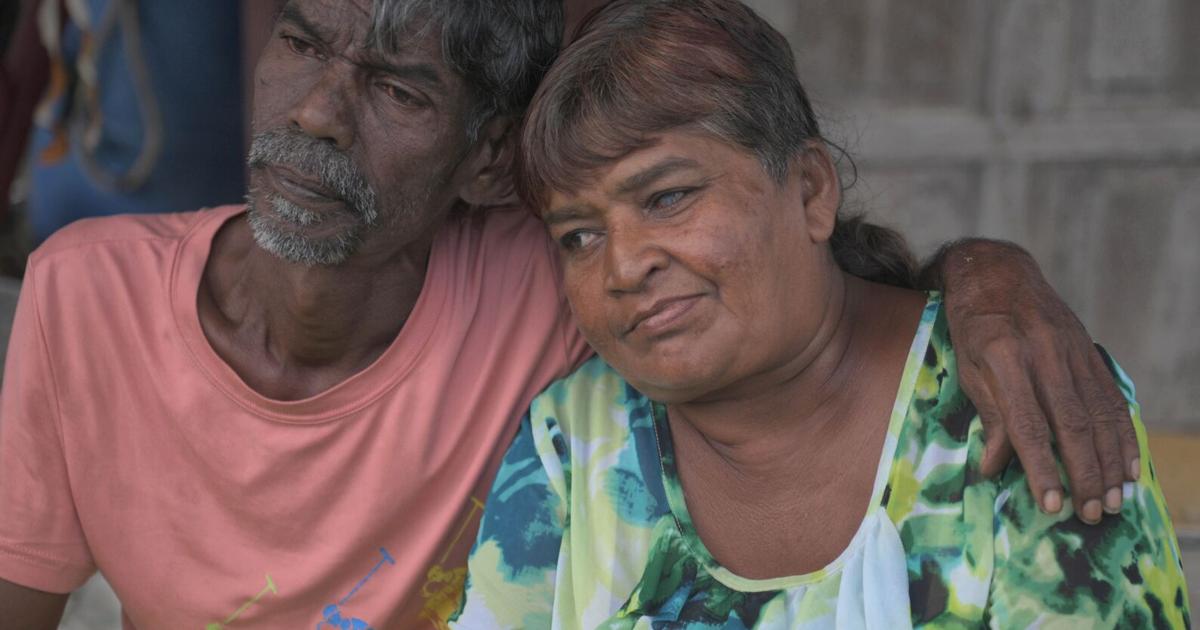
    Deoajit’s grieving father, Sookraj Deoajit, emotionally recounted his daughter’s compassionate nature, revealing she had taken in the suspect—a friend of her cousin—simply because he had nowhere else to go. ‘She was soft-hearted,’ he wept, using his affectionate nickname ‘Pumpkin’ for his daughter. The father confirmed there was no romantic relationship between them, with the suspect merely performing household chores while Deoajit worked as a sales merchandiser.

    The family’s devastation is compounded by the loss of a talented athlete who represented Cedros Secondary School and numerous cricket clubs nationwide, earning widespread respect for her sportsmanship. Her mother, Savita Deoajit, joined calls for justice, urging authorities to address escalating violent crime while remembering recent beach outings with her daughter.

    In response to the tragedy, the bereaved father has demanded the reinstatement of capital punishment for murder convictions, arguing that taxpayer funds should not support incarcerated violent offenders while crimes continue unchecked. The case has drawn disturbing parallels to other recent murders of young women, highlighting growing community concerns about safety and judicial effectiveness.

  • Warns Quarry faces 16 money laundering charges

    Warns Quarry faces 16 money laundering charges

    A subsidiary of the Warner Group conglomerate is confronting sixteen distinct money laundering charges following an extensive financial investigation into suspected illegal quarrying operations. Law enforcement officials disclosed in a recent press statement that Warns Quarry Company Ltd faced these criminal allegations after receiving formal guidance from the Office of the Director of Public Prosecutions (DPP).

    Court documents reveal that initial complaints were formally submitted on March 5th, with summonses subsequently delivered to company director Allan Warner at his Woodbrook residence this past Wednesday. The judicial proceedings have been calendared for April 27th, marking the next phase in this developing legal confrontation.

    Investigative authorities indicate these charges represent a single component within a broader examination of purportedly unlawful quarrying activities, with particular forensic attention directed toward financial transactions and fund movements allegedly connected to these operations. This development amplifies existing legal challenges for the Warner Group, a diversified corporation with substantial investments across construction, quarrying, and real estate sectors.

    The current money laundering case emerges alongside previously instituted legal actions against the conglomerate. In a separate 2022 proceeding, 74-year-old Allan Warner, his son Aluko Warner, and multiple associates faced charges of processing mineral aggregates without mandatory licensing, constituting violations under the Minerals Act. Warner voluntarily surrendered to authorities accompanied by legal counsel and secured release after posting $100,000 bail with surety. That case continues pending review at the Arima Magistrates’ Court.

    Those earlier allegations originated from police operations at a Wallerfield processing facility where law enforcement reportedly discovered operational machinery lacking required regulatory approvals. Beyond criminal proceedings, Warner Group entities have pursued litigation within the High Court challenging regulatory interventions by state agencies, including enforcement actions and compliance mandates affecting quarrying operations.

  • Doubles vendor’s son kidnapped; ransom demanded

    Doubles vendor’s son kidnapped; ransom demanded

    A violent abduction has shaken the community of Aranjuez as 21-year-old Cody Narine, son of a local doubles vendor, remains captive following his kidnapping by armed assailants. The incident occurred in the early hours of Wednesday morning at Tyrico Bay on Trinidad’s North Coast, where seven armed men reportedly seized the young man.

    According to family sources, Narine had left his John-Dulam Street residence on Tuesday evening, informing relatives of his intended destination without providing specific reasons for the trip. The abduction took place approximately at 1 a.m., with subsequent confirmation coming via a ransom demand of US$50,000 communicated directly to the family.

    The Express visited the Narine family residence, where visible signs of their food business ‘Donkee + Audie’s Doubles’ marked the property. Family members maintained a guarded silence, though one relative confirmed the ransom demand while others gathered in quiet concern beneath the house. Neighbors described Cody as a familiar presence in the community and praised the family’s culinary business.

    This kidnapping marks Trinidad’s first ransom abduction for 2026, following the high-profile December kidnapping of businessman Derrick Tardieu and his wife Claribel. In that previous case, kidnappers initially demanded US$2.5 million before reducing their request to TT$100,000, with both victims eventually released after ransom payments.

    The Anti-Kidnapping Unit has launched a full investigation into Narine’s abduction, deploying specialized resources to secure his safe return while addressing the concerning pattern of ransom-driven criminal activity in the region.

  • SHE’S OUT OF PLACE

    SHE’S OUT OF PLACE

    A significant institutional conflict has emerged between Trinidad and Tobago’s Tertiary Education Ministry and the leadership of the University of the West Indies (UWI) regarding the planned relocation of the Faculty of Law to the Debe South Campus. Minister Dr. Prakash Persad has expressed profound shock and disapproval after UWI officials informed students of a government-mandated relocation without proper authorization.

    The controversy stems from an official email dispatched on March 18, 2026, by Law Dean Dr. Alicia Elias-Roberts, which asserted that the government had ordered the law school’s transfer to the Debe facility by August 2026. The communication detailed a recent site inspection conducted by university administrators and media representatives, and scheduled town hall meetings to address student concerns.

    Minister Persad vehemently disputed the university’s claims during an interview, emphasizing that no definitive government policy exists regarding the campus’s future. He revealed that during a January 19 meeting with all stakeholders—including UWI Principal Prof. Rose-Marie Belle Antoine and representatives from Palo Seco Agricultural Enterprises Ltd—it was explicitly communicated that final decisions would require Cabinet approval led by Prime Minister Kamla Persad-Bissessar.

    The minister characterized the university’s actions as particularly discourteous, noting that neither his ministry nor the construction contractors received prior notification about the media visit to the ongoing construction site. He reiterated that the Debe campus remains under government supervision until renovation works are completed and officially handed over to UWI.

    Historical context reveals the campus represents a $600 million project initially conceived during Persad-Bissessar’s first administration (2010-2015). Despite its original purpose to host management studies, psychology, economics, education, and law programs, the facility has remained largely inactive for nearly a decade, seeing only temporary use as a COVID-19 step-down facility.

    The current administration has committed to revitalizing the abandoned campus, with Minister Persad assuring that necessary corrections are underway to prepare the facility for potential September occupancy. However, he maintains that ultimate determinations regarding the campus’s academic purpose will be made at the cabinet level, not by university administration.

    University officials have not provided immediate commentary regarding the minister’s statements, leaving unresolved the tension between institutional autonomy and governmental oversight in Trinidad’s higher education landscape.

  • Areas of daily traffic pain

    Areas of daily traffic pain

    A comprehensive parliamentary investigation has revealed severe systemic failures in Trinidad and Tobago’s traffic management system, with Wrightson Road in Port of Spain emerging as a critical pain point. The Joint Select Committee’s final hearing on traffic efficiency uncovered multiple dimensions of the transportation crisis affecting major corridors across the nation.

    The inquiry identified several problematic zones including Chaguaramas, the southbound lane of Uriah Butler Highway, and various districts in South Trinidad and Chaguanas. Committee member Phillip Alexander highlighted the daily gridlock on Wrightson Road between 3-6 PM, demanding accountability from the Port Authority of Trinidad and Tobago (PATT) regarding its impact on traffic flow.

    Alexander proposed strategic interventions including staggered port operating hours, scheduled heavy vehicle movements, and enhanced collaboration with business stakeholders. He specifically recommended restricting trucks over five tonnes during peak periods and implementing gate closures at strategic times.

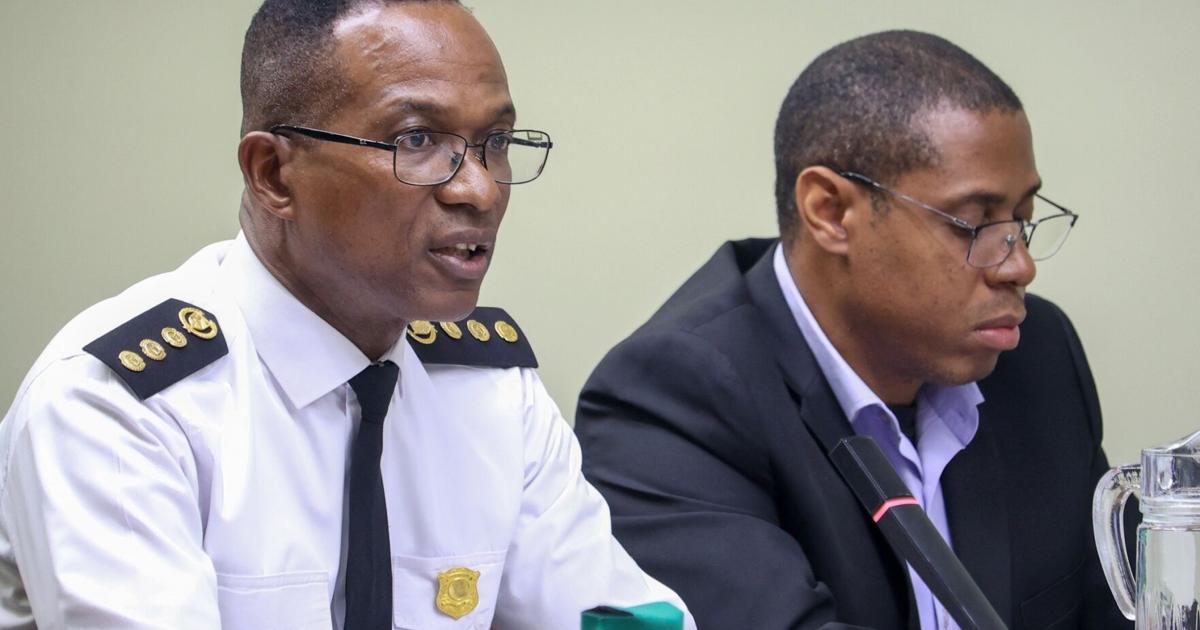
    Port of Port of Spain acting CEO Candice Baptiste defended the facility’s operations, revealing that 92% of truck movements occur outside peak hours with an average throughput of 17 trucks hourly. Baptiste cautioned against rigid scheduling, emphasizing the port’s role as an interconnected ecosystem that cannot control cargo reception timelines. She warned that restrictive measures might impose additional costs on businesses and logistics providers.

    Transport Ministry engineers presented a broader perspective, identifying Chaguaramas port operations and seasonal festival traffic as compounding factors. Chief Engineer Anande Piggott described Chaguanas as a particularly complex case where commercial growth has dramatically outpaced road infrastructure development. The proliferation of unauthorized taxi stands emerged as a persistent challenge, with relocation efforts often disadvantaging vulnerable commuters and students.

    Transport Commissioner Clive Clarke attributed the crisis to deficient development planning, noting that road infrastructure has failed to keep pace with commercial expansion and vehicle population growth. He emphasized that strengthened law enforcement, including rigorous driver licensing and vehicle inspections, could significantly alleviate congestion.

    Officials acknowledged institutional challenges including staffing shortages that hamper inter-agency coordination. The ministry emphasized ongoing efforts to modernize transportation infrastructure through police collaboration and public consultation processes. Chief Traffic Warden Neville Sankar revealed critical manpower deficiencies, noting complete absence of traffic wardens in Tobago and insufficient coverage in Trinidad.

    The committee concluded that solving Trinidad’s traffic woes requires multi-faceted approaches addressing infrastructure deficits, enforcement mechanisms, and behavioral changes among motorists.

  • Francophonie Week 2026 Celebrated at Alliance Française de St. Kitts & Nevis

    Francophonie Week 2026 Celebrated at Alliance Française de St. Kitts & Nevis

    The Alliance Française de St. Kitts & Nevis is poised to host Francophonie Week 2026, a dynamic cultural extravaganza scheduled for March 19-20 that will showcase the rich tapestry of French-speaking nations. This annual international celebration honors linguistic diversity and shared values of dialogue and peace across the Francophone world.

    The two-day program will feature dedicated country themes, cinematic experiences, and culinary delights. March 19 will spotlight Canadian culture with screenings of ‘Kina et Yuki’ for family audiences and ‘Bootlegger’ for adult viewers, complemented by traditional Canadian pastries and pies during an interactive snack break.

    March 20 will turn its focus to French culture with daytime educational programs for partner school students and evening public events. The program includes the animated feature ‘Dilili à Paris,’ authentic French viennoiseries and crêpes, and the Défi Inter-Alliances challenge. All film presentations will feature French audio with English subtitles to ensure broad accessibility.

    The event enjoys support from diplomatic partners including the High Commission of Canada in Barbados and the French Embassy to the OECS Member States, alongside local sponsors Park Hyatt, Belle Mont Sanctuary Resort, TDC Group Limited, and several bakeries. All activities and tastings are offered free to the public, reflecting the organization’s commitment to cultural accessibility.

    The Alliance Française, operating globally as a non-profit organization, maintains its mission to promote French language and Francophone cultures while celebrating cultural diversity through eclectic programming that includes culinary workshops, artistic events, and educational initiatives.