作者: admin

  • ‘Don’t dismiss young men as lost causes’

    ‘Don’t dismiss young men as lost causes’

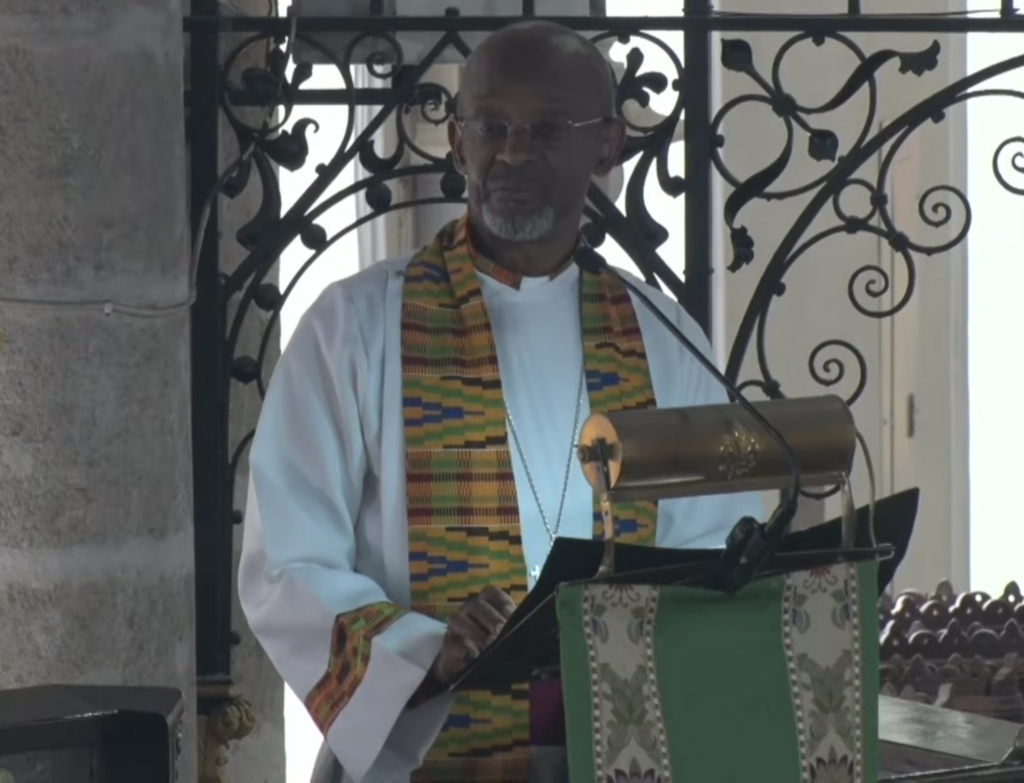
    On the Second Sunday after Pentecost at Bridgetown’s St Michael’s Cathedral, a senior Anglican cleric delivered a landmark sermon challenging Barbadian society to move beyond quick judgments and harmful stereotypes of young men trapped in cycles of unemployment, despair, and violent harm, emphasizing that these vulnerable youth must not be written off as lost causes.

    Reverend Canon Stephen Fields, speaking during celebrations marking the ninth anniversary of the cathedral’s St. Michael’s Centre for Faith and Action — a community-focused ministry dedicated to outreach, public education, and poverty alleviation — told gathered worshippers that most pressing issues dominating national public discourse demand nuanced, empathetic investigation rather than snap moral judgment. “Our young men are brimming with untapped promise, yet too many are caught in inescapable cycles of joblessness, hopelessness, and early death,” Fields told the congregation. “It is far too easy to slap a label on them, dismiss their struggles out of hand, or claim they have simply strayed from the right path. But the core message of the gospel calls us to look again, and to look far deeper than surface appearances.”

    The cleric pushed both religious communities and the broader public to critically examine the structural and social factors that drive the widespread struggles facing Barbadian young people. He posed a series of probing questions: “What systemic forces have shaped the paths these young men walk? What opportunities have been systematically withheld from them? What deep wounds have they carried that have never been allowed to heal? These are not abstract questions — they are the urgent breaking story of our time. Every evening on the news, every morning as we read our papers, we ask what has gone wrong to create this reality. We cannot stand apart as outsider judges; we must lean in to understand.”

    Turning to broader debates about the role of organized religion in 21st-century society, Fields acknowledged growing public skepticism about the relevance of faith institutions in an increasingly fast-changing world. He noted that many critics argue churches prioritize protecting outdated traditions and institutional self-preservation over addressing urgent modern crises, from economic inequality and mental health access to systemic racism, community violence, climate change, and the unique pressures weighing on younger generations. In particular, Fields recognized that many young people today view the church as overly formal, judgmental, and disconnected from their daily lived experiences. But he pushed back against this critique by outlining a historic pattern of renewal within Christianity, arguing that the faith has always survived criticism through adaptation, not rigid stagnation. “The church has survived not by refusing to change, but by adapting, reorienting its mission, and reconnecting the core message of the gospel to the lived realities of each new generation,” he explained.

    Drawing a parallel from the Gospel of Matthew, which recounts Jesus calling the tax collector Matthew — a figure widely marginalized in his own time — to follow him, Fields held this up as a guiding model for modern Christians. “Jesus did not see Matthew as a person to be avoided; he saw him as a child of God worth approaching and calling to a new path. Faith begins when we stop seeing people as problems to be solved, and start seeing them as possibilities to be nurtured,” he said.

    Meaningful community service and ministry, he added, requires first listening to the personal stories that shape people’s lives and struggles. “Ministry that only skims the surface of people’s experiences can never heal the deep wounds that lie beneath,” he emphasized.

    Throughout his address, Fields wove together the core concepts of worship and active social good, stressing that authentic Christian faith cannot stay confined within the walls of a church building. “When there are people in our community going hungry, the church does not only stop to pray — we provide food. When injustice continues unchallenged, we do not stay silent; we advocate, we speak out, and we act. When disaster hits our communities, we do not just reflect on what happened — we rebuild together,” he said.

    Praising the nine years of work done by the St. Michael’s Centre for Faith and Action, Fields noted that the organization’s work serving vulnerable low-income communities puts this belief into practice. “Feeding a hungry neighbor is theology in action. Serving your local community is theology in action. When the church engages pressing public issues with thoughtfulness and courage, that too is God’s work made visible,” he said.

    In closing, Fields challenged all attendees to recognize the presence of the divine in the daily struggles and quiet resilience of Barbadian communities. “Do we see God in the resilience of people who refuse to give up? In the struggle for a better life? In acts of neighborly generosity? In communities that refuse to abandon one another? If you can see God there, you will know where you are called to serve: not as a bystander on the sidelines, but as an active participant in building a more just and compassionate world through God’s work.”

  • Governor General Visits Nation’s Oldest Centenarians During Centenarian Week Celebrations

    Governor General Visits Nation’s Oldest Centenarians During Centenarian Week Celebrations

    Across the country, annual Centenarian Week celebrations have drawn national attention to the remarkable stories of people who have lived for more than a century, and this year’s agenda included a special, heartfelt visit from the nation’s Governor General to meet the oldest centenarians in the country.

    Centenarian Week was created to recognize the wisdom, resilience, and lifelong experiences of adults who have reached the 100-year milestone, many of whom have lived through dramatic historical shifts, from world wars to the digital revolution. The event series fosters intergenerational connection and highlights the unique perspectives that long-lived citizens bring to national identity.

    During the visit, the Governor General met one-on-one with several of the oldest participating centenarians, listening to their personal anecdotes, exchanging gifts, and formally recognizing their contributions to their communities over decades of life. Many of the centenarians shared small, vivid memories of everyday life a century ago, offering attendees and organizers a rare, intimate window into the past that cannot be found in history textbooks.

    Community organizers noted that the Governor General’s visit brought unprecedented visibility to Centenarian Week, boosting public interest in celebrating aging and honoring the oldest members of society. Local leaders added that the event also sparks important conversations about senior care, quality of life for aging adults, and the value of retaining intergenerational bonds in modern communities.

    The visit wrapped up with a group reception, where the Governor General delivered a short address emphasizing that centenarians are a foundational part of the nation’s social fabric, and that their legacy of perseverance offers critical lessons for younger generations navigating uncertainty today. Organizers say they expect the increased attention from this year’s visit to help expand Centenarian Week programming and outreach in communities across the nation for 2025 and beyond.

  • Over 10,000 farmers benefit as Agroecology initiative expands support across Africa and Latin America

    Over 10,000 farmers benefit as Agroecology initiative expands support across Africa and Latin America

    A landmark international agroecology project has already empowered more than 10,000 small-scale farmers across four nations in Africa and Latin America, expanding their access to cutting-edge sustainable knowledge, climate-resilient technologies, and tailored professional agricultural support. Now entering its next phase of expansion, the Rural Advisory and Agroecology Project (known as AERAS) has spent two years supporting producers to adopt regenerative agroecological models that deliver balanced benefits across environmental health, economic stability, and community well-being, according to an official announcement from the Inter-American Institute for Cooperation on Agriculture (IICA).

    From its launch, the initiative has centered its mission on strengthening regional food systems while lifting incomes and quality of life for vulnerable rural communities. It operates as a multi-stakeholder partnership between IICA, the Latin American Network of Rural Extension Services (RELASER), and the Global Forum for Rural Advisory Services (GFRAS). AERAS forms a core component of the broader Global Programme for Small-Scale Agroecology Producers and Sustainable Food Systems Transformation (GP-SAEP), which receives core funding from the European Commission, Belgian Development Cooperation, and Access Agriculture.

    The project targets persistent systemic barriers that have slowed widespread adoption of agroecological practices in four focus countries: Costa Rica and Ecuador in Latin America, and Madagascar and Uganda in Africa. Over its first two years, participating producers have received hands-on training and ongoing technical guidance across a wide range of high-priority agricultural sectors, including livestock management, specialty cash crop cultivation for cocoa and coffee, small-scale vegetable production, Musaceae crops such as bananas and plantains, and tropical root crop farming.

    Beyond direct technical support, AERAS has worked to break down silos between producers, government agricultural agencies, academic research institutions, and private sector partners. This collaborative framework is designed to help farming communities build greater capacity to adapt to growing climate-related environmental pressures and volatile global market uncertainties.

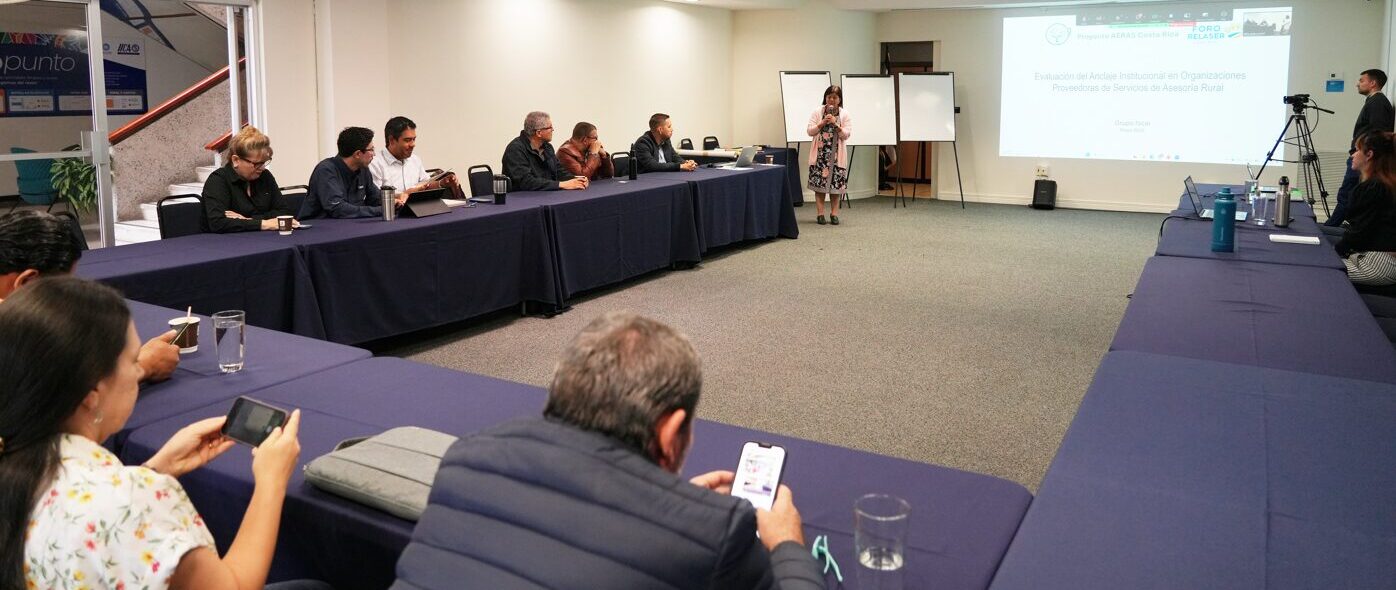
    To mark the transition into the project’s next implementation phase, key stakeholders, partner institution representatives, and rural extension officers gathered recently for a focused strategy meeting at IICA’s headquarters in Costa Rica. During the meeting, participants reviewed progress achieved to date, documented key lessons from early implementation, and aligned on long-term strategies to lock in the initiative’s impact for years to come.

    Laura Ramírez Cartín, AERAS Project Coordinator and representative of Foro Relaser Costa Rica, outlined the multifaceted benefits the program has delivered to participating producers. “AERAS has enabled farmers to acquire knowledge in areas such as the reduction of external inputs, soil health, biodiversity, synergies, economic diversification, joint knowledge creation, food security, impartiality, connectivity, land governance, and resources,” she explained.

    Kenneth Solano, IICA’s Project Management and Agribusiness Specialist based in Costa Rica, emphasized the critical role of sustainability-focused initiatives at a moment when smallholder farmers face intensifying competitive pressures in global agricultural markets. “These environmental, social, and economic sustainability projects are fundamental in tackling the challenges of an increasingly competitive agriculture sector; and they require proper support to generate a long-lasting impact,” Solano noted.

    He added that structured reflection and ongoing evaluation are key to the program’s long-term success. “These reflective and evaluation exercises are vital in laying the foundation for our work and defining the next steps of the project, to ensure that this effort will endure and continue to create positive results in the region,” he said.

    Oswaldo Páez Aponte, a project consultant, echoed this focus on long-term systemic change, noting that the initiative’s true success will not be measured by short-term output alone but by its lasting impact after the project’s formal funding timeline ends. “The most valuable changes stemming from AERAS are those that will extend beyond the duration of the project. The most significant thing is to ensure that these agroecological practices do not remain on paper but gain traction in the organizations that are providing extension and consultancy services in rural areas,” he explained.

    Looking forward, the AERAS leadership plans to deepen cross-sector partnerships between public and private institutions, building a more robust interconnected network to share resources, technical expertise, and shared commitments to sustainable agriculture. Organizers note that these expanded collaborative efforts will preserve the progress already achieved and scale up adoption of agroecological practices across all participating countries in the coming years.

  • Suspected killer of 7-year old boy charged with murder

    Suspected killer of 7-year old boy charged with murder

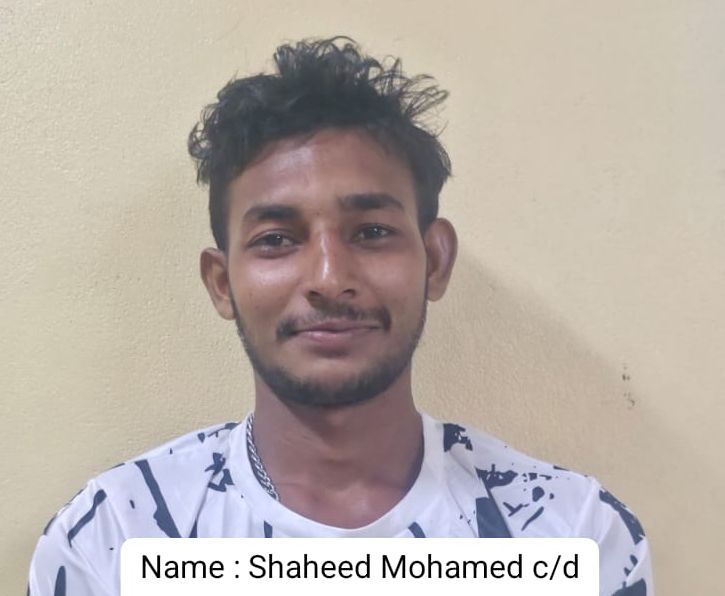
    Guyana’s law enforcement officials have confirmed that a 23-year-old farmer has made his first court appearance this Tuesday, facing a murder charge connected to the brutal killing of a 7-year-old child and a violent assault on an elderly woman in the Zeelugt New Scheme community, East Bank Essequibo.

    Identified by authorities as Shaheed Mohamed, who maintains residences in both Zeelugt New Scheme and Providence on East Bank Demerara, the defendant was not required to enter a plea to the indictable murder charge during Tuesday’s hearing. The charge accuses Mohamed of the killing of 7-year-old Adriel Aftab Mohamed.

    Following the brief hearing, Alisha George, the sitting magistrate at the Leonora Magistrate’s Court, ordered that Mohamed be remanded in state custody ahead of his next scheduled court appearance, set for July 20, 2026.

    The timeline of the incident dates back to Friday, June 5, 2026, when the attack is alleged to have occurred at the victims’ home in Phase 3 of the Zeelugt New Housing Scheme. Mohamed was taken into police custody two days later on Saturday, June 6, 2026. Investigative records indicate that the violence left the 7-year-old boy dead from a slit throat, while the child’s 72-year-old grandmother suffered severe, non-life-threatening injuries in the assault.

    It was a visiting relative who first discovered the scene at approximately 5:05 a.m. on June 6, finding the injured elderly woman and the motionless body of the young boy. The grandmother was immediately transported to a nearby medical facility for treatment, and hospital officials have confirmed her condition remains listed as stable as of the latest update.

    Police investigators have noted a key detail emerging from early probes into the attack: Mohamed has no known family connection to either the young victim or the injured grandmother, and no evidence has been uncovered to suggest theft was a motive for the violence. The case remains active as law enforcement continues to piece together details surrounding the attack that has shaken the small coastal community.

  • Car dealer selects 14 from over 400 applicants for region-wide internship

    Car dealer selects 14 from over 400 applicants for region-wide internship

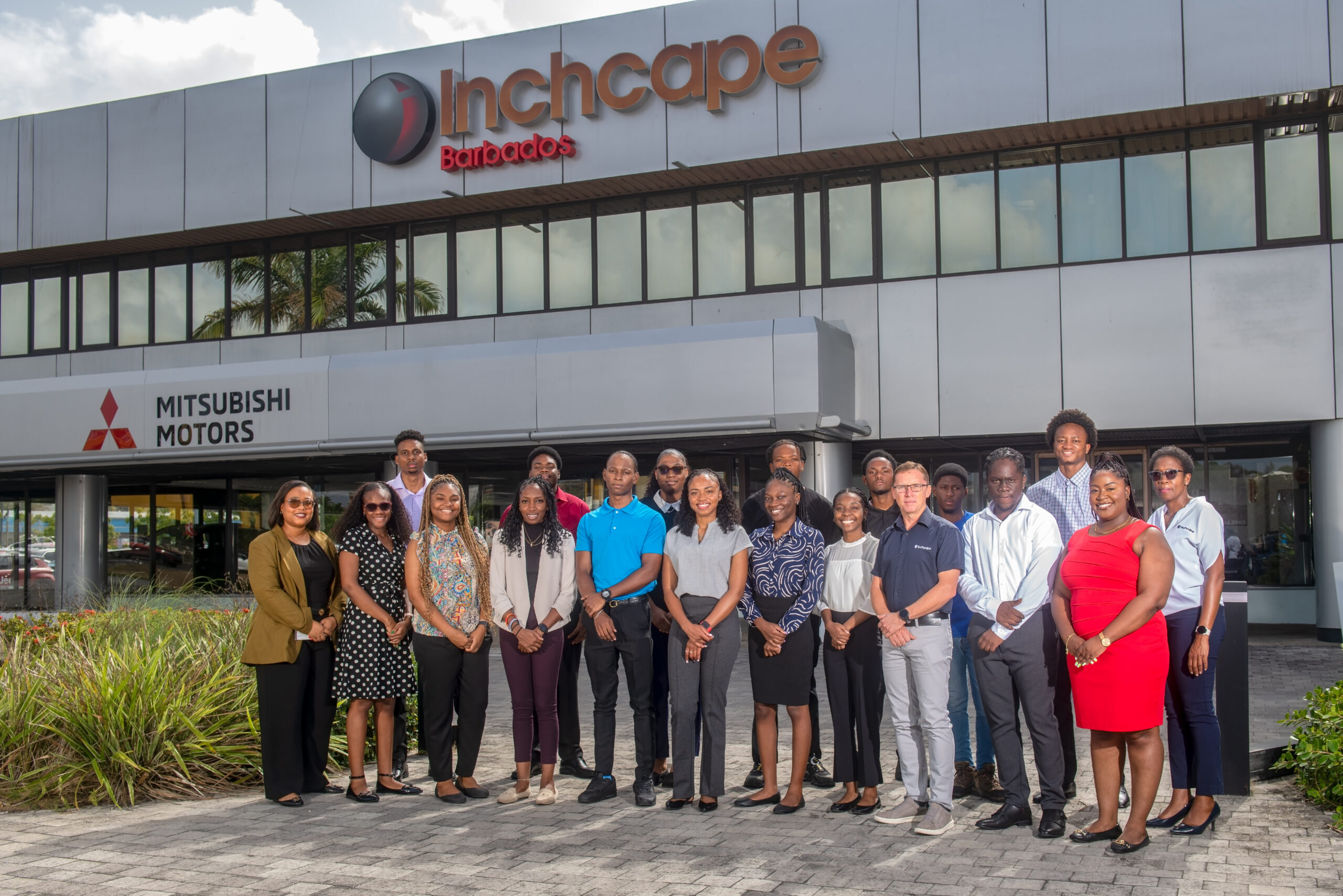
    In the competitive Barbadian job market where young talent often struggles to secure practical experience, global automotive distributor Inchcape has launched its first formal structured internship programme across its Barbados and Caribbean operations, with 14 young people selected to join the inaugural cohort from a pool of more than 400 applicants.

    The core mission of this 12-week programme, which officially kicked off this month, is to bridge the long-standing gap between academic learning and full-time employment. Unlike informal, ad-hoc intern placements the company has hosted in previous years, this new initiative is designed to offer structured, immersive experience that caters to both university students pursuing bachelor’s degrees and vocational students training for automotive technical careers — a level of inclusivity rarely seen in local youth employment programmes.

    Tanisha Callender, Senior Talent Acquisition Analyst at Inchcape Caribbean, emphasized that the launch marks a major milestone for the company’s regional commitment to youth development. “In Barbados, it is notoriously difficult for students to access the hands-on experience that employers demand before hiring,” Callender explained. “We created this programme to give back to the next generation, opening doors that have often been closed to young people early in their career journeys.”

    The successful 14 candidates come from a diverse range of educational backgrounds: three local institutions are represented, including the University of the West Indies at Cave Hill and the Barbados Vocational Training Board, alongside Barbadian students completing degrees at overseas universities. Interns have been placed across nearly every department of Inchcape’s operations, spanning customer experience, sales and distribution, aftersales service, information technology, human resources, finance, automotive and commercial workshops, and warranty management.

    The programme’s outreach began at the UWI Career Fair, where Inchcape set up an information booth to attract interested candidates. After a multi-stage selection process, more than 100 applicants advanced to formal interviews, from which the final 14 were chosen. Callender noted that narrowing down the pool was far from simple: selection committees prioritized candidates who showed a genuine positive attitude, a proactive drive to learn, and a clear interest in contributing to Inchcape’s long-term success.

    What sets this internship apart from traditional temporary work placements is its focus on immersive, meaningful work rather than menial tasks. Vocational trainees, for example, work directly on vehicles from Inchcape’s brand portfolio under the supervision of certified factory technicians, building hands-on technical skills that cannot be taught in a classroom. To further support personal and professional growth, the company has introduced a specialized speaker series called Pit Stop Talks, where senior leaders from across the organization host sessions on a wide range of industry and professional development topics, giving interns direct access to insider insights and networking opportunities.

    Beyond building technical skills, the programme is designed to help young people test their career fit. Callender explained that internships give students a first-hand look at day-to-day work in their field of interest, helping them confirm whether they have chosen a career path that aligns with their strengths and goals.

    For Abigail Roach, an international business student selected as a customer experience intern, Inchcape’s strong regional reputation and long history as Barbados’ oldest independent automotive distributor made it a top choice. Roach highlighted the programme’s inclusivity as a standout feature, noting that it creates opportunities for both business-focused and technically inclined students. “I find it remarkable that Inchcape hasn’t just created spots for university students studying theory — they’ve opened doors for students who prefer practical, mechanical work too,” she said. “That kind of consideration for all types of learners is really rare.”

    Roach, who is still exploring potential career directions within international business, said she hopes the internship will give her a holistic understanding of automotive distribution, from consumer needs to back-end logistics, and help her develop a clear long-term strategy. “I’m looking forward to not just gaining experience that supports my studies, but seeing how business works from both the consumer and distributor side,” she explained. “I also hope to get valuable feedback on my work in a positive, supportive environment.”

    Kevvon Boyce, a management student focusing on finance who is serving as a sales support intern, shares Roach’s optimism. Interning at one of the country’s leading automotive companies aligns perfectly with his long-term professional goals. “This opportunity lets me see first-hand how revenue is generated and managed in a real corporate environment, which is something you can’t learn from a textbook,” he said.

    Callender added that the programme’s goals extend far beyond building technical job skills. Organizers hope interns leave with a strong foundational understanding of professional workplace norms, from punctuality and attendance to professional etiquette, building the confidence they need to navigate corporate settings successfully. The company also hopes participants will build lasting professional connections and friendships that support their careers for years to come.

    As a company committed to youth development in the region, Inchcape also welcomes the fresh perspective that young talent brings to its operations. “Recognizing that employment opportunities can be limited for young people in parts of Barbados, we want to do our part to build a strong foundation for the future workforce,” Callender said. “We are committed to fostering an inclusive environment that nurtures the next generation of regional talent.”

    Roach echoed this sentiment, noting that young Barbadians have a critical role to play in driving the country’s long-term economic sustainability. “Right now, we are too dependent on tourism for revenue and rely heavily on imported goods, without enough domestic production for export to create a balanced, sustainable economy,” she said. “That change has to come from innovation and new ideas from the younger generation.”

    Both Roach and Boyce encouraged other young students to pursue internship opportunities, advising candidates to bring authenticity and adaptability throughout the application and placement process. Boyce emphasized that no classroom experience can replicate the value of real-world work experience: “Internships help you build practical skills, grow confident in professional settings, and really understand what your chosen career is actually like day to day.”

    Looking forward, Inchcape plans to expand the internship initiative in coming years, creating even more opportunities for young regional talent to gain meaningful professional experience.

  • Brazil, IICA examine aging agricultural workforce, other issues

    Brazil, IICA examine aging agricultural workforce, other issues

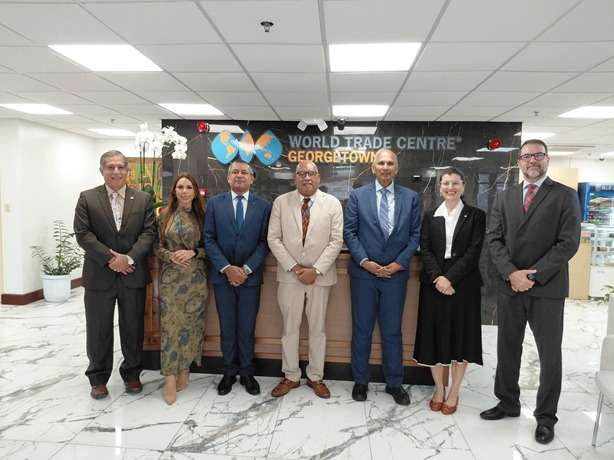
    A high-level strategic gathering focused on the future of hemispheric agriculture brought senior representatives from the Brazilian government and the Inter-American Institute for Cooperation on Agriculture (IICA) to the World Trade Centre Georgetown (WTCG) last Friday, with the aging agricultural workforce emerging as a top priority for collaborative action.

    Chaired by WTCG Executive Director Wesley Kirton, the meeting opened with urgent discussion of how to reverse decades of aging in farming workforces across the Americas, centering talks on actionable strategies to draw younger generations into agricultural careers. Participants agreed that modernizing the sector’s appeal is critical, outlining a path forward that leverages digital innovation, advanced agricultural technologies, entrepreneurial opportunities, and expanded market access to make farming and agribusiness more attractive to young people.

    Beyond workforce challenges, delegates delved into the sweeping transformative power of cutting-edge science and technology in modern agriculture. The conversation highlighted the rapidly expanding adoption of artificial intelligence and precision agriculture methodologies, tools that have already demonstrated clear potential to lift crop and livestock productivity, boost environmental sustainability, and strengthen the sector’s ability to withstand systemic shocks. Additional topics on the agenda included longstanding logistics and transportation bottlenecks that limit market access, strategies to meet global food safety and phytosanitary compliance standards, evidence-based best cultivation practices, and the development and selection of high-performing crop varieties, livestock breeds, and quality seed stock.

    Climate change’s growing threat to consistent agricultural output and regional food security also took center stage in the talks. Delegates shared insights into context-specific climate adaptation approaches, emphasizing that coordinated regional and international collaboration is non-negotiable for building agricultural systems that can absorb and recover from climate-related disruptions.

    The meeting also laid groundwork for future collaboration between IICA and WTCG, coming just days after IICA signed a formal cooperation agreement with the Government of Guyana earlier that Tuesday. Both institutions confirmed shared interest in partnering on initiatives focused on inclusive agricultural development, streamlined cross-border agricultural trade facilitation, sector-wide innovation, and skills-based capacity building for local agricultural stakeholders.

    Attendees highlighted existing private sector investment in Guyana’s agricultural transformation as a model for future growth, specifically calling out two ongoing projects from local industry leader Demerara Distillers Limited (DDL): a large-scale dairy farm under development at Moblissa, and juice production operations run by DDL’s subsidiary TOPCO. These ventures were held up as successful examples of how private investment can strengthen Guyana’s domestic agro-processing sector, cut the country’s reliance on food imports, and generate new inclusive economic opportunities for local communities.

    A working lunch wrapping up the formal discussions reinforced a core shared conclusion: cross-sector partnerships between national governments, intergovernmental agricultural bodies, and private enterprise are the foundation for advancing meaningful agricultural transformation and lasting food security across the Latin American and Caribbean region.

  • Regional heritage dialogue highlights role of the preservation of Caribbean identity reflected in culture, historic structures

    Regional heritage dialogue highlights role of the preservation of Caribbean identity reflected in culture, historic structures

    Across the Caribbean, irreplaceable cultural heritage — from centuries-old wooden architecture to unwritten ancestral histories — faces growing threats from accelerating climate change, unregulated development, and decades of systemic neglect. In response to this urgent regional challenge, cultural practitioners from four Caribbean territories gathered recently for a cross-regional dialogue hosted at the launch of *Artefacts of Jamaica*, a landmark digital heritage initiative supported by the Caribbean Culture Fund (CCF).

    The CCF, a regional organization that backs community-led cultural work through grant funding and skills-building opportunities, has made expanding public access to Caribbean arts and protecting at-risk heritage central to its mission. The gathering brought together heritage workers from Jamaica, Dominica, the U.S. Virgin Islands, and Saba to collectively explore collaborative strategies for protecting the Caribbean’s diverse cultural memory, with a particular focus on the region’s distinctive architectural history.

    Three CCF grant finalist projects, each taking unique approaches to preservation, took center stage at the event, all tied to the shared goal of centering community ownership of Caribbean history. The first, the Resilient Houses Project led by Sharifa Balfour, investigates the shared traditional architectural heritage of Saba and Dominica. Balfour’s work examines how generations-old wooden construction techniques are inherently tied to climate resilience, cultural identity, and sustainable development — far more than just historical relics.

    Through cross-community research exchanges, public exhibitions, hands-on restoration work, and digital storytelling, the project documents how traditional building methods evolved to let communities adapt to extreme local environmental conditions over hundreds of years. “It’s not just safeguarding our history and culture,” Balfour explained at the launch. “It’s really saving our identity.”

    Alongside Balfour’s project, Jamaican visual artist and CCF grantee Idris Veitch debuted *Artefacts of Jamaica*, a pioneering open-access digital archive dedicated to documenting Jamaica’s threatened architectural history. The initiative prioritizes recording historic buildings that are deteriorating, at risk of demolition, or already lost to extreme weather. Veitch noted that one landmark documented in the archive, Waterloo House, was completely destroyed by Hurricane Melissa in late 2026, underscoring the urgent need for rapid documentation. Too often, he argued, historic structures are overlooked by local communities who pass them daily without recognizing their cultural significance. “People walk past them as if they’re in the background, when there’s so much history behind them,” he said.

    The third project featured at the dialogue was presented by Stephanie Chalana Brown, a photographer and cultural archivist from the U.S. Virgin Islands. Her work, *Claiming Spaces: The African Story of the Sugar Mill*, reframes the history of St. Croix’s historic sugar mills by centering the experiences of the enslaved African people who built and operated them. Combining documentary photography, oral history interviews, genealogical research, and community engagement, Brown’s work challenges the colonial narratives that have long dominated interpretations of these iconic sites. “The tangible and material evidence provides a framework for us to say that we built this,” Brown said. “Because our ancestors were able to endure, we still exist.”

    While the three initiatives range from architectural research to digital archiving to diaspora narrative reconstruction, participants emphasized that all share a core mission: deepening the connection between modern Caribbean communities and the histories, landscapes, and traditional knowledge that define the region’s shared identity.

    The dialogue also surfaced a key practical barrier to long-term preservation work: participants agreed that consistent, sustained institutional funding and support remain largely out of reach for most independent cultural practitioners, who often carry out critical documentation and research with limited resources.

    As the CCF press release summarized, the gathering made clear that Caribbean cultural workers do far more than just record the past. They actively help communities reclaim their heritage, assert ownership of their own histories, and carry these traditions forward for future generations. As Veitch noted, artists often act as translators, making complex cultural and historical narratives accessible to broad audiences and ensuring that the stories, places, and practices that shape Caribbean identity remain visible for coming generations.

    The CCF reaffirmed its commitment at the event, stating that cultural preservation will remain a central priority for its regional programming moving forward. More information on all projects and CCF grant opportunities is available at caribbeanculturefund.org.

  • Another Land Scandal Brewing: “That Place Seems to be Riddled with Fraud”

    Another Land Scandal Brewing: “That Place Seems to be Riddled with Fraud”

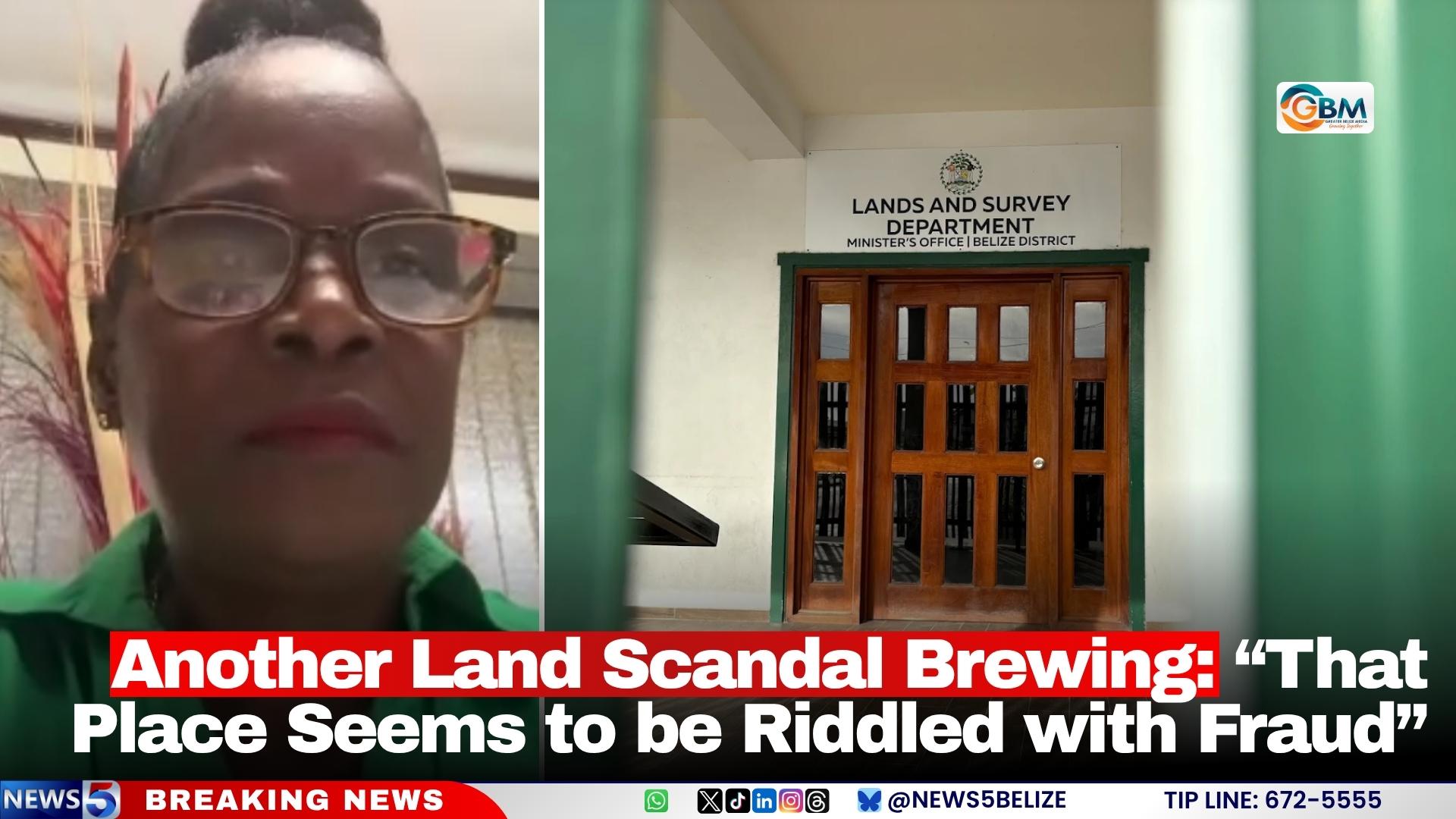
    A long-running land arrangement between a Belizean family and national authorities has erupted into a fresh public scandal, with an expatriate family member accusing the country’s Lands Department of systemic fraud and breaching decades of agreed terms.

    Geraldine Hyde, who currently resides outside Belize, says her family’s 30-year connection to a 23.56-acre parcel of land near La Democracia along the Coastal Road began in 1993, when her husband Goldburn Sutherland secured a formal lease for the property. For more than a quarter of a century, the family upheld their end of the agreement, investing significant time and resources into maintaining the land: clearing overgrown sections, cultivating fruit orchards, and holding the parcel for their long-term retirement plans.

    When the original lease reached its end in 2022, the couple followed official protocol to submit a formal application to purchase the land outright. Their vision for the property was modest: build a small boutique resort, launch a small-scale sustainable farming operation, and construct limited commercial shopfronts to support their retirement on Belize’s coast. For years after submitting the application, Hyde says the family received repeated reassurances from Lands Department staff that their request was moving through the approval pipeline, with no red flags or indications of denial raised at any point.

    The deception unraveled earlier this year, when Hyde attended an in-person meeting at the department to follow up on her application’s status. It was during this visit that she began to piece together that the property had already been reallocated, a fact that was later confirmed through her own independent investigation: the land had been granted full title to a third party, with no formal notification sent to her family that their purchase application had ever been denied.

    What makes the situation even more alarming, Hyde says, is that internal department records show a purchase price for the land was calculated for her family at one point — but that information was never shared with the couple, leaving them in the dark while the land was transferred to another owner. Through her own research, Hyde obtained the identity of the new title holder, and a quick search of public records revealed that this same individual has been linked to a separate, earlier public land dispute. That connection, she says, has deepened her conviction that intentional misconduct is at play within the department.

    Hyde’s allegations go beyond her own family’s mistreatment: she claims that dozens of other land applicants have reported identical experiences at the Belizean Lands Department, suggesting the problem is not an isolated administrative error but systemic corruption. “Whatever they’re doing there at the Lands Department is fraudulent,” she stated in an interview. “I can tell you how many people were at the lands, maybe 15, 20, and they all have the same issue. That place seems to be riddled with fraud.”

    The family has now drawn a firm line: unless the land is returned to them in line with their application, they will move forward with formal legal action to challenge the reallocation. Hyde adds that she is also considering organizing a public protest to draw attention to the broader pattern of alleged misconduct if authorities do not address the issue. Local outlet News 5 has confirmed that it has reached out to Paul Thompson, Chief Executive Officer at the Lands Department, to request an official comment on the allegations, with no response reported as of yet.

  • Round of 16 matchups confirmed in NSC football competition

    Round of 16 matchups confirmed in NSC football competition

    The group stage of the National Sports Council BICO Primary School football competition has officially wrapped up, with 16 teams securing their spots in the knockout round, headlined by two standout squads that finished their group campaigns without a single defeat.

    Defending tournament champions West Terrace put on a dominant display in Zone Two, completing their six-game run without a loss. The team claimed five victories and held on for one draw to top the zone standings, booking their place in the round of 16 alongside second-place finishers St Stephen’s Primary.

    Another undefeated run came from Arthur Smith Primary, the 2025 tournament runners-up, who topped Zone Seven hosted at Briar Hall. Across nine matches, Arthur Smith won eight and drew one, finishing clear at the top of the zone. They will be joined in the knockout stage by Zone Seven’s second qualifier, Milton Lynch Primary.

    Across all eight zones, the top two finishing teams earned progression to the round of 16, in line with competition rules. From Zone One, All Saints Primary and Roland Edwards Primary claimed the two qualifying spots. In Zone Three, St Bernards and Providence Primary secured their places in the knockout round. Zone Four saw St Cyprian’s Boys’ and St Paul’s advance, while Zone Five finished with St George Primary and Bay Primary taking the top two positions. Zone Six qualifiers are Wesley Hall and Deacons, and Zone Eight wrapped up with Blackman Gollop and Reynold Weekes Primary claiming the two knockout spots.

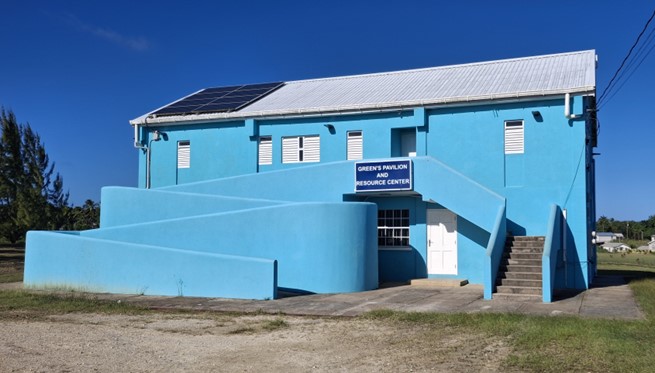
    All round of 16 fixtures will take place at the Greens St George venue, kicking off this Thursday with four scheduled matches. The opening day of knockout action will see St Cyprian’s Boys’ go head-to-head against Providence, with Bay Primary facing Wesley Hall, All Saints squaring off against Milton Lynch, and Blackman & Gollop battling St Stephen’s Primary.

    Four additional round of 16 matches are set for Friday. Defending champions West Terrace will open their knockout campaign against Reynold Weekes, while 2025 runners-up Arthur Smith will take on St Paul’s. Deacons will face Roland Edwards, and St Bernard’s will round out the day’s play against St George Primary.

  • Misiekaba zet in Genève in op arbeidsbescherming, sociale dialoog en eerlijke digitalisering

    Misiekaba zet in Genève in op arbeidsbescherming, sociale dialoog en eerlijke digitalisering

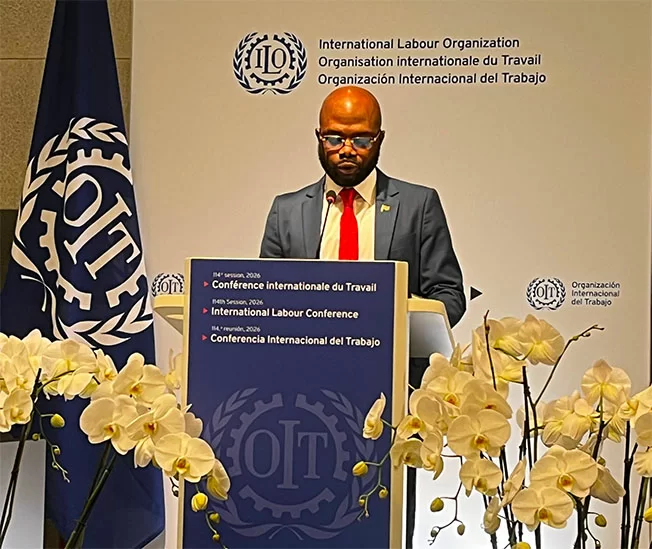
    The 114th session of the International Labour Conference (ILC), organized by the International Labour Organization (ILO), is convening this month in Geneva, bringing together tripartite delegations of government, employer, and worker representatives from the body’s 187 member states to address pressing contemporary challenges in global labor markets. Key topics on the conference’s agenda include securing dignified work for participants in the platform economy, advancing gender equality in workplaces, and strengthening inclusive social dialogue and tripartite consultation.

    Addressing the ILC forum, Suriname’s Minister of Public Health, Welfare and Labour André Misiekaba emphasized that the global shift toward digital transformation and artificial intelligence (AI) integration in workplaces must be guided by a human-centered approach. He argued that rapid technological evolution cannot come at the cost of social equity or worker protection, noting that people must remain the core priority amid widespread labor market disruption. Minister Misiekaba also highlighted the progressive policy reforms Suriname has implemented in recent months to align its national labor framework with ILO standards.

    Most notably, the Surinamese government recently updated the national Labor Advisory Council Act to expand and strengthen structured tripartite consultation between government bodies, employer associations, and worker unions. The country’s National Assembly has also approved the ratification of three landmark ILO conventions: Conventions No. 155 and No. 187 on occupational safety and health, and Convention No. 190, which addresses violence and sexual harassment in workplaces.

    Minister Misiekaba further outlined ongoing policy initiatives supported by the ILO. A national labor migration policy is currently under development through the ILO’s Decent Work Country Programme, with technical guidance from the organization. In a move to combat child labor, the minister announced that the Surinamese government took formal steps in May 2026 to establish a special commission mandated under Article 16 of the country’s Child Labor Act. This commission will conduct on-the-ground research into the social conditions of children engaged in child labor, and develop evidence-based recommendations for targeted social support and family strengthening interventions.

    On the economic front, Minister Misiekaba underlined that driving innovation and raising productivity are critical preconditions for Suriname to achieve long-term sustainable development. In line with this goal, he noted that public consultations are currently underway to update the Center for Innovation and Productivity (CIP) Act, while the country’s National Social Protection Strategy is being rolled out across relevant government agencies.

    The minister also expressed Suriname’s full support for the development of the world’s first legally binding international labor standards for digital platform workers. These proposed standards, he said, are urgently needed to improve working conditions, expand access to social protection, guarantee fair compensation, and increase transparency across the fast-growing global platform economy, which has outpaced many existing national regulatory frameworks.

    Minister Misiekaba’s address to the ILC reaffirmed Suriname’s ongoing commitment to advancing decent work for all, advancing social justice, and building a resilient, future-ready labor market that can adapt to emerging challenges while protecting vulnerable workers. The Surinamese tripartite delegation in Geneva includes Glenn Piroe, Acting Director of Labor; Kamlesh Ganesh representing the Suriname Employers’ Association (VSB); and Marcia Clumper from Ravaksur/C-47, the country’s national trade union center.