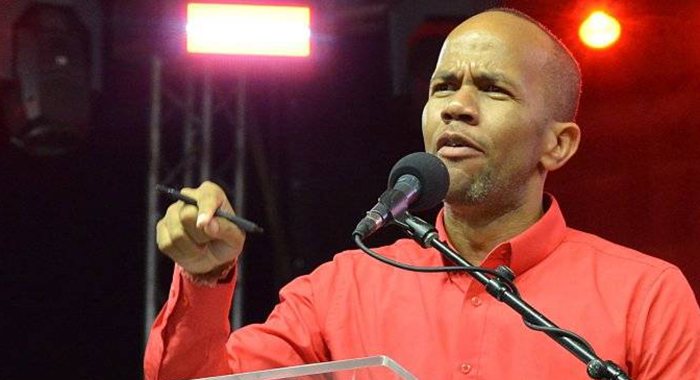
Luke Browne, a seasoned politician and former Minister of Health, is embarking on his fourth campaign to secure the East Kingstown constituency for the Unity Labour Party (ULP). Addressing supporters in Richmond Hill, Browne expressed confidence, stating, “East Kingstown is finally going to come home to Labour.” This constituency has been a stronghold of the New Democratic Party (NDP) for the past four decades, making Browne’s challenge a significant political endeavor.
作者: admin
-
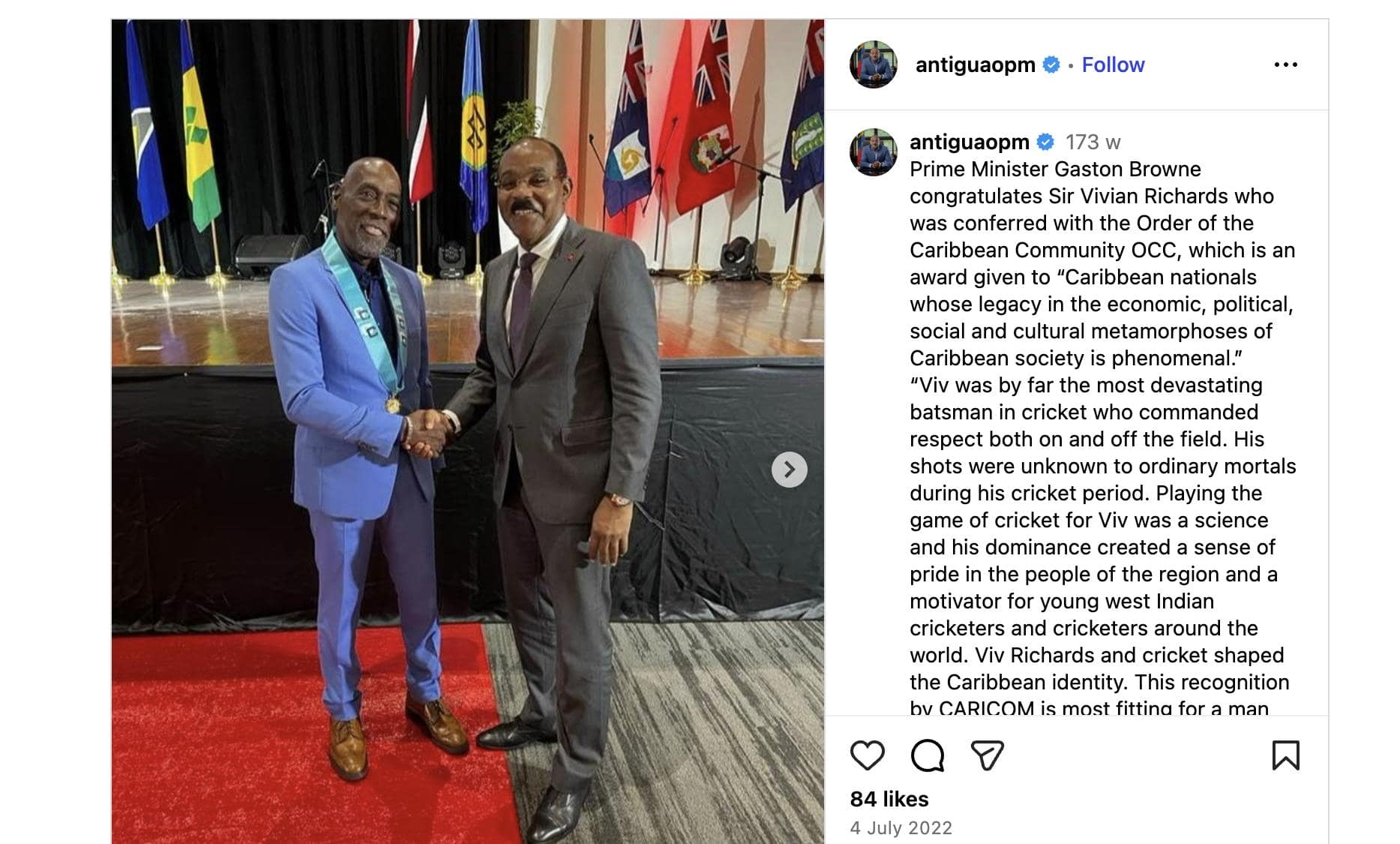
LISTEN: PM Advises Sir Viv To Stay Out of the Political Fray or “TEK What Yuh Get”
In a recent public statement, the Prime Minister has cautioned cricket legend Sir Viv Richards against engaging in political activities, using the local phrase ‘TEK What Yuh Get’ to emphasize the potential consequences. The PM’s remarks come amid growing speculation about Sir Viv’s possible involvement in political discourse, particularly given his influential status in the Caribbean. While the PM acknowledged Sir Viv’s contributions to sports and national pride, he stressed that political matters require a different skill set and cautioned against mixing sports with politics. This statement has sparked debates among citizens, with some supporting the PM’s stance and others defending Sir Viv’s right to express his views. The incident highlights the delicate balance between public figures’ influence and their role in political spheres.
-
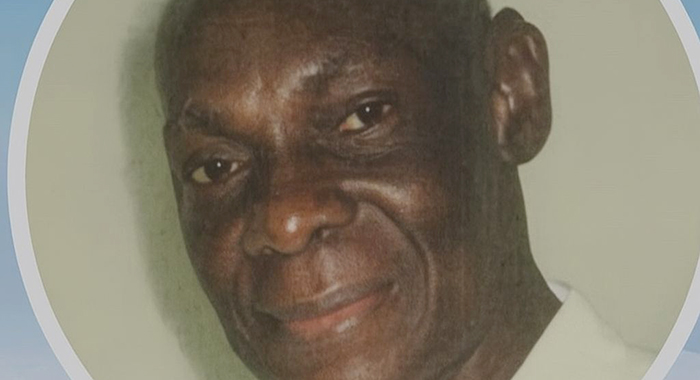
The passing of a generation
The village of Lowmans Hill is in mourning following the recent passing of Leroy Fairbairn, just days after the death of his younger brother, Solomon, affectionately known as So-Lo. Both brothers, pillars of their community, succumbed to prostate cancer, leaving behind a legacy of hard work, discipline, and community service. Their deaths, occurring within the same week, have left an indelible mark on their family and the village they called home. Leroy, known for his generosity and quiet pride, was a farmer and community member who lived a balanced life, embodying the values of his generation. Solomon, equally respected, shared his brother’s commitment to their community. The Fairbairn family, known for their God-fearing and disciplined upbringing, has now lost two sons to cancer, a tragedy that underscores the broader issue of cancer’s impact on rural communities. The brothers’ passing signifies more than personal loss; it marks the gradual transition of a generation that built and sustained Lowmans Hill. Their lives, though cut short, were filled with purpose and service, leaving a legacy that will not be forgotten. The village, while grieving, finds solace in the memories of their contributions and the enduring impact they had on those around them.
-
OPINION: An open letter to the Archbishop of Saint Lucia
In a thought-provoking critique of school grooming policies, the author challenges Archbishop Gabriel Malzaire’s defense of the status quo, arguing that current standards are rooted in Eurocentric norms that suppress black cultural identity. The Archbishop’s assertion that the Ministry of Education’s intervention undermines school authority is met with skepticism, as the author highlights the discriminatory nature of ad hoc policies that disproportionately affect black students. These policies, which enforce Eurocentric ideals of neatness and tidiness, often require black students to conform to arbitrary hair length standards while exempting non-curly-haired students from similar restrictions. This double standard perpetuates a somatic norm image that alienates black students from their cultural heritage. The author questions the Archbishop’s assumption that permitting natural hairstyles would lead to ill-discipline, pointing out that there is no empirical evidence to support this claim. Instead, the author argues that embracing black hair in schools would foster self-expression, cultural pride, and critical thinking among students. The critique also addresses the Archbishop’s fear that allowing diverse hairstyles would foster individualism at the expense of community identity. The author counters that true community identity must include the unique cultural expressions of its members, particularly those of black students. The article concludes with a call for the Archbishop and other stakeholders to re-examine their implicit assumptions and embrace policies that reflect the cultural realities of a predominantly black population. By doing so, schools can become spaces where students are empowered to value their natural beauty and cultural heritage, rather than conforming to outdated colonial standards.
-
Hope for the best, prepare for the worst
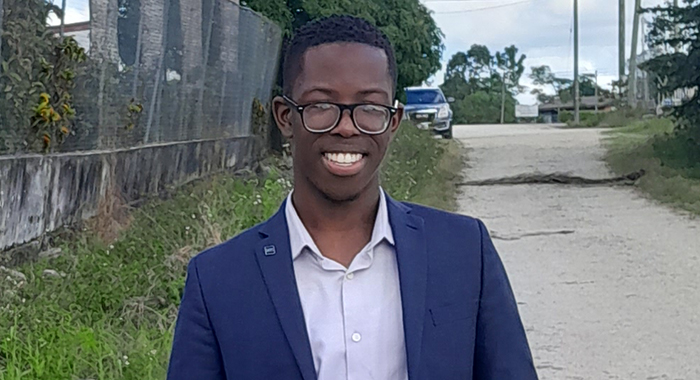
The Caribbean region finds itself at a critical crossroads as escalating tensions between the United States and Venezuela threaten to destabilize the area. Recent military actions, including a strike on a speedboat in international waters allegedly carrying Trinidadian fishermen, have heightened fears among local communities. The U.S. has bolstered its naval presence in the region, citing efforts to combat drug trafficking, but many view these moves as part of a broader geopolitical strategy. This has left Caribbean citizens, particularly fishermen, living in fear of violent, extrajudicial consequences. The lack of clear communication and leadership from Caribbean Community (CARICOM) leaders has only exacerbated the situation. CARICOM, established in 1973 to coordinate foreign policies and ensure regional security, has failed to address the crisis effectively. Citizens are calling for an emergency session to discuss the conflict and demand a joint statement outlining a path forward. Historically, the Caribbean has been a bastion of peace, often mediating disputes in Latin America. However, the current silence from regional leaders risks undermining this legacy. The region’s collective voice, amplified through organizations like the United Nations and the Organisation of American States, holds significant potential to influence global discourse. Yet, without decisive action, the Caribbean risks becoming collateral damage in a conflict that could have dire consequences for its people and economies. Long-term solutions, such as bolstering national security and drafting evacuation plans, are essential. The time has come for Caribbean leaders to demonstrate true statesmanship and prioritize the safety and well-being of their citizens over political posturing.
-

LETTER: If the Economy Is Growing, Why Am I Still Struggling?
Every Independence season, the Prime Minister of Antigua and Barbuda proudly proclaims the nation’s economic strength, emphasizing growth, rising per-capita income, and a stable, soaring economy. Yet, for the average Antiguan, these claims ring hollow. The disconnect between official narratives and lived realities has left many questioning: where is this growth, and who truly benefits?
-

PM Confirms Plans to Sell Caribbean Union Bank to Major Foreign Investor
Prime Minister Gaston Browne has revealed that the government is in advanced discussions with a prominent foreign banking group to sell its majority stake in Caribbean Union Bank (CUB). The announcement was made during his weekly radio program, *The Browne and Browne Show*, where he highlighted the nation’s economic progress and ongoing investment strategies. The government currently holds approximately 80% of CUB’s shares, acquired six years ago to rescue the bank from consistent losses under private ownership. Since then, CUB has turned profitable, though it remains a relatively small institution. Browne emphasized the need for a strategic partner capable of recapitalizing and expanding the bank’s operations. The potential buyer, a foreign banking group managing billions in assets, is expected to inject at least $100 million into CUB, significantly scaling its capabilities. The Prime Minister underscored that this move aligns with the government’s broader vision to modernize the financial sector and enhance banking services through technological innovation. He stressed the importance of adopting cutting-edge technology to meet evolving consumer demands, such as seamless mobile transactions. The ultimate goal is to transform CUB into a robust, well-capitalized institution that drives national development and improves access to financial services.
-
PM Says $5 Million Allocated to National Housing for Jolly Beach Upgrades
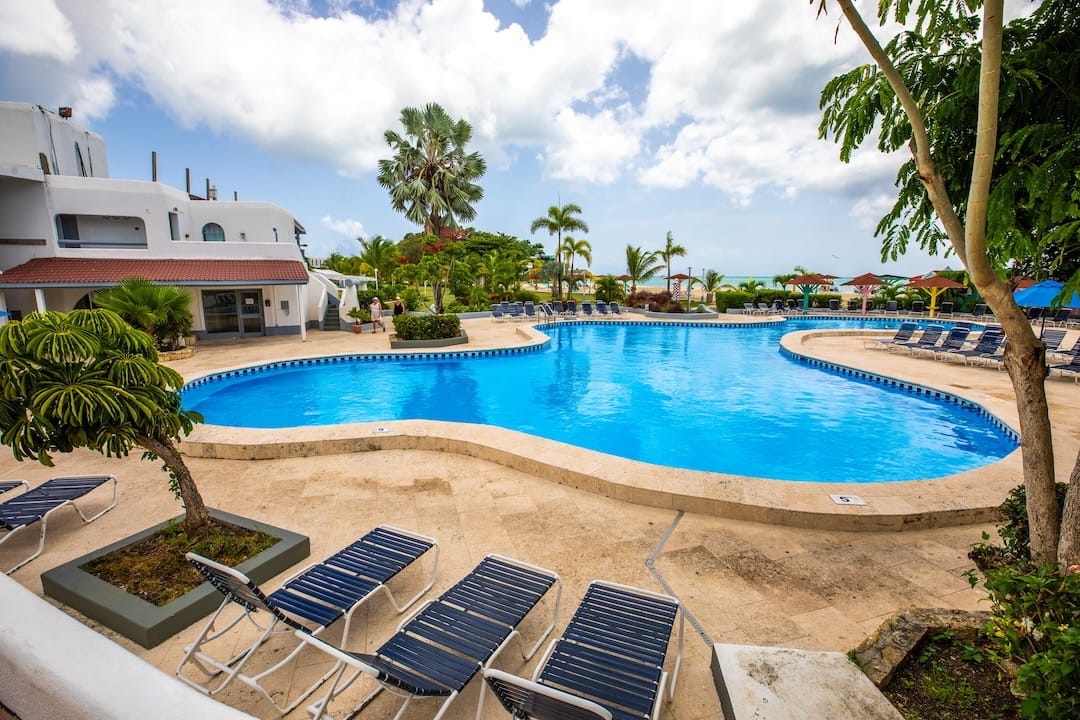
Prime Minister Gaston Browne has announced a significant investment of US $5 million into the National Housing Corporation to initiate upgrades at Jolly Beach Resort. This move underscores the government’s commitment to enhancing tourism infrastructure, supported by the nation’s robust fiscal performance. The funds, already deposited into National Housing’s account, will be allocated to renovate 33 additional rooms, construct a state-of-the-art conference facility, and improve critical infrastructure such as electrical and sewer systems. Browne emphasized that the project is part of a broader strategy to revitalize key tourism assets while ensuring local agencies and contractors directly benefit from government initiatives. He highlighted that National Housing will oversee the execution of these upgrades. The Prime Minister also linked this investment to other recent capital expenditures, including the purchase of fire trucks, garbage trucks, heavy equipment, and even a plane and a crane, made possible by the country’s improved financial health. Browne attributed these developments to steady economic growth and disciplined fiscal management, stressing the importance of safeguarding public funds for their intended purposes.
-
Fraser has ‘mega solution’ for ‘major problem’ in Central Kingstown
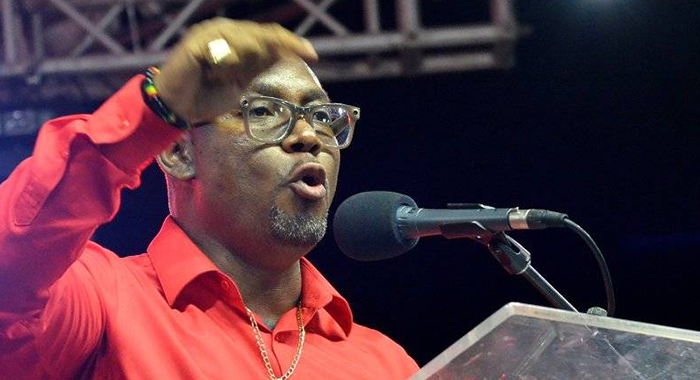
Marvin “Mega” Fraser, the Unity Labour Party (ULP) candidate for Central Kingstown, delivered a compelling speech during his campaign launch for the upcoming November 27 general elections. Fraser, leveraging his nickname and punning on the military title of his opponent, Major St. Clair Leacock, emphasized his deep-rooted connection to the community and his professional expertise. He described himself as a problem-solver, stating, “I am somebody that people call when they want their problems fixed,” and promised a “mega solution” for Central Kingstown’s challenges. Fraser highlighted his upbringing in Kingstown, detailing his experiences in various neighborhoods and his active involvement in local football, which he believes positions him as a true representative of the constituency. He also underscored his professional background as an IT systems engineer, citing his work with Karib Cable, the Mustique Company, and Glossy Bay in Canouan, where he designed IT infrastructure for prominent buildings. Fraser’s football legacy, including his role as president of the St. Vincent and the Grenadines Football Federation (SVGFF) and his achievements with Avenues United Football Club, further solidified his reputation as a leader who delivers. He praised the ULP’s track record in Central Kingstown, citing initiatives such as low-income housing, scholarships, and support for seniors and hurricane-affected homes. Fraser concluded by emphasizing the ULP’s commitment to inclusivity and development, asserting, “We walk the walk. We are here for development, and the ULP has developed and delivered for the people of Central Kingstown.”
-
PM Says LIAT to Add Another Aircraft as Government Increases Investment
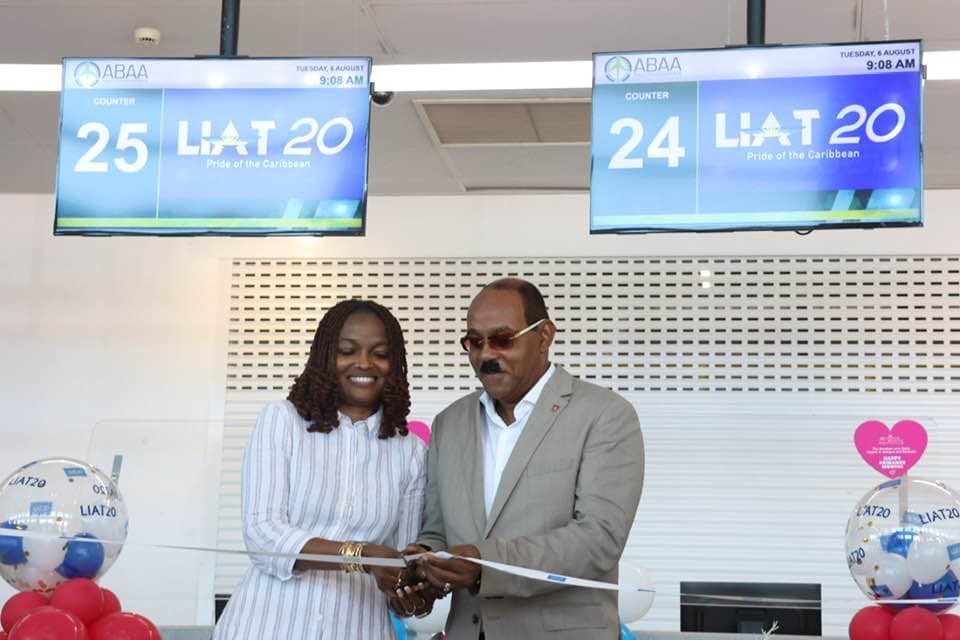
Prime Minister Gaston Browne of Antigua and Barbuda has announced a significant step in the revival of regional carrier LIAT, with plans to add another aircraft to its fleet in the coming weeks. This move is part of the government’s broader strategy to rebuild the airline and ensure its long-term sustainability. To support this expansion, the administration has allocated an additional US $4 million to cover the costs of parts and other operational requirements for the new aircraft. This latest investment adds to the approximately US $50 million already committed by the government to LIAT’s revival. Browne emphasized that the airline’s progress is a testament to the strength of Antigua and Barbuda’s economy, which has facilitated substantial capital investments across various sectors. He highlighted recent acquisitions, including seven fire trucks, ten garbage trucks, and US $21 million worth of heavy equipment for Public Works, as evidence of the government’s robust financial position. The Prime Minister also underscored the importance of LIAT’s expansion as a symbol of renewed confidence in regional connectivity and Antigua and Barbuda’s pivotal role as a hub for inter-Caribbean travel.