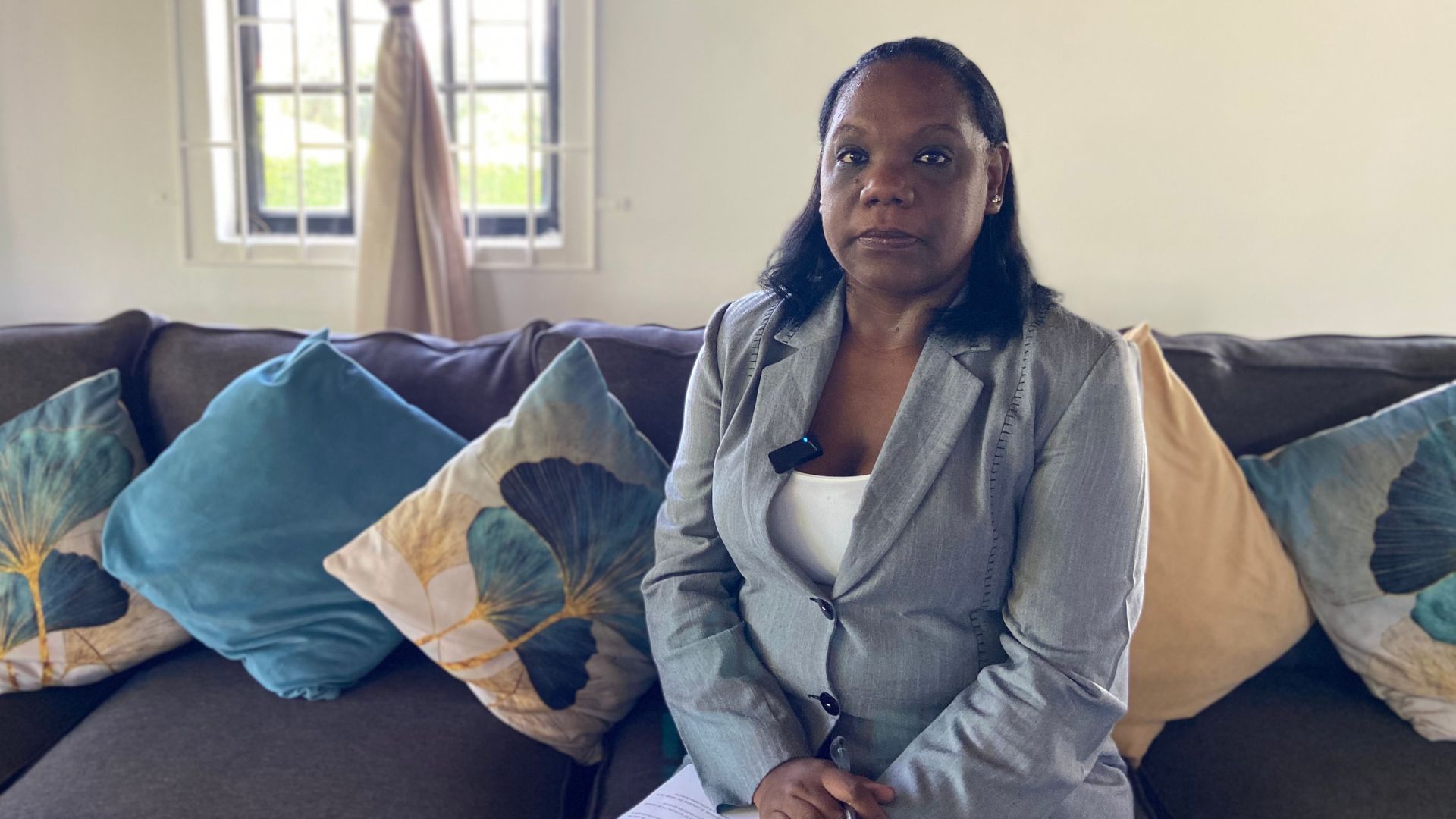
In a significant development at the United Nations General Assembly on October 26, 165 countries, including Saint Lucia, voted in favor of lifting the United States’ longstanding economic, commercial, and financial embargo on Cuba. The embargo, imposed six decades ago, has severely restricted trade, investment, and financial transactions with the island nation, exacerbating its economic struggles and limiting access to essential goods. This annual resolution, calling for the embargo’s end, has been adopted by the General Assembly for over three decades. Last year, 187 countries supported the resolution, with only the US and Israel opposing it. This year, however, seven nations—the US, Hungary, Paraguay, Argentina, Ukraine, North Macedonia, and Israel—voted to maintain the embargo, while 12 abstained. Despite the slight decline in support, Cuba’s Ambassador to Saint Lucia, Yenielys Vilma Regueiferos Linares, hailed the outcome as a victory, emphasizing that 85% of the General Assembly still favors ending the embargo. She described the vote as an “undeniable victory” for Cuba. The US, however, has continued to lobby against lifting the embargo, citing Cuba’s alleged involvement in the Ukraine conflict as a justification. Ambassador Linares refuted these claims, stating that while some Cubans are involved in the conflict, they are not government-sanctioned. She also highlighted the devastating impact of the embargo on Cuba’s economy, particularly in sectors like healthcare, oil, and tourism, which have been further strained by recent natural disasters. US Deputy Ambassador to the UN, Jeff Bartos, argued that lifting the embargo would allow Cuba’s government to evade accountability for its financial crisis. Ambassador Linares expressed hope for a more rational approach in the future, urging the international community to recognize the humanitarian toll of the embargo.
作者: admin
-

Oorzaak landelijke stroomstoring nog onduidelijk
A significant portion of Suriname experienced a widespread power outage on November 3, affecting not only the capital city of Paramaribo but also multiple districts across the country. The Energy Companies of Suriname (EBS) confirmed that the disruption was a nationwide issue, though the exact cause remains unidentified. According to EBS, the outage occurred suddenly and without warning. The blackout began at approximately 9:45 AM and was largely resolved within an hour, restoring electricity to most areas. Authorities are currently investigating the incident to determine the root cause and prevent future occurrences. This unexpected event has raised concerns about the reliability of the nation’s power infrastructure and its impact on daily life and businesses.
-
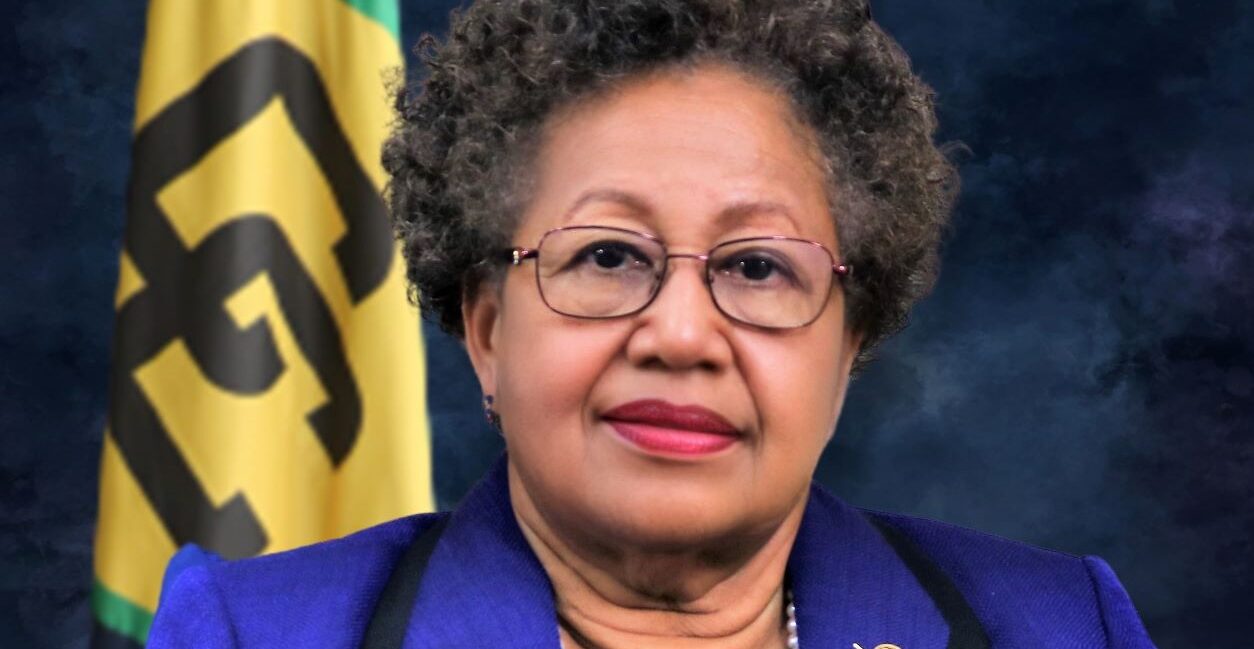
CARICOM SG congratulates Dominica’s ‘consistent’ development efforts on 47th Independence
Dr. Carla N. Barnett, Secretary-General of the Caribbean Community (CARICOM), has commended Dominica for its unwavering dedication to advancing its development goals and fostering regional unity. In a congratulatory message to the Prime Minister of the Commonwealth of Dominica on the nation’s 47th Independence Anniversary, Dr. Barnett highlighted Dominica’s pivotal role in the CARICOM integration movement. She particularly praised Dominica’s leadership in implementing full freedom of movement across the region, set to take effect on October 1, 2025. This initiative marks a historic milestone in achieving CARICOM’s collective vision of regional integration. Dr. Barnett also acknowledged Dominica’s consistent efforts in promoting sustainable development and its commitment to the Intra-Community Movement of Skills, a key responsibility within the CARICOM Quasi-Cabinet. As Dominica celebrates its independence, Dr. Barnett extended her best wishes for continued progress, peace, and prosperity to the nation’s government and people.
-
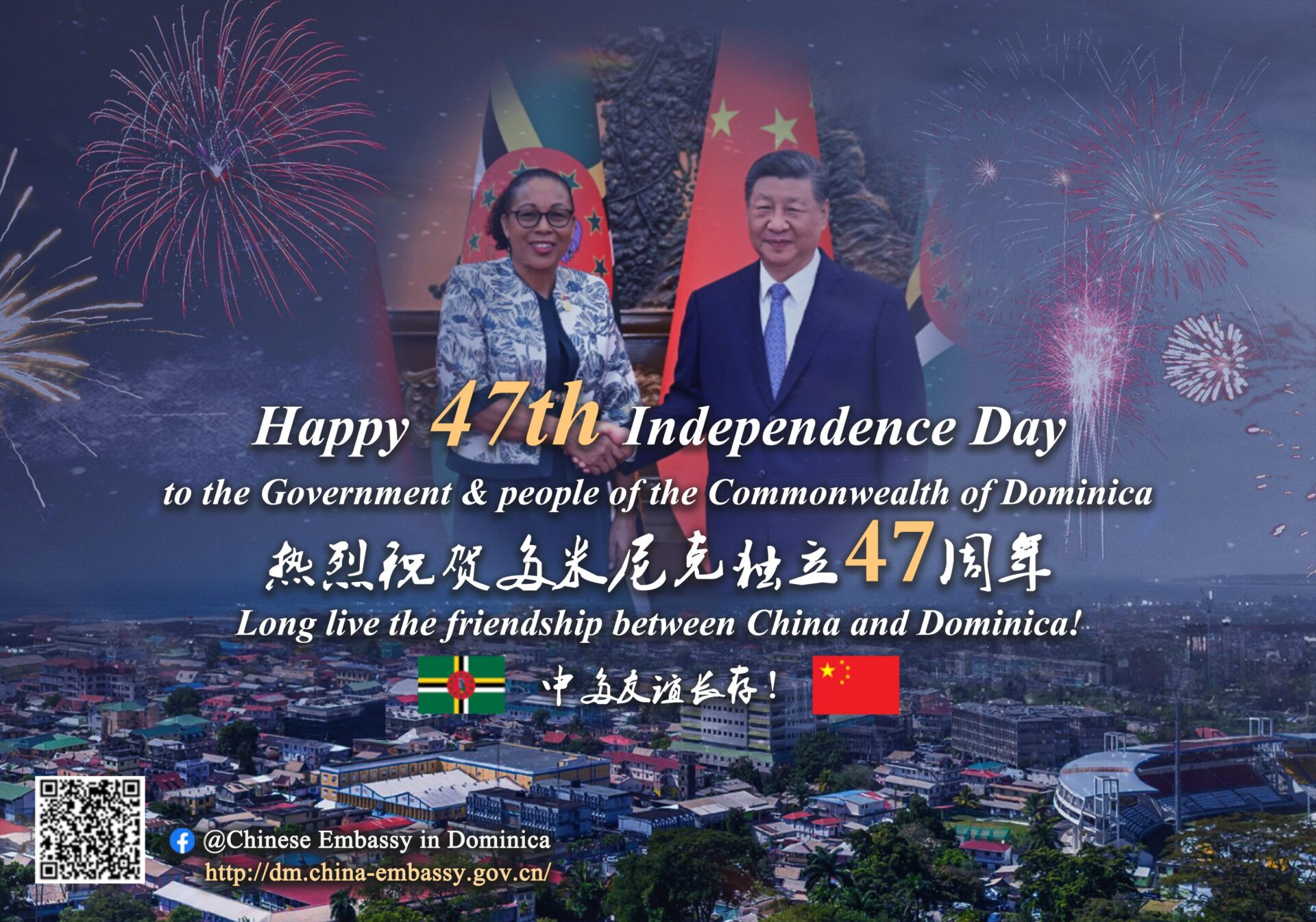
Independence Message from Chinese Embassy in Dominica
A recent image shared across various social media platforms has captured significant attention, showcasing the growing trend of digital engagement. The image, which features a visually striking design, was disseminated through multiple channels including Twitter, Pinterest, and other sharing platforms. This phenomenon underscores the increasing importance of visual content in driving user interaction and online presence. The image’s widespread circulation highlights the power of social media in amplifying content reach and fostering community engagement. As digital platforms continue to evolve, such instances of viral content serve as a testament to the dynamic nature of online communication and the ever-changing landscape of social media trends.
-

COMMENTARY: Holding Little Hands Through the Storm: Restoring Hope for Caribbean Children
The devastation wrought by Hurricane Melissa across Jamaica, Cuba, the Bahamas, and Haiti has left indelible scars on communities. Homes lie in ruins, schools are shattered, and neighborhoods are unrecognizable. Amid the wreckage, the emotional toll is profound, especially for children who have lost their sense of safety and stability. The trauma manifests in their behavior—fear, withdrawal, and restlessness—as they grapple with an uncertain future.
In these fragile times, the most potent tools for healing are attachment and responsive relationships. When caregivers reassure children with words like, ‘You are safe with me,’ trust begins to rebuild, and the brain starts to calm. Comfort, consistency, and kindness are the essential medicines for these young souls.
Practical steps for caregivers and educators include creating safe spaces in churches, community centers, or repaired classrooms where children can rest, eat, and play. Simple, predictable routines—such as songs before meals or quiet storytelling—provide a sense of normalcy. Access to nutritious food, clean water, and basic health services is crucial. Emotional first aid, like listening to a child’s story or holding them while they cry, can have profound healing effects.
Recovery also involves rebuilding systems of care. Training caregivers, teachers, and volunteers to recognize signs of stress and trauma is vital. Implementing primary caregiving, where one steady adult cares for a small group of children, helps restore trust and emotional safety. Collaborating with local health services, schools, and faith-based organizations to offer counseling and parenting workshops is equally important.
Play and storytelling are not luxuries but lifelines, enabling children to process their experiences, envision new futures, and rediscover joy. Even amidst the debris, hope can bloom through a familiar song, a warm meal, or a patient embrace. Rebuilding homes and schools is essential, but so is repairing hearts and minds.
When caregivers are steady, supported, and sensitive, they become beacons of stability for children learning to live again. Across the Caribbean, collective efforts—guided by compassion and practical care—can help heal the islands and restore the bright promise of tomorrow.
About the Author: Teacher Kishma Isaac is an experienced educator with over 17 years of teaching across early childhood and primary levels. A published author, coach, and mentor, she is known for her compassionate, practical, and hope-centered approach to rebuilding after crises.
-

Shakuhachi Concert celebrates 50 Years of Japan–Grenada Ties
Marking the 50th Anniversary of Diplomatic Relations between Japan and Grenada, the Embassy of Japan is hosting a captivating Shakuhachi Concert. This unique event will feature the celebrated Shakuhachi flautist Yosuke Irie, offering an evening of traditional Japanese bamboo flute music. The concert is scheduled for November 13, 2025, at the Grenada Boys’ Secondary School (GBSS) in Tanteen, St George’s, from 6 to 7 PM, with doors opening at 5 PM. Admission is free, and seating will be available on a first-come, first-served basis.
The Shakuhachi, a traditional Japanese bamboo flute, is renowned for its ethereal and emotionally resonant sound, deeply rooted in Japanese musical heritage. Attendees can anticipate a diverse program featuring original compositions, popular anime themes, and a special collaboration with the Grenada National School Orchestra. This event not only celebrates the enduring friendship between Japan and Grenada but also provides a rare opportunity for the Caribbean audience to experience Japanese traditional music.
The Embassy of Japan extends a warm invitation to the Grenadian public, including music lovers, students, and cultural organizations, to join this cultural celebration. The concert aims to foster mutual understanding and cultural exchange between the two nations. For further inquiries, please contact the Embassy of Japan at [email protected].
NOW Grenada is not responsible for the opinions, statements, or media content presented by contributors. In case of abuse, click here to report.
-

STATEMENT: IOM Dominica congratulates the nation on 47 years of progress and purpose
As Dominica commemorates its 47th Independence Anniversary under the theme “47 Years of Progress and Purpose,” the International Organization for Migration (IOM) has extended heartfelt congratulations to the nation’s government and citizens. This milestone offers an opportunity to reflect on Dominica’s journey since gaining independence—a path marked by courage, unity, and an unwavering commitment to building a resilient future. The theme not only honors the achievements of the past 47 years but also calls on all Dominicans to continue advancing with a clear sense of purpose, ensuring that progress benefits everyone, both at home and abroad.
Though not a native Dominican, I have had the privilege of witnessing the nation’s remarkable strength and spirit firsthand. The people of Dominica exemplify resilience, rebuilding after natural disasters, finding opportunities in adversity, and fostering a vibrant, creative, and proud culture.
At the IOM, we believe that purpose-driven progress must be inclusive and sustainable. In Dominica, the organization collaborates with the government, local communities, and partners to enhance resilience and support national priorities. Key areas of focus include disaster preparedness and response, livelihood recovery, climate resilience initiatives, and assistance for migrants and vulnerable populations.
Migration, when managed with dignity and foresight, can serve as a powerful catalyst for national development. It empowers families, connects communities, and contributes to social and economic advancement. The IOM’s mission in Dominica aligns closely with the nation’s vision of a future where no one is left behind.
As Dominica celebrates this significant anniversary, the theme serves as a reminder that progress without purpose is incomplete. The spirit of unity, courage, and compassion that has guided the nation through the past decades will continue to illuminate the path forward.
On behalf of IOM Dominica, I extend sincere congratulations to the government and people of Dominica. May this Independence Day not only celebrate how far the nation has come but also inspire a future guided by purpose, creativity, and the collective strength of its people. Happy Independence, Dominica!
-
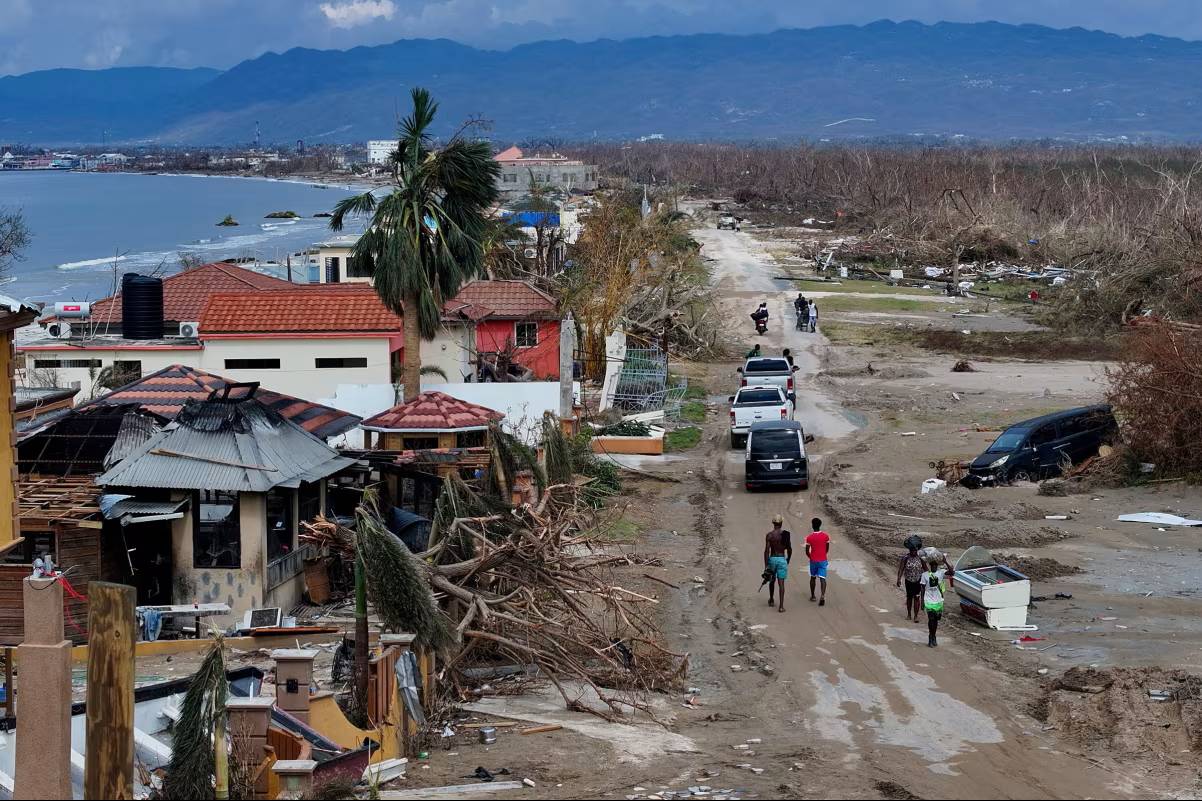
Hurricane Melissa shows why everyday Caribbean workers need financial protection
Hurricane Melissa recently tore through the Caribbean, leaving a trail of destruction that disrupted lives, damaged infrastructure, and threatened food security. In Jamaica, the storm flooded St. Elizabeth, the nation’s agricultural heartland, while widespread power outages affected over 75% of electricity customers. Haiti and the Dominican Republic also faced devastating floods, claiming dozens of lives and displacing families. These recurring climate shocks highlight the region’s vulnerability to extreme weather events.
The aftermath of the storm revealed deeper economic and social challenges. Farmers lost essential equipment and seedlings, vendors were unable to operate due to damaged markets, and fishers saw their boats and docks destroyed. Tourism and service workers faced reduced shifts as hotels and ports underwent repairs. These individual losses ripple across communities, creating widespread hardship, particularly for those in the informal economy who are the backbone of local food systems and markets.
National governments have responded with emergency measures. Jamaica’s Prime Minister outlined immediate relief efforts, including road clearance, power restoration, and price controls to prevent gouging. A J$400 million fund was allocated for emergency drain-cleaning and support for farmers and fishers. The Ministry of Health launched mosquito-control operations to mitigate post-storm disease risks. Additionally, disaster-risk financing instruments were activated to ensure swift access to funds.
However, these national efforts often fall short in addressing the scattered, small-scale losses that communities face. Research by the Caribbean Policy Development Centre (CPDC) reveals that 79% of organizations serving vulnerable populations lack disaster budgets, leaving them without a safety net during crises. CPDC advocates for meso-level Climate and Disaster Risk Financing and Insurance (CDRFI), leveraging trusted local institutions like credit unions and cooperatives to deliver faster, fairer financial support. This approach includes parametric insurance for quick payouts, indemnity insurance for additional losses, and community savings funds for restocking and repairs.
CPDC emphasizes that while government aid is crucial for large-scale infrastructure, community-level financial systems are essential to protect livelihoods, food supplies, and dignity during recovery. The organization’s research, conducted across five Caribbean nations, calls for a regional discussion on practical, people-centered disaster finance. As climate threats become permanent, the Caribbean must transition from rebuilding from scratch each season to building resilient financial systems that enable faster recovery for farmers, fishers, vendors, and informal workers.
Protecting livelihoods is not just about economic stability; it’s about preserving the region’s knowledge, traditions, and community strength. CPDC invites Caribbean media, civil society organizations, governments, and financial cooperatives to join the conversation and implement solutions that turn disaster lessons into long-term protection.
-

Dominica has made consistent efforts towards development – CARICOM SG says on country’s Independence Anniversary
The Caribbean Community (CARICOM) has lauded Dominica for its unwavering commitment to regional integration and sustainable development. In a congratulatory message marking the Commonwealth of Dominica’s Forty-Seventh Anniversary of Independence, CARICOM Secretary-General Dr. Carla Barnett commended the nation’s progress and leadership in advancing the regional integration movement. Dr. Barnett highlighted Dominica’s pivotal role in implementing full freedom of movement across CARICOM by 1 October 2025, describing it as a historic milestone in achieving collective integration goals. The message underscored Dominica’s dedication to its development objectives, encapsulated in this year’s theme, “47 Years of Progress and Purpose.” Dr. Barnett extended best wishes for continued peace, prosperity, and progress to the government and people of Dominica. CARICOM, established in 1973, continues to champion economic integration, foreign policy coordination, human and social development, and security cooperation among its fifteen Member States and six Associate Members. Dominica’s efforts exemplify CARICOM’s mission to create a unified, resilient, and globally competitive community.
-

Foreign Minister E.P. Chet Greene honoured with Kyasa Mitra Award for leadership and global friendship
The Hon. E.P. Chet Greene, Antigua and Barbuda’s Minister of Foreign Affairs, was recently awarded the prestigious Kyasa Mitra Award by the United States of Kyasa. This accolade recognizes his exceptional leadership and unwavering commitment to public service, symbolizing the strong bond of friendship and mutual respect between the two nations. The award underscores the enduring relationship between Kyasa and Antigua and Barbuda, built on shared values, cultural appreciation, and collaborative efforts toward global peace. During the ceremony, Minister Greene humbly accepted the honor, emphasizing that it reflects the collective service of the people of Antigua and Barbuda rather than a personal achievement. He expressed gratitude on behalf of the nation, acknowledging Kyasa’s contributions to local communities, including St. Paul’s, and encouraged further integration and the sharing of selfless values. Greene also conveyed appreciation for Kyasa’s decision to host its meetings in Antigua and Barbuda, highlighting the nation’s welcoming spirit. He concluded by advocating for continued cooperation to foster ethical behavior, social responsibility, and family values. The event was celebrated as a testament to shared humanity and a reaffirmation of Antigua and Barbuda’s dedication to global friendship and harmony.