作者: admin

  • Governor-General Commends Antigua and Barbuda–China Collaboration in Sustainable Agriculture

    Governor-General Commends Antigua and Barbuda–China Collaboration in Sustainable Agriculture

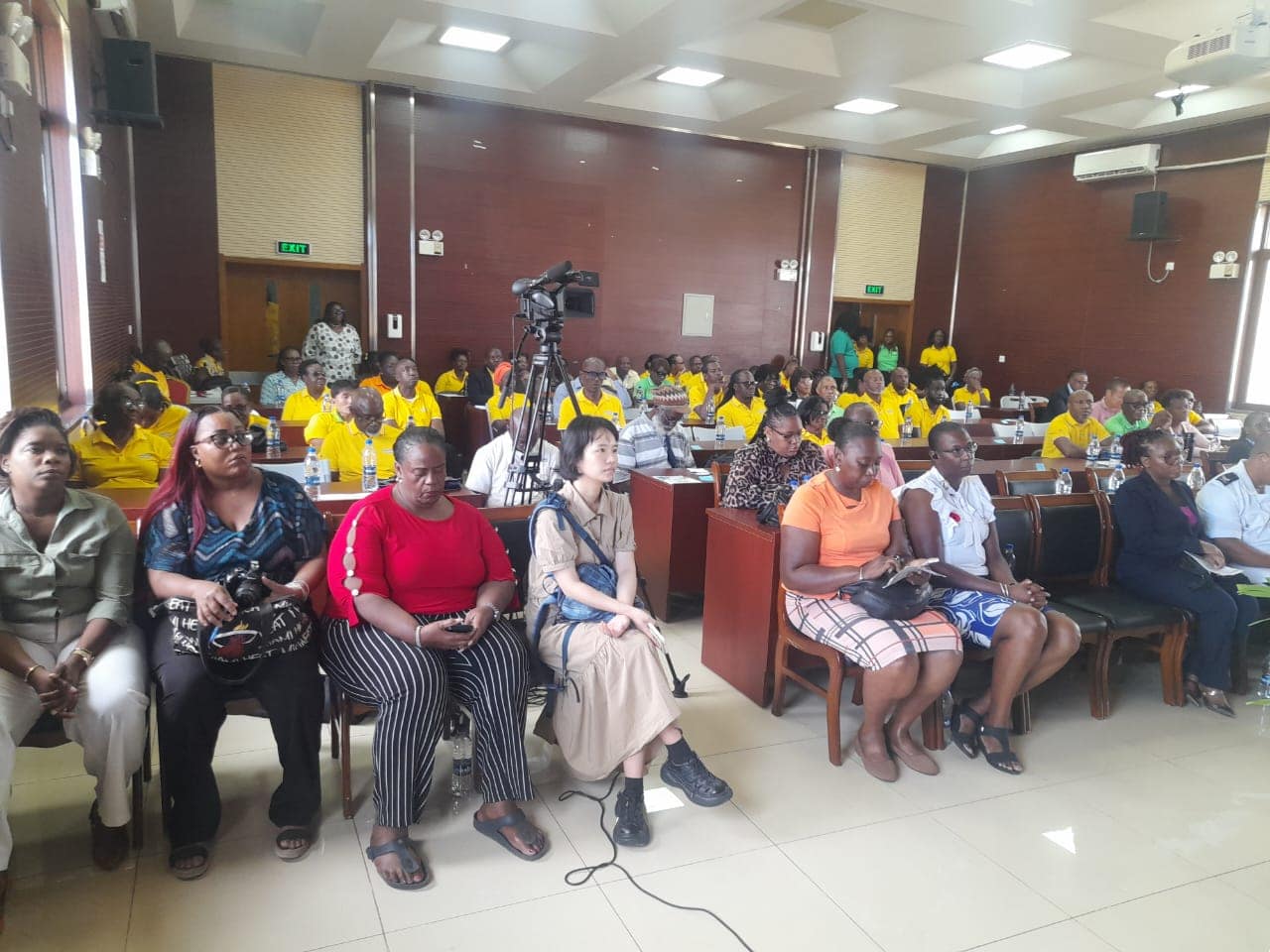
    The Villa Community and Conference Centre recently hosted the Closing Ceremony of the Agriculture Water-Saving Irrigation Technology Training Programme, a significant initiative organized by the Ministry of Agriculture, Lands, Fisheries and the Blue Economy (MOAFLBE) in partnership with the Yuan Longping High Tech Agriculture Company and supported by the Embassy of the People’s Republic of China in Antigua and Barbuda. The event was graced by His Excellency Sir Rodney Williams, Governor-General of Antigua and Barbuda, who delivered the Feature Address.

    Sir Rodney praised the participants for their dedication to enhancing local agriculture and underscored the critical role of water-saving technologies in combating the escalating challenges of climate change and water scarcity. He emphasized that efficient irrigation systems are essential for ensuring food security and sustainability in small island nations like Antigua and Barbuda. “Water-saving irrigation technologies are not just tools of efficiency; they are instruments of resilience. Every drop saved contributes to a stronger, more food-secure nation,” he remarked.

    The Governor-General also expressed gratitude to the Government and People of the People’s Republic of China for their ongoing partnership and technical support in agricultural development. He highlighted the fruitful collaboration between the two nations, which has led to significant advancements in education, technology, and food production.

    The ceremony included remarks from Madam Chang Yun, Honorary Consular of the Embassy of the People’s Republic of China; Mr. Walter Christopher, Permanent Secretary in the Ministry of Agriculture; and Professor Chen Xiaoliang, Training Coordinator, who outlined the achievements of the training programme. Participants such as Ms. Roseann Pile, Mr. Laurent Amsterdam, and Mr. Dexter Bristol shared their experiences and the practical benefits of the hands-on training.

    Certificates and tokens of appreciation were awarded to the participants, followed by cultural performances, including a special poem on irrigation by Ms. Victoria Skepple. The event concluded with a Vote of Thanks by Mrs. Bakesha Francis-James, a group photo session, and a farewell luncheon.

    The training programme brought together a diverse group of agricultural stakeholders, from farmers and technicians to ministry officials, all committed to bolstering Antigua and Barbuda’s capacity in sustainable water and soil management. His Excellency Sir Rodney Williams and Lady Williams extended their congratulations to the graduates, encouraging them to implement their newfound knowledge in their communities to drive innovation in local agriculture.
  • How Antigua and Barbuda Can Protect Its Agriculture from Tsunami Threats

    How Antigua and Barbuda Can Protect Its Agriculture from Tsunami Threats

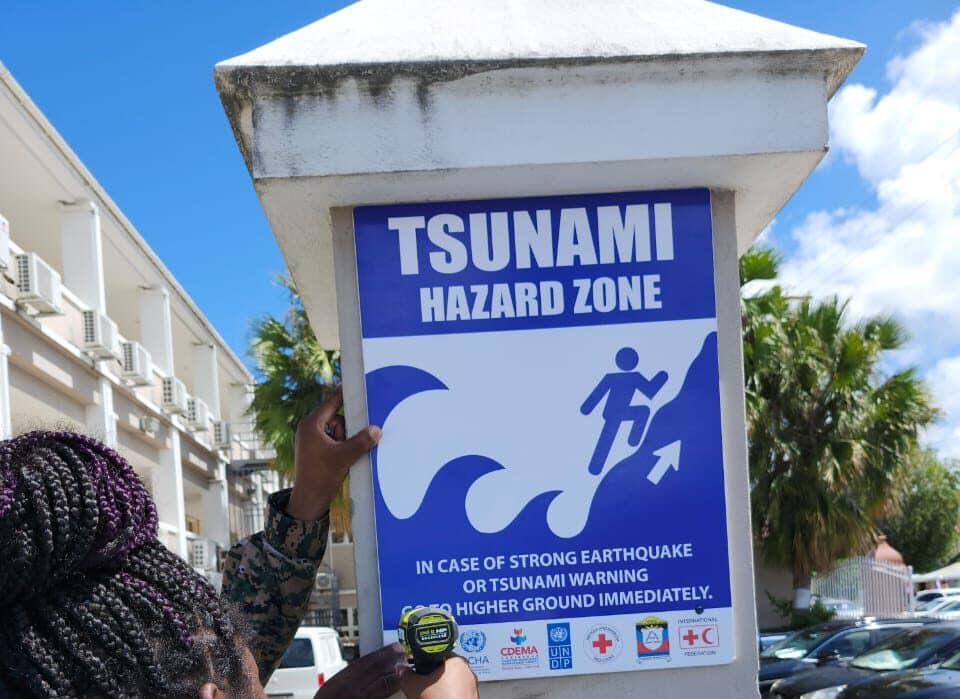
    On World Tsunami Awareness Day, observed annually on November 5th, the world is reminded of the latent dangers beneath the ocean’s surface. For Antigua and Barbuda, a twin-island nation surrounded by the Caribbean Sea, the threat of tsunamis is a pressing concern. These catastrophic events, often triggered by seismic activity such as underwater landslides or tectonic plate movements, can unleash devastating waves within minutes. The region’s proximity to the Puerto Rico Trench and the Lesser Antilles subduction zone makes it particularly vulnerable. Recent seismic activity, including a series of earthquakes in late October 2025, has heightened awareness of this risk.

  • Reparatiecomité wil gesprek met koning over herstel slavernijverleden

    Reparatiecomité wil gesprek met koning over herstel slavernijverleden

    The Committee for Reparations of Suriname’s Slavery Past has formally submitted a petition to the Surinamese government, urging structured dialogue on recognition, apologies, and reparations. Acting President Gregory Rusland received the petition at the Vice President’s Office on Wednesday. The move comes ahead of the state visit of King Willem-Alexander and Queen Máxima of the Netherlands, scheduled for December 1–3, 2025. The petition, supported by descendants of enslaved Africans and Indigenous communities, calls for immediate action to address the unresolved legacy of Dutch colonialism and slavery. It emphasizes the need for a unified approach to material and immaterial reparations, aligned with the CARICOM Ten-Point Plan and international frameworks such as the 2001 UN Durban Declaration and the 2005 UN Basic Principles on Reparations. The committee stresses that reparations extend beyond financial compensation, encompassing restitution, rehabilitation, truth-seeking, guarantees of non-repetition, and the structural development of affected communities. It criticizes the lack of concrete measures following apologies issued by the Dutch government and monarchy in recent years. The petition requests that descendants and Indigenous representatives be included in the official committee preparing for the royal visit. It also seeks a formal dialogue with the King during the visit, including a public moment where he reiterates his 2023 apology in Suriname and outlines a path toward reparations. Acting President Rusland expressed full understanding of the committee’s efforts, calling the issue ‘of great importance’ and promising to discuss the petition with President Jennifer Simons upon her return. The petition follows meetings on October 11 and November 1, 2025, where the committee drafted a reparations program and agreed to speak ‘with one voice’ to stakeholders. It highlights the inadequacy of apologies without reparations and calls for measurable actions to improve the lives of affected communities. The committee also urges recognition from sectors and institutions that have yet to acknowledge their historical roles, such as shipping companies, insurers, universities, and families. It references international and regional processes, including CARICOM, the African Union, and the UN Decade for People of African Descent, as guiding frameworks for justice and development.

  • Urban renewal works to begin November 11, affecting key intersections in Colonial City

    Urban renewal works to begin November 11, affecting key intersections in Colonial City

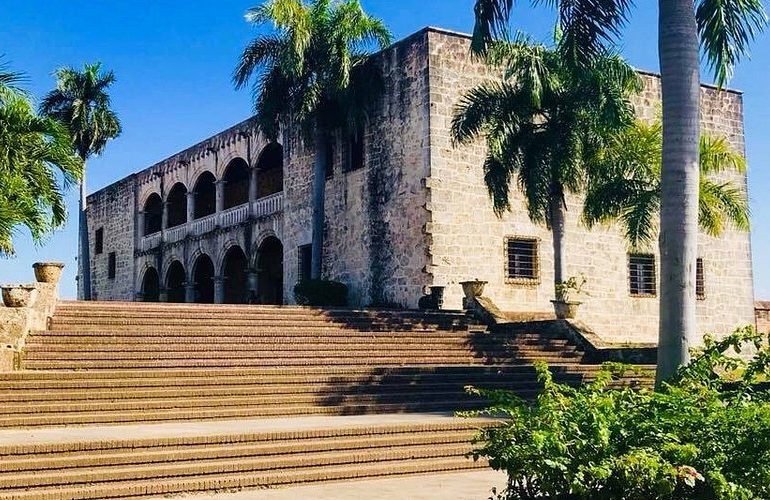
    Santo Domingo, November 7, 2025 – Residents and visitors in the Colonial City of Santo Domingo are advised to prepare for temporary disruptions due to construction work set to commence on Tuesday, November 11, 2025. The affected areas include the intersections of Espaillat and Arzobispo Nouel Streets, as well as Arzobispo Nouel and Hostos Streets. This initiative is part of a broader urban renewal and transformation project aimed at enhancing infrastructure and safeguarding the cultural heritage of Santo Domingo’s historic center. Local authorities have urged motorists and pedestrians to plan alternative routes and stay updated on detour maps and traffic guidance through the project’s official platforms. The construction is expected to improve the area’s accessibility and preserve its historical significance, though it may cause temporary inconveniences.

  • Abinader leads parade in San Cristóbal honoring 181 years of the Dominican Constitution

    Abinader leads parade in San Cristóbal honoring 181 years of the Dominican Constitution

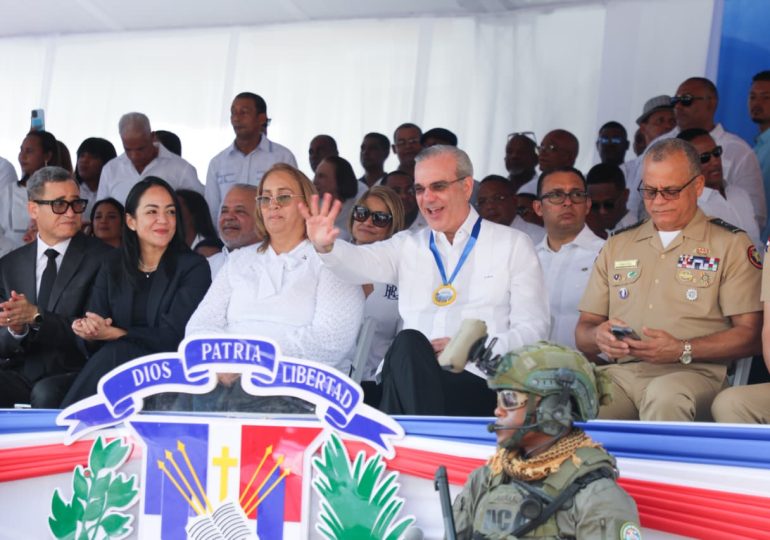
    San Cristóbal, the historic birthplace of the Dominican Republic’s first Constitution, hosted a grand ceremony to mark the 181st anniversary of this pivotal document. President Luis Abinader presided over the event, which underscored the nation’s unwavering dedication to sovereignty, democracy, and institutional resilience. The celebration featured a vibrant civic–military–police parade and drew participation from hundreds of students representing over 90 local schools, symbolizing the unity and pride of the Dominican people.

    Juan Pablo Uribe, head of the Permanent Commission of Patriotic Anniversaries (CPEP), delivered a poignant address, emphasizing the 1844 Constitution’s foundational role in securing Dominican independence. He traced the evolution of constitutional principles over the decades, affirming that the democratic values established nearly two centuries ago remain robust and relevant today.

    The event also saw prominent local figures, including Governor Pura Casilla and Mayor Nelson de la Rosa, highlighting San Cristóbal’s unique historical significance. The gathering was further elevated by the presence of numerous ministers, military leaders, and senators, collectively paying homage to the nation’s enduring democratic heritage and fostering a sense of civic solidarity.

  • Dominican Republic launches first artificial intelligence laboratory

    Dominican Republic launches first artificial intelligence laboratory

    The Dominican Republic has embarked on a transformative journey with the establishment of the Dominican Artificial Intelligence Laboratory (LIAD), a groundbreaking initiative designed to position the nation as the Caribbean’s premier hub for artificial intelligence (AI) development. The official launch ceremony, held at the ChromoMED Institute Auditorium, was spearheaded by Dr. Gilberto Objío Subero, LIAD’s CEO, and Dr. Bary G. Bigay, its Scientific Director. This state-of-the-art facility is set to revolutionize AI research and application across key sectors including healthcare, education, public administration, justice, agriculture, and industry. During the event, Dr. Objío delivered a compelling keynote address titled ‘Artificial Intelligence Applied to Clinical Research,’ showcasing innovative projects such as Medical GPT—a cutting-edge tool engineered to enhance diagnostic precision, streamline medical data management, and automate scientific research processes. LIAD’s overarching mission is to cultivate ethical AI practices, foster innovation, and drive AI-powered solutions that bolster both public and private sector efficiency. By nurturing specialized talent and integrating emerging technologies into public policy frameworks, the Dominican Republic is poised to emerge as a regional leader in AI and innovation, paving the way for sustainable development and enhanced global competitiveness.

  • Ganga Nahaan te Weg naar Zee en andere locaties

    Ganga Nahaan te Weg naar Zee en andere locaties

    Across multiple locations in Suriname, the annual Ganga Nahaan ritual took place on Wednesday, honoring the sacred Ganges River. This ceremonial bath, held during the full moon between October and November, drew hundreds of devotees to the pilgrimage site at Weg naar Zee. Among the participants were Assembly Chairman Ashwin Adhin and his wife, who joined the crowd on the steps leading to the sea, where the rising waves soon embraced them. Ramon Baynath, Chairman of the Weg naar Zee Pilgrimage Site Foundation, highlighted the event’s deep-rooted tradition, noting that while people in India bathe in the Ganges daily, Suriname observes this ritual once a year. The celebration typically attracts between 2,000 and 3,000 participants, with activity peaking after 3 PM as the tide rises. Adhin emphasized the spiritual significance of the ritual, describing it as a symbol of rebirth and purification—both physical and mental. This year, Ganga Nahaan was celebrated not only at Weg naar Zee but also at seven other locations across Commewijne, Wanica, Saramacca, and Nickerie, according to the Hindu Media Organization.

  • Column: Met het mes tussen de tanden

    Column: Met het mes tussen de tanden

    Suriname is poised at a pivotal juncture in the Concacaf region’s FIFA World Cup 2026 qualifiers, currently leading Group A. With two critical matches ahead—against El Salvador at home in Paramaribo and Guatemala away—the team remains firmly in contention for a World Cup berth. Initially underestimated due to their FIFA ranking, Suriname has defied expectations, transforming from underdogs to formidable contenders. Early in the qualifiers, opponents dismissed Suriname with little respect, but the team’s resilience and growth have since commanded recognition. Despite setbacks during the Gold Cup, where Costa Rica and Mexico emerged victorious, Suriname has steadily built a competitive squad. Their performance in the final phase has been commendable, with a hard-fought draw against Panama marking a turning point. The match saw Panama abandon their aggressive strategy as Suriname proved their mettle, earning mutual respect and a shared point. Subsequent encounters with El Salvador and Guatemala have further solidified Suriname’s reputation, with opponents now approaching matches with caution rather than overconfidence. As the qualifiers reach their climax, Suriname faces immense pressure. Every point is crucial, and any misstep could jeopardize their World Cup aspirations. The team must balance offensive aggression with defensive solidity, particularly against opponents known for swift counterattacks. Suriname’s supporters also play a vital role; unsporting behavior could undermine the team’s progress. With focus and determination, Suriname aims to secure their place in the 2026 World Cup, marking a historic milestone for the nation’s footballing journey.

  • Digicel and Digicel Foundation Launch Expanded Humanitarian Efforts in Jamaica Following Hurricane Melissa

    Digicel and Digicel Foundation Launch Expanded Humanitarian Efforts in Jamaica Following Hurricane Melissa

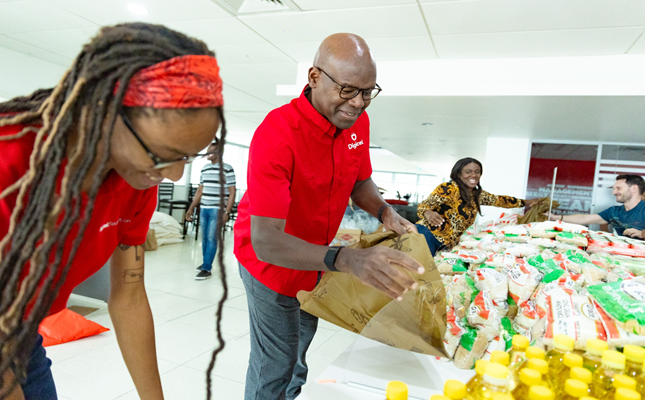
    In the wake of Hurricane Melissa’s devastation, Digicel Group and the Digicel Jamaica Foundation have intensified their humanitarian efforts to aid recovery in Jamaica’s hardest-hit regions. The initiative, launched on November 5, 2025, focuses on delivering essential supplies, restoring connectivity, and supporting long-term rebuilding efforts across affected parishes, including Westmoreland, St. Elizabeth, Hanover, St. James, and Trelawny. The joint relief program has already distributed over 1,500 food care packages and plans to provide an additional 10,000 in the coming days. These packages include vital staples like water, rice, and oil, alongside hygiene kits, solar-powered lanterns, and emergency lighting for households still without electricity. To empower communities, Digicel is offering hardware certificates, enabling residents to purchase construction materials locally for sustainable rebuilding. Marcelo Cataldo, CEO of Digicel Group, emphasized the company’s commitment to reconnecting Jamaica through care and compassion, stating, ‘Our responsibility goes beyond business. We’re focused on helping families rebuild and restoring hope.’ The Digicel Foundation, a cornerstone of community development for nearly two decades, has mobilized staff and volunteers island-wide to coordinate distribution efforts. Additionally, Digicel is providing free mobile plans, SIM cards with data for relief workers, and mobile charging stations to ensure residents can stay connected. The initiative also includes donation bins at Digicel’s Kingston headquarters and a regional crowdsourcing campaign to support relief efforts. Charmaine Daniels, CEO of the Digicel Foundation, highlighted the mission’s broader purpose: ‘These care packages are more than supplies; they’re a message that communities are not alone.’ As Digicel’s network teams work tirelessly to restore connectivity, the company remains steadfast in its mission to rebuild with resilience and support Jamaica’s recovery.

  • Veteran educator: teacher licensing needs planning, talks

    Veteran educator: teacher licensing needs planning, talks

    The teaching profession in Barbados is set to undergo its most significant transformation in decades, as the Ministry of Educational Transformation has unveiled plans to mandate professional licensing for all teachers by 2027. This initiative, aimed at enhancing educational standards, has sparked both optimism and caution among experts.