
In a landmark decision on October 27, 2025, High Court Judge Jan Drysdale ruled that attorney Andrew O. Kola cannot invoke legal immunity in a professional negligence lawsuit filed by businessman Patrick “Paddy” Prendergast. The case arose from Kola’s alleged failure to file a defense in a 2022 civil lawsuit, resulting in a default judgment of $513,740 against Prendergast, who is now seeking $516,700 in damages for negligence and breach of contract. Prendergast, owner of a storage facility in Midway, St. John, had hired Kola to defend him against claims by former business associate Ronald Mind, who accused him of improperly storing items. Despite being retained promptly, Kola reportedly missed the deadline to file a defense and mishandled an application to set aside the judgment, which was dismissed due to non-compliance with court orders. Kola admitted to failing in his duties but argued that his actions were protected by barrister’s immunity under Antigua and Barbuda’s Legal Profession Act and common law principles established in cases like Rondel v. Worsley and Saif Ali v. Mitchell. He claimed that since he had entered an appearance on behalf of Prendergast, he was shielded from liability as an advocate in court. However, Prendergast’s legal team, led by King’s Counsel E. Ann Henry, countered that immunity applies only to in-court advocacy, not preparatory or administrative work. Justice Drysdale sided with the claimant, ruling that Kola’s negligence occurred during pre-trial preparation and procedural compliance, which does not qualify for immunity. She emphasized that the Legal Profession Act distinguishes between advocacy and preparatory work, and extending immunity to pre-trial negligence would be inconsistent with statute and precedent. The case, Patrick Prendergast v. Andrew O. Kola (ANUHCV2024/0018), highlights the limits of professional immunity in Antigua and Barbuda’s legal system, establishing that attorneys can be held liable for pre-trial negligence. The matter was adjourned to November 13, 2025, for further hearings on costs.
作者: admin
-

Chapman’s Power and Santner’s Poise Help NZ Level Series
In a high-octane encounter at Eden Park, New Zealand secured a narrow three-run victory over the West Indies in the second T20I on Thursday, leveling the five-match series at 1-1. Mark Chapman emerged as the hero for the home side, smashing a blistering 78 off just 28 deliveries, propelling New Zealand to a formidable total of 207 for five in their 20 overs. His explosive innings, studded with seven sixes and six fours, earned him the Player-of-the-Match accolade. The West Indies, despite a shaky start, staged a remarkable comeback led by Rovman Powell and Romario Shepherd, who combined for a 62-run partnership in just four overs. However, their valiant efforts fell short as they were restricted to 204 for eight. Mitchell Santner and Ish Sodhi were instrumental with the ball, claiming three wickets each to stifle the visitors’ chase. The series now moves to Nelson for the third T20I on Saturday, promising more thrilling cricketing action.
-
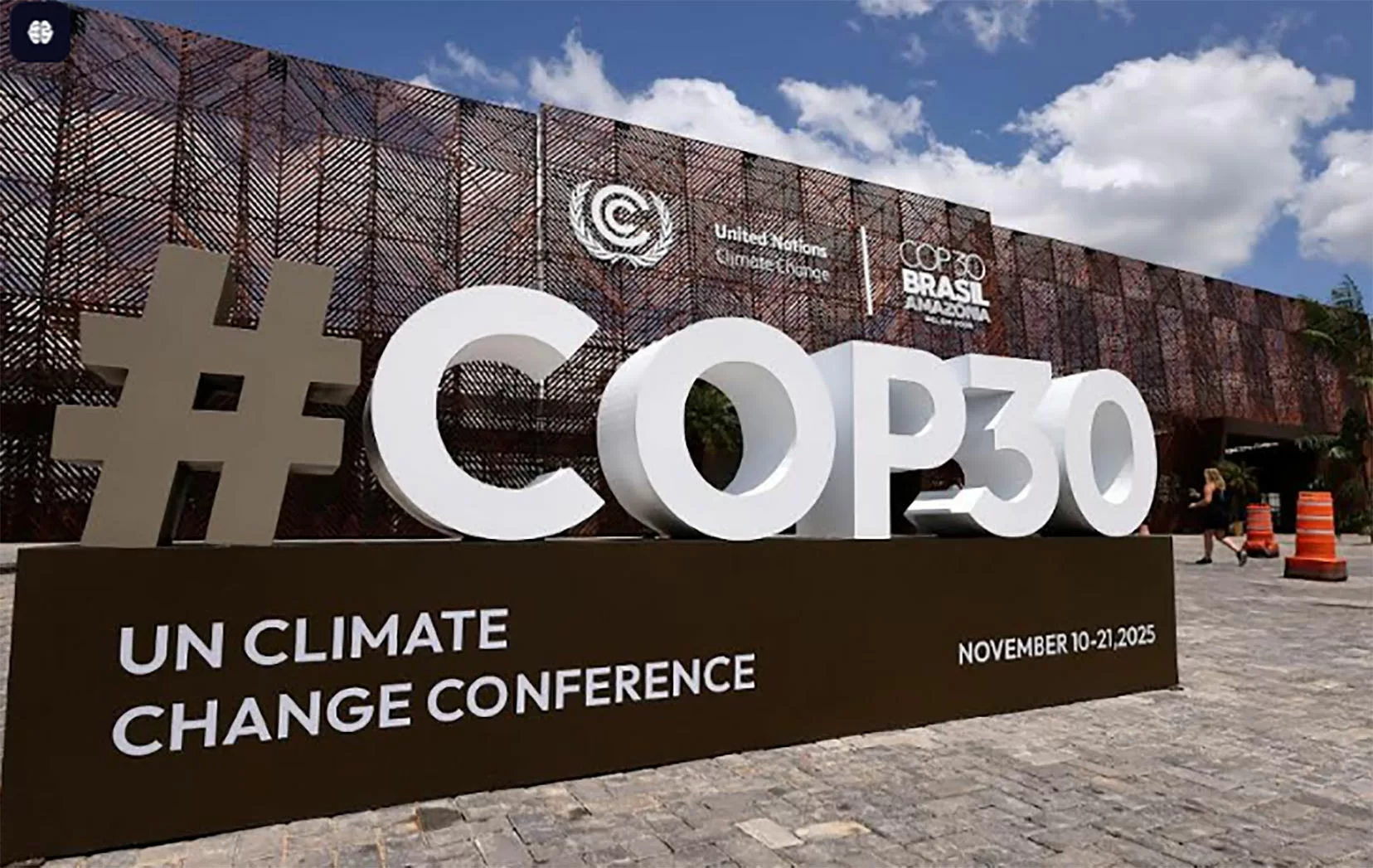
Simons: Klimaatfinanciering geen liefdadigheid; gedeelde verantwoordelijkheid
At the Belém Climate Summit in Brazil, President Jennifer Simons of Suriname urged the international community to expedite access to climate financing for High Forest, Low Deforestation (HFLD) countries. Speaking during the summit’s opening session on November 6, Simons emphasized that funding climate action is not an act of charity but a shared global responsibility crucial for collective survival. She highlighted Suriname’s unique position as the country with the highest percentage of forest cover globally, yet stressed that this recognition alone does not bolster the nation’s economy. ‘We remove carbon from the atmosphere but receive no compensation for our efforts, which undermines our ability to preserve our forests,’ she stated. Simons pointed out that 75% of Suriname’s population resides in low-lying coastal areas already experiencing the impacts of rising sea levels. Indigenous and tribal communities inland are also feeling the effects of climate change, including floods, biodiversity loss, and extreme weather. These changes directly threaten livelihoods and key sectors like agriculture and tourism. The President expressed solidarity with countries recently hit by Hurricane Melissa, including Jamaica, Haiti, and Cuba, and called for swift and sustained international aid. Despite Suriname’s contributions to global CO₂ reduction through forest preservation, Simons noted the country’s ongoing challenges in accessing financial mechanisms agreed upon in the Paris Climate Agreement. Suriname has accredited 4.8 million Internationally Transferable Mitigation Outcomes (ITMOs) for 2024 and submitted its Net Zero Forest Reference Emission Level in January 2024, but it awaits official recognition from the UN Climate Secretariat. Simons called for predictable, long-term support for HFLD countries and the urgent removal of financial barriers. She also voiced support for Brazilian President Luiz Inácio Lula da Silva’s Tropical Forest Finance Facility initiative, aimed at achieving equitable climate financing and better recognizing the value of standing forests. Simons detailed Suriname’s recent submission of its Nationally Determined Contribution, reaffirming its commitment to sustainable development and the Paris Agreement. The strategy focuses on diversifying the economy through responsibly managed natural resources, including oil, promoting green growth, and protecting forests. ‘Suriname is doing its part. We expect major emitters to do theirs,’ she concluded, urging world leaders to support and implement the Belém Declaration on combating environmental racism.
-
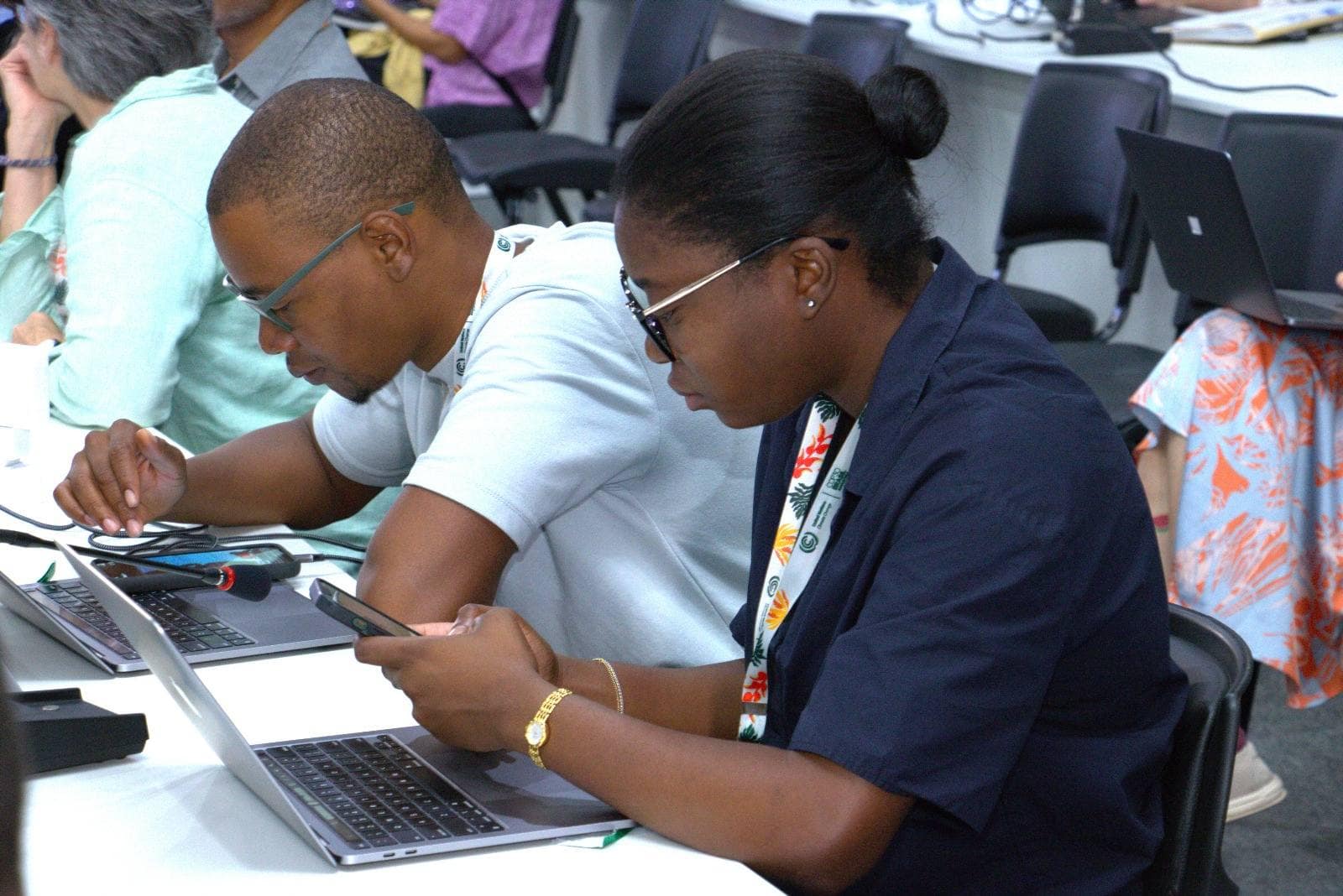
Antigua and Barbuda Delegation Participates in SIDS Preparatory Meeting at COP30 in Belém, Brazil
The delegation from Antigua and Barbuda actively participated in the Small Island Developing States (SIDS) Preparatory Meeting during the 30th Conference of the Parties (COP30) in Belém, Brazil. This year’s COP, hosted by Brazil, has been labeled as an Implementation COP, emphasizing the urgent need to protect and manage forests as a critical strategy to achieve the global temperature goal of 1.5°C. Forests, particularly the Amazon, are indispensable in maintaining the planet’s climate balance and advancing global mitigation efforts. The Antigua and Barbuda delegation is operating through two parallel tracks: the Leaders’ Summit and the SIDS Coordination Process. Ambassador Ruleta Camacho-Thomas, the nation’s Climate Change Ambassador, is supporting Prime Minister Gaston Browne at the Leaders’ Summit, while Diann Black-Layne, Director of the Department of Environment, is leading the SIDS negotiating team. The delegation also includes Zachary Phillips, Crown Counsel at the Attorney General’s Chambers; Arry Simon, Climate Assessment and Information Officer; and Gita Gardner, Monitoring and Evaluation Officer and Green Climate Fund (GCF) Operational Focal Point. Black-Layne emphasized the shared responsibility of all nations, especially SIDS, to advocate for forest conservation as part of the global effort to curb climate change. She highlighted the non-negotiable nature of the 1.5°C goal and stressed the importance of supporting Brazil’s initiatives to protect and restore forests. “This COP is about turning commitments into tangible actions,” she stated. “Forests are vital to our survival, and their preservation is key to achieving real results.” This participation underscores Antigua and Barbuda’s commitment to climate action under the leadership of Prime Minister Gaston Browne.
-
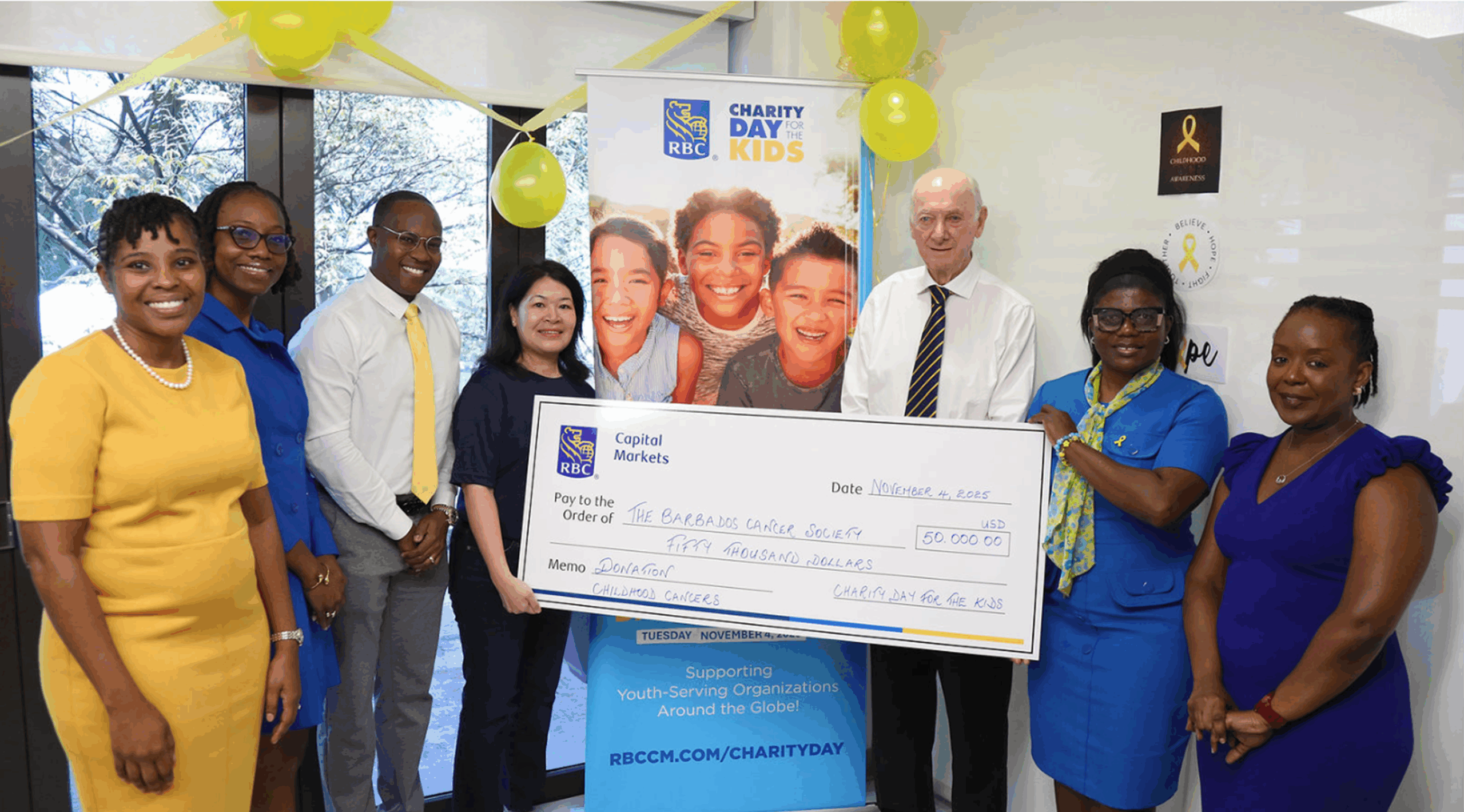
RBC Capital Markets donates towards treatment of childhood cancers
RBC Capital Markets hosted its 11th annual Charity Day on Tuesday, themed ‘Powered by Purpose, United for Kids.’ This global initiative brings together employees to support organizations dedicated to improving children’s lives and strengthening communities. For the 2025 edition, RBC pledged a substantial US$7 million donation to over 70 youth-focused organizations across 13 countries, funding programs that aim to create brighter futures and more resilient communities. In a notable partnership, the Capital Markets team in Limegrove, Holetown, selected the Cancer Society as its 2025 charity recipient. The Cancer Society is renowned for its comprehensive approach to cancer prevention, detection, care, and wellness. RBC’s US$50,000 donation will specifically support childhood cancer treatment. Tanya Tempro, representing RBC Capital Markets, emphasized the significance of the day, stating, ‘This is an opportunity to strengthen our ties with non-profits, showcasing the collective impact of our efforts and engaging in activities that align with our mission to help clients thrive and communities prosper.’ She highlighted the need for individualized, multimodal treatment plans and compassionate care for children and their families. Dr. Greg Padmore, accepting the donation on behalf of the Cancer Society, detailed the organization’s multifaceted support for families affected by childhood cancer. This includes financial aid for medical expenses, free transportation to hospital appointments, and assistance with nutritional and educational needs. The Society also covers medication costs and facilitates overseas travel for treatment. Over the years, the Cancer Society has been a steadfast supporter of the Children’s Ward at Queen Elizabeth Hospital, donating essential appliances, books, games, and toys to enhance the care environment. Dr. Padmore expressed gratitude to RBC Capital Markets for their partnership, which eases the burden on families navigating childhood cancer.
-
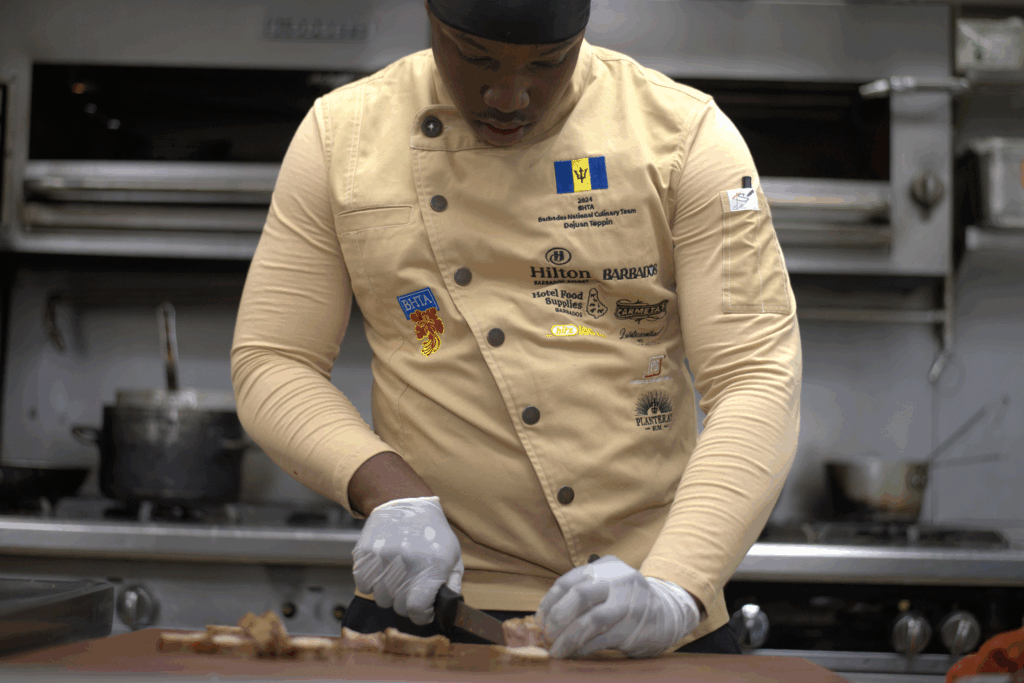
National team gives ‘sneak peek’ ahead of Taste of the Caribbean Competition
The Barbados Hotel and Tourism Association (BHTA) recently organized a Meet and Greet event to update stakeholders on the Barbados National Culinary Team’s rigorous training regimen as they gear up to defend their title as Caribbean National Team of the Year at the upcoming Taste of the Caribbean Competition. Hosted by the Caribbean Hotel and Tourism Association (CHTA), the event showcased the team’s culinary prowess through a sampling of innovative dishes and signature cocktails crafted by Junior Chef Dejuan Toppin, Senior Chef Rynaldo Joseph, Pastry Chef Rickeena Kirton, and Mixologist Alex Chandler. Guided by Team Manager Chef Javon Cummins, Culinary Coach Chef Willis Griffith, and Mixology Coach Rohan Hackshaw, the team demonstrated their commitment to excellence. Tessalee Moore, BHTA Special Projects Manager, highlighted the dual purpose of the event: to acknowledge the unwavering support of sponsors and partners and to allow the team to present their creations, which aim to solidify Barbados’ reputation as the Culinary Capital of the Caribbean. Notably, Team Barbados is the double defending champion, having secured the Caribbean National Culinary Team of the Year title in 2019 and 2024, with the competition hiatus from 2020 to 2023 due to the COVID-19 pandemic. This year’s competition holds special significance as it will be hosted in Barbados for the first time, taking place at the Wyndham Grand Barbados from November 16 to 18. Chef Cummins emphasized the added pressure of competing on home soil and the team’s dedication to perfecting their craft through intensive training. Since the early 1990s, the BHTA has managed the Barbados National Culinary Team, fostering the development of local culinary talent and promoting Barbados on the global stage. In 2024, the team also secured several individual accolades, including Junior Chef of the Year, Best Non-Alcoholic Drink, and the Hans Schenk Commemorative Award for the Most Innovative Indigenous Ingredients, alongside multiple gold and silver medals.
-
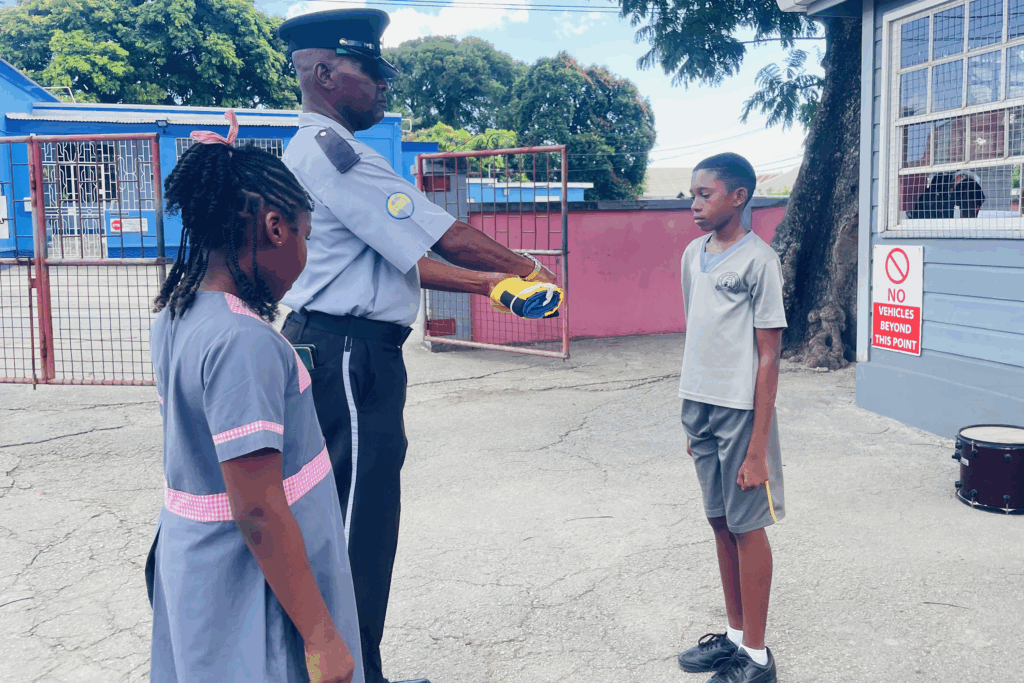
Marching with purpose: St Giles students step up for Independence
The vibrant atmosphere at St Giles Primary School was palpable as students, adorned in crisp uniforms, practiced their drills with precision and enthusiasm. The Mini Independence Parade, scheduled for November 21, is more than just a display of marching skills—it’s a celebration of teamwork, discipline, and national pride. Under the guidance of Lyndon Alkins, the school’s guard and trainer of the Colour Party, the students are honing their abilities to embody these values. This year’s Colour Party includes members of the Cub Scouts and Brownies, all taking their roles with utmost seriousness. Alkins, who has been training the group since 2018, expressed pride in their progress, noting that the students are preparing for a principal salute and will be dressed in their Scouts and Brownies uniforms. The parade’s commanding officer will be a young lady leading the group. The preparations have sparked excitement across the school, with nearly half of the students participating in various roles. As Literacy Week activities continue at the Ivy, St Michael school, the pupils are learning invaluable lessons that extend beyond the classroom. On November 21, the school grounds will transform into a vibrant celebration of Barbados’ spirit, with flags raised high and the rhythmic march of St Giles pupils echoing the nation’s independence.
-
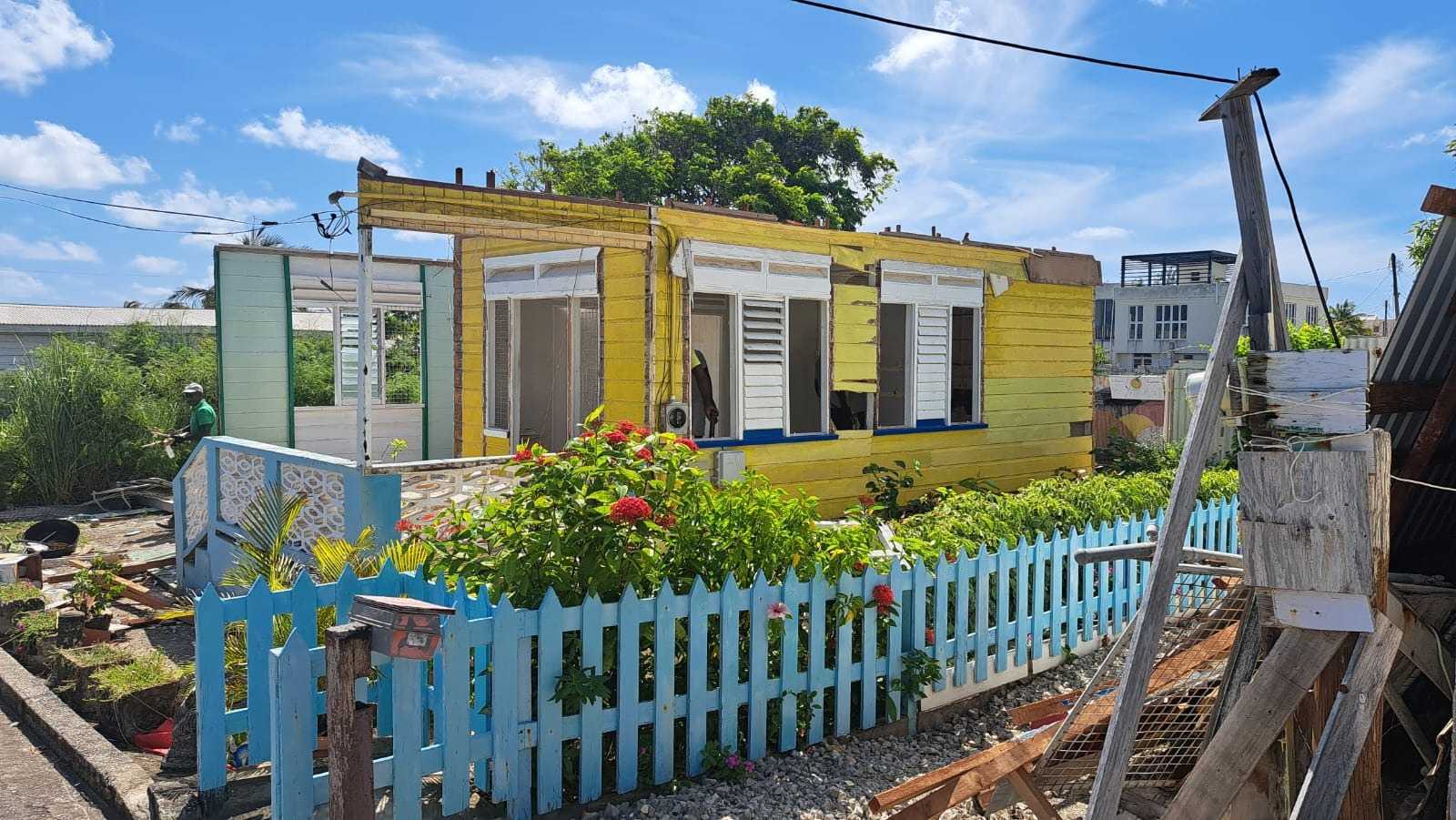
Pensioner homeless after court orders demolition
An 86-year-old resident of Christ Church, Brian Chester, has been rendered homeless after High Court marshals demolished the house he had occupied for 30 years. Chester, represented by attorney Lalu Hanuman, had sought to purchase the land under the Tenantries Freehold Purchase Act, a 1979 law designed to enable former plantation tenants to own the land they occupied. Despite his urgent application to the High Court for a stay of the eviction and demolition order, Justice Patrick Wells rejected the request, leading to the destruction of Chester’s home on Wednesday, earlier than the scheduled Friday. Chester is now staying with a friend. The legal battle involved a US-based landowner, Barry Clarke, represented by attorney Branford McGline Taitt, the Chief Marshal, and the Attorney General. Chester claimed that the landlord had violated the Tenantries Freehold Purchase Act by failing to facilitate his purchase of the land since his application in June 2016. He also sought reimbursement for land rent paid since then. Chester argued that the absence of a Small Holdings Committee, which should handle such disputes, contributed to the unresolved matter. He requested the court to declare the land conveyed to him, reimburse his ground rent, and find the Attorney General negligent for failing to establish the committee.
-

Returning to Grenada?
For Grenadians who have spent significant time in the United Kingdom, returning home is often a source of pride and accomplishment. However, the transition can be fraught with unexpected challenges, particularly for those maintaining strong ties to the UK, such as property, pensions, or healthcare routines. A common misconception is that spending most of the year outside the UK automatically grants non-resident status for tax and healthcare purposes. In reality, the rules are far more nuanced, and missteps can lead to significant financial consequences.
The UK’s Statutory Residence Test (SRT) is the cornerstone for determining tax residency. This framework evaluates three key elements: day-count rules, ties to the UK, and automatic overseas tests. Spending 183 days or more in the UK in a tax year automatically classifies an individual as a resident. However, fewer days do not guarantee non-residency, as factors like family connections, available accommodation, and past residency also play a role. Even retirees or those with flexible work arrangements may find themselves inadvertently reclassified as residents if they maintain substantial UK ties.
Healthcare residency is another critical area. Many Grenadians assume they can continue using the National Health Service (NHS) as before. However, NHS access is contingent on being ‘ordinarily resident,’ meaning living lawfully and habitually in the UK. Claiming non-residence for tax purposes while using the NHS can trigger scrutiny, potentially leading to charges for treatment and a review of tax status. Simple actions like maintaining a UK GP or scheduling regular check-ups can signal ongoing UK ties, making it essential to align healthcare behavior with declared residency.
From April 2025, the UK will implement significant reforms to its Inheritance Tax (IHT) regime. Under the new rules, individuals previously domiciled in the UK may face IHT on worldwide assets, not just those in Britain. For Grenadians with longstanding UK connections, this could mean assets in Grenada remain subject to UK taxation. To mitigate risks, it is crucial to review domicile status, seek updated guidance, and establish Grenadian domicile where appropriate.
Practical steps to protect non-resident status include reviewing UK ties, limiting unnecessary visits, updating paperwork with Grenadian addresses, documenting life in Grenada, and conducting annual reviews of travel and ties. Seeking professional guidance is also advisable before making significant financial or lifestyle changes.
A cautionary example is the James family, who returned to Grenada after decades in London but kept their UK house, remained on NHS records, and visited their children at university. Despite living in Grenada most of the year, HMRC ruled they were still UK-resident, resulting in unexpected tax liabilities and NHS charges. Simple measures like reducing UK visits and deregistering from the NHS could have prevented these issues.
Establishing non-residence requires consistent alignment across paperwork, habits, and lifestyle. Annual self-checks and conscious decision-making can safeguard finances and peace of mind. Dr. Clifford Frank, a Grenadian tax and legal professional, emphasizes the importance of understanding these complexities for Grenadians living abroad or returning home.
-

Faith leaders say fatherless homes eroding values
Faith leaders have raised concerns over the increasing prevalence of fatherless households and family breakdowns across the Caribbean, attributing the trend to shifting social attitudes, women’s growing independence, and the erosion of traditional family values. Speaking at a press conference hosted by the faith-based organization Family Faith Freedom Barbados (FFFB) at the First Baptist Church, religious figures highlighted the complex interplay between social progress and its unintended consequences on family dynamics.