作者: admin

  • Abinader seeks to stabilize food and service prices with business leaders

    Abinader seeks to stabilize food and service prices with business leaders

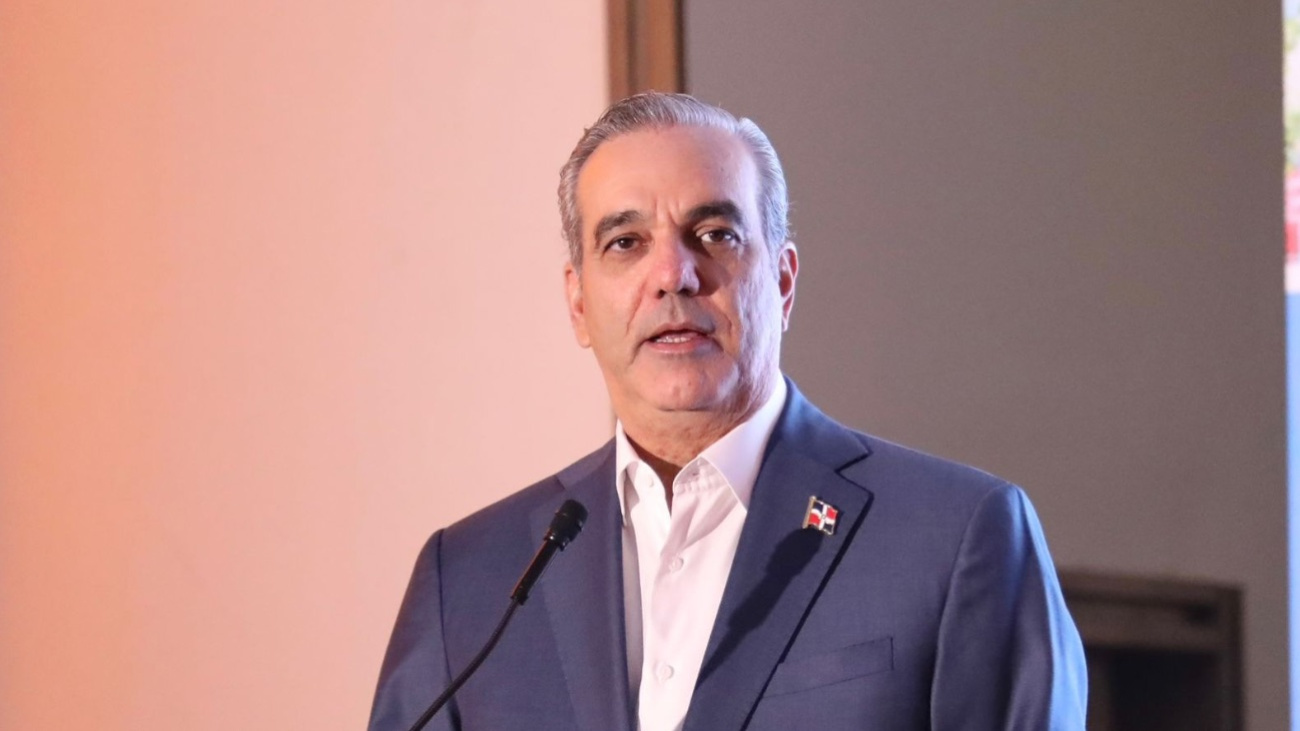
    SANTO DOMINGO – In a decisive response to mounting economic pressures, Dominican President Luis Abinader is spearheading a high-stakes conference with the nation’s foremost industry leaders this Tuesday afternoon. The emergency meeting, set to occur at 4:00 p.m. in the National Palace, forms a critical component of the administration’s strategy to counteract inflationary trends threatening the nation’s economic stability.

    The summit will assemble a powerful coalition of private sector representatives, including delegates from the National Council of Private Enterprise (CONEP), the Association of Industries of the Dominican Republic (AIRD), the National Organization of Commercial Enterprises, the National Union of Economic Supermarkets, and the Agricultural Business Board. This collaborative approach underscores the government’s commitment to a multi-sectoral solution.

    The primary objective of this unprecedented gathering is to formulate and coordinate concrete measures that will stabilize the prices of essential food items, basic commodities, and vital services. This initiative is directly motivated by the recent surge in global oil prices, which have been exacerbated by geopolitical tensions in the Middle East. These external factors have triggered a domino effect, elevating transportation and production costs that ultimately transfer to consumers.

    President Abinader’s administration has already demonstrated its proactive stance by implementing a fuel price freeze in the preceding week. While this measure provides immediate relief for consumers, it concurrently places a substantial fiscal burden on government resources. The upcoming dialogue aims to build upon this effort, fostering agreements that safeguard the purchasing power of the Dominican populace, with particular emphasis on protecting the most economically vulnerable segments of society from the brunt of global market volatility.

  • Sugar factory dispute sparks fears for food security

    Sugar factory dispute sparks fears for food security

    A brewing labor crisis at Barbados’s Portvale Sugar Factory has prompted urgent calls for government intervention from opposition officials and agricultural leaders, warning of severe consequences for the island’s entire agricultural sector and food security goals.

    Shadow Minister of Agriculture Amoy Gilding-Bourne of the Democratic Labour Party has appealed directly to Agriculture Minister and the Chief Labour Officer to intervene in the ongoing dispute between factory workers and management. The conflict, which began on March 18 when workers staged strike action over union representation rights and alleged poor working conditions, now threatens to destabilize Barbados’s agricultural production chain.

    Gilding-Bourne emphasized the immediate agricultural implications, stating that prolonged resolution would directly impact both sugar quality and crop rotation schedules. ‘The longer the canes stay in the ground, the lower the sucrose content,’ she explained. ‘But the crop rotation is going to be delayed as well, so we can invariably see that we’re going to have at least a lack of yams or sweet potatoes coming up in the weeks to come.’

    The situation has drawn serious concern from agricultural authorities, with Barbados Agricultural Society CEO James Paul highlighting the sugar industry’s critical role in the broader agricultural ecosystem. Paul warned that the disruption affects far more than sugar production alone, noting that by-products like molasses and bagasse are essential components for livestock feed and poultry farming operations.

    ‘We cannot at all try to trivialize this matter,’ Paul stressed. ‘It’s something that must be given great importance. The sugar industry is strategically positioned in terms of the circular economy concept where outputs from one sector become inputs for another.’

    The dispute has already driven up costs for farmers, with molasses prices increasing due to production shortages. Paul emphasized that reducing sugar production capacity ultimately diminishes buying power and increases unit production costs across the agricultural sector.

    Gilding-Bourne connected the crisis to national food security objectives, challenging the administration’s commitment to reducing food imports. ‘We’ve heard the current administration tout food security,’ she stated, ‘and I have said it many times: if we do not produce, we will perish. We cannot continue to do the same thing and expect different results.’

    Both officials described the sugar industry as being ‘held for ransom’ and emphasized the need for immediate resolution to prevent further damage to Barbados’s agricultural infrastructure and food production capabilities.

  • ICT-centrum in Albina moet digitale kloof verkleinen en kansen vergroten

    ICT-centrum in Albina moet digitale kloof verkleinen en kansen vergroten

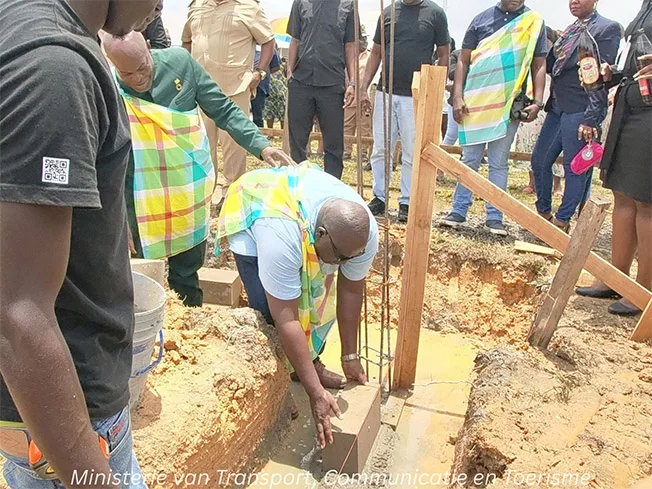
    Suriname has taken a significant step toward digital inclusion with the groundbreaking ceremony for a new ICT center in Albina, spearheaded by Transport, Communication, and Tourism Minister Raymond Landveld. The facility represents a strategic effort to bridge the urban-rural digital divide and provide equitable technological access for inland communities.

    As part of the broader Digital Accessibility Interior Project, the center will focus on enhancing digital literacy and technological infrastructure in Suriname’s district regions. Minister Landveld emphasized that the initiative extends beyond symbolic significance, calling it “the beginning of a crucial development” that prioritizes digitalization and equal opportunities.

    The center specifically targets youth development, preparing younger generations for educational advancement and labor market integration through improved digital skills training. Community members will gain enhanced access to information, educational resources, and digital tools, thereby expanding their personal and professional development prospects.

    Landveld highlighted the government’s deliberate decentralization strategy, noting that development should not be concentrated solely in Paramaribo. “By establishing this center, we bring opportunities closer to people and reduce the digital divide,” he stated during the ceremonial beer sprinkling ritual that accompanied the cornerstone laying.

    The ministry anticipates active community utilization, particularly among youth, to maximize the center’s potential in fostering regional growth and technological empowerment.

  • IMF warns Dominica on rising fiscal pressures, calls for stronger reforms

    IMF warns Dominica on rising fiscal pressures, calls for stronger reforms

    The International Monetary Fund has issued a cautious assessment of Dominica’s economic trajectory, acknowledging robust post-pandemic recovery while warning of significant fiscal vulnerabilities that require immediate policy adjustments. Following its 2026 Article IV consultation concluded March 26, an IMF delegation led by Christopher Faircloth reported the island nation achieved 4.5% real GDP growth in 2025, building upon the previous year’s 3.5% expansion.

    This economic acceleration stems primarily from a tourism sector now operating 36% above pre-pandemic levels and sustained public infrastructure investments. Inflation moderated to 2.3%, yet the current account deficit persisted at an elevated 38% of GDP, largely driven by substantial construction-related imports.

    The IMF identified concerning fiscal trends, with infrastructure projects including climate-resilient roads and geothermal transmission lines pushing the primary fiscal deficit to 4.5% of GDP. Public debt, while reduced from its pandemic peak of 118%, remains critically high at 103% of GDP—significantly exceeding the regional benchmark of 60%.

    The Fund emphasized that Dominica’s current fiscal approach fails to comply with its own Fiscal Rule, which mandates maintaining a minimum 2% primary surplus until debt falls below 60% of GDP. Concurrently, the nation’s Disaster Resilience Strategy requires accumulating financial buffers equivalent to 12% of GDP.

    To address these challenges, the IMF recommends EC$60 million in additional fiscal consolidation over the next two years, with half this adjustment required in FY2026/27. Key recommendations include reducing dependence on Citizenship by Investment revenues, enhancing tax administration efficiency, and safeguarding social programs while maintaining growth-oriented investments.

    Financial sector vulnerabilities present additional concerns. While banks maintain adequate liquidity and capitalization, high non-performing loans and substantial sovereign exposures remain problematic. Credit unions—now accounting for 53% of private-sector credit—face even greater risks due to insufficient capital buffers and outdated regulatory frameworks.

    The IMF advocates stricter enforcement of provisioning regulations, completion of ongoing asset-quality reviews, and full engagement with regional regulatory initiatives.

    Structural reforms identified as critical include modernizing customs procedures through a unified digital platform, strengthening digital infrastructure and vocational training programs, streamlining business processes, enhancing legal frameworks, and improving governance protocols within the CBI program.

    The IMF further stressed the urgency of modernizing public financial management, establishing the long-delayed Fiscal Responsibility Committee, and upgrading statistical systems to support evidence-based policymaking.

    Economic projections indicate growth moderation to 3% through 2026-2027, potentially declining to approximately 2% as major construction projects conclude. While public debt is forecast to decrease to 70% of GDP by 2035, the IMF continues to classify Dominica as facing high debt distress risk.

    Downside risks include geopolitical tensions, volatility in CBI revenue streams, and the nation’s acute susceptibility to natural disasters. The IMF delegation acknowledged Dominican authorities for their cooperative engagement throughout the consultation process.

  • NOTICE: Works At Townhouse Megastore and FADI Buildings Supplies

    NOTICE: Works At Townhouse Megastore and FADI Buildings Supplies

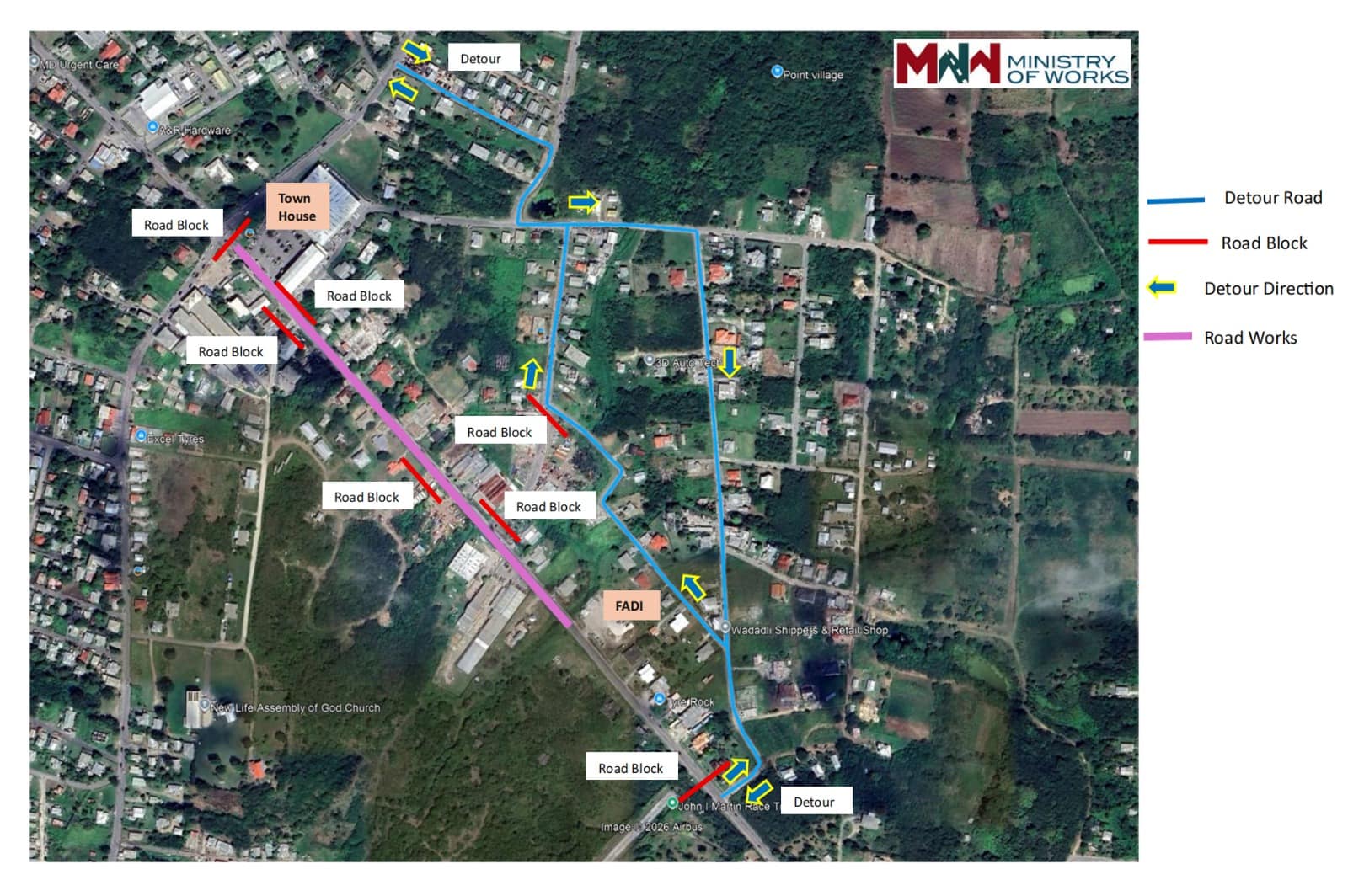
    The Ministry of Works and Housing in Antigua and Barbuda has issued a public advisory regarding significant infrastructure rehabilitation scheduled for a section of All Saints Road. The project will focus on the corridor extending from Townhouse Megastore to FADI Building Supplies, necessitating temporary road closures and a detour plan.

    To facilitate these essential upgrades, two specific blockage points will be established. The first will affect the west-to-east bound traffic at the junction of All Saints Road and Bendals, near the Townhouse Megastore stoplight. The second blockage will be implemented for east-to-west bound traffic at the immediate right-hand turn entering into the Briggins area, located just after the John I Martin Racetrack.

    A formal detour will be activated in the vicinity of Briggins, commencing at the right turn past the John I Martin Racetrack for east-to-west travel. This traffic management plan is set to be in effect from 7:00 PM on Monday, March 30th, 2026, through to 7:00 AM the following morning. The Ministry emphasizes that all local businesses will maintain regular operating hours throughout the construction period.

    For public safety, flag persons will be deployed to direct motorists, who are strongly advised to exercise extreme caution and reduce speed due to the presence of heavy-duty machinery operating near the work zones. This rehabilitation initiative is a component of the broader All Saints Road Project, a government-led effort to upgrade national infrastructure.

    Residents and commuters are requested to proactively adjust their travel itineraries to account for potential delays. The Project Implementation Management Unit is available for telequeries and can be reached at 562-9173 for further assistance and information.

  • Midnight Knife-Point Robbery Leads to Drug Bust

    Midnight Knife-Point Robbery Leads to Drug Bust

    A violent armed robbery in the early hours of Sunday morning has resulted in a significant drug bust and multiple arrests following a rapid police response. According to law enforcement officials, a 22-year-old female victim was accosted by a knife-wielding assailant while walking along Antelope Street Extension shortly after midnight.

    The perpetrator allegedly threatened the woman with the blade, demanding she surrender her mobile phone, cash, and personal jewelry before physically assaulting her and fleeing the scene. Assistant Superintendent Stacy Smith confirmed that investigators utilized surveillance footage to identify and locate a suspect within hours of the reported crime.

    During the subsequent operation at a residence on Antelope Street Extension, officers made an unexpected discovery beyond the robbery investigation—8.9 grams of what authorities believe to be crack cocaine. This finding significantly expanded the scope of the case beyond the initial armed robbery.

    Thirty-five-year-old Sherman Rodney now faces formal robbery charges in connection with the violent street crime. Additionally, Rodney has been charged with possession of controlled substances with intent to supply. Two further individuals—26-year-old Jenay Stewart and 24-year-old Vincent Tillett—have similarly been charged with drug-related offenses stemming from the same operation.

    The coordinated police action demonstrates how street crime investigations can sometimes uncover more extensive criminal operations, with the robbery serving as an entry point to addressing broader narcotics distribution activities in the community.

  • Can Roving Patrols Curb Ladyville’s Rising Road Accidents?

    Can Roving Patrols Curb Ladyville’s Rising Road Accidents?

    In response to a concerning surge in traffic incidents, Belizean police have initiated a strategic shift in enforcement tactics within the rapidly developing Ladyville region. Authorities are deploying mobile, roving patrols during high-risk periods instead of maintaining stationary checkpoints.

    Assistant Superintendent of Police Stacy Smith directly linked the escalating accident rate to the area’s explosive growth on the outskirts of Belize City. Smith noted that the increased commercial and residential activity inherently brings greater potential for traffic collisions. The new tactical approach aims to create uncertainty for motorists, particularly targeting peak hours when impaired driving is most prevalent.

    This policy change follows a tragic Saturday morning collision that claimed the life of thirty-year-old Darnell Humes and hospitalized two other individuals. Despite enhanced enforcement measures, ASP Smith emphasized that ultimate responsibility rests with drivers themselves. Police officials stress that motorists must exercise heightened caution, especially during adverse weather conditions or when navigating ongoing road construction zones.

    The Belize Police Department’s adaptive strategy represents an attempt to address public safety challenges arising from rapid urban expansion while maintaining that behavioral change among drivers remains the critical factor in reducing roadway tragedies.

  • Amerikaanse militaire opbouw ‘losgekoppeld’ van politieke doelen

    Amerikaanse militaire opbouw ‘losgekoppeld’ van politieke doelen

    The escalating Middle East tensions between the United States and Iran reveal a fundamental strategic imbalance characterized by contrasting approaches to regional engagement. While Iran pursues well-defined political objectives through calibrated military and proxy operations, American military deployments appear disconnected from any coherent political strategy, creating dangerous uncertainty about conflict resolution pathways.

    According to security analysts including Ross Harrison of the Middle East Institute, Tehran maintains concrete geopolitical goals: exerting sufficient pressure to influence US policy decisions while advancing favorable regional power dynamics. Conversely, with regime change no longer an explicit policy objective, Washington’s substantial military presence—including troop reinforcements and airstrikes—lacks corresponding political direction. This strategic misalignment grants Iran superior positioning, as the Islamic Republic advances clear ambitions while American actions operate without definitive political endpoints.

    The limitations of this approach become evident in critical security challenges. Military operations alone likely cannot secure essential objectives like safeguarding the Strait of Hormuz without complementary diplomatic engagement. This reality fuels discussions within policy circles regarding potential ground invasion scenarios—though analysts remain deeply divided on feasibility and consequences.

    Critics highlight extreme risks associated with ground operations, potentially triggering prolonged conflicts reminiscent of Iraq and Afghanistan. Iran’s substantial conventional military, combined with sophisticated proxy networks including Lebanon’s Hezbollah and Yemen’s Houthis, could rapidly expand hostilities into regional warfare. Former Pakistani ambassador to Iran Asif Durrani emphasizes these proxy forces remain operational despite recent setbacks and continue posing significant threats.

    Furthermore, some experts warn invasion could strengthen Tehran’s regime by fostering nationalist unity against external aggression while potentially boosting extremist recruitment. The political and humanitarian costs would be substantial, likely triggering international condemnation.

    Alternatively, some voices contend ground operations might represent last-resort options should diplomacy fail and limited military pressure prove insufficient to counter nuclear ambitions or restore security. However, this remains widely viewed as an extremely hazardous option requiring broad political and military consensus among US allies.

    Iran demonstrates negotiating willingness but strictly on terms preserving national interests and preventing future attacks. Mehran Kamrava of the Arab Center for Research and Policy Studies notes Iran’s military actions aim establishing pain thresholds that deter US and Israeli operations. Recent precision strikes against oil infrastructure and military bases exemplify this strategy.

    The Houthis, as key Iranian proxies, maintain significant operational capabilities despite setbacks, their continued involvement adding conflict complexity and escalation risks.

    Diplomatic channels simultaneously gain prominence. Four-nation talks in Islamabad— involving Pakistan, Turkey, Saudi Arabia and Egypt—demonstrate regional de-escalation efforts aiming facilitate US-Iran dialogue. Pakistan’s mediation role proves crucial, emphasizing Islamic unity and regional stability.

    Successful diplomacy could create space for political solutions transcending military confrontation, though uncertainty persists regarding Washington and Tehran’s willingness to make concessions necessary for conflict resolution.

  • Young duo dominate division

    Young duo dominate division

    The 2026 Dasani BSSAC Finals witnessed the spectacular emergence of two phenomenal young talents, Blake Carrington and Alex Jones-Ifill, who delivered a masterclass in athletic dominance within the Under-13 division through a series of record-shattering performances.

    Blake Carrington, a former St Gabriel’s Primary student now representing the St Michael School Cougars, engineered one of the most comprehensive displays of the championship. Her quest for gold commenced with a blistering 100-metre sprint victory in 13.45 seconds. She then demonstrated her vertical prowess by conquering the high jump with a clearance of 1.43 metres. The pinnacle of her performance, however, was a breathtaking long jump of 5.32 metres, which decisively demolished the previous BSSAC record. Adding to her impressive haul, Carrington also secured a fourth-place finish in the 200 metres with a time of 27.27 seconds.

    In a post-competition interview, an elated Carrington reflected on her achievement, stating, “I feel absolutely fantastic. Last year, my athletic preparations were compromised due to my focus on the 11-Plus exams, which makes this victory profoundly significant. I genuinely did not anticipate breaking the record by such a substantial margin; I am overwhelmingly happy.” With her sights firmly set on a grand future, Carrington revealed her aspirations to represent Barbados internationally, targeting gold medals at the CARIFTA Games, the World Championships, and ultimately, the Olympic Games.

    On the parallel track, Alex Jones-Ifill of St Leonard’s Boys’ School made an unforgettable debut at the BSSAC Finals, clinching the prestigious Victor Ludorum title with a commanding and unmatched tally of 40 points. Jones-Ifill’s dominance was absolute, as he seized victory in four distinct events: the 100m, 200m, 400m, and Long Jump. His performance was historically significant, as he etched his name into the annals of BSSAC by obliterating three longstanding records: the long jump (5.37m), the 200m (23.84 seconds), and the 400m (55.02 seconds).

    This athletic triumph continues a remarkable streak for Jones-Ifill. Just months prior, in July 2025, the former West Terrace Primary student showcased his versatile sporting excellence by scoring the championship-winning goal for his school in the BICO Primary School Football Final against defending champions Arthur Smith Primary. Notably, he had flown back to Barbados just a day before that final after earning a bronze medal for Team Barbados in the pentathlon at the NACAC U13 and U15 championships.

    Reflecting on his strategy and success, Jones-Ifill credited his coaching team, saying, “My plan entering BSSAC was to execute my races with precision. I’ve received incredible support; one coach has been instrumental in refining my long jump technique and speed work, while Coach David has optimized my performance across both short and long distances.” He also paid tribute to his family, adding, “My parents provide unwavering support, for which I am extremely grateful.”

    Photography by Nathan Goddard-McCarthy captured the defining moments of these future stars’ ascendancy.

  • Senator Courtenay Tells Sheena Pitts: ‘You Chose to Opt Out of the Budget Debate’

    Senator Courtenay Tells Sheena Pitts: ‘You Chose to Opt Out of the Budget Debate’

    BELIZE CITY, BELIZE – March 30, 2026: The Belize Senate’s deliberation on the 2026/2027 Revenue and Expenditure Estimates culminated in significant political discord Friday evening following the exclusion of United Democratic Party Senator Sheena Pitts from the proceedings.

    The controversy erupted when Senate President Carolyn Trench-Sandifford formally closed the debate without recognizing Senator Pitts for her anticipated contribution. Government Business Leader Eamon Courtenay defended the procedural decision, characterizing it as “not unprecedented” and referencing two historical precedents where debates concluded before all senators had spoken.

    Opposition forces condemned the action as fundamentally undemocratic. UDP Leader Tracy Panton issued a scathing statement via social media platforms, decrying what she termed “gutter tactics in the Senate.” Her statement emphasized the symbolic significance of silencing a female senator’s voice during the concluding days of Women’s History Month observations.

    Senate President Trench-Sandiford provided procedural justification for her decision, stating: “When I turned to the Opposition bench, no representative indicated readiness to speak. Without such indication, my constitutional responsibility was to invite the Government Business Leader to formally conclude deliberations.”

    Senator Pitts, who arrived after the debate’s closure, expressed profound disappointment, asserting she had “every intention to contribute to nation-building” through the debate. She characterized the procedural maneuver as fundamentally undermining democratic principles and failing constituents represented by opposition voices.

    Senator Courtenay countered that Senator Pitts had voluntarily absented herself during critical debate periods, noting that colleague Senator Guerra had spoken for forty-five minutes while Pitts remained outside the chamber. He emphasized that parliamentary proceedings cannot be delayed for absent members, particularly when audio feeds allow monitoring of debate progress throughout the legislative complex.