作者: admin

  • Residents mark one year since violent, unlawful state repression of peaceful protesters in Dominica

    Residents mark one year since violent, unlawful state repression of peaceful protesters in Dominica

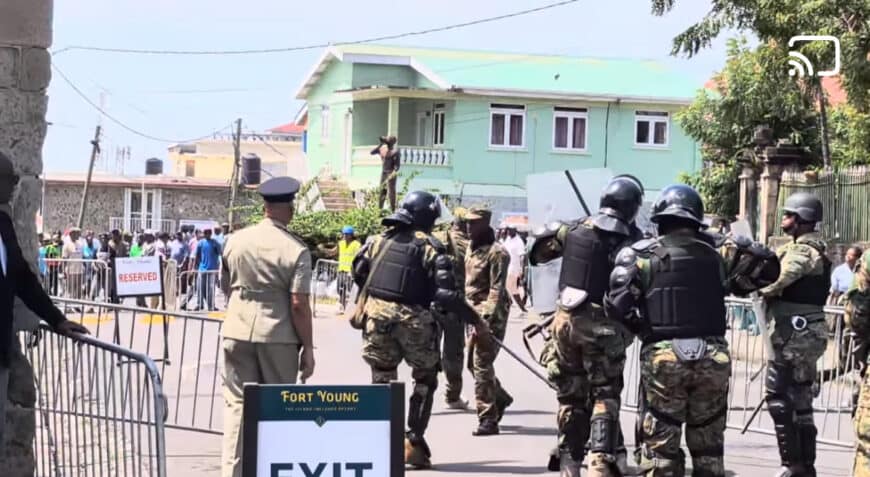
    One year after the “Standing Up for Democracy” demonstrations in Dominica, the Electoral Reform Coalition (ERC) has issued a comprehensive assessment of the nation’s ongoing electoral challenges. On March 19, 2025, unarmed citizens gathered outside Parliament to voice opposition to electoral reform legislation that was subsequently enacted despite widespread public dissent.

    The protestors had advocated for the implementation of recommendations developed by Sir Dennis Byron, an esteemed legal expert commissioned to modernize Dominica’s electoral framework. His comprehensive proposal aimed to establish transparent voting mechanisms to ensure electoral integrity. However, the ERC contends that Parliament, the Electoral Commission, and Prime Minister Roosevelt Skerrit’s administration systematically disregarded these expert recommendations.

    In what the coalition describes as a concerning development, twenty-five demonstrators faced arrest under the archaic Riot Act of 1897 following apparent directives from Prime Minister Skerrit and National Security Minister Rayburn Blackmore. These individuals endured overnight detention and continue to navigate unresolved judicial proceedings twelve months later, prompting the ERC to declare that “justice delayed is justice denied.”

    While acknowledging the recent provision allowing voter registration via birth certificates with authenticated photographs—a measure that expands accessibility—the coalition expresses profound concern regarding the Electoral Commission’s suspension of continuous voter registration. This action allegedly violated both Dominica’s Constitution and Section 17(1) of the Registration of Electors Act #1 of 2025, effectively disenfranchising eligible citizens, particularly youth, for an entire year.

    Despite the resumption of registration activities on March 9, 2026, the ERC criticizes insufficient public outreach efforts to facilitate voter confirmation and new registrations. The coalition asserts that after extensive dialogue and legislative action, the Electoral Commission should have demonstrated better preparedness rather than exhibiting partisan tendencies that compromise democratic traditions.

    The ERC concludes by urging immediate, effective measures to streamline voter processes, emphasizing that free, fair, and transparent elections constitute the foundation of Dominica’s democratic integrity.

    Johnson Boston
    Chairman, Electoral Reform Coalition

  • Cardiologist Returns to Sir Lester Bird Medical Centre After Specialist Training

    Cardiologist Returns to Sir Lester Bird Medical Centre After Specialist Training

    The Sir Lester Bird Medical Centre has significantly enhanced its cardiac care capabilities with the return of Dr. Adrianna Cole Baez, who has rejoined the institution as a Senior Registrar and cardiologist. Dr. Cole Baez, who previously served as a house officer at the facility, has completed advanced specialist training in cardiology undertaken in Cuba. Her return marks a strategic addition to the hospital’s clinical team, substantially strengthening its capacity to provide specialized cardiac services. The medical center administration has confirmed that Dr. Cole Baez is now accepting patients through referrals in the outpatient clinic. Hospital officials have publicly welcomed her appointment, characterizing it as a critical component of broader initiatives aimed at expanding specialist medical services and elevating the overall standard of patient care throughout Antigua and Barbuda. This development is seen as a direct investment in the nation’s healthcare infrastructure and its ability to manage complex cardiac conditions domestically.

  • Grenada committed to securing World Heritage status

    Grenada committed to securing World Heritage status

    In a significant move for Caribbean cultural preservation, Grenada’s Minister for Tourism, the Creative Economy and Culture, Hon. Adrian Thomas, has declared his government’s unwavering dedication to securing UNESCO World Heritage designation for the Grenadine Island Chain. The announcement came during the opening ceremony of a specialized UNESCO workshop hosted in St Vincent and the Grenadines.

    This initiative forms part of the UNESCO Upstream Process, a preparatory mechanism designed to assist states in developing potential nominations. The unique aspect of this bid lies in its transboundary nature, with both Grenada and St Vincent and the Grenadines collaboratively seeking joint recognition for the shared archipelago.

    Minister Thomas articulated the exceptional value of the Grenadines, describing them as containing one of the Caribbean’s most distinctive cultural and natural heritage landscapes. The islands are characterized by pristine marine ecosystems, centuries-old maritime traditions, and vibrant local communities that have maintained their cultural identity through generations.

    The potential UNESCO designation would substantially elevate the international profile of the Grenadines while simultaneously advancing sustainable tourism development, cultural preservation, and environmental conservation efforts across both nations. Minister Thomas emphasized that World Heritage status carries global prestige and recognition, positioning destinations favorably within the international tourism market by attracting visitors seeking authentic cultural experiences and pristine natural environments.

    Beyond tourism benefits, the minister highlighted how inscription would create new opportunities for community development, heritage-based economic growth, and sustainable investment. The collaborative effort demonstrates a strong spirit of regional partnership between Grenada and St Vincent and the Grenadines, underscoring the importance of cross-border cooperation in safeguarding shared heritage assets.

    The Government of Grenada, Carriacou and Petite Martinique has reaffirmed its commitment to working closely with its counterparts in St Vincent and the Grenadines, the UNESCO World Heritage Centre, and all relevant stakeholders to advance this significant nomination process.

  • Olieprijs stijgt boven $119 door aanvallen op energie-infrastructuur

    Olieprijs stijgt boven $119 door aanvallen op energie-infrastructuur

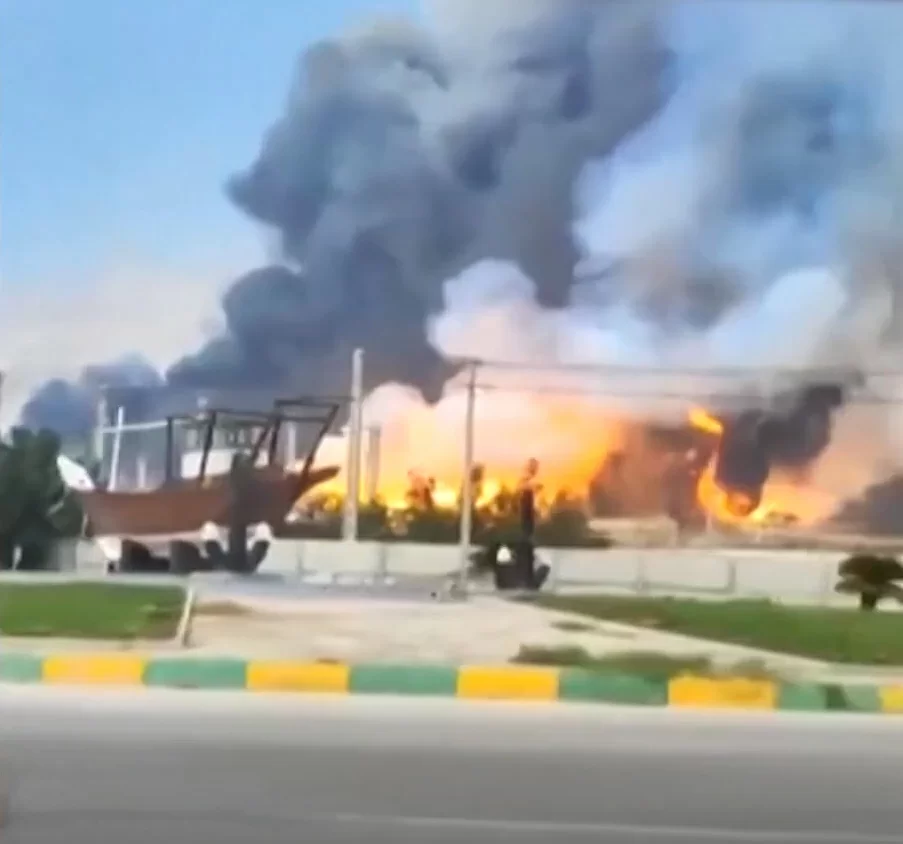
    The Middle East conflict has entered a dangerous new phase following Israel’s strike on Iran’s South Pars gas field, triggering a series of retaliatory attacks that have sent global energy markets into turmoil. Brent crude, the international benchmark, surged above $119 per barrel on Thursday after Iranian forces targeted multiple energy facilities across the region in response to the Israeli operation.

    The dramatic price movement saw Brent futures climb $6.02 (5.6%) to $113.40 per barrel by midday, after briefly touching $119.13 earlier in the session—nearing March 9th’s three-and-a-half-year high. West Texas Intermediate (WTI) crude advanced more modestly to $96.39 per barrel, having earlier surged nearly $4 to breach the $100 threshold.

    Simultaneously, premiums for Middle Eastern benchmarks including Dubai and Oman reached unprecedented levels of approximately $65 per barrel, according to traders and Reuters data, indicating severe supply concerns in key Asian markets.

    The initial Israeli strike targeted Iran’s South Pars field, which constitutes part of the world’s largest natural gas reservoir shared with Qatar. Former President Donald Trump clarified that neither the United States nor Qatar participated in the operation, while issuing a stern warning that Israel would refrain from further attacks unless Iran targeted Qatari interests.

    Iran’s retaliatory measures inflicted significant damage on QatarEnergy’s Ras Laffan industrial complex, the world’s largest LNG production hub. The attacks forced the shutdown of Shell’s 140,000-barrel-per-day Pearl gas-to-liquids facility in Qatar, triggering immediate repercussions in European energy markets. Dutch TTF gas futures surged approximately 15% to peak around €70 per megawatt-hour—the highest level in over three years.

    Additional attacks disabled approximately 17% of Saudi Arabia’s LNG capacity through strikes on the SAMREF refinery in Yanbu and a gas processing facility in the country’s eastern region. Energy analysts warn that restoration of these critical facilities could require months to potentially a full year, exacerbating pressure on global energy supplies.

    Saudi authorities reported intercepting four ballistic missiles and a drone attack targeting gas infrastructure, while the SAMREF refinery sustained damage from aerial assaults. Although oil exports from affected ports experienced temporary disruptions, operations have since resumed. In Kuwait, a separate drone attack sparked a minor fire at the Mina al-Ahmadi refinery complex.

    The escalating conflict has prompted serious economic concerns, with the U.S. Federal Reserve maintaining interest rates while warning of rising inflationary pressures driven by the energy price surge. The Trump administration is reportedly exploring measures to mitigate fuel price impacts, including potential sanctions relief for approximately 140 million barrels of Iranian oil currently stranded on tankers.

    According to Reuters, U.S. officials are also considering deploying thousands of additional troops to reinforce American military presence in the Middle East as regional tensions approach critical levels.

  • MP Lewis Provides Temporary Road Relief in Gray’s Hill, Presses for Permanent Fix

    MP Lewis Provides Temporary Road Relief in Gray’s Hill, Presses for Permanent Fix

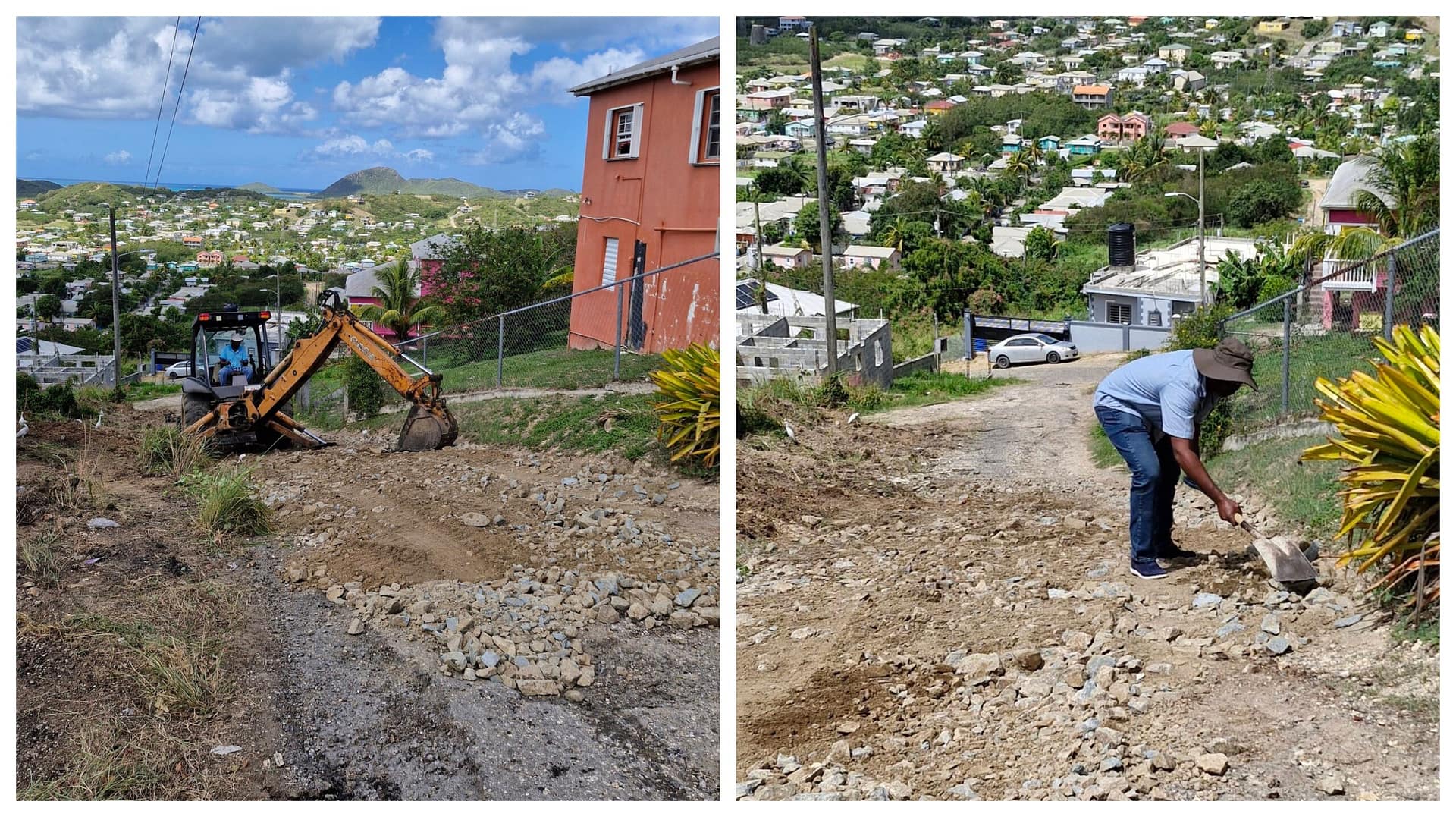
    The deteriorating road infrastructure in Gray’s Hill has sparked mounting frustration among local residents, with Opposition MP Richard S. Lewis amplifying community concerns about safety hazards affecting both motorists and pedestrians. Lewis confirmed his direct involvement in facilitating temporary measures to address the most pressing roadway issues, though he emphasized these interventions represent merely stopgap solutions rather than comprehensive fixes. The parliamentarian has committed to sustained advocacy efforts, vowing to continue pressing for permanent infrastructure upgrades despite current temporary measures. This situation unfolds against a broader backdrop of longstanding complaints from residents in St. John’s Rural West regarding decaying road networks that compromise both safety and accessibility. Lewis’s public statement, “The work continues,” signals ongoing political pressure to prioritize infrastructure improvements in the affected communities.

  • Electoral Office of Dominica denies allegations of lack of access to voter confirmation process in certain communities

    Electoral Office of Dominica denies allegations of lack of access to voter confirmation process in certain communities

    The Electoral Office of the Commonwealth of Dominica has issued a formal rebuttal against allegations from an unspecified political group claiming certain communities were being systematically excluded from the ongoing national Voter Confirmation Process. Chief Elections Officer Anthea Joseph categorically denied these claims in an official media release, characterizing them as misinformation that risks undermining public trust in electoral institutions.

    Joseph provided detailed evidence of the office’s comprehensive outreach efforts, noting that multiple Voter Confirmation Centers are currently operational across all constituencies. She specifically referenced recent activities in Morne Prosper, where services ran from 9:30 AM to 9:00 PM, alongside confirmed operations in Wotten Waven, Belles, Dos D’Ane, and Boetica on multiple occasions.

    To ensure universal accessibility, the Electoral Office has deployed Mobile Confirmation Kits to reach communities without fixed confirmation centers. These mobile units additionally serve medically homebound individuals who cannot travel, representing a dedicated effort toward electoral inclusivity. Joseph publicly encouraged citizens to notify the office about home-confined relatives or acquaintances so arrangements could be made for mobile visitation, advising those expecting visits to prepare necessary documentation beforehand for efficient processing.

    The Chief Elections Officer explicitly called on the public to avoid circulating unsubstantiated statements that might generate unnecessary confusion. In an accompanying audio statement, Joseph reiterated the office’s commitment: “When we get a request, we look into it, and we make the mobile kits available.” The Electoral Office concluded by reaffirming its dedication to ensuring every eligible citizen can participate fully in the democratic process.

  • New US$2 billion gas pipeline in Berbice will depend on demand

    New US$2 billion gas pipeline in Berbice will depend on demand

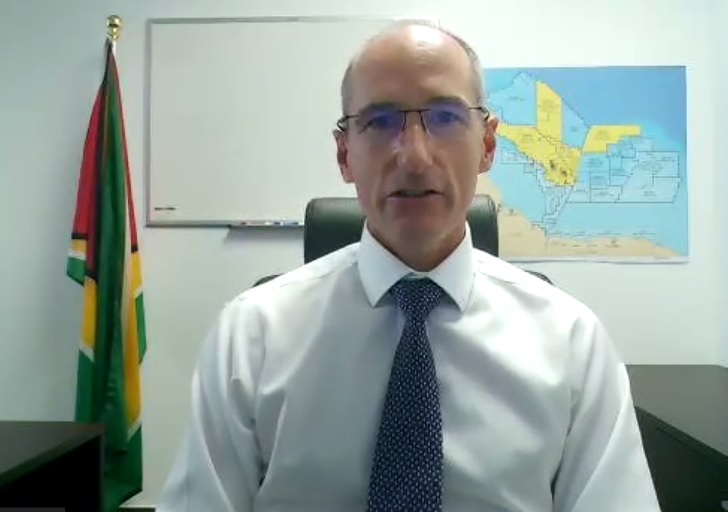
    ExxonMobil Guyana President Alistair Routledge announced on Thursday that the development of a second offshore natural gas pipeline to Berbice remains contingent upon the commercial feasibility of several major industrial projects. The decision hinges on establishing a sustainable market for the gas that would justify the substantial infrastructure investment.

    Speaking at a press conference, Routledge revealed that both ExxonMobil and the Guyanese government have received preliminary expressions of interest for multiple ‘anchor projects’ that would utilize the gas resources. These potential developments include an additional power generation facility, advanced data centers, and a bauxite-to-alumina processing plant, all intended to consume natural gas from the southeastern region of the Stabroek Block.

    In a significant regional development, Routledge confirmed preliminary discussions with Suriname regarding potential pipeline sharing arrangements to achieve economies of scale. The Haimara development is projected to serve as the primary anchor for this initiative, with Pluma integrated into this development framework. The executive noted that remaining gas discoveries not incorporated in the Longtail development would be associated with the Haimara anchor project.

    Routledge provided technical insights, explaining that Pluma contains gas condensate but is considered drier than Longtail. Consequently, ExxonMobil prefers developing other reservoirs before implementing a tie-back to Pluma to optimize condensate recovery.

    Regarding the Hammerhead deposit, Routledge disclosed it contains heavier oil, with associated gas production estimated at 80-90 million standard cubic feet at peak operation. Rather than reinjecting this gas, it will be channeled into the existing pipeline supplying the Wales facility on West Bank Demerara.

    The Guyana government had previously announced partial completion of the Wales power plant by year-end 2026. The comprehensive Wales development project, valued at $759 million, includes a natural gas liquids plant for cooking gas production. When accounting for all development works, including necessary soil stabilization measures, total project costs are approaching $3 billion.

  • ICAB: Timely implementation key to Barbadians reaping benefits of Budget

    ICAB: Timely implementation key to Barbadians reaping benefits of Budget

    The Institute of Chartered Accountants of Barbados (ICAB) has issued comprehensive guidance to help citizens navigate the practical implications of the recently announced 2026 Budget measures. In a detailed release following their weekly ‘Talking Business with ICAB’ radio program, CEO Lisa Padmore emphasized that while budget summaries are widely accessible, many households require clearer interpretation of how these fiscal policies will affect their daily lives.

    ICAB’s analysis underscores a crucial caveat: the success of these economic interventions hinges entirely on execution efficiency. The organization stressed that policy announcements merely signal governmental intent, whereas actual impact depends on the rapid deployment of supporting regulations, administrative protocols, system modernizations, and public education campaigns. Businesses require operational clarity for planning purposes, taxpayers need precise filing instructions, financial institutions demand updated compliance frameworks, and households rely on predictable implementation timelines.

    Key budget components analyzed include government’s short-term strategy to buffer electricity cost fluctuations driven by global fuel volatility. While consumers should still anticipate increased utility bills, the measure aims to decelerate the rate of hikes. Similarly, maintained VAT caps and excise tax controls on fuel function as protective mechanisms against soaring oil prices, though they don’t reduce pump prices outright.

    Regarding food inflation, ICAB explained that revised customs duty calculations—applying charges to goods’ value or capped freight amounts—eliminate a potential price driver but don’t ensure lower retail costs. Tax adjustments featuring elevated tax credits and marginal income tax rate reductions could bolster disposable income for low-to-middle income earners.

    Social support measures received particular attention, including temporary monthly payments for seniors below specific income thresholds (covering pensionless individuals), targeted grants for families with multiple births addressing the unique financial pressures of raising twins or triplets, and the Barbados Republic Child Wealth Fund providing $5,000 investments for children born since November 2021 as a long-term wealth-building initiative.

    ICAB committed to ongoing monitoring of regulatory developments and providing neutral, professional guidance as implementation details emerge.

  • Increased oil price, production accelerating ExxonMobil’s cost recovery

    Increased oil price, production accelerating ExxonMobil’s cost recovery

    ExxonMobil Guyana has announced a significant acceleration in recovering its historic exploration and production costs from the Stabroek Block, moving the timeline forward from 2027 to this year. This expedited recovery is attributed to the current favorable market conditions, with oil prices hovering around $100 per barrel and production exceeding 900,000 barrels per day.

    Company President Alistair Routledge confirmed the development during a recent press conference, stating that the combination of robust production levels and strong global oil prices has created an optimal financial environment. “What we’re now seeing in this price environment is that [recovery] will accelerate. If you stay at the current oil price, then it will happen this year,” Routledge explained.

    The historic costs, dating back to the original 1999 contract with Guyana, currently stand at approximately $5 billion out of a total cost bank estimated at $40 billion. Under the Production Sharing Agreement, up to 75% of gross revenues can be allocated to cost recovery.

    Routledge emphasized that this accelerated cost recovery marks a pivotal moment for Guyana’s revenue prospects. Once these historic costs are fully recovered, Guyana’s share of profit oil will increase substantially beyond the current 14.5% (including 2% royalty). The exact percentage increase will depend on ongoing market conditions, production volumes, and operational expenditures.

    The ExxonMobil executive described this transition as moving into “a much more dynamic world” regarding national revenue, noting that the country’s financial trajectory remains “positive.” This development also reinforces the Production Sharing Contract’s effectiveness in encouraging continued investment in the Stabroek Block’s development.

    ExxonMobil has committed to spending up to $60 billion in capital expenditure throughout its operations in Guyana, in addition to annual operating expenses amounting to billions of dollars.

  • Inter-school Gardening Competition Concludes Across the Twin-Island State By: Tyreke G Thomas-Horsford

    Inter-school Gardening Competition Concludes Across the Twin-Island State By: Tyreke G Thomas-Horsford

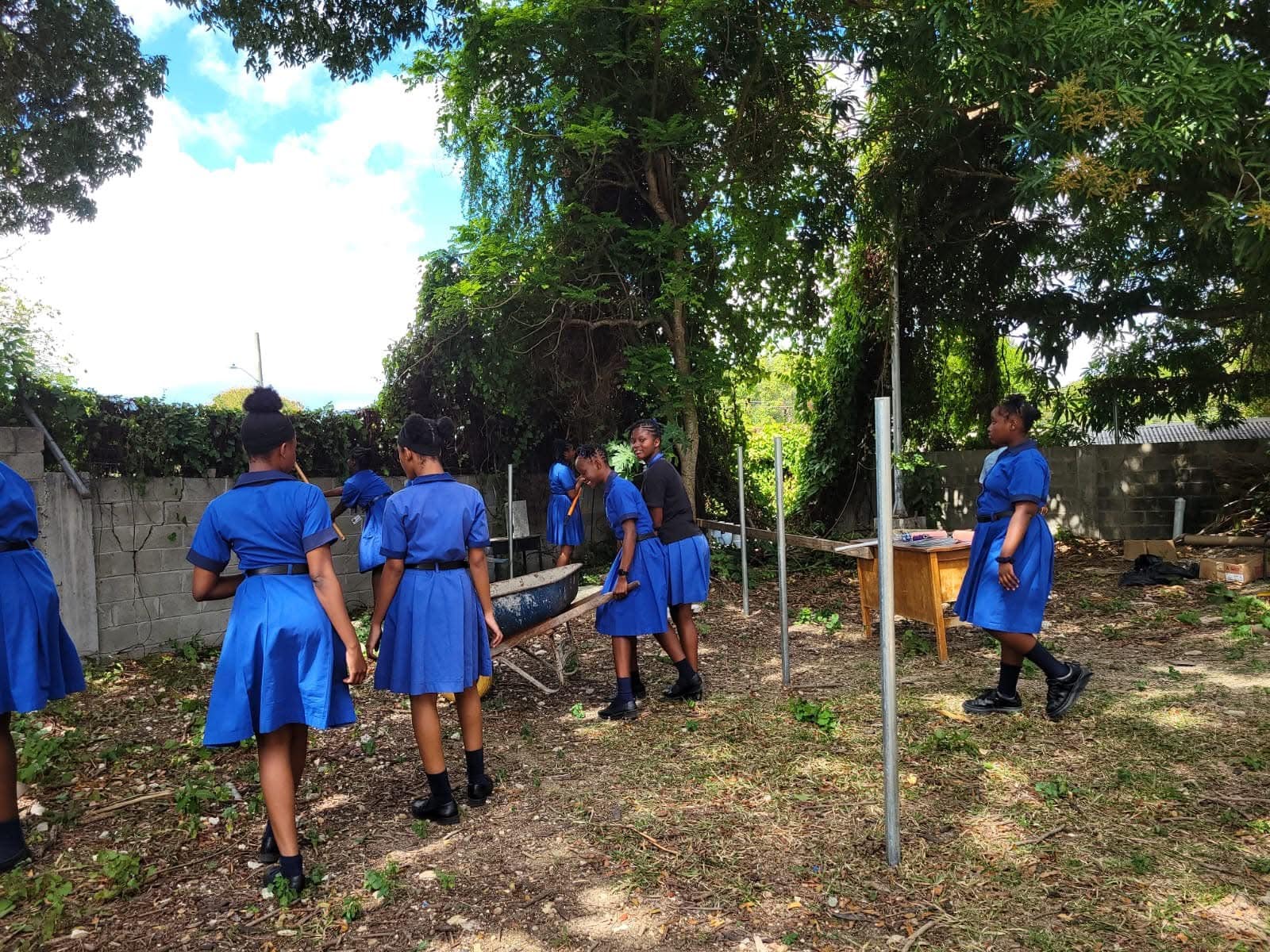
    Antigua and Barbuda’s educational landscape has been transformed through the recently concluded Interschool Gardening Competition, an initiative spearheaded by the Ministry of Education that engaged students across preschool, primary, and secondary levels in a nationwide display of agricultural creativity and environmental awareness. The competition turned school campuses throughout the twin-island nation into vibrant hubs of sustainability and innovation, showcasing the next generation’s commitment to ecological responsibility.

    Over several weeks, students demonstrated remarkable ingenuity in their garden designs, incorporating recycled materials, efficient irrigation systems, and culturally significant planting techniques. A distinguished panel of judges from the Ministry of Agriculture, Fisheries, Lands & Blue Economy, along with external stakeholders, conducted thorough evaluations based on creativity, sustainability, plant diversity, and thematic alignment.

    The preschool category proved particularly inspiring, with young children enthusiastically explaining their gardening techniques and demonstrating daily care routines for their plants. One preschool participant captured the spirit of the event by declaring, ‘This is my plant! I water it every day, and it’s growing big and strong!’

    Older students displayed more sophisticated agricultural understanding, implementing crop rotation systems, composting methods, and innovative farming solutions that addressed real-world challenges. Joshua Henderson, a student from Jennings Secondary School and 2025 Ministry of Agriculture intern, emphasized the competition’s educational value: ‘Agriculture is not just about getting your hands dirty, but learning about where food comes from and understanding its importance in our daily lives.’

    Many schools developed creative thematic names for their gardens that reflected their institutional identity while reinforcing the competition’s core messages about sustainability and food security. The initiative successfully blended practical agricultural education with lessons in teamwork, responsibility, and environmental stewardship.

    The competition represents a significant investment in Antigua and Barbuda’s agricultural future, fostering awareness about food security and local farming practices. While winners await official announcement, the Ministry of Education’s initiative has already achieved its broader objective: planting seeds of knowledge and passion that will continue growing long after the competition concludes.