
In a significant public health initiative, the Ministry of Health and Wellness in Belize has introduced the PCV-13 vaccine, offering it free of charge at public health facilities nationwide. This campaign aims to safeguard the country’s most vulnerable populations—children and the elderly—from severe infections such as pneumonia, meningitis, and sinus diseases. Health authorities have underscored the urgency of this measure, citing studies that reveal 40% of healthy children and 10% of healthy adults carry the bacteria responsible for these illnesses. Dr. Liliane Middleton, a representative from the Ministry, highlighted the vaccine’s long-term efficacy, stating, ‘A single dose of PCV-13 provides lifelong protection. Vaccination is the most effective way to protect our families, communities, and ourselves.’ The World Health Organisation reports that pneumococcal diseases claim the lives of approximately 300,000 children under five annually, with the majority of fatalities occurring in developing nations. To mitigate this risk in Belize, the Ministry has ensured widespread accessibility to the vaccine, encouraging families to visit their nearest health center or mobile clinic to receive the immunization at no cost. Dr. Middleton reiterated, ‘The vaccine is available at all public health centers and mobile clinics. Anyone interested can simply request it, and it will be administered free of charge.’
作者: admin
-
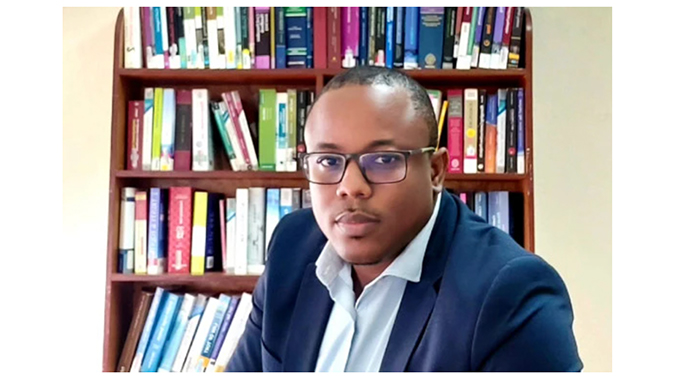
Putting the dual citizenship question to rest
A heated debate has emerged in St. Vincent and the Grenadines over the eligibility of two NDP candidates, who hold dual Canadian and Vincentian citizenship, to stand for parliamentary elections. The controversy stems from differing interpretations of constitutional provisions, particularly sections 25 and 26 of the Constitution of St. Vincent and the Grenadines, which outline qualifications and disqualifications for representatives and senators.
-

Health Enters COP30 Climate Talks
As the world grapples with the escalating effects of climate change, the focus has often been on deforestation and carbon emissions. However, the 30th Conference of the Parties (COP30) in Belém, Brazil, has shifted the spotlight to a critical yet often overlooked aspect: human health. The conference kicked off with the launch of the Belém Health Action Plan, the first-ever global framework dedicated to safeguarding health in the face of climate change.
The Belém Health Action Plan outlines actionable steps for nations to fortify their health systems against the mounting pressures of climate-related challenges. These include extreme heatwaves, deteriorating air quality, food insecurity, and the rise of climate-sensitive diseases, all of which are increasingly affecting populations worldwide. Health systems are struggling to keep pace with these demands, underscoring the urgent need for robust adaptation strategies.
Dr. Tedros Adhanom Ghebreyesus, Director-General of the World Health Organization (WHO), emphasized that health has historically been sidelined in climate discussions. ‘For too long, health has been a footnote in climate negotiations,’ he stated. Echoing this sentiment, UN Climate Change Executive Secretary Simon Stiell highlighted the intrinsic link between climate action and daily life priorities. ‘Humanity can only win this global climate fight if we connect stronger climate actions to people’s top priorities. And there are few higher priorities than our health,’ he remarked.
To bolster this initiative, over 35 philanthropic organizations have committed $300 million in funding. These resources will be directed toward addressing extreme heat, air pollution, and climate-sensitive infectious diseases. Additionally, the funds will enhance health data systems, enabling more effective emergency responses and the development of long-term resilience strategies.
The Belém Health Action Plan marks a pivotal moment in global climate policy, recognizing health as a cornerstone of climate adaptation. As nations work to implement its recommendations, the plan promises to reshape how the world addresses the intersection of climate change and public health.
-

Josh Matthias Charged with Marrying Two Wives, Granted Bail
A 35-year-old man from Cassada Gardens, Josh Matthias, has been granted bail in a high-profile bigamy case. Matthias appeared before Magistrate Andrew Mighty earlier this week, where he was released on a $5,000 bail with no cash deposit required. The court imposed strict conditions for his release, including the provision of two sureties, the surrender of all travel documents, and a prohibition on contacting the alleged victim. Authorities claim that Matthias participated in a wedding ceremony with another woman at Fort James on April 9, 2025, despite still being legally married to his first wife. Following a thorough investigation, he was arrested and formally charged with bigamy. The case has been adjourned and is set to resume on December 17, 2025, as the legal proceedings continue.
-
![FLASH : Crucial victory for Haiti [1-0] against Costa Rica (World Cup 2026 Qualifiers)](https://wp.caribscopeonline.com/wp-content/uploads/2025/11/8a647f0eec1145b48833b8b7cbef3bdd.jpg)
FLASH : Crucial victory for Haiti [1-0] against Costa Rica (World Cup 2026 Qualifiers)
In a thrilling encounter on November 13, 2025, Haiti’s senior national football team, known as the Grenadiers, clinched a crucial 1-0 victory against Costa Rica in the CONCACAF qualifiers for the 2026 FIFA World Cup. The match, held at the Ergilio Hato Stadium in Willemstad, Curaçao, marked a significant step forward for Haiti in their quest to secure a spot in the prestigious tournament. The decisive goal came in the 44th minute, courtesy of Frantzdy Pierrot, who capitalized on a well-executed team move down the left flank. Ruben Providence provided the assist, showcasing the team’s cohesive play. Goalkeeper Johnny Placide was instrumental in maintaining Haiti’s lead, delivering a series of critical saves to deny Costa Rica’s relentless attacks. This victory propelled Haiti to second place in Group C, with 8 points from 5 matches. The Grenadiers now prepare to face Nicaragua on November 18, 2025, in a match that holds immense significance for Haitian football. A win, coupled with favorable results in other group matches, could secure Haiti’s direct qualification to the 2026 World Cup. The team’s performance against Costa Rica highlighted their resilience, discipline, and determination, earning praise from fans and analysts alike.
-
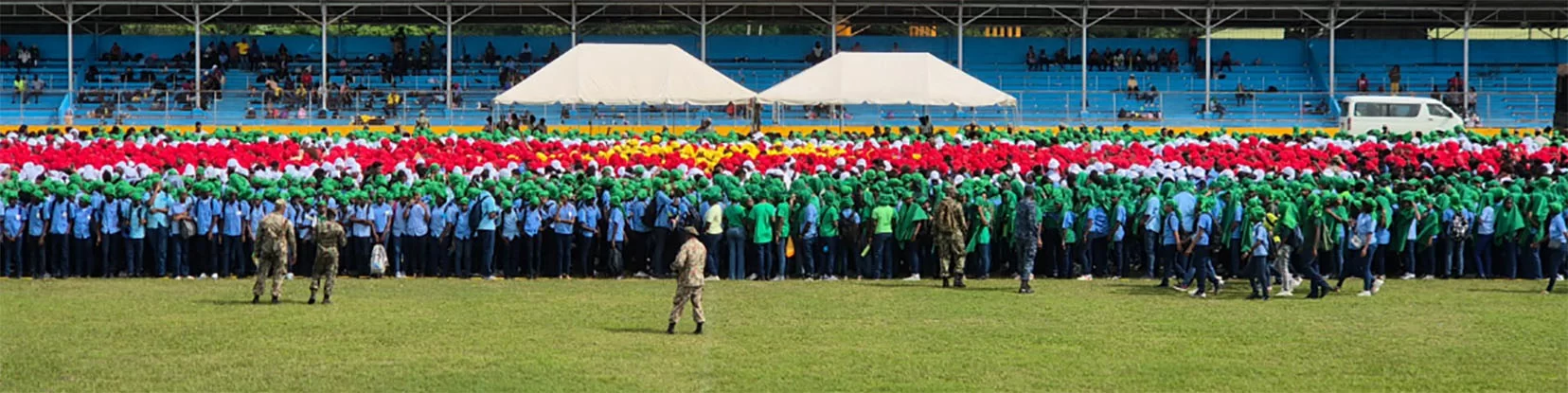
Duizenden scholieren oefenen voor Surinaamse vlag Onafhankelijkheidsdag
On Wednesday, thousands of students gathered at the André Kamperveen Stadium to rehearse a large-scale formation of the Surinamese flag in celebration of Independence Day. While the practice session showed promising results, organizers emphasized that there is still room for improvement. Major Eleen Simson and her team were kept busy attending to students who struggled with the sunny weather. After brief breaks, many returned to the field with smiles, ready to continue. Coordinator Melvin Groenfelt expressed confidence in the students’ enthusiasm and preparation, stating, ‘There are still a few details to iron out, but they already know what to do. The final result will be unveiled on Sunday.’ The grand performance is scheduled to take place on November 16 at Independence Square. Officer Faried Ilahibaks reflected on past celebrations, noting that the first such event occurred in 1975, coinciding with Suriname’s independence. Smaller exercises were held in 1985, while larger-scale performances took place in 2005 and 2010. Major Simson reported that over 20 students required medical attention during the rehearsal, primarily due to dizziness and nausea, often caused by insufficient food or water intake. She offered practical advice to participants and their parents: ‘Eat and drink well, but avoid heavy meals right before the event. Ensure adequate rest and go to bed early. Avoid staying up late or spending too much time on your phone on Saturday night.’
-

Dominica faces defeat in opening match of CONCACAF series
The Men’s Senior National Football Team of Dominica faced a crushing defeat in their inaugural match of the Concacaf Series, losing 2-1 to St. Martin at the St. Kitts and Nevis Football Association’s Technical Center on Wednesday. Despite a valiant effort, Dominica’s campaign began on a sour note, as confirmed by a press release from the Dominica Football Association (DFA).
Dominica displayed early dominance, controlling possession and creating several scoring opportunities. However, their inability to capitalize on these chances proved costly. Striker Troy Jules saw his penalty attempt thwarted, and the team squandered other promising moments in the first half. Goalkeeper Jerome Burkard emerged as a standout performer, making a series of critical saves to keep St. Martin at bay. The first half concluded with both teams deadlocked at 0-0.
The second half saw Dominica regain momentum, with Jules seizing a loose ball to put his team ahead 1-0. Despite their lead, Dominica struggled to maintain control and secure the win. St. Martin’s relentless pressure paid dividends in the final 10 minutes, as they netted two late goals to clinch a dramatic 2-1 victory.
Looking forward, Dominica is set to face Sint Maarten in their next match on Saturday, November 15, at 4 PM. The team will aim to bounce back and revive their hopes in the tournament.
-

Antigua and Barbuda Successfully Host the 2025 Travel Agency Owners Forum
In a landmark event for the Caribbean tourism industry, Antigua and Barbuda successfully hosted the 2025 Travel Agency Owners Forum from October 25 to 29, 2025. This prestigious gathering, held at Pineapple Beach Club Antigua and The Verandah All-Inclusive Resorts, marked the first time a travel industry forum of this scale was staged outside the United States. The event brought together 70 prominent U.S.-based leisure travel agency owners, collectively responsible for over $800 million in annual bookings, underscoring the Caribbean’s growing influence as a top destination for high-value travel experiences. Over four days, attendees participated in a dynamic agenda featuring B2B meetings, educational panels, networking events, and immersive destination experiences. These activities highlighted Antigua and Barbuda’s rich culture, exceptional hospitality, and world-class tourism infrastructure. Key experiences included resort showcases, cultural excursions, and site visits at premier properties such as The Verandah Resort and Spa, Pineapple Beach Club Antigua, Hammock Cove Antigua, Royalton Resort and Spa, and Sandals Grande Antigua. The Forum also featured a lineup of industry thought leaders, including Shayla Northcutt of Northcutt Travel Agency, Jeff Ment of Ment Law Group, and Christopher Lingren of Wonderful Adventure Travel Group, who shared insights on topics ranging from business efficiency to legal considerations and the human side of travel. Dean Fenton, U.S. Director for the Antigua and Barbuda Tourism Authority, expressed pride in hosting the event, stating, ‘This Forum not only showcased our islands’ incredible hospitality but also positioned Antigua and Barbuda as a leading destination for global trade engagement and high-value travel experiences.’ The event’s success underscores the Caribbean’s rising prominence in the global travel industry and its ability to attract influential decision-makers shaping travel trends worldwide.
-

Budna Investigation: ‘Too Late to Put the Genie Back in the Bottle’
The Joseph Budna abduction case has taken a contentious turn, with Attorney Arthur Saldivar accusing the State of irreversible mismanagement and deliberate concealment of critical information. Saldivar likened the situation to “trying to put the genie back in the bottle,” emphasizing that the government’s actions have created a pattern of secrecy that the court must now address. He revealed that the government has filed two strikeout applications, a move he described as a standard tactic to delay or dismiss the proceedings. Saldivar further asserted that the State has withheld essential evidence, including unaltered video footage, and highlighted the failure of police officers to act as a significant part of the case. “When individuals with a legal duty fail to act, it constitutes an offense,” he stated. The case regained public attention this week when Director of Public Prosecutions Cheryl-Lynn Vidal confirmed receiving the case file from Prime Minister John Briceño. Vidal described the file as “less than nothing,” noting that it lacks sufficient evidence to warrant any arrests. Saldivar argued that the file should have been sent to the DPP immediately after the August 23 incident, which would have mitigated the ensuing controversy. Budna, abducted in Orange Walk in August, remains imprisoned in Guatemala, while Constable Barrington Flowers, accused of aiding the abduction, denies all allegations and is currently on full-pay suspension.
-
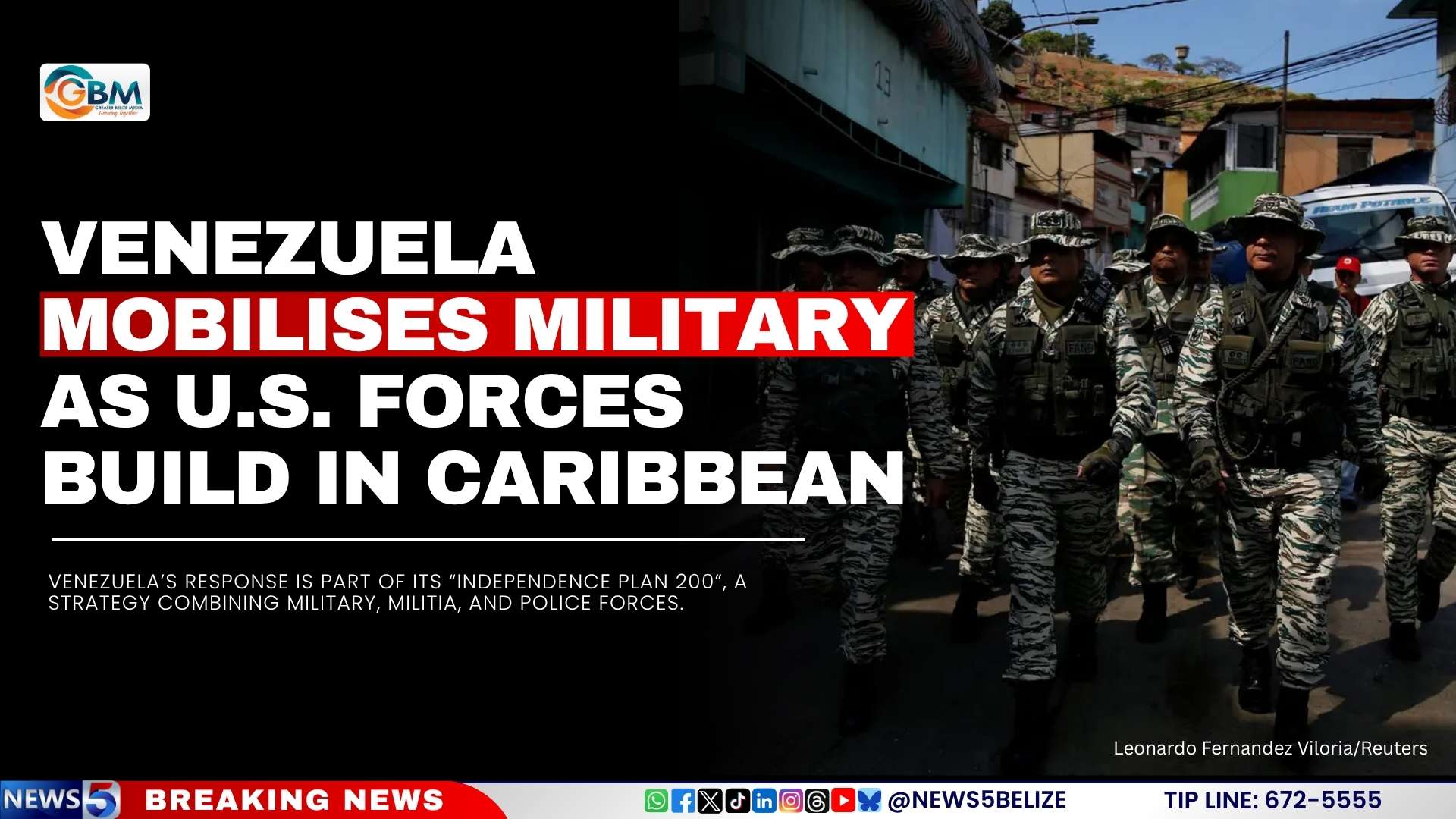
Venezuela Mobilises Military as US Forces Build in Caribbean
Venezuela has initiated a comprehensive military mobilization in reaction to the increasing deployment of US forces in the Caribbean. Defense Minister Vladimir Padrino López declared the activation of land, air, naval, and reserve units, labeling the move as a countermeasure against what he termed an ‘imperialist threat.’ This strategic maneuver, directed by President Nicolás Maduro, also involves the Bolivarian Militia, a civilian reserve established by the late President Hugo Chávez. The escalation follows the arrival of the USS Gerald R. Ford, the US Navy’s largest aircraft carrier, accompanied by a formidable strike group comprising warships, fighter jets, and thousands of military personnel. While the US justifies its deployment as a crackdown on drug trafficking, Venezuelan authorities perceive it as a veiled attempt at regime change. President Trump has recently acknowledged CIA activities in Venezuela and previously hinted at potential military interventions, although US officials assert no immediate plans for such actions. Venezuela’s military response is part of its ‘Independence Plan 200,’ a comprehensive strategy integrating military, militia, and police forces. Despite Maduro’s claim of over 8 million reservists, experts remain skeptical about both the numbers and their operational readiness. CNN reports that the US military presence in the region now surpasses 15,000 personnel.