
On November 14, 2025, a prestigious ceremony was held at the Montana Hotel in Pétion-ville, Haiti, to honor the national laureates of the 2024-2025 State exams. The event was attended by key figures including Presidential Advisor Smith Augustin, Prime Minister Alix Didier Fils-Aimé, and ambassadors from Taiwan, France, and Mexico, alongside representatives from international technical and financial organizations. In his speech, Augustin praised the students for their academic excellence and encouraged them to continue being role models for the youth. He highlighted the government’s dedication to education, noting that it remains a top priority with a significant allocation of 16% from the 2025-2026 budget, totaling over 54 billion gourdes. The Minister of National Education, Antoine Augustin, announced scholarships provided by the Taiwanese Embassy for the honorees. The ceremony recognized eight outstanding students: Thalantina Rozier, Frédéric-Léonel François, Leguirne Brévil, Robinho Julien, Mélissa Samedi, Christina Laguerre, Jephté Pierre, and Christelle Angerville. Each received books, a laptop, an honorary certificate, and a financial award ranging from 150,000 to 500,000 gourdes from the Ministry.
作者: admin
-
Suriname verkent lidmaatschap Ontwikkelingsbank CAF
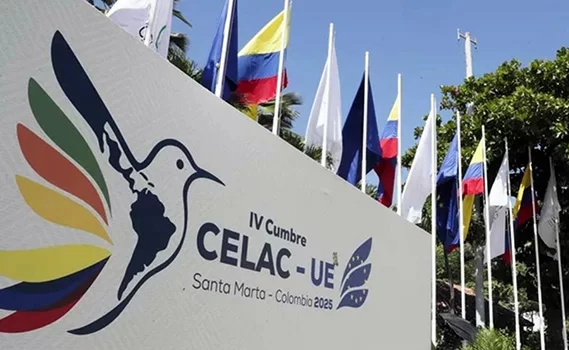
In a significant diplomatic engagement, Suriname’s Minister of Foreign Affairs, International Trade, and Cooperation, Melvin Bouva, held a productive meeting with Sergio Díaz-Granados, Executive President of the Development Bank of Latin America and the Caribbean (CAF). The discussions took place during the 4th CELAC-EU Summit in Santa Marta, Colombia, earlier this week. The talks focused on strengthening bilateral cooperation, particularly in areas of sustainable development, economic resilience, and regional integration. CAF, which recently secured an AA+ credit rating, is renowned for providing tailored financial and technical support to its member countries. The Surinamese delegation was briefed on the potential benefits of joining CAF, including access to development financing for critical sectors such as education, infrastructure, and healthcare. Both parties agreed that CAF would soon dispatch a technical mission to Suriname to develop a comprehensive business case for potential membership. Minister Bouva expressed gratitude for CAF’s open and collaborative approach, emphasizing the importance of strategic partnerships in fostering sustainable growth and inclusive development. CAF’s regional reputation as a financial institution that prioritizes the socio-economic realities of its member states further underscores the significance of this potential collaboration.
-
PM Briceño Marks Milestone with Major Ministerial Moves
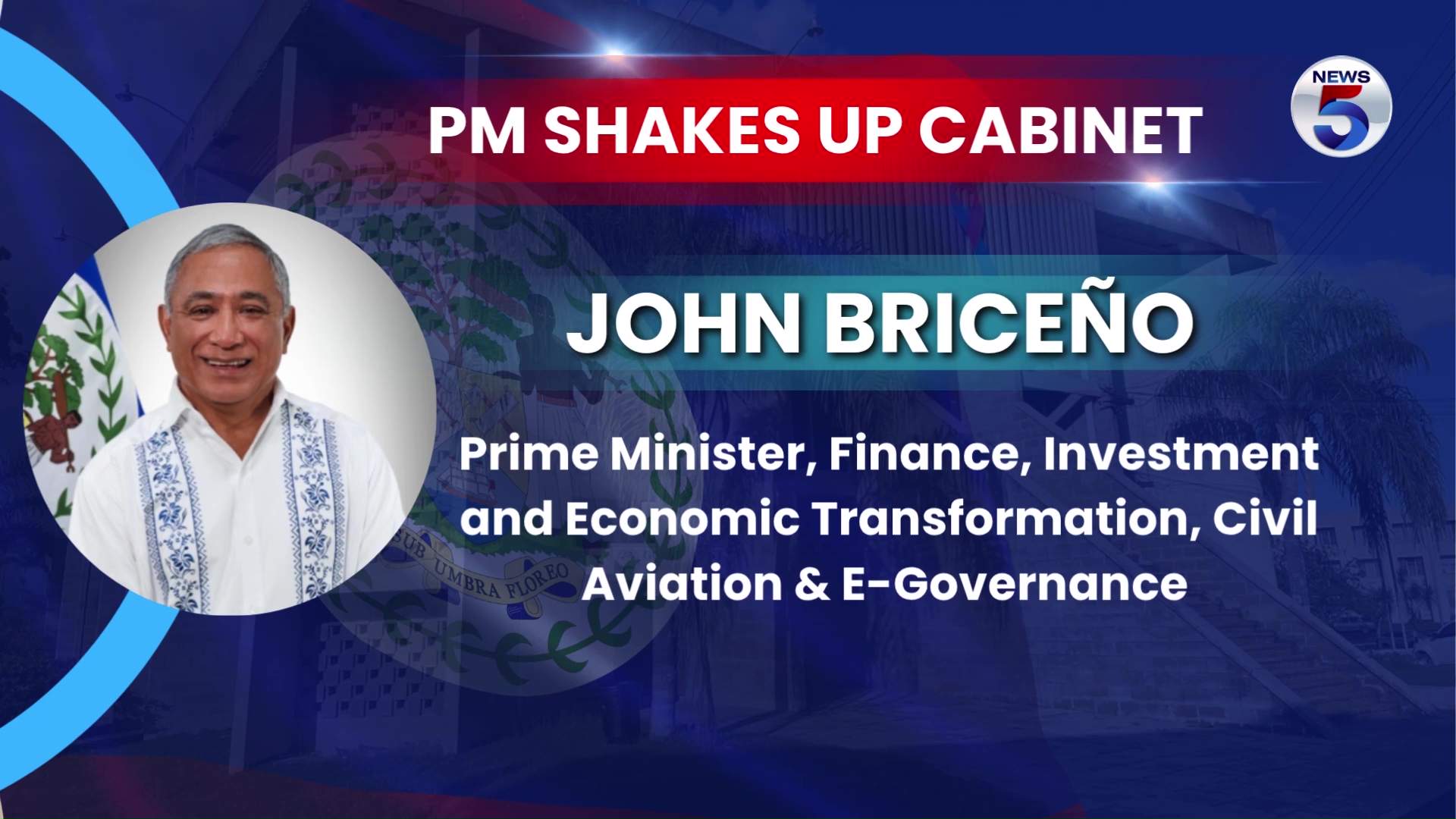
In a significant political move, Prime Minister John Briceño has announced a Cabinet reshuffle, marking the fifth anniversary of his administration. One of the most notable changes is the departure of Kareem Musa from the Ministry of Home Affairs after five years of service. Briceño emphasized that the reshuffle is part of a broader strategy to rejuvenate his government, though the timing has sparked speculation about potential links to recent controversies, such as the Joseph Budna investigation. Briceño, however, insists the decision was long-planned, citing the demanding nature of the Home Affairs portfolio. Initially, Minister Henry Charles Usher was set to take over the role, but he declined the appointment, opting to remain in his current position at the Ministry of Public Service. Consequently, Defense Minister Oscar Mira will now oversee both the Ministry of Home Affairs and the Ministry of Defense and Border Security. Briceño defended the reshuffle, stating that ministers are policy-makers rather than experts in their respective fields, and their primary role is to implement the government’s Plan Belize manifesto. He also dismissed allegations of nepotism, asserting that the appointments were based on merit and the need for strategic adjustments.
-
Fonseca Lands Largest Portfolio in Cabinet Shuffle
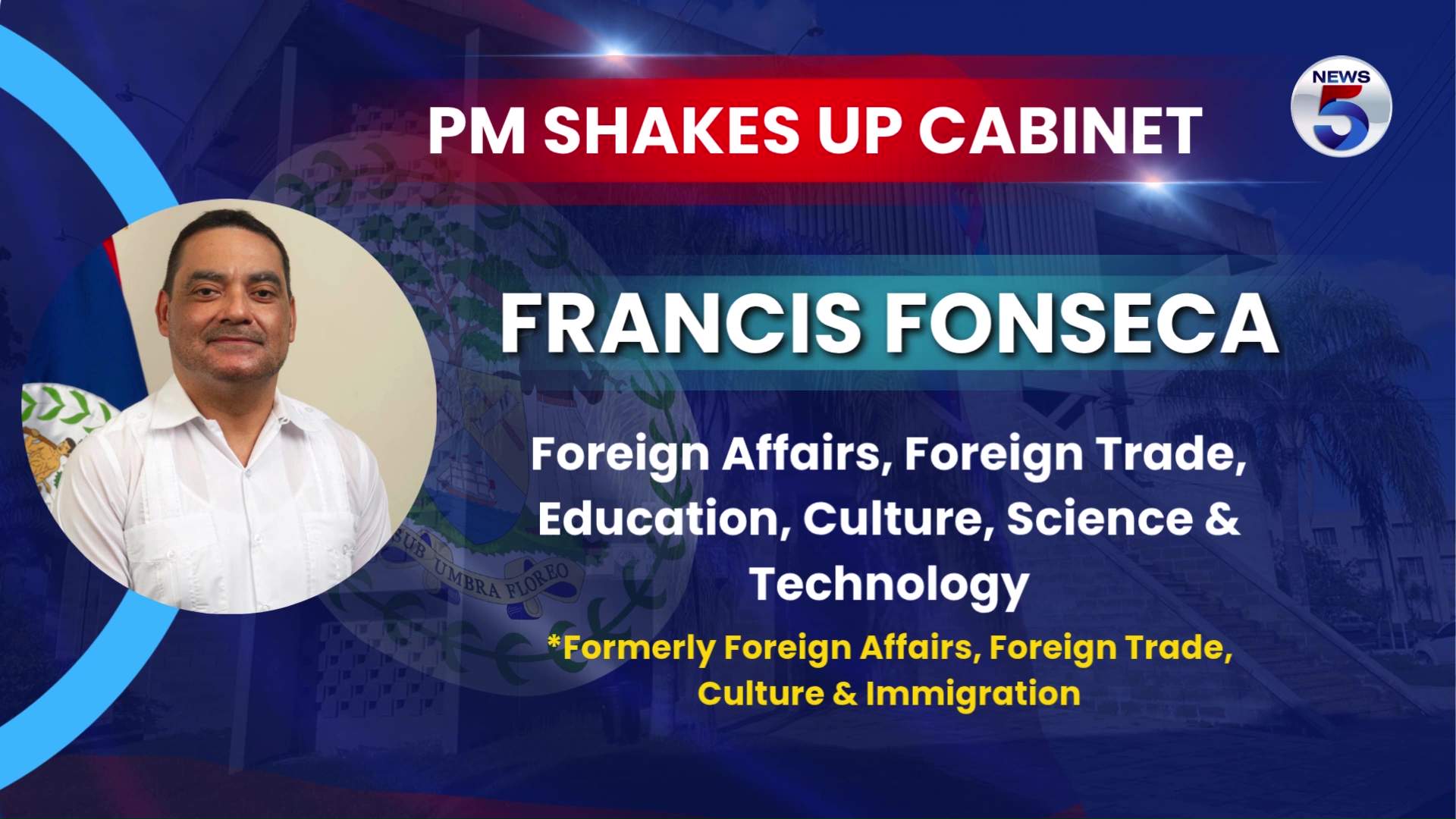
In a significant cabinet reshuffle, Prime Minister John Briceño has reassigned key ministerial roles, with Francis Fonseca taking on the largest portfolio in the government. Fonseca, previously known for his transformative work in education, will now oversee multiple critical areas, raising questions about the support he will need to manage his expanded responsibilities effectively. The reshuffle also saw Oscar Requena move from the Ministry of Education to Rural Development, a decision Briceño explained as strategic, emphasizing Requena’s effectiveness in representing rural communities. Briceño expressed full confidence in Fonseca’s ability to handle the increased workload, citing his extensive experience and leadership skills. The changes are part of a broader effort to optimize the government’s effectiveness, with Briceño stressing the importance of placing ministers in roles where they can make the most significant impact. The reshuffle has sparked discussions about the future direction of the administration and its ability to address pressing national issues.
-
Requena Explains Short Term as Education Minister
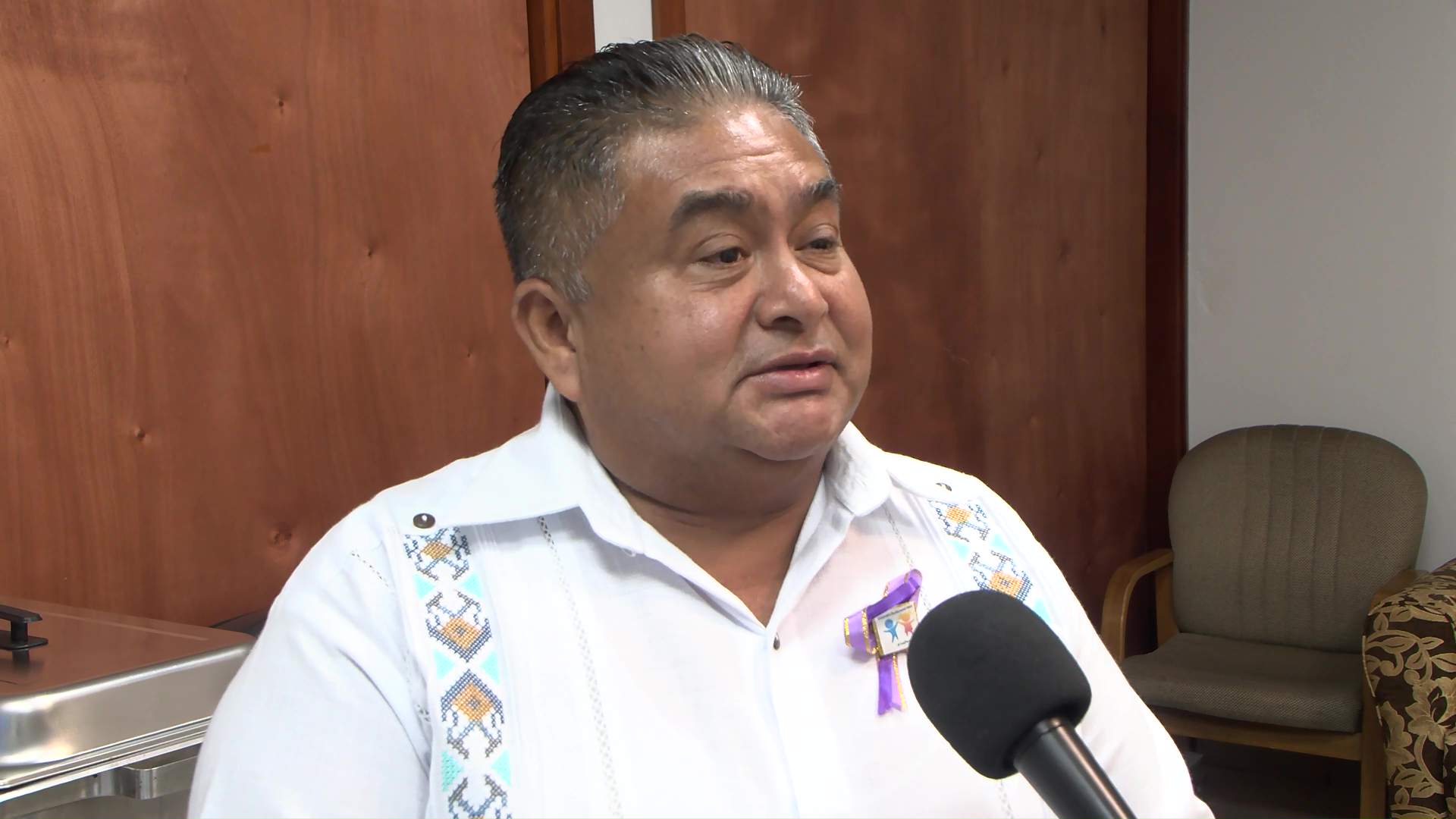
In a significant cabinet reshuffle, Prime Minister John Briceño has reassigned several ministers, including Oscar Requena, who is now returning to his previous role as Minister of Rural Transformation. Requena’s tenure as Education Minister lasted just eight months, sparking widespread speculation about the reasons behind the move. While some attribute it to performance issues, others suggest it aligns with the Prime Minister’s broader strategic vision, particularly given the emphasis on education reform. Requena’s departure paves the way for Francis Fonseca to take over the education portfolio, one of the largest in the Cabinet. In an exclusive interview, Requena expressed gratitude for his brief stint in the education sector, thanking staff, teachers, and the broader education community for their support. He emphasized his commitment to serving wherever the Prime Minister deems fit, stating, ‘I am here to serve wherever the Prime Minister sees it fit. I am prepared to serve.’ When questioned about the rationale behind the reshuffle, Requena deferred to the Prime Minister, acknowledging public concerns such as unpaid teacher salaries but refraining from speculating on the decision-making process.
-
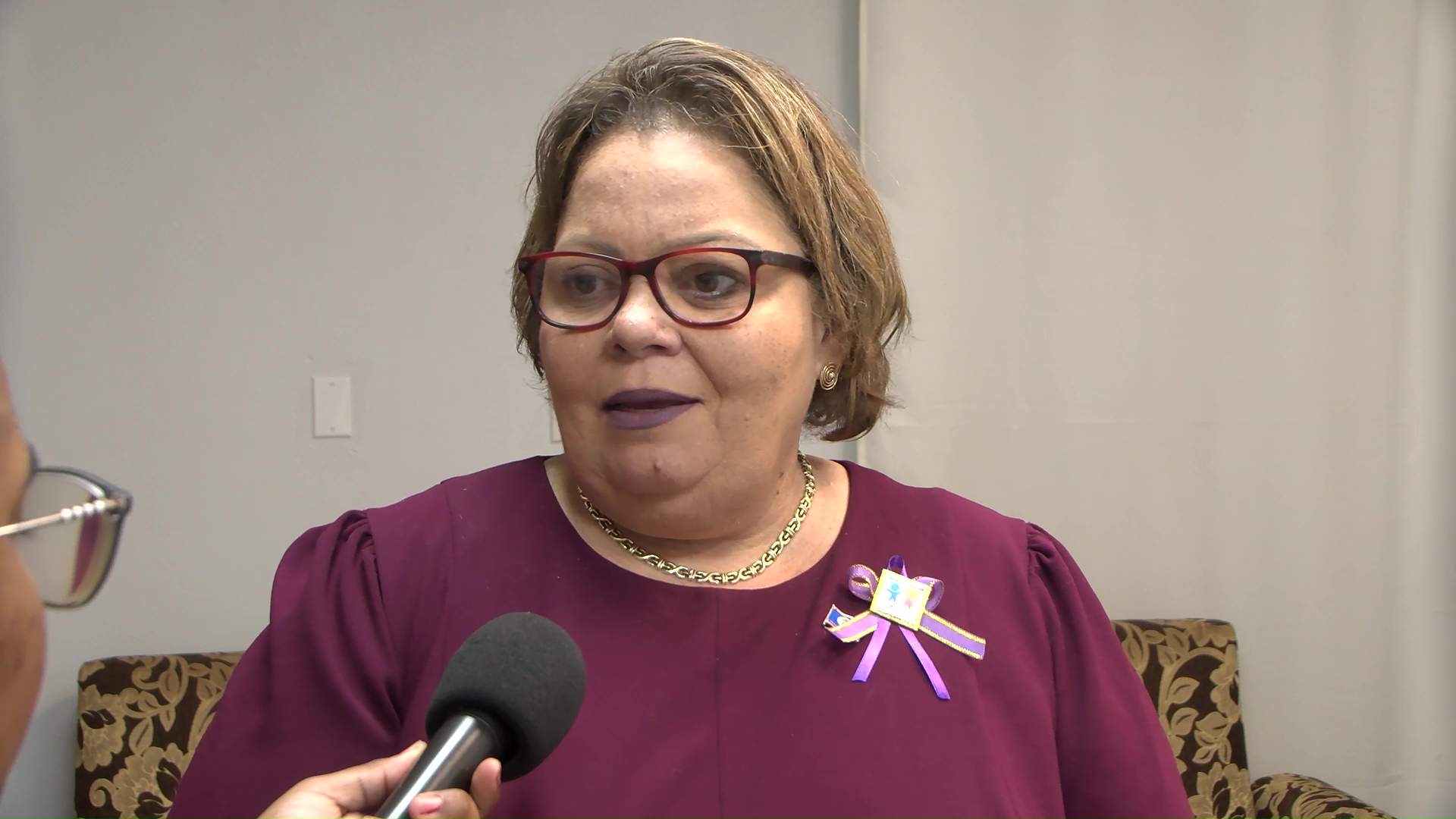
Panton Calls Home Affairs Reshuffle ‘Purely Cosmetic’
Opposition Leader Tracy Taegar-Panton has sharply criticized the Briceño Administration’s recent cabinet reshuffle, labeling it as ‘purely cosmetic.’ Panton contends that the changes, particularly the removal of Kareem Musa and the appointment of Henry Charles Usher to the Ministry of Home Affairs, are a direct response to the ongoing controversy surrounding the abduction of Joseph Budna. She emphasized that the reshuffle fails to address the root issues and called for a thorough investigation to hold all responsible parties accountable. Additionally, Panton commented on the changes in the Ministry of Education, acknowledging the challenges faced by the sector but expressing confidence in the new appointee, Francis Fonseca, to navigate these complexities. She stressed the importance of addressing educational concerns, given the growing discontent among unions like the BNTU. Despite her criticisms, Panton clarified that her remarks were not an indictment of outgoing Education Minister Oscar Requena, whom she praised for his responsiveness to constituency needs. The reshuffle, according to Panton, reflects deeper systemic issues within the administration that require more substantive action than mere personnel changes.
-

Budna Case Sparks Rift Between PM and DPP
A growing rift has emerged between Prime Minister John Briceño and Director of Public Prosecutions (DPP) Cheryl-Lynn Vidal over the handling of the Joseph Budna investigation. The conflict stems from Vidal’s stark criticism of the case files, which she described as containing “less than nothing.” This assessment has drawn sharp disagreement from the Prime Minister, who defended the quality of the investigation and praised the work of lead investigator Assistant Superintendent Suzette Anderson. Briceño emphasized his respect for Anderson, calling her a “good cop” who performed admirably under challenging circumstances. While Vidal has indicated that the current evidence is insufficient to warrant an arrest, Briceño remains optimistic, suggesting that further investigation could uncover more details. The disagreement highlights the tension between the executive and judicial branches, with Briceño reiterating his commitment to not interfering with the DPP’s independence. The case has sparked widespread debate about the effectiveness of the investigation and the dynamics between key government offices.
-
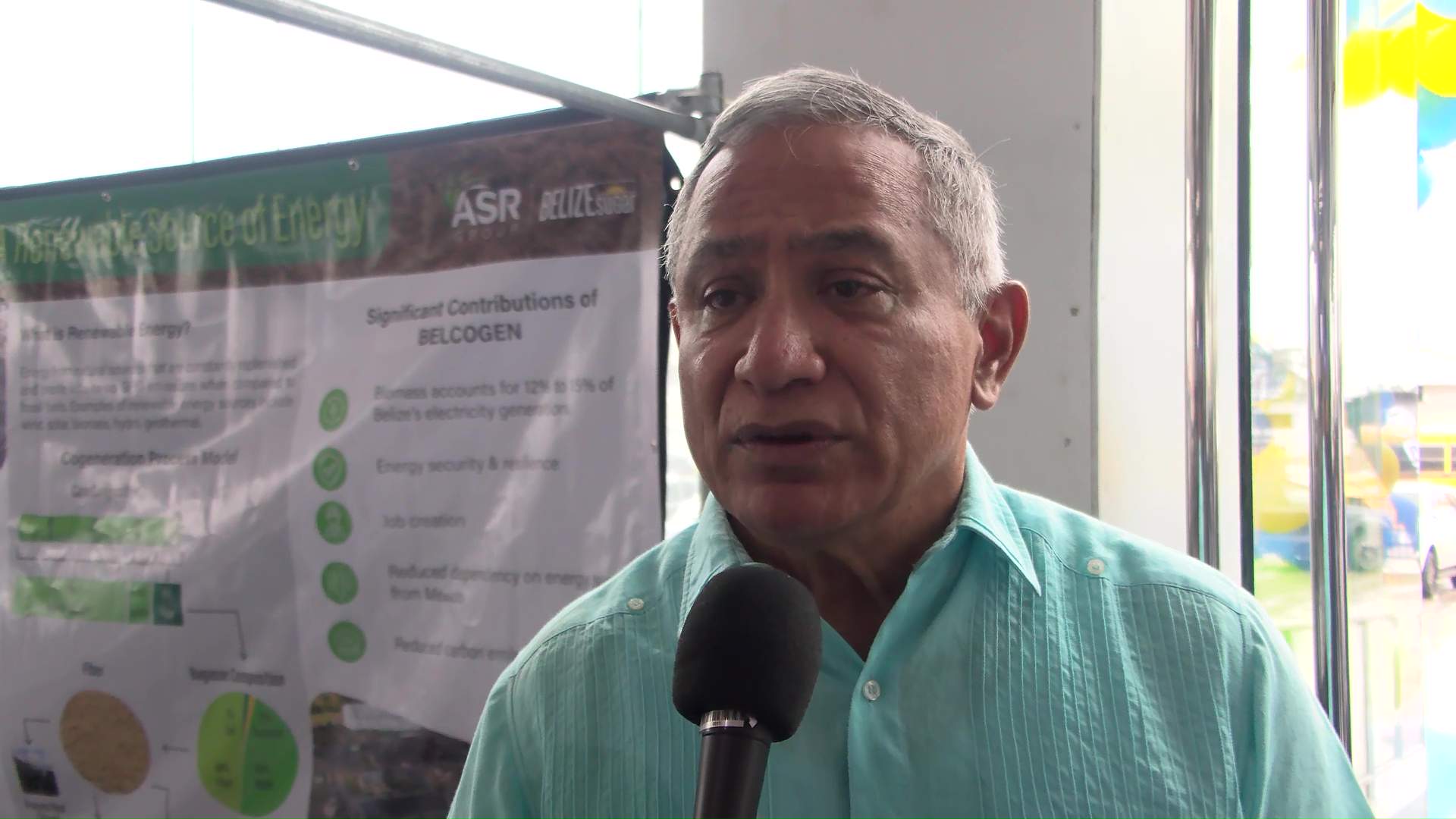
Belize and Mexico Deepen Trade Talks at Corozal Free Zone
In a significant move to bolster economic collaboration, Belize and Mexico convened high-level trade discussions at the Corozal Free Zone this week. Belize’s Prime Minister John Briceño met with officials from Quintana Roo, Mexico, to explore avenues for enhancing bilateral trade and investment. The talks focused on fostering synergy between businesses in Quintana Roo and Belize, with an emphasis on producing goods for the broader CARICOM market. Prime Minister Briceño described the meeting as highly successful, highlighting the shared commitment to deepening economic ties. However, he also addressed ongoing security concerns in the Free Zone, emphasizing the need for enhanced measures to ensure a stable business environment. The Prime Minister revealed that the Ministry of Home Affairs would oversee enterprise activities in the region, enabling the police to play a more active role in maintaining security. This meeting marks a pivotal step in regional economic integration, with both nations expressing optimism about future collaborations.
-
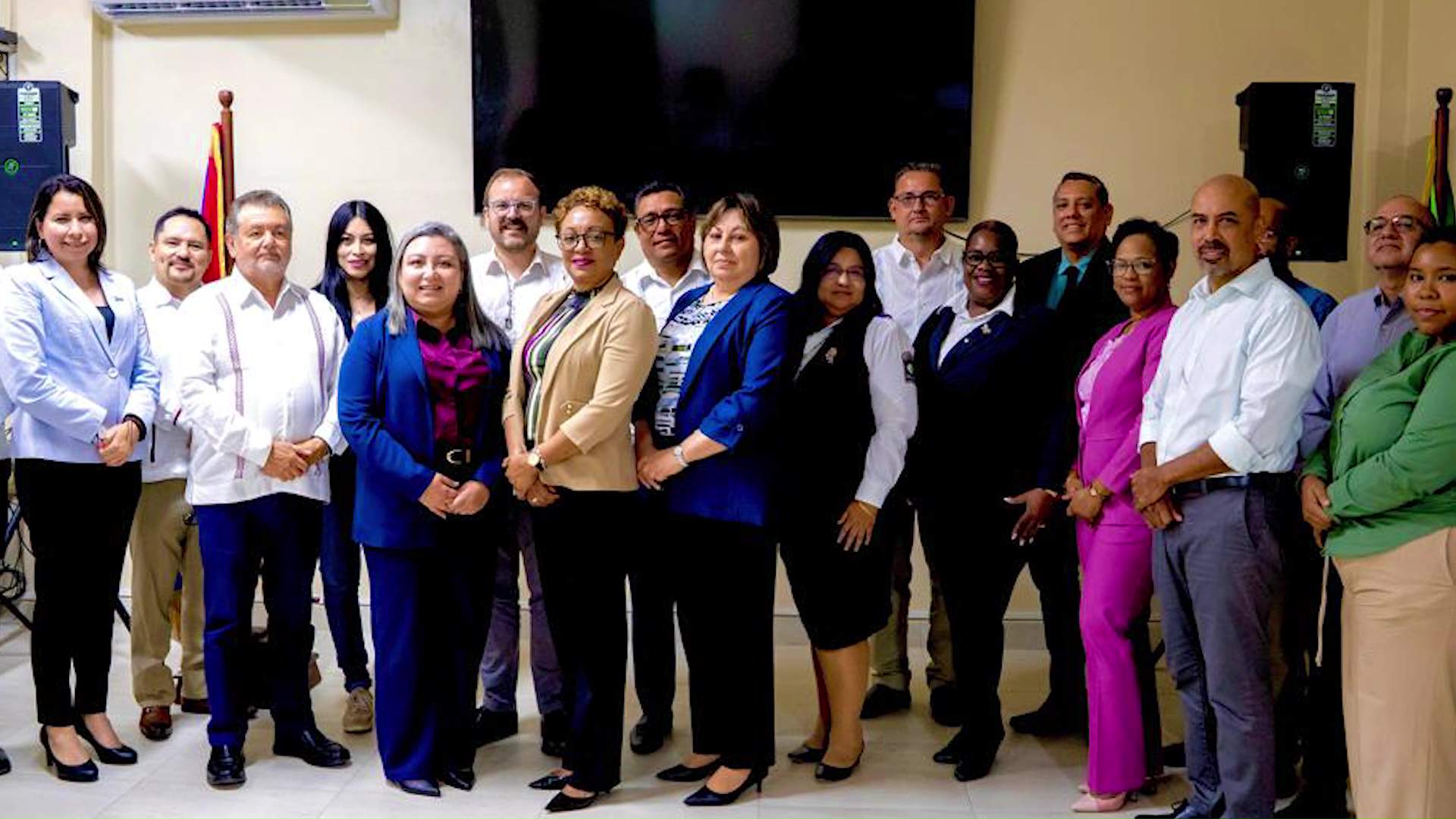
Belize and Mexico Meet to Boost Cross-Border Cooperation
In a landmark meeting held on November 14, 2025, Belize and Mexico took significant steps to enhance cross-border cooperation, addressing a range of issues from gender-based violence to environmental challenges like beach erosion. The discussions also paved the way for a joint policy aimed at boosting and coordinating investment between the two nations, signaling a promising future for economic collaboration. Thea Garcia-Ramirez, Belize’s Minister of Human Development, played a pivotal role in the talks, emphasizing the need for a structured framework to facilitate these initiatives. One of the key outcomes was the introduction of a border pass for residents of five southern Mexican states—Quintero, Chiapas, Tabasco, Yucatan, and Campeche. This pass, which will be issued free of charge, will allow Mexican nationals to travel throughout Belize for up to seven days. Additionally, the Belizean Cabinet has approved the discontinuation of various fees, including exit fees, to make cross-border travel more accessible. Garcia-Ramirez highlighted that easing travel restrictions could attract a significant portion of the 1.2 million annual visitors to the free zone, most of whom are Mexican, thereby boosting Belize’s tourism and economy.
-
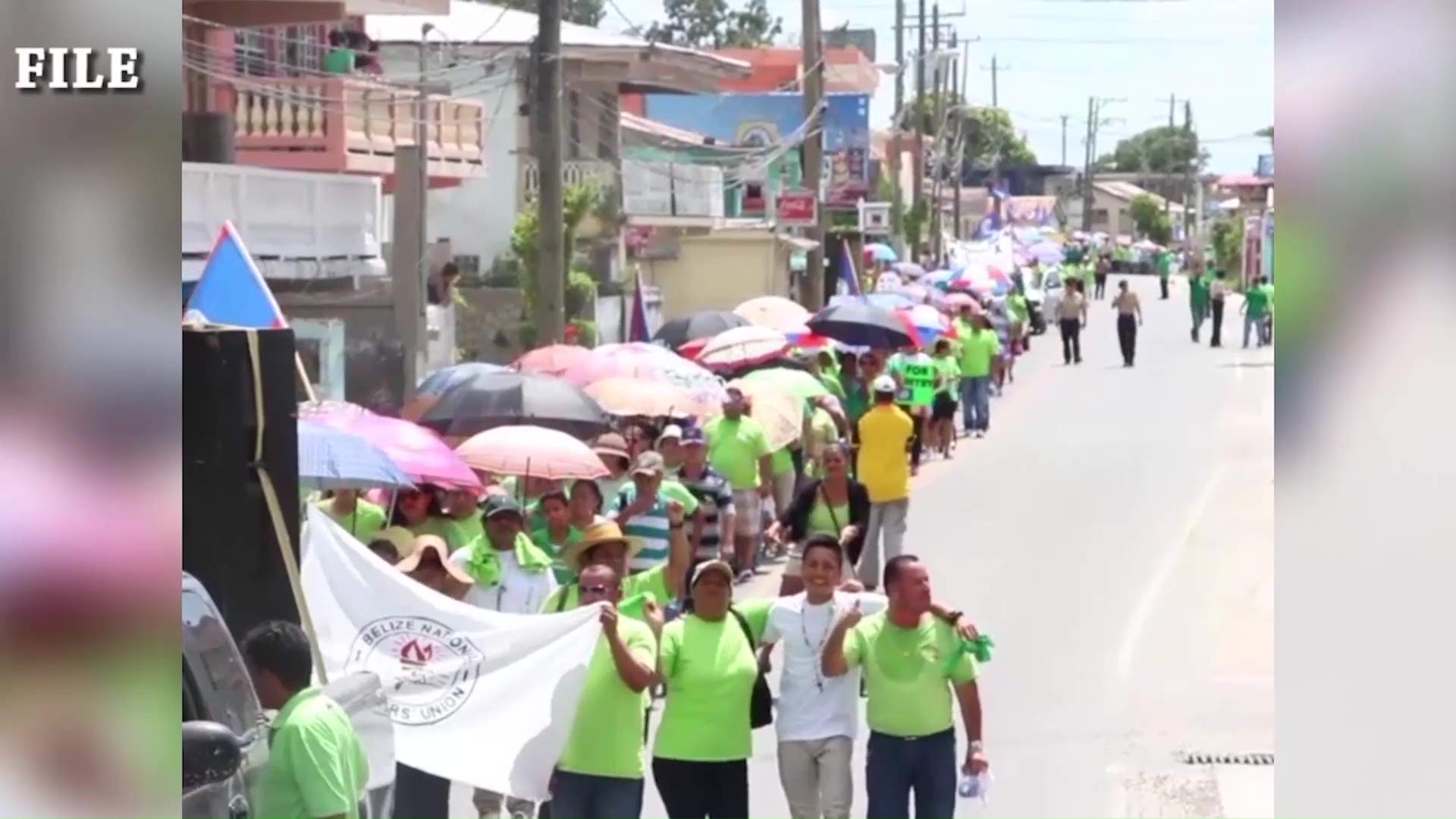
Requena Maintains Teacher’s Late Salaries are Being Addressed
The ongoing dispute over delayed teacher salaries in Belize continues to escalate, despite assurances from Education Minister Oscar Requena that the issue is being resolved. Earlier this month, the Belize National Teachers’ Union (BNTU) reported that numerous educators were still awaiting their pay, contradicting the Minister’s previous claims that the matter had been settled. Requena attributed the discrepancies to salary advances issued in December, a justification the union firmly rejects, stating they never consented to such terms. In a recent statement, Requena reiterated his stance, emphasizing that the Ministry of Education has been proactive in addressing the concerns. He acknowledged the delays but shifted partial blame to school managements, citing their failure to submit necessary information on time as a recurring issue. A meeting between the Ministry, the Treasury Department, and the BNTU executive was held to discuss the matter, with plans to improve communication and accountability moving forward. Despite these efforts, the union remains dissatisfied, highlighting the persistent challenges faced by teachers in receiving timely compensation.