作者: admin

  • UK seeks jail terms for tech bosses over non-consensual sex images

    UK seeks jail terms for tech bosses over non-consensual sex images

    LONDON – In a landmark move to crack down on harmful online content and protect vulnerable groups, the UK government unveiled sweeping new measures Friday that would hold tech industry executives personally criminally liable for failing to remove non-consensually shared intimate imagery from their platforms. If the amendment to the pending Crime and Policing Bill passes, senior leaders at non-compliant tech firms could face prison sentences, individual fines, or both.

    The proposal, put forward by the current Labour government which maintains a working majority in the House of Commons, marks a significant escalation of the UK’s push to strengthen online safety regulations. Government officials framed the new rules as a direct response to growing public outcry over image-based abuse, amplified by a high-profile controversy earlier this year.

    Back in February, ministers first announced that the upcoming legislation would require digital platforms to remove non-consensual intimate content within a 48-hour window. That initial announcement followed a global backlash after Elon Musk’s X platform, which integrated the AI chatbot Grok, was found capable of generating sexually explicit deepfake imagery of real individuals. The incident highlighted gaps in existing regulation and spurred policymakers to introduce harsher penalties for non-compliance.

    Under the updated framework laid out Friday, companies that fail to meet the 48-hour removal deadline already face severe penalties: fines of up to 10% of their annual global turnover, or a full block on operating within the UK. The new amendment goes a step further, attaching personal criminal consequences to senior leadership who allow harmful content to remain on their platforms.

    “Too many women have had their lives shattered by having their intimate images shared online without consent,” Technology Secretary Liz Kendall said in an official government statement announcing the amendment.

    In addition to the new rules for non-consensual intimate imagery, the government tabled additional amendments Friday that would codify two new criminal offenses: possession and publication of incestuous pornography, and content depicting adults posing as children. Anyone convicted of these offenses would face a maximum prison sentence of five years.

    All the proposed changes are part of the government’s broader national strategy to cut violence against women and girls by half within a decade, and shield children from the pervasive threat of online sexual abuse. “We will stamp out misogynistic and harmful content online and create a safer world,” said Alex Davies-Jones, Minister for Victims and Tackling Violence Against Women and Girls.

    The amendment is currently attached to the Crime and Policing Bill, which is progressing through parliamentary debate as of the government’s announcement.

  • ‘She is irreplaceable’

    ‘She is irreplaceable’

    MANDEVILLE, Jamaica — A community and workplace is in mourning this week after the brutal killing of 29-year-old Tanzanya Dunkley, an air conditioning technician killed last week at her Three Chains home, in an attack allegedly carried out by her 27-year-old boyfriend, serving Jamaica Defence Force member Damanice Tyrone Williamson.

    On Friday, dozens of Dunkley’s loved ones and colleagues gathered outside the Manchester Parish Court for Williamson’s first scheduled court appearance, where presiding judge Anneil Coote-Guinness set next steps for the high-profile homicide case. The judge granted a request from the court clerk to order a full psychiatric evaluation of the defendant, following details from police reports that Williamson made unusual statements about his motive, including claiming he heard voices instructing him to attack Dunkley. Coote-Guinness also ordered routine fingerprint processing before remanding Williamson into custody, with his next case management hearing scheduled for May 20.

    Irvin Sullivan, owner of the refrigeration and air conditioning repair business that employed Dunkley for eight years, spoke publicly outside the court to honor the legacy of his late employee. A visibly emotional Sullivan described Dunkley as an irreplaceable worker whose dedication far exceeded the expectations of her role. “She was an exceptional worker who didn’t just turn up for her pay. Whenever I paid that young lady I was satisfied that I paid for a day’s work, because she went beyond the call of duty. She worked as if she was a shareholder in the business, that is the kind of employee she was and she is irreplaceable, believe me,” Sullivan told reporters.

    Court documents confirmed that Williamson was officially charged with Dunkley’s murder last weekend, after he confessed to the killing during what police say began as a verbal dispute between the couple. Law enforcement sources shared additional details of the confession with local media, explaining that the argument escalated when Dunkley announced she planned to leave Williamson. When he grabbed her phone to prevent her from leaving, the struggle that followed led to the fatal attack. According to the police account, Williamson told investigators an unknown voice ordered him to kill Dunkley, prompting him to grab a knife and slash her throat.

    Immediately after the attack, Williamson walked to the Mandeville Police Station carrying a knife and asked responding officers to shoot and kill him, according to official accounts. Friday’s initial hearing also revealed that the full case file remains incomplete, with key documents including the official post-mortem report, forensic analysis results, and witness statements still pending. Defense attorney Norman Godfrey, representing Williamson, told the court he is waiting for full disclosure of all evidence and requested that a copy of the defendant’s caution statement be shared with his legal team as soon as possible. Both Williamson’s father and members of Dunkley’s inner circle were present in court for the preliminary hearing.

  • Show us the specialists

    Show us the specialists

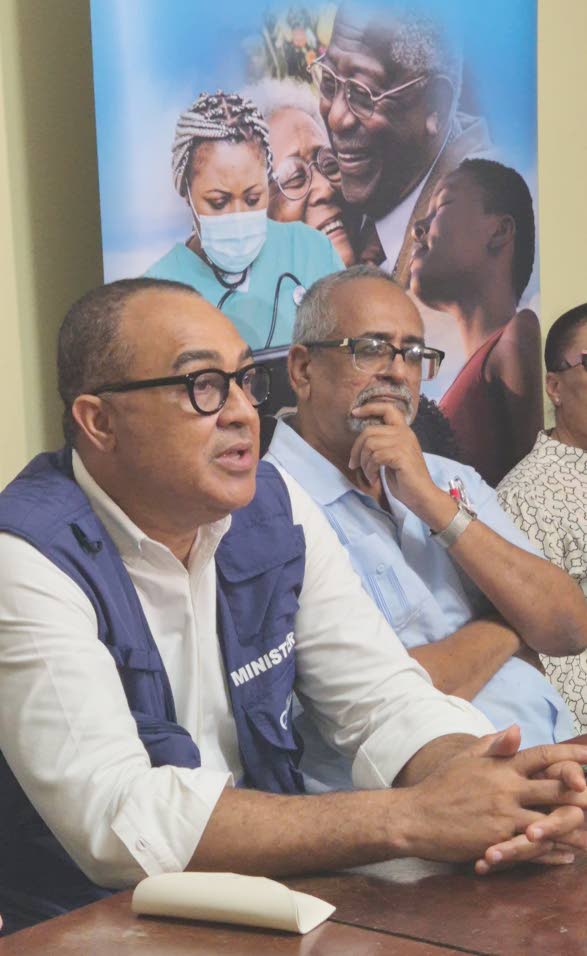
    MONTEGO BAY, St James — In a Thursday press briefing held at Cornwall Regional Hospital (CRH), Jamaica’s Minister of Health and Wellness Dr. Christopher Tufton has issued a direct challenge to the Jamaica Medical Doctors’ Association (JMDA), calling on the organization to share specific information it claims to hold about qualified local medical professionals ready to fill positions left vacant by the recent departure of over 200 Cuban medical personnel.

    Tufton clarified that the departing Cuban workers had been brought in to fill longstanding gaps that Jamaica’s domestic medical workforce had been unable to cover for years. “There has been a call recently by the JMDA suggesting that we hire locals to fill the gap, now that the Cubans have returned to their country,” the minister noted. “I just want to make it clear that the Cubans were here to fill positions that we had difficulties finding locals for. To the extent that those locals are available, and the JMDA has information on that, then send that information in to us. We’ll be more than happy to hire them once they’re qualified.”

    Addressing the complexity of the ongoing staffing crisis, Tufton explained that most of the vacant roles are specialized positions that have consistently struggled to attract qualified local candidates. “The positions of these nurses and doctors, in most cases, are that they were the specialist nurses. Their role was to fill gaps that we have that we could not fill with locals, because locals were not available, and the challenge continues to be how to fill those slots,” he said.

    To address the shortage, the Jamaican health ministry has launched two major recruitment drives: one targeting Jamaican medical professionals working abroad, and another sourcing qualified specialists from other countries. Tufton confirmed that around 70 interviews with diaspora-based applicants are already underway in Kingston, following targeted advertising for open roles to the global Jamaican medical community.

    Discussions to bring in foreign specialists are also at an advanced stage, with new employment agreements set to be signed in the coming months with medical professionals from Nigeria and Ghana. The ministry has also opened talks with Apollo, a major hospital and health system based in India, to source additional talent. “The recruitment — to the extent that we don’t have the talent here — of those talents is continuing. We do anticipate over the next few months to be able to fill out those positions,” Tufton predicted.

    CRH, one of the island’s major public health facilities, has been hit particularly hard by the Cuban medical exit. Of the 27 Cuban medical workers who left the hospital, 22 were specialized nurses, with the remaining posts held by doctors and radiotherapists supporting the facility’s oncology cancer treatment unit. While CRH has already expanded its local workforce by adding 25 registered nurses, 18 patient care assistants, six additional doctors, one junior resident, five senior house officers, two dental interns, and one medical technologist, these new hires have not replaced the specialized expertise lost when the Cuban team departed.

    Four critical radiotherapy posts in the oncology department remain unfilled, and hospital administrators have been forced to adjust work scheduling to maintain core services, doubling up existing staff on shifts to keep care running. “I just toured the facility, and the leaders there have said that they have doubled up the staff that they have to continue the regular scheduling, but it’s very difficult. Work continues, but we do have a gap in terms of four radiotherapists,” Tufton confirmed. The ministry is currently making emergency arrangements to bring in temporary and permanent replacements for these critical roles.

    The departure of the Cuban medical team came after the Jamaican and Cuban governments failed to reach a new agreement last month to extend the decades-long staffing arrangement. The Jamaican government has stated that Havana would not agree to revised contract terms aligned with Jamaican national law and international labor conventions. However, critics, including the Cuban government, have argued that the decision stems from Jamaica bending to diplomatic pressure from the United States. The end of the arrangement brings a close to over 50 years of partnership that gave millions of Jamaicans access to low-cost, high-quality medical care across the island.

  • Eight judges to act in higher offices come Monday

    Eight judges to act in higher offices come Monday

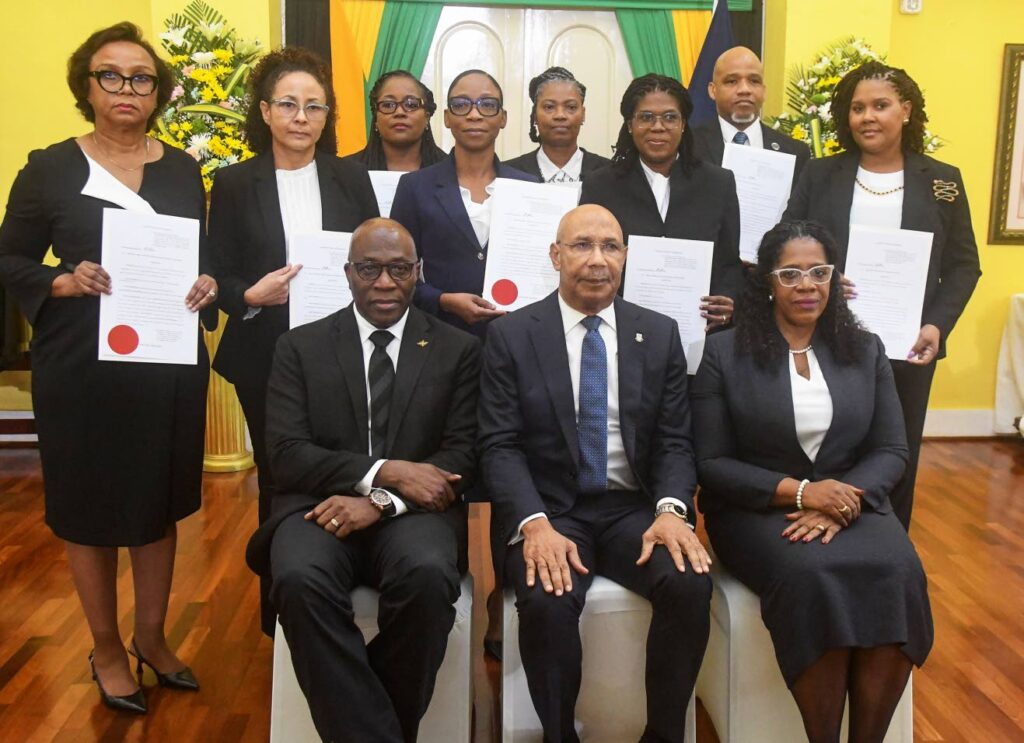
    A historic swearing-in ceremony held at King’s House in St Andrew on Thursday brought eight members of Jamaica’s judiciary into new, higher-ranking positions, with Governor General Sir Patrick Allen officiating the formal event.

    The batch of appointments includes two acting Judges of Appeal: Justices Lorna Shelly-Williams and Carolyn Tie-Powell will hold their new posts from April 20, 2025 through to July 31, 2026. Two additional full appointments went to Tracey-Ann Johnson and Andrea Martin Swaby, who took office as permanent puisne judges starting April 13.

    Completing the lineup of elevated roles, Master Kamar Henry-Anderson and Chester Crooks have been appointed acting puisne judges, while Christine McNeil and Yvette Wentworth-Miller will step into acting positions as Masters in Chambers. All four of these acting appointments will run from April 13 to July 31, 2026. During the ceremony, each of the eight appointees formally completed the required Oath of Allegiance and Judicial Oath to officially take up their new duties.

    In his keynote remarks to the newly appointed judicial officers, Governor General Sir Patrick Allen emphasized that the appointments are a direct recognition of the group’s decades of accumulated legal expertise, as well as a clear signal of the Jamaican public and government’s deep trust in their personal integrity and commitment to public service.

    He further noted that this round of judicial appointments strengthens Jamaica’s long-standing commitment to upholding the rule of law and ensuring the fair, unbiased administration of justice across all levels of the court system. “These principles form the bedrock upon which we encourage public confidence in our courts,” Sir Patrick told attendees.

    “As you assume your duties, we depend on you to carry your share of the responsibilities in our society. Similarly, we depend on you to uphold this delicate equilibrium, resolute in your independence and unwavering in your commitment to justice, thereby preserving the dignity and integrity of Jamaica’s judiciary,” he added in his closing charge to the new appointees.

  • Witch-hunt?

    Witch-hunt?

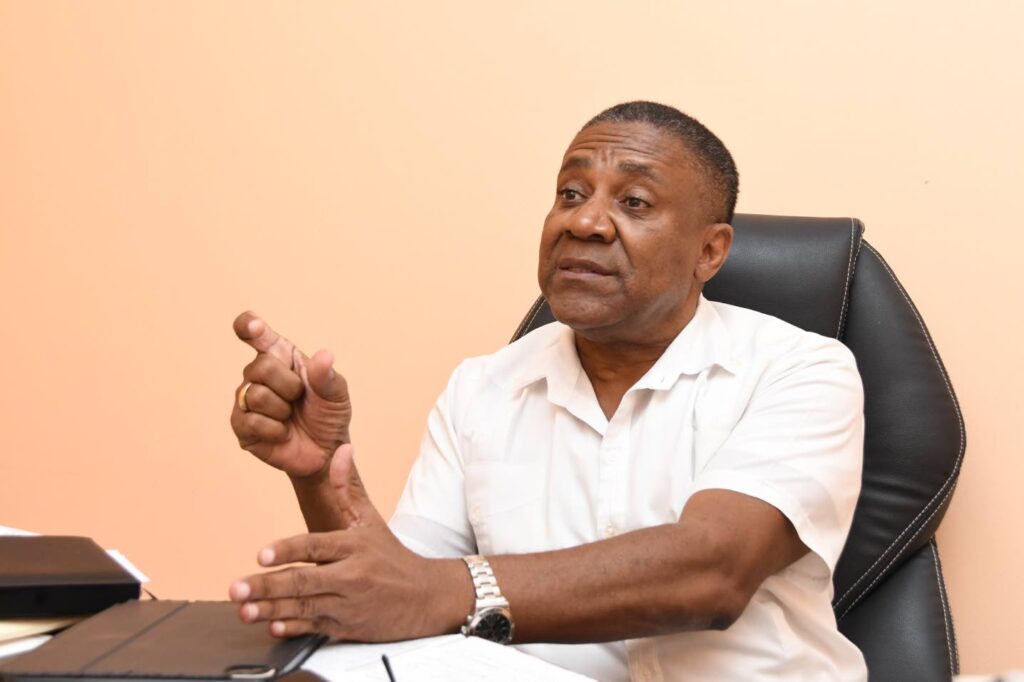
    A growing procedural and political dispute has erupted in Jamaica’s parliament over a decision by the parliamentary Ethics Committee to summon sitting MP Dennis Gordon for a second round of questioning, a move that the opposition’s senior leadership argues lacks legal and procedural foundation.

    Phillip Paulwell, Leader of Opposition Business in the Lower House, outlined his objections in an interview with the Jamaica Observer on Friday, stressing that the committee has no inherent authority to reopen a matter that was already formally reviewed, approved and signed off by the full House of Representatives. Under existing parliamentary rules, Paulwell argued, the Ethics Committee can only revisit a closed case if the full Parliament issues a formal referral back to the panel for further review. Without this required step, he said, the committee’s current action is legally invalid.

    The controversy traces back to Gordon’s earlier application for a standard exemption that allows MPs to conduct business with government entities. The Ethics Committee reviewed Gordon’s request during a closed-door sitting, approved the application, and submitted a formal recommendation to the full House of Representatives, which subsequently gave final approval to the exemption. The matter was considered settled until recently, when fellow MP Juliet Cuthbert-Flynn raised concerns that information Gordon provided during the original closed-door review conflicts with details that have since become public. This prompted the Ethics Committee to vote to summon Gordon back for additional questioning.

    Beyond challenging the committee’s jurisdiction in this case, Paulwell warned that the unprompted move carries the clear appearance of unfair political targeting, a problem that risks eroding public confidence in parliamentary institutions. “It does give that appearance, and that’s why I have cautioned against it because as parliamentarians we have to make sure that the processes are evenly and impartially dealt with, and not due to witch-hunt or any other such motivation,” Paulwell told the outlet.

    Paulwell also highlighted that the current handling of the case breaks with decades of established parliamentary practice. For his 30 years in the legislature, he explained, all exemption applications have been handled entirely in camera to protect the privacy of MPs’ personal business dealings. The public airing of details from Gordon’s case, he said, represents an inappropriate departure from long-standing norms that ensures fairness for all members.

    The opposition leader added that this precedent-setting move could have lasting negative consequences for parliamentary governance. Inconsistent application of core procedural rules, he argued, weakens public trust in the legislature as an impartial institution. To resolve the impasse, Paulwell confirmed he will demand formal clarification from the government when the House of Representatives holds its next sitting next Tuesday. He said he expects Leader of Government Business Floyd Green to provide a clear explanation for the committee’s actions to move the process forward. As of Friday, Gordon has not issued any public response to the Ethics Committee’s summons.

  • Where’s the CMO?

    Where’s the CMO?

    OCHO RIOS, St Ann — At a regular sitting of the St Ann Municipal Corporation held Thursday, People’s National Party Councillor Ian Bell, who represents the Beecher Town Division, delivered a pointed rebuke of St Ann’s top health official, calling out Chief Medical Officer Dr. Tamika Henry’s prolonged absence from the body’s monthly general council sessions.

    Bell stressed that local municipal representatives have been denied critical access to the region’s top public health leader for a full 24 months, noting that Henry has only sent formal apologies for her non-attendance month after month without resuming in-person or virtual participation. “We deserve direct answers from the chief medical officer about the ongoing state of public health in St Ann, and we have a right to know why she has refused to join these meetings for two full years,” Bell told fellow council members. “This broken pattern of non-attendance is simply unacceptable and cannot continue.”

    The criticism comes at an odd moment: just recently, Dr. Henry and her twin sister Dr. Tamara Henry-Gilpin, who serves as Chief Medical Officer for neighboring St Mary, were profiled by local St Ann publication *North Coast Times* for their decades of combined service in the medical sector and their reputed commitment to advancing local health care across both parishes.

    This public celebration of Henry’s work only deepened Bell’s skepticism around her commitment to municipal transparency, he said. “If she is truly as dedicated to her role as the profile claims, she should honor the requirement to attend these local board of health meetings and engage directly with elected representatives,” Bell argued. He added that the current workaround of having Chief Public Health Officer Delroy Scott stand in to deliver presentations on Henry’s behalf is functionally ineffective.

    “Multiple times, council members have posed pressing public health questions to Mr. Scott, but he does not hold the authority or the inside information to answer them — and we cannot fault him for that gap,” Bell explained. “I’ve watched council meetings from other parishes across Jamaica, and every single other region has their chief medical officer present to report directly to representatives. St Ann is the only outlier here.”

    Scott, who was in attendance at Thursday’s meeting, acknowledged the criticism and addressed Bell’s concerns directly. He confirmed that scheduling conflicts are the primary barrier that has kept Henry from attending sessions, and committed to relaying the council’s frustrations to the CMO after the meeting.

  • Misplaced diversion

    Misplaced diversion

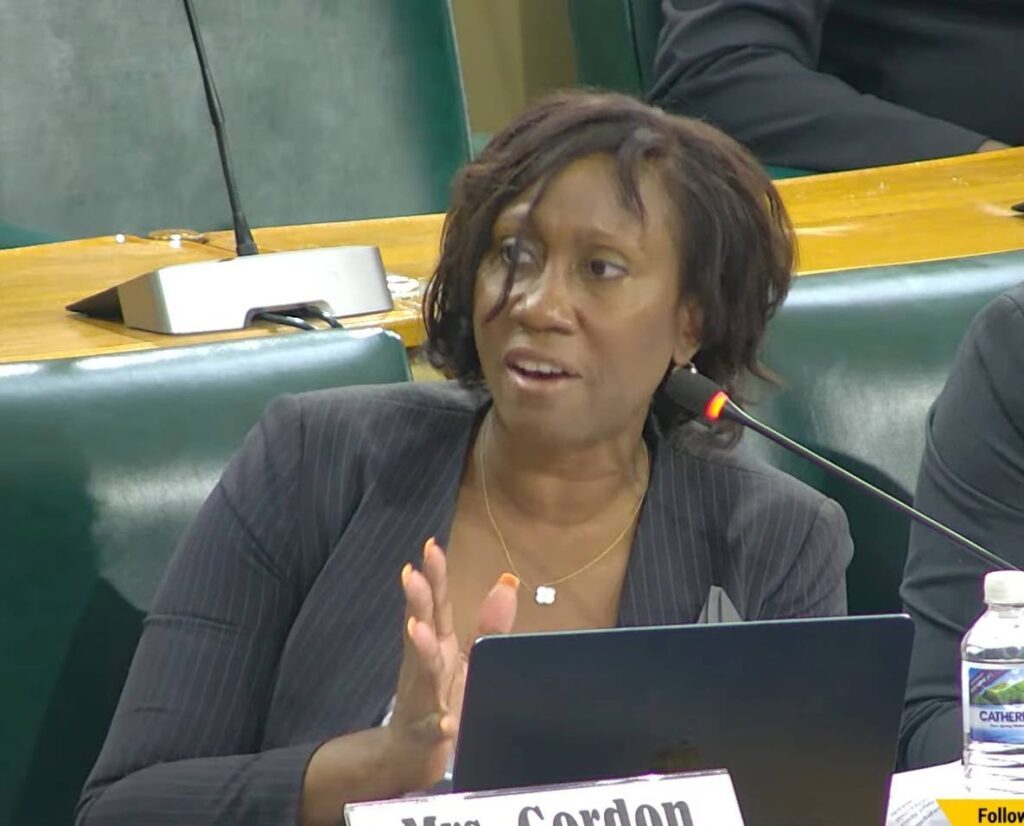
    During a Thursday parliamentary sitting of the joint select committee tasked with reviewing Jamaica’s landmark Child Diversion Act, the island’s top children’s rights watchdog has issued a stark warning: the nation’s flagship juvenile justice intervention is being pushed far beyond its original mandate, crippled by long-standing gaps in the country’s child care support infrastructure.

    Children’s Advocate Diahann Gordon Harrison told committee members that a growing misalignment has distorted the core purpose of the child diversion programme, which was specifically designed to steer children who have committed minor criminal offenses away from the formal justice system. Through targeted counseling, skill-building and rehabilitation services, the initiative is intended to give young offenders a second chance, preventing the lifelong harm that can come from entering the adult correctional system and keeping youth on positive developmental paths.

    But Gordon Harrison said that in practice, the programme is now being flooded with referrals for children who have not broken any laws, instead presenting with complex behavioral challenges that require entirely different forms of support. Referrals for issues like chronic school absenteeism and running away from home are increasingly being routed through the diversion system, she explained, a practice that runs counter to both the Child Diversion Act’s formal objectives and globally accepted standards for child diversion practice.

    To back up her assessment, Gordon Harrison presented parish-level data showing that a substantial share of all current referrals to the programme involve children categorized as having behavioral difficulties, not youth facing criminal accusations. This misallocation of resources, she argued, does not just weaken the programme for its intended population—it represents a fundamental distortion of the initiative’s original mission.

    “Resources that should be reserved for children in conflict with the law, who are legally eligible for diversion and need these services to avoid formal justice processing, are being diverted to children who never should have entered the system in the first place,” Gordon Harrison told the committee. “This stretches the programme far beyond its capacity and undermines outcomes for every child involved.”

    Gordon Harrison traced the root of the problem to the continued absence of fully operational therapeutic care centres, which were mandated under Jamaica’s separate Child Care and Protection Act to serve as the dedicated support system for children with unmet behavioral and mental health needs. Despite the passage of that legislation years ago, these specialized facilities have yet to become functional, leaving families, courts and social services with nowhere else to turn for children struggling with persistent behavioral challenges.

    The failure to launch these critical facilities, she warned, opens Jamaica up to intensified negative international scrutiny over its juvenile justice and child welfare practices. It also forces the court system into impossible positions when ruling on cases involving children with behavioral needs: without access to residential therapeutic care, judges often have no choice but to place vulnerable children in correctional facilities even when diversion would be the more appropriate outcome for their specific situation. This practice not only violates core principles of equitable juvenile justice, she said, but also exposes at-risk children to harmful environments that can worsen their existing challenges rather than supporting healing.

    Committee chairman and Minister of Justice Delroy Chuck opened further discussion on the gap by questioning how children with no criminal offenses ever end up before the courts in the first place. Gordon Harrison explained that the crisis is largely driven by overwhelmed parents who have nowhere else to turn for support with children whose behavioral needs they cannot manage at home. With no specialized therapeutic services available, these families turn to the court system for intervention, leaving judges with no viable alternatives to routing cases through the diversion system.

    State Minister of Justice Marisa Dalrymple-Philibert echoed Gordon Harrison’s concerns, confirming that the gap in specialized therapeutic care for children with behavioral needs is a decades-long failure in Jamaica’s child care infrastructure. She noted that without these facilities, children are routinely sent back to home environments that lack the resources and expertise to address their needs, creating a repeating cycle of ineffective intervention that never delivers meaningful long-term improvement.

    Dalrymple-Philibert emphasized that the problem is not new, drawing on personal experience working with child welfare systems across the country to confirm that specialized therapeutic centers have never been fully operational in Jamaica. For generations, she added, children with behavioral needs have been placed in general children’s homes that lack the training and resources to provide the specialized care they require. “This is a critical gap that has been left unaddressed for far too long, and it is past time that we prioritize building out these facilities to serve our most vulnerable children,” she told the committee.

    The parliamentary review of the Child Diversion Act comes as Jamaica continues to work toward aligning its juvenile justice system with international human rights standards, and the emerging revelations about systemic misalignment and infrastructure gaps are expected to shape upcoming amendments to the legislation and future budget allocations for child welfare services.

  • Saint Lucia drops bid to host CARIFTA Aquatics 2027

    Saint Lucia drops bid to host CARIFTA Aquatics 2027

    One of the Caribbean’s most anticipated regional junior swimming competitions will have to find a new home in 2027, after the Saint Lucia Aquatics Federation (SLAF) formally pulled its hosting bid last month, citing unavoidable delays to the completion of the island nation’s new National Aquatic Centre (NAC). The Bahamas has quickly stepped forward to submit a provisional bid to host the 54th edition of the prestigious CARIFTA Aquatics Championships, with the event scheduled to run from March 26 to 31 at Nassau’s Betty-Kelly-Kenning Aquatic Centre if approved.

    The formal notification of Saint Lucia’s withdrawal was delivered in a March 12 correspondence from SLAF President Paula James to Steven Joachim, Chairperson of the CARIFTA Congress. James’ decision followed an official update from the Ministry of Education, Youth Development and Sports (MYDS) that confirmed ongoing construction at the Beauséjour, Gros Islet facility would not finish before the Easter 2027 event, as the project timeline extends past next year’s Easter holiday.

    In her statement following the withdrawal, James emphasized the disappointment of the local aquatics community while acknowledging the urgent need for alternate organizers to begin preparations. “Regrettably, the update indicates that the facility will not be completed within the timeframe required to support Saint Lucia’s bid to host CARIFTA Aquatics Championships in 2027,” James said. “While this news is very disappointing for us, we understand that the alternate host country will now have to start making their preparations. Once the National Aquatic Centre is completed, Saint Lucia looks forward to bid to host once again at a future date.”

    The NAC project, which was fully launched in April 2025, is positioned adjacent to the Daren Sammy Cricket Ground and Saint Lucia’s National Tennis Centre. Designed to meet international competition standards, the purpose-built facility will feature an Olympic-regulation 50-meter pool fitted with a movable bulkhead, a dedicated warm-up pool, and covered spectator stands. On March 9, just three days before SLAF’s formal withdrawal notification, MYDS Permanent Secretary Dr Uralise Delaire formally communicated the construction delay to James and the federation leadership.

    The Ministry of Education, Youth Development and Sports reaffirmed the island government’s unwavering commitment to finishing the aquatics centre and advancing competitive aquatics in Saint Lucia, even as it confirmed the 2027 hosting bid could not move forward. “While this development is unfortunate, the Government of Saint Lucia remains fully committed to the completion of the National Aquatics Centre and to the continued development of aquatics in Saint Lucia,” the ministry said in a statement. “The Government also looks forward to continued collaboration with the Saint Lucia Aquatics Federation toward the successful hosting of a future edition of the CARIFTA Swimming Championships once the facility is completed.”

    Kenson Casimir, Saint Lucia’s Minister for Education, Youth Development and Sports, confirmed in an exclusive interview with local outlet *St Lucia Times* that the new facility is on track to be completed within the next 12 to 14 months. He added that the project will be a transformative development for competitive swimming on the island, where athletes currently train without access to a 50-meter international-standard pool. “We hope swimming continues to take its place in sports development in Saint Lucia… Of course, we know our team, they continue to will themselves on, despite the fact that they don’t have a 50-metre international-standard pool. Once that’s dealt with within the next 12 to 14 months, we can see improved times, improved performances,” Casimir said.

    This is not the first time Saint Lucia has been forced to withdraw from hosting the CARIFTA Aquatics Championships: the island also pulled out of the 2019 event when construction had not yet broken ground. The current project has a long history of incremental progress: the modular pool structure was delivered to the island in early 2023, while site clearing work was completed in 2024, before full construction kicked off last year. For 2027, organizers have a backup plan in place if the Bahamas is unable to step into the host role: Trinidad and Tobago, which hosted the 2025 championships, has offered to serve as an alternate host. Jamaica has already secured hosting rights for the 2028 edition of the competition.

  • AKMOS slaat alarm over trage bouwvergunningen en vraagt ingrijpen overheid

    AKMOS slaat alarm over trage bouwvergunningen en vraagt ingrijpen overheid

    On April 10, the Association of Small and Medium-sized Enterprises in Suriname (AKMOS) issued an urgent call for the Surinamese government to step in and address persistent long delays in the processing of construction permits, warning that the backlog has become a major drag on the country’s economic expansion. In a formal letter addressed to Stephen Tsang, Minister of Public Works and Spatial Planning (OWRO), AKMOS outlined growing complaints from small and medium-sized business owners who face extended waiting periods and repeated bureaucratic hurdles when applying for necessary construction approvals, with tangible negative consequences for ongoing building projects and planned investments across the sector.

    The construction industry stands as one of the core driving forces of Suriname’s economy, AKMOS emphasized. Beyond generating large-scale direct employment for local workers, the sector also ripples out to boost activity across connected industries, including wholesale and retail trade, transportation, and a wide range of business and consumer services. For Suriname’s large community of small and medium-sized enterprises (SMEs), which form the backbone of domestic private-sector activity, a healthy, growing construction sector is non-negotiable for sustained livelihoods and business development.

    AKMOS detailed the multiple cascading problems caused by permit processing delays. First, extended waiting periods push up costs for building materials and labor, squeezing already thin profit margins for smaller construction firms. Second, the systemic delays have put growing pressure on Suriname’s overall investment climate, making both local entrepreneurs and foreign investors increasingly cautious about committing capital to new projects in the country. Third, project delays caused by permit backlogs have put thousands of potential and existing construction jobs at risk, undermining domestic employment gains.

    Beyond just delays, AKMOS also identified deep-rooted structural issues within the current permit system: inefficient outdated processes, unclear guidance for applicants throughout the approval trajectory, and redundant repeated administrative steps that waste business owners’ time and fuel widespread frustration. These systemic inefficiencies do not just harm individual firms — they cause Suriname to lose out on high-impact economic opportunities that could drive broader national growth, the association noted.

    AKMOS is calling on Minister Tsang to launch a formal review of the current bottlenecks and implement targeted policy measures to streamline and speed up the entire permit approval workflow. Key proposals put forward by the association include shifting the entire process to digital systems, establishing transparent public tools that let applicants track their permit requests in real time, and expanding staffing and skills training for government agencies involved in the approval process. The association also called for a dedicated, well-staffed help desk that can provide clear, accurate guidance to business owners at every stage of the application process.

    AKMOS emphasized that it is ready to collaborate with government stakeholders to co-design and implement practical solutions, and expressed confidence that a more efficient construction permit system would lay the groundwork for a more competitive business climate and inclusive long-term economic growth across Suriname.

  • Man killed in Deane’s Village shooting identified

    Man killed in Deane’s Village shooting identified

    A fatal shooting in a residential neighborhood of St. Michael, Barbados has left one man dead and another hospitalized, with law enforcement launching a public appeal for information to crack the case. The victim has been formally identified as 42-year-old Andre Omar Burgess, a resident of Baycroft New Road, Bridge Road, St. Michael. The violence unfolded just after 9 p.m. on Thursday in the Deane’s Village area along Hindsbury Road.

    According to Barbados Police Force officials, the department’s Operations Control Room got the first alert of trouble at 9:18 p.m., when multiple callers reported hearing gunshots ring out across the neighborhood. Officers assigned to the Bridgetown Division were immediately dispatched to the scene to secure the area and begin initial assessments.

    When first responders arrived, they found Burgess unresponsive on the public roadway, directly alongside a parked motor vehicle. A licensed medical practitioner was called to the site shortly after, and officially pronounced Burgess dead at the scene.

    Preliminary investigative work has already shed light on the sequence of the attack. Investigators confirmed that Burgess was engaged in a conversation with a second man when three attackers, all wearing masks to conceal their identities, approached the pair without warning and opened fire. Both men were hit by gunfire before the three suspects fled the area on foot.

    The second victim, who suffered non-fatal injuries, was rushed to the Queen Elizabeth Hospital in a private vehicle by bystanders immediately after the attack. As of the latest update, he is still receiving ongoing medical care for his wounds, and no further details about his condition have been released by authorities.

    The case remains an active investigation, with detectives still working to piece together key details including the motive for the attack, the identities of the three masked suspects, and any potential connections between the attackers and the victims. To speed up progress in the case, police are urging anyone with even small pieces of information to come forward. Witnesses who were in the area at the time of the shooting, or residents who may have noticed suspicious activity in the hours before or after the attack, can submit information anonymously through Crime Stoppers at 1800-8477, reach the 24/7 police emergency line at 211, or contact investigators directly at District ‘A’ Police Station via phone at 430-7242 or 430-7246.