作者: admin

  • Ice machine back in action ‘within days’

    Ice machine back in action ‘within days’

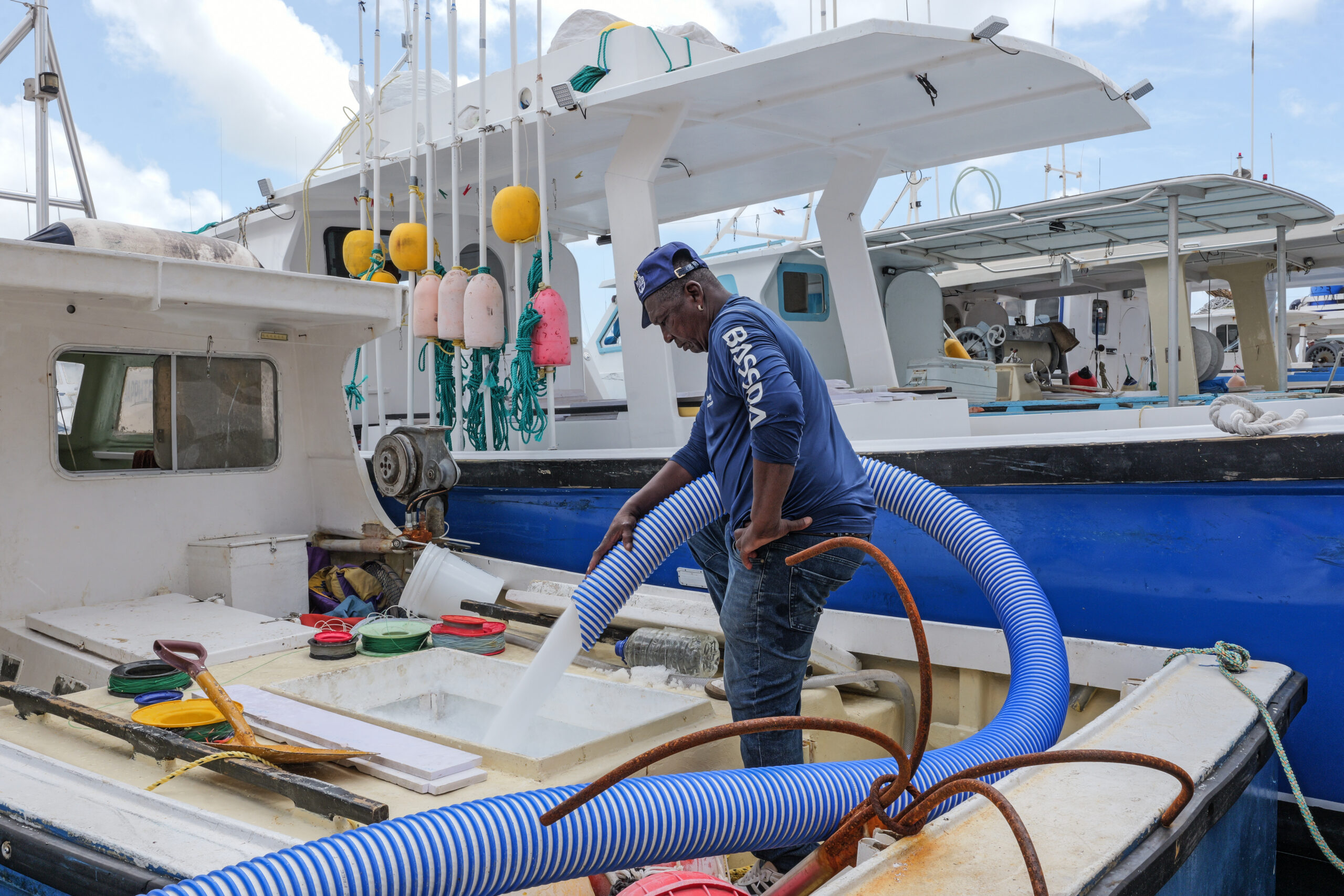
    Barbadian fisheries authorities are on track to restore full functionality to the decades-old ice machine at the Bridgetown Fisheries Complex within the next 48 to 72 hours, according to senior government officials, who have also outlined a long-term plan to fully replace the ageing infrastructure with a new high-capacity unit funded through an international development initiative.

    Deputy Prime Minister and Minister of Fisheries Santia Bradshaw shared the update Wednesday during a scheduled tour of several island markets, including the Millie Ifill market at Weston, Paynes Bay Market, the Berinda Cox market at Oistins, Speightstown Market and Half Moon Fort Market. During the tour, Bradshaw spoke with reporters about the dual challenges the government faces: advancing large-scale national development projects while addressing urgent day-to-day maintenance issues that directly impact the livelihoods of local fisherfolk. Among these ongoing challenges, the repeated breakdown of the 40-plus-year-old ice machine at the Bridgetown Complex has emerged as the most pressing concern for fishing operators.

    “This equipment at the Bridgetown location is more than 40 years old, and it breaks down with increasing frequency,” Bradshaw explained. “We have been forced to carry out constant emergency repairs just to keep it running. We previously announced our intention to replace core components of the system to get it working reliably, but the advanced age of the entire infrastructure has created ongoing issues even after a new compressor was installed.”

    To address the current crisis, Bradshaw said the government has taken two key steps: expanding the in-house technical maintenance team and contracting a private engineering firm to carry out urgent repairs. Many of the veteran technicians who long maintained the Bridgetown Fisheries Complex have retired or passed away in recent years, including a long-serving staff member, Mr. Boyce, who died just recently. That left gaps in on-site capacity that officials have moved quickly to fill, before bringing in Click Engineering to lead the complex repair work.

    Jason Best, Managing Director of Click Engineering, walked reporters through the scope of the repair work on the ice machine’s two independent systems. “The first system had low oil pressure caused by a mismatch between the new compressor and the original 40-year-old piping. All the small internal orifices kept getting clogged with debris, so we carried out an extensive full oil change and replaced all filters and strainers. We got that first system up and running yesterday, and it is operating normally as of now,” Best said.

    The second system presented more complicated challenges, he added. After the compressor was rebuilt, technicians found major leaks in the core shut-off valves. Teams attempted to reseat the old valves to fix the leaks, but the age of the components made that solution unworkable. “Right now, we are in the process of replacing those damaged valves,” Best said. “We have welders on site to install the new components, which should take another one to two days. Once that work is complete, we will recommission the system, and we expect it to be fully operational within another two days.”

    Bradshaw noted that while emergency repairs will resolve the immediate shortage, the government has been working for several months to secure a full replacement of the outdated machinery. The process requires first finalizing technical specifications for the new unit and securing dedicated funding before procurement can begin. Officials are also conducting a full audit of all existing equipment at the complex — from processing rakes to weighing scales — to ensure that all on-site infrastructure works reliably once the new ice machine is installed.

    To mitigate disruption for fisherfolk while repairs are ongoing, Bradshaw said the government has already established formal backup arrangements with two private ice producers, Wolverine and Glacier Ice, to supply ice to fishing operations. The temporary arrangement does require fisherfolk to coordinate transport of ice to their vessels, which is less convenient than accessing ice directly on site, but additional support is available to ease the process.

    Michelle Wiggins, Acting Manager of the Bridgetown Fisheries Market, confirmed the machine has been out of service for three weeks, and outlined the coordination process for fisherfolk needing ice. Operators can send requests via a dedicated WhatsApp account to her or the on-duty officer, who will arrange for supply. Fisherfolk also have the option to place orders directly with Wolverine for delivery to their boats. The government has also deployed Community Vacation (CV) workers from the Ministry of Fisheries to assist with loading ice onto vessels, so fisherfolk only need to confirm their timing and quantity to access support. For orders through Glacier Ice, the Fisheries Division takes care of placing the order and covering the cost of transport to the complex, Wiggins added. As of this week, four of the 15 registered boats that regularly require ice have confirmed their needs and delivery dates, with two more expected to submit requests shortly.

    Looking ahead to the permanent solution, Acting Chief Fisheries Officer Christopher Parker revealed that the government is already in the process of acquiring a 40-foot containerised ice machine, funded by the government of Japan and managed through the United Nations Development Programme (UNDP) as part of the national Coastal Resilience Project. The new unit will be installed at the Bridgetown Fisheries Complex, and officials are currently exploring whether the project’s budget can accommodate a second unit for the Oistins facility, though that additional purchase has not been finalized.

    The new containerised machine will have the capacity to produce up to 20 tonnes of ice per day, Parker said. It will supplement existing ice supply and act as a reliable fail-safe to prevent future disruptions to ice access for vendors and fishing vessels operating out of Bridgetown.

  • Delisha Estrada’s Family Struggles Through Heartbreak and Loss

    Delisha Estrada’s Family Struggles Through Heartbreak and Loss

    Five years from now, in a case that has shattered a tight-knit family in Belize’s Cayo District, an official autopsy has confirmed 21-year-old Delisha Estrada died by homicide — a finding that turned a family’s desperate search for answers into an active police murder probe. For Estrada’s mother, Locett Vanegas, the official ruling only validated the grim suspicion she had carried since her daughter’s sudden disappearance.

    As law enforcement continues working to identify the perpetrator and uncover the motive behind the killing, Estrada’s family is left picking up the pieces of a life violently torn apart. At the heart of their struggle is Estrada’s young son, who will now grow up without his mother’s guidance, love and presence. While investigators chase leads to deliver long-overdue justice for the young woman, Vanegas faces a far more personal, heart-wrenching challenge: helping her grandson process a tragedy no child should ever be forced to confront.

    In an exclusive interview with local outlet News Five, Vanegas opened up about the crippling heartache of losing her child, the lingering unanswered questions that continue to haunt her family, and the quiet strength they are clinging to amid overwhelming grief.

    “I really and truly am still not satisfied. I still can’t get any closure, because I knew from the beginning that my daughter was murdered,” Vanegas shared in a phone interview with the outlet. “It’s so hard. It’s still hard, especially because we have the baby to care for. Every day he asks for his mom, and we don’t know how to tell him what happened. How do you explain that to a child?”

    Vanegas noted that while she knows the person connected to her daughter’s death, she is focusing her energy on caring for her grandson alongside the rest of the family. “I can’t do anything to bring my daughter back. All I can do now is cherish her son,” she said. “This hurt will stay with me forever, but life goes on, and I have to keep going for him and for me. I just want the baby to be surrounded by love right now — that’s all I need or want.”

    She also issued a public plea to communities: “I just want everybody to know that once you see a child in an abusive situation, do your best to get them out of it. That’s all you can do.”

    Reporters reached out to the Williams family for comment in connection with the case. While the family requested privacy as they grieve their own loved one, they extended sincere condolences to the Estrada family and emphasized that supporting and caring for the young orphaned boy must be the top priority moving forward.

    This report is adapted from a transcript of an evening television newscast; all statements from Vanegas, originally delivered in Kriol, have been transcribed using a standardized spelling system for accessibility.

  • Zeer sterke El Niño kan komende maanden leiden tot 451.000 extra hittegerelateerde sterfgevallen

    Zeer sterke El Niño kan komende maanden leiden tot 451.000 extra hittegerelateerde sterfgevallen

    As an unusually intense El Niño event builds in the tropical Pacific Ocean, a groundbreaking new analysis from the University of Chicago’s Climate Impact Lab has delivered a stark warning: the natural climate phenomenon could lead to approximately 451,000 additional heat-related deaths across the globe over the coming six months. Researchers emphasize that this figure is a model-based risk assessment, not a precise prediction of exact fatalities, calculating excess mortality against baseline temperature averages for a typical year.

    The analysis currently focuses on the period from September 2026 through February 2027, but the team warns that the impacts of record-breaking heat may linger long after this window, particularly as spring and summer arrive in the Northern Hemisphere. The warning comes as leading meteorological bodies around the world confirm that El Niño is rapidly gaining strength.

    Early this month, the World Meteorological Organization (WMO) stated there is a near-certain chance the event will persist through February 2027, and is on track to intensify into a rare “strong event” that will peak by the end of 2026. The U.S. National Oceanic and Atmospheric Administration (NOAA) echoes this assessment, reporting that sea surface temperatures in parts of the equatorial Pacific are already more than 3 degrees Celsius above the long-term average. NOAA estimates the probability of this event ranking among the most intense El Niños on record reaching 75% for the October to December 2026 period.

    El Niño reshapes global atmospheric circulation patterns, leading to drastically different impacts across regions: some face deadly extreme heat and crippling drought, while others are hit by catastrophic heavy rainfall and flooding. For the upcoming event, Climate Impact Lab projects global average land temperatures will sit 1.2 degrees Celsius above non-El Niño baselines, with the number of extreme heat days rising by 44% compared to average years.

    The worst impacts are projected to fall disproportionately on low-income, warmer regions across Africa, Asia, and South America. The Sahel region is expected to see roughly 66,800 excess heat-related deaths, with Nigeria hit hardest at approximately 31,400 additional fatalities, followed by Sudan with 17,500. Other heavily impacted nations include Indonesia (19,300), India (15,800), and Brazil (13,300).

    Michael Greenstone, co-founder of the Climate Impact Lab and a co-author of the study, explained that vulnerability extends beyond raw temperature increases. “If you already live in a warm place, those extra couple of degrees are far more dangerous,” he said. Additional factors shaping mortality risk include population size, population exposure to unregulated high temperatures, access to healthcare, electricity and cooling, and governmental capacity to implement adaptive measures. Lower-resource nations face compounded risk, as extreme heat often overlaps with pre-existing crises in food security, energy access, and public health infrastructure.

    Notably, the 451,000 figure only accounts for excess heat-related mortality. The total health toll of the event could be far higher, as strong El Niños also trigger droughts, wildfires, extreme flooding, and disruptions to agricultural production that further strain food security across vulnerable parts of Asia and Africa. Earlier this month, the World Health Organization (WHO) warned that the 2026 El Niño will bring a wide range of interconnected health risks, urging nations to prioritize preparation for vulnerable communities and already overburdened health systems. The WHO notes that heat is already one of the leading causes of weather-related mortality globally, with an average of 489,000 heat-related deaths recorded annually between 2000 and 2019.

    While El Niño itself is a natural periodic cycle of ocean and atmospheric conditions in the tropical Pacific, not a direct product of anthropogenic climate change, it is unfolding on a planet already warmed significantly by human-caused greenhouse gas emissions. This means the baseline global temperature is already higher, amplifying the extreme heat impacts of even a natural El Niño event. The WHO confirms that combining El Niño with long-term climate change-driven warming significantly increases the probability of extreme heat events across most regions. Researchers stress they are measuring excess mortality against a baseline average year, rather than attributing every extreme temperature or death directly to El Niño.

    The 451,000 estimate carries important caveats: it is not an observed fact or a guaranteed outcome. Researchers produced the figure by combining historical temperature-mortality relationships across thousands of global regions with projected temperature trends for the coming months, leaving exact regional outcomes uncertain. External climate factors can either amplify or dampen El Niño’s impacts, and heat sensitivity varies across populations. The WMO adds that El Niño strength alone does not determine local weather, with conditions in the Indian and Atlantic Oceans also able to reshape regional impacts. As such, the study is framed primarily as a warning about the scale of potential risk, not an exact prediction of fatalities.

    Despite the grim projection, researchers note that there is still time for governments to act to reduce harm. Targeted preparedness measures including early extreme heat warnings, public cooling centers, improved workplace protections for outdoor laborers, and expanded healthcare capacity during heat events can cut mortality significantly. The WHO shares this conclusion, noting that most heat-related health impacts are predictable and preventable with timely, coordinated action. With El Niño projected to continue strengthening through the end of 2026 and persist at minimum through February 2027, the coming months are seen as a critical window for preparation to avoid preventable deaths.

  • Wellness Week Pushes Healthier Everyday Choices

    Wellness Week Pushes Healthier Everyday Choices

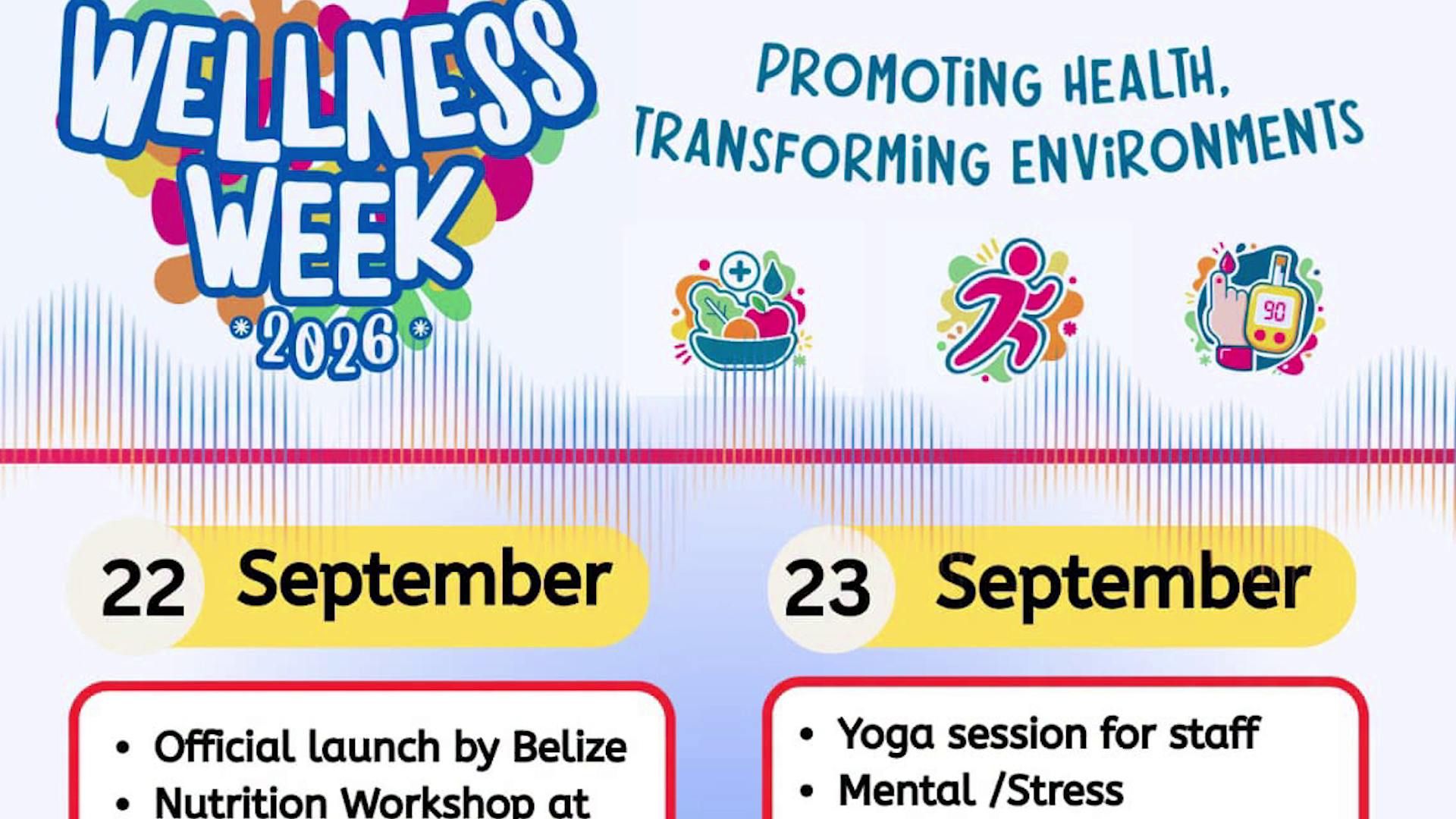
    Across Belize, the Ministry of Health and Wellness (MoHW) has kicked off its annual Wellness Week 2026, a nationwide campaign focused on redefining what wellness means for everyday life, going far beyond the walls of doctors’ offices and medical treatment. This year’s initiative centers on the understanding that long-term health is shaped by a combination of individual choices, daily habits, and the surrounding environments where people live, work, and connect with their communities.

    Kathleen Azueta Cho, Technical Advisor for Health Education at the MoHW, explained that sustainable public health cannot rely on treating illness alone. Instead, she argues that meaningful progress requires intentional work to embed wellness into daily routines and create spaces that make healthy choices easy and accessible for everyone. “Wellness isn’t just an individual responsibility,” Azueta Cho noted during the campaign launch. “Our homes, workplaces, and community spaces all shape the choices we can make. If these environments don’t support healthy habits, it becomes much harder for people to stick with them.” This year’s Wellness Week theme, “Promoting Health, Transforming Environments,” highlights that dual focus on individual action and systemic support.

    A key priority of this year’s campaign is expanding wellness access in workplaces, where most Belizean adults spend the majority of their waking hours. Health officials are calling on employers across all sectors to integrate small, sustainable wellness practices into regular workdays, rather than attempting costly overhauls. Simple changes like scheduled stretch breaks, guided yoga sessions, workplace health talks, and designated time for physical activity can create a culture that prioritizes both physical and mental health. Azueta Cho emphasized that these changes benefit employers as much as workers: healthy work environments reduce stress, cut down on unscheduled sick days, and boost overall productivity. “When workers feel supported, they are more focused, happier, and perform better,” she explained. “A culture of wellness doesn’t just help employees—it strengthens the entire organization.”

    Wellness Week features a full slate of free community activities hosted at public health centers across the country, including group yoga classes, interactive health fairs, and a soca jam session scheduled for Friday evening in Belmopan. A core event of the week is a national push for preventive screening, encouraging all Belizeans to get their key health numbers checked. Azueta Cho stressed that early detection through screening allows for earlier intervention, reduces the risk of long-term complications, and is a foundational part of preventive wellness.

    Unlike one-off health events, the ultimate goal of Wellness Week is to plant seeds for long-term change. Organizers want to encourage Belizeans to ask small, actionable questions about their own habits and surroundings: What small change can I make today to move closer to a healthier lifestyle? How can I adjust my space to better support my well-being? By framing wellness as an everyday journey rather than a single week of activities, the MoHW hopes to create lasting cultural change that improves public health across the nation for years to come.

  • Jehovah’s Witnesses Ease Blood Transfusion Rules

    Jehovah’s Witnesses Ease Blood Transfusion Rules

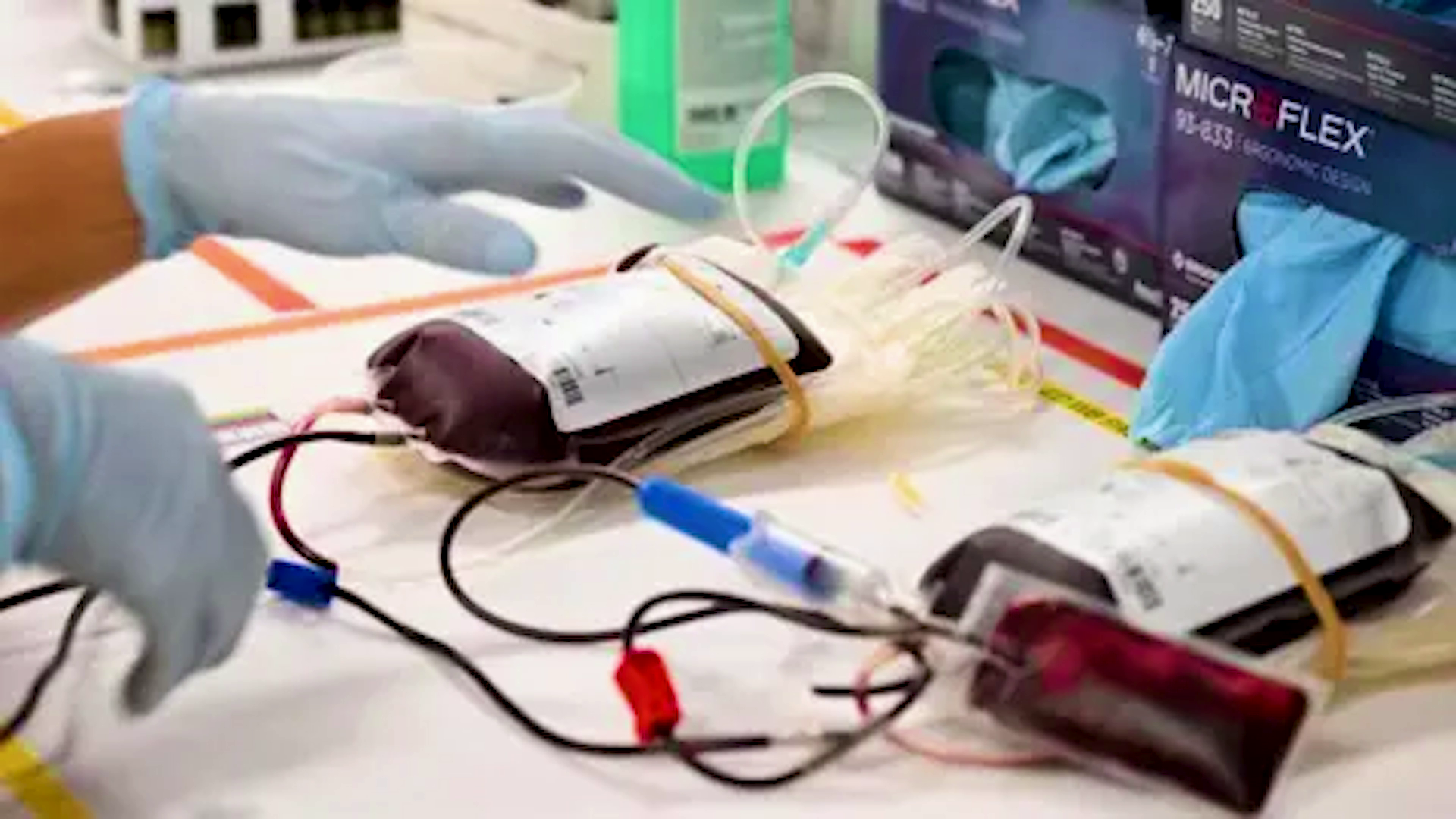
    After decades of binding religious prohibitions on blood transfusions for its global community, Jehovah’s Witnesses has announced a landmark shift to personal autonomy for members around four key blood components. The policy change, confirmed by the faith’s Governing Body earlier this month, leaves whole-blood transfusions banned, a core tenet the organization says remains unchanged. This update follows years of public debate around the intersection of religious conviction and life-saving medical care, sparked in part by a high-profile 2016 death in Belize that put the policy in the national spotlight.

    In that 2016 case, Emily Guy, a long-time public servant and Jehovah’s Witness missionary, suffered catastrophic injuries when she was struck by an SUV near Novelo’s Bus Terminal in Belize City, which required the amputation of her leg. Guy declined a life-saving blood transfusion in line with the faith’s former strict rules, and died less than 24 hours after emergency surgery. Then-Assistant Commissioner of Police Chester Williams noted at the time that while the driver of the vehicle retained full legal responsibility for the accident, Guy’s refusal of transfusion based on her beliefs was the direct factor that turned her injuries fatal. Guy’s death was far from an isolated incident: for years, believers have faced impossible choices between adhering to religious doctrine and accepting medical intervention that could save their lives during severe illness or traumatic injury.

    Under the updated guidance, members are now permitted to make individual decisions about accepting or donating the four primary blood components, even as the prohibition on whole-blood transfusions remains intact. International spokesperson for Jehovah’s Witnesses Paul Gillies emphasized that the core commitment to biblical instruction remains unchanged. “Jehovah’s Witnesses hold firmly to their understanding of the Bible’s command found in Acts fifteen verse twenty to abstain from blood,” Gillies explained. “In keeping with what is a deeply held conviction, we do not accept transfusions of whole blood, nor do we donate whole blood to be transfused to others.”

    Gillies clarified that the policy adjustment stems from the fact that the Bible does not explicitly address the separation of whole blood into its individual components, a development that aligns with incremental shifts the faith has made in recent decades around blood fractions and the use of an individual’s own blood during surgical procedures. “Each witness must decide whether or not to donate blood for the clearly expressed purpose of providing components or fractions for use by another person,” he said, adding that the change places the choice firmly in the hands of individual conscience rather than institutional mandate.

    For medical providers and patients alike, blood transfusions are often the critical dividing line between survival and death in emergency care, making the longstanding ban one of the most widely debated theological positions of Jehovah’s Witnesses. Gillies noted that the faith community remains appreciative of medical providers who have adapted care to respect their previous restrictions, pointing to ongoing medical advances that have created effective alternatives to full blood transfusions. Church leaders have stressed that the change was driven by scriptural interpretation, not external pressure from the medical community, but the shift opens new possibilities for believers facing life-or-death medical decisions. Where Emily Guy had no choice but to adhere to the full ban in 2016, modern believers in identical situations will now be able to make their own decision based on personal conscience. This report was delivered by Britney Gordon for News Five.

  • Belize’s Celebrates 50 Years of Dollar Stability!

    Belize’s Celebrates 50 Years of Dollar Stability!

    On September 23, 2026, Belize celebrates a landmark economic milestone: 50 years of maintaining its fixed currency peg, a policy that has kept two Belize dollars pegged at parity with one U.S. dollar. This decades-long arrangement has become a foundational pillar of daily life for all Belizeans, influencing everything from the sticker price of groceries at local markets to credit card transactions, cross-border travel, and international online purchases. What many casual observers may overlook, however, is that this consistent exchange rate did not happen by accident: it is the product of 50 years of deliberate fiscal discipline, tough policy tradeoffs, and consistent, steady macroeconomic management. To mark this golden anniversary, three of Belize’s top economic and political leaders have opened up about the work required to preserve the peg, its profound impact on ordinary citizens, and the steps that must be taken to protect this critical institution for future generations.

  • Young Filmmaker Brings Belizean Childhood to Screen

    Young Filmmaker Brings Belizean Childhood to Screen

    At only 22 years old, emerging Belizean creative Niya Villanueva is ready to share the nostalgic charm of her country’s childhood experiences with global audiences through her debut short comedy, *Nine Ninety-Nine*. What began as a concept rooted in the familiar rhythms of growing up in Belize has evolved into a heartfelt, locally rooted project that aims to celebrate national culture while creating collaborative opportunities for domestic businesses. Produced under Villanueva’s own production banner Good Gyal Productions, the 10- to 15-minute comedy follows two young siblings, Junior and Rella, on a wild, whimsical quest to earn enough cash to purchase their dream gaming console.

    The story opens with the pair glued to their screen, fully absorbed in their digital game, until their fed-up mother intervenes by destroying the console and ordering them outside to experience real life. What follows is a series of chaotic, silly childlike schemes to raise the needed funds, a journey that ultimately leads the siblings to discover that unstructured outdoor play and shared adventures hold far more joy than any digital pastime. For Villanueva, the project is far more than a simple comedy—it is a love letter to the childhood that generations of Belizean kids have experienced, a callback to days spent running outside, exploring local neighborhoods, and getting into harmless mischief far from the glow of a screen.

    In a unique twist that aligns the film with Belize’s local economic ecosystem, Villanueva is opening partnership opportunities for Belizean businesses of all sizes to integrate their brands organically into the production. Rather than reserving advertising space exclusively for large corporations with massive marketing budgets, she has structured three distinct partnership tiers tailored to different budget sizes and desired exposure levels, creating space for both small local shops and larger national companies to get involved. This collaborative model not only provides the production with much-needed funding but also gives businesses a chance to connect with audiences through a culturally resonant local project.

    Interested businesses can find full details about partnership opportunities on the production’s official website, or reach the team directly via WhatsApp at 606-2608. Currently, the project is in its active funding and pre-production phase, with casting scheduled to kick off across Belize in November 2026. Villanueva and her team are targeting a public release of the completed short film in March 2027, with plans to screen the work at regional film festivals and make it accessible to local audiences across the country first. For a young emerging filmmaker, *Nine Ninety-Nine* represents both a personal creative vision and a new model for how small independent productions can collaborate with local communities to bring authentic cultural stories to the screen.

  • Saint Lucia school sports season officially launched

    Saint Lucia school sports season officially launched

    On Wednesday, stakeholders from across Saint Lucia’s sports and education sectors gathered at the LOC Conference Room inside the Daren Sammy Cricket Ground to officially kick off the 2026-2027 national school sports season. The launch event, attended by senior officials from the Ministry of Education, Youth Development and Sports, marked a deliberate shift from the scheduling that has defined previous seasons, bringing the official opening forward weeks earlier than the traditional timeline.

    For years, schools, athletes and local communities have faced delays in receiving finalized schedules and season details, often long after the academic term had gotten underway. Ministry representatives framed this early kickoff as an intentional, positive step forward to improve planning and engagement for all participants. Alongside the opening announcement, officials also unveiled the full, finalized calendar of competitions for the upcoming season, giving teams and coaches ample time to prepare.

    A core strategic priority for the 2026-2027 season is amplifying the visibility of young student-athletes through targeted social media outreach. A new branded account, School Sports 758, has been launched to share personal stories, competition highlights and athlete achievements across digital platforms. Organizers hope the increased exposure will build wider public excitement for school sports, lift up emerging local talent, and draw in much-needed corporate sponsorships and long-term community partnerships.

    In another major update, the season will expand its athletic offerings beyond longstanding traditional competitions, which include fan favorites like cricket, football, and track and field. For the first time, esports will be added as an official competitive discipline. Organizers are also rolling out new developmental programs for lacrosse and teqball, two globally fast-growing sports that have gained increasing traction among young athletes in recent years.

    Speaking at the launch, Education, Youth Development and Sports Minister Kenson Casimir underscored the irreplaceable role of school sports in nurturing grassroots athletic talent across the island. He pointed to some of Saint Lucia’s most celebrated sports stars as proof of the system’s impact, noting, “The Daren Sammys of the world, the Jady Emmanuels of the world, the Julien Alfreds of the world, Johnson Charles; they all have this one thing in common: they came through our school sports programmes.”

    Casimir added that the foundational level of school sports is often underrecognized as a driver of national athletic success, emphasizing, “I dare say sometimes we forget that school sports is perhaps the most important level of sports development on our island. For us as a nation to see young people stay on the right track, to see them attracted to the right track, we need more involvement. Not just from corporate Saint Lucia, but we need more involvement from our communities.”

    The 2026-2027 launch comes on the heels of a landmark year for Saint Lucia’s youth athletes. The 2025-2026 season delivered historic results, including a victory at the Windward Islands School Games and new personal and national milestones at the CARIFTA Games, CARIFTA Aquatics Championships, and Central American & Caribbean Games.

    Competitive action for the new season will get underway on November 2, with the opening matches of the Inter-District Primary School Football tournament.

  • Jaquan Shaw Charged With Murder, Two Counts of Attempted Murder in Bathlodge Shooting

    Jaquan Shaw Charged With Murder, Two Counts of Attempted Murder in Bathlodge Shooting

    In a developing criminal investigation out of the Eastern Caribbean, law enforcement authorities in Antigua and Barbuda have secured formal charges against a 20-year-old local man connected to a deadly mass shooting that left one young person dead and two others injured earlier this week.

    The Royal Police Force of Antigua and Barbuda’s Office of Strategic Communications confirmed in an official media release Wednesday, September 23, 2026, that Jaquan Shaw, a resident of the Cashew Hill neighborhood, faces one count of murder and two counts of attempted murder for the September 21 incident in Bathlodge.

    According to preliminary investigative details, the violence unfolded just after 11:30 p.m. at a private residential property in the Bathlodge community. At the time of the attack, multiple people were gathered inside the home when three individuals wearing masks forced their way into the building and opened fire, releasing multiple rounds into the residence.

    First responding police officers arrived at the scene within minutes after receiving multiple emergency calls about the active shooting. Once on site, they found 20-year-old Saquania Anthony, also of Bathlodge, unresponsive with multiple apparent gunshot wounds. Emergency medical personnel pronounced Anthony dead at the scene.

    Two other victims—24-year-old Kelvin Samuel and 13-year-old Joshua Meade, both from Bathlodge—also suffered gunshot injuries during the attack. They were rushed by emergency transport to the Sir Lester Bird Medical Centre, the island nation’s main public hospital, to receive urgent medical care. As of the latest police update, no further information has been released on their current conditions.

    In the hours following the shooting, law enforcement launched an intensive manhunt for the suspects connected to the attack. Shaw was taken into police custody as investigators built their case against him, and he has now been formally charged with all three criminal offences connected to the incident.

    Police officials confirmed that Shaw is scheduled to make his first court appearance on the charges before the end of the week. The two other suspected masked intruders remain at large as of Wednesday, and investigations into the attack are still ongoing.

    In a statement accompanying the announcement of charges, the Police Administration of Antigua and Barbuda extended public gratitude to community members who have supported the investigation so far. Officials thanked the general public for their ongoing assistance, patience and cooperation as the case continues to move forward, and have asked that anyone with additional information about the attack or the whereabouts of the other two suspects contact local law enforcement immediately.

  • Prevention urged alongside school-fight discipline

    Prevention urged alongside school-fight discipline

    As the trend of staged, filmed school fights shared across social media continues to grow, a leading behavioural scientist has issued a critical warning: punitive discipline alone is not enough to curb this dangerous youth behaviour. Professor Dwayne Devonish, a researcher at the University of the West Indies, is urging education leaders to pair the Ministry of Education Transformation’s strict zero-tolerance policy with proactive early intervention, confidential student reporting systems, and targeted psychological support to tackle the root of the problem.

    His comments come in direct response to the ministry’s recent public statement condemning the spread of staged fight videos and threatening severe disciplinary action for all students involved – from the combatants to the organisers, videographers and users who upload content to social platforms. After confirming multiple instances of pre-planned, filmed altercations being shared online, ministry officials reaffirmed their hardline zero-tolerance stance, making clear that any student linked to these incidents will face formal disciplinary consequences.

    Professor Devonish argues that this emerging form of youth aggression is fundamentally different from traditional spontaneous school fights, reshaped entirely by the reach and dynamics of digital social media. “When school fights are filmed and circulated online, we’re not just dealing with a physical conflict between two students,” he explained in an interview with Barbados TODAY. “We have the physical harm, but we also have a built-in audience, the permanent recording, widespread sharing, public comments, and even social status gained from the viral content. Psychologically, that completely shifts the dynamics of the behaviour.”

    He points to the intersection of adolescent developmental stages and social media’s feedback loops as a particularly dangerous combination. Adolescents are still developing impulse control and emotional regulation, and social media platforms are structured to reward attention-grabbing content. When a staged fight video earns views, likes and comments from peers, it creates immediate social reinforcement that encourages repeat behaviour. Even minor conflicts rooted in perceived disrespect or embarrassment can be amplified by this digital system, turning a small disagreement into a pre-planned viral event.

    While Professor Devonish fully supports the ministry’s commitment to rejecting and de-normalising school violence and the recording of it, he stresses that zero tolerance does not mean zero understanding of why the behaviour occurs. Relying solely on increased school surveillance or policing of student behaviour will fall short, he argues, especially when most of the filming and sharing happens on personal student devices that schools cannot easily monitor or control.

    Instead, he advocates for a balanced approach that combines clear, enforceable rules with preventative measures. “We cannot police our way out of this problem. Strong policy and clear consequences are necessary, but prevention is just as critical. The most effective intervention happens before the first punch is ever thrown,” he said.

    To stop planned fights before they start, Professor Devonish recommends that schools create discreet, confidential reporting channels that let students safely share information about upcoming altercations without fear of being targeted or judged. “Schools can’t predict every planned fight, but they can create systems to respond fast when students come forward. If students know exactly who to contact and know their report will stay confidential, they are far more likely to speak up before violence occurs,” he explained.

    Ministry officials have noted that several initiatives to promote positive student behaviour are already in place across schools, including the Positive Vibe programme, Community Service Learning, and other character-building activities designed to boost student resilience. Officials also emphasized that the viral fight trend is not widespread, even as they reiterated that any single act of school violence remains unacceptable.

    Professor Devonish acknowledges that existing social-emotional learning programmes can be effective, but he says addressing the problem requires broader systemic action. “These programmes work to prevent violent behaviour, interrupt it when it starts, and replace it with positive alternatives. But this is a multifaceted issue, and these programmes alone can’t fix the whole problem. We need a whole-of-education, whole-country approach to make real change,” he said.

    He also issued a call to adults and parents to act responsibly on digital platforms, urging them not to share or repost staged fight videos. “Adults can amplify the harm just as much as teenagers can when they forward these clips. Beyond policy and enforcement, we have to be intentional about shaping positive behaviour, and we have to continuously collect data to check if our interventions are actually working.”

    For its part, the Ministry of Education Transformation has renewed its appeal to parents to partner with schools, noting that home-school cooperation is foundational to creating safe learning environments for all students. Officials also recognized the vast majority of Barbadian students who follow school rules and make positive contributions to their school communities.