The Bahamas is on the cusp of launching its first formal medicinal cannabis industry, with officials confirming that a final partnership agreement with U.S.-based cannabis supply chain tracking firm Metrc has cleared the way for rollout to begin within the next month, potentially before the end of June.
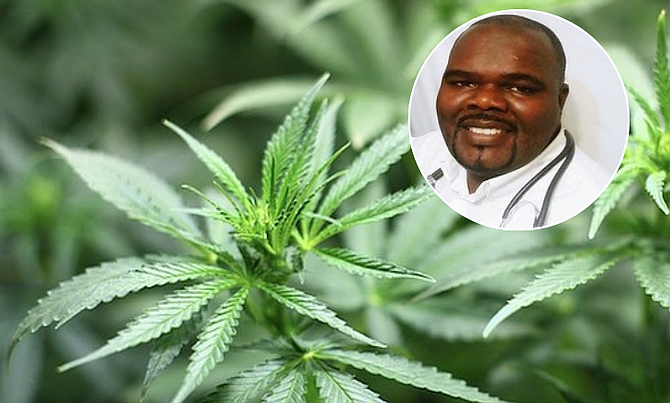
Lynwood Brown, chairman of the Bahamas Cannabis Authority, shared details of the milestone in an interview with The Tribune, explaining that the deal was finalized several weeks ago and removes the final regulatory and operational barriers to unveiling the country’s new licensing framework, official industry website, and public application process.
One of the authority’s top priorities ahead of opening applications is addressing a marked gap in public understanding of the new regulated industry. Brown emphasized that widespread public awareness remains insufficient, prompting the organization to prepare an aggressive, multi-channel public education campaign that will kick off alongside a formal launch press conference. The initiative will clarify key details for residents, including eligibility for industry participation, allowed and restricted locations for retail dispensaries, and the core public health mission of the sector.
Notably, the authority intentionally delayed full implementation until after the country’s general election to avoid forcing any new incoming administration to adopt a regulatory structure designed by the previous government. With the incumbent administration retaining power, Brown confirmed the authority will move forward with its original pre-election development plan.
The path to securing a technology partner was not without delays. Brown revealed that officials initially held negotiations with another leading tracking provider, BioTrack, but a corporate acquisition of the firm forced the authority to restart the selection process from scratch. Ultimately, the board settled on Metrc, which Brown described as a reliable partner ready to guide the Bahamas through building its first regulated medicinal cannabis market.
“We are satisfied with our negotiations with Metrc. We have signed the contract for them to be our platform provider and guide us through this virgin territory,” Brown said. “They are eager to meet the Bahamian people and have a press conference to be introduced.”
At the core of Metrc’s role is building a robust regulatory oversight system designed to block illicit cannabis from entering the legal market and protect public health. Every single cannabis seed will be assigned a unique barcode that tracks the plant through every stage of cultivation, processing, and final sale to consumers, creating an unbroken trail of accountability that makes it extremely difficult for unregulated black market product to infiltrate the legal supply chain. Random batch testing will be conducted at multiple points along the supply chain to close any remaining regulatory loopholes.
The system will also address other common regulatory risks, including multiple prescription shopping by patients and the sale of substandard products that do not meet required medicinal quality and safety standards. Brown noted that even existing unlicensed cultivators who successfully obtain legal licenses will not be able to sell crops they grew prior to regulation, as any pre-license product would lack the required end-to-end tracking. The authority estimates that the first legal, regulated medicinal cannabis products will not reach patients for at least 18 months after licensing opens.
Brown declined to share details on the financial terms of the Metrc contract or the authority’s total budget allocation, noting that those details will be released publicly as part of the Ministry of Health’s upcoming budget presentation. The national medicinal cannabis initiative is led by the Ministry of Health, with cross-agency support from the Attorney General’s Office, the Ministry of Agriculture, and domestic banking institutions, all of which have contributed to shaping the industry’s regulatory framework.
Brown repeatedly stressed that public education will remain the authority’s top priority in the lead-up to launch, emphasizing that this is a strictly public health-focused initiative, not a recreational cannabis program. “Because of the critical nature of public health, we have to spend resources to get as much information in the hands of the public as possible because the public’s health and safety depends on it and we’re not taking this lightly,” he said.
Moving forward, the authority is committed to full transparency as it builds the new industry, with a core goal of encouraging active Bahamian participation. “We are looking for Bahamians to be our partners on this, and in order for them to be partners we have to be transparent,” Brown said. “We won’t rush it, but we want to move as fast as possible while being as safe as possible.”