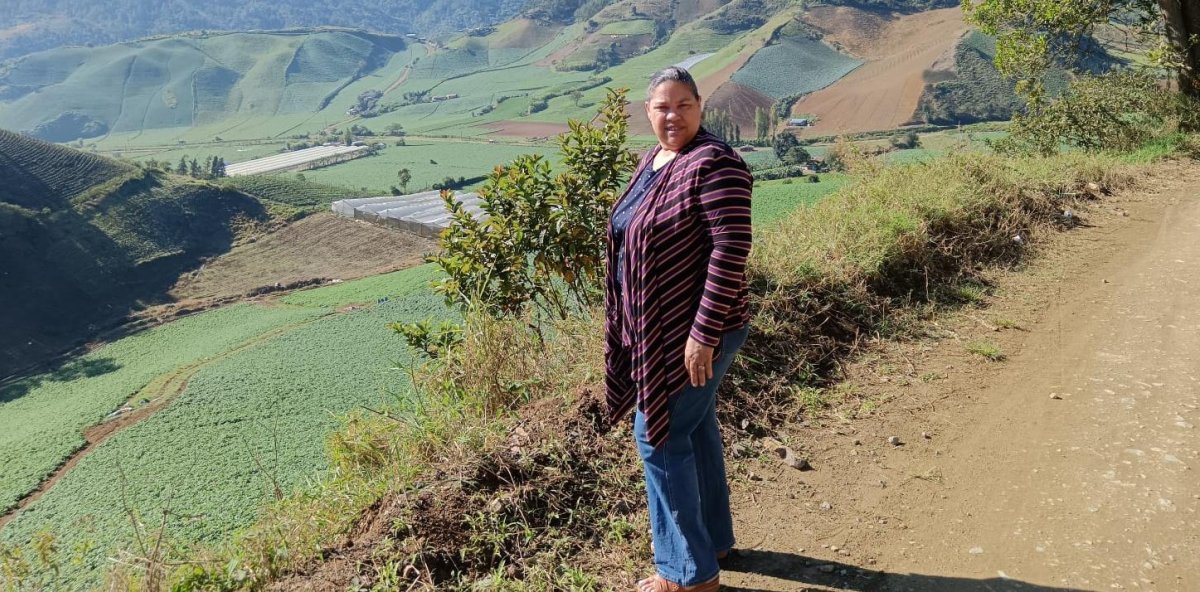
A concerning disappearance has prompted a widespread search for Mrs. Josefina Espinal, who vanished after departing from La Vega on the morning of Friday, November 21. Mrs. Espinal was en route to Santo Domingo, specifically the Duarte commercial district, to purchase goods. Her sudden absence has left family members and authorities deeply worried. The family is appealing to the public for assistance in locating her. Anyone with information regarding her whereabouts is urged to contact the following numbers immediately: 849-280-8884 or 809-903-1731. The community’s cooperation is crucial in ensuring her safe return.
作者: admin
-
Politic : Medellín, a relevant model for Port-au-Prince
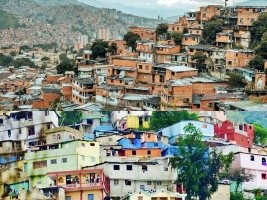
In a significant step toward addressing its urban and security challenges, Port-au-Prince has turned to Medellín, Colombia, as a model for renewal. Allwitch Joly, Chief of Staff to Mayor Ralph Youri Chevry, represented the municipality at the international seminar titled ‘The Renaissance of Medellín: Lessons for a Renaissance of Port-au-Prince.’ Organized by the Haiti Renewal Alliance (HRA) on November 21 and 22, 2025, the event brought together experts from Colombia, Haiti, and the diaspora to discuss strategies for revitalizing Haiti’s capital. Joly outlined the severe security crisis in Port-au-Prince, driven by armed groups, economic instability, and mass displacement, which has crippled public services and daily life. He highlighted the Mayor’s office’s efforts, including the establishment of the Port-au-Prince Municipal Security Council (CSMPAP) in January 2025, as a key initiative in local governance. Joly proposed solutions such as securing strategic routes, strengthening the Haitian National Police, supporting youth and vulnerable communities, revitalizing the local economy, and fostering partnerships with civil society and international actors. He emphasized the relevance of Medellín’s approach, which combined dialogue, social urban planning, innovation, and municipal action to reduce insecurity and drive urban renewal. The seminar featured insights from prominent speakers, including former Haitian Minister Reginald Delva and Colombian experts Alejandro Londono, Juan Pablo Ortega, Natalia Castaño, and David Rodriguez. The City Hall expressed gratitude to HRA and confirmed its participation in the program’s next phase, including a study visit to Medellín in early 2026.
-

Telecom : Television in Haiti and the 2026 World Cup
On World Television Day, the National Telecommunications Council (CONATEL) of Haiti highlighted the transformative role of television in the nation’s social, cultural, and educational fabric. This annual observance serves as a reminder of television’s power as a medium for reliable information, public dialogue, and national unity. CONATEL also took the opportunity to commend the dedication of Haitian broadcasters, who are striving to modernize infrastructure and enhance programming despite significant challenges. This year’s celebration holds added significance as Haiti marks a historic milestone: the Grenadiers’ qualification for the 2026 FIFA World Cup on November 18, 2025. This achievement underscores television’s pivotal role in fostering national pride and unity. Haitian broadcasters now face the critical task of ensuring widespread media coverage of the World Cup, bringing the nation together to support their team. CONATEL acknowledges the technical and economic hurdles ahead but pledges its support to ensure every Haitian can partake in this global sporting event. The council also lauded the Grenadiers for their unprecedented success and celebrated the tireless efforts of audiovisual professionals in shaping Haiti’s media landscape.
-

The country has exported more than 291,000 pounds of larimar this year
The Dominican Republic has witnessed a remarkable surge in larimar exports, with figures skyrocketing from 85,480 pounds in 2024 to 291,340 pounds this year, as reported by Joel Santos Echavarría, the Minister of Energy and Mines. Santos emphasized the importance of integrating larimar into the nation’s tourism offerings, stating, “We are a tourist country, and larimar must be part of that Dominican tourist product.” He also underscored the stone’s protection under the International Registration of the Larimar Barahona Origin Designation and celebrated the establishment of the first Artisanal Mining Emergency Response Brigade as a significant milestone. These remarks were made during a promotional fair in Barahona province, marking National Larimar Day, where miners, artisans, designers, and brigade members were honored for their contributions to the mineral’s industrialization. Rolando Muñoz Mejía, the Mining Director at the Ministry of Energy and Mines, highlighted that approximately 950 workers are engaged daily in larimar extraction. However, the industry faces challenges, as voiced by miners and artisans. They pointed to the lack of financial resources, low market prices for raw and crafted larimar, and insufficient promotion as critical areas needing attention. Fernando González, a seasoned miner with over four decades of experience, noted that while a pound of larimar currently sells for RD$4,000 to RD$5,000, its unique value could command higher prices. Similarly, artisan Alexander Vargas called for increased promotion and financial support to enhance extraction methods and boost international awareness of larimar’s uniqueness.
-
Environment : COP30 produces a «minimal» agreement
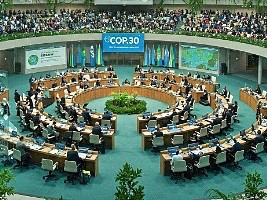
The 30th Conference of the Parties (COP30), held in Belém, Brazil, concluded on November 21, 2025, with a ‘minimal’ agreement that fell short of the ambitious goals set for climate and biodiversity protection. Despite prolonged negotiations extending into the night of November 22, the final consensus was widely regarded as underwhelming, if not a complete failure. The agreement, while bolstering climate finance, only indirectly addressed fossil fuels—oil, gas, and coal—the primary drivers of climate change. Tensions between industrialized and emerging nations, particularly oil and gas exporters, thwarted any binding commitments to phase out fossil fuels. Key elements of the agreement include a pledge to mobilize $1.3 trillion annually by 2035, with a tripling of adaptation funding for developing countries like Haiti. However, the non-binding nature of the measures raises concerns about their tangible impact. International reactions were mixed: the European Union expressed disappointment over the lack of a fossil fuel phase-out plan, while emerging and exporting countries celebrated the avoidance of binding obligations. Civil society organizations and Amazonian Indigenous groups criticized the agreement as ‘insufficient’ in addressing the escalating climate crisis.
-
EDITORIAL: St. Jude Demands an Inquiry, Not Excuses
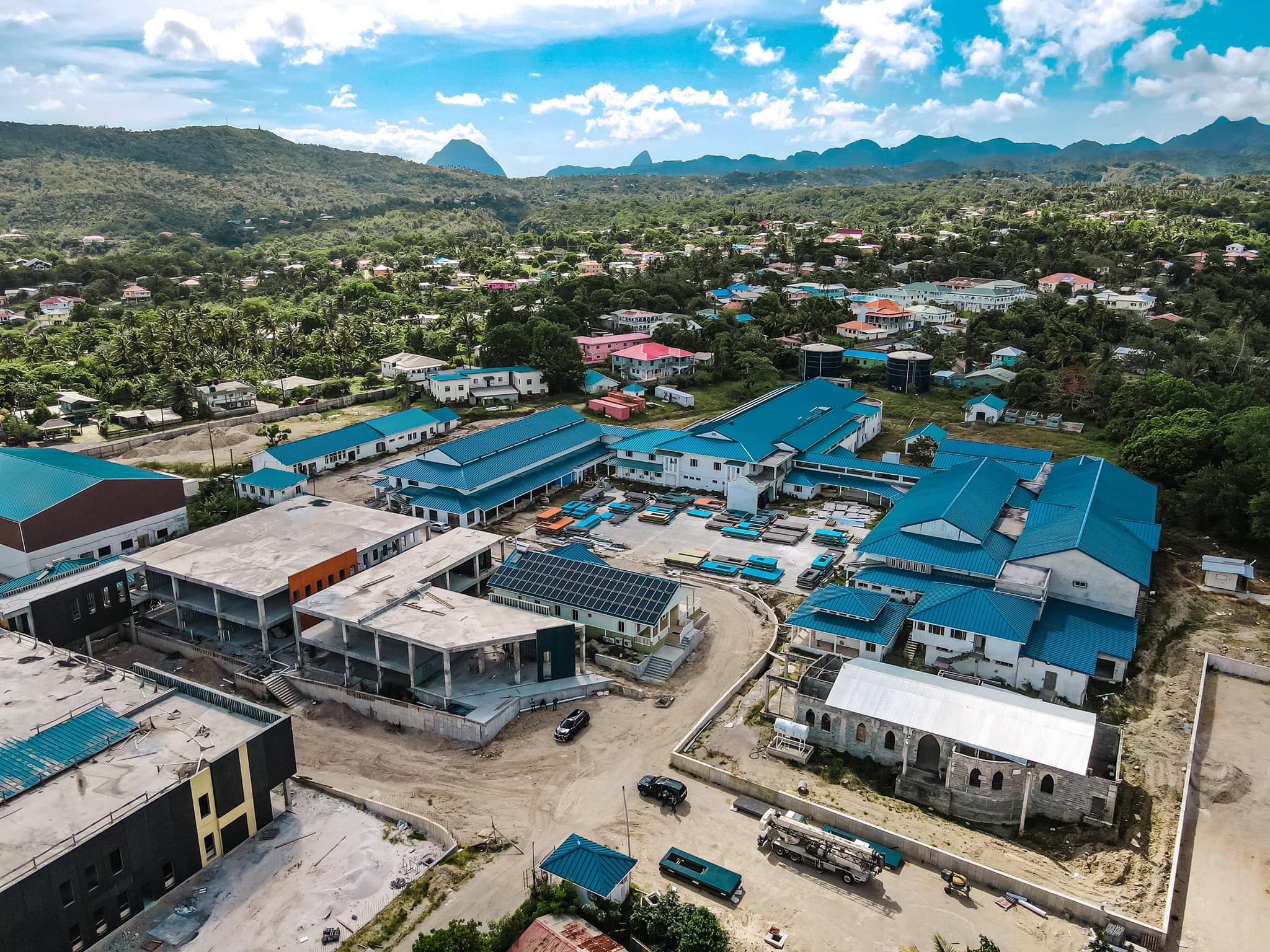
After a prolonged 16-year wait, the residents of Saint Lucia are finally nearing the reopening of St. Jude Hospital in the southern region. The original hospital was devastated by a fire in 2009, and since then, the project has been marred by delays, political disputes, and multiple administrations. Last Sunday, a significant milestone was reached as the St. Jude complex was officially handed over from the contractor to the Ministry of Health and the hospital’s board. However, the ceremony has sparked debates about whether the facility is fully operational or merely a structural completion. The reconstruction process has been fraught with inefficiency and political maneuvering, with successive governments failing to prioritize the project. The prolonged absence of adequate healthcare in the south has forced residents to rely on a makeshift hospital at the George Odlum Stadium, which also deprived athletes of a proper sports facility. The project has cost approximately $400 million, yet questions remain about the delays and expenditures. Critics argue that the handing-over ceremony should not be seen as a resolution but as a reminder of the systemic failures in governance. Calls for an independent inquiry have grown louder, demanding transparency and accountability. The situation underscores the need for political leaders to set aside partisan interests and prioritize public welfare. The St. Jude saga serves as a cautionary tale against the start-stop mentality of successive administrations, which has hindered progress on critical infrastructure projects. Moving forward, political parties must commit to completing ongoing projects regardless of changes in leadership. The hospital, named after St. Jude, the biblical figure symbolizing hope and faith, should inspire leaders to embody qualities of compassion and courage. It is time to end the nonsensical practice of stalling projects that benefit the people and focus on forward-thinking governance.
-

The import of electric cars shows a sustained decline in the Dominican Republic
The Dominican Republic’s ambitious plan to decarbonize its vehicle fleet remains far from realization, with electric vehicle (EV) adoption rates painting a bleak picture. Despite legislative incentives and the global push toward sustainable transportation, the country has seen a significant decline in EV imports in recent years. Data from the General Directorate of Internal Taxes (DGII) reveals that only 11,169 electric vehicles were imported between 2017 and 2025. While the initial years showed promising growth—from just four EVs in 2017 to 2,732 in 2022—the trend reversed sharply in 2023, with imports dropping to 1,793. This downward trajectory continued in 2024, with 1,651 units imported, and has further worsened in 2025, with only 647 vehicles entering the country so far. The government has attempted to stimulate EV adoption through initiatives like Law 103-03, which offers a 50% tax exemption on EV imports. However, these measures have failed to sustain momentum, highlighting the challenges of transitioning to a greener transportation system in the Dominican Republic.
-
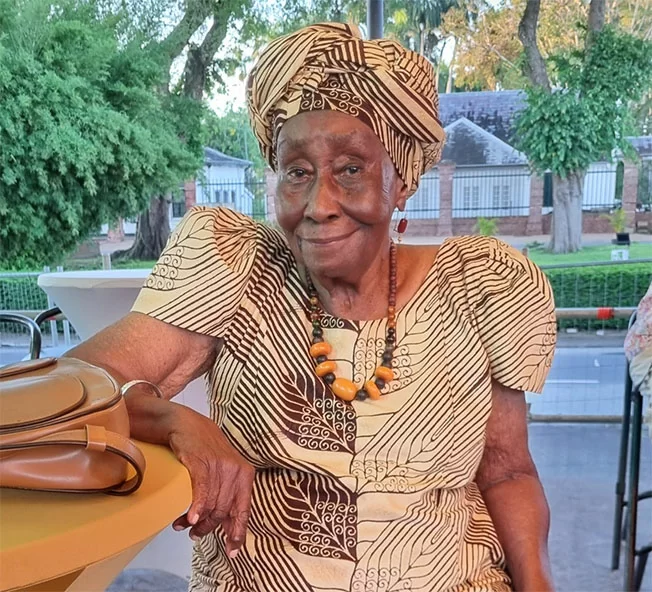
Zangeres, muziekdocent en dirigent Tante Melie Leerdam 100 jaar
Emeline Irma Leerdam, affectionately known as Tante Melie, is a legendary figure in Suriname’s cultural and musical landscape. As she approaches her 100th birthday on November 23, her remarkable journey continues to inspire generations. Renowned for her powerful alto voice, Leerdam began her musical career in the Jedikeko choir of the Evangelical Brethren Community under Hugo van Ams. She was a founding member of the mixed vocal ensemble Troki, established in 1975 by music educator Mavis Noordwijk and pianist Henna Hiemcke, and remained an active participant well into her nineties. Leerdam’s career reached its zenith when she conducted the Maranatha Women’s Choir, a cornerstone of the Maranatha family of choirs. Born into a missionary family in Ganze, Upper Suriname, Leerdam’s early life was marked by a nomadic existence on boarding schools. Her musical foundation was laid at Selecta Ulo, where organist Anton Plet taught her solfège and music theory. After caring for her ailing mother in the interior, Leerdam learned to play the harmonium and founded a children’s choir. Her professional life was equally diverse, spanning roles at the Ministries of Interior Affairs and Education, and culminating in her appointment as Head of Civilian Personnel Affairs at the Surinamese Armed Forces. Beyond her administrative career, Leerdam was a celebrated actress, starring in the popular radio series Famirii Misma. Her dedication to perfection and professionalism extended to her musical education, including studies at the Pedagogical Institute and the Venezuelan Centro Andres Bello. Leerdam’s contributions to Surinamese culture were recognized with numerous accolades, including the Order of the Yellow Star in 2004. Her life, chronicled in a 2015 biography, stands as a testament to a life richly lived and dedicated to the arts.
-
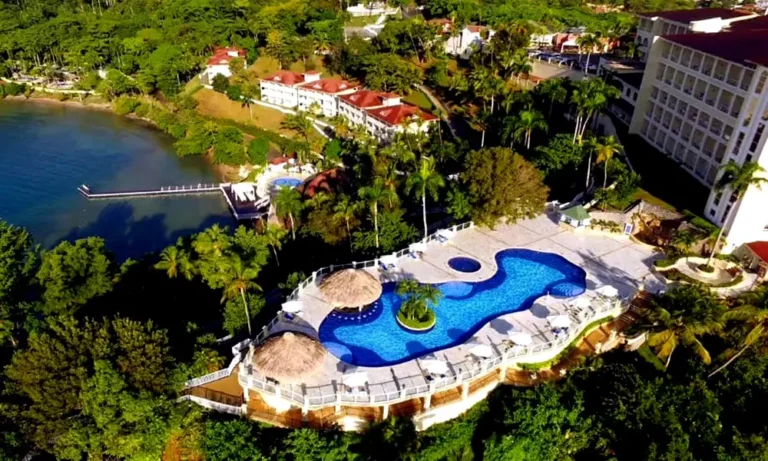
Daypass tourist booking platform begins operations in the Dominican Republic
Daypass, the premier digital platform for booking day-access experiences across Latin America and Spain, has officially launched operations in the Dominican Republic. This strategic expansion marks a significant milestone in the company’s mission to transform hospitality accessibility throughout the region.
Within just two months of operation, the platform has demonstrated remarkable market traction, issuing over 1,000 day passes and establishing a diverse portfolio of more than 120 unique experiences across the country. The catalog continues to expand weekly, showcasing growing demand for flexible tourism options.
The innovative platform serves as a digital bridge connecting consumers with premium hospitality venues including luxury resorts, spa facilities, and exclusive beach clubs. By eliminating the traditional requirement for overnight accommodation, Daypass enables both visitors and local residents to access amenities previously reserved exclusively for hotel guests.
CEO and Co-founder Rafa Gómez expressed enthusiasm about the platform’s reception: ‘We are profoundly encouraged by the rapid adoption in the Dominican Republic. The trust from venue partners and strong booking activity from customers demonstrates genuine interest in diversified tourism experiences.’
This business model represents a paradigm shift in tourism infrastructure utilization, allowing hotels and resorts to optimize their existing facilities while forging stronger connections with local communities. The expansion into key destinations including Punta Cana, Bayahibe, Puerto Plata, and Santo Domingo promotes more inclusive and flexible tourism options nationwide.
For the Dominican Republic’s tourism sector, Daypass introduces multiple strategic benefits: strengthening domestic tourism during off-peak seasons, creating additional revenue streams for hospitality providers, and positioning the country as an innovative leader in regional tourism technology. The platform’s growth signifies evolving consumer preferences toward experience-based travel and more accessible luxury offerings.
-
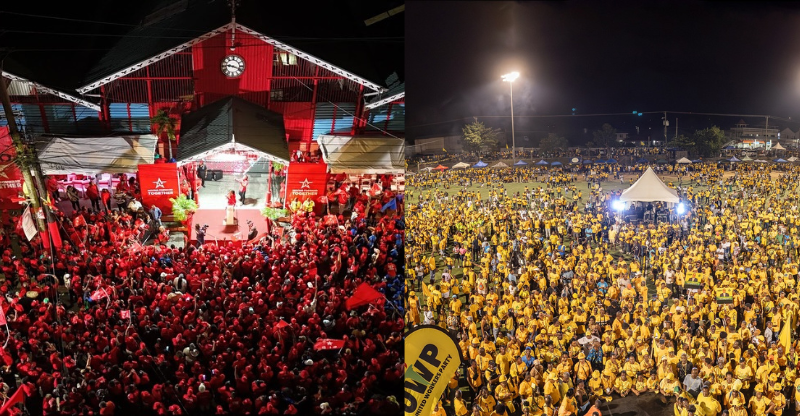
A look back at key points in 2021 manifestos
As the December 1 general election in Saint Lucia approaches, both major political parties, the Saint Lucia Labour Party (SLP) and the United Workers Party (UWP), have yet to unveil their manifestos. These documents, which serve as public declarations of a party’s policies, aims, and ideology, are crucial for voters to understand the parties’ plans for governance.
The SLP, which campaigned in 2021 on the promise to ‘put people first,’ emphasized three core values: equity, respect for the rule of law, and inclusiveness. The party highlighted the severe economic contraction Saint Lucia faced in 2020, with a 23.8% decline, and a public debt nearing $4 billion. The SLP’s manifesto outlined measures to address economic decline, including focusing on housing, expanding the digital economy, and exploring health tourism. Additionally, the party pledged to revamp the Citizenship by Investment Programme (CIP), broaden financial services, and establish a youth economy. Other commitments included support for manufacturers and agro-processors, reestablishing banana marketing, and developing a medicinal and recreational cannabis industry. The SLP also promised to strengthen COVID-19 response, advance Universal Health Care, and enhance education by paying facility fees for all students and introducing TVET skills at the primary level.
On the other hand, the UWP, which won the 2016 election with its ‘five to stay alive’ campaign, titled its 2021 manifesto ‘5 for Five.’ The UWP countered the SLP’s narrative of economic decline, stating that Saint Lucia’s economy was poised for robust growth before the pandemic. The party’s five-point plan included introducing unemployment benefits, expanding monthly assistance for the needy, reducing VAT to 10%, and providing medical care for all. In its first 100 days, the UWP promised a $3 million Back to School Programme, unemployment insurance consultation, and national health insurance legislation. The party also pledged to support infrastructure projects like the Millennium Highway and West Coast project, as well as agricultural initiatives such as the seven-crop project and Banana Productivity Improvement Programme. The UWP’s plans for tourism included expanding hotel room stock to 8,000 and promoting village tourism. In health and education, the party proposed transforming St. Jude Hospital into a university hospital and aligning education more closely with global offerings.
Both parties have outlined comprehensive plans to address the economic, social, and political challenges facing Saint Lucia, but with the election just two weeks away, the delay in releasing their manifestos has left voters eagerly awaiting the details of their proposed policies.