作者: admin

  • Over 100 Dead After Two Earthquakes Hit Venezuela Seconds Apart

    Over 100 Dead After Two Earthquakes Hit Venezuela Seconds Apart

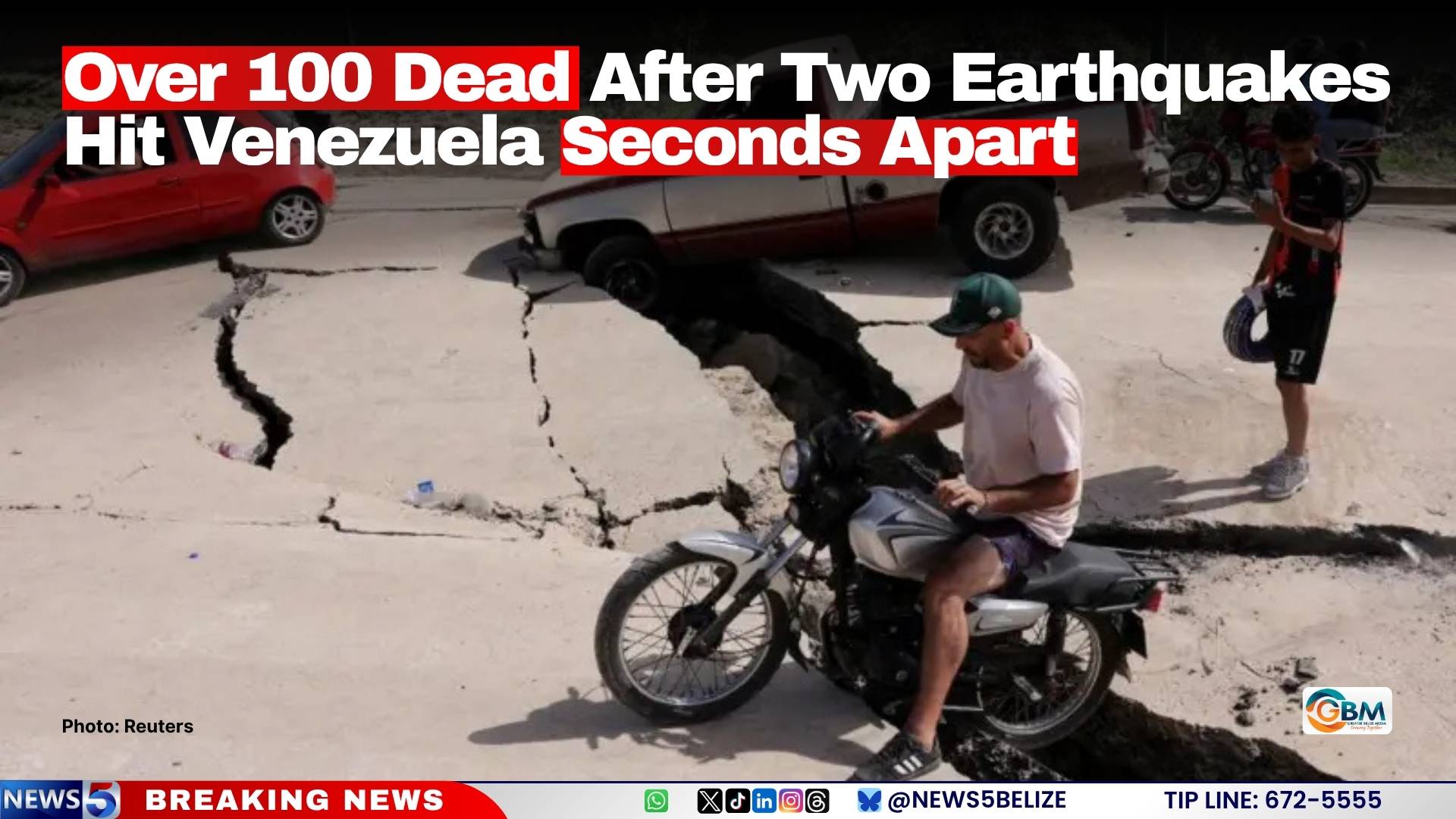
    On the evening of Wednesday, June 25, 2026, Venezuela suffered one of its worst seismic disasters in recent history, when two major earthquakes struck just seconds apart, leaving a staggering toll of death and destruction across the country’s northern region. As of the latest official updates, at least 164 people have been confirmed killed, and close to 1,000 more have sustained injuries ranging from minor cuts to severe, life-threatening conditions. The two seismic events, registering magnitudes of 7.2 and 7.5 respectively, hit within 60 seconds of one another at approximately 6:00 p.m. local time.

    Geologists note that both earthquakes originated at shallow depths of less than 30 kilometers below the Earth’s surface, a geological trait that significantly amplifies the shaking and damage experienced at ground level. Unlike deeper quakes, which often dissipate energy before it reaches the surface, shallow high-magnitude events almost always lead to widespread structural collapse and heavy casualties.

    Northern Venezuela’s La Guaira state has borne the brunt of the disaster, with local reports confirming dozens of building collapses across the region. One of the most devastating losses is a 10-story hotel that was completely leveled, leaving rescuers scrambling to locate any potential survivors trapped in the rubble. The impact also extended to the national capital Caracas, where emergency response teams have been working around the clock to clear debris and extract survivors from collapsed structures. Multiple unconfirmed social media reports state that rescue teams have heard cries for help coming from beneath broken concrete and steel.

    User-posted video footage circulating across digital platforms captures the chaotic moment the tremors struck, showing homes and high-rise buildings shaking violently, with glass shattering and furniture tumbling across rooms. The scale of the disaster has prompted alarm from international geological bodies: the United States Geological Survey (USGS) has issued a warning that the final death toll could eventually exceed 10,000 as search and rescue teams reach more isolated, heavily damaged areas.

    In response to the catastrophe, Venezuela’s acting president Delcy Rodríguez has moved quickly to authorize a $200 million emergency reconstruction fund, which will be allocated to rebuilding destroyed housing, repairing critical damaged infrastructure, and supporting ongoing rescue and relief operations across the impacted region. International humanitarian organizations have already begun mobilizing resources to support local response efforts, as rescue crews continue the search for survivors amid the wreckage.

  • Caribbean leaders call for bold action to accelerate renewable energy transition

    Caribbean leaders call for bold action to accelerate renewable energy transition

    Against a backdrop of growing climate vulnerability and urgent demand for long-term economic stability, senior regional officials, private sector leaders, and development partners have issued a unified call for the Caribbean to accelerate its shift to renewable energy, warning that scattered, uncoordinated national efforts will leave the region unable to meet its energy security, climate resilience, and economic growth targets.

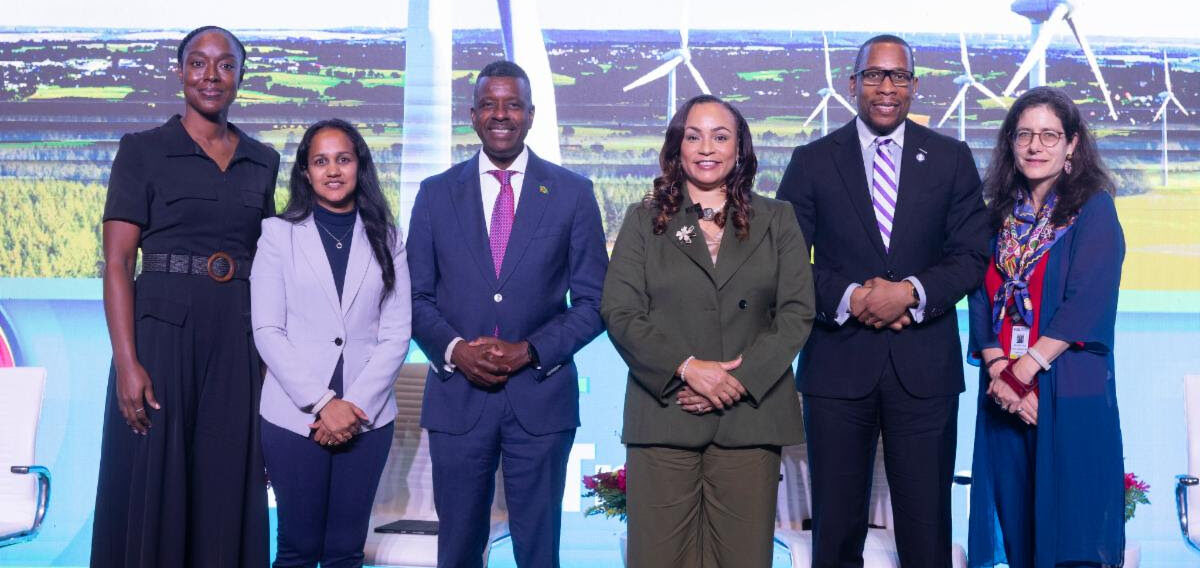
    The collective appeal was delivered during the seminar titled *Energy Transition: The Key to a More Resilient Region*, a key side event held alongside the Caribbean Development Bank (CDB)’s 56th Annual Board of Governors Meeting. The gathering brought together a cross-selection of stakeholders from across the Caribbean and global development institutions to map out a collaborative path forward for the region’s energy transformation.

    Per an official CDB press release following the event, attendees reached a consensus that the Caribbean must adopt a coordinated, inclusive regional strategy to unlock its vast untapped renewable energy potential, and deliver a power grid that is cleaner, more affordable, and consistently reliable for all communities. Over the next 12 to 24 months, participants identified three core priorities: combining small-scale national renewable energy projects into larger regional investment portfolios to appeal to major investors; expanding credit guarantees and blended financing mechanisms to draw in much-needed private sector capital; and upgrading electricity infrastructure to build climate-resilient grids that can accommodate growing shares of variable renewable energy generation.

    Discussion also emphasized four additional foundational requirements for success: deeper regional integration across energy systems, strengthened technical capacity within government bodies, regulatory agencies and local utility providers, increased youth participation in energy planning and policy design, and cross-sector partnerships between public and private actors. All of these priorities align closely with CDB’s newly launched 2026-2035 strategic framework, *Transforming the Caribbean for Resilience*, which places energy transition at the core of the bank’s 10-year work plan for its borrowing member countries.

    L. O’Reilly Lewis, CDB’s Director of Projects, outlined the far-reaching economic benefits that a successful energy transition would deliver for the region. “If we get the energy transition right, we can preserve foreign exchange, stabilise energy costs, create green jobs, and give our businesses room to breathe and grow,” Lewis explained. “CDB’s 10-year strategy commits us to supporting this transition: one that is inclusive, affordable, and resilient.”

    A core point of consensus among attendees was that while accessible climate financing exists globally, the region lacks the structured investment frameworks needed to mobilize that capital at scale. Timothy Antoine, Governor of the Eastern Caribbean Central Bank (ECCB), noted that the Caribbean’s primary barrier is not a lack of available liquidity, but a shortage of investment-ready projects that meet global investor standards. “This is not a liquidity issue. It is an issue of investability, and that is where we must focus our attention,” Antoine said. He added that blended financing models, which combine capital from multilateral development banks and commercial financial institutions, are critical to de-risking projects and attracting large-scale investment. “We must design an investment architecture that leverages not only multilateral development banks but also commercial banks,” he noted.

    Regional collaboration was repeatedly highlighted as a non-negotiable component of building long-term energy resilience. Kristin Lang, Green Climate Fund Director for the Latin America and Caribbean region, urged Caribbean nations to move beyond isolated national energy planning and embrace integrated regional systems. “You do need to think about regional energy hubs, cross-border systems, shared planning, coordinated investment, and align system design in the region,” Lang said. “Having isolated systems is not going to create resilience, it’s going to make you more vulnerable to shocks.”

    Toni Pratt, CEO of Bahamas Power and Light Company Limited, shared on-the-ground evidence of the benefits of public-private collaboration, pointing to successful renewable energy expansion across the Bahamas’ Family Islands through cross-sector partnerships. “We found that inviting partnerships for solar implementation, battery energy storage, and microgrids throughout the Family Islands is one of the ways that we don’t have to bear that upfront cost, but we can reduce overall cost to our consumers by reducing our reliance on fossil fuels, which is primarily the highest cost that our consumers bear at this time,” Pratt explained.

    Dr. Vince Henderson, Dominica’s Minister for Foreign Affairs, International Business, Trade and Energy, emphasized the foundational role of energy security in enabling all other forms of modern development, drawing on his country’s experience developing a 10-megawatt geothermal energy project. “Energy must be part of integrated development plans. It is fundamental to development in the 21st century,” Henderson said. “People are excited about AI and digital transformation, but without reliable power, none of that is possible. If power systems fail, we face serious consequences.”

    Youth engagement also emerged as a central theme of the seminar. Co-moderator Sorayadebie Jhagroe, a Suriname-based climate advocate and member of CDB’s Future Leaders Network, stressed that young people must be active decision-makers, not just passive beneficiaries of the energy transition. “The future is now and we as youth are not merely beneficiaries of the energy transition, but we are an active part of shaping that,” Jhagroe said.

    Dr. Henderson echoed that call, noting that long-lived energy infrastructure investments must be planned with the needs of future generations front of mind. “The key point is that investments must stand the test of time. They must include young people, not as an afterthought but as a central focus. These investments are for the next 25 to 50 years, and young people will drive that future,” he said.

    Closing the seminar, attendees reached broad agreement that the Caribbean’s shift to renewable energy will require four core pillars to succeed: stronger cross-border regional cooperation, innovative de-risked financing solutions, climate-resilient energy infrastructure, and meaningful multi-stakeholder partnerships that bring together governments, global development institutions, private businesses, and local communities. Participants reaffirmed that achieving universal energy security through renewable transition is not only critical to building the region’s climate resilience, but also to unlocking long-term inclusive economic growth and sustainable development across the Caribbean.
  • Asking Miller to Step Aside for Pollard?

    Asking Miller to Step Aside for Pollard?

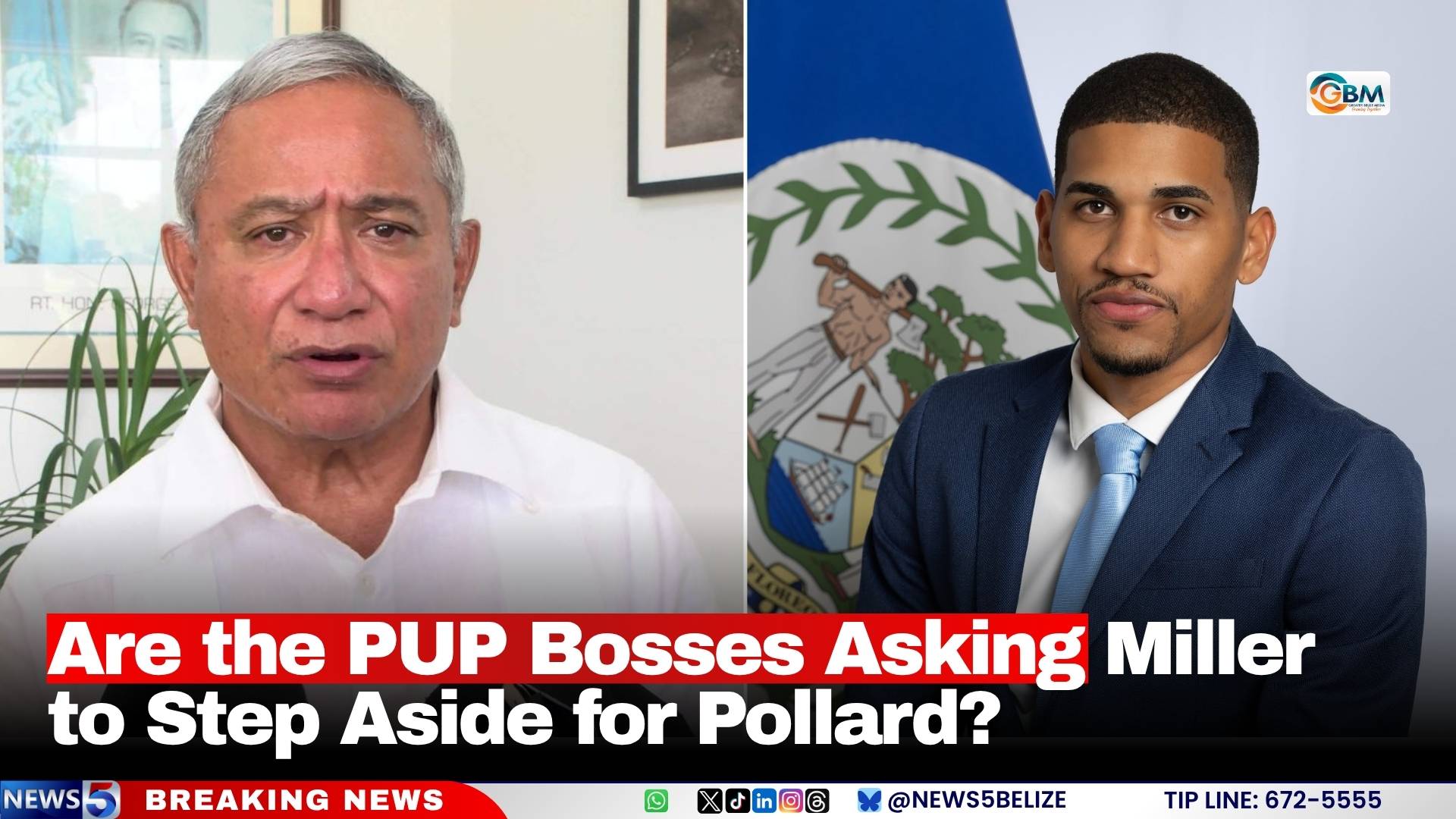
    Internal jockeying for the People’s United Party’s (PUP) mayoral nomination in Belize City has entered a new, covert phase, multiple insider sources confirm to News 5. After weeks of open party rhetoric touting a transparent, competitive convention to select the PUP’s candidate for the upcoming municipal election, well-placed sources say actors aligned with prospective candidate Allan Pollard Jr. are lobbying top party leadership — including Prime Minister John Briceño himself — to convince sitting Deputy Mayor Eluide Miller to withdraw his candidacy.

    Deputy Prime Minister Cordel Hyde is reported to have already brought the request for Miller’s exit to the Prime Minister’s desk, according to the sources. Crucially, insiders clarify that Miller has not received a formal, binding order to step down; instead, senior allies of Pollard have only issued informal appeals for Miller to reconsider his campaign and clear a path for Pollard’s nomination.

    But Miller has shown zero willingness to exit the race. Multiple contacts close to the deputy mayor confirm he remains fully committed to seeing his candidacy through to the scheduled convention, where registered PUP delegates will cast votes to select the party’s nominee.

    The behind-the-scenes maneuvering has already sparked public pushback from a sitting PUP Belize City councillor. Kaya Cattouse recently took to Facebook to publicly endorse Miller and condemn the last-minute efforts to upend the party’s initial commitment to an open contest.

    “A week ago, we were told that everyone had the right to run and that democracy should take its course. Today, because the numbers are not lining up the same way, there are now attempts to force a different outcome,” Cattouse wrote in her social media post. She doubled down on calls for the full convention process to proceed unimpeded, arguing that ordinary party delegates deserve the final say over who will lead the PUP into the next municipal election cycle.

    As of Wednesday, neither Miller nor Pollard has issued any public statement addressing the latest developments in the nomination fight. The unfolding intra-party drama comes as the PUP prepares for upcoming municipal elections across Belize, with the Belize City mayoral post widely viewed as one of the most high-profile contests on the ballot.

  • Monchy Courtyard transformed into hub for youth, art, community pride

    Monchy Courtyard transformed into hub for youth, art, community pride

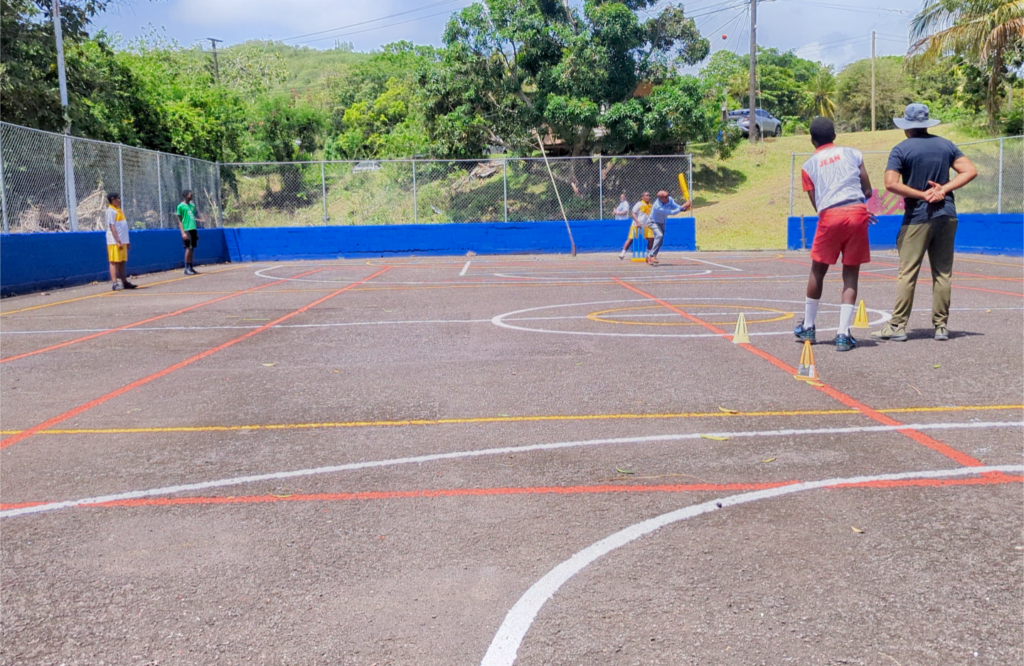
    A once-ordinary public gathering space in Monchy, Saint Lucia, has been reborn as a dynamic, youth-centered community hub, brought to life through a collaborative effort between the Sandals Foundation and the Gros Islet North Youth and Sports Council. The $27,000 Monchy Courtyard Beautification Project has delivered far more than cosmetic upgrades: it has reshaped the space into a welcoming area for athletic activities, social connection, and constructive youth engagement, with a striking new community mural and fully renovated interior and exterior walls.

    Heidi Clarke, Executive Director of the Sandals Foundation, emphasized that the project extends far beyond basic beautification. What began as a simple upgrade to a shared public area has been turned into a lively gathering spot where young people can spend time recreationally, and local residents can build a stronger shared sense of community pride, she explained.

    Funding for the initiative was sourced entirely from proceeds generated by weekly Friday night street party tours operated by three Sandals resorts in Saint Lucia: Sandals Grande St Lucian, Sandals Halcyon Beach, and Sandals Regency La Toc. Local execution of the renovation work was led fully by the Gros Islet North Youth and Sports Council, putting community leadership at the center of the transformation.

    Sanjay Mitchell, president of the council, framed the renovated courtyard as a tangible example of what can be achieved when cross-sector community partnerships and intentional youth leadership align around a common goal. “This is not just a physical upgrade to a public space,” Mitchell noted. “It is a direct investment in our young people and the long-term future of this community. What was once just a functional meeting spot is now a vibrant space for recreation, creative expression, social connection, and collective pride. The refreshed courtyard and its central mural send a clear, powerful message: our youth matter, and our communities deserve intentional investment.”

    One of the project’s most celebrated features is a vivid, large-scale mural designed and created by local Saint Lucian artist Naja Simeon, founder of Sakey Productions. The artwork weaves together core themes of community unity, local cultural identity, and positive youth growth, anchoring the space’s mission to reflect the community it serves.

    At the official handover ceremony for the completed project, Filius Laurent, General Manager of Sandals Regency La Toc, highlighted that the initiative is part of a long-standing, broader commitment from Sandals Resorts, delivered through the Sandals Foundation, to strengthen communities across the Caribbean, uplift youth development, and support local creative talent.

    Theona Edan-Clifford, the Sandals Foundation’s Project Coordinator for the Eastern Caribbean, expanded on the purpose of the redesigned space. “Shared spaces shape how community members feel, connect, and grow,” Edan-Clifford explained. “Through this project, Monchy now has a courtyard that reflects the community’s inherent pride, local creative talent, and untapped potential. It is a space where young people can play, residents can build connections, and local art tells a story of unity and hope.”

    Looking ahead, long-term stewardship of the space will remain rooted in the local community. The Gros Islet North Youth and Sports Council will continue to involve local young people in ongoing maintenance and upkeep work, an approach designed to ensure the space stays active, well-cared for, and owned fully by the community it serves.

  • US$9 Million Grant to Fund Dams and Water Catchment Projects Across Antigua and Barbuda

    US$9 Million Grant to Fund Dams and Water Catchment Projects Across Antigua and Barbuda

    Antigua and Barbuda’s government has secured a $9 million international grant to build out critical water conservation infrastructure, a cornerstone policy initiative aimed at shoring up national food security and scaling up domestic agricultural output across the twin-island nation. The funding commitment was formally unveiled this Thursday at a post-Cabinet press briefing, following an update to the country’s Cabinet from Agriculture Minister Anthony Smith Jr. on the details of the financing package.

    The grant is channeled through the Caribbean Development Bank, under the Food and Agriculture Organization’s dedicated Soil and Water Management Programme, a regional initiative focused on boosting climate-resilient agricultural practices across Caribbean small island developing states. Maurice Merchant, Director General of Communications for the government, outlined that the financing will go toward developing dams, water catchment ponds, and other high-priority soil and water management assets distributed across Antigua and Barbuda.

    Merchant emphasized that this infrastructure project is a core plank of the administration’s broader national strategy to grow domestic food output, shore up water access for independent and smallholder farmers, and cut the agricultural sector’s heavy dependence on costly desalinated water for crop irrigation. “This initiative is set to meaningfully expand the country’s total irrigation capacity and deliver far more consistent, reliable water access to farming communities, especially when the nation faces drought conditions or extended dry seasons,” Merchant explained during the briefing.

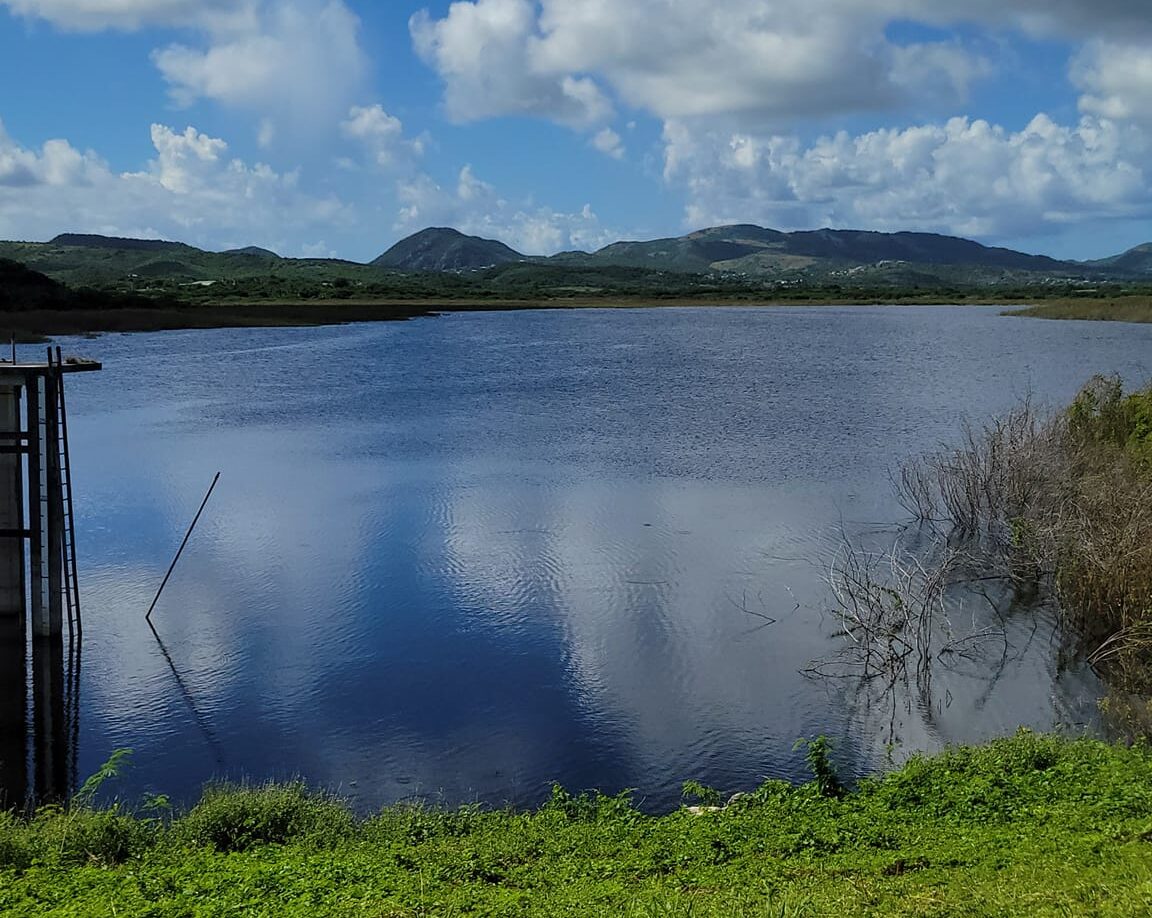
    To date, government planning teams have already finalized site selection for 10 new water storage facilities: eight locations earmarked for standard-sized dams, and two additional sites designated for large-scale “super dam” construction. Once completed, these interconnected facilities will form a unified national agricultural water storage network that captures and retains rainwater for use by the farming sector, drastically boosting the resilience of Antigua and Barbuda’s agricultural industry amid growing patterns of aridity linked to climate change.

    Administration officials project that this targeted infrastructure investment will strengthen the country’s long-term food security framework by guaranteeing farmers a consistent, dependable supply of irrigation water, while simultaneously cutting operational production costs that come from purchasing expensive desalinated water for agricultural use. The $9 million grant stands as one of the largest recent investments in Antigua and Barbuda’s agricultural water infrastructure, aligning with the government’s ongoing policy priorities of expanding domestic food production and building national climate resilience across key economic sectors.

  • Micoud teenager set for national boxing debut

    Micoud teenager set for national boxing debut

    On Wednesday, June 24, a three-member national boxing delegation from Saint Lucia departed for Guadeloupe, where they are scheduled to compete in a high-profile Boxing Gala kicking off this Friday. The trip was organized following a formal invitation from the host organization, the Gwada Boxing Club, and the roster carries a particularly exciting new face: 18-year-old lightweight debutant Ethan Reneau.

    Hailing from the quiet community of Mon Repos in Micoud, the south of Saint Lucia, Reneau has earned his place on the national traveling side not through luck, but through months of consistent, grueling training. As a left-handed fighter who has turned heads with his technical progress in domestic competitions, the young athlete worked his way up the ranks to secure his first international call-up.

    Shannon Lebourne, vice president of Saint Lucia’s Boxing Association, spoke highly of Reneau’s selection in comments following the team’s departure. Lebourne emphasized that Reneau’s spot on the national team is far more than a personal opportunity—it stands as clear proof that dedication, discipline, and trust in incremental improvement yield tangible results for young athletes across the country. “Young boxers all over Saint Lucia can look at Ethan’s journey and see that hard work does pay off,” Lebourne said. “We are incredibly proud of what he has already achieved, and we have full confidence that he will carry our nation’s flag with honor in the ring.”

    Reneau will not enter the competition alone: he will share the ring with two vastly more experienced teammates who bring years of international competition experience to the team. Kyle Marcel will step into the 75-kilogram elite division, while Danaii Cooman is scheduled to compete in the 60-kilogram elite class. Leading the entire delegation and guiding the three fighters through pre-fight preparation and match strategy is head coach Conrad Fredericks, who has overseen the team’s training camp in the lead-up to the Friday gala.

  • CARICOM expresses solidarity as deadly Venezuela earthquakes leave more than 160 dead

    CARICOM expresses solidarity as deadly Venezuela earthquakes leave more than 160 dead

    On June 24, 2026, northern Venezuela was hit by an unprecedented seismic disaster: two massive earthquakes, registering magnitudes 7.2 and 7.5, struck the region within seconds of one another, leaving a trail of death and widespread destruction across the country’s northern corridor. As of the latest official updates from acting Venezuelan President Delcy Rodríguez, the disaster has claimed at least 164 lives and left 971 people injured, with rescue teams still racing against time to pull survivors from the rubble of collapsed buildings, prompting warnings that the final death toll may climb as search operations progress.

    According to U.S. public media outlet NPR, the second 7.5-magnitude tremor is the most powerful earthquake to hit Venezuela since 1900, marking a historic seismic event for the South American nation. The worst damage has been concentrated in areas close to the capital Caracas and the coastal state of La Guaira, where dozens of structures crumbled during the quakes. Emergency response teams have worked nonstop around the clock since the disaster struck, combing through destroyed neighborhoods and damaged infrastructure to locate missing people and deliver life-saving aid to affected communities.

    In the wake of the tragedy, the Caribbean Community (CARICOM), the regional integration bloc representing Caribbean nations, has issued an official statement extending its deepest condolences to the Venezuelan people and affirming regional solidarity amid the crisis. “The Caribbean Community (CARICOM) expresses deep condolences over the tragic loss of life, the growing number of injuries, and the extensive damage to infrastructure and homes as a result of the devastating earthquakes that struck Venezuela on Wednesday, 24 June 2026,” the statement reads.

    Recognizing the profound grief that has gripped the country following the disaster, CARICOM reaffirmed its commitment to standing with Venezuela during this period of trial. “We stand in solidarity with the people of Venezuela during this time of immense grief and offer prayers for a swift recovery to the injured and displaced,” the bloc said.

    The regional body also paid tribute to the tireless work of those on the front lines of the response effort, commending first responders, emergency personnel and civilian volunteers who have been working under harsh, dangerous conditions to execute rescue missions and deliver critical support to impacted populations.

    As Venezuela prepares to enter the long, difficult process of rebuilding shattered communities and infrastructure, CARICOM closed its statement by expressing confidence in the Venezuelan people’s ability to recover, wishing them strength and resilience through the coming months of recovery and reconstruction.

  • Authorities intervene 488 motorcycle taxi stands in nationwide regulation

    Authorities intervene 488 motorcycle taxi stands in nationwide regulation

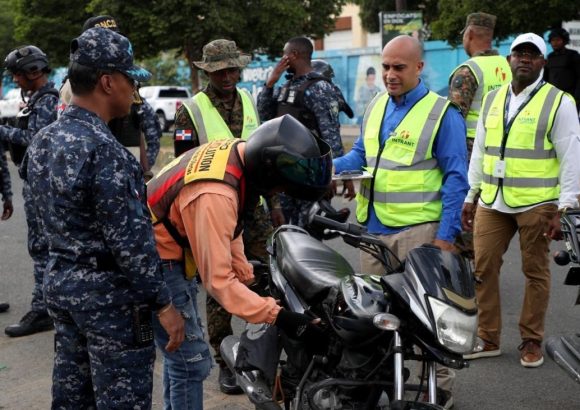
    Between June 3 and June 24, Dominican Republic’s transportation and law enforcement agencies carried out a sweeping nationwide operation to bring order to the country’s informal motorcycle taxi (locally known as motoconcho) sector, marking one of the largest coordinated regulatory actions targeting the industry in recent years.

    The multi-agency initiative was led by the National Institute of Transit and Land Transportation (INTRANT), with support from a coalition of security bodies including the National Police, the Dominican Drug Control Directorate (DNCD), the Specialized Directorate for Land Transit Safety (DIGESETT), the Criminal Investigation Directorate (Dicrim), the General Directorate of Migration, and municipal police forces across the country. The operation centered on three core priorities: physical inspections of informal pickup stands, document verification for drivers and vehicles, and background checks to screen for outstanding violations or irregularities, all as part of a long-term government push to formalize the unregulated motoconcho industry that serves millions of commuters across the country.

    INTRANT Executive Director Milton Morrison outlined that the ultimate goal of the operation is to bring thousands of currently informal motorcycle taxi drivers into the country’s formal transportation system, while cutting down on rampant road safety violations that have made motoconchos a major contributor to traffic fatalities in the Dominican Republic. By the end of the three-week enforcement period, authorities released a detailed breakdown of results: teams inspected 488 separate motorcycle taxi stands across 11 major regions of the country, including Greater Santo Domingo, Santiago, La Vega, and Barahona. Officials processed 2,808 new driver registrations, completed 1,570 full vehicle and driver inspections, impounded 599 unregistered or non-compliant motorcycles, and took 63 individuals into custody on outstanding charges or regulatory violations. Additionally, 414 drivers were administered breathalyzer tests to check for drunk driving, six unlicensed informal stands were permanently closed, two more were relocated to compliant designated zones, four public spaces previously appropriated by illegal stands were reclaimed for community use, and 42 drivers found to hold irregular immigration status were turned over to migration authorities for processing.

    Alongside enforcement actions, government officials also highlighted encouraging progress in voluntary compliance, noting a dramatic surge in motorcycle license applications over the past quarter. Between March and June 2026, INTRANT processed a total of 14,888 motorcycle license applications, 12,331 of which were from first-time applicants seeking new licenses. Data shows that applications for the new Category 1 motorcycle license, the required credential for operating commercial motorcycle taxis, jumped by 107.5% over the three-month period, rising from just 1,843 applications in March to 3,824 in June. This sharp increase officials say, signals growing recognition among motoconcho drivers of the benefits of formalizing their status and complying with national transit regulations.

    Moving forward, INTRANT confirmed that joint multi-agency operations will continue across all regions of the country, with the agency reiterating its commitment to strengthening national road safety, fully formalizing the commercial motorcycle transportation sector, and ensuring full compliance with Law 63-17, the country’s overarching legislation governing transit and land transportation.

  • Dominican Republic to deploy mobile hospital and 40 medical specialists to Venezuela

    Dominican Republic to deploy mobile hospital and 40 medical specialists to Venezuela

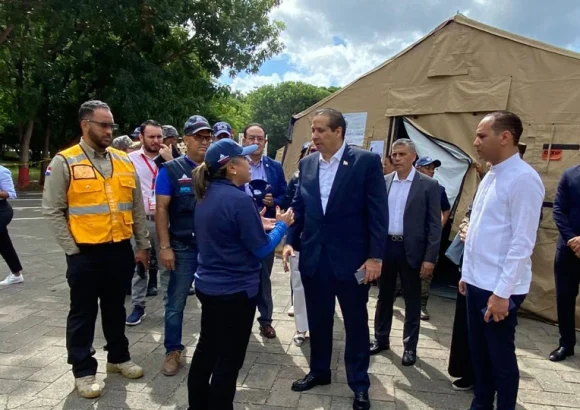
    In the wake of the recent devastating earthquake that struck Venezuela, the Dominican Republic is putting the final touches on plans to deploy its elite, internationally certified Type 1 Emergency Medical Team (EMT) as part of a targeted humanitarian mission to assist the crisis-hit nation.

    This relief operation is being jointly coordinated by the Dominican Republic’s Ministry of Public Health and the national Emergency Operations Center, known locally as COE. Under the mission framework, the Dominican government will dispatch a fully functional mobile hospital unit alongside a cohort of nearly 40 highly trained specialized healthcare and technical workers to deliver life-saving emergency medical care to those affected by the disaster.

    The assembled multidisciplinary team brings together a diverse range of expertise, including attending physicians, registered nurses, clinical pharmacists, mental health psychologists, and specialized water and sanitation engineers. This breadth of skills allows the team to deliver a comprehensive suite of medical and support services, spanning general outpatient care, pediatric treatment, gynecological care, emergency patient stabilization for critical cases, minor surgical procedures, medical intervention for toxic exposure, and much-needed mental health support for survivors grappling with disaster-related trauma.

    The deployment comes directly after an official decision by Dominican President Luis Abinader to extend immediate support to Venezuelan emergency management authorities as they work to address the spiraling humanitarian crisis triggered by the earthquake.

    Notably, the Dominican Republic’s Type 1 EMT holds a rare distinction for the Latin American and Caribbean region: it is one of only a handful of teams in the area to earn official certification from both the World Health Organization (WHO) and the Pan American Health Organization (PAHO). The team secured this international credential in 2024, after successfully demonstrating it meets all of the bodies’ rigorous global standards for emergency disaster response.

    Dominican government officials emphasized that this humanitarian mission reflects the country’s longstanding commitment to regional solidarity, cross-border cooperation in times of crisis, and shared responsibility to deliver life-saving specialized support to fellow nations grappling with the impact of natural disasters.

  • Dominican Republic concludes SICA Presidency, highlights regional progress

    Dominican Republic concludes SICA Presidency, highlights regional progress

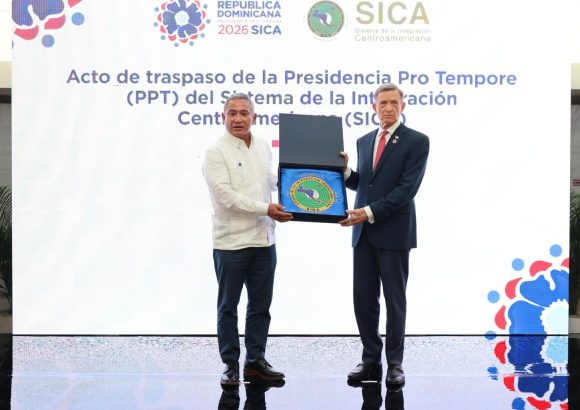
    SAN SALVADOR, El Salvador – A key milestone in Central American regional cooperation has concluded, as the Dominican Republic wrapped up its fourth term as Pro Tempore President of the Central American Integration System (SICA), leaving behind a trail of measurable institutional and operational advances that aim to lift outcomes for all member nations across the bloc.

    The formal handover of the rotating leadership position took place on El Salvadoran soil, where Dominican Foreign Minister Roberto Álvarez outlined the core progress achieved during his country’s tenure. Among the most significant changes was the approval of updated regulatory frameworks that restructure how SICA’s governing bodies handle new member integration and establish clearer quorum requirements for official proceedings. These rule updates are explicitly designed to cut through bureaucratic bottlenecks, streamline decision-making workflows, and boost the overall institutional efficiency of the 70-year-old regional organization.

    Álvarez also highlighted the confirmation of Costa Rican Ambassador Lina Eugenia Ajoy Rojas as SICA’s incoming Secretary General, set to serve the 2026–2030 term. He framed this leadership appointment as a critical step to secure long-term continuity and political stability for the regional integration process, a core mandate that has guided SICA’s work since its founding.

    Following the presentation of achievements, Álvarez formally transferred the ceremonial and administrative authority of the rotating Pro Tempore Presidency to Belizean Prime Minister John Briceño. Briceño opened his term by commending the Dominican Republic’s steady, forward-focused leadership during its presidency, and pledged that his administration would build on existing momentum to deepen collaborative work across the region on shared economic, social, and security priorities.

    Before the official transfer ceremony got underway, Álvarez called on all attendees to observe a moment of silence to honor the lives lost to the recent devastating earthquakes that struck Venezuela, a gesture that united the regional delegation in solidarity with the South American nation during a period of crisis.