作者: admin

  • Antigua and Barbuda to Acquire Major Solar Energy Plant Within 24 Months, PM Says

    Antigua and Barbuda to Acquire Major Solar Energy Plant Within 24 Months, PM Says

    In a landmark announcement made during his weekly broadcast on Pointe FM this past Saturday, Prime Minister Gaston Browne laid out an ambitious new energy strategy for Antigua and Barbuda that places both decarbonization and broad public economic participation at its core. Over the coming 24 months, the government will move forward with the development of a utility-scale solar generation facility, projected to produce between 15 and 20 gigawatt hours of clean electricity annually, and open up future renewable energy projects to direct investment from ordinary Antiguans and Barbudans.

    The initiative marks a deliberate break from the nation’s past energy development model, which has historically concentrated ownership of electricity infrastructure among a small cohort of private companies. Browne stressed that the new framework is designed to democratize access to the growing renewable energy market, allowing everyday citizens to build wealth and share in the economic benefits of the clean energy transition, rather than limiting these gains to a small group of corporate stakeholders. “We want this to be a shared situation which will provide opportunity for Antiguans and Barbudans to invest in energy,” Browne told listeners, noting that the policy’s core goal is to diversify ownership across the country’s energy sector.

    Contrary to some potential interpretations, the prime minister clarified that the plan does not sidelined existing energy operators. Current market players, including the Antigua Public Utilities (APC) and major private groups such as Eagle and the Hadid Group, are fully welcome to participate in bidding for stakes in the new solar project and future renewable developments. Browne emphasized that the policy is not intended to displace existing operators, nor is it rooted in animosity toward any current market leaders. “I say this with no hostility towards Eagle or towards the Hadid group of companies,” he explained. “The members of the Hadid family and I get on pretty well. We haven’t had any issues, but I speak truth to power, and ultimately my responsibility is to the people of Antigua and Barbuda. No friendship, no interests supersede the interests of the people.” APC could even emerge as the single largest investor in the new solar plant depending on its available resources, Browne added.

    The new large-scale solar facility is positioned as a complementary addition to the government’s ongoing transition to liquefied natural gas (LNG), which Browne framed as a pragmatic mid-term transition fuel. As Antigua and Barbuda scales up its renewable energy generation capacity over time, LNG will serve as a lower-emission alternative to the diesel and heavy fuel oil that currently dominate the nation’s energy mix, delivering immediate reductions in both consumer electricity costs and national carbon output. Browne outlined that the broader energy transition strategy will deliver two core, interconnected benefits for residents: “a reduction in price compared to using diesel or heavy fuel, and similarly there’s going to be a reduction in our carbon footprint.” This dual approach aligns with the government’s long-term goal of cutting the nation’s reliance on imported fossil fuels while expanding and strengthening the country’s overall electricity infrastructure.

  • Grenada contributes to the global conversation on Contemporary Art and Culture

    Grenada contributes to the global conversation on Contemporary Art and Culture

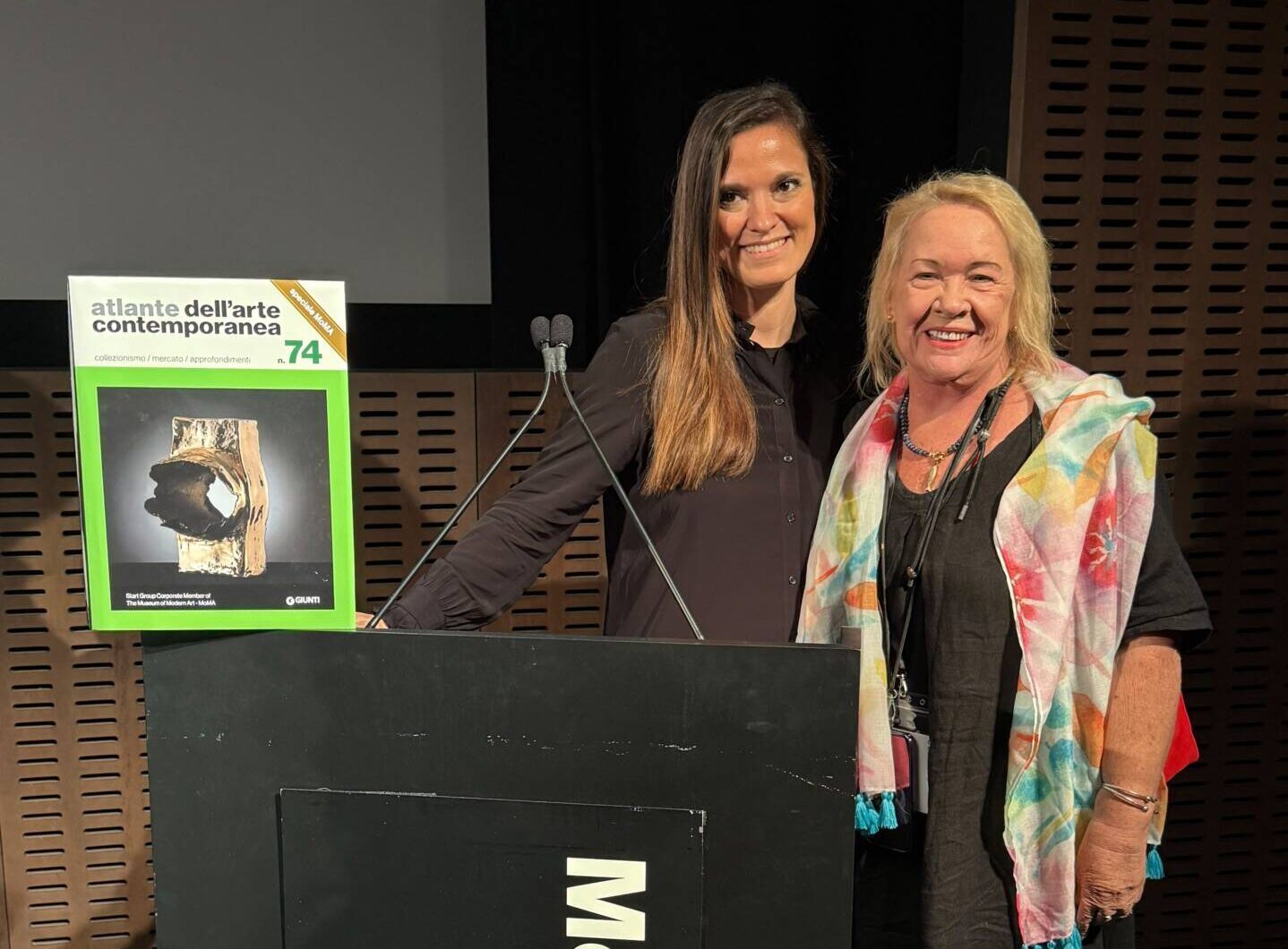
    Last week, a landmark moment for Caribbean cultural outreach unfolded at New York City’s iconic Museum of Modern Art, where Dr. Susan Mains, Commissioner of the Grenada Pavilion at the Venice Biennale, took the stage to share the small island nation’s groundbreaking success on one of the global art world’s most prestigious stages. The event marked the official launch of *Atlante Dell’arte Contemporanea*, a definitive, comprehensive compendium curating the most significant works and voices in Italian and international contemporary art, that includes coverage of the Grenada Pavilion’s contributions to the global art ecosystem.

    In her address at the launch, Dr. Mains reflected on how intentional cross-sector strategic partnerships have transformed the Grenada Pavilion from a simple national exhibition space into a dynamic hub for inclusive international cultural dialogue. For years, Grenada’s participation in the Venice Biennale has served as a critical conduit to center Caribbean creativity, academic insight, and artistic innovation before an international audience of curators, collectors, scholars, and art enthusiasts.

    At the core of the pavilion’s rising international profile is the curatorial leadership of Daniel Radini Tedeschi, who has balanced global artistic context with deep respect for the specific historical and cultural experiences of the Caribbean. Under his direction, the pavilion has not only elevated its standing in the global art community but also created tangible, long-lasting opportunities for Grenadian and regional Caribbean artists to participate in global contemporary art discourse, extending their reach far beyond the limited run of the Biennale exhibition itself.

    Dr. Mains emphasized that the success of the Grenada Pavilion would not have been possible without its core collaborative partnership with START, a multifaceted cultural organization far more impactful than a traditional publishing house. START’s team of seasoned cultural professionals brings cross-cutting expertise spanning scholarly publishing, exhibition curation, strategic communications, and international cultural programming, work that ensures the Grenada Pavilion’s contributions are not just displayed temporarily, but permanently documented, studied, and preserved for future generations.

    A key unsung contributor to the pavilion’s success highlighted by Dr. Mains is Stefania Pieralice, whose exceptional organizational skill, relentless dedication to cross-cultural exchange, and meticulous attention to detail have turned ambitious creative visions into actionable, successful outcomes. Her work coordinating complex cross-border initiatives, nurturing durable relationships with leading cultural institutions, and overseeing the countless operational details required for high-profile exhibitions and publications has been instrumental in building the Grenada Pavilion’s reputation for professionalism and impact.

    The broader START team’s collaborative mission aligns directly with the core vision of the Grenada Pavilion: their commitment to editorial and creative excellence has produced authoritative catalogues and scholarly publications that serve as permanent public records of Grenada’s participation in the Venice Biennale, making the work of the nation’s artists accessible to researchers, curators, collectors, and young creatives for decades to come.

    The benefits of these long-term collaborative partnerships extend across every dimension of the pavilion’s work, including amplified international visibility for participating artists, peer-vetted scholarly documentation that preserves the pavilion’s legacy, expanded professional networks connecting Caribbean creators to leading global cultural institutions, robust critical and curatorial frameworks that deepen the impact of artistic presentation, sophisticated project management that advances cultural diplomacy goals, and lasting cultural impact that endures long after the Biennale concludes each edition.

    As Grenada enters its next phase of participation in the Venice Biennale, with multiple successful editions under its belt and a growing global footprint, these collaborative partnerships remain central to the project’s mission. The pavilion’s steady growth demonstrates that small island developing nations can make outsized, meaningful contributions to global contemporary culture when they center strategic collaboration, intellectual rigor, and unwavering commitment to artistic excellence.

    The ongoing partnership between the Grenada Pavilion, its curatorial leadership, and the START team represents a shared investment in inclusive cultural exchange, rigorous scholarship, and boundary-pushing artistic innovation. Together, the collaborators continue to build a platform that not only elevates Grenadian and Caribbean artists at the Venice Biennale, but also adds unique, vital perspectives to the global conversation around contemporary art and culture.

  • BDF deploys advance party to Venezuela

    BDF deploys advance party to Venezuela

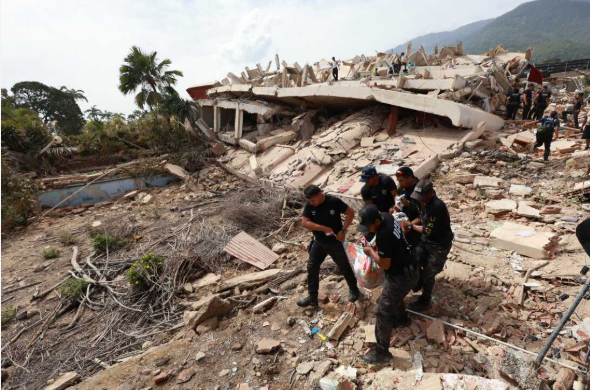
    In a coordinated response to the recent humanitarian crisis triggered by seismic activity in Venezuela, an advance contingent of the Barbados Defence Force (BDF) has entered the South American nation to lay the groundwork for a full-service field medical hospital. The mission marks a significant gesture of regional solidarity between Caribbean and Latin American nations in the wake of natural disaster. The deployment, which departed Barbados this past Friday, included not only the specialized advance military medical team but also the island nation’s ambassador to Venezuela, Commander Aquinas Clarke, alongside diplomatic representatives from the Venezuelan Embassy stationed in Barbados. Currently, the advance group is focused on completing critical early-stage tasks, including thorough on-site infrastructure evaluations and cross-agency coordination with Venezuelan local authorities. Full deployment of the complete field medical hospital unit remains on hold pending the completion of necessary formal administrative approvals from Venezuelan governing bodies. The operation, confirmed by the Barbados Government Information Service (BGIS), underscores Barbados’ commitment to regional disaster response cooperation. The deployment of the mobile medical facility is expected to fill critical gaps in healthcare access for communities impacted by the earthquake, which often leave local medical systems overstretched or damaged in the aftermath of seismic events.

  • EU Threatens to End Visa-Free Access for Antigua and Barbuda and OECS by Year-End, PM Says

    EU Threatens to End Visa-Free Access for Antigua and Barbuda and OECS by Year-End, PM Says

    The Caribbean nation of Antigua and Barbuda is facing a critical diplomatic challenge, after Prime Minister Gaston Browne confirmed the European Union has issued a warning that the country could forfeit its visa-free travel access to the Schengen Area by the end of 2024. The core of the EU’s objection centers on scrutiny of Antigua and Barbuda’s long-running Citizenship by Investment (CBI) Programme, a policy that grants citizenship to foreign individuals in exchange for qualified economic investment in the country.

    Speaking during an interview with local radio outlet Pointe FM over the weekend, Browne outlined that his administration is moving swiftly to ramp up high-level diplomatic outreach, with the explicit goal of arranging a direct meeting with EU officials to reverse the proposed policy change. “The European Union has threatened that they could withdraw their visa-free access, potentially by the end of the year,” Browne told listeners. “We don’t know for sure they will, but we’re trying to have a high-level engagement with them to see if we can actually reconsider their position.”

    The prime minister put forward a compromise proposal that he argues balances the EU’s stated security concerns with preserving the decades-long visa-free arrangement Antigua and Barbuda has enjoyed. Rather than eliminating visa-free access entirely, Browne said his government believes implementing an electronic travel authorization system would address European security needs while maintaining the current travel arrangement. “We have the view that an electronic travel authorization should be sufficient,” Browne said. “We think that it’s a sensible thing to do to maintain the good relations that we’ve had over the years and not to throw the baby out with the bath water.”

    Browne emphasized that the EU’s scrutiny is not isolated to Antigua and Barbuda, noting that other Eastern Caribbean states that run similar investment migration programmes are also facing the same threat of restricted travel access. He pointed to a recent precedent, where Ireland ended visa-free travel arrangements for a number of Caribbean nations, and acknowledged that even with intensive diplomatic work, a total discontinuation of Schengen visa-free access remains a possible outcome. “We can anticipate that, despite our best efforts, these visa-free arrangements may be discontinued,” he said.

    However, even if the worst-case scenario comes to pass, Browne made clear that the CBI Programme will remain a core part of the country’s economic strategy, describing it as an indispensable pillar of Antigua and Barbuda’s public finances. “What I will say here, under my leadership and certainly under the Labour Party’s governance of this country, with or without those visa-free arrangements, our CIP programme continues,” Browne stated. “It is too important a source of non-tax revenue to give it up.”

    Addressing questions about the integrity of the country’s CBI Programme, Browne pushed back against criticism, arguing that while no global immigration system can claim to be 100 percent free from abuse, Antigua and Barbuda’s due diligence processes are on par with, and in many cases stronger than, those used by much larger developed nations. “We are pretty sure that we have strengthened our programme and that it does not represent any significant risk to any country,” he said. “Nothing is foolproof… I believe that our programmes are better run than theirs.”

    Browne also rejected the widespread claim that Caribbean investment migration programmes represent a unique global security risk, pointing out that many of the same European countries that criticize the region’s programmes operate their own investment-based immigration pathways for foreign nationals. “I can say definitively in the case of Antigua and Barbuda, our programme is run with integrity,” he said. “I’ve never once overturned any case that was actually rejected by the CI Unit. We have allowed the unit and the board to operate independently.”

    He added that Antigua and Barbuda’s small geographic size and close-knit population actually makes it far harder for individuals with criminal intent to hide within the country, compared to larger nations. “If anything, our CIP programmes are helping these larger countries to unearth the criminals,” Browne said. He also noted that legitimate high-net-worth individuals seeking to travel to Europe are already able to secure direct visas from European nations regardless of their Caribbean citizenship status.

    The prime minister also called out what he described as a clear double standard in how the international community treats Caribbean CBI Programmes, arguing that the region is unfairly tarred with a broad brush when any concerns about investment migration arise. “The unfortunate thing about it is that they keep dubbing us with the same brush,” he said.

    Looking forward, Browne reaffirmed Antigua and Barbuda’s commitment to strengthening international security cooperation, saying the country is willing to introduce additional targeted safeguards to address EU concerns. These proposed measures include mandatory biometric screening for all CBI applicants and expanded information sharing agreements with foreign governments. “If we can collaborate and make sure that we have the biometric exam for these CIP citizens and that we can share information, if anything, it will help them to unearth these criminals,” he added.

  • UWI Seismic Research Centre urges preparedness after major Venezuela Earthquakes

    UWI Seismic Research Centre urges preparedness after major Venezuela Earthquakes

    Recent back-to-back major earthquakes near Venezuela, paired with a separate seismic event between Trinidad and Tobago and Grenada, have sparked widespread public concern across the Caribbean. Leading regional seismic monitoring body, the University of the West Indies Seismic Research Centre (UWI-SRC) — tasked with tracking earthquakes, volcanoes and tsunamis across the English-speaking Eastern Caribbean — has released a detailed technical analysis to address growing public questions about the seismic activity.

    According to UWI-SRC Director Dr. Erouscilla P. Joseph, the large energy released by Venezuela’s magnitude 7.5 and 7.2 earthquakes has altered stress across the entire Caribbean Plate, which has coincided with a small uptick in regional seismic events recorded by the centre. While all seismic activity in the area falls within the broad Caribbean-South American plate boundary, Dr. Joseph emphasized that the Venezuela quakes and the separate Grenada-Trinidad and Tobago event stem from distinct tectonic processes. As of current assessments, there is no evidence linking all three events to a single shared fault system. Though large quakes can shift stress in surrounding regions, she noted, establishing a direct causal link between separate seismic events remains extremely challenging.

    Dr. Joseph contextualized the size of the Venezuela earthquakes: a magnitude 7.5 event qualifies as a major quake with regional significance, but tremors of this scale occur somewhere across the globe nearly every year. While the 2025 Venezuela event ranks among the larger quakes recorded worldwide this year, it does not fall among the most powerful seismic events of the past decade. What makes this sequence unusual, she explained, is its location near heavily populated areas and the extremely close timing of the two major quakes: the magnitude 7.2 tremor was followed just 39 seconds later by the 7.5 event. This pattern is rare, she noted, but not unprecedented — it points to a complex rupture process involving multiple fault segments that released massive amounts of stress over just one minute. Preliminary mapping confirms the quakes occurred within the active Caribbean-South American plate boundary, home to major fault systems including the El Pilar–San Sebastián fault and its associated offshore structures. Detailed investigations are still ongoing to pinpoint the exact fault segment responsible for the rupture.

    In addressing public anxiety about increased major earthquake risk for Trinidad and Tobago, Dr. Joseph confirmed that aftershocks are expected near the original Venezuela quake zone, and some of these aftershocks may be felt in parts of Trinidad and Tobago. However, she stressed that there is currently no data to support an elevated risk of a major local quake directly triggered by the Venezuela events. “The public should not be alarmed, but they should be prepared,” Dr. Joseph said, noting that all Caribbean nations sit in a geologically active seismic zone, and major events like this serve as a critical reminder of the need for ongoing readiness.

    Shortly after the earthquakes, a regional tsunami warning was issued, but it was quickly canceled after specialists analyzed data from coastal monitoring stations and deep-ocean tsunami detection systems. Assessments found no evidence of a significant tsunami forming, with forecasted wave heights remaining far below dangerous thresholds.

    Currently, UWI-SRC researchers are conducting a full post-event analysis, examining the quake’s source characteristics, rupture sequence, aftershock distribution, ground shaking patterns, and potential seafloor displacement. Data from regional seismic stations, GPS networks and sea-level sensors is being integrated to refine future regional seismic hazard assessments.

    Dr. Joseph also outlined what a similar magnitude earthquake near Trinidad and Tobago would mean: the level of damage would depend on multiple factors, including the quake’s depth, distance from population centers, local soil conditions, and the resilience of local infrastructure. Older buildings constructed without modern seismic engineering standards face far higher risk of damage than newer, code-compliant structures, and a strong local quake could disrupt critical services including power, water and transportation networks. For this reason, Dr. Joseph emphasized, continuous investment in updated building codes and public preparedness remains a priority for the region.

    Responding to viral social media videos showing people running outdoors during the Venezuela quake’s intense shaking, Dr. Joseph noted that flight instinct is natural during a terrifying event, but moving while the ground is shaking greatly increases the risk of injury from falling debris, broken glass or collapsing building parts. The internationally recommended safety protocol, she reminded the public, is to Drop, Cover and Hold On until shaking stops. Once the ground stabilizes, people can calmly evacuate to open, safe areas away from damaged structures if necessary.

    UWI-SRC is urging all members of the public across the Eastern Caribbean to use this event as an opportunity to update their emergency preparedness: this includes learning and practicing earthquake safety protocols, identifying safe spots in homes and workplaces, securing heavy furniture and appliances that could topple, assembling emergency supply kits, and reviewing family evacuation and communication plans.

    “It is natural to feel concerned when a major earthquake affects a neighboring country with which we share such close ties,” Dr. Joseph said. “The SRC remains fully committed to monitoring seismic activity across the region and delivering timely, accurate information to help individuals, communities and governments make informed decisions.”

    She added, “This earthquake is a reminder that while we cannot prevent earthquakes, we can drastically reduce their impacts through preparedness. The goal is not to live in fear, but to be ready.”

    UWI-SRC maintains continuous 24/7 monitoring of seismic activity across the Eastern Caribbean, and publishes real-time updates via its official website and social media channels including Facebook, Instagram and X (formerly Twitter). The centre encourages all residents to follow these official channels for accurate information and to update their preparedness plans in light of the recent event.

  • PM Browne Says LNG Dispute With U.S Firm Resolved, First Ship Expected Within 30 Days

    PM Browne Says LNG Dispute With U.S Firm Resolved, First Ship Expected Within 30 Days

    After weeks of tense negotiations and high-stakes disagreements between the Antigua and Barbuda government and private contractors on the country’s landmark liquefied natural gas (LNG) infrastructure project, a last-minute compromise has cleared the path for the first cargo of LNG to arrive on national shores within one month, Prime Minister Gaston Browne has confirmed. Speaking in an interview with local radio outlet Pointe FM over the weekend, Browne broke down the origins of the conflict, which traced back to unforeseen complications during critical dredging work required to widen and deepen shipping channels to accommodate large LNG tankers. Initial geotechnical surveys had incorrectly characterized the seabed as composed entirely of sand, but crews encountered large formations of solid, extremely dense rock that drastically slowed progress. The government first deployed its domestic dredging firm Blue Ocean to complete the work, but when the company was unable to overcome the geological obstacles, international contractor Dutch Dredging was brought in – and still faced persistent challenges that extended the project timeline far beyond initial projections.

  • Staatsraad: Begroting moet Suriname voorbereiden op toekomst na olie

    Staatsraad: Begroting moet Suriname voorbereiden op toekomst na olie

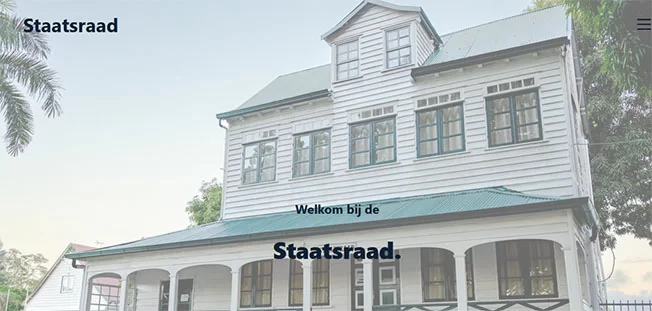
    As Suriname prepares to welcome major new oil and gas revenues that stand to reshape its national economy, the country’s highest advisory body has issued a stark call for proactive long-term planning, warning against the risk of overreliance on the fossil fuel sector that has plagued resource-rich nations globally.

    In a strategic advisory report presented Friday to President Jennifer Simons by Vice Chair Amzad Abdoel, the Suriname Council of State argues that annual budget deliberations currently underway in the National Assembly must extend beyond short-term spending allocations for the coming year. Instead, policymakers must center discussions on how the country can position itself to leverage both the opportunities and mitigate the inherent risks of the impending oil revenue influx. The report, the second of its series from the Council, draws on consultations with multiple government ministries, public agencies and independent economic experts to deliver approximately 30 targeted recommendations, united by a core message: expected oil revenues must be used to build structural economic resilience, not deepen dependence on a single volatile industry.

    The Council highlights that decades of international experience demonstrate that resource-dependent economies that fail to pursue broad diversification remain extremely vulnerable to global oil price volatility and sudden external economic shocks. To guard against this so-called “resource curse”, the advisory body is pushing for immediate strategic investments in non-oil sectors including agriculture, manufacturing, tourism and export-oriented industries, which will allow Suriname to build a diversified economy anchored in multiple robust pillars.

    Beyond diversification, the report identifies food security, public healthcare, education, national security, currency and price stability, and energy security as foundational priorities for long-term sustainable development that require enhanced policy focus and public resourcing. The Council also emphasizes that headline gross domestic product growth alone is not enough to deliver lasting shared prosperity for Suriname. To improve outcomes, the government must strengthen policy implementation efficiency and allocate public funds more strategically, by tying annual budget allocations directly to measurable social and economic outcomes, so the public can clearly track what impact public spending delivers.

    The timing of the advisory comes as the National Assembly enters its deliberation phase for the new national budget. The Council stresses that this is a critical window to make bold policy choices that prioritize long-term economic resilience over quick short-term gains, as the country transitions into a new era of oil-led revenue flows.

  • Film intervention launched in honour of slain Barbadian teen

    Film intervention launched in honour of slain Barbadian teen

    Against a backdrop of rising youth violence tearing at Caribbean communities, local film producer Kerri Birch has launched a groundbreaking creative project named “Once Upon a Frame” — a labor of love and activism built to honor the life of 13-year-old Shawnathon Chase, who was killed in a fatal shooting last year while attending a community netball match at Silver Hill’s hard court in Christ Church.

    Shawnathon was not just a victim of senseless violence; he was an aspiring young writer with a growing body of work, and his death has become a catalyst for change. Reflecting on the tragic loss, Birch emphasized that Shawnathon’s killing is far from an isolated incident, pointing to a worsening pattern of youth violence that is eroding community cohesion, destabilizing family units, and putting an entire generation of young people in danger across the region.

    Developed in partnership with production company 13 Degrees North and Shawnathon’s grieving parents, Sean and Zabida Chase, the initiative will transform original short stories written by young creators into four completed short films. Among the adapted works is “Kite Heist”, a story penned by Shawnathon before his death, alongside another youth-created story “Intergalactic Pup”, which Birch confirmed will be produced entirely using artificial intelligence technology.

    Once post-production is complete, the four films are scheduled to premiere on national public television, with additional selections planned for screenings at leading international film festivals to spread the project’s message to a global audience.

    Birch, who has centered her work on community-centered storytelling, explained the core philosophy behind the initiative: youth violence takes root when young people are disenfranchised, feeling invisible, unheard, and cut off from opportunities to build stable, fulfilling futures. Instead of leaving vulnerable teens to fall through the cracks, “Once Upon a Frame” replaces idleness with creative imagination, replaces social isolation with collaborative skill-building, and replaces risky, empty lifestyles with a clear sense of purpose. Beyond creative expression, the project also equips participating young people with professional film production skills that can open doors to sustainable careers in the creative economy.

    The initiative has already secured backing from a coalition of corporate sponsors, and Birch’s team is currently holding exploratory talks with officials from Barbados’ Ministry of Innovation, Industry, Science and Technology to expand support for the program. In closing, Birch issued a call for broad national investment in youth-focused interventions, arguing that the critical policy question facing the country is not whether public and private stakeholders can afford to fund programs like “Once Upon a Frame” — but whether the nation can afford not to prioritize the safety and opportunity of its young people.

  • Youth leaders urged to drive community change

    Youth leaders urged to drive community change

    On a recent Saturday, Barbados’ Division of Youth Affairs brought together emerging youth leaders from across the country at a capacity-building workshop held at the Radisson Aquatica, with a clear mission: to empower youth-led organizations to claim their central role in advancing national development.

    Addressing the gathered participants, Senator Roshanna Trim opened by pushing back against the common narrative that youth development is solely a government responsibility. While she acknowledged that the state and relevant ministries carry a formal duty to nurture young people’s growth, she stressed that independent youth organizations fill an irreplaceable niche in communities nationwide. “Every community deserves the vibrancy, the creativity, and the innovation of young people,” Trim told the audience, arguing that local youth groups bring energy and fresh perspective that no government agency can replicate on its own.

    Trim, 31, highlighted a unique strength that sets youth-led initiatives apart from established, older-led organizations: natural peer-to-peer relatability. Young people navigating the shared pressures of modern life naturally connect with one another, she explained, creating a level of trust that crosses generational gaps. She noted that even a decade and a half difference in age can create noticeable divides in communication styles and cultural context, making youth-led outreach far more effective for engaging younger demographics. The core message, she emphasized, was for young leaders to recognize this inherent power rather than fixating on formal titles, and to focus on the tangible impact of their work driving social transformation.

    Sharing decades of on-the-ground experience alongside Trim was Sophia Greaves-Broome, community development executive and CEO of the Pinelands Creative Workshop, who has spent 30 years leading civil society and multi-sectoral community programs. Greaves-Broome offered blunt, practical guidance for young leaders looking to build lasting, impactful organizations, focusing heavily on long-term sustainability in an increasingly challenging funding landscape.

    She stressed that organizational longevity starts with a clear, inclusive vision that can inspire others to commit their time and energy. “It must be an inclusive vision where people can say, ‘I can align to that, I can respect that, I can work with that, I can give up my time for that,’” she explained, adding that deep personal sacrifice and unwavering belief in one’s mission are non-negotiable for lasting success.

    Greaves-Broome also warned that the traditional donor model that once supported community nonprofits has shifted dramatically, evolving into a hyper-competitive space where funders demand measurable return on investment. To adapt, she urged young leaders to move beyond rigid, outdated organizational structures and embrace flexible social enterprise models that can generate sustainable revenue. She added that leaders must cultivate a habit of constant self-evaluation, regularly reexamining and restructuring their organizations to stay relevant in a rapidly changing social and economic environment.

    Closing her remarks, Greaves-Broome reminded the emerging leaders that meaningful community transformation takes consistent, long-term effort, encouraging them to prioritize ongoing personal learning and maintain political neutrality to keep their work focused on serving the public good.

  • COMMENTARY: A review of Jerome A. Robinson’s memoir – ‘A Time of Rapid Change in Dominica’

    COMMENTARY: A review of Jerome A. Robinson’s memoir – ‘A Time of Rapid Change in Dominica’

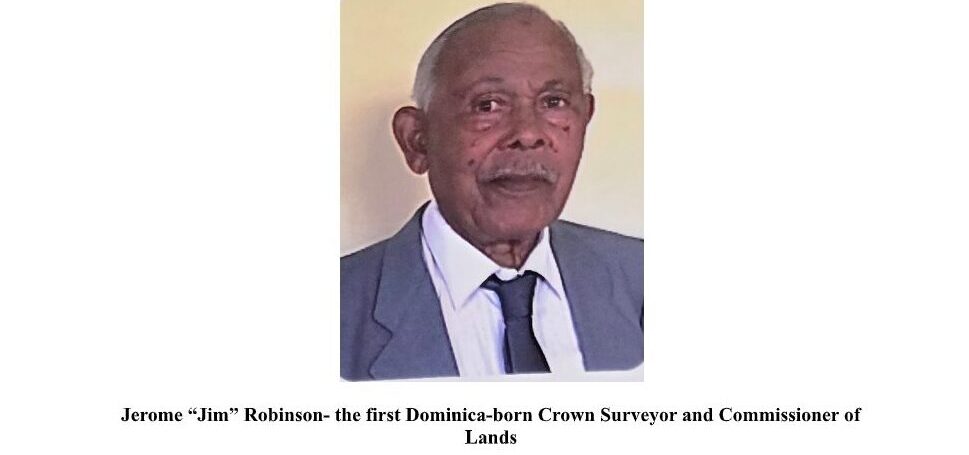
    In early 2026, I acquired a newly released memoir that shines a long-overdue spotlight on one of Dominica’s most important unsung nation builders. Titled *A Time of Rapid Change in Dominica* and published by Micotrin Press in 2025, the work brings to life the legacy of Jerome A. Robinson, the first Dominica-born Crown Surveyor and Commissioner of Lands. The memoir was brought to publication through the dedicated work of his family, most notably his daughter Dr. Jean-Marie Lawrence, a Professor of Technology Systems at East Carolina University.

    Before the generation of architects who built modern Dominica fades from collective memory, documenting and sharing their stories is a critical act of national preservation. Jerome A. Robinson stands indisputably among these foundational figures, and his memoir is far more than a chronicle of one man’s life—it is an irreplaceable addition to Dominica’s official historical record. Deep gratitude is owed to his daughters Lena Bellevue and Dr. Jean-Marie Lawrence for safeguarding his experiences, achievements and observations for coming generations.

    ## The Robinson Family: A Century-Long Legacy of Public Service
    For anyone raised in Dominica, the Robinson name is synonymous with distinguished contribution across nearly every sector of national life. The family built its reputation on excellence across education, skilled trades, construction, business and public administration.

    Joffre Robinson was a widely respected educator. Cephas Robinson was a pioneering builder who oversaw construction of iconic Dominican landmarks including local churches, banana boxing plants, sections of Melville Hall Airport, and the original Vick’s Supermarket, now known as Lindo Mart. Belgrave Robinson served with distinction as Chief Education Officer. Edgar Robinson earned acclaim as a skilled welder, while Ken Robinson emerged as one of Dominica’s most innovative entrepreneurs: he operated a local supermarket, launched the island’s first tire-retreading business, founded a music recording studio, and ran a successful bakery and mini-mart alongside his wife Eileen.

    During my years at Dominica Grammar School, our woodworking instructor at the Technical Wing was Ernest Alfred “Robo” Robinson, a disciplined, patient and meticulous educator who traveled to Los Angeles, California, to complete advanced training in vocational woodworking education. In my third year of study, I had the privilege of learning English literature from Robinson’s niece, Ianthe Robinson. As a cadet with the Dominica Grammar School Cadet Corps, I also worked closely with the late Edmund Robinson, our Company Sergeant Major who like many Robinsons was affectionately nicknamed “Robo.” A sharp, disciplined leader, he later became my colleague when we both taught at the school.

    The Robinson family embodies Dominica’s rich, mixed cultural heritage, with ancestry tying together Scottish-Irish, African and Kalinago roots. During the colonial era, thousands of Scottish-Irish migrants arrived in the British West Indies as indentured servants, and many went on to rise to leadership roles as estate managers, clerks, surveyors and colonial administrators.

    ## Jerome Robinson’s Early Journey: From Childhood to Academic Excellence
    Jerome Robinson was born August 22, 1934, the youngest child of Ellis and Florisca Robinson (née Joseph). He was the grandson of Alexander “Ellick” Robinson, who also served in colonial administration. Scholarly work on Kalinago history by Peter Hulme even makes reference to “Mr. Robinson, who is the government man coming among the Caribs,” underscoring the Robinson family’s multi-generational ties to public service in Dominica.

    Robinson’s memoir opens with vivid recollections of his childhood during the turbulent years of World War II, when German U-boats sank more than 400 ships across the Caribbean. These events are explored in greater depth in Dominican author Clement “Baba” Richards’ work *Seawolves in Warm Waters*, but Robinson offers personal, on-the-ground accounts of encounters with wartime refugees, Marigot police patrols targeting smugglers, and beloved childhood travels across the island alongside his father Ellis. Encouraged by his mother to prioritize education, Jerome first attended school in Laudat, where his brother Joffre served as village schoolmaster. He excelled academically and earned admission to the prestigious Dominica Grammar School.

    A striking historical detail connects Robinson directly to the school’s origins: the institution’s first campus was once the private residence of his paternal grandfather, Alexander Robinson. That historic structure still stands today at Piper’s Step, on what was then Queen Mary Street—now renamed Independence Street—in the capital Roseau. While studying at the Grammar School, Robinson’s sharp academic skills caught the attention of legendary headmaster Victor A. A. Archer, who recommended he pursue a career in surveying, setting the course for his lifelong legacy.

    ## Breaking Barriers: Mapping Dominica Through Harsh Conditions
    For young Dominicans today, it is important to contextualize Robinson’s achievements: it was only after World War II that native Dominican professionals gradually began to take on senior leadership roles in the colonial public service. Before that shift, almost all senior department heads were British expatriates or other European transplants. When the author was growing up, the post of Crown Surveyor was held by Karol Winski, a Polish surveyor who preceded Robinson. Robinson spoke warmly of Winski’s mentorship, crediting his guidance with giving him the skills to eventually rise to the top role in the Survey Department.

    In July 1954, at just 20 years old and after 18 months working as a pupil surveyor in the field, Robinson earned a scholarship to study surveying in Trinidad. He completed the three-year program in 1957, passed the rigorous examinations of the Royal Institution of Chartered Surveyors (RICS), and was awarded the prestigious Michael Dixon Prize for his outstanding academic performance.

    Returning home, Robinson took on the grueling work of surveying one of the Caribbean’s most mountainous island terrains. His memoir details grueling expeditions: climbing the slopes of Morne Diablotin while carrying fragile, heavy surveying equipment, fording rain-swollen rivers while protecting his precision theodolite, and spending weeks at a time working in remote, uninhabited forests. He explains that the Royal Engineers had placed metal survey markers on Dominica’s highest peaks in 1945, and his team was tasked with re-locating and verifying these markers to prepare for the publication of a new national map in 1961.

    Robinson also recounts the extraordinary challenges of conducting aerial survey photography in Dominica, where constant cloud cover over the island’s steep mountains and deep valleys repeatedly derailed efforts to capture accurate map data. Long before satellite technology revolutionized surveying work, Robinson and his team set up base camps deep in the interior, living in tents for days on end while enduring meager rations, constant rainfall and extremely primitive living conditions. Still, they pushed through to complete their work.

    These firsthand accounts reveal not just the technical difficulties of mid-20th century surveying, but also the extraordinary dedication, discipline and resilience of the pioneers who literally mapped out the modern Dominican nation against overwhelming odds.

    ## A Landmark Achievement: The First Native-Born Crown Surveyor
    In 1962, Robinson took the initiative to pursue postgraduate studies, traveling to Glasgow to attend the Royal College of Science and Technology. After successfully completing his program, he returned to Dominica and was officially appointed Crown Surveyor and Commissioner of Lands—making history as the first native-born Dominican to hold this senior position.

    Robinson’s breakthrough was far more than a personal career milestone: it stood as a powerful symbol of the gradual rise of local leadership within the colonial civil service, proving that Dominicans had the skill, discipline and professionalism to govern their own country ahead of full independence.

    ## A Personal Connection: Robinson’s Impact On My Own Education
    I had the rare privilege of taking introductory surveying classes taught by Jim Robinson during the 1977–1978 academic year, shortly before Dominica gained full independence. At the time, I was a Sixth Form student in Form 6B at Dominica Sixth Form College, preparing for the Cambridge University Advanced Level examinations scheduled for mid-1979. When our Geography teacher Alfred Leevy was reassigned to other duties, our cohort lost access to A-Level Geography instruction, and the exam was ultimately canceled for our group. Even so, Jim Robinson volunteered his time to teach the surveying component of our geography curriculum, coming in fully prepared to every class, showing endless patience, and committed to making sure every student understood both the theoretical science and practical application of surveying work. I have remained grateful for his contribution to my education ever since.

    Beyond my time as his student, I have a deeper family tie to the Robinsons: I am married to his niece, Joan Robinson, daughter of builder Cephas Robinson and his wife Ernestina. Joan is an active member of the Marigot History Working Group alongside Dr. Peter Alfred, Deborah Blackman, Sandra Green and Alvin Abrahm, where she works to document and preserve the family history of communities in Marigot.

    ## A Memoir That Belongs In Every Dominican Home And School
    One of the greatest strengths of *A Time of Rapid Change in Dominica* is that it explores a critical, under-taught chapter of Dominican history: the story of how the island was surveyed, measured, mapped and organized for modern administration. The 177-page volume is richly illustrated, adding vivid authenticity to the narrative, with photos ranging from Robinson’s survey team setting up a makeshift camp in the island’s interior to portraits of Robinson during his studies in the United Kingdom. If the work has one small shortcoming, it is that it devotes relatively limited space to Robinson’s immediate family, all of whom have gone on to achieve great things in their own right.

    This memoir deserves a permanent place on the shelf of every Dominican school library. It teaches young Dominicans that the nation they inherited was built through the sacrifices of dedicated public servants, who worked with limited resources but unlimited determination. Their work was rooted in integrity, professional excellence and an unshakable sense of duty to the public good.

    Dr. Jean-Marie Lawrence has provided an invaluable service to the Dominican people by preserving her father’s legacy. Her work should serve as a call to action for other Dominican families to document the lives of their parents and grandparents before those irreplaceable memories are lost forever.

    Jerome Robinson also built a rich family life that sustained his commitment to public service. He and his wife Annette Robinson (née Butler) raised seven daughters—Jean-Marie, Esther, Denise, Carol, Lena, Anthea, and Elizabeth—whose own achievements reflect the same values of education, discipline and service that defined their father’s extraordinary career.

    As a nation, we must celebrate this generation of Dominicans, who accomplished so much with so little. Their stories remind us that nation-building is rarely glamorous. It is forged through decades of quiet sacrifice, consistent professional excellence and faithful service to the public good.

    For these reasons, I strongly encourage Dominican educational authorities to add this memoir to school and public library collections across the island, and I urge every Dominican family to support similar efforts to preserve our shared national memory.

    History is not made only by politicians and world-famous leaders. It is also made by surveyors, teachers, engineers, nurses, builders, civil servants and countless ordinary citizens, whose daily work quietly laid the foundations that modern Dominica stands on today. Jerome A. Robinson was exactly one of these foundational nation builders. Thanks to this thoughtful, well-researched memoir, future generations will know his story.