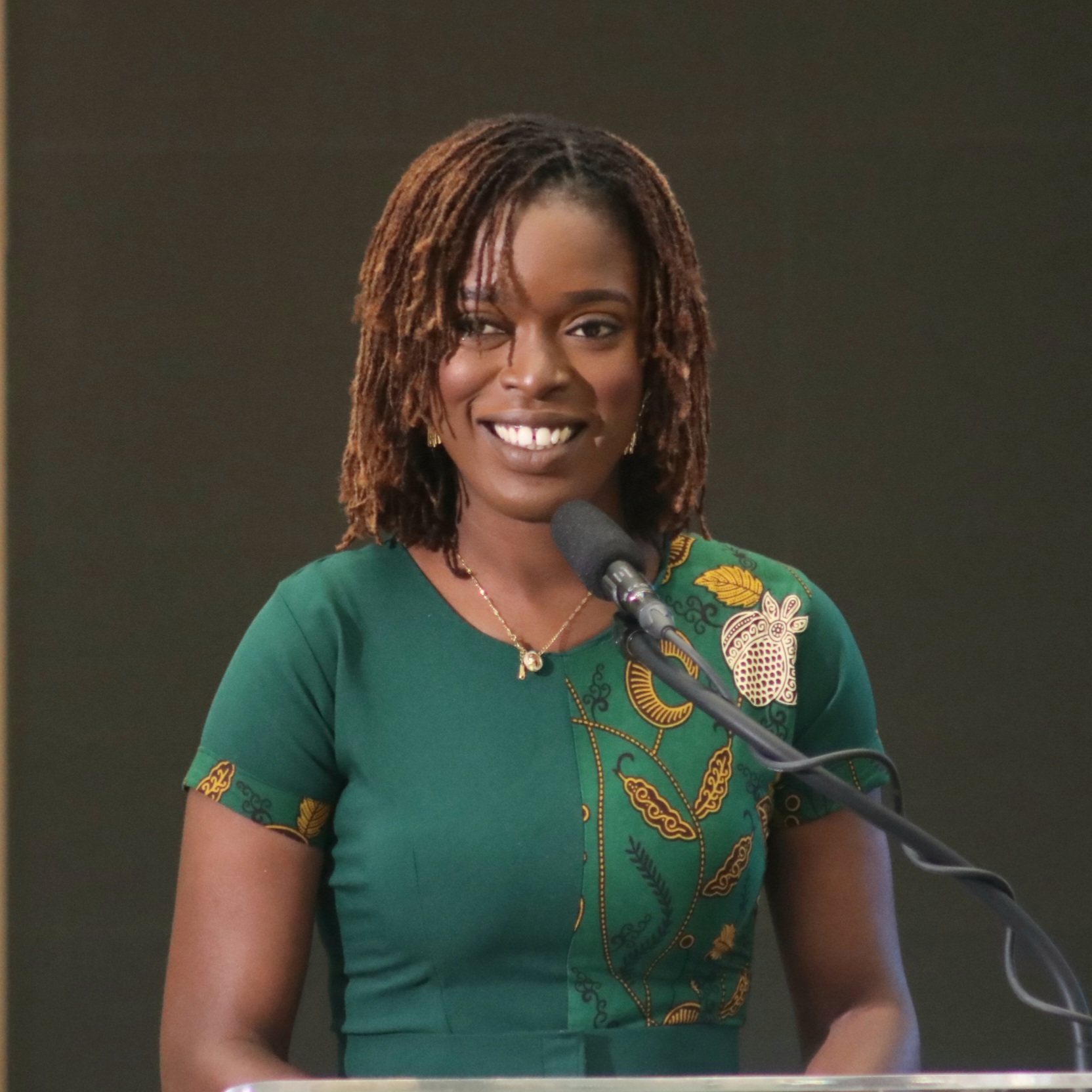
On a recent Saturday, Barbados’ Division of Youth Affairs brought together emerging youth leaders from across the country at a capacity-building workshop held at the Radisson Aquatica, with a clear mission: to empower youth-led organizations to claim their central role in advancing national development.
Addressing the gathered participants, Senator Roshanna Trim opened by pushing back against the common narrative that youth development is solely a government responsibility. While she acknowledged that the state and relevant ministries carry a formal duty to nurture young people’s growth, she stressed that independent youth organizations fill an irreplaceable niche in communities nationwide. “Every community deserves the vibrancy, the creativity, and the innovation of young people,” Trim told the audience, arguing that local youth groups bring energy and fresh perspective that no government agency can replicate on its own.
Trim, 31, highlighted a unique strength that sets youth-led initiatives apart from established, older-led organizations: natural peer-to-peer relatability. Young people navigating the shared pressures of modern life naturally connect with one another, she explained, creating a level of trust that crosses generational gaps. She noted that even a decade and a half difference in age can create noticeable divides in communication styles and cultural context, making youth-led outreach far more effective for engaging younger demographics. The core message, she emphasized, was for young leaders to recognize this inherent power rather than fixating on formal titles, and to focus on the tangible impact of their work driving social transformation.
Sharing decades of on-the-ground experience alongside Trim was Sophia Greaves-Broome, community development executive and CEO of the Pinelands Creative Workshop, who has spent 30 years leading civil society and multi-sectoral community programs. Greaves-Broome offered blunt, practical guidance for young leaders looking to build lasting, impactful organizations, focusing heavily on long-term sustainability in an increasingly challenging funding landscape.
She stressed that organizational longevity starts with a clear, inclusive vision that can inspire others to commit their time and energy. “It must be an inclusive vision where people can say, ‘I can align to that, I can respect that, I can work with that, I can give up my time for that,’” she explained, adding that deep personal sacrifice and unwavering belief in one’s mission are non-negotiable for lasting success.
Greaves-Broome also warned that the traditional donor model that once supported community nonprofits has shifted dramatically, evolving into a hyper-competitive space where funders demand measurable return on investment. To adapt, she urged young leaders to move beyond rigid, outdated organizational structures and embrace flexible social enterprise models that can generate sustainable revenue. She added that leaders must cultivate a habit of constant self-evaluation, regularly reexamining and restructuring their organizations to stay relevant in a rapidly changing social and economic environment.
Closing her remarks, Greaves-Broome reminded the emerging leaders that meaningful community transformation takes consistent, long-term effort, encouraging them to prioritize ongoing personal learning and maintain political neutrality to keep their work focused on serving the public good.