作者: admin

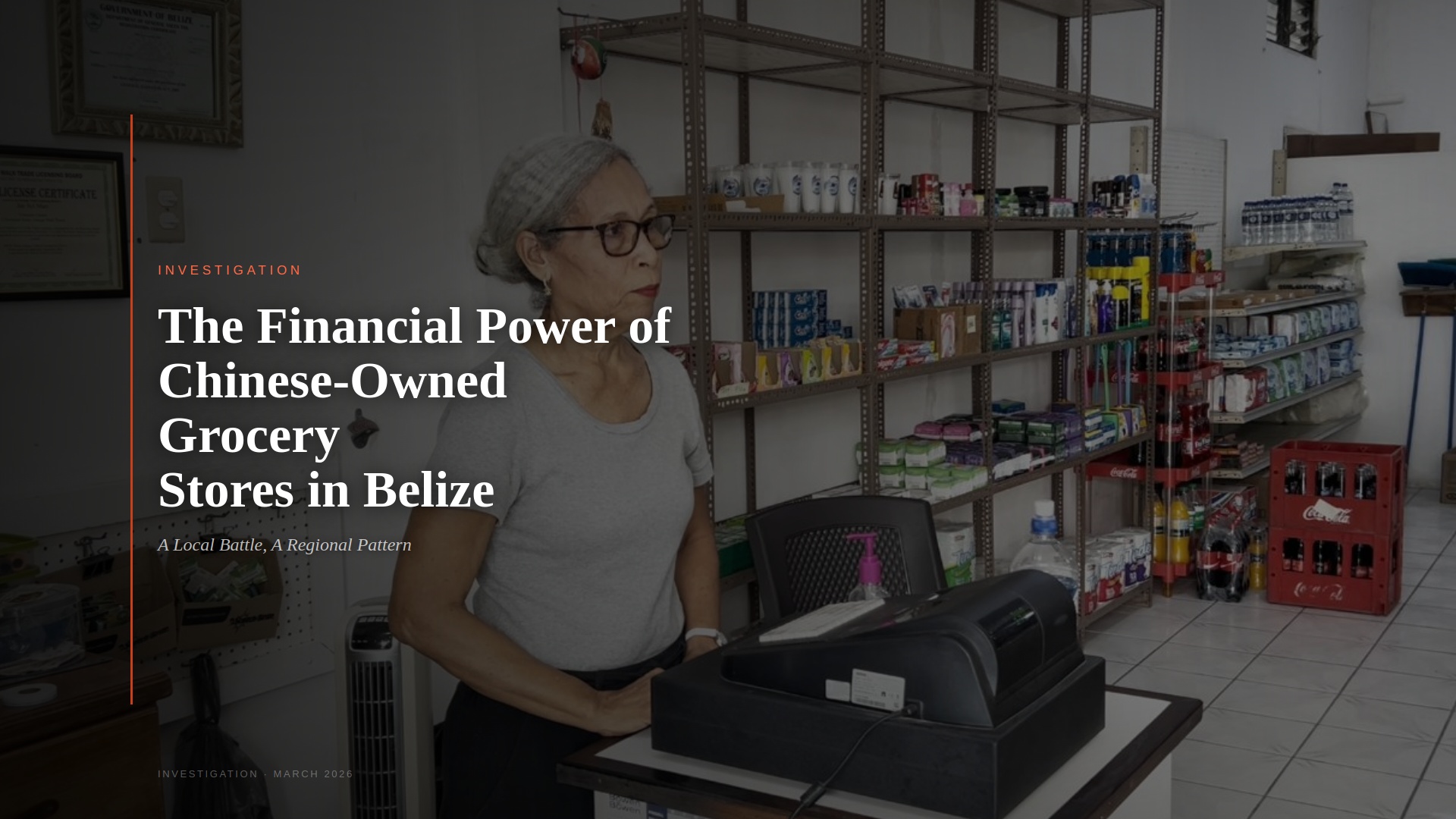
  • The Financial Power of Chinese-Owned Grocery Stores in Belize

    The Financial Power of Chinese-Owned Grocery Stores in Belize

    A profound transformation is underway in Belize’s retail grocery sector, where Chinese-owned supermarkets have established competitive dominance through radical cost control measures and informal financial networks. This shift has created intense pressure on traditional neighborhood stores that have long operated on personal relationships and community trust.

    In Orange Walk Town, 67-year-old Consuelo Catzim represents the struggling traditional model. Her store, Jansyl Mart, has served the community since 1999, operating on personal knowledge of customers and occasional credit extensions. “I started this because I had to survive,” Catzim recalls, having invested her retirement payout to support her children. Despite building deep community connections, her sales dropped sharply as customers migrated to Chinese-owned stores offering lower prices.

    The competitive gap stems from fundamentally different business models. A 2015 University of Belize study of 60 Chinese businesses revealed extraordinary operational discipline: 56.7% operate 12+ hours daily, 53.3% work all seven days weekly, and 58.3% maintain monthly expenses below BZD $9,000 despite 30% reporting monthly sales exceeding $50,000. Startup capital primarily came from family networks (45%) rather than bank loans (5%).

    This financial advantage is compounded by supply chain dynamics. Small retailers like Catzim pay significantly higher wholesale prices—sometimes $3 more per case than bulk buyers—forcing them to charge retail prices that cannot compete. “That five cents is what kills us,” Catzim explains, referencing the marginal price differences that determine shopping decisions.

    New enforcement data reveals additional competitive distortions. Belize’s Supplies Control Unit documented 136 establishments violating price control regulations for essential goods like rice, bread, and cooking oil. Violations included failure to display prices and selling above mandated maximums, with Chinese-owned stores disproportionately represented on violation lists.

    The expansion is fueled by sophisticated informal financing systems documented by University of Calgary researchers. Chinese entrepreneurs typically access capital through family networks, rotating credit associations, and overseas remittances rather than formal banking. This allows rapid deployment of capital despite higher effective interest rates.

    Dr. Osmond Martinez, Minister of State in Economic Transformation, views the competition as educational: “The reason why they have survived is because they have managed to capitalize on the finance that they have, the finance mechanism, and the network that they do have.” He encourages Belizean entrepreneurs to adopt similar collaborative approaches.

    The pattern extends beyond Belize. Nicaragua experienced an influx of 400 Chinese retail businesses following its 2024 Free Trade Agreement with China, while Guyana has seen similar market transformations. This regional trend highlights how informal entrepreneurial networks can reshape entire retail sectors through disciplined cost control and alternative financing mechanisms.

    As traditional shops decline—Orange Walk saw 27% closure in five years—the question remains whether Belize can preserve the community-oriented commerce represented by operators like Catzim while adapting to new competitive realities.
  • Laboratory confirmation of Lethal Yellowing Disease threatening Dominica’s coconut industry

    Laboratory confirmation of Lethal Yellowing Disease threatening Dominica’s coconut industry

    Dominica’s agricultural sector faces an unprecedented crisis as authorities confirm the arrival of Lethal Yellowing Disease (LYD), a devastating pathogen that threatens to decimate the nation’s coconut cultivation industry. The Ministry of Agriculture, Fisheries, Blue and Green Economy has officially verified the presence of this highly destructive disease affecting coconut and ornamental palms after comprehensive field investigations and laboratory analysis of samples from the Woodford Hill region in the North East Agricultural District.

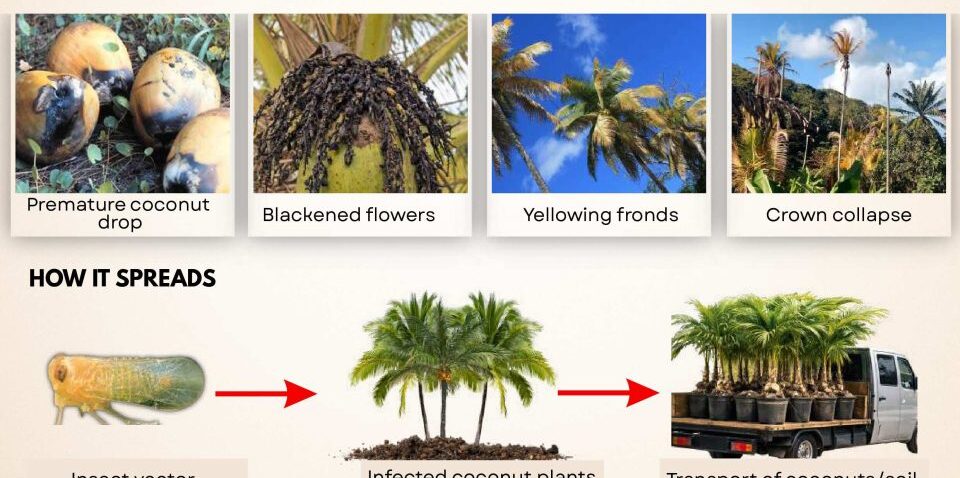
    The disease, transmitted by the plant hopper (Myndus Crudus), triggers rapid palm deterioration, typically killing infected trees within three to six months. This confirmation has triggered immediate emergency protocols due to the disease’s documented history of causing substantial economic damage across multiple Caribbean nations including Jamaica, St Kitts and Nevis, Cuba, the Bahamas, Antigua and Barbuda, and Guadeloupe.

    In response to this agricultural emergency, authorities have implemented a multi-faceted containment strategy. The Woodford Hill area has been designated as a quarantine zone or ‘red zone’ where coconut removal is strictly prohibited. Emergency measures include intensified surveillance, targeted destruction of infected and suspected palms, and rigorous sanitation procedures to prevent further spread.

    Beyond the immediate containment efforts, the government has launched extensive public awareness campaigns and community consultations to foster cooperation. Residents are urged to report symptoms including premature nut drop, blackening of flower clusters, or crown loss in palms. Transportation of coconut planting materials from affected areas is forbidden without official authorization from agricultural authorities.

    The ministry emphasized that coconuts represent one of Dominica’s ‘5 C’s’ priority crops, playing an indispensable role in supporting rural livelihoods through various economic activities including water nut sales, craftsmanship, small-scale industries, food processing, and local cuisine. Early detection and rapid response have been identified as critical components in the national effort to eradicate this threat to food security and economic stability.

    Regular updates on monitoring and response activities will be communicated to the public as the government continues its efforts to contain this significant agricultural threat.

  • Guyana hopes to stop importing bottled water

    Guyana hopes to stop importing bottled water

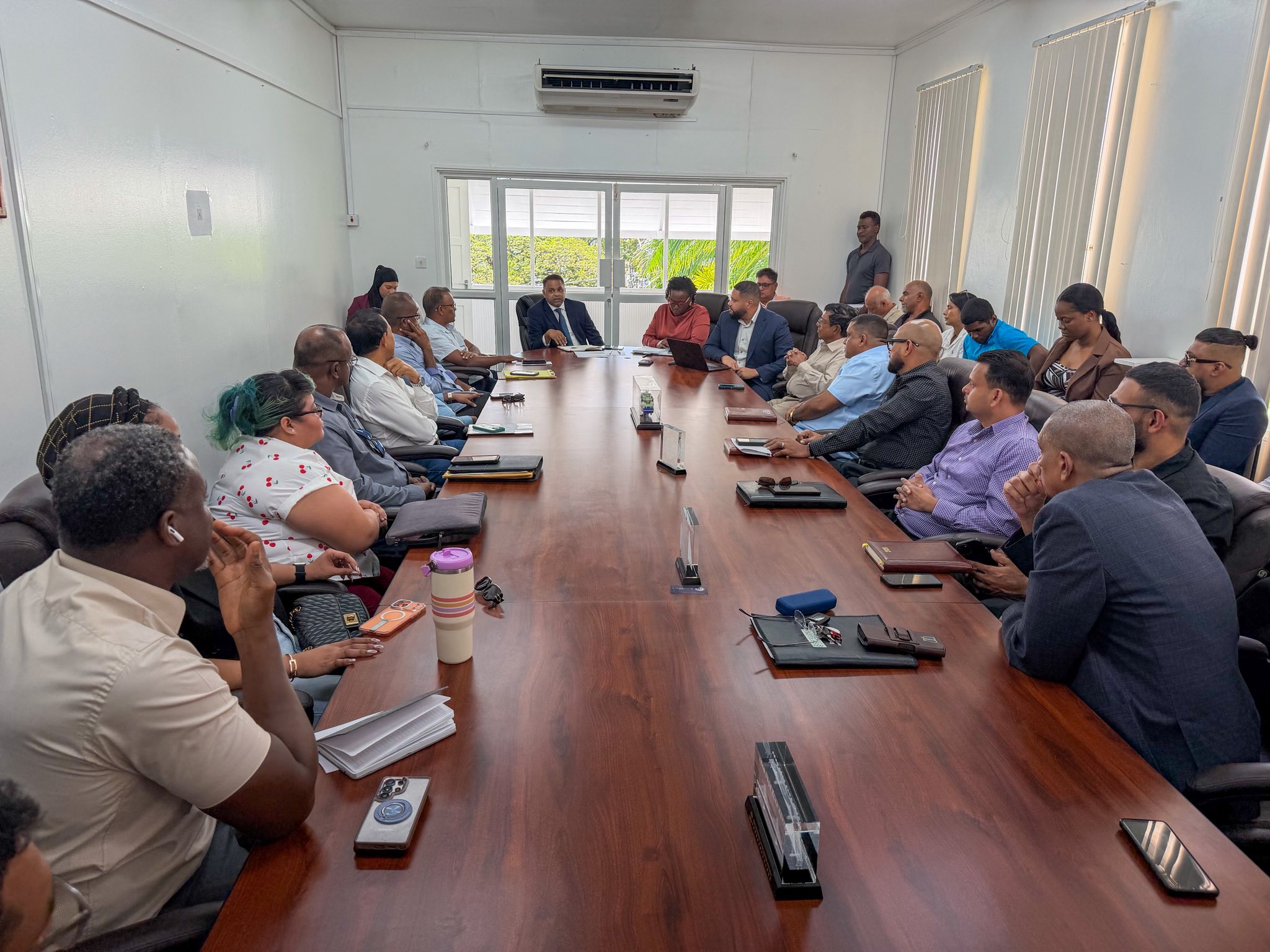
    In a significant move toward economic self-reliance, Guyana has launched an ambitious initiative to achieve complete domestic production of bottled water, potentially saving the nation approximately GY$150 million in annual import costs. The strategic plan emerged from high-level discussions between the Guyana Manufacturing and Services Association (GMSA), Public Utilities Minister Deodat Indar, and representatives from Guyana Water Inc.

    The initiative received presidential endorsement from President Irfaan Ali, who has championed the goal of 100 percent locally produced bottled water. This national strategy represents a transformative approach to reducing dependency on foreign bottled water products while stimulating domestic manufacturing capabilities.

    According to the GMSA, the comprehensive meeting held on March 18 addressed critical aspects of water manufacturing, including production challenges, distribution logistics, policy frameworks, investment incentives, and quality assurance protocols. Minister Indar engaged extensively with private water producers and distributors to establish collaborative pathways toward achieving this national objective.

    The manufacturing association emphasized that success hinges on a unified approach among all stakeholders and regulatory bodies to maintain consistent quality standards while expanding production capacity. The GMSA has committed to ongoing collaboration with government agencies and industry partners to enhance the local bottled water sector’s quality standards and global competitiveness.

    This import substitution strategy aligns with broader economic diversification efforts in Guyana, potentially creating new employment opportunities while retaining significant capital within the national economy. The estimated GY$150 million in import savings represents a substantial economic benefit for the developing nation.

  • Fake Winning Numbers Being Sold Online

    Fake Winning Numbers Being Sold Online

    The Belize Government Lotteries Limited (BGLL) has issued a formal public alert regarding a proliferation of fraudulent social media schemes targeting lottery participants. These deceptive operations involve the sale of purported ‘winning numbers’ for Boledo, Ordinary, and Jackpot games in exchange for monetary payment.

    BGLL officials have emphatically stated that advance knowledge of lottery results is fundamentally impossible due to their rigorous security protocols. Each drawing is conducted under stringent controls, including pre- and post-session ball weighing procedures. The process is overseen by senior public officers and independently verified by auditors from Coye and Associates at every event.

    The organization characterizes these fraudulent offers as deliberate public deception designed for illicit financial gain. BGLL further clarified that no authorization exists for lottery ticket sales through social media platforms, messaging applications, or any unofficial channels. Legitimate tickets are exclusively available through approved vendors.

    In their official communication, BGLL underscored the legal implications of participating in these schemes, noting that engagement with or support of such illegal activities may lead to criminal prosecution under Belizean law. The warning comes as part of broader efforts to maintain lottery integrity and protect consumers from financial fraud.

  • Community group urges action as Deux Branches ESIA documents finally made public amid transparency concerns

    Community group urges action as Deux Branches ESIA documents finally made public amid transparency concerns

    A contentious environmental transparency dispute has emerged in Dominica regarding the Deux Branches quarry project, following months of advocacy by environmental activists. The Save Deux Branches initiative has forced the public release of Environmental and Social Impact Assessments (ESIAs) amid mounting allegations that the quarry operation may serve as cover for unauthorized copper mining activities allegedly sanctioned by local authorities.

    The documents’ disclosure method has sparked significant concerns about governmental transparency and community rights. According to reports, the Physical Planning Division provided only three physical copies at their Roseau office, restricting viewing time to 90 minutes per person. Notably, no copies were made available digitally or provided to the Kalinago Territory community, which stands to be most affected by the project scheduled to commence in 2026.

    In response to these access limitations, activists and community members took independent action by scanning, uploading, and distributing the documents themselves. They delivered physical copies to the Kalinago Council office, asserting that environmental information access constitutes a fundamental right rather than a privilege for affected communities.

    With merely seven days remaining for public commentary submission, the situation has intensified into an urgent accountability matter. The assessments themselves reveal multiple concerning discrepancies: project maps indicate the quarry overlaps the Northern Forest Reserve despite official claims of no protected land impact; three ESIA versions contain conflicting factual information; no experts are identified or qualified within the report; and scientific assessments across geological, ecological, and hydrological domains appear substantially superficial.

    Additionally, the documents fail to reference international treaties including the Escazú Agreement and ILO Convention 169, which protect environmental information rights and Indigenous communities’ right to free, prior, and informed consent. The Save Deux Branches initiative urges public review and commentary submission to physicalplanning@dominica.gov.dm before the March 30 deadline, emphasizing that each submission is officially recorded and can influence the decision-making process. Documents are accessible via tinyurl.com/dbESIAfiles.

  • St. Mary’s North Registration Unit relocates

    St. Mary’s North Registration Unit relocates

    ST. JOHN’S, ANTIGUA AND BARBUDA – In a strategic move to bolster electoral participation, the Antigua and Barbuda Electoral Commission (ABEC) has announced the relocation of its St. Mary’s North Registration Unit to a more accessible community location. The new operational base will be situated on Golden Grove Main Road, within the premises previously occupied by the Christian Faith Academy, adjacent to the Dr. Allister Francis Campus.

    This transition, effective from Monday, March 23rd, 2026, represents a significant enhancement in ABEC’s service delivery framework. The commission’s initiative is designed to streamline voter registration processes and improve constituent engagement by situating essential electoral services directly within the community. The relocation eliminates geographical barriers, offering residents expedited access to a comprehensive suite of electoral services, including new voter registrations, transfer applications, and replacement of expired Voter’s ID Cards.

    ABEC’s operational schedule remains consistent with previous arrangements. Constituents can avail themselves of these services from Monday through Thursday, 8:30 AM to 4:00 PM, and on Fridays from 8:30 AM to 3:00 PM. This relocation underscores ABEC’s commitment to fostering democratic participation through improved logistical planning and community-centric service models.

  • Bocage students receive corrective glasses from TEF

    Bocage students receive corrective glasses from TEF

    In a significant educational support initiative, thirteen students from Bocage Secondary School have received prescription eyewear through a charitable program organized by the Tourism Enhancement Fund (TEF). The vision correction effort originated from comprehensive eye assessments conducted during the Kids Insight Medical Mission in January and February, where medical professionals identified vision impairments and prescribed appropriate corrective lenses.

    The formal distribution ceremony occurred on March 18, 2026, when TEF representatives visited the school to personally deliver the glasses to beneficiaries. For fifth-form student Brandon Abraham, the intervention came after months of academic struggle caused by deteriorating vision. “My eyes started troubling me, started scratching, started watering,” Abraham recounted. He described a particularly alarming incident during an examination: “There was once when I was writing an exam and then I just started seeing blue and I was like, ‘what’s going on with my eyes?’”

    Following the distribution, Abraham expressed profound relief: “God has blessed me with this new pair of glasses to see again, to see well.”

    Tamara Amos, TEF Technical Officer for Community Projects, emphasized the program’s significance within the organization’s youth development framework. “We are happy to be here today to deliver the glasses to the well-deserving students,” Amos stated, noting that the initiative falls under the broader Kids Insight programme that has benefited children nationwide. “The TEF is really happy and elated to be part of such a wonderful initiative,” she added.

    School Principal Cuthbert Elizee welcomed the intervention as a critical academic support measure. “We know that those glasses are going to go a long way in enhancing the students’ learning,” Elizee remarked. He highlighted the often-overlooked connection between vision problems and academic performance: “We know over the years the students have been doing poorly, and it is not because they are not intelligent and they are not bright. But their vision has been impacted and as a matter of fact, they are unable to see, to be able to read, to be able to write and do their tests and so on.”

    The timing proved particularly crucial for three fifth-form students preparing for imminent CXC regional examinations. Principal Elizee expressed the school’s profound gratitude, stating: “I don’t think words can adequately say how we feel about the support that we are receiving for our children.”

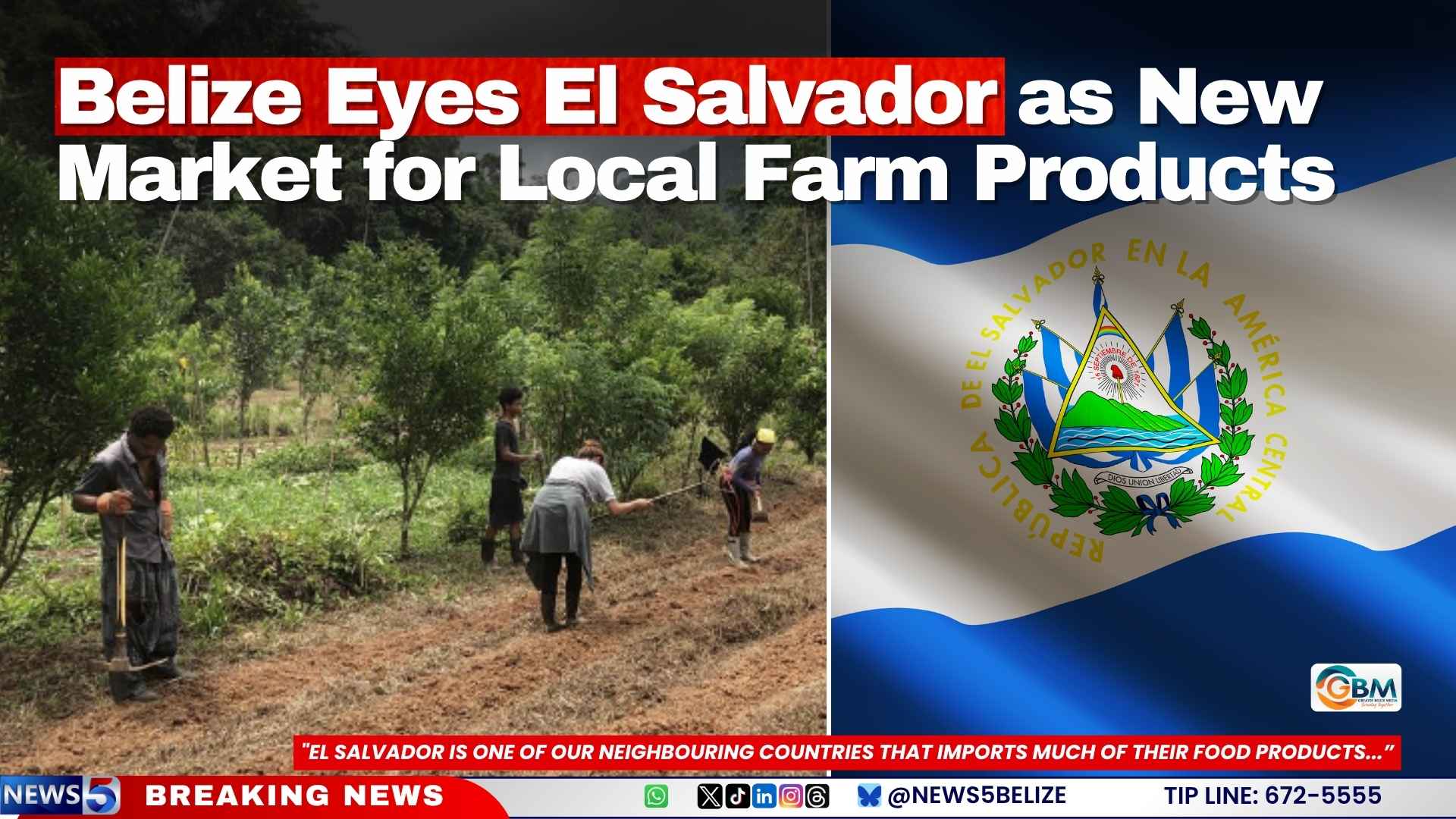
  • Belize Eyes El Salvador as New Market for Local Farm Products

    Belize Eyes El Salvador as New Market for Local Farm Products

    Belize is establishing a groundbreaking agricultural trade pathway that will transport domestic farm products through Guatemala to reach markets in El Salvador. This strategic initiative follows successful diplomatic negotiations between high-ranking officials from the participating nations.

    Agriculture Minister Rodwell Ferguson recently convened with Guatemalan counterparts to finalize logistical arrangements for the seamless transit of Belizean commodity containers through Guatemalan territory. Both parties characterized the discussions as exceptionally constructive, marking a significant milestone toward operationalizing this new trade artery.

    A formal bilateral agreement between Belize’s Ministry of Agriculture and El Salvador, facilitated through its diplomatic representative in Belize, is slated for signing before April’s conclusion. This pact will explicitly outline the specific agricultural products designated for export under the arrangement.

    The Ministry of Agriculture, Food Security and New Growth Industries emphasized in an official communiqué that this endeavor constitutes a pivotal component of its comprehensive strategy to identify and develop fresh market opportunities for Belizean agricultural producers. “El Salvador represents a neighboring nation that currently imports substantial quantities of food products,” the ministry noted. “Our market access dialogues with Salvadoran authorities have yielded particularly promising outcomes to date.”

  • Portvale workers off the job for a second day

    Portvale workers off the job for a second day

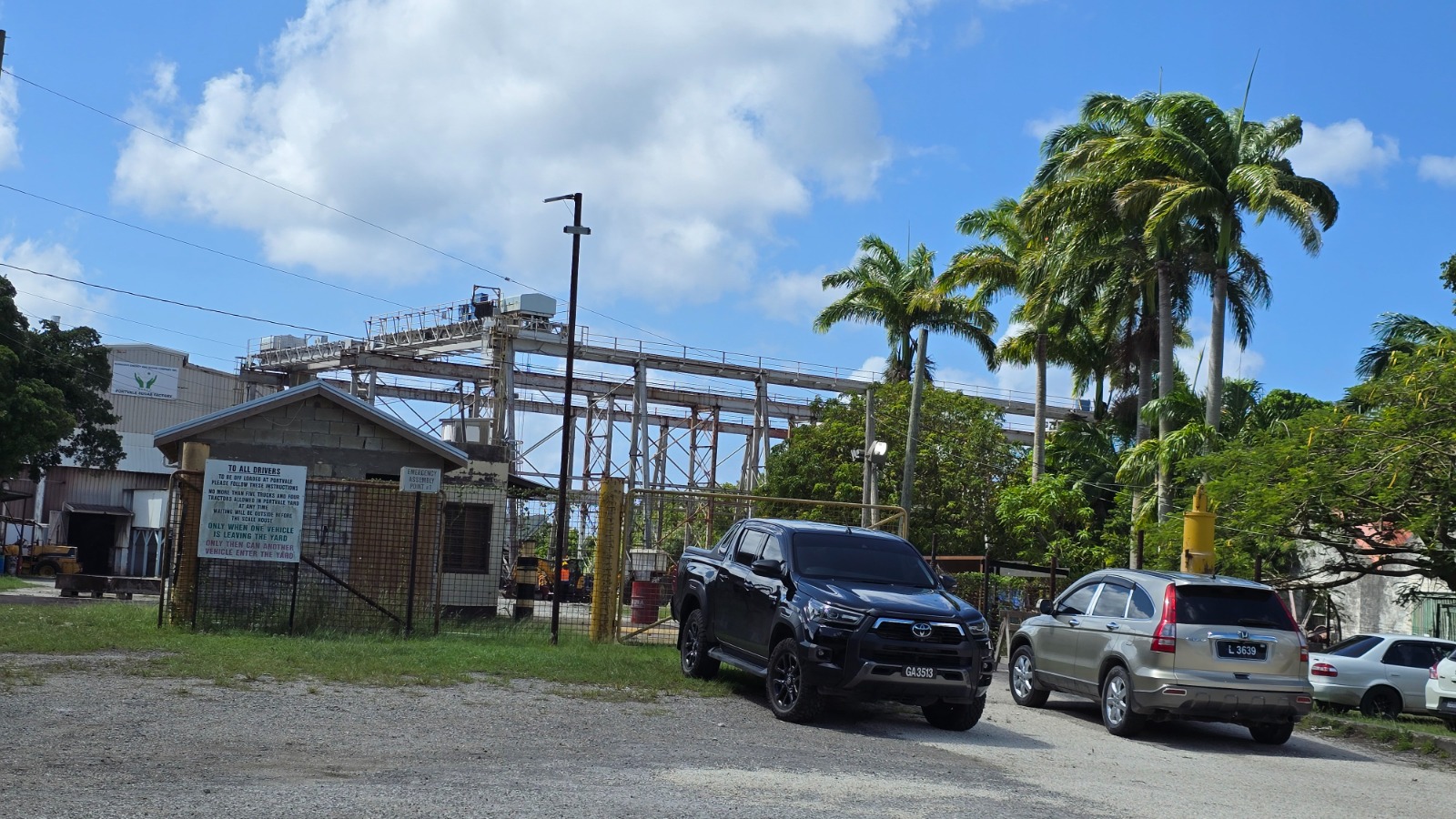
    The Portvale sugar factory in Barbados has been plunged into renewed industrial action as approximately 50 employees initiated an unexpected walkout. The labor disruption emerged when United Workers’ Union (UWU) members, under the leadership of General Secretary Caswell Franklyn, were instructed to leave the premises after reporting for their scheduled shifts. According to sources familiar with the situation, the directive for workers to return home stemmed from a pre-existing arrangement involving a separate labor organization, though specific details regarding this arrangement remain undisclosed. This development triggered a chain reaction, with remaining UWU-affiliated staff subsequently withdrawing their labor in solidarity. Plant operations have been significantly impacted by the work stoppage. Management and union representatives have convened an emergency meeting to address the escalating situation, with stakeholders anticipating further clarification once discussions conclude. The incident highlights ongoing tensions within Barbados’s industrial relations landscape and raises concerns about production continuity at the vital sugar processing facility.

  • Actieheld Chuck Norris overleden op 86-jarige leeftijd

    Actieheld Chuck Norris overleden op 86-jarige leeftijd

    Hollywood mourns the loss of an entertainment icon as Chuck Norris, the legendary martial artist and actor renowned for his tough-guy persona in films and television, has passed away peacefully at age 84. His family confirmed the news through an official statement posted on his Instagram account this Friday, noting he was surrounded by loved ones at the time of his passing.

    Norris rose to international fame through his remarkable career that spanned over three decades, beginning with his iconic showdown against Bruce Lee in the 1973 classic “The Way of the Dragon.” His performance in the Roman Colosseum scene launched him into stardom, leading to more than two dozen films where he typically portrayed rugged individualists, soldiers, law enforcement officers, and American heroes who tackled criminals, freed prisoners of war, and combated terrorism.

    Beyond his filmography, Norris became a cultural phenomenon through the internet-era “Chuck Norris Facts”—humorous memes exaggerating his invincibility and machismo that spread virally across the globe. These satirical jokes, such as “Chuck Norris doesn’t do push-ups, he pushes the Earth down,” cemented his status as a pop culture legend.

    From 1993 to 2001, Norris captivated television audiences as Sergeant Cordell Walker in the hit series “Walker, Texas Ranger,” further solidifying his tough-guy image. Time Magazine recognized him in 1985 as “the ultimate tough guy” and praised his undisputed superstar status within the action genre.

    Born Carlos Ray Norris on March 10, 1940, in Ryan, Oklahoma, Norris overcame a challenging childhood characterized by shyness and non-athleticism. His transformation began through his service in the U.S. Air Force and martial arts training in South Korea, where he developed into a six-time undefeated World Professional MiddleWeight Karate Champion.

    His career received a significant boost when actor Steve McQueen encouraged him to emphasize his physical presence over dialogue. Beyond acting, Norris founded his own martial arts style, Chun Kuk Do, in 1990 and established the nonprofit Kickstart Kids program to build youth confidence through martial arts training.

    A proud patriot, conservative, and devout Christian, Norris collaborated with the National Rifle Association and authored several books, including memoirs and fiction novels. While his films occasionally faced criticism for their violent content, Norris consistently defended the action genre as a medium for storytelling where good ultimately triumphs over evil.

    Chuck Norris leaves behind an enduring legacy as an icon of resilience, strength, and determination, beloved by millions of fans worldwide who will remember his contributions to both entertainment and martial arts.