作者: admin

  • What Barbados’ republican journey teaches parents about raising principled children

    What Barbados’ republican journey teaches parents about raising principled children

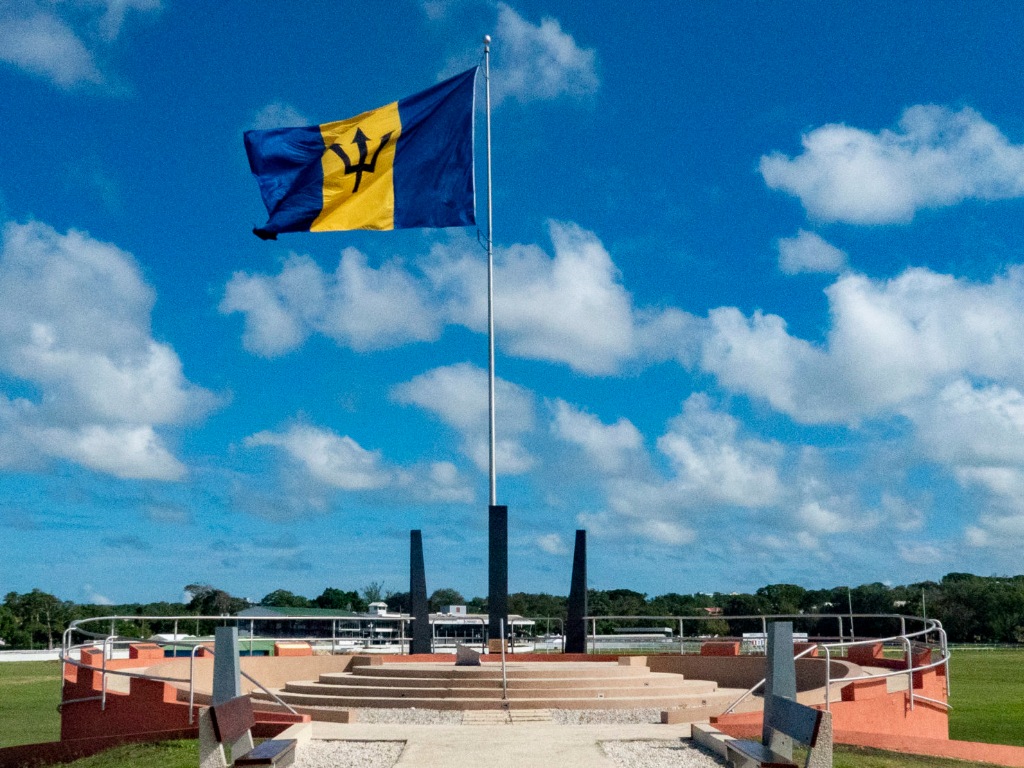
    The transformation of Barbados from colonial territory to independent republic offers profound insights into the universal process of raising autonomous individuals. When the island nation lowered the Union Jack on November 30, 1966, it embodied the tentative first steps of a child venturing into sovereignty. The subsequent declaration of republican status in 2021 represented the mature assertion of self-governance—akin to an adult claiming full agency over their destiny.

    This parallel between national development and child-rearing reveals fundamental truths about independence. Both processes involve gradual release of control, establishment of identity, and the delicate balance between freedom and responsibility. Barbados’ journey demonstrates that true sovereignty isn’t about rejecting history but about claiming one’s narrative while building resilient institutions.

    The nation’s progression—from political sovereignty to republican status to maintaining global competitiveness as a small island developing state—mirrors the developmental stages of childhood. Each phase required appropriate guardrails: legal frameworks for the nation, protective boundaries for children. The late Prime Minister Errol Walton Barrow’s stewardship emphasized that independence without responsibility leads to chaos, a principle equally applicable to parenting.

    Central to both journeys is identity formation. Barbados’ republican transition symbolized confidence in national selfhood, just as children require a strong sense of identity to navigate autonomy. This involves instilling pride in heritage while allowing space for individual expression, even when choices diverge from traditional expectations.

    Effective independence management requires autonomy support combined with open communication. Barbados maintained international relationships while asserting self-determination, similar to how parents can respect children’s agency while maintaining familial connections. The nation’s resilience through economic shocks, climate threats, and global uncertainty demonstrates the importance of preparing both nations and children for inevitable challenges.

    Ultimately, Barbados’ story provides a blueprint for nurturing independence through gradual release of control, celebration of milestones, and anchoring freedom in core values. Both national sovereignty and successful parenting represent acts of faith—not in the absence of difficulties, but in the capacity to overcome them through strengthened identity and embraced responsibility.

  • New PM promises inclusive, prayerful governance

    New PM promises inclusive, prayerful governance

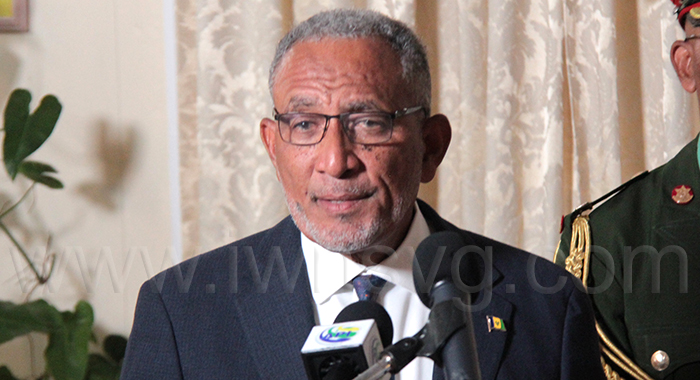
    KINGSTOWN, St. Vincent – In a historic political transition, Godwin Friday was formally inaugurated as the fifth Prime Minister of St. Vincent and the Grenadines since the nation gained independence in 1979. The swearing-in ceremony, conducted by Governor General Dame Susan Dougan on Friday evening, marked the culmination of a decisive electoral victory that ended the 24-year governance of Ralph Gonsalves’ Unity Labour Party (ULP).

    Friday’s New Democratic Party (NDP) achieved an extraordinary 14-1 mandate in Thursday’s general election, preventing the ULP from securing an unprecedented sixth consecutive term. The 66-year-old leader, also a seasoned attorney, pledged to govern inclusively, emphasizing his commitment to serve “for all the people of this country.”

    In his inaugural address, Prime Minister Friday outlined a vision centered on national unity and transformative development. “It is my duty to uplift living standards, moral values, hopes and expectations of our people,” he declared, emphasizing the need to transcend partisan politics. He stressed the importance of collective effort for national progress, noting that the country’s population of under 110,000 should be viewed as “precious, not small.”

    The new Prime Minister acknowledged the significant challenges ahead, referencing policy plans presented during the campaign while remaining open to alternative solutions. He expressed particular commitment to addressing economic disparities, stating, “It does us no good as a people for some to be thriving while others are struggling.”

    Friday paid tribute to his predecessor, Arnhim Eustace, who led the NDP from 2000 to 2016, recognizing his foundational contributions to the party. Governor General Dougan offered both congratulations and counsel, urging the new administration to foster an inclusive society and progressive agenda while navigating global turbulence.

    The ceremony also honored former Prime Minister Gonsalves for his quarter-century of public service, with the Governor General noting the foundation established during his tenure. Gonsalves remains the sole ULP representative in the new Parliament.

    Prime Minister Friday announced that his cabinet appointments would be revealed next week, with the administration immediately commencing work on implementing its campaign commitments under what he described as “a new dawn” for the nation.

  • Renewables body wants ‘fair access’ to grid after new utility licence approved

    Renewables body wants ‘fair access’ to grid after new utility licence approved

    The Barbados Renewable Energy Association (BREA) has issued a compelling call for strengthened regulatory safeguards and equitable grid access policies following the government’s decision to award Barbados Light and Power Company with a substantial 30-year national grid management license. This development, formalized through an agreement with the Ministry of Energy, has prompted BREA President Meshia Clarke to emphasize the critical need for transparency and accountability within the island’s power sector.

    While recognizing the license agreement as a pivotal milestone that provides essential regulatory clarity and establishes the legal framework for utility operations, BREA maintains that the true measure of success will lie in its implementation. The association contends that mere contractual formalization falls short without concrete mechanisms ensuring fair grid accessibility and accelerated renewable integration.

    BREA’s leadership articulated both the opportunities and responsibilities inherent in this long-term arrangement. The license presents potential for sustained investment and technological innovation within Barbados’ electricity infrastructure. Conversely, it carries the responsibility to guarantee nondiscriminatory grid access, particularly for small and medium enterprises, independent power producers, and residential consumers seeking renewable interconnection.

    The association emphasized that delayed interconnection processes and restrictive practices would directly undermine national energy objectives and effectively limit grid accessibility. With regulatory stability now established, BREA expects the utility to prioritize resolving grid stability challenges to facilitate seamless renewable integration.

    Acknowledging Light and Power’s previous cooperation in energy transition efforts and consistent service delivery despite prior licensing ambiguities, BREA nevertheless stressed the necessity of robust oversight. The Ministry of Energy and Fair Trading Commission must ensure utility operations align with national policy directives without compromising consumer or investor interests.

    The recent devastation caused by Hurricane Melissa in Jamaica served as a sobering reminder of why community resilience through energy participation is fundamentally essential rather than optional. BREA advocates for meaningful involvement pathways for schools, churches, and community organizations in the energy transition process.

    Transparent performance reporting and public disclosure mechanisms were highlighted as critical components for building institutional trust and maintaining accountability. As Barbados pursues ambitious 2035 renewable energy and carbon-neutrality targets, BREA insists the new license must catalyze accelerated adoption rather than perpetuate outdated practices. The association pledged continued stakeholder engagement through technical collaboration and public education initiatives to transform the license into an instrument for inclusive growth and sustainable energy transformation.

  • President of the Barbados Co-operative & Credit Union League underscores unity, resilience, stability in his Independence Message.

    President of the Barbados Co-operative & Credit Union League underscores unity, resilience, stability in his Independence Message.

    As Barbados commemorates another year of independence, the nation’s credit union movement reflects on its pivotal role in fostering economic resilience and community empowerment. Under the leadership of the Barbados Co-operative & Credit Union League, the movement has embraced a philosophy centered on growth, collaboration, and harmony to navigate contemporary challenges.

    This year’s celebrations coincide with strategic advancements within the financial sector, where credit unions have prioritized systemic modernization while maintaining compassionate member services. The movement has demonstrated remarkable adaptability in addressing pressing issues such as rising living costs and small business revitalization through tailored financial solutions.

    Collaboration emerges as a cornerstone achievement, with strengthened partnerships between credit unions, government entities, and community organizations. This cooperative approach has facilitated knowledge sharing, resource optimization, and meaningful contributions to national dialogues on financial wellbeing.

    The movement’s resilience shines through its ability to withstand global economic pressures and rapidly evolving financial landscapes while preserving its core identity. This endurance enables continuous service improvement without compromising the fundamental principles of fairness and transparency.

    Harmony remains the guiding principle ensuring balanced decision-making that benefits broader communities rather than select interests. As Barbados progresses, the credit union movement reaffirms its commitment to values that have historically strengthened both the organization and the nation.

    The independence anniversary serves as both milestone and reminder of the movement’s ongoing mission: to create equitable opportunities for all Barbadians through financial inclusion and community support.

  • Scotland District road rehab ‘makes progress’

    Scotland District road rehab ‘makes progress’

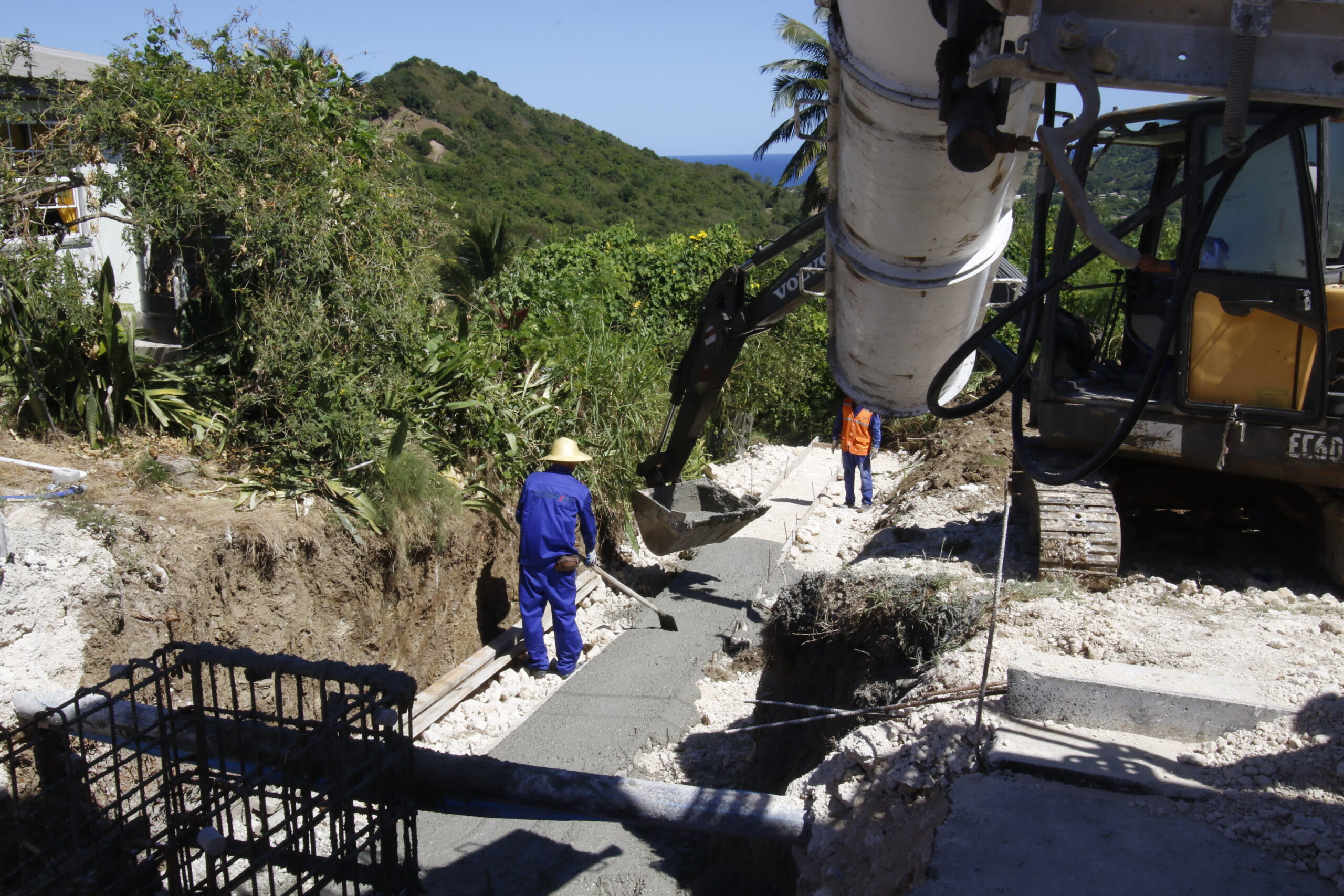
    In the geologically volatile Scotland District of Barbados, two of the most technically complex routes in the national road rehabilitation program—Ermy Bourne Highway and Highway F (Phase 2)—are progressing toward their completion deadlines of July 2026 and August 2024 respectively. Chinese state contractor COMPLANT, leading the infrastructure initiative, confirmed the timeline despite confronting substantial environmental and technical obstacles.

    Project Manager Wang Wei detailed the multifaceted challenges facing engineering teams, including unstable terrain patterns, seasonal rainfall disruptions, and the logistical complexities of utility relocations. The project, launched in 2020 and funded through a concessional loan from China’s Export-Import Bank, focuses on one of Barbados’ most fragile geological zones, spanning the erosion-prone region of St Andrew characterized by unstable clay, chalk soils, and high landslide susceptibility.

    Additional high-priority sites accelerated by the Ministry of Transport & Works due to structural deterioration and public inconvenience include White Hill, Laynes Bridge, Airy Hill Bridge, and Melvins Hill Bridge. Wang emphasized that many bridges and culverts, such as Bruce Vale Bridge, required complete reconstruction after decades of service in corrosive conditions left them structurally compromised and unsuitable for modern transportation demands.

    Road degradation has been largely attributed to aged asphalt surpassing its service life and inadequate drainage infrastructure, permitting water infiltration that damaged subgrades and triggered localized collapses—notably at Bloomsbury and Laynes Bridge gully.

    To date, 11 roads including Jemmotts Road and Chance Hill Road have been fully paved, with active construction ongoing across 16 additional roads, bridges, and culverts. Eight bridges are scheduled for reconstruction, with Bruce Vale Bridge already completing pile foundation works and nearing abutment construction.

    COMPLANT has implemented rigorous environmental and geotechnical safeguards, including Dynamic Cone Penetration testing and detailed subsurface investigations. Collaboration with government forester Nigel Jones ensured protection of rare species during excavation phases. Despite persistent challenges, Wang reaffirmed the team’s commitment to high construction standards and scientific management practices to ensure both quality and timeliness of the project.

  • Parliament adjusts excise tax to encourage import and trading of older vehicles

    Parliament adjusts excise tax to encourage import and trading of older vehicles

    The Commonwealth of Dominica has enacted significant fiscal legislation through parliamentary approval, introducing a dual-measure approach to transportation policy. The Excise Tax Amendment for 2025 establishes a tiered taxation system for imported vehicles based on manufacturing age, while simultaneously reintroducing the Highway Maintenance Levy to fund infrastructure projects.

    Finance Minister Dr. Irving McIntyre presented the comprehensive policy framework during the 2025-2026 National Budget address. The revised excise structure maintains a minimal 1 percent charge on vehicles under five years old, while implementing progressive increases: $3,000 for vehicles aged 5-10 years, $4,000 for 10-15 years, and $10,000 for vehicles exceeding 15 years. Concurrently, the general excise tax rate for vehicles under ten years will decrease from 28 percent to 25 percent.

    Dr. McIntyre emphasized the environmental and economic rationale behind these measures. “This initiative encourages population transition toward newer, more efficient vehicles with reduced carbon emissions and lower maintenance costs,” he stated during parliamentary proceedings. The minister highlighted multiple benefits including improved road safety, reduced environmental impact, and support for local vehicle commerce.

    Separately, the government legislated the reinstatement of the Highway Maintenance Levy effective October 1, 2025. Private vehicles will incur a $100 annual charge, with motorcycles assessed at $50. Commercial vehicles face scaled rates based on weight classifications, ranging from $150 for vehicles under 6,721 pounds to $500 for those exceeding 33,600 pounds.

    The levy, originally implemented in 2015-2016 and generating $10.4 million before its 2022 suspension, previously funded critical infrastructure including the Charles Avenue rehabilitation project. Dr. McIntyre noted the initial repeal responded to fuel price surges during the Russia-Ukraine conflict, but current normalized fuel prices and substantial road infrastructure investments necessitate the levy’s restoration.

    Vehicle owners are encouraged to consider these contributions as investments in national development and infrastructure sustainability.

  • Ten Caribbean Journalists Awarded First CETRI Reporting Grants

    Ten Caribbean Journalists Awarded First CETRI Reporting Grants

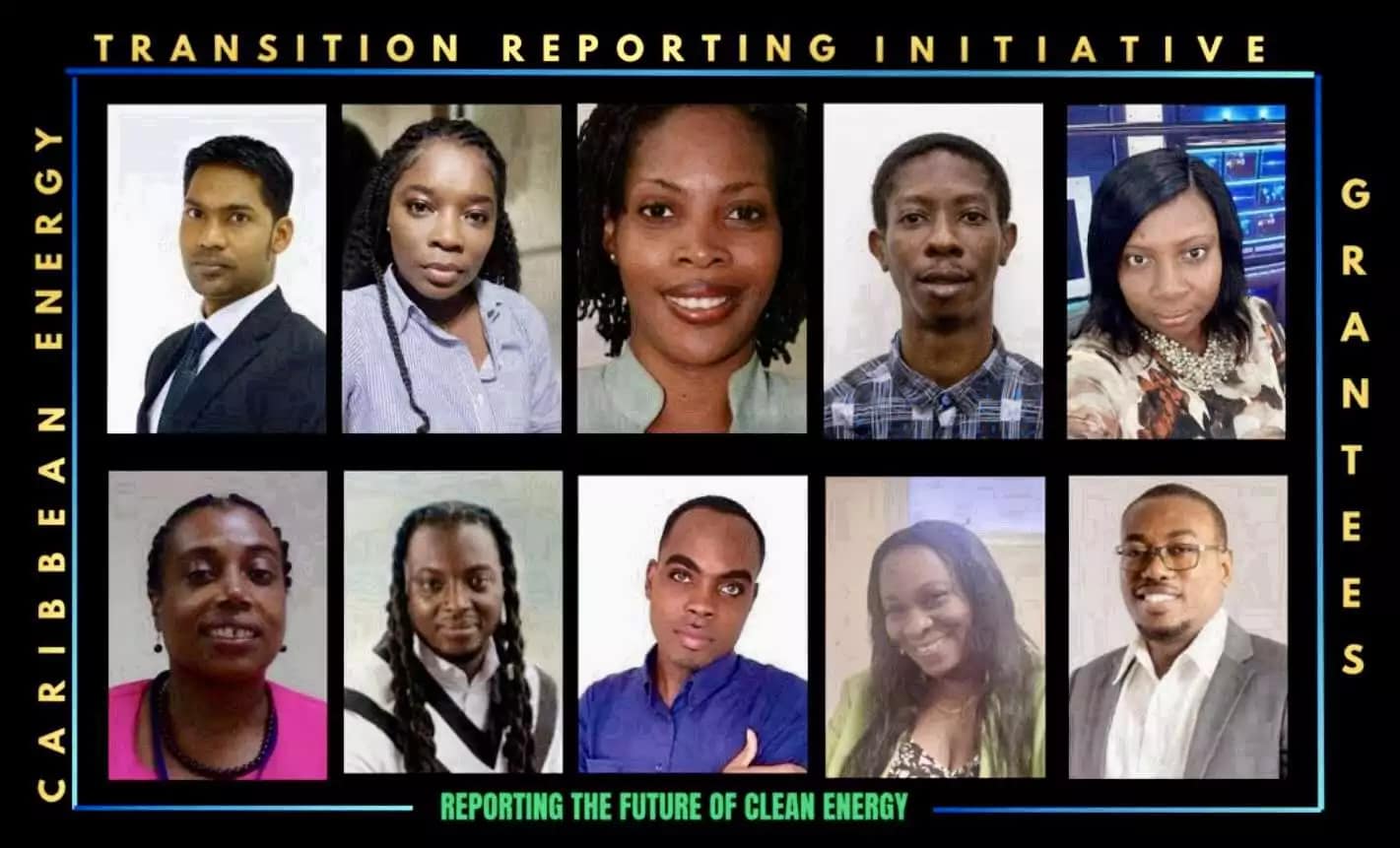
    In a significant advancement for regional journalism, ten Caribbean journalists have been chosen as the inaugural recipients of reporting grants from the Caribbean Energy Transition Reporting Initiative (CETRI). This strategic program aims to enhance media coverage of clean energy developments and climate resilience efforts throughout the region.

    The selected cohort represents a diverse mix of seasoned reporters and promising emerging journalists who will develop human-centered narratives documenting the transition toward low-carbon economic development. These grants build upon CETRI’s expanded 2025 training curriculum, which recently featured both virtual learning sessions and the initiative’s first physical workshop held in Dominica under the thematic banner ‘Science Meets Storytelling.’

    Established specifically to strengthen regional capabilities in energy journalism, CETRI maintains a core mission of providing Caribbean communities with trustworthy, research-driven information concerning renewable energy alternatives, climate adaptation strategies, and technological innovation. The initiative functions as a critical bridge between scientific expertise and public understanding.

    Project Coordinator Alison Kentish characterized the grant awards as representing ‘a milestone for regional journalism,’ noting that they directly respond to increasing demands for more profound and community-focused energy reporting. With Caribbean interest in climate resilience intensifying, CETRI has outlined ambitious plans to further extend its training programs, expert networks, and reporting support mechanisms through 2026.

    This sustained effort seeks to guarantee that the Caribbean’s ongoing energy transition is chronicled with journalistic precision, substantive depth, and consistent attention to human consequences, ensuring local narratives remain at the forefront of the global climate dialogue.

  • Major survey finds most women suffered intimate partner violence

    Major survey finds most women suffered intimate partner violence

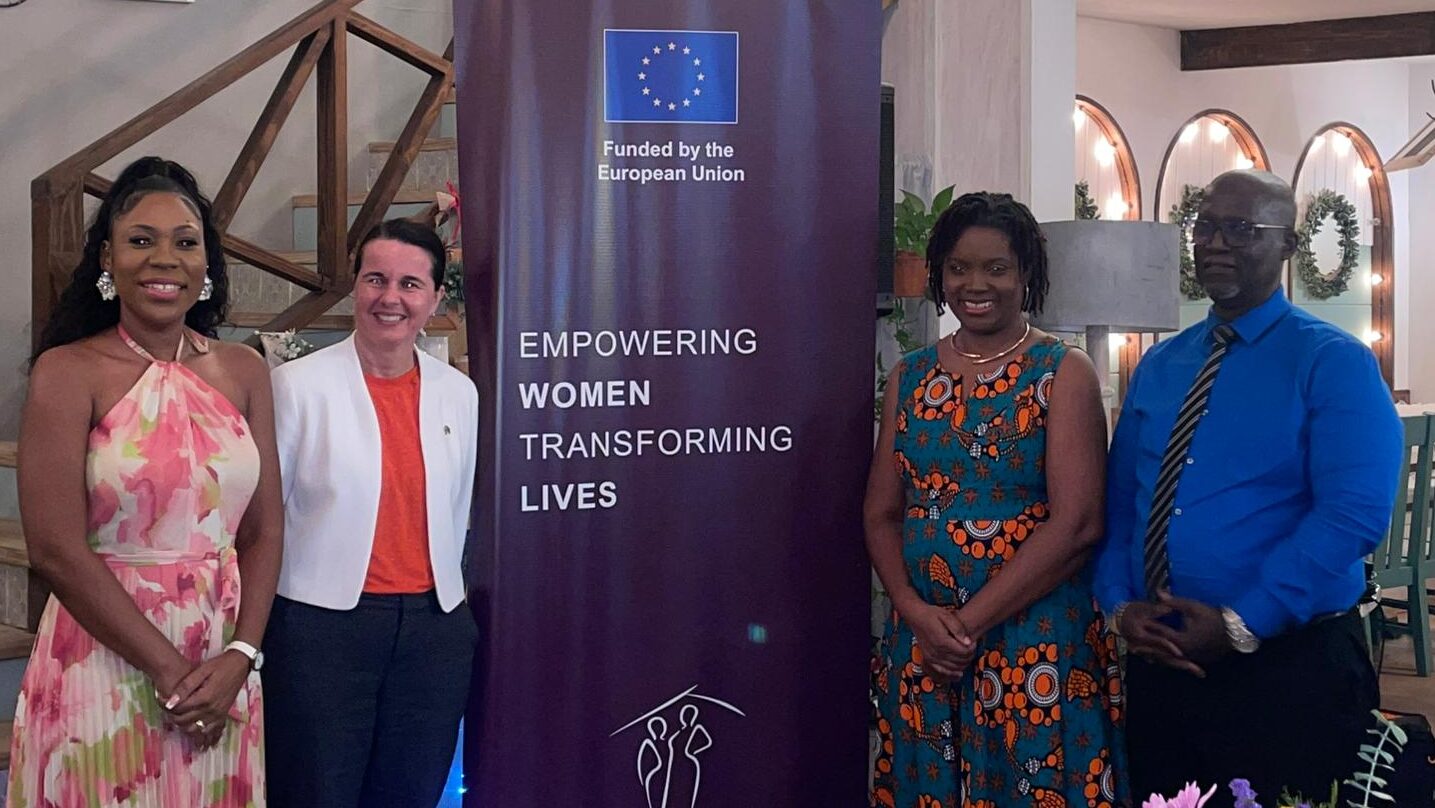
    A groundbreaking national survey in Barbados has uncovered alarming rates of gender-based violence, revealing that nearly two-thirds of women have suffered intimate partner abuse. The comprehensive study, conducted by DB Research Services and commissioned by advocacy group Jabez House with European Union funding, exposes what officials are calling a “national emergency” requiring immediate coordinated action.

    The National Intimate Partner Violence Survey, which interviewed 515 individuals across diverse demographics, found emotional abuse to be the most prevalent form at 37%. Social isolation followed at 25%, with physical violence affecting 22% of respondents. Most disturbingly, 46% of survivors reported experiencing multiple categories of abuse simultaneously, indicating that violence typically manifests as interconnected behavioral patterns rather than isolated incidents.

    The data release coincided with Barbados’ launch of the Red Shoes Project and local observances of the 16 Days of Activism Against Gender-Based Violence. EU Ambassador Fiona Ramsay emphasized that the findings “demand not just empathy but action,” noting the particular concern of rising digital violence in online spaces. She called for enhanced protections, improved reporting systems, and greater accountability from technology companies to ensure digital platforms become tools for safety rather than endangerment.

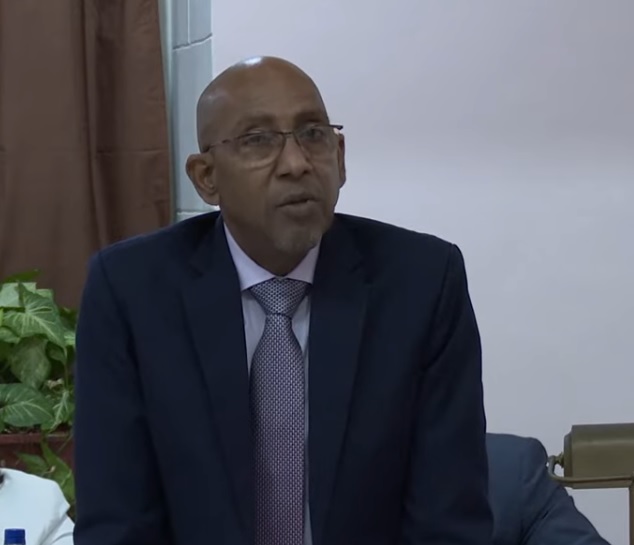
    Permanent Secretary Wayne Marshall of the Ministry of People Empowerment and Elder Affairs declared the situation “no longer a private tragedy but rather, a national emergency.” He stressed the urgent need for collaborative efforts between government agencies, NGOs, and international partners to provide survivors with comprehensive support systems including justice mechanisms, psychological services, and safe spaces. Marshall emphasized that addressing this crisis requires both legislative reform and profound cultural transformation.

  • Dodental bij overstromingen in Thailand, Indonesië en Maleisië stijgt tot meer dan 300

    Dodental bij overstromingen in Thailand, Indonesië en Maleisië stijgt tot meer dan 300

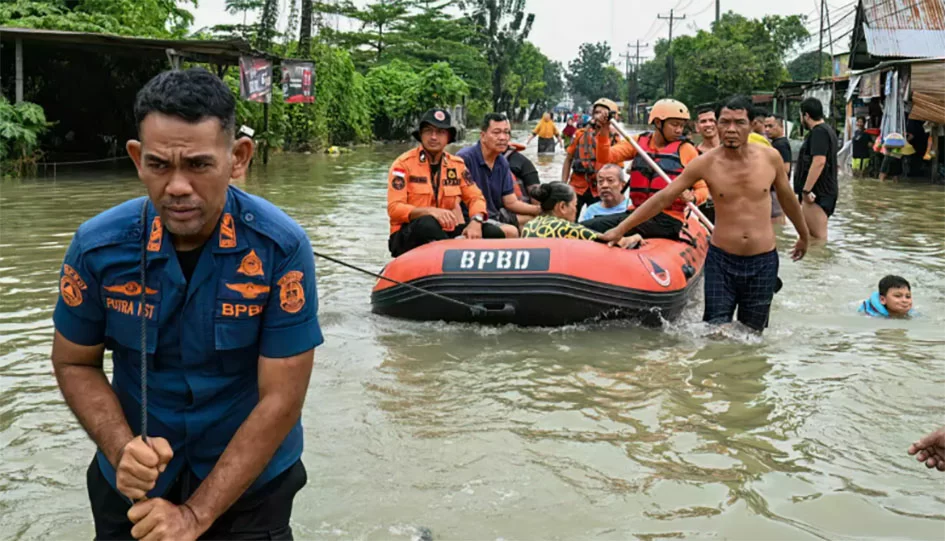
    Southeast Asia is grappling with a devastating humanitarian crisis as floodwaters continue to ravage the region, with the confirmed death toll surpassing 300 across Indonesia, Thailand, and Malaysia. Authorities reported Friday that relentless monsoon rains compounded by a tropical weather system have created catastrophic conditions, submerging entire communities and isolating thousands of residents.

    In Indonesia’s Sumatra island, the disaster has claimed at least 174 lives with nearly 100 individuals still missing. Rescue operations face tremendous challenges reaching the hardest-hit areas where floodwaters and subsequent landslides have destroyed infrastructure and communication networks. In Aceh province, receding waters revealed vehicles nearly completely buried in mud, while abandoned trucks stood as silent witnesses to the storm’s destructive power.

    South Thailand emerges as another severely affected zone, recording 145 fatalities with Songkhla province bearing the brunt of the devastation. Hospitals in the region have been pushed beyond capacity, forcing medical facilities to utilize refrigerated trucks for body storage as morgues overflow. The crisis has sparked public criticism over relief efforts, resulting in the suspension of two local officials allegedly negligent in their response duties.

    Personal accounts underscore the human tragedy unfolding across the region. Misniati, 53, from West Sumatra, described her desperate struggle through chest-deep waters to reach her husband after returning from morning prayers. “We didn’t sleep all night, just watching the water levels,” she recounted, illustrating the terror faced by countless families. In Hat Yai, Thailand, 67-year-old Kamban Wongpanya abandoned her flooded shop to save her life, rescued by boat as waters rose rapidly.

    Meteorological experts attribute the unprecedented severity of this year’s monsoon season to climate change impacts. Warmer atmospheric conditions hold increased moisture, generating more intense rainfall and powerful wind patterns. Warmer ocean temperatures further amplify storm systems, creating a dangerous feedback loop.

    “Climate scientists have consistently warned that extreme weather events would escalate alongside rising global temperatures,” stated Renard Siew, climate advisor at Malaysia’s Centre for Governance and Political Studies. “The current catastrophe demonstrates precisely these predictions materializing.” Additional rainfall is forecasted for Sumatra, though expected to diminish in intensity, while affected nations continue coordinated rescue and recovery operations.

  • Govt, Light & Power sign licences to unlock $500m in renewable projects

    Govt, Light & Power sign licences to unlock $500m in renewable projects

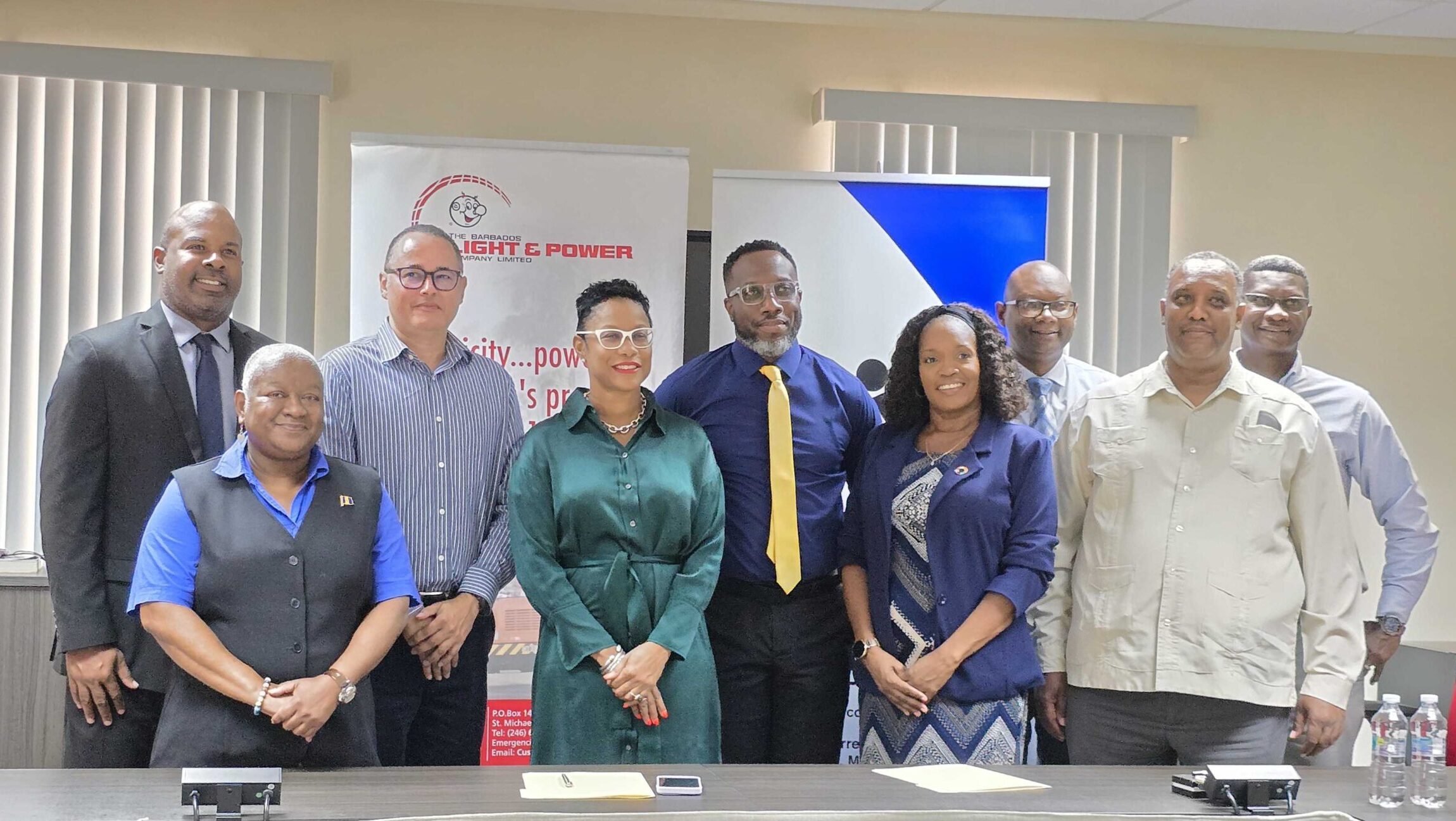
    In a transformative move for its energy future, Barbados has successfully averted potential grid collapse and secured long-term electricity stability through newly ratified licensing agreements with the Barbados Light and Power Company (BLPC). The landmark signing ceremony at Warrens Office Complex, presided over by Energy Minister Senator Lisa Cummins, clears the path for over $500 million in renewable energy investments while extending operational frameworks beyond the previous 2028 expiration deadline.

    Minister Cummins characterized the previous energy infrastructure as being in ‘gridlock’ due to insufficient storage capacity, emphasizing that these newly negotiated licenses fundamentally restructure the nation’s power procurement ecosystem. The comprehensive agreement establishes a modernized framework for power purchase agreements between independent renewable energy producers and BLPC as the primary off-taker, effectively democratizing energy generation while ensuring grid reliability.

    The licensing breakthrough enables financial institutions, notably Scotiabank as represented at the signing, to release previously frozen capital for massive renewable infrastructure development. This financial unlocking addresses what energy officials described as a critical investment bottleneck that had hampered Barbados’ transition to sustainable energy sources.

    BLPC Managing Director Roger Blackman hailed the 30-year licensing arrangement as ‘an important milestone’ that creates unprecedented operational certainty. The new structure separates generation/storage operations from transmission/distribution activities, establishing distinct regulatory frameworks for each sector while ensuring coordinated grid management. This bifurcated approach allows for streamlined integration of independent power producers while maintaining BLPC’s oversight of grid stability.

    The minister highlighted the legislative evolution from the outdated Electric Light and Power Act to the contemporary Electricity Supply Act, requiring meticulous alignment between existing operations and new regulatory standards. The transition eliminates a potential regulatory vacuum that could have emerged after 2028, ensuring continuous investment in grid modernization and preventing infrastructure deterioration that might have led to blackouts.

    This strategic energy sector overhaul coincides with Barbados’ Energy Month celebrations, marking the culmination of what Minister Cummins described as ‘a genuinely aggressive period’ of behind-the-scenes restructuring. The new licenses take immediate effect upon revocation of previous orders, creating seamless regulatory continuity that promises to transform Barbados’ energy landscape for generations to come.