作者: admin

  • Foreign policy, COP32 hit Ethiopia this week

    Foreign policy, COP32 hit Ethiopia this week

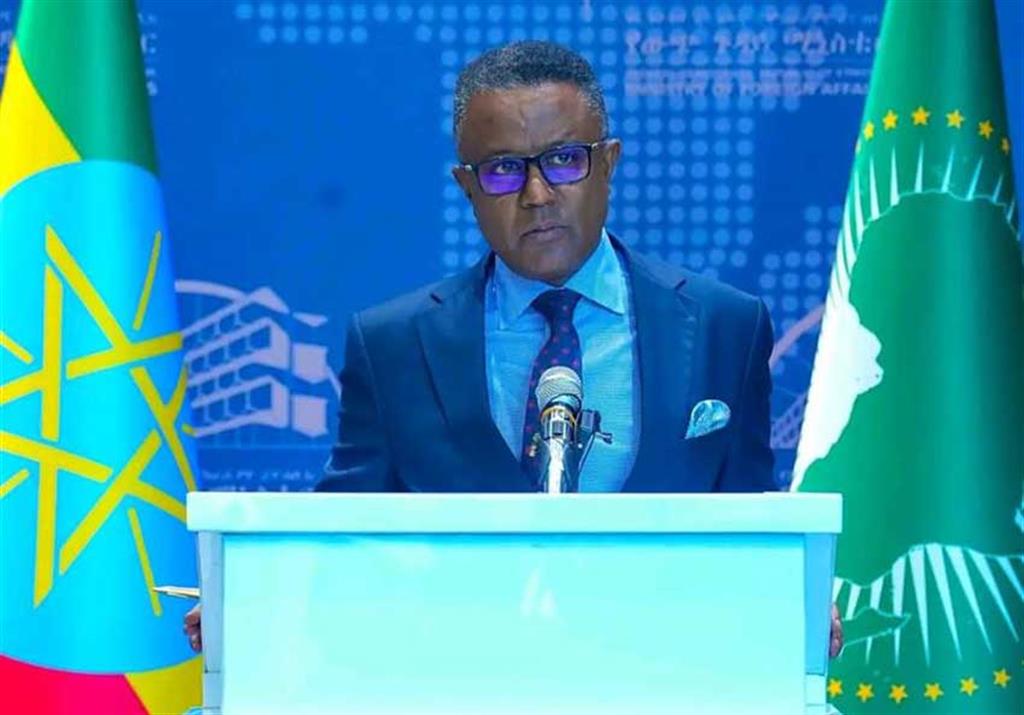
    Ethiopia’s capital, Addis Ababa, has been officially selected as the host city for the 2032 United Nations Climate Change Conference (COP32), marking a significant diplomatic achievement for the African nation. Foreign Ministry Spokesperson Nebiat Getachew announced that this decision demonstrates global recognition of Ethiopia’s substantial contributions to international climate action initiatives.

    The selection committee particularly acknowledged Ethiopia’s groundbreaking Green Legacy Initiative (GLI), a massive environmental program launched under Prime Minister Abiy Ahmed’s administration in 2019. This ambitious project has positioned Ethiopia as a continental leader in sustainable development and ecological restoration efforts.

    Prime Minister Ahmed elaborated on Ethiopia’s comprehensive climate strategy, which includes remarkable advancements in renewable energy infrastructure, nationwide expansion of electric vehicle adoption, and the development of environmentally sustainable urban centers through strategic corridor projects. These coordinated efforts significantly strengthened Ethiopia’s candidacy for hosting the prestigious international summit.

    In a related diplomatic development, Foreign Minister Gedion Timothewos has been appointed as COP32 President-designate, tasked with overseeing the complex preparatory proceedings for the major global event. The Ethiopian government expressed gratitude toward the African Negotiating Group for their endorsement, interpreting this support as affirmation of Ethiopia’s growing influence in international environmental diplomacy and its operational capacity to organize world-class gatherings.

  • UWI Centre for Reparation Research launches 2nd international debate

    UWI Centre for Reparation Research launches 2nd international debate

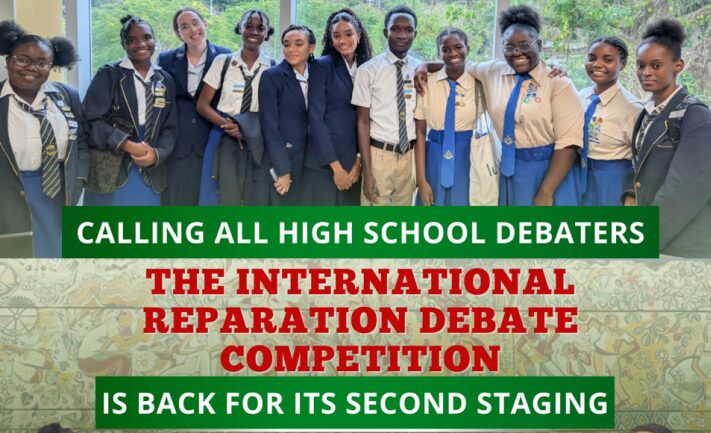
    The University of the West Indies’ Centre for Reparation Research (CRR), alongside regional collaborators, has unveiled plans for the second International Reparation Debate Competition scheduled for 2026. Following the resounding success of its inaugural edition in early 2025, this intellectual contest will initiate virtual qualifying rounds in January before culminating in a live championship event in Kingston, Jamaica come March.

    Designed specifically to empower Caribbean youth and diaspora communities, the competition creates an educational platform for rigorous examination of reparatory justice themes. Participating teams—each comprising five students guided by two educators—will engage with complex topics derived from the CARICOM 10-Point Reparatory Justice Framework. Key discussion points will include moral imperatives for restitution, economic dimensions of historical wrongs, and ongoing responsibilities of former colonial powers in rectifying systemic disparities.

    The precedent-setting 2025 tournament featured academic institutions from five Caribbean nations and the United Kingdom, ultimately crowning St. Joseph’s Convent Port of Spain from Trinidad and Tobago as champions. Their triumph was particularly noted for articulate argumentation and scholarly activism that impressed both judicial panels and dignitaries. Beyond competitive debates, the initial program incorporated educational workshops and expert-led discussions to deepen participants’ understanding of global reparations movements, while strategic social media engagement expanded public involvement.

    Professor Sonjah Stanley Niaah, CRR’s Director, emphasized the initiative’s continued significance: ‘Merging academic rigor with digital innovation allows the CRR and its partners to maintain vibrant, accessible dialogues around reparations.’ The 2026 iteration will enhance its reach through influencer collaborations, live-streamed debates, and broadened partnerships targeting audiences across the Caribbean, Americas, Africa, and Europe.

    Established in 2017, the CRR operates as a pivotal institution advancing reparatory justice through multidisciplinary research, policy advocacy, and international cooperation. It actively supports the CARICOM Reparations Commission’s objectives while contributing to worldwide movements addressing historical crimes including indigenous genocide, African enslavement, and colonial exploitation.

    The University of the West Indies, housing the CRR, celebrates over 75 years as a cornerstone of Caribbean intellectual development. Since its 1948 founding in Jamaica with merely 33 medical students, the institution has evolved into a globally recognized academic force serving nearly 50,000 learners across five campuses—Mona (Jamaica), St. Augustine (Trinidad and Tobago), Cave Hill (Barbados), Five Islands (Antigua and Barbuda), and its Global Campus. Offering more than 1,000 accredited programs, The UWI consistently earns top positions in international university rankings by Times Higher Education.

    Educational institutions across the Caribbean and United Kingdom are presently invited to register for the 2026 competition through the official portal: www.uwi.edu/crr.

  • MP for Salisbury Jesma Paul: Government has neglected her constituency in providing housing benefits

    MP for Salisbury Jesma Paul: Government has neglected her constituency in providing housing benefits

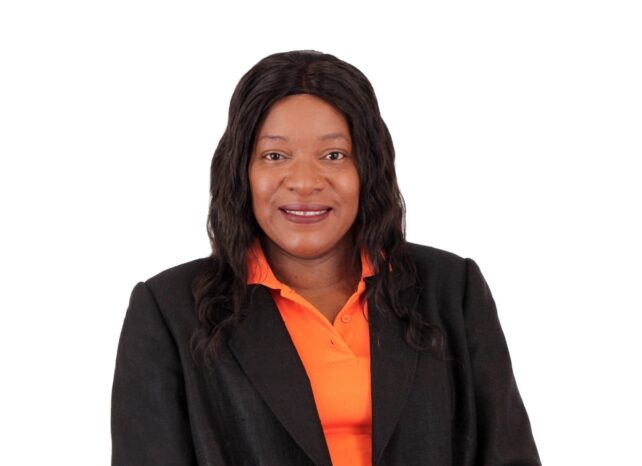
    Jesma Paul-Victor, Parliamentary Representative for the Salisbury Constituency, has delivered a powerful condemnation of the government’s housing allocation practices during a recent parliamentary session. The elected official revealed that despite millions in approved housing funds, her constituency has received zero benefits from national housing initiatives.

    Paul-Victor detailed how families in the Coulibistrie area continue to inhabit substandard living conditions eight years after Hurricane Maria devastated the region. Residents remain in partially repaired homes, deteriorating structures, and temporary accommodations originally intended as short-term solutions.

    The parliamentarian expressed frustration that while other communities have received modern apartment complexes and climate-resilient housing units, her constituents face perpetual neglect. She emphasized her support for the national housing project and congratulated recipients elsewhere, but questioned the equity of distribution.

    ‘How long can my people endure this wait? How long must they tolerate these conditions?’ Paul-Victor challenged the assembly. ‘After eight long years, my constituents feel forgotten, unseen, and that their suffering since Maria has been normalized and dismissed.’

    The representative’s address highlights growing concerns about regional disparities in post-disaster recovery efforts and raises questions about the transparency of housing fund distribution across constituencies.

  • Two manifestos, two futures: Which vision matches the Saint Lucia you want?

    Two manifestos, two futures: Which vision matches the Saint Lucia you want?

    As Saint Lucia prepares for its pivotal 2025 General Election, the nation’s two dominant political forces have unveiled fundamentally different governance philosophies through their detailed manifestos. The United Workers Party (UWP) has presented an extensive 78-page blueprint advocating for comprehensive systemic transformation, while the Saint Lucia Labour Party (SLP) offers a more focused 35-page document emphasizing incremental improvements and community-centric development.

    Despite their contrasting methodologies, both parties converge on addressing critical national challenges including public security, healthcare accessibility, economic pressures, educational reform, agricultural sustainability, and tourism development. The distinction emerges in their strategic implementation frameworks and philosophical approaches to governance.

    **Public Security Overhaul**
    The crime epidemic represents perhaps the most urgent concern for both parties. The UWP proposes a radical security architecture redesign through its Relief, Recovery, and Reform framework, featuring establishment of a Border Control Authority, enhanced forensic capabilities, expanded surveillance networks, and treatment of crime as a public health issue requiring early intervention programs. Conversely, the SLP emphasizes strengthening existing law enforcement infrastructure through increased police manpower, upgraded equipment, and community-based prevention initiatives.

    **Economic Stabilization Strategies**
    Addressing the escalating cost of living crisis reveals another philosophical divide. The SLP advocates for targeted social protection measures and price stabilization for essential goods, building upon current welfare programs. The UWP’s SOS Plan promises immediate financial relief through tax eliminations, reduced fuel prices, and free tertiary education, coupled with an investment-driven economic recovery model focused on infrastructure development.

    **Healthcare System Transformation**
    Both parties acknowledge the healthcare sector requires substantial investment, with mutual commitments to facility upgrades and a new hospital in Soufrière. The SLP prioritizes universal coverage expansion and mental health support within the existing system framework. The UWP proposes more fundamental restructuring through National Health Insurance implementation, digital health management systems, and an additional hospital in Dennery.

    **Tourism and Economic Diversification**
    As the nation’s primary economic engine, tourism receives significant attention in both manifestos. The SLP emphasizes sustainable tourism development with enhanced community benefits and agricultural linkages. The UWP envisions broader sector diversification through sports, wellness, and cultural tourism initiatives alongside global marketing expansion.

    **Educational Philosophy Divergence**
    The parties present contrasting educational visions reflecting their broader governance approaches. The SLP focuses on early childhood development, classroom modernization, and digital literacy integration. The UWP emphasizes workforce alignment through technical education expansion, industry partnerships, and adult retraining programs.

    **Agricultural Renaissance**
    Both manifestos recognize agriculture’s renewed importance for food security and climate resilience. The SLP proposes farmer capacity building and technological adoption, while the UWP outlines comprehensive modernization through land banking, irrigation networks, and processing infrastructure.

    **Creative Economy Development**
    The emerging creative sector receives unprecedented political attention. The UWP proposes formalization through dedicated institutions and legislation, while the SLP integrates creative industries within broader youth entrepreneurship initiatives.

    **Funding Realities**
    Ultimately, both visions confront the same fiscal constraints. The SLP’s approach suggests reliance on existing budgetary structures and gradual scaling, while the UWP’s ambitious agenda necessitates significant resource mobilization through economic recovery initiatives and external investment attraction. The electoral decision will ultimately hinge on which funding model voters find most credible and sustainable.
  • Temporary closure: Grenville Basketball Court

    Temporary closure: Grenville Basketball Court

    The Grenville Basketball Court will undergo a comprehensive month-long closure starting Saturday, November 29, 2025, through Wednesday, December 31, 2025, as announced by the Ministry of Youth and Sports. This temporary shutdown will enable critical facility enhancement work aimed at significantly improving user safety standards.

    The rehabilitation initiative forms part of a broader national strategy to upgrade sporting infrastructure across the nation. During this period, all basketball-related activities including training sessions, competitive games, and casual recreational use will be strictly prohibited at the Grenville location.

    Authorities strongly encourage athletes and community members to utilize alternative sporting facilities while these essential improvements are underway. The Ministry has expressed regret for any disruptions caused by the necessary closure, while simultaneously appealing for public understanding and cooperation throughout the enhancement process.

    For additional details regarding the renovation timeline or alternative facility options, concerned citizens may directly contact the Ministry of Youth and Sports via email at [email protected] or by telephone at (473) 440-6917/8.

    The Ministry reaffirmed its commitment to developing high-quality sports infrastructure throughout Grenville and nationwide, emphasizing that these temporary inconveniences will ultimately yield long-term benefits for the sporting community.

  • Syria denounces to UN recent Israeli aggression

    Syria denounces to UN recent Israeli aggression

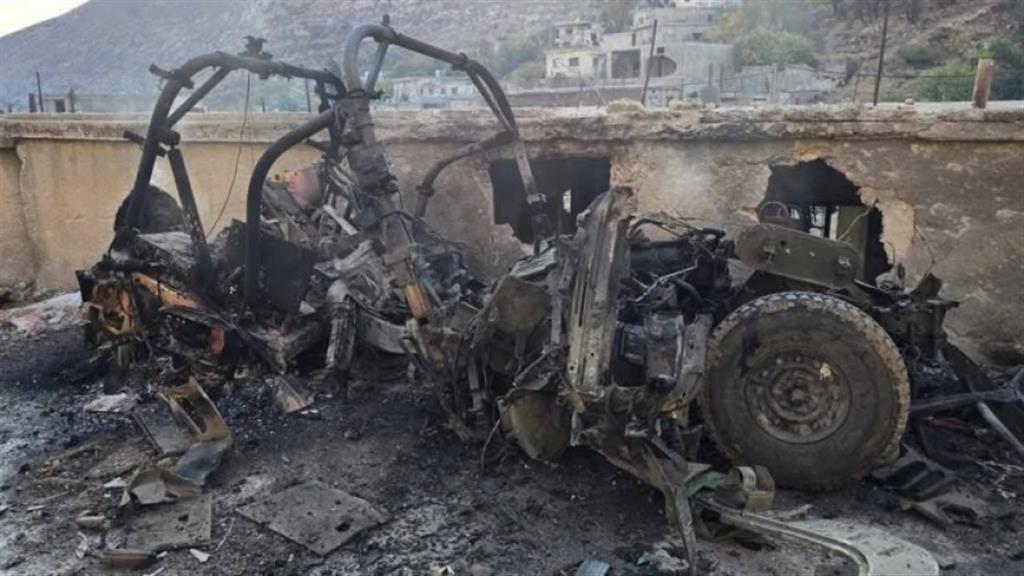
    In a recent interview with Al-Arabiya Al-Hadath, Syrian diplomat Olabi articulated Damascus’s firm stance on maintaining national advancement while countering external threats. The official emphasized that Syria would continue progressing “at all levels” without yielding to destabilizing provocations.

    Olabi clarified that any response from Damascus would be meticulously coordinated through established international channels, with the paramount priority being the protection of Syrian civilians. This approach underscores the government’s commitment to measured diplomacy amid regional tensions.

    The Syrian government is concurrently intensifying diplomatic campaigns to isolate Israel internationally and diminish support from its allied nations. This strategic initiative aims to reshape geopolitical dynamics through multilateral engagement rather than unilateral action.

    Referencing recent developments at the United Nations, the diplomat highlighted that during the latest Security Council session, the Israeli ambassador witnessed unanimous consensus among all fifteen member states. The council collectively condemned acts of aggression and reaffirmed support for Syria’s sovereignty and territorial integrity.

    Furthermore, Syrian representatives are actively engaged in efforts to renew the United Nations Peacekeeping Force’s mandate. This initiative seeks to enhance security mechanisms along separation lines and contribute meaningfully to long-term regional stability, demonstrating Syria’s commitment to diplomatic solutions within international frameworks.

  • FIHAV 2025 ends with Cuba’s economic highlights

    FIHAV 2025 ends with Cuba’s economic highlights

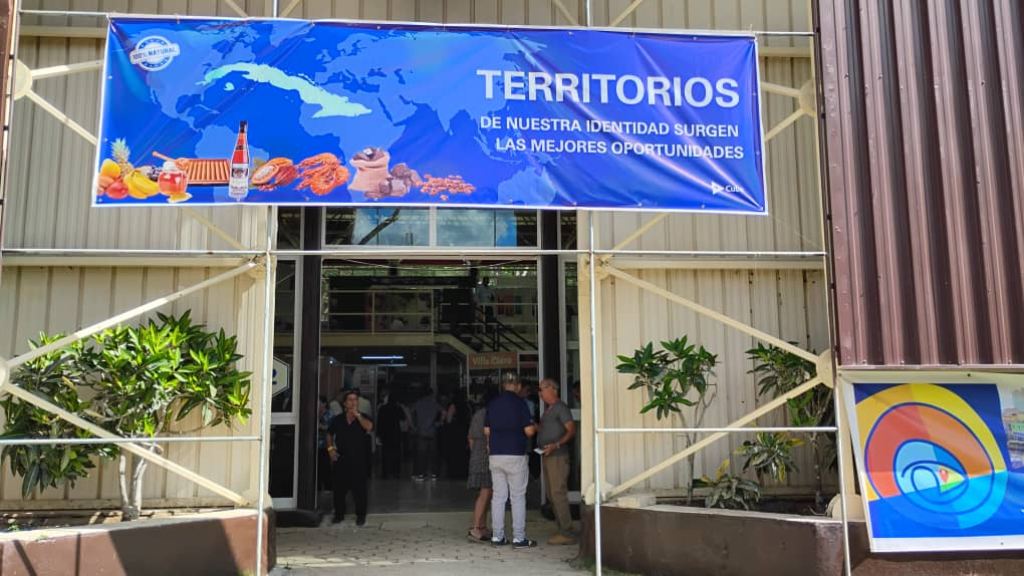
    Havana’s International Trade Fair has become the focal point for significant foreign investment policy revelations, with government officials detailing an ambitious macroeconomic stabilization program. Deputy Prime Minister and Minister of Foreign Trade and Foreign Investment Oscar Perez-Oliva presented these transformative measures during the 8th Investment Forum, capturing the attention of international companies and economic experts alike.

    The comprehensive reforms include the strategic expansion of Special Economic Zones beyond the established Mariel Special Development Zone (ZEDM) model. These new zones will target specific sectors including technology parks and real estate development, creating specialized hubs for foreign investment.

    Financial innovation forms a cornerstone of the new policy framework, particularly through Selective Swap Operations. This sophisticated financial mechanism enables targeted debt restructuring to generate foreign currency earnings and secure international financing. The government simultaneously introduced a groundbreaking real estate initiative that allows foreign investors to fund residential projects under specific conditions.

    All proposed business ventures must demonstrate financial self-sufficiency in foreign currency while adhering to stringent requirements for heritage conservation, energy efficiency standards, and implementation of renewable energy sources. These environmental and cultural protections form an integral part of the investment criteria, ensuring sustainable development aligns with economic objectives.

  • UK to Support Antigua and Barbuda’s Preparations for CHOGM 2026

    UK to Support Antigua and Barbuda’s Preparations for CHOGM 2026

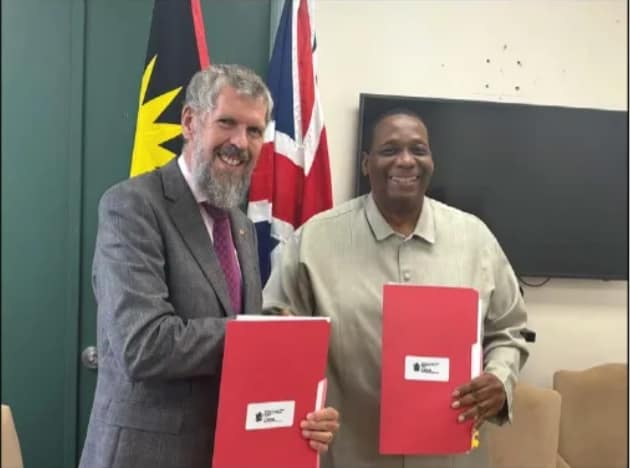
    In a significant diplomatic development, the United Kingdom has formally committed to providing specialized technical assistance to Antigua and Barbuda as the Caribbean nation accelerates preparations for hosting the 2026 Commonwealth Heads of Government Meeting (CHOGM). The cooperation framework was solidified through a Memorandum of Understanding signed on Thursday between Dr. Clarence Pilgrim, Permanent Secretary in Antigua and Barbuda’s Ministry of Foreign Affairs, and British High Commissioner John Hamilton.

    This agreement marks a pivotal advancement in Antigua and Barbuda’s strategic planning for what officials describe as a monumental national endeavor. Dr. Pilgrim emphasized the practical implications of the partnership, noting that a dedicated technical expert from the UK will be seconded to the Ministry of Foreign Affairs starting April 2025. This on-the-ground specialist will work to establish essential systems and operational frameworks necessary for executing a successful and historically significant international gathering.

    High Commissioner Hamilton highlighted the continuity of bilateral cooperation, referencing previous successful collaborations during the preparations for the Fourth International Conference on Small Island Developing States (SIDS4) in 2024. The UK’s decision to replicate this proven support model for CHOGM 2026 demonstrates confidence in the established partnership framework. Hamilton confirmed this technical assistance represents merely one component of broader UK support initiatives planned as Antigua and Barbuda progresses toward hosting the prestigious Commonwealth meeting.

    The agreement underscores the UK’s ongoing commitment to strengthening diplomatic ties within the Commonwealth network while supporting the institutional capacity building of member states. For Antigua and Barbuda, this partnership provides critical technical expertise that will enhance logistical planning, operational efficiency, and international protocol management capabilities ahead of the high-profile summit.

  • Turkiye reaffirms its firm support for Palestinian cause

    Turkiye reaffirms its firm support for Palestinian cause

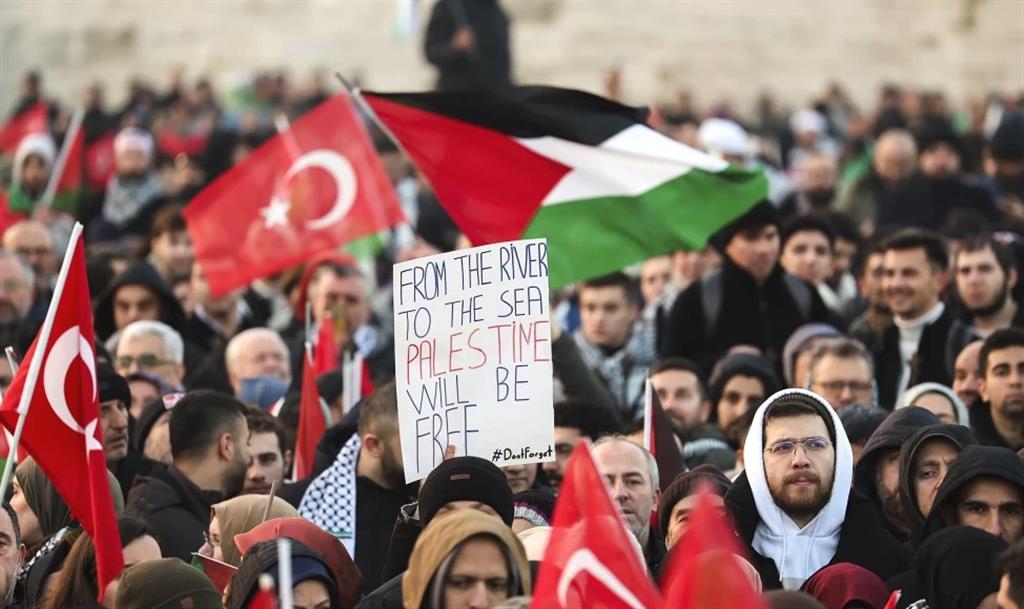
    The Turkish Ministry of Foreign Affairs has issued a decisive statement through its official social media channels, marking the International Day of Solidarity with the Palestinian People. The diplomatic communiqué emphasized Ankara’s continued and resolute backing of Palestinian aspirations for self-determination and statehood.

    In the declaration, Turkish authorities articulated their persistent advocacy for the establishment of an independent, sovereign Palestinian nation with territorial integrity. The proposed state would be founded upon pre-1967 borders with East Jerusalem serving as its designated capital, aligning with numerous United Nations resolutions that have historically addressed the Palestinian question.

    This annual observance, formally recognized by the United Nations General Assembly since 1977, serves as a global platform for nations to voice their support for Palestinian rights and condemn ongoing violations stemming from occupation. Turkey’s participation joins a chorus of international voices that utilize this date to reaffirm their diplomatic positions regarding one of the world’s most protracted geopolitical conflicts.

    The Turkish statement notably avoids any direct mention of Israel while simultaneously reinforcing the nation’s longstanding policy orientation toward the Palestinian cause. This positioning reflects Ankara’s careful diplomatic balancing act in the region while maintaining its principled stance on Palestinian self-determination.

  • Solidarity Meeting with Cuba begins with a march in Valparaiso

    Solidarity Meeting with Cuba begins with a march in Valparaiso

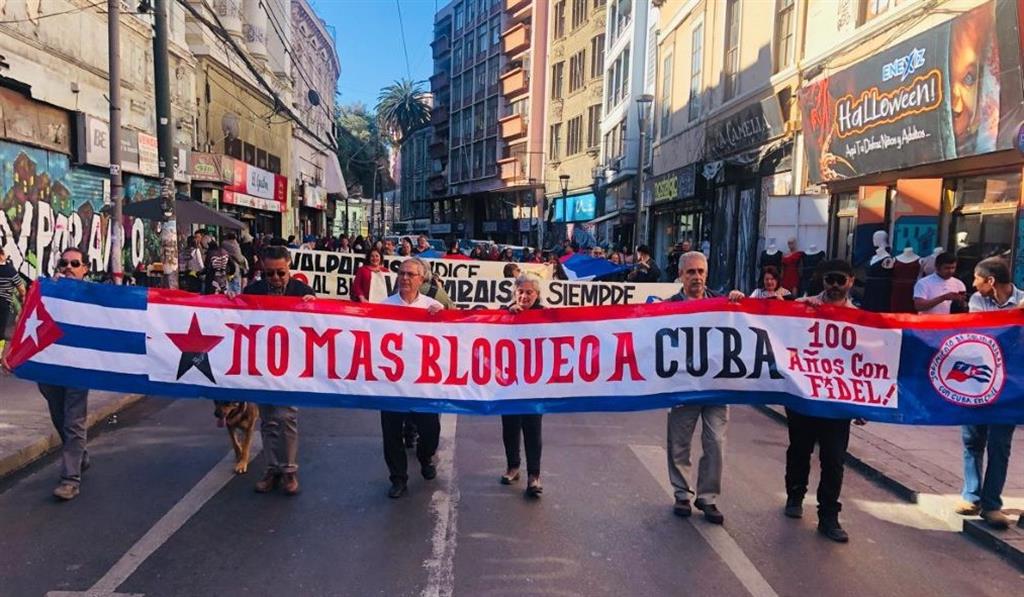
    Across multiple Chilean cities, a powerful coalition of solidarity activists united in a vibrant demonstration against the United States’ longstanding economic embargo against Cuba. The two-day event, organized by solidarity movement groups from Coquimbo, La Serena, Santiago, Talca, Valdivia, Ovalle, Concepcion, Valparaiso, and Viña del Mar, featured a spirited march through the streets followed by a political and cultural gathering at the Insomnia Theater.

    Protesters carried signs and waved flags while chanting slogans such as “A Tumbar, a Tumbar el Bloqueo Criminal” (Do Away, Do Away The Criminal Blockade), “Cuba Si, Bloqueo No” (Cuba Yes, Blockade No), and phrases honoring Fidel Castro’s legacy of resistance against American imperialism.

    Marisol Molina, head of the movement’s southern region, expressed both joy at the reunion of activists and deep concern about recent developments. She specifically highlighted President Donald Trump’s escalating threats in the Caribbean region, his administration’s tightening of the economic, commercial, and financial siege against Cuba, and the additional hardship caused by Hurricane Melissa’s recent impact on the island’s eastern region.

    The event attracted significant diplomatic presence, including Cuban Ambassador to Chile Oscar Cornelio Oliva, alongside other members of the diplomatic corps, city council members, academics, and representatives from various political and social organizations who gathered to show their support for the Caribbean nation.