作者: admin

  • STI cases rise, highest rates among young adults

    STI cases rise, highest rates among young adults

    Jamaica’s public health system is grappling with a concerning escalation in sexually transmitted infections (STIs), marking a persistent upward trajectory over the past four years. Ministry of Health and Wellness data reveals a significant climb from 31,572 cases in 2022 to 35,713 documented infections in 2024, with young adults aged 20-24 bearing the highest burden of disease.

    Medical experts identify genital discharge syndrome—comprising infections like gonorrhea, chlamydia, and trichomoniasis—as the predominant presentation, accounting for over 99% of cases. Conversely, genital ulcer diseases including herpes and syphilis constituted approximately 1% of diagnoses. Notably, syphilis cases demonstrated a worrying resurgence, jumping from 865 cases in 2023 to 1,216 in 2024.

    Dr. Nicola Skyers, Senior Medical Officer of the National HIV/STI Programme, highlighted the disproportionate impact on young demographics. “Twenty to twenty-four is the highest incidence group, followed closely by adolescents aged 15-19 and young adults 25-29,” she explained, attributing this trend to insufficient condom usage and engagement with multiple sexual partners.

    The gender distribution remains markedly skewed, with women comprising 28,220 cases compared to 7,493 among men in 2024. Concurrently, Jamaica’s HIV landscape shows complex dynamics: while overall prevalence stabilized at 1.1%, the estimated number of Jamaicans living with HIV increased to 28,000. Encouragingly, new HIV infections declined to 1,100 cases in 2024, continuing a downward trend from previous years.

    Healthcare providers emphasize that testing accessibility improvements shouldn’t replace preventive measures. Dr. Annisha Skinner of St. Ann Medical Center cautioned that “STI testing should not be used as a substitute for practising safe sex,” advocating instead for comprehensive prevention strategies including consistent condom use and transparent partner communication.

    The Ministry of Health is currently conducting enhanced surveillance to gather more precise STI data, with complete findings anticipated in 2026. Medical authorities reaffirm that all major STIs remain treatable, with immediate antiretroviral therapy initiation for HIV-positive diagnoses.

  • From homes to makeshift clinics

    From homes to makeshift clinics

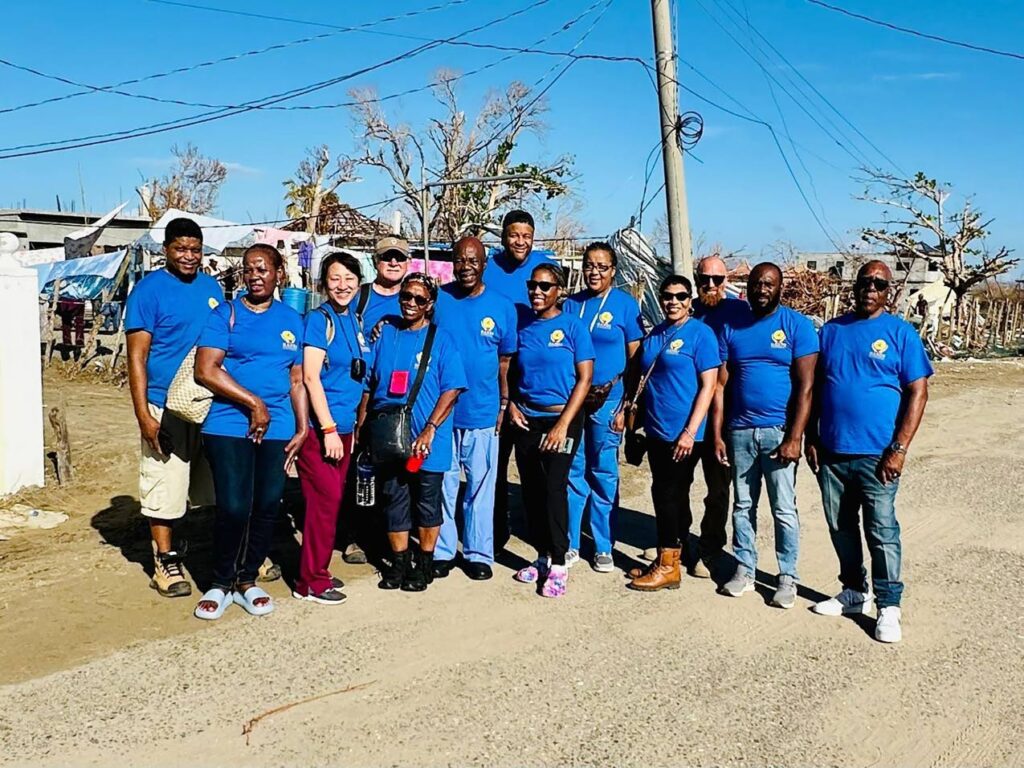
    In the devastating wake of Hurricane Melissa, a dedicated contingent of Caribbean medical professionals from HANDS International embarked on a humanitarian mission to Jamaica’s most severely impacted regions. The organization, spearheaded by Delaware-based President Dr. Reynold Agard, demonstrated remarkable resilience by transforming storm-affected residences into fully operational temporary clinics across the parishes of St. Elizabeth, Black River, Parottee, and Slipe.

    Despite confronting widespread infrastructure damage and electricity shortages, the medical teams received overwhelming hospitality from local residents who generously offered their homes and logistical support. Notable assistance came from Marjorie Davis-Reid’s family property in Black River and professional race car driver Lisa Bowman-Lee in Kingston, who provided crucial operational support.

    The medical initiative deployed rotating teams of 6-10 board-certified professionals through a carefully structured rotation system, with each team serving 7-10 day intervals. Their initial efforts provided essential medical care to approximately 500 residents, with subsequent teams expanding this critical service. The organization has announced plans for expanded deployments in December featuring 10-12 physician teams, with some volunteers intending to remain through the Christmas period. Additional large-scale missions are scheduled for January and February 2024, including specialized ophthalmology services led by leading Delaware ophthalmologist Dr. Wayne Dunn.

    The medical response addressed both immediate and chronic healthcare needs, with HANDS International importing over $50,000 worth of medications to replace prescriptions lost during the hurricane. The organization has since doubled its medication orders based on field assessments, particularly for aspirin (stroke prevention), Amlodipine (hypertension), Doxycycline (leptospirosis prevention), antifungal medications, and multivitamins. The medical teams also distributed cholesterol medications, heart disease treatments, and asthma inhalers while providing mental health support for hurricane-related anxiety, depression, and insomnia.

    Dr. Agard emphasized the critical timing of their intervention: ‘Our goal is to replace medicines lost by disaster victims, as we typically see increases in heart attacks and strokes 4-5 weeks after medication deprivation.’ He recounted a particularly critical case where their team facilitated the emergency transfer of a woman experiencing a heart attack after losing her medications, ultimately saving her life through coordinated efforts with Samaritan’s Purse field hospital and Jamaican health authorities.

    The organization is currently procuring additional generators and dental equipment to expand their surgical and dental service capabilities. All medications distributed are non-narcotic and provide at least one month’s supply based on availability and demand.

    Dr. Agard concluded with a commitment to Jamaica’s long-term recovery: ‘We consider ourselves ambassadors in the rebuilding of Jamaica, and we will do whatever it takes to restore hope and normalcy through health and development initiatives.’

  • ‘Living in fear’

    ‘Living in fear’

    Brenor Joseph, a Haitian native residing in Jamaica, lives under the perpetual shadow of uncertainty. Having waited over two years for official documentation to validate his residency, he confronts daily anxieties about potential deportation. His story reflects a broader crisis faced by Haitian migrants seeking refuge from their homeland’s relentless turmoil.

    Haiti’s history as the world’s first black-led republic, established in 1804 after a successful slave uprising, stands in stark contrast to its contemporary reality. Crippled by centuries of political instability, economic collapse, and escalating gang violence, the Caribbean nation has precipitated a mass exodus of its citizens. Joseph represents one of millions forced to flee, recounting a harrowing 2023 escape via overcrowded boat after a near-fatal encounter in Haiti.

    Despite reaching Jamaican waters, his quest for safety led to six months of detention under conditions he describes as inhumane. While eventually released to improved accommodations, promises of work permits and legal documentation remain unfulfilled. ‘Immigration took our fingerprints and said we would get papers so we could work. Two years later, nothing,’ Joseph revealed, highlighting his vulnerable status as an undocumented worker in Jamaica’s informal economy.

    Legal representatives allege systematic discrimination against Haitian migrants. Attorney Dr. Marcus Goffe asserts Jamaican authorities are deliberately denying due process to Haitian arrivals, violating both international refugee conventions and Jamaica’s constitutional provisions. ‘There appears to be a systematic effort to block access to legal representation and expedite deportations,’ Goffe stated, citing instances where interpreters allegedly discourage asylum claims and interviews are conducted without legal oversight.

    The legal framework itself faces criticism for relying on colonial-era legislation like the Aliens Act, which enables authorities to designate individuals as ‘not landed’ despite physical presence in Jamaica—a loophole potentially bypassing constitutional protections. While courts have occasionally intervened with injunctions against deportation, those without legal representation remain particularly vulnerable to rapid removal, often scheduled during early morning hours to minimize legal intervention.

    Goffe acknowledges Jamaica’s resource constraints but emphasizes that constitutional obligations cannot be contingent on convenience. ‘If Jamaica has signed on to protect refugees then we must follow the law,’ he argued, calling for either compliance with international commitments or formal withdrawal from refugee conventions.

    For Joseph, who previously faced deportation from the United States in 2013, Jamaica’s peaceful environment offers physical safety but no legal security. His experience echoes throughout Haitian migrant communities where individuals live between gratitude for temporary refuge and terror of imminent return to Haiti’s escalating violence.

  • THE IMPOSSIBLE TASK

    THE IMPOSSIBLE TASK

    In the wake of a disappointing World Cup qualifying campaign that culminated in the resignation of head coach Steve McClaren, the Jamaica Football Federation has turned to a familiar figure to steer its senior men’s team through turbulent waters. Rudolph Speid, recently appointed interim head coach of the Reggae Boyz, brings a distinctive perspective to the role—viewing Jamaica’s precarious position not as a crisis but as a complex puzzle awaiting solution.

    Jamaica’s national team faces a critical March play-off pathway after failing to secure automatic qualification following a scoreless draw against Curaçao on November 18. The Reggae Boyz must now overcome New Caledonia on March 26, with victory securing a subsequent match against DR Congo on March 31—both contests scheduled in Mexico under win-or-go-home circumstances.

    Speid’s approach to this high-pressure assignment reflects a philosophy forged through decades of corporate leadership and football management. Having operated in boardrooms with Jamaican business titans including Oliver Clarke and Douglas Orane, he developed a specialty for navigating impossible tasks—once liquidating an entire pension scheme within a single year. This problem-solving mentality now informs his football philosophy, emphasizing discipline, strategic thinking, and unwavering commitment.

    The newly appointed coach brings substantial football credentials to his role, having guided Cavalier SC from the Syd Bartlett League to the Premier League while accumulating over 60 titles across various competitive levels. His coaching education includes becoming the first Caribbean coach to pass the Concacaf A Licence examination, transforming his methodology from instinct-driven to scientifically-grounded approaches.

    Despite his extensive qualifications, Speid’s appointment has not been without controversy. Some critics have questioned potential conflicts of interest given his simultaneous roles as technical director at Cavalier SC and previous position as chairperson of the JFF’s Technical Committee—the very body that recommended the appointments of both McClaren and his predecessor Heimir Hallgrímsson. Speid has vigorously defended his record, challenging detractors to identify any instance where he prioritized personal or club interests over national team needs.

    Addressing these concerns, Speid will take a leave of absence from his Technical Committee role and Cavalier responsibilities beginning December 15. While the JFF’s constitution remains silent on holding multiple positions simultaneously, the federation’s conflict of interest policy outlines procedures for recusal and duty separation.

    Beyond immediate competitive concerns, Speid emphasizes the tremendous financial implications of World Cup qualification. He notes that among Jamaica’s eleven national teams, only the senior men’s squad generates revenue, making successful qualification crucial for funding development programs across youth leagues and women’s football.

    With Jamaican football facing its most significant moment in nearly three decades, Speid promises an uncompromising approach to player selection and performance expectations. He believes the time has come for Jamaican coaches to reclaim leadership roles, citing the development of numerous A-licensed local coaches and four professionals pursuing Pro Licence certification.

    As the Reggae Boyz prepare for their March showdown, Speid remains characteristically undaunted—approaching what many see as Jamaican football’s greatest challenge with the same problem-solving mentality that has defined his career across both corporate and sporting arenas.

  • Spaces Edit

    Spaces Edit

    In the aftermath of Hurricane Melissa’s devastation across Jamaica, local business leader Janelle Pantry-Coke transformed her company’s milestone celebration into a powerful humanitarian initiative. The Creative Director of Spaces Ltd, drawing upon her extensive background with the Rotary Club of Jamaica, reconceptualized what would have been a conventional 18th anniversary event into a ‘Rebuilding with Heart’ mission.

    The November 23rd brunch and auction at Jamaica Food and Drink Kitchen became the launchpad for the Spaces Hurricane Relief Programme, strategically shifting from celebrating aesthetic design to addressing urgent community needs. Pantry-Coke emotionally addressed attendees, explaining how the hurricane had reshaped priorities: ‘Our theme captures the very essence of what we do – and who we are. We’ve witnessed heartbreak across Jamaica – homes lost, families displaced, livelihoods interrupted.’

    The comprehensive relief program focuses on providing practical household support, with an explicit goal of supplying 100 complete mattress and bedding sets to help families reestablish fundamental comfort. The initiative expands to collecting linens, towels, and essential household supplies to restore normalcy for displaced residents.

    The auction component, led by Fabian Brown, generated significant support through donated artworks from prominent Jamaican artists Kianne Patrice Hutchinson and Carla Newsam, alongside exclusive experiences from major sponsors including ATL, Sandals, Flow, and other corporate partners. Reverend Jim Parkes set the moral tone with a biblical reading emphasizing support for the vulnerable.

    The event attracted cross-sector support from legal, banking, energy, and telecommunications professionals, demonstrating widespread community solidarity. Notable attendees included Scotiabank executives Marcette McLeggon and Rohan Hoilett, Flow executives Darron Turnquest and Nyree Coke, and Port Authority marketing executive Kim Stiff, among other prominent figures.

    The celebration also marked the launch of Spaces Edit Magazine’s anniversary issue, though this achievement was repositioned within the context of post-disaster recovery, symbolizing how beauty and purpose can coexist during challenging times.

  • Simply Dad

    Simply Dad

    The global music community mourns the passing of Jamaican reggae pioneer James Chambers, internationally celebrated as Jimmy Cliff, who died on November 24, 2025, at age 81. While millions knew him as the legendary performer behind classics like “The Harder They Come,” his family remembers a profoundly different man—a devoted father who prioritized family above fame.

    Odessa Chambers, his eldest daughter, provides an intimate portrait of the superstar away from the spotlight. “It’s hard to really sum up who my father was in one word,” she reflected. “He was a visionary, an activist, a humanitarian, but most importantly to us children, he was our father.”

    Contrary to his public persona, Cliff maintained an intensely private family life. Odessa recalls childhood memories filled with beach outings, movie nights, and circus visits—ordinary moments made extraordinary by his presence. “Before social media,” she noted, “people would always see my father with his children. We were always around him.”

    Cliff embraced fatherhood as his ultimate role, blending wisdom with warmth. Odessa described him as “the ultimate teacher” who concluded even lighthearted conversations with meaningful lessons about identity and self-worth. “He always taught me to be authentically me,” she shared, highlighting his consistent message of cultural pride and personal integrity.

    The musician’s legacy extends beyond his groundbreaking catalog—he fathered 19 children who collectively embody his spirit and values. “We all have pieces of him, pieces of his personality,” Odessa observed, acknowledging how his influence will endure through his descendants.

    As the family prepares for public memorials, they remain protective of Cliff’s private nature. Some memories, Odessa confirmed, will remain exclusively within the family circle. Still, they appreciate the overwhelming global support, recognizing the unique balance Cliff maintained between his monumental career and his unwavering commitment to family.

  • Dominican economist at FIED urges Africa to build its own farm–to–market highways

    Dominican economist at FIED urges Africa to build its own farm–to–market highways

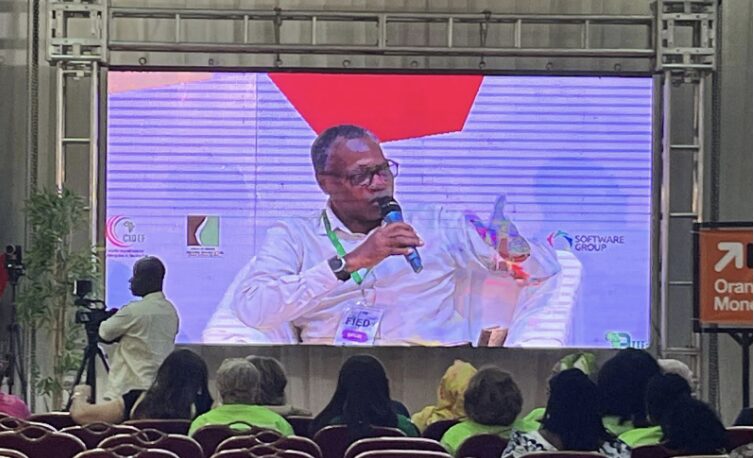
    At the International Forum of Dynamic Women Entrepreneurs (FIED) in Ouagadougou, agricultural economist McCarthy Marie delivered a compelling vision for transforming Africa’s agricultural trade landscape. Speaking before delegates from approximately 30 African nations, Marie emphasized that unlocking the full potential of intra-African trade requires urgent investment in physical infrastructure and thoughtful food processing policies.

    The Dominican economist, who accompanied Creole music icon Ophelia to the forum, presented a dual-focused strategy during a high-level panel on strengthening agricultural trade. His first priority addressed the continent’s infrastructure deficit, noting that reliable transportation networks form the foundation of successful trade ecosystems.

    “We must establish efficient pathways from farming communities to distribution centers,” Marie asserted. “This demands substantial investment not just in export corridors but within rural areas themselves—roads, storage facilities, logistics systems, and market infrastructure are all essential components.”

    Marie highlighted the paradoxical reality where shipping agricultural products to Europe often proves easier and cheaper than transporting them to neighboring African regions. He advocated for developing an integrated continental grid of farm-to-market highways connecting West, Central, East, and Southern Africa through both road and rail networks.

    Turning to food policy, the economist issued a cautionary warning based on Caribbean experiences with ultra-processed foods. He noted that aggressive promotion of heavily processed products has led to devastating health consequences, including skyrocketing rates of diabetes, hypertension, and cardiovascular diseases that now overwhelm public health budgets.

    “African nations have the unique opportunity to design food systems that protect public health rather than compromise it,” Marie advised. “Processing is necessary, but over-processing creates preventable health crises.”

    The economist pointed to Burkina Faso’s cotton sector as an exemplary model of value chain development. He praised how Burkinabè producers have mastered the entire production process—from cultivation to spinning, dyeing, design, and garment fabrication—thereby capturing more value within the country.

    Marie further advocated for increased utilization of intellectual property tools, particularly geographical indications. He suggested that legally protecting products like Burkinabè cotton textiles through geographical indications could significantly enhance their market value and establish recognizable quality benchmarks worldwide.

    The forum, which gathered entrepreneurs, investors, and policymakers from across Africa, focused on practical strategies to strengthen intra-continental trade, with agriculture identified as a crucial driver for job creation, food security, and industrialization.

  • Trump Moves to Pardon Convicted Ex-Honduran President

    Trump Moves to Pardon Convicted Ex-Honduran President

    In a significant diplomatic development, former U.S. President Donald Trump has declared his intention to grant a full presidential pardon to Juan Orlando Hernández, the incarcerated former leader of Honduras. Hernández is currently serving a 45-year sentence in a U.S. federal prison following his conviction on extensive drug trafficking charges.

    The announcement was made through Trump’s social media platform, where he characterized Hernández’s treatment as “very harshly and unfairly” based on consultations with respected sources. This controversial decision comes despite substantial evidence presented during Hernández’s trial demonstrating his deep involvement with international drug cartels.

    During his presidency from 2014 to 2022, U.S. prosecutors established that Hernández conspired with narcotics organizations that facilitated the movement of over 400 tons of cocaine destined for American markets. The judicial proceedings revealed his acceptance of millions in bribes while leveraging presidential authority to shield allied traffickers from prosecution.

    Concurrently, Trump has thrown his political weight behind conservative Honduran presidential candidate Nasry “Tito” Asfura, explicitly conditioning U.S. support for Honduras on Asfura’s victory in the upcoming Sunday election.

    This development occurs against a backdrop of intensified U.S. anti-narcotics operations targeting Venezuela and other Latin American nations. The New York Times reports that Trump recently engaged in diplomatic communications with Venezuelan leader Nicolás Maduro, despite previously denouncing him as an illegitimate head of a state-sponsored trafficking network known as the Cartel de los Soles. While Caracas has consistently denied these allegations, the U.S. has conducted military operations against suspected drug vessels connected to Venezuela since early September. Potential future discussions between Trump and Maduro in the United States remain unconfirmed and without established timelines.

  • Early voting for special forces

    Early voting for special forces

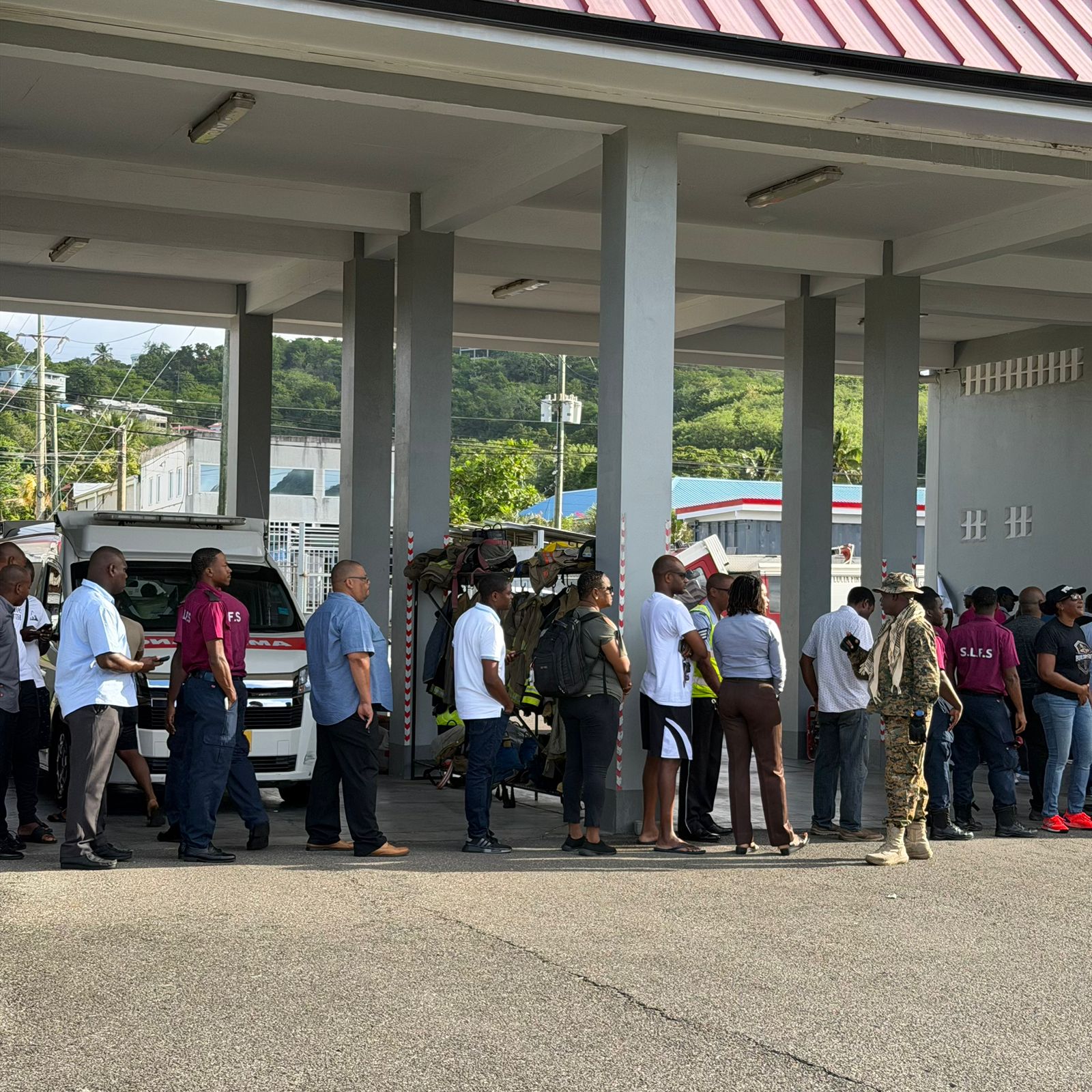
    Special forces personnel throughout Saint Lucia initiated the electoral process for the 2025 general election on Thursday through early voting procedures. While officials reported generally smooth operations, significant queues emerged at multiple polling locations due to higher-than-anticipated participation.

    The early voting process commenced at 6:00 AM across four designated facilities: Gros Islet Fire Station, Police Training School in La Toc, Vieux Fort Divisional Headquarters, and Soufrière Fire Station. These stations were established specifically to accommodate election workers and law enforcement personnel, including police, fire services, and correctional officers who will be on duty during the December 1 general election.

    Assistant Commissioner of Police Dr. Mashama Sealy, speaking from the Police Training School, confirmed that voting commenced precisely at the scheduled time of 6:30 AM. She noted that despite considerable lines forming at several locations, the voting process maintained steady progression, particularly at stations with fewer registered voters.

    Chief Elections Officer Herman St Helen provided context regarding the congestion, explaining that the lengthy queues resulted directly from the limited number of polling stations allocated for special forces voting. He acknowledged in retrospect that additional polling stations within certain divisions would have alleviated congestion, admitting that election planners had underestimated potential voter turnout among security personnel.

    At the Gros Islet Fire Station, Presiding Officer and Assistant Commissioner of Police Elvis Thomas confirmed the voting process was proceeding efficiently under observation from international monitors, including representatives from the Organisation of American States. Thomas emphasized his responsibility to ensure both smooth operations and the protection of voters’ rights to cast ballots without interference throughout the entire election period.

    Veteran police officer Leon Ephiphane, who voted at the Gros Islet station, shared his perspective after completing the process. With a decade of service, Ephiphane described the experience as ultimately successful despite initial organizational delays involving election agents’ coordination.

    Similar patterns emerged in the southern region, where election officials at Vieux Fort Divisional Headquarters indicated that Monday’s general election would feature significantly more polling stations, potentially reducing waiting times. An election clerk explained that the Vieux Fort South district contains four polling divisions with multiple stations each, which should distribute voter traffic more effectively during the main election.

    One female police officer who voted at Vieux Fort reported waiting nearly three hours to cast her ballot, expressing surprise at the early morning turnout while still characterizing her overall experience positively.

    In Soufrière, voting began at a slower pace during early morning hours but intensified toward midday. Although election officials declined formal commentary, visual observations indicated orderly proceedings throughout the day.

  • MATCH DAY: Sisserou Girls take on Jamaica in opening qualifier

    MATCH DAY: Sisserou Girls take on Jamaica in opening qualifier

    GROS ISLET, ST. LUCIA – Dominica’s Senior Women’s National Team commences its 2025–2026 CONCACAF Women’s Qualifiers journey with a highly anticipated match against Jamaica’s Reggae Girlz. The encounter kicks off at 3:00 p.m. local time today at the Daren Sammy Cricket Ground, marking the beginning of a demanding qualification phase for the Sisserou Girls.

    This inaugural match represents the first step in a challenging group stage that will subsequently see Dominica confront Guyana in February, followed by clashes with Nicaragua and Antigua & Barbuda in April. The team’s campaign is characterized by a blend of youthful exuberance and seasoned experience, aiming to make a profound statement on the international stage.

    In a historic appointment, 17-year-old prodigy Dymond Daniel will lead the squad as captain, becoming the youngest individual ever to skipper Dominica’s senior women’s team in international competition. The roster showcases a strategic combination of promising domestic talent and veterans playing abroad, all united in their ambition to proudly represent the Nature Isle.

    Head Coach Ronnie Gustave revealed his psychological approach to preparing the team for facing world-class opponents like Manchester City’s Khadija ‘Bunny’ Shaw. ‘My central theme today is faith over fear,’ Gustave stated. ‘While acknowledging the caliber of players we’re facing, football is ultimately decided on the pitch. With collective belief and unified effort, we are confident in our ability to deliver a strong performance.’

    Physical Trainer Duly Polydore emphasized the importance of incorporating enjoyment into their preparatory routines. ‘Our muscle activation process focuses on relaxation and acid removal to ensure optimal physical readiness,’ Polydore explained. ‘We intentionally design these activities to be enjoyable and football-specific, aligning with the game’s inherent nature.’

    Supported by months of intensive preparation, the Sisserou Girls approach today’s match with remarkable unity and determination, symbolizing a growing movement for women’s football development in Dominica. The match will be broadcast live on ESPN2 and Disney+, enabling fans nationwide and throughout the diaspora to support their national team as they embark on this exciting competitive journey.