作者: admin

  • Mr CJ, build trust in judiciary

    Mr CJ, build trust in judiciary

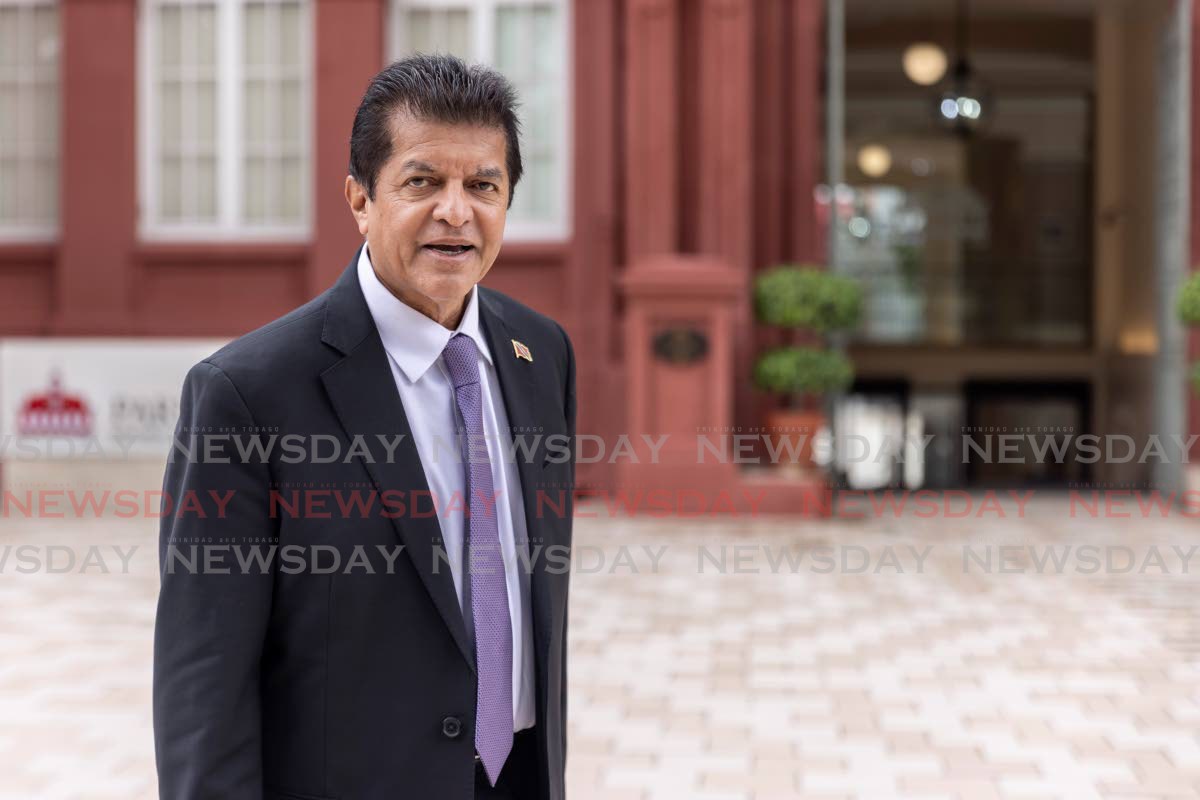
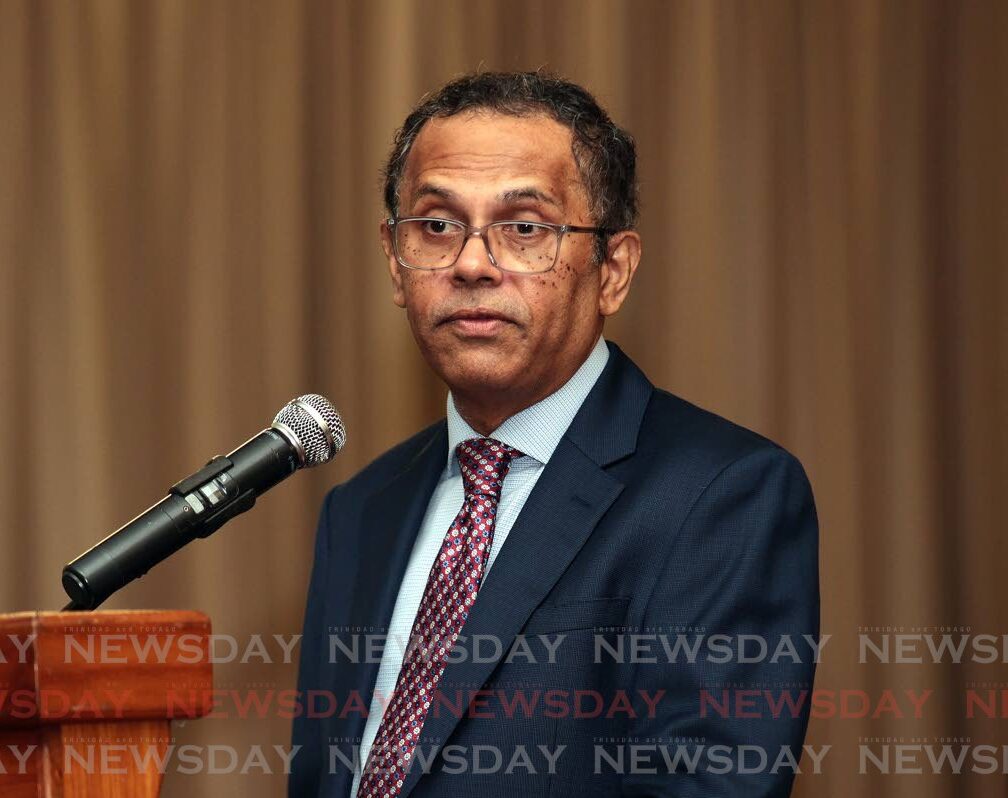
    In a significant address to legal professionals, Chief Justice Ronnie Boodoosingh has outlined an ambitious reform agenda for Trinidad and Tobago’s judiciary, emphasizing three critical priorities: reactivating underutilized court facilities, enhancing judicial efficiency to ensure public value, and fostering collaborative leadership through consultation.

    The Chief Justice’s declaration comes against a backdrop of pervasive systemic challenges that have long plagued the justice system. Chronic trial delays have created what commentators describe as a ‘human-rights nightmare,’ with citizens enduring repeated postponements, jurors facing unnecessary inconveniences, and remanded inmates awaiting resolution of their cases indefinitely. These delays are compounded by institutional failures—including state agencies disregarding court orders and frequent absenteeism among police witnesses.

    Further complicating matters is the controversial process for appointing Senior Counsel, which has drawn criticism for being overly politicized and lacking transparency. This has, according to observers, tarnished the reputation of deserving recipients and undermined public trust in legal institutions.

    Historical context reveals that these issues are not new. Over the past three decades, multiple committees—including those chaired by Sir Ellis Clarke and Dennis Gurley—have proposed solutions to reduce case backlogs and improve court efficiency, yet implementation has consistently fallen short.

    Despite these challenges, Chief Justice Boodoosingh’s commitment to timelines for case hearings and determination has been met with public optimism. His reputation for integrity, humility, and judicial excellence positions him as a potential catalyst for meaningful change. However, achieving these reforms may require confronting deeply entrenched interests within the legal establishment.


  • Catherine’s creative writing wins Commonwealth essay competiton silver award

    Catherine’s creative writing wins Commonwealth essay competiton silver award

    In a remarkable display of literary talent, 12-year-old Catherine Teemul from Trinidad and Tobago has achieved international recognition by securing second place in the prestigious Queen’s Commonwealth Essay Competition 2025. The St Joseph Convent student’s exceptional creative writing skills earned her a silver award among 53,434 entries from across the Commonwealth nations.

    Catherine’s journey to this achievement began unexpectedly when she discovered the competition through social media while attending Curepe Presbyterian Primary School. Driven by curiosity and her longstanding passion for storytelling, the then 11-year-old decided to enter on a whim. ‘I have loved reading since I was in standard three,’ Catherine recalled, highlighting her early connection to literature that paved the way for this accomplishment.

    Her award-winning essay, titled ‘Through the Pages,’ presents a captivating mythical narrative written in first person perspective. The story follows a young girl who discovers a mysterious leather-bound book with gold specks, leading her through a glowing doorway into another dimension. The protagonist finds herself trapped in her favorite book, pursued by a knife-wielding villain through a forest, before executing a thrilling escape back through the colorful portal.

    Catherine described being ‘overwhelmed with joy’ upon learning of her achievement. ‘It came as a surprise. I was overjoyed when I found out,’ she shared, expressing gratitude for her previous studies that contributed to this success.

    The competition, organized by the Royal Commonwealth Society in the United Kingdom, annually challenges young writers to engage with pressing global issues and Commonwealth values, fostering empathy and open-minded worldviews among youth participants.

    This literary achievement follows Catherine’s previous success in Trinidad’s Secondary Entrance Assessment (SEA) exams, where she also received recognition for creative writing at her graduation. Now attending her first-choice school, St Joseph Convent, Catherine follows in the footsteps of her eldest sister Chelsea-Marie while pursuing her artistic passions.

    The young writer credits her former teacher, Valine Sewlal-Hamid, for playing an instrumental role in nurturing her writing talent. Her parents, Arvind and Nadia Teemul, along with siblings Chelsea-Marie and Celine, expressed profound gratitude for the teacher’s encouragement and believe this prestigious award has given Catherine ‘the proverbial push’ to further believe in herself as she embarks on her secondary education journey.

    Despite her literary talents, Catherine reveals that Art is currently her favorite subject, with aspirations to become a fashion designer, combining her creative imagination with her eye for design that her mother describes as exceptional.

  • Don’t Call Me Baby Doll premieres at UWI

    Don’t Call Me Baby Doll premieres at UWI

    The University of the West Indies (UWI) is set to debut a powerful theatrical production titled “Don’t Call Me Baby Doll” on December 9th, written by Dr. Travis Weekes, the institution’s theatre coordinator. This six-year creative endeavor explores the complex realities of women migrants in Trinidad and Tobago through the lens of two compelling characters.

    The production features acclaimed actresses Chanel Quesnel as Maria, a Cuban refugee, and Natasha Lee Kurbanali as Isabella, a Venezuelan migrant. Their performances illuminate an extraordinary friendship that transcends religious and cultural differences, showcasing how solidarity emerges amidst adversity. The narrative delves into their shared pursuit of dignity and empowerment while confronting societal challenges.

    The play’s provocative title directly challenges the Baby Doll tradition, referencing cultural practices surrounding paternity seeking and economic survival. Dr. Weekes drew inspiration from his personal experiences as an immigrant arriving in Trinidad from St. Lucia to join UWI’s faculty in 2018. His background in theatre is deeply rooted—growing up within the artistic community established by Derek and Roderick Walcott, then formalizing his education at Jamaica School of Drama before earning a doctorate from UWI Cave Hill.

    Weekes’ anthropological interest in Santeria and its connections to Trinidad’s Orisha traditions informed the play’s cultural framework. His interactions with Cuban and Venezuelan migrants in his neighborhood revealed the multifaceted struggles faced by immigrant women, compelling him to create work that blends Hispanic and Caribbean cultural elements while resisting stereotypical representations.

    Beyond this production, Weekes maintains an active role in Caribbean theatre education, conducting seminars on classic works and recently directing Dawad Phillip’s play about Lord Blakie. His diverse portfolio includes 2021’s “The Fight for Belle Vue” examining brotherly land disputes and “Take Me to Mon Repos,” which explored St. Lucia’s 1794 liberation struggle and was performed in Venezuela by students from Trinidad and Saint Lucia.

    The premiere will feature two exclusive performances on December 9 and 10 at 7 PM in the Learning Resource Centre at UWI’s St. Augustine campus.

  • Amanda Ackbarali, mental health healer

    Amanda Ackbarali, mental health healer

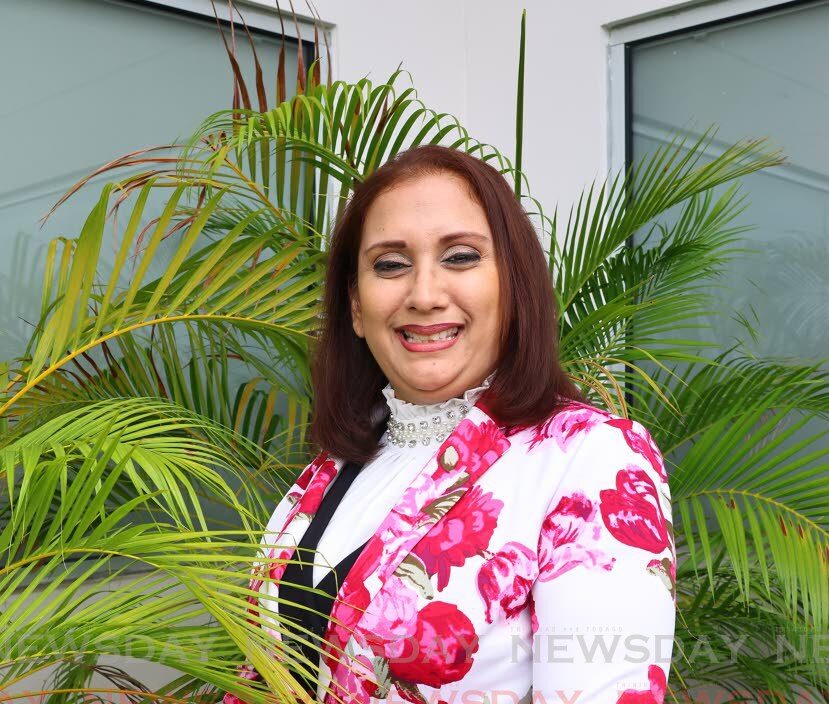
    Amanda Ackbarali, a 44-year-old mental health practitioner from San Juan, has dedicated the past 15 years to supporting survivors of gender-based violence and trauma. Her work coincides with the global 16 Days of Activism Against Gender-Based Violence (November 25-December 10), an annual campaign addressing violence against women and girls worldwide.

    Ackbarali’s approach to mental health care stems from childhood experiences rather than academic training alone. Growing up witnessing her mother’s exceptional compassion toward neighbors and friends on their family porch taught her that “if you can be kind, then be kind.” Her own struggles with severe atopic eczema from age three provided early lessons in vulnerability and empathy for those on society’s margins.

    Armed with a psychology degree and master’s in mediation studies from UWI, Ackbarali became board-certified as a civil and family mediator in 2013. Her frontline experience with institutions like the Rape Crisis Society, Coalition Against Domestic Violence, Children’s Authority, and Prison Service shaped her understanding of systemic challenges in trauma care.

    During her tenure at the Children’s Authority (2015-2018), Ackbarali played pivotal roles in establishing the Child and Family Services Unit and developing protocols for child trafficking victims. She describes child protection work as profoundly humbling: “You are often the person standing between danger and safety, between chaos and stability.

    The most emotionally challenging aspect of her work hasn’t been the clients themselves, but navigating “overburdened and under-resourced systems moving more slowly than the urgency demands.” This systemic pressure, she notes, causes practitioner burnout, making caregiver support essential rather than optional.

    In 2018, Ackbarali founded The Opening Lotus, a virtual mental health practice emphasizing culturally grounded care. The practice incorporates small rituals like ringing bells during breakthroughs to “make the invisible visible” and help clients recognize their growth. The lotus metaphor reflects her philosophy: “Healing, like the lotus, is a slow unfolding. It doesn’t ignore the difficulty, it grows through it.

    Reflecting on Caribbean women’s struggles during the activism period, Ackbarali identifies the pressure to achieve balance as a major emotional burden, exacerbated by cultural expectations placing disproportionate caregiving responsibilities on women.

    She challenges misconceptions about trauma presentation, explaining that responses vary from hypoarousal (withdrawal) to hyperarousal (high functionality), both being adaptive nervous system responses. “You can’t read trauma from the outside,” she emphasizes. “You understand it by listening to the person’s story.”

    Despite Trinidad and Tobago’s developing mental health system with gaps in education, service delivery, and referral pathways, Ackbarali remains optimistic. She advocates for better emotional literacy for children, training for community gatekeepers (teachers, police, coaches), and more intentional support for underserved groups including men, rural communities, and people with disabilities.

    Her career has demonstrated that “people are capable of rising through things that should have broken them,” and with proper support and compassion, they invariably “find a way to bloom again.”

  • Tobago planters’ problems 1805-1806

    Tobago planters’ problems 1805-1806

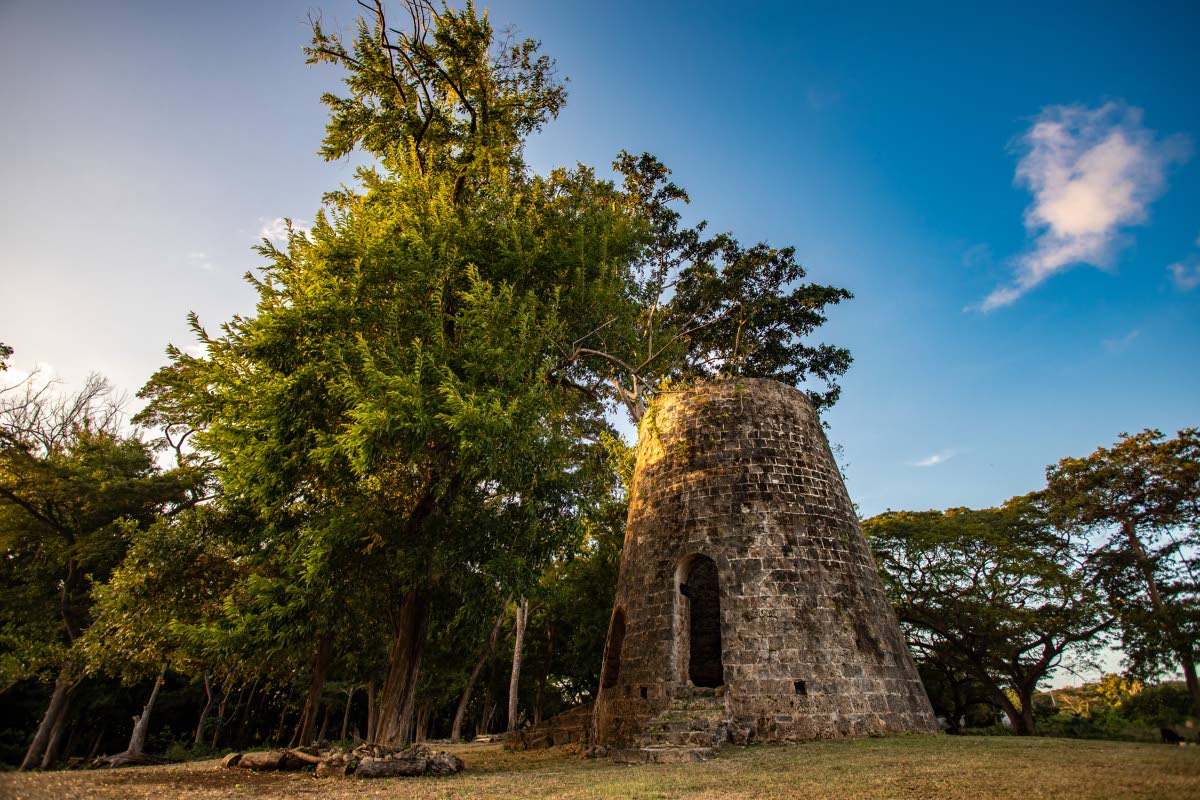
    The twilight of Tobago’s sugar industry reveals a complex narrative of economic ambition clashing with moral evolution. Following Britain’s reacquisition of Tobago in 1793, planters experienced a transient boom fueled by premium sugar prices resulting from Haiti’s production collapse. This prosperity earned Tobago planters legendary wealth status, yet their fortunes proved fragile against converging historical forces.

    International market volatility struck first as sugar prices plummeted at the century’s turn, creating catastrophic deficits for plantations operating on optimistic projections. Compounding these challenges, Tobago temporarily reverted to French control in 1802, creating political and economic disruption that further weakened the industry’s foundation.

    The most existential threat emerged from Britain’s growing abolitionist movement. Tobago’s inferior sugar quality already relegated it to bottom-tier pricing, but planters considered unpaid African labor essential for profitability. High mortality rates among enslaved workers necessitated constant replenishment, driving costs upward while sugar prices declined. Parliament’s movement toward restricting captive African trade directly threatened the planters’ economic model.

    Desperate petitions to British authorities emphasized Tobago’s unique hardships—repeated colonial transfers and limited workforce development opportunities due to Franco-British conflicts. Yet imperial economic interests had evolved beyond sugar, and investors began abandoning Tobago plantations.

    In response, planters implemented draconian measures to control enslaved populations. The 1805 Slave Law prohibited drumming, horn-blowing, and inter-plantation gatherings—essential communication methods for enslaved communities. Holiday freedoms were severely restricted, and militia enforcement was strengthened across strategic bays.

    The ultimate blow came with the Limitation Act, restricting imported captive Africans and foreshadowing Britain’s complete abolition of the trade. Planters’ attempts to create divisions among free people of color and trusted enslaved individuals for militia service reflected their desperation to maintain control.

    This historical episode demonstrates how global market forces, political shifts, and moral progress collectively dismantled Tobago’s slave-based economy, marking a pivotal transition toward abolition despite fierce resistance from plantation interests.

  • From Charlotteville with love – Jaba’s mission of peace

    From Charlotteville with love – Jaba’s mission of peace

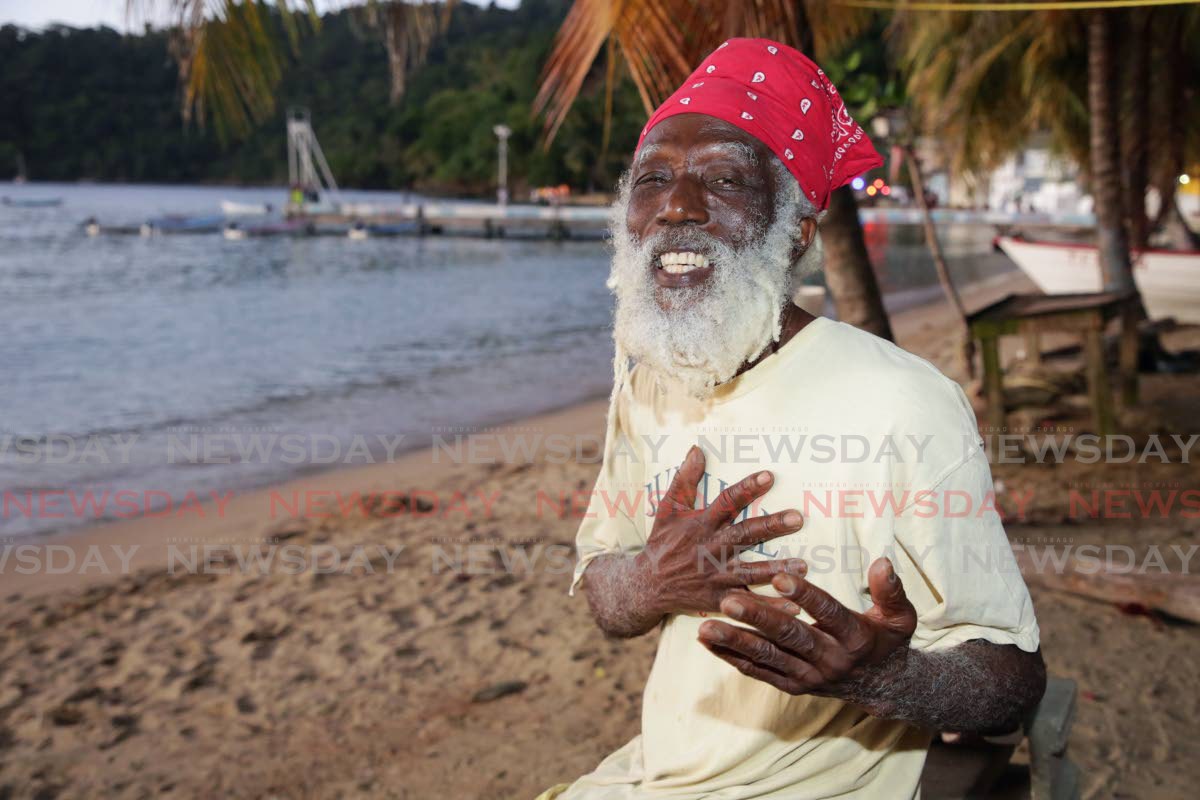
    In the serene fishing village of Charlotteville, Tobago, 69-year-old Rastafarian Irwin “Jaba” Hercules has emerged as an unexpected peace advocate, channeling personal tragedy into community transformation. Known locally as “I Lion Jaba,” the square-shouldered elder operates Ayo Restaurant while simultaneously serving as an informal conflict mediator for villagers grappling with disputes.

    Hercules’ commitment to peace originates from profound personal loss. His son Ayo, then 25 and preparing to attend Boston University, was murdered in Trinidad years ago after inadvertently crossing paths with criminal elements. Rather than succumbing to bitterness, Hercules transformed his grief into a mission to prevent similar tragedies.

    Together with cousin Winston Irving Sawyer Jr. in Canada, Hercules co-founded the Charlotteville Beachfront Movement—a community initiative focused on youth engagement through cultural events and economic opportunities. Their post-carnival festival provides free meals while showcasing local talent, representing what Hercules describes as “giving back to the community that has supported us.”

    The movement specifically targets youth violence prevention through constructive alternatives. “Our young people tend to gravitate towards violence for some reason,” Hercules observes. “As elders, we’re trying to encourage them toward small businesses, agriculture—anything besides sitting on street corners daily.”

    Hercules’ resilience stems from early hardship. Forced to abandon education at 13 after his father’s fatal car accident, he became primary caregiver for seven siblings when his mother suffered a breakdown. Through hunting, fishing, and eventually waterfront produce sales, he sustained his family in what he calls becoming a “force-ripped man.”

    Now, his advocacy extends beyond local concerns to international affairs. Expressing concern over tensions between Trinidad and Tobago, Venezuela, and the US, Hercules declares: “I am totally for peace. Let’s stop these stupid wars and share love among one another. This place remains a zone of peace, and we want to keep it like that.”

  • A new offence, an old defence

    A new offence, an old defence

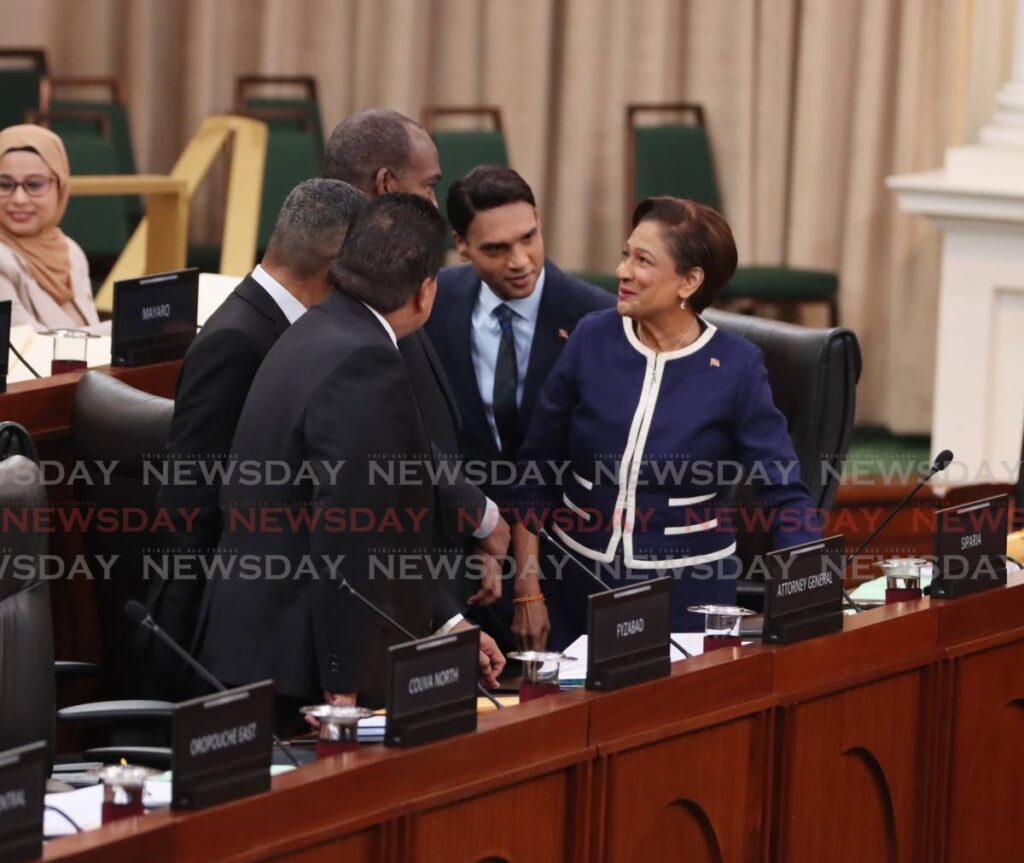
    Trinidad and Tobago’s Parliament has enacted the Home Invasion (Self-Defence and Defence of Property) Bill 2025 amid significant political acclaim, responding to growing public frustration with violent property crimes and predatory offenses. While the legislation introduces a novel statutory offense of “home invasion” with enhanced penalties for aggravating circumstances, legal experts question its substantive impact on existing Commonwealth legal principles.

    The legislation establishes clear parameters for home invasion offenses, including specific aggravating factors such as gang participation, weapon use, and targeting vulnerable individuals. These provisions carry substantial custodial sentences, representing the bill’s most concrete legal contribution.

    However, the bill’s purported reforms to self-defense doctrine appear largely symbolic. Commonwealth law already recognizes the core principles of self-defense through established precedents including R v Williams (1984) and R v Owino (1996), which evaluate defenders based on honestly held belief in threat and reasonable, proportional force response. The bill’s elimination of the legal duty to retreat merely codifies what courts already practiced—assessing context rather than imposing rigid retreat requirements.

    Notably, the legislation does not incorporate American-style felony murder rules or alter the fundamental intent requirements for murder charges under Trinidad and Tobago’s legal system. The country’s homicide laws remain grounded in Commonwealth tradition rather than US television-inspired legal concepts.

    Legal analysts suggest the bill primarily serves as political reassurance rather than substantive legal reform. By creating a new offense category while reaffirming existing self-defense principles, the government provides symbolic comfort to a crime-weary public without fundamentally reconstructing homicide doctrine. This legislative approach mirrors patterns seen across Commonwealth nations addressing public safety concerns through performative legislation that combines practical provisions with unnecessary doctrinal gestures.

    The ultimate value of the legislation may lie in its explicit criminalization of home invasion conduct rather than its rhetorical flourishes, with legal professionals emphasizing the continued importance of factual scrutiny and statutory interpretation over imported legal terminology.

  • Trinidad and Tobago bobsledders slide to extended podium medal

    Trinidad and Tobago bobsledders slide to extended podium medal

    Trinidad and Tobago’s four-man bobsleigh team has achieved a groundbreaking milestone by securing their first extended podium placement at the North America Cup in Whistler, Canada. The event, held from November 23-24, witnessed the Caribbean nation’s squad delivering impressive performances against international competition.

    The team, comprising pilot Axel Brown alongside athletes Xaverri Williams, Shakeel John, and De Aundre John, demonstrated remarkable consistency across two days of intense competition. On the opening day, the quartet clocked a combined time of 1:46.49 (53.60s and 52.89s across two heats), earning them fifth position among fourteen competing nations. Canada claimed victory with 1:45.80, followed by Israel (1:46.02) and Jamaica (1:46.05).

    Day two brought further improvement as the Trinidadian squad advanced to fourth place with an enhanced cumulative time of 1:46.41 (53.36s and 53.05s). Jamaica dominated this round with 1:45.88, while Canada secured both second and third positions.

    Their dual performances positioned the team within the prestigious extended podium classification (fourth through sixth places), recognized by the International Bobsleigh and Skeleton Federation as podium-level achievements for official rankings and athlete profiles.

    The accomplishment becomes particularly significant given substantial pre-race challenges. Team pilot Brown revealed that delayed sled shipments cost the team an entire week of crucial training preparation. ‘We had to really put the hammer down,’ Brown noted, ‘resulting in heavy fatigue across the entire team by the competition’s conclusion.’

    These results carry vital importance for Winter Olympic qualification, with each race contributing points toward global ranking tables. Brown cautiously optimistic about early qualification standings emphasized that ‘it’s still very early’ in the process.

    The team now looks ahead to competitions in Park City, Utah—a venue Brown describes as their ‘favorite track’ and site of their historic first podium achievement in 2024. With four upcoming races scheduled, the squad aims to match or surpass previous performances at this successful location.

    Completing the team roster are spare athlete Micah Moore and coach Lee Johnston, who continue to support the nation’s growing presence in international winter sports.

  • Health Ministry reviewing PrEP, DoxyPEP  for wider public access

    Health Ministry reviewing PrEP, DoxyPEP for wider public access

    The Ministry of Health in Trinidad and Tobago is conducting a comprehensive evaluation of two key preventative medications for HIV and sexually transmitted infections (STIs) as part of a potential shift in public health strategy. Health Minister Dr. Lackram Bodoe confirmed the review is examining pre-exposure prophylaxis for HIV (PrEP) and doxycycline prophylaxis (DoxyPEP) through the ministry’s HIV/AIDS Coordinating Unit, following global health guidance.

    This development comes in response to growing advocacy from public health experts and organizations, including a recent call for expanded access to these tools amid rising HIV and STI cases. Of particular concern is a sharp increase in syphilis infections among pregnant women.

    Minister Bodoe emphasized that the technical assessment encompasses clinical benefits, behavioral implications, cost considerations, and international best practices. “Our priority is always to reduce new HIV infections and protect the health and well-being of the population,” Bodoe stated. “Any decision related to PrEP or DoxyPEP will be guided by science, expert advice, and what is best for the people of TT.”

    The Family Planning Association of TT (FPATT) identified these medications as critical components in the national effort to eliminate HIV/AIDS by 2030, aligning with global UNAIDS targets. While recognized globally as effective prevention tools, neither medication is widely available through public health services except under specific circumstances such as occupational exposure for healthcare workers or following sexual assault.

    Significant barriers to implementation include the absence of a national policy enabling general access, sustainable funding challenges for government programs and NGOs, persistent stigma around HIV, logistical and procurement issues, and insufficient awareness among both the public and healthcare providers.

    Dion Gill, founder of the KingK Initiative and mental and sexual health educator, highlighted the need for a comprehensive approach beyond clinical considerations. He emphasized addressing cultural misconceptions that these medications encourage promiscuity, instead framing them as tools for sexual autonomy and mental well-being. Gill advocated for community-led healthcare services, particularly for reaching vulnerable populations like men who have sex with men, and stressed the importance of confidentiality in encouraging uptake.

    The ministry has not provided a specific timeframe for completing its review but has committed to updating the public once the technical assessment is finalized.

  • Maps of the mind – Adeline Gregoire’s art explores Caribbean movement

    Maps of the mind – Adeline Gregoire’s art explores Caribbean movement

    Visual artist Adeline Gregoire has launched her debut solo exhibition, “Vanishing Lines/Lignes de Fuite,” at Loftt Gallery in Woodbrook, presenting an innovative collection that reimagines Caribbean landscapes through abstract cartography. The exhibition, which opened November 15 and runs through November 30, represents a significant departure for Gregoire, who has built her career primarily as a curator and interpreter of others’ work until now.

    Gregoire describes the collection as “different types of maps, cartographies of ‘the islands’” that explore profound questions of “history, movement and survival.” Rather than presenting literal geographical representations, her works serve as conceptual mappings that layer references to memory, migration, and colonial histories within abstracted Caribbean landscapes.

    The French portion of the exhibition’s title, “Lignes de Fuite,” translates to “lines of flight”—a concept Gregoire employs to examine both physical and metaphorical escape routes. She draws direct parallels between historical marronnage (the escape of enslaved people during colonial times) and contemporary experiences of migration, displacement, and the pursuit of self-determination.

    “So many of us are the direct descendants of our maroon ancestors,” Gregoire observes. “And so many of us are not free. We are the runaways of our present time.”

    Her artistic process involves innovative techniques including ripping materials, distressing paper, exposing works to the elements, compression, layering, erasing, and scraping—methods that physically echo the themes of erosion, memory, and transformation explored in the content. The resulting works feature richly textured, tactile surfaces that invite both visual and conceptual engagement.

    Notable pieces include “Somewhere in Between, Nou La,” which Gregoire describes as “a sort of three-dimensional landscape where you’re supposed to see mountains, coastline and colonial histories all at once,” and “Geographies,” which incorporates thread to suggest connections across spaces divided by man-made borders.

    The exhibition benefits from the curatorial expertise of Célia Potiron, a Martinique-born writer and curator based in Paris whose background in Caribbean literature and postcolonial research adds significant depth to the presentation. Gregoire emphasizes the value of this collaboration, noting that Potiron’s “disinterested perspective helped situate the exhibition within wider Caribbean and postcolonial contexts.”

    Visitor response has been overwhelmingly positive, with many attendees spending extended periods engaging with individual works and participating in dialogues about their interpretations. Gregoire has enhanced the gallery experience with a curated soundtrack that adds another sensory layer to the exhibition.

    While the current exhibition concludes on November 30, Gregoire plans to continue developing these themes in her future work, describing this show as “a stage in an ongoing conversation” about Caribbean identity, history, and landscape.