作者: admin

  • Friday sworn in as St. Vincent and Grenadines’ 5th PM, Gonsalves to become Opposition Leader

    Friday sworn in as St. Vincent and Grenadines’ 5th PM, Gonsalves to become Opposition Leader

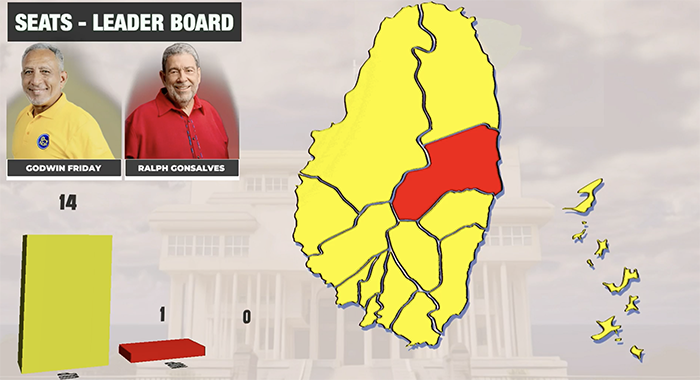
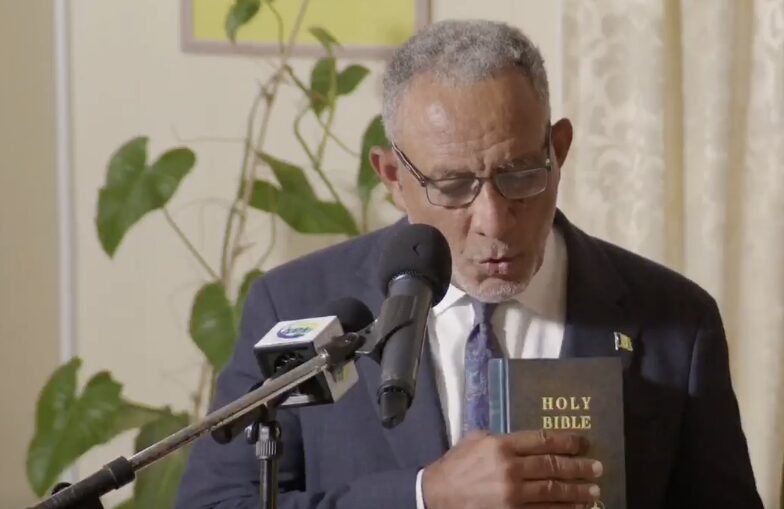
    St. Vincent and the Grenadines witnessed a historic political transition on November 28, 2025, as Dr. Godwin Friday took the oath of office to become the nation’s fifth Prime Minister. The ceremony marked the culmination of a dramatic electoral shift that ended the 25-year governance of the Unity Labour Party (ULP).

    Addressing the nation after his swearing-in, Dr. Friday expressed profound humility at assuming leadership, declaring his intention to govern as “a Prime Minister for all the people of this country.” The New Democratic Party (NDP) leader outlined his vision for national unity, emphasizing the need for citizens to embrace their shared identity as Vincentians while pooling resources and intellect for collective advancement.

    The transition follows the NDP’s unprecedented electoral triumph on November 27, where the party secured 14 of the 15 parliamentary seats—a result Dr. Friday characterized as a decisive mandate for “major, transformational changes.” The Prime Minister-elect pledged to dedicate “every sinew in our body” to fulfilling campaign commitments, with particular focus on elevating living standards, reinforcing moral values, and restoring national hope. While his cabinet appointments will be finalized next week, Dr. Friday immediately encouraged community-level participation, assuring citizens that “brighter days ahead” await the nation.

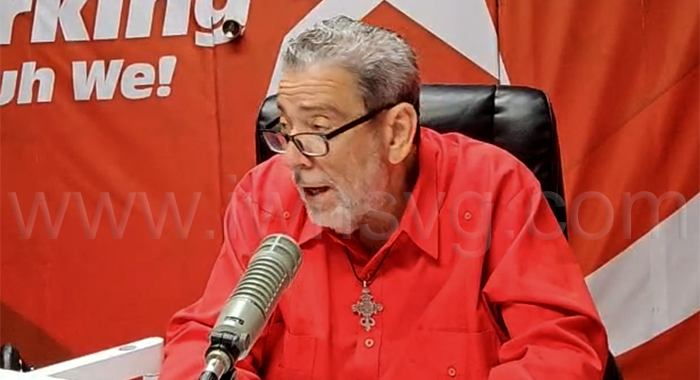
    Concurrently, former Prime Minister Dr. Ralph Gonsalves confirmed he would assume the role of Opposition Leader after his party’s devastating electoral performance. The ULP veteran, who maintained his own seat but witnessed his party’s collapse, asserted that “Labour is strong and alive” despite the setback. Dr. Gonsalves announced plans to convene with ULP leadership to select two senators who will join him on the opposition benches.

    Notably absent from the political transition was any public congratulatory message from the outgoing Prime Minister to the victorious NDP—a silence that underscored the profound shift in the nation’s political landscape after a quarter-century of continuous ULP governance.
  • Guyana’s airspace open despite neighbouring Venezuela’s closure

    Guyana’s airspace open despite neighbouring Venezuela’s closure

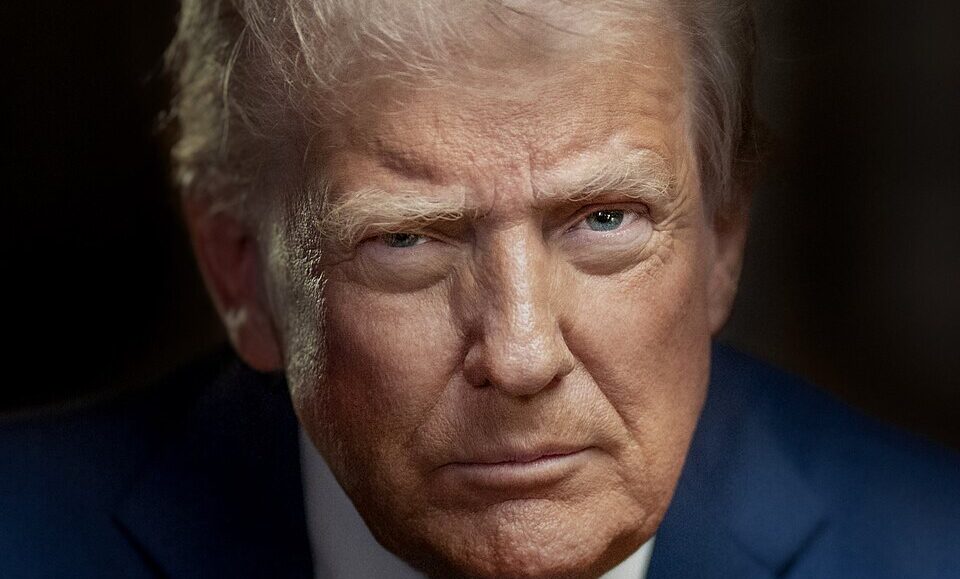
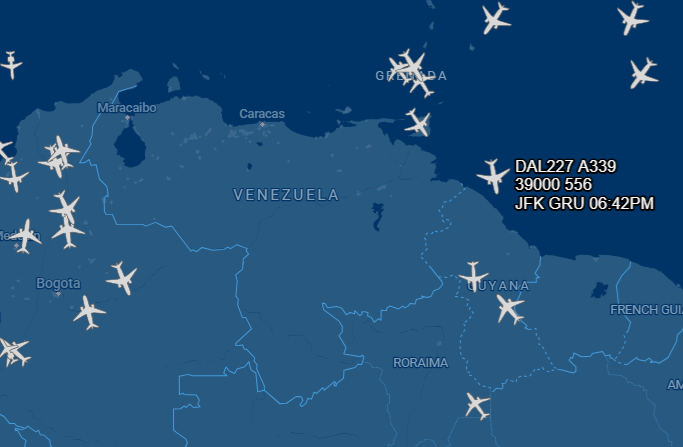
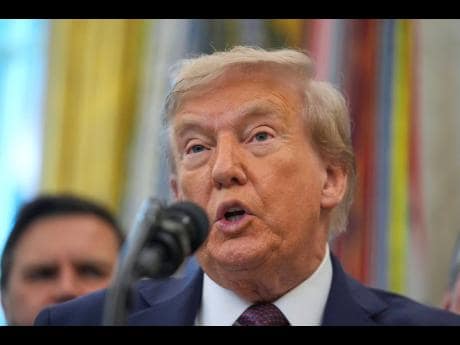
    Guyana’s aviation authorities have confirmed uninterrupted flight operations despite neighboring Venezuela’s airspace closure declared by US President Donald Trump. The Guyana Civil Aviation Authority (GCAA) Director-General Retired Lt. Col. Egbert Field assured that both domestic and international flights remain unaffected by the US policy targeting “airlines and flights engaged in illegal activities” above Venezuelan territory.

    Flight tracking services show normal air traffic over Guyana while Venezuelan airspace appears empty, demonstrating the practical implementation of Trump’s declaration posted on his Truth Social platform. The US President stated: “To all Airlines, Pilots, Drug Dealers, and Human Traffickers, please consider THE AIRSPACE ABOVE AND SURROUNDING VENEZUELA TO BE CLOSED IN ITS ENTIRETY.

    Regional aviation adjustments have been implemented smoothly, with flights to Trinidad and Colombia successfully rerouted through alternative paths. Field emphasized that even domestic flights to interior destinations near the Guyana-Venezuela border continue normally, as all Guyanese airstrips remain within national airspace boundaries under different flight information regions (FIR).

    The Trinidad and Tobago Ministry of Defence corroborated this stability, confirming that commercial airlines continue operations without disruption. Defence Minister Wayne Sturge reassured the traveling public to maintain normal flight plans.

    This aviation scenario unfolds against heightened military tensions, with Trump threatening potential ground operations against “narco-terrorists and narco-traffickers” in Venezuela. The US administration has labeled Venezuelan President Nicolás Maduro and associated cartels as narcoterrorists, though legal experts question the justification for deadly force amid absent concrete evidence of narcotics transportation in 21 strikes that have killed 83 people to date.

  • Trump administration announces pause on asylum decisions after National Guardsmen shooting

    Trump administration announces pause on asylum decisions after National Guardsmen shooting

    The Trump administration has implemented an immediate suspension of all asylum adjudications in response to the fatal shooting of two National Guard members in Washington, D.C. this week. U.S. Citizenship and Immigration Services Director Joseph Edlow announced the comprehensive pause, stating the measure will remain until “every alien is vetted and screened to the maximum degree possible.”

    This security-driven policy shift follows President Trump’s Thursday declaration of intent to “permanently pause migration” from unspecified “Third World Countries.” Concurrently, the State Department instituted an immediate visa issuance ban for all Afghan passport holders. Secretary of State Marco Rubio affirmed this action through social media, emphasizing that “The United States has no higher priority than protecting our nation and our people.”

    The administration’s response continues restrictive immigration patterns established in June when Trump issued a proclamation banning travel from twelve predominantly African and Middle Eastern nations. In his recent statements, the president outlined aggressive measures including terminating “all of the millions of Biden illegal admissions,” removing individuals deemed “not a net asset to the United States,” ending federal benefits for noncitizens, and deporting foreign nationals considered security risks.

    The policy changes directly respond to Wednesday’s attack by Rahmanullah Lakanwal, a 29-year-old Afghan national who entered the U.S. in 2021 and received asylum approval in April 2025. Investigation sources reveal Lakanwal previously served in Afghanistan’s Zero Unit, an elite force collaborating with CIA and Joint Special Operations Command personnel while targeting U.S. counterterrorism objectives.

    President Trump has characterized the incident as underscoring “the greatest national security threat facing our nation,” prompting deployment of National Guard troops to Washington and several Democrat-led cities including Chicago and Portland. These actions have historically faced opposition from Democratic lawmakers and immigration advocates who argue the administration exaggerates security concerns while rejecting vulnerable families seeking protection.

  • What a whopper!

    What a whopper!

    In a dramatic political upheaval that defied conventional expectations, Vincentian voters have delivered a powerful verdict against entrenched power structures and political entitlement. The election outcome represents far more than a simple transfer of power—it constitutes a fundamental rejection of perceived arrogance and unaccountability that had gradually permeated the ruling party’s culture.

    Political analysts note that the former administration’s decline stemmed from a growing perception that its representatives and their families had developed an aura of invincibility and privilege. The former prime minister’s leadership style increasingly came under scrutiny, particularly his apparent reluctance to hold ministers and even his own sons accountable for controversial actions. His response to the Yugge Farrel matter, advocating for ‘dignified silence’ rather than transparency, particularly resonated as emblematic of this problematic approach.

    The ‘Revelations’ episode, intended to demonstrate strong leadership, instead backfired spectacularly by reinforcing public perceptions of systemic corruption, nepotism, and entitlement. Specific cases such as Carlos James’s alleged misconduct and the disturbing allegations of violence against women further eroded public trust, creating an impression of political figures considering themselves beyond reproach.

    Agricultural communities expressed particular discontent with figures like Saboto Caesar, who appeared to be competing with the very farmers he was meant to serve—echoing the critical fable of ‘All for me, and some for you.’ This sentiment extended to the troubling behavior of political families who seemed to operate with impunity due to their connections.

    The election ultimately transformed from traditional party loyalty to a broader movement rejecting bullying, entitlement, and fear-based politics. Ironically, the former administration inadvertently educated an entire generation about their democratic power, which they decisively exercised at the polls.

    Camillo Gonsalves’s gracious concession speech demonstrated reflective maturity, while Curtis King’s dramatic defeat reflected public dissatisfaction with perceived weaknesses and his wife’s controversial behavior. The message to the victorious NDP remains clear: this represents conditional trust rather than blind loyalty, with voters ready to hold them to the same standards of accountability they demanded from their predecessors.

    This political shift marks both a season of change and a powerful reminder that in democracy, ultimate power resides with the people.

  • Trump halts all Asylum decisions and vows once more to pause immigration from third world countries

    Trump halts all Asylum decisions and vows once more to pause immigration from third world countries

    In a significant policy shift, the Trump administration has implemented an immediate and comprehensive suspension of all asylum adjudications. This decisive action comes directly in response to a security incident in Washington DC that resulted in the fatal shooting of one National Guard soldier and left a second in critical condition.

    The directive was formally announced by Joseph Edlow, the Acting Director of U.S. Citizenship and Immigration Services (USCIS). In an official statement, Edlow declared that the processing pause will remain in effect indefinitely until federal authorities can implement enhanced vetting protocols. He emphasized the administration’s new benchmark, stating asylum applications will only resume once officials can ‘ensure that every alien is vetted and screened to the maximum degree possible.’

    This suspension marks a rapid operationalization of President Trump’s earlier rhetoric. Mere hours before the official USCIS announcement, the President had publicly vowed to permanently halt immigration from what he characterized as ‘third world countries.’ The administration is now framing the shooting incident as a catalyst justifying an immediate and sweeping tightening of the U.S. immigration system, linking national security concerns directly to asylum procedures.

    The move is anticipated to create immediate and profound logistical challenges, generating a massive backlog of cases and leaving thousands of asylum seekers in a state of legal limbo. Policy analysts predict this will likely face swift legal challenges from immigrant advocacy groups who argue it effectively nullifies established national and international refugee protections.

  • PANCAP Director Issues Defiant World AIDS Day Message: “We Will Not Go Back”

    PANCAP Director Issues Defiant World AIDS Day Message: “We Will Not Go Back”

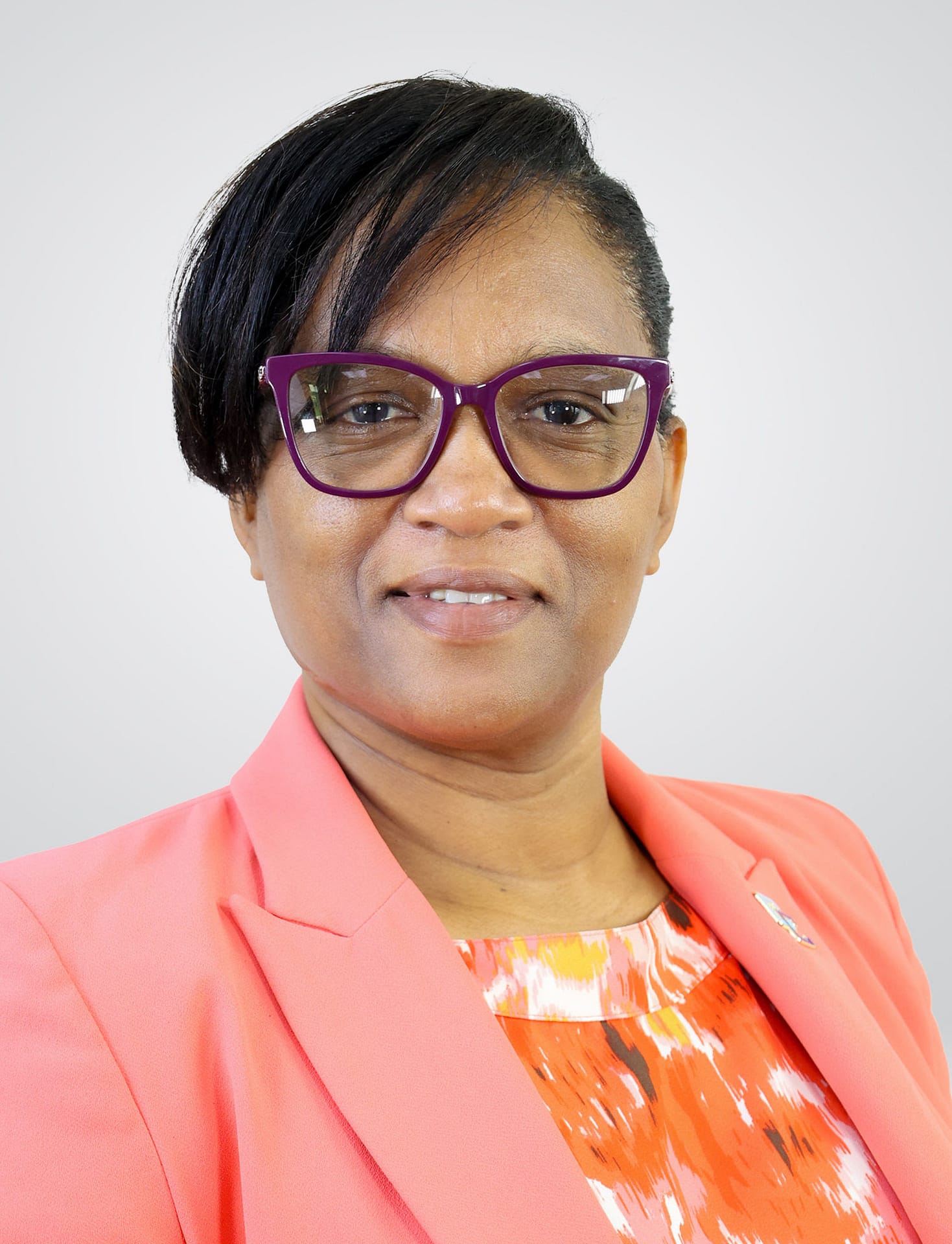
    Caribbean health authorities have issued a powerful declaration of resolve in the face of mounting financial challenges threatening regional HIV/AIDS elimination efforts. On World AIDS Day 2025, Dr. Wendy Telgt Emanuelson, Director of the PANCAP Coordinating Unit, delivered a stirring message emphasizing regional determination to preserve hard-won gains against the pandemic.

    The statement comes amid significant global funding reductions that jeopardize critical treatment programs, prevention initiatives, and decades of progress. Rather than retreating, Caribbean leaders are championing a transformative approach under the theme “Overcoming disruption, transforming the AIDS response.” This strategic pivot emphasizes efficiency, community empowerment, and optimized resource allocation to maintain momentum toward elimination targets.

    Notable achievements already demonstrate the region’s capability, including several Caribbean nations successfully eliminating mother-to-child HIV transmission. The ongoing commitment to the 95-95-95 targets (95% of people living with HIV knowing their status, 95% on treatment, and 95% virally suppressed) remains unwavering despite financial headwinds.

    Dr. Emanuelson’s address specifically acknowledged healthcare workers, civil society partners, and affected communities as essential pillars in this renewed effort. The message stressed that Caribbean resilience, forged through historical challenges, provides unique strength to overcome current obstacles through innovation, solidarity, and strategic restructuring of response systems.

    The director’s concluding remarks framed the funding crisis not as a defeat but as an opportunity to build a more sustainable, community-led model that could ultimately strengthen the region’s path toward complete HIV elimination by 2030.

  • Maduro ramps up repression in Venezuela as he faces growing threats abroad

    Maduro ramps up repression in Venezuela as he faces growing threats abroad

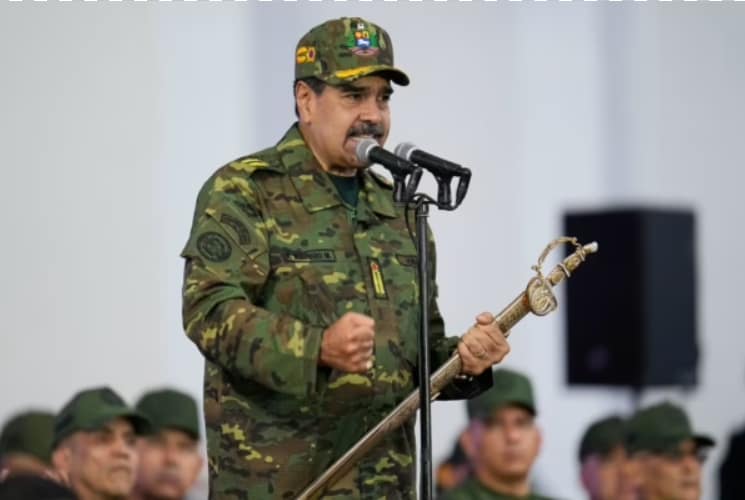
    Venezuela is experiencing its most severe crackdown on dissent in years, according to human rights organizations monitoring the situation. The administration of President Nicolás Maduro has intensified targeted repression against political opponents as it confronts growing international isolation and increased U.S. military activity in the Caribbean region.

    Human rights group Provea documented 54 detentions in October alone—the highest monthly figure since bilateral tensions began—with many victims linked to opposition leader María Corina Machado. Marino Alvarado, Provea’s coordinator, characterized these actions as “a policy designed to instill fear among Venezuelans,” noting deteriorating prison conditions, systemic overcrowding, and specialized punishments for political detainees.

    The opposition movement Vente Venezuela reports a strategic shift in government tactics from mass crackdowns to precision targeting of leadership figures. According to Orlando Moreno, who leads the organization’s human rights committee, authorities are employing political kidnappings and selective detentions to “decapitate opposition leadership.” This approach aims to neutralize organizational capacity rather than simply imprison large numbers of people.

    Statistical evidence reveals alarming patterns: Vente Venezuela documents one arbitrary detention every 32 hours in 2025, totaling 232 cases thus far—143 involving their movement members. This represents a significant reduction from 2024’s average of six daily arrests (totaling 2,500 annually), indicating more focused repression. Both monitoring groups concur that October marked the peak of suppression activities, coinciding with Machado’s Nobel Peace Prize recognition and intensified U.S. pressure on the Maduro government.

    The case of the Hernández Castillo family exemplifies this repressive climate. On November 19, armed men—some identifying as Bolivarian National Police officers, others as Organized Crime Division members, and some without identification—forcibly entered the home of 16-year-old Samanta Sofía Hernández Castillo in western Caracas. After threatening her grandparents with firearms, they abducted the teenager without explanation. Her family remains unaware of her whereabouts or status.

    This incident follows the earlier disappearance of the family’s uncle, agricultural producer Henry Castillo, taken on January 24 under unclear circumstances. Relatives consider him a victim of enforced disappearance.

    In another concerning development, 65-year-old Dr. Marggie Orozco received a 30-year prison sentence—the maximum under Venezuelan law—on November 16 for charges of treason, incitement to hatred, and conspiracy. The prosecution stemmed from an audio message she shared encouraging participation in the 2024 presidential elections. Her son, Walter Ruiz, maintains his mother simply wanted to “achieve change in the country.” Provea characterizes such sentences as “disproportionate” demonstrations of the justice system’s weaponization against political targets.

    Despite brief respites in early November—possibly signaling governmental attempts to appear open to dialogue with Washington—rights monitors note these lulls remain temporary. The Venezuelan government has consistently dismissed international reports on arbitrary detentions as “interventionist” and allegations as “irresponsible, biased, and deeply polarized.”

    As Venezuelans navigate simultaneous internal and external pressures, the nation faces profound uncertainty about its future direction amid escalating repression and international confrontation.

  • ‘Labour is very much alive,’ says former PM Gonsalves

    ‘Labour is very much alive,’ says former PM Gonsalves

    In a dramatic political shift, veteran leader Ralph Gonsalves has announced his transition to Opposition Leader following his Unity Labour Party’s (ULP) seismic electoral defeat after nearly 25 years in government. The New Democratic Party (NDP) secured a commanding victory, capturing 14 of the 15 parliamentary seats in Thursday’s general elections.

    Addressing supporters through the ULP’s Star Radio platform on Saturday, Gonsalves delivered a concession speech notable for its philosophical reflections and combative undertones. While acknowledging the electoral outcome, the former prime minister pointedly withheld direct congratulations for Prime Minister-elect Godwin Friday or the victorious NDP.

    Gonsalves framed the NDP’s triumph as a temporary phenomenon, declaring with poetic gravity: “At this very height of NDP triumphalism, it is the moment of the start of their descent. And descend they will.” He predicted the new administration would experience “a flood of disarray” as governing realities set in, asserting that “the clock of their demise is already ticking” in today’s rapidly evolving world.

    The seasoned politician, who previously served as opposition leader from 1998 to 2001, emphasized his readiness to embrace this familiar role “with dignity, duty and love.” He portrayed himself as undaunted by the reversal, stating: “The menace of the years finds and shall find me unafraid; it is my lot to accept, indeed prefer a strenuous life to one of ignoble ease.”

    Gonsalves outlined a tripartite strategy for the ULP’s renewal: helping supporters understand the setback as temporary, pursuing comprehensive party rebuilding, and resolutely defending the nation’s interests against any perceived attempts to “sell out St Vincent and the Grenadines or its patrimony”—a clear reference to NDP proposals such as citizenship-by-investment programs.

    Despite the crushing defeat that saw prominent ULP figures including his son, former Finance Minister Camillo Gonsalves, and four-term MP Saboto Caesar lose their seats, Gonsalves secured his North Central Windward constituency for an eighth consecutive term—a seat he has held for 31 years since February 1994.

    In his address, Gonsalves acknowledged the “shock and pain” permeating the Labour movement while urging against despair. He called for unity beyond traditional party lines, extending an olive branch to those who “deserted the family of labour,” emphasizing the urgency to protect the gains achieved during nearly a quarter-century of ULP governance.

    The former prime minister committed to maintaining high standards of parliamentary opposition despite the NDP’s overwhelming majority, noting that Vincentians would judge the opposition based on “the quality of our work.” He concluded with defiant resilience, echoing Victorian poet William Ernest Henley: “My head is bloodied, but unbowed.”

  • Thousands of patients await leaving Gaza for medical treatment

    Thousands of patients await leaving Gaza for medical treatment

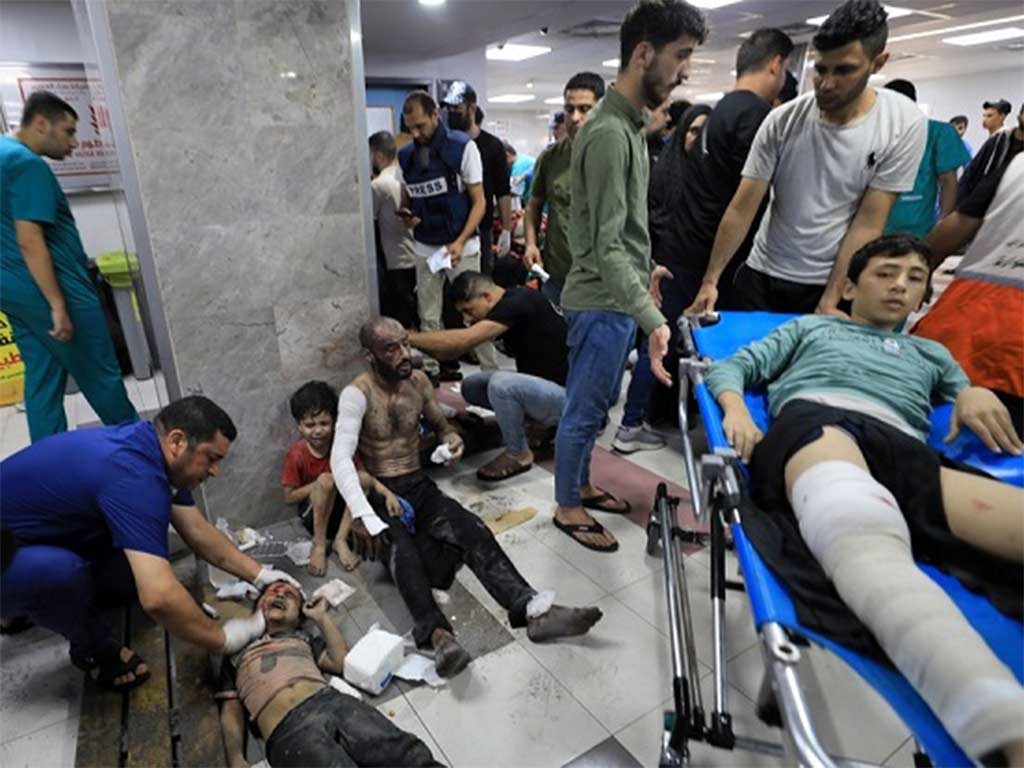
    Gaza’s healthcare system faces catastrophic collapse as medical authorities reveal a devastating human toll of delayed medical evacuations. Health Ministry Director-General Munir al-Barash reported that approximately 1,000 patients holding approved referrals for external treatment have died during the protracted waiting period for border crossings to open.

    The documented casualties represent only a fraction of the growing healthcare emergency in the coastal territory. Official records indicate that 18,100 patients have received approval for medical transfer abroad, including 5,000 cancer patients, 7,000 injured individuals, and approximately 500 children requiring specialized care unavailable in Gaza.

    Al-Barash criticized neighboring countries for maintaining closed border crossings despite the documented medical emergencies. All patient cases have been formally submitted to both United Nations agencies and the World Health Organization (WHO), which are working with local authorities to address the crisis.

    The healthcare collapse stems from the devastating combination of destroyed medical infrastructure and critical shortages of essential supplies, including life-saving medications. The territory’s health system, already weakened by years of conflict and restrictions, now faces complete breakdown under the weight of overwhelming medical needs and insufficient resources.

    This week’s warning from Gaza’s health leadership highlights the urgent need for international intervention to prevent further loss of life among critically ill patients awaiting evacuation.

  • Venezuela complains to OPEC about the US ‘threats’

    Venezuela complains to OPEC about the US ‘threats’

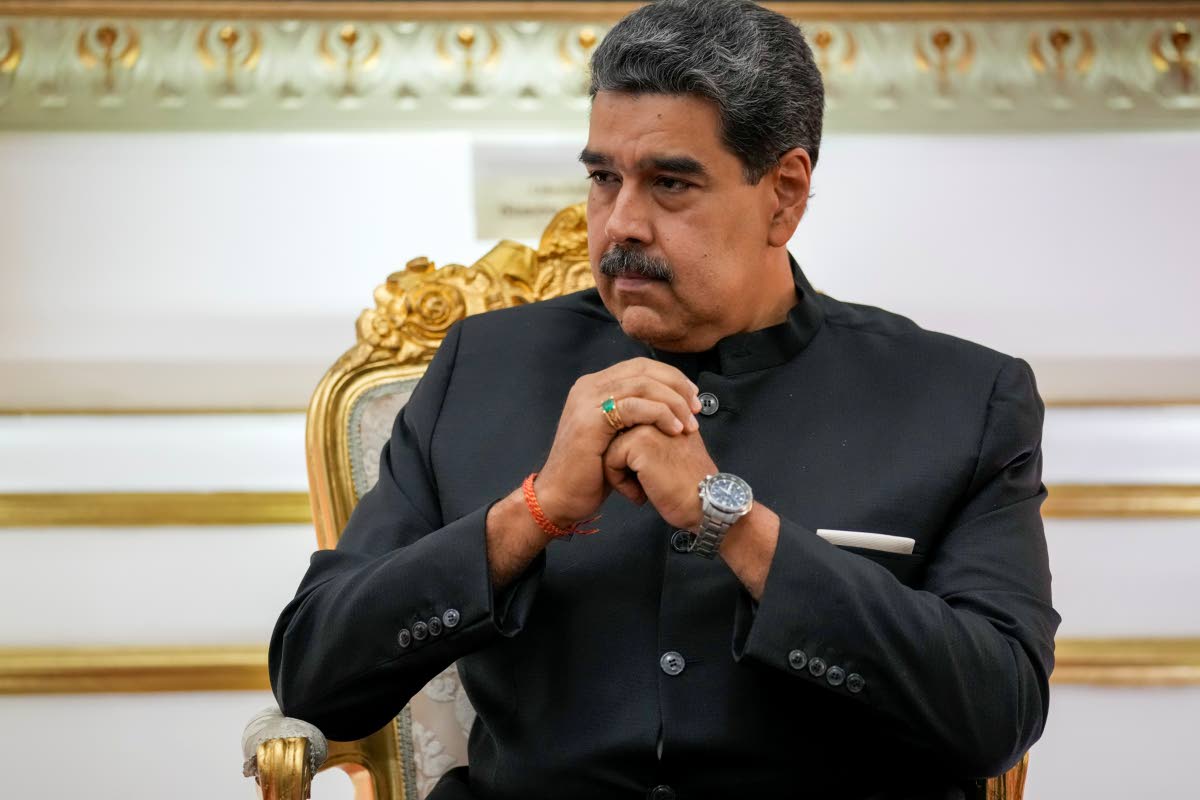
    Venezuelan President Nicolás Maduro has formally accused the United States of plotting to militarily seize his country’s vast petroleum resources in a dramatic diplomatic escalation addressed to global energy leaders. The three-page communiqué, dated November 30 and addressed to OPEC Secretary General Haitham Al Ghais, alleges systematic US aggression that threatens both Venezuelan sovereignty and global energy market stability.

    Vice-President Delcy Rodríguez announced the diplomatic move via social media, characterizing Washington’s actions as ‘growing and illegal threats’ that jeopardize international peace. The letter specifies that since mid-August, the Trump administration has orchestrated a campaign involving the deployment of substantial military assets to the Caribbean region—including more than 14 warships and 15,000 troops—accompanied by alleged bombings against small vessels resulting in over 80 extrajudicial killings.

    Maduro’s correspondence contends that these actions constitute flagrant violations of the United Nations Charter and international law frameworks. The Venezuelan government positions itself as defending not only national sovereignty but also global energy equilibrium, noting that any disruption to Venezuela’s oil production—representing the world’s largest reserves—would severely impact market balance.

    The letter appeals to OPEC and OPEC+ members for solidarity against what Caracas describes as US attempts to destabilize producing nations through military intervention. Maduro specifically requested distribution of the document to all member states and called for ‘a sovereign union without external disturbances’ to address the crisis.

    Neither Energy Minister Dr. Roodal Moonilal nor former minister Stuart Young provided immediate commentary regarding these allegations when contacted on November 30. The Venezuelan government maintains it will ‘remain firm in defending its natural energy resources’ against perceived economic and military coercion.