作者: admin

  • Delegatie koning Willem-Alexander aangekomen te Zanderij

    Delegatie koning Willem-Alexander aangekomen te Zanderij

    King Willem-Alexander of the Netherlands, accompanied by Queen Máxima, has commenced a significant three-day state visit to Suriname, arriving at Johan Adolf Pengel International Airport with a substantial governmental and business delegation. The royal contingent, which includes four cabinet ministers and representatives from fifteen leading Dutch corporations, signifies the comprehensive nature of this diplomatic mission.

    Upon arrival, the delegation was formally received by Suriname’s Minister of Foreign Affairs, International Trade, and International Cooperation, Melvin Bouva, alongside Dutch Ambassador Walter Oostelbos. Minister Bouva characterized the visit as a pivotal moment in the bilateral relationship between the two nations, emphasizing its potential to deepen cooperation across multiple sectors.

    The agenda focuses on enhancing collaboration in economic development, water management, climate change initiatives, healthcare innovation, and mutual cultural understanding. The participation of multiple ministers and business leaders underscores the mission’s broad scope, with at least three formal cooperation agreements scheduled for signing during the visit. This diplomatic engagement represents one of the most substantial bilateral exchanges between the Netherlands and Suriname in recent years, highlighting ongoing efforts to strengthen historical ties through contemporary partnerships.

  • President Bostic launches Chapman Challenge as Barbados celebrates milestones of nationhood

    President Bostic launches Chapman Challenge as Barbados celebrates milestones of nationhood

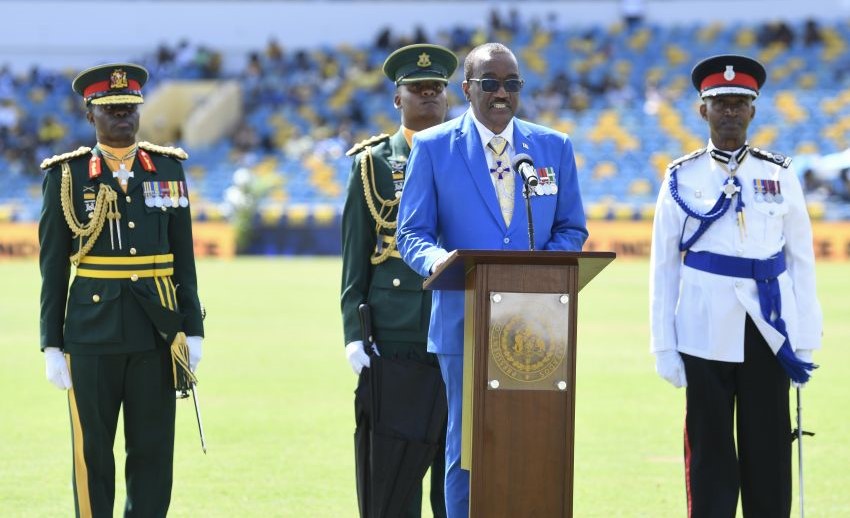
    In a powerful inaugural address marking Barbados’ 59th Independence Day, newly installed President Lieutenant Colonel Jeffrey Bostic unveiled a transformative national initiative aimed at uplifting the nation’s youth. The ceremony at Kensington Oval witnessed the formal transition of power from former President Dame Sandra Mason to President Bostic, who immediately set forth his vision for national development through youth empowerment.

    President Bostic introduced the Chapman Challenge—named after the community where he was raised—as a dual call to action. The initiative challenges every adult Barbadian to actively guide a child while simultaneously urging young citizens to transcend their circumstances through ambition and determination. Drawing from his personal mantra ‘no retreat, no surrender’ that guided his leadership during the COVID-19 pandemic as Health Minister, Bostic redirected this battle cry toward youth development.

    The program will be community-centered, operating within local parishes where support is most critically needed. President Bostic emphasized that parish councillors, village leaders, and community institutions will identify and support ‘challengers’—young people ready to rise above their limitations. The President called for an ‘army of anchors’ comprising experienced citizens, faith-based organizations, and cultural groups to provide essential mentorship.

    Reflecting on his humble beginnings in Chapman Lane, Bostic stated, ‘It showed me that we are stronger together, that we rise and fall as one.’ His personal narrative underscored the program’s foundation in community solidarity and collective advancement.

    Prime Minister Mia Mottley, who also addressed the gathering, endorsed the initiative while urging Barbadians to reconnect with their patriotic spirit. She described President Bostic as ‘the embodiment of national duty and resilience’ and expressed confidence that this renewed community focus could make Barbados ‘truly world-class by 2030.’

    The ceremony, attended by international dignitaries including King Abdullah II of Jordan and several Caribbean leaders, blended military precision with cultural performances, symbolizing both Barbados’ independence and its continued evolution as a republic.

  • FLASH : Our Grenadières crush Belize [9-0] (World Cup Qualifier Brazil 2027) – video

    FLASH : Our Grenadières crush Belize [9-0] (World Cup Qualifier Brazil 2027) – video

    In a spectacular display of offensive prowess, Haiti’s national women’s football team, known as the Grenadières, delivered a resounding 9-0 victory against Belize on November 30, 2025. The match, held at Stade FFB in Belmopan, marked the opening round of the CONCACAF qualifiers for the FIFA Women’s World Cup Brazil 2027.

    Under the strategic guidance of French coach Malou Quignette, Haiti implemented a 3-5-2 formation with several tactical adjustments to the starting lineup. The team featured goalkeeper Kaina Cesar Pietrus (Lipscomb University, USA) alongside defensive stalwarts Jennyfer Limage (RC Lens, France) and Tabita Joseph (Olympique de Marseille, France).

    The offensive fireworks were led by captain Nérilia Mondésir (Seattle Reign, USA), who dominated the match with an extraordinary four-goal performance. Teammates Melchie Dumornay (Olympique Lyonnais, France) and Batcheba Louis (Birmingham City, England) each contributed two goals to the historic tally, while Roseline Eloissaint (FC Nantes, France) added another to complete the scoring barrage.

    Haiti’s relentless pressure began early with Mondésir opening the scoring in the 12th minute. The Grenadières maintained continuous offensive momentum throughout both halves, demonstrating exceptional coordination and tactical maturity. The comprehensive victory positions Haiti favorably in Group D standings with three points and a significant goal difference advantage.

    The team’s upcoming qualifying matches include crucial fixtures against Suriname (March 3, 2026), Anguilla (April 9, 2026), and the Dominican Republic (April 17, 2026) as they continue their campaign to secure a spot in the 2027 World Cup tournament.

  • Zeph Joseph cross country off to a sound start

    Zeph Joseph cross country off to a sound start

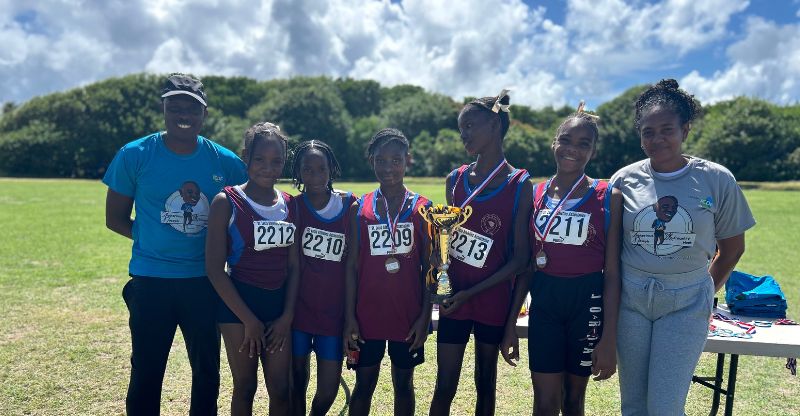
    In a landmark development for Caribbean athletics, the inaugural Zepherinus Joseph Cross-Country Meet commenced on November 22 at Dames Recreation Park in Vieux Fort, Saint Lucia. The historic event featured participation from three secondary schools and 38 athletes, marking a significant advancement in the nation’s distance running program.

    Micoud Secondary School (MSS) emerged victorious in the boys’ division, while Leon Hess Comprehensive Secondary School (LHCSS) claimed top honors in the girls’ competition. The event’s namesake organizer, Zepherinus Joseph—a national marathon record holder and 2002 Olympian—expressed profound satisfaction with the successful realization of his long-envisioned project.

    The boys’ competition witnessed an impressive performance by Michael Eliotte of MSS, who completed the course in 15:33, establishing a commanding 30-second lead over his closest competitors. Shaquan Xavier (16:01) and Trale Constantine (16:12), both representing LHCSS, secured second and third positions respectively. Micoud Secondary ultimately accumulated 28 points to claim the team title.

    Under favorable sunny conditions, the girls’ division saw Akiaha Weekes and Jayula Sayers lead LHCSS to a 32-point victory across the 4.6-kilometer terrain. Weekes finished with a time of 20:11 (13th overall), followed closely by Sayers at 20:32 (15th overall). Febe Thomas of Micoud recorded 21:44, earning third place among female participants.

    Joseph, who previously excelled in cross-country at Central Arizona College and University of North Florida, emphasized the sport’s crucial role in developing athletic prowess. “Cross-country builds fundamental strength and stamina that benefits athletes across all disciplines, particularly track and field,” he explained.

    The Olympian revealed his broader vision: “My objective is to cultivate Saint Lucia’s long-distance program and nurture future Olympic competitors. Having been the nation’s sole long-distance representative at the Olympics, I aspire to provide others with similar opportunities—potentially even Olympic medalists.”

    Despite the successful debut, Joseph acknowledged logistical challenges that limited participation to secondary schools. “I’m disappointed we couldn’t include primary school athletes initially, but they will definitely participate next year,” he committed. The organizer also noted scheduling conflicts with examinations affected broader school participation, prompting plans to move the 2026 event to late September or early October.

    The event garnered support from Verneta Lesporis, Curriculum Officer for Physical Education at the Ministry of Education and herself an Olympian and national record holder in the 400m. She hailed the meet as “groundbreaking” for Saint Lucian athletics, noting: “For years we’ve discussed the absence of cross-country events for our distance runners. This initiative exposes athletes to international competitive standards and creates scholarship opportunities.”

    Lesporis emphasized the global relevance of cross-country, stating: “It’s 2025—cross-country is a major worldwide event. Our students deserve exposure to this competitive platform beyond traditional track and road events.”

    Joseph extended gratitude to sponsors and volunteers whose support made the inaugural event possible, while expressing optimism about expanding the competition into a premier annual event on Saint Lucia’s sports calendar.

  • Menzo stapt per direct op: Suriname zonder bondscoach richting cruciale WK-play-offs

    Menzo stapt per direct op: Suriname zonder bondscoach richting cruciale WK-play-offs

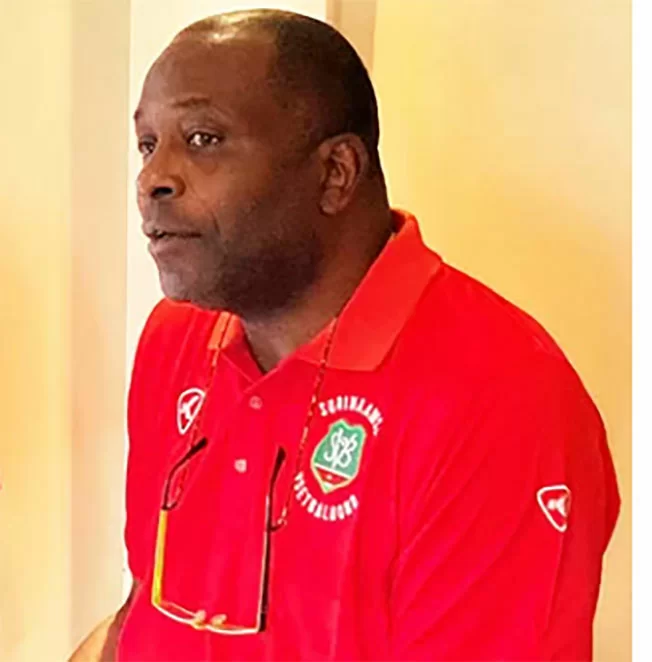
    In a surprising development that has sent shockwaves through Caribbean football, Stanley Menzo has abruptly stepped down as head coach of Suriname’s national team just three months before critical World Cup qualifying playoffs. The Surinamese Football Association (SVB) confirmed his immediate departure following an evaluation of recent international matches and consultations with general manager Brian Tevreden.

    The timing presents a significant challenge for Suriname’s national team, known as Natio, which faces the most important matches in its modern football history this March. These playoffs represent Suriname’s opportunity to potentially secure its first-ever World Cup qualification.

    In a personal statement, Menzo described his decision as difficult but deliberate: ‘After thorough evaluation and consultation with Brian Tevreden, I have decided to resign from my position. In March, Natio faces an extremely important international period. I am immensely proud of what we have achieved together, but this is the right moment for me to step back.’

    Menzo’s tenure marked one of the most successful periods in Surinamese football history. Under his leadership, Natio achieved remarkable milestones including reaching the quarterfinals of the 2024 Concacaf Nations League, qualifying for the Concacaf Gold Cup finals, executing a strong World Cup qualifying campaign throughout 2024, and securing a place in the March 2025 World Cup playoffs.

    The SVB acknowledged Menzo’s exceptional contributions, stating: ‘Menzo has achieved outstanding results and elevated the national men’s selection to a higher level. We respect his decision and thank him for his dedication and professional commitment.’

    The sudden departure creates a leadership vacuum at a critical juncture when intensive preparation is essential. The football association has promised to initiate a careful transition process and inform the public about next steps promptly. With approximately three months until the decisive matches, the SVB faces mounting pressure to quickly appoint a new head coach capable of guiding the team through the final qualifying phase.

  • Dominica Falls to Jamaica in Tough CONCACAF W Qualifier

    Dominica Falls to Jamaica in Tough CONCACAF W Qualifier

    In a display of overwhelming offensive firepower, Jamaica’s national women’s football team commenced their 2025–2026 CONCACAF Women’s Championship qualifying campaign with a resounding 18–0 victory over Dominica on Saturday. The match, held at the Daren Sammy Cricket Ground in Gros Islet, St. Lucia, saw the Reggae Girlz establish their dominance from the opening whistle against the Sisserou Girls.

    The Jamaican squad, building on their impressive performance from the 2023 FIFA Women’s World Cup, demonstrated superior technical skill, tactical coordination, and finishing ability throughout the contest. The lopsided scoreline underscores the growing competitive disparity within the CONCACAF region as established programs continue to develop at an accelerated pace.

    For Dominica’s Senior Women’s National Team, the match presented formidable challenges against one of the region’s strongest sides. Despite the difficult outcome, participation in high-level competition provides valuable experience for developing football programs. The qualifier serves as preliminary competition for both the 2024 Women’s Gold Cup and the 2027 FIFA Women’s World Cup, highlighting the long-term development pathway for CONCACAF nations.

    The result positions Jamaica favorably in Group C as they pursue qualification for upcoming international tournaments, while Dominica will look to regroup and identify areas for improvement throughout the remainder of their qualifying campaign.

  • PM Browne: Global Crises Pushing World Toward “Implosion”

    PM Browne: Global Crises Pushing World Toward “Implosion”

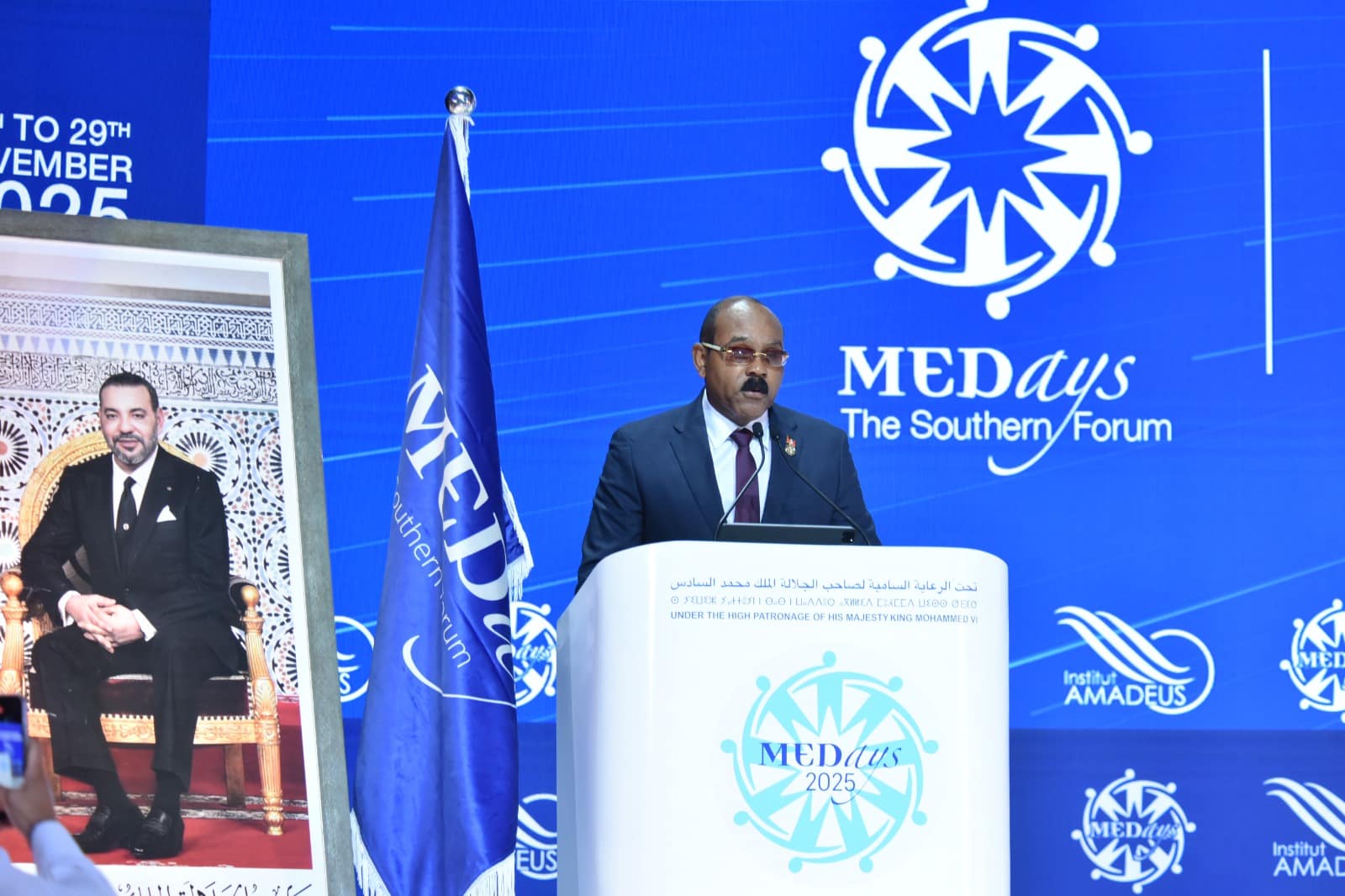
    At the Medays 2025 Forum in Morocco, Antiguan Prime Minister Gaston Browne delivered a dire assessment of the global condition, declaring the world is perilously close to catastrophic failure. He characterized the current era as one of extreme volatility in modern history, fueled by a convergence of multiple systemic threats.

    The head of government for Antigua and Barbuda detailed a multifaceted crisis driven by escalating geopolitical conflicts, severe climate-related disasters, widespread food insecurity, rapid digital disruption, unsustainable national debt levels, and the persistent socioeconomic fallout from the COVID-19 pandemic. Browne emphasized that for small island nations, these are not abstract concerns but concrete obstacles that severely limit their capacity for strategic planning, economic investment, and citizen protection.

    Browne issued an urgent call for enhanced multilateral collaboration, asserting that no single nation possesses the resources to withstand these compounding cycles of instability independently. Alongside his warnings, the Prime Minister highlighted significant legal advancements for vulnerable states, particularly referencing Antigua and Barbuda’s leadership role in the Commission of Small Island States on Climate Change and International Law (COSIS).

    He pointed to a landmark advisory opinion secured by COSIS that establishes a critical legal precedent: nations causing marine environmental damage through greenhouse gas emissions are in breach of their international legal obligations. This opinion, Browne noted, substantially strengthens the legal standing of all countries whose populations and economies face existential threats from climate change.

    The Caribbean leader delivered a severe condemnation of major polluters, accusing wealthy nations of profiting from fossil fuel industries while developing states endure the devastating consequences. Browne cautioned that continued failure to reduce emissions would ultimately “imperil human civilization” and implored major emitting countries to implement immediate, decisive measures to preserve the possibility of limiting global warming to 1.5°C above pre-industrial levels.

  • OPINION: The case for campaign finance legislation

    OPINION: The case for campaign finance legislation

    Across the Caribbean archipelago, a critical democratic deficit persists as nations grapple with the unregulated flow of money in political campaigns. While election seasons regularly spark public questioning about the origins of political funding—particularly evident in the lavish importation of regional artists and expensive campaign materials—these concerns typically evaporate once polling concludes. This cyclical pattern has created an environment where potentially problematic donations face tacit acceptance, with some politicians even encouraging voters to accept campaign money while rejecting the donors at the ballot box.

    The core concept of campaign finance legislation revolves around mandatory disclosure of contributions and expenditures, designed to prevent undue influence on electoral outcomes. Such regulations aim to create equitable conditions for opposition parties that must compete against governing parties wielding both private donations and largely unrestricted access to state resources. Caribbean scholars note the particularly thin distinction between legitimate governance activities and electioneering, especially in systems without fixed election dates where sitting governments can time initiatives for maximum electoral impact.

    This regulatory gray zone was starkly illustrated during Guyana’s recent elections, where the European Union Election Observer Mission documented the incumbent’s exploitation of state resources through project inaugurations and social programs strategically timed with campaign activities. The problem extends beyond domestic concerns, with scholars like Cynthia Barrow-Giles documenting allegations of foreign governments funneling millions into Caribbean campaigns to advance strategic interests.

    While Jamaica stands as a regional exception with comprehensive regulations including donation limits, disclosure requirements, and meaningful sanctions for violations, most Caribbean nations exhibit weak enforcement mechanisms and negligible penalties. In Saint Lucia, spending limits exist without corresponding contribution transparency requirements, while Antigua’s disclosure thresholds remain easily circumvented.

    The path forward requires serious consideration of model legislation frameworks, such as the OAS Draft Model Legislation, which proposes independent regulatory commissions, spending caps, clear donor definitions, and prohibitions on state resource misuse for campaigning. However, current signals from major political parties across the region suggest more virtue signaling than genuine commitment, with campaign finance reform conspicuously absent from party manifestos despite rhetorical support.

    Meaningful reform necessitates bipartisan cooperation, recognizing that both governing and opposition parties stand to benefit from a more transparent and equitable system. Ultimately, establishing robust campaign finance regulations would strengthen democratic institutions, ensure fair political competition, and address the lingering authoritarian tendencies rooted in the region’s historical context.

  • Zijin investeert US$ 30 miljoen in nieuw zonnepark voor groene goudwinning

    Zijin investeert US$ 30 miljoen in nieuw zonnepark voor groene goudwinning

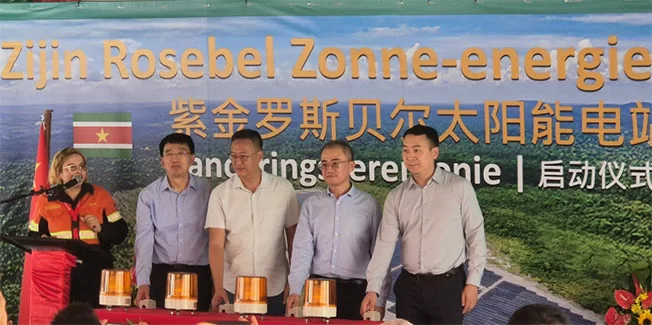
    Zijin Rosebel Gold Mines has officially inaugurated its second solar park, marking a significant advancement in its commitment to sustainable mining operations. The newly activated facility, boasting a capacity of 25 megawatts, represents a strategic effort to reduce dependency on fossil fuels and minimize harmful emissions. This initiative aligns with the company’s broader environmental goals, following the August introduction of seven fully electric 90-ton mining trucks—the first of their kind in the region.

    Suriname’s Minister of Public Works, Stephen Tsang, praised the investment as a powerful signal to the international community. In an interview with Starnieuws, he emphasized that multinational corporations like Zijin are not obligated to pursue sustainable development but are choosing to lead by example. He noted that the solar park enhances energy independence in an eco-friendly manner and serves as a model for other major enterprises and the state-owned energy company EBS. Minister Tsang connected the project to Suriname’s national ambition for a green policy, supported by the country’s 92% forest coverage.

    Construction of the solar farm, spanning 20 hectares and equipped with 40,572 solar panels, converters, and storage batteries, was completed in eight months. According to Karel Abinie, Electrical Superintendent at Rosebel, and Jerry Huangfu of Zijin Longking Clean Energy, the installation will supply approximately 17% of the mine’s annual energy demand. Currently, 5 MW of energy is stored in batteries, with plans to expand storage capacity to improve energy security.

    The project required a total investment of over $30 million USD and is expected to pay for itself within a decade. The inauguration ceremony was attended by Jerry Huangfu, Minister Tsang (representing President Jenny Simons), Xian Jian Guo—CEO of Zijin Gold International—and Liu Zhenhua from the Chinese Embassy. Officials highlighted the growing cooperation between Suriname and China, particularly in sustainable and green development initiatives.

  • Guyana gets portable high-tech rapid disease detection equipment

    Guyana gets portable high-tech rapid disease detection equipment

    In a landmark advancement for Caribbean public health infrastructure, the Caribbean Public Health Agency (CARPHA) has formally transferred a cutting-edge portable PCR diagnostic system to Guyana’s National Public Health Reference Laboratory (NPHRL). The ceremonial handover, conducted on November 30, 2025, saw CARPHA Executive Director Dr. Lisa Indar present the sophisticated equipment to Guyana’s Chief Medical Officer, Dr. Narine Singh.

    Valued at approximately US$300,000, this revolutionary mobile laboratory technology represents a transformative investment in Guyana’s disease surveillance capabilities. The compact PCR platform delivers comprehensive diagnostic results within a remarkable two-hour window, dramatically accelerating the identification of priority pathogens including dengue, foodborne illnesses, norovirus, and leptospirosis.

    Designed for exceptional operational flexibility, the portable system can be rapidly deployed across diverse geographical regions, including remote and hinterland communities that traditionally faced challenges in accessing timely medical testing. This strategic mobility ensures equitable healthcare delivery while strengthening national resilience against both endemic diseases and emerging public health threats.

    Health Minister Dr. Frank Anthony emphasized the critical importance of this technological enhancement, noting that ‘this advanced instrumentation will prove invaluable in generating timely results, substantially improving both the velocity and precision of our disease diagnostic processes.’

    The donation forms part of CARPHA’s broader regional initiative to modernize laboratory systems throughout the Caribbean. Dr. Indar highlighted the strategic significance of the equipment, stating that its rapid processing capabilities and portability will fundamentally improve outbreak response mechanisms, community protection measures, and ongoing epidemiological surveillance efforts.

    The Guyanese Health Ministry expressed profound appreciation for CARPHA’s continued partnership, acknowledging that this collaboration substantially bolsters national and regional health security frameworks. This technological advancement positions Guyana more effectively to safeguard population health, accelerate clinical decision-making, and reinforce integrated disease monitoring systems across the Caribbean region.