作者: admin

  • Lawful campaign to dismantle Maduro regime

    Lawful campaign to dismantle Maduro regime

    In a significant development in hemispheric security policy, the United States has intensified its naval operations targeting narcotics-trafficking vessels originating from Venezuela. This strategic shift, while drawing criticism from some United Nations voices, represents a legally defensible response to what experts characterize as state-sanctioned criminal operations threatening regional stability.

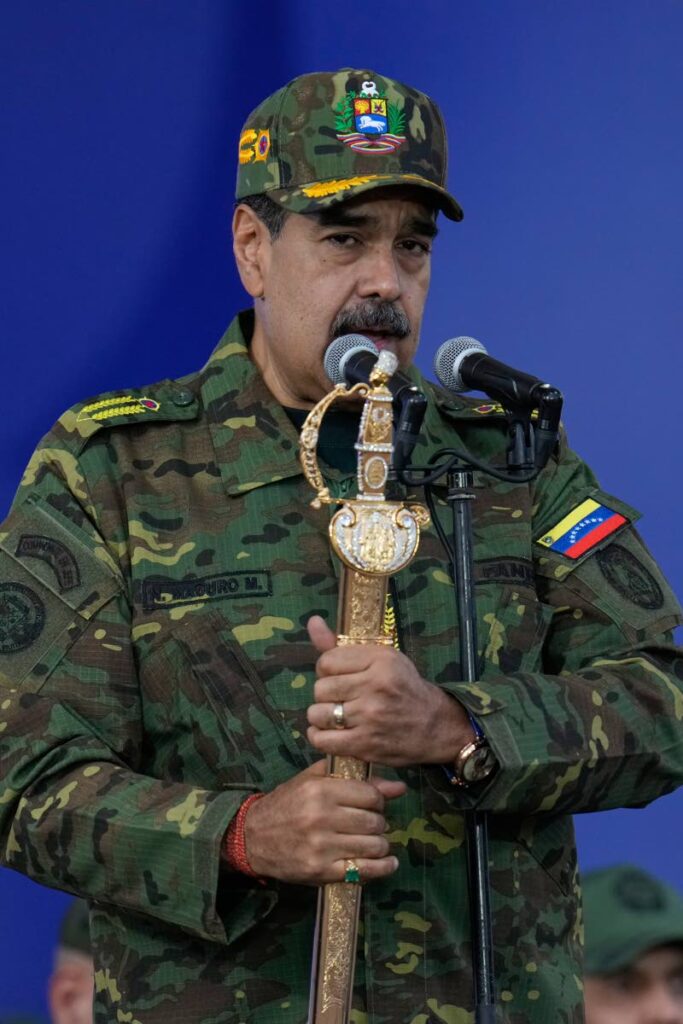
    The legal foundation for these maritime interdictions stems from extensive documentation revealing the transformation of Venezuela’s state apparatus under President Nicolás Maduro into a sophisticated narcotics enterprise. US Department of Justice indictments have formally charged Maduro and his inner circle with weaponizing the Venezuelan state apparatus for cocaine trafficking operations. When a government abandons its sovereign responsibility to combat illegal drugs and instead becomes the primary perpetrator, it forfeits the right to shield its activities behind sovereignty claims.

    For Trinidad and Tobago and other Caribbean nations positioned along critical trafficking corridors, this policy has direct implications for national security. The enhanced US naval presence, including the advanced capabilities of the USS Gerald R. Ford strike group, functions as a crucial force multiplier for regional law enforcement agencies. By disrupting supply chains at their source, these operations alleviate pressure on local Coast Guard units and police forces, directly contributing to community safety.

    The characterization of these measures as ‘extrajudicial killings’ fails to acknowledge the nature of the targets—dedicated maritime vessels operating as extensions of criminal enterprises rather than civilian crafts engaged in innocent passage. The inherent right of self-defense under Article 51 of the UN Charter extends to confronting persistent armed threats, including the relentless flow of cocaine that fuels widespread violence and public health crises across the hemisphere.

    This comprehensive campaign serves dual lawful purposes: protecting citizens while undermining the illicit financial networks sustaining an illegitimate regime. By directly targeting trafficking revenues that enrich Venezuelan military and security forces, the US applies legitimate pressure to create conditions conducive to democratic restoration. While diplomatic solutions remain preferable, the human cost of inaction—measured in lost lives and destabilized communities—makes this targeted approach both morally necessary and legally justified in addressing a clear and present danger to regional security.


  • Boxing board chairman pleased with Fight Night’s pro bout

    Boxing board chairman pleased with Fight Night’s pro bout

    In a significant development for Caribbean boxing, Trinidad and Tobago’s Anthony Joseph launched his professional career with a hard-fought victory over Venezuelan opponent Angel Hernandez. The six-round bout, which captivated spectators at the Simeon Road Basketball Court in Petit Valley on November 29, culminated in a points decision favoring the 30-year-old Trinidadian boxer.

    The event, organized by Golden Fist Promotions as their second Fight Night installment, represented more than just a single victory. It signaled a potential renaissance for professional boxing in the twin-island nation, with newly appointed Trinidad Boxing Board of Control (TBBC) chairman Kirt Sinnette hailing the occasion as a watershed moment.

    Sinnette, a former Olympian who assumed leadership on November 5, characterized the event as “the rebirth of professional boxing in TT” and emphasized its symbolic importance following his recent appointment. Through an official release dated December 1, the chairman extended congratulations to promoters for delivering what he described as an “exceptional Pro-Am event.”

    The fight card featured nine additional bouts beyond Joseph’s professional debut, showcasing emerging talent from across the region. Trinidadian boxers Eyed George and Jeremiah Thomas secured victories against Barbadian opponents Kemara Stewart and Charles Cox respectively, highlighting the event’s regional appeal. Other triumphant fighters included Joshua James, Jeromy Rodolfo (both HIIT FITT), Jahem Alexander, Joshua De Silver (Golden Fist), Aiden Rampaul (Edson Breedy Athletics), Mark Ramsingh (Fight Factory), and Abdul Taylor (Biomel).

    The TBBC expressed commitment to developing strategic partnerships with gyms, promoters, and regional federations, outlining an ambitious vision to establish Trinidad and Tobago as the Caribbean’s premier professional boxing destination. This roadmap includes creating an athlete-centered professional ecosystem, boosting sport tourism through internationally recognized events, and generating sustainable opportunities for athletes and stakeholders.

  • Trinidad and Tobago come up short in Fiba 3×3 AmeriCup

    Trinidad and Tobago come up short in Fiba 3×3 AmeriCup

    In a display of relentless determination, Trinidad and Tobago’s national men’s basketball team concluded their FIBA 3×3 AmeriCup campaign in León, Mexico, over the weekend with two narrow defeats that eliminated them from knockout stage contention. The four-man squad, featuring Chike Augustine, Tyrik Singh, and the Boyd brothers—Akheel ‘Smally’ Boyd and Ahkeem ‘Fato’ Boyd—fought vigorously in Pool C but ultimately fell short against formidable North and South American opponents.

    The team’s opening match on November 28 saw a hard-fought 21-16 loss to Canada, followed by an equally intense 21-17 defeat against Argentina later that same day. Ahkeem Boyd emerged as a standout performer against Argentina, delivering a game-high ten points with remarkable accuracy from beyond the arc, sinking four of six two-point attempts. His offensive prowess kept Trinidad and Tobago competitive throughout the contest, while brother Akheel contributed six points despite struggling from perimeter range.

    Facing elimination, Trinidad and Tobago opened strong against Argentina, establishing an early 4-0 lead within the first ninety seconds courtesy of baskets from Ahkeem Boyd and Augustine. The team continued to maintain momentum, reaching ten points first and extending their advantage to 12-7 when Ahkeem connected on his third two-pointer. However, Argentina’s balanced attack—led by Juan Fernandez (7 points), Alejo Maggi (6 points), and Martin Molina (5 points)—methodically closed the gap, tying the game at 12-12 before eventually seizing control in the final minutes.

    With the score knotted at 17-17 and under two minutes remaining, Argentina executed a decisive finish. Molina converted two critical free throws to establish a 19-17 lead, before Santino Mazzucchelli sealed the victory with consecutive baskets, ending Trinidad and Tobago’s tournament hopes.

    Canada and Argentina advanced from Pool C, with Canada ultimately progressing to the semifinals. Argentina was eliminated in the quarterfinals by the United States, who claimed both the men’s and women’s championships with a dominant 21-14 victory.

  • Unions face stark reality

    Unions face stark reality

    A contentious debate has emerged in Trinidad and Tobago’s labor landscape following Finance Minister Davendranath Tancoo’s confirmation of a 10% salary increase exclusively for Public Services Association (PSA) members. The announcement has sparked widespread discontent among other labor groups whose collective agreements were signed in April but now appear excluded from similar benefits.

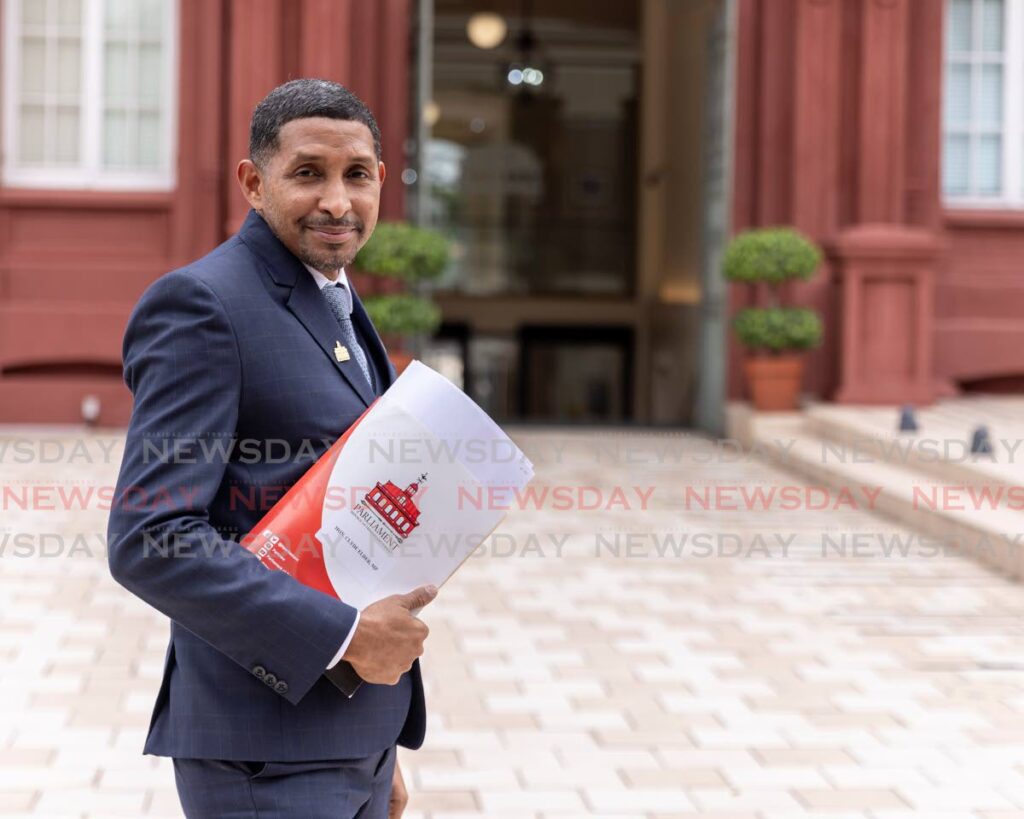
    Clyde Elder, Minister in the Ministry of Public Utilities, solidified the government’s position on November 28 by declaring, “An agreement made and signed is what it is.” The former trade unionist turned minister defended the selective increase by emphasizing the PSA’s political advocacy: “They put up that fight. They fought with the party – the UNC – and today, because of that fight, they are seeing the rewards.”

    The remarks have exposed underlying tensions in labor-government relations, revealing what critics describe as a system where political alignment determines economic benefits. Joanne Ogeer, secretary general of the Communication Workers’ Union, warned that such approaches create “peace by silence rather than peace by justice,” where negotiations become influenced by political loyalty rather than workers’ rights.

    Financial disclosures from the Chief Personnel Officer’s office indicate the PSA settlement will require $3.8 billion in back pay and $420 million in recurrent expenditure, raising questions about fiscal sustainability and equitable distribution of public funds. The situation echoes previous administrations’ contentious relationships with unions, though observers note the current government’s approach represents an evolution toward more explicit political conditioning of labor benefits.

    The developing scenario places essential workers—including firefighters, prison officers, police, and security personnel—in precarious positions, potentially facing the consequences of political maneuvering within the country’s labor movement.

  • How AI is shaping strategic engagement

    How AI is shaping strategic engagement

    In an era of escalating geopolitical complexities stemming from US-Venezuela tensions, Caribbean nations are increasingly turning to artificial intelligence to safeguard their strategic interests. Trinidad and Tobago, like its regional counterparts, faces unprecedented challenges in maintaining balanced international relations while protecting economic and political stability across the hemisphere.

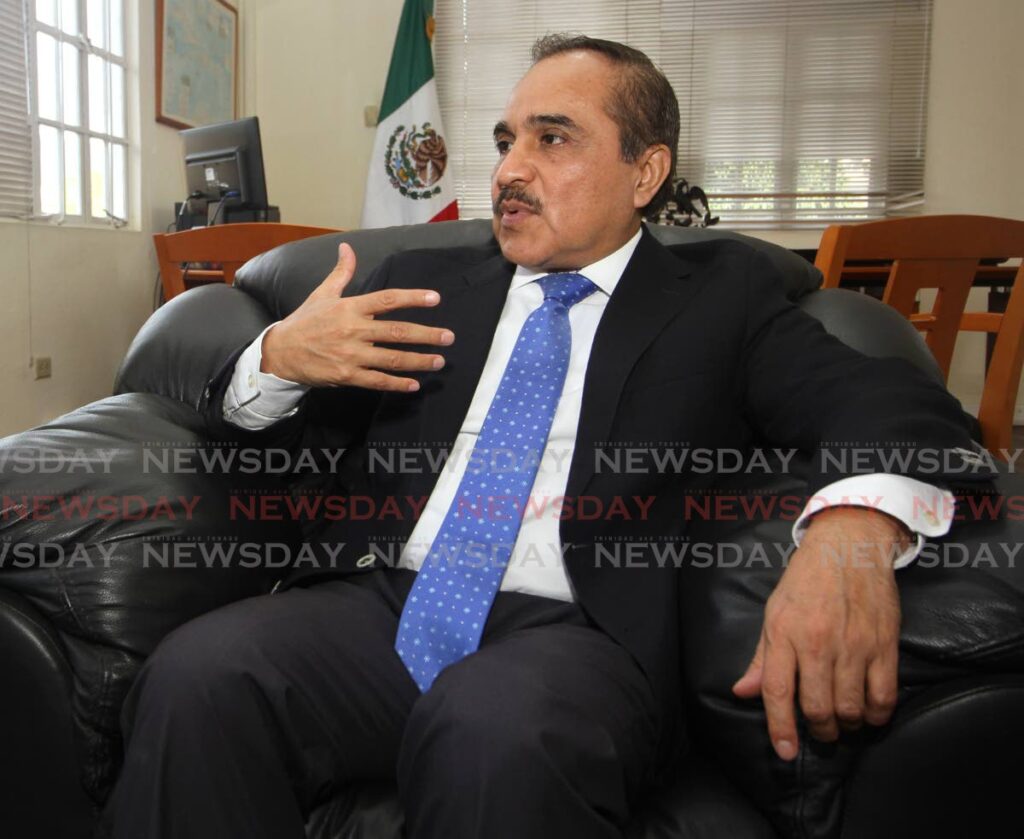
    The evolving diplomatic landscape demands both agility and strategic foresight, with AI emerging as a transformative tool for modern statecraft. Through development initiatives, trade facilitation, and cultural diplomacy, Mexico under Ambassador Víctor Hugo Morales Meléndez has strengthened partnerships with Caribbean nations. Similarly, Panama’s strategic position as a logistics hub, guided by Ambassador Diomedes Carles, enhances regional connectivity through expanded aviation operations.

    AI technology now provides critical capabilities for analyzing cross-border energy flows, identifying economic disruptions, and monitoring migration patterns arising from regional instability. This data-driven approach equips diplomats with actionable intelligence for informed decision-making amid trade and security uncertainties.

    The transformation extends to economic diplomacy, where AI-powered market analytics and supply-chain monitoring enable smaller economies to identify competitive sectors and investment opportunities. As Mexico advances nearshoring and regional integration initiatives, Trinidad and Tobago can leverage analytical capabilities to attract investment and participate in emerging manufacturing networks.

    Consular services and public diplomacy also benefit from technological integration, with automated document verification and data-driven diaspora engagement enhancing embassy efficiency despite limited resources. During periods of geopolitical tension, these tools prove invaluable for citizen protection and regional stability maintenance.

    While technology augments diplomatic capabilities, the human elements of judgment, negotiation, and cultural understanding remain irreplaceable. The Caribbean’s next generation of diplomats must operate at the intersection of geopolitics, economics, and technology, combining analytical rigor with cultural intelligence to shape the region’s influence in an increasingly complex global landscape.

  • Labour minister says unions must live with their choices

    Labour minister says unions must live with their choices

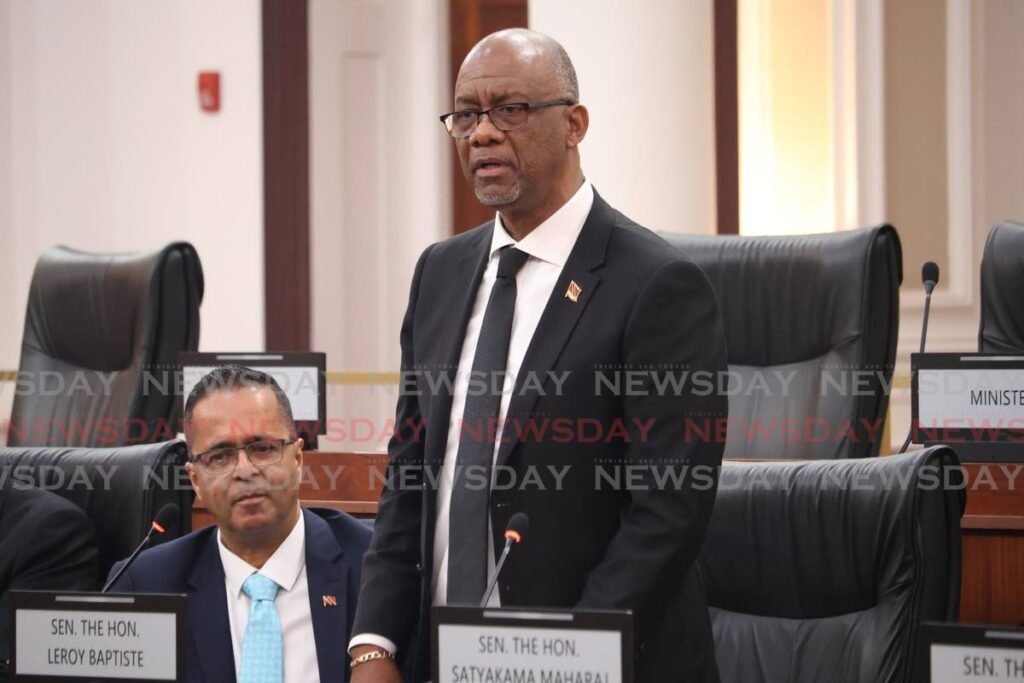
    Labor Minister Leroy Baptiste has articulated a staunch defense of disparate wage settlements between public sector unions, asserting that collective bargaining inherently involves calculated risks with inevitable consequences. This position emerges amid controversy surrounding Minister Clyde Elder’s remarks criticizing unions that accepted a previous four percent wage increase from the former PNM administration while now witnessing the Public Services Association (PSA) secure a ten percent increase promised by the incumbent UNC government.

    The PSA recently concluded protracted negotiations with the Chief Personnel Officer, finalizing a ten percent wage hike after enduring years of frozen salaries dating back to 2013. Baptiste emphasized that the PSA’s persistence came with significant sacrifices, including legal expenditures and prolonged financial stagnation for its members.

    “Negotiations fundamentally involve gambling and risk-taking,” Baptiste stated. “Unions make strategic decisions and must subsequently live with the outcomes. Those who accepted the four percent increase now benefit from updated salaries, while the PSA chose a different path that ultimately yielded different results.”

    Regarding whether this settlement establishes a precedent for other unions, Baptiste clarified that the government maintains no legal obligation to renegotiate previously ratified agreements. Any reconsideration of existing contracts would fall exclusively under the Finance Minister’s discretion.

    Meanwhile, TT Unified Teachers Association (TTUTA) President Crystal Ashe congratulated the PSA while condemning Elder’s implications that political alignment influenced the wage outcome. “We are non-partisan and reject the notion that rewards should correlate with political affiliations,” Ashe asserted. “Any government should prioritize citizen welfare irrespective of union political positions.”

    TTUTA continues awaiting implementation of its negotiated five percent increase for 2020-2023, having received no definitive timeline from either the Education or Finance ministries despite formal inquiries. Ashe remained noncommittal about pursuing higher increases in future negotiations, noting “we will cross that bridge when we reach it.”

  • Tobago students told: Make maximum use of laptops

    Tobago students told: Make maximum use of laptops

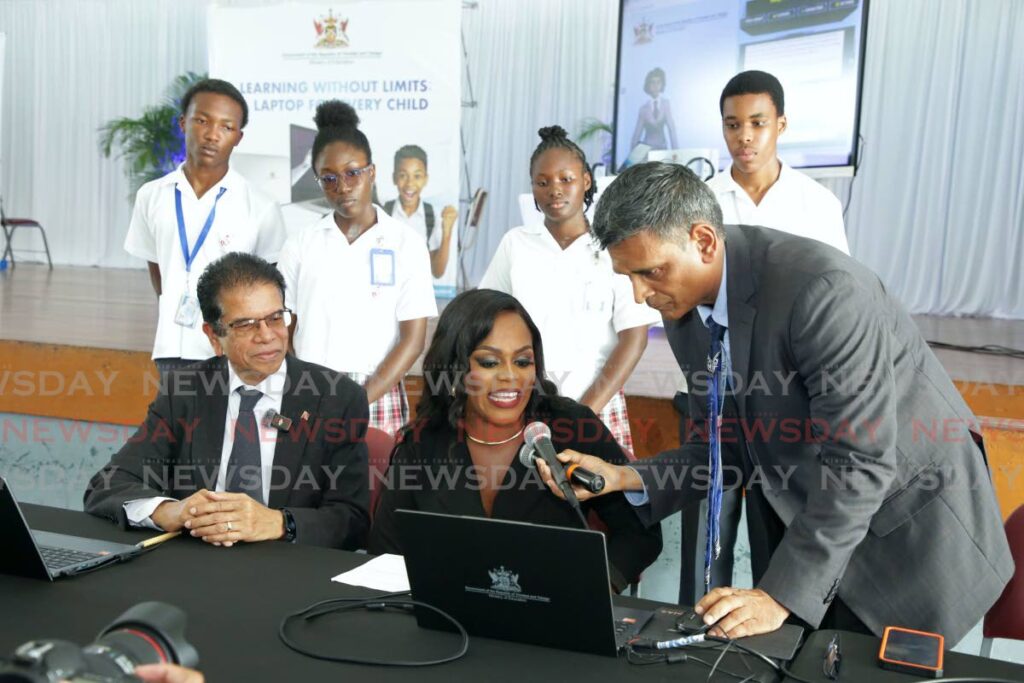
    Tobago has embarked on a significant digital education transformation with the commencement of laptop distributions to first-year secondary students across three institutions: Mason Hall Secondary, Roxborough Secondary, and Harmon’s School of Seventh Day Adventists. The initiative, dubbed ‘Learning Without Limits – A Laptop for Every Child,’ represents a major step in modernizing the island’s educational landscape.

    Education Minister Dr. Michael Dowlath confirmed during the December 1st distribution ceremony at Mason Hall Secondary that all Tobago first-form students would receive their specialized learning devices by the end of the week. These laptops feature integrated artificial intelligence capabilities specifically designed for educational purposes.

    The program, which originated from Prime Minister Kamla Persad-Bissessar’s vision in 2010, marks one of the Caribbean’s pioneering efforts to digitize education systems. Minister Dowlath highlighted the collaborative effort involving multiple government ministries and AI specialists that enabled the procurement and distribution of 18,000 laptops nationwide.

    THA Education Secretary Zorisha Hackett emphasized the transformative potential of the devices, stating they represent ‘possibility for discovery, curiosity, and ambition’ that extends learning beyond traditional classroom boundaries. The laptops are intended to provide equal learning opportunities and prepare students for navigating an increasingly digital world.

    The AI functionality, demonstrated during the ceremony, operates under strict protocols limited exclusively to teaching Mathematics and English Language, ensuring focused educational application without external distractions. Tobago MPs Joel Sampson (West) and David Thomas (East) attended the event, underscoring the initiative’s significance for the island’s educational development.

  • Health ministry to expand efforts to combat HIV

    Health ministry to expand efforts to combat HIV

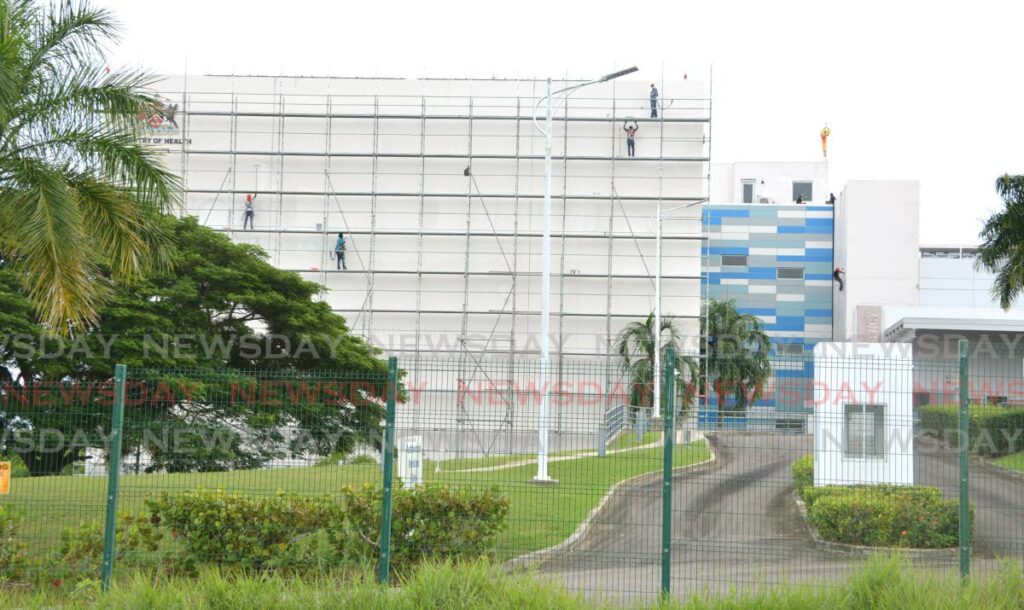
    The Trinidad and Tobago Ministry of Health has unveiled an ambitious expansion of its national HIV/AIDS response strategy, committing to significantly enhance prevention, testing, and treatment services throughout 2026. This renewed effort aligns with global World AIDS Day 2025 observances and the international theme of overcoming disruption through transformative approaches to epidemic control.

    Health Minister Dr. Lackram Bodoe confirmed the ministry will conduct a comprehensive review of current policies regarding pre-exposure prophylaxis (PrEP) and doxycycline prophylaxis (DoxyPEP) accessibility. These pharmaceutical interventions represent cutting-edge biomedical prevention methods, with CDC research indicating PrEP reduces sexual HIV transmission risk by approximately 99% when properly administered.

    The strategic enhancement will prioritize several key initiatives: broadening community-based testing capabilities, increasing availability of self-testing kits, ensuring immediate treatment initiation protocols, strengthening patient retention systems, and launching a substantial national campaign against stigma and discrimination. These measures will be complemented by targeted interventions for vulnerable demographics and expanded psychosocial support services for HIV-positive individuals.

    Trinidad and Tobago has demonstrated considerable progress in epidemic control, with most diagnosed individuals currently receiving antiretroviral therapy (ART) through the Medical Research Foundation TT and other clinical facilities. A significant majority have achieved viral suppression, effectively preventing disease progression and interrupting transmission chains.

    Recent innovations include the official introduction of HIV self-testing kits enabling private home testing and the establishment of specialized linkage teams featuring peer navigators, social workers, and psychological support staff to ensure continuous care engagement. The nation maintains free ART access and viral load monitoring services across all treatment centers.

    Prevention initiatives have intensified through expanded outreach targeting youth populations, high-risk groups, and ongoing efforts to eliminate mother-to-child transmission. The ministry has additionally amplified public education campaigns and workplace programs responding to reports of persistent stigma and discrimination.

    Health authorities have issued a rallying cry for collaborative action, urging citizens, community leaders, and stakeholders to unite in creating a stigma-free society where all individuals can access healthcare services with dignity and respect. The ministry reaffirmed its unwavering commitment to eliminating AIDS as a public health threat by 2030 through evidence-based interventions and strengthened civil society partnerships.

  • Padarath: Ag CEO’s departure not affecting WASA

    Padarath: Ag CEO’s departure not affecting WASA

    Public Utilities Minister Barry Padarath has affirmed that the resignation of former Water and Sewerage Authority (WASA) acting CEO Jeevan Joseph has not disrupted the state utility’s operational continuity or strategic initiatives. In an official statement, Padarath emphasized that WASA maintains robust leadership under chairman Roshan Babwah and continues to advance numerous short-term and medium-term projects without interruption.

    Contrary to initial media speculation suggesting Joseph was ‘sent on leave’ without explanation, the minister clarified that Joseph voluntarily resigned between November 28-29 citing personal reasons. The ministry respects his decision while maintaining confidence in WASA’s operational framework.

    Padarath highlighted organizational enhancements including the revamping of the ministry’s monitoring and evaluation division to strengthen project oversight. ‘The ministry is taking greater interest in actual operations compared to our predecessors,’ he noted, signaling increased governmental involvement in WASA’s management.

    Dain Maharaj, acting director of corporate services since June, has assumed interim CEO responsibilities until a permanent appointment is finalized. Maharaj’s previous appointment followed the termination of Keithroy Halliday and nine other senior executives shortly after the United National Congress assumed office on May 28.

    Joseph’s tenure included significant contributions as manager of technical services for wastewater systems, where he pioneered development of standard operating procedures, asset management strategies, and technological innovations to improve both operational efficiency and environmental sustainability.

  • Nurses association: Wage negotiations must resume amid Couva hospital reopening

    Nurses association: Wage negotiations must resume amid Couva hospital reopening

    The Trinidad and Tobago Registered Nurses Association (TTRNA) has intensified pressure on the government to resolve long-standing wage negotiations, simultaneously criticizing the controversial commencement of adult surgeries at Couva Children’s Hospital on November 28. This development occurs despite previous objections from nursing professionals regarding staff and resource limitations at the facility.

    TTRNA President Idi Stuart contends that the government’s financial capacity to refurbish and operationalize the hospital for the third time demonstrates available funds that should rightfully address nursing compensation. Wage discussions have remained stagnant since 2013, creating significant dissatisfaction among healthcare professionals.

    According to Stuart, the initial operational phase has encountered substantial challenges. Specialized surgical nursing staff are being transferred from Point Fortin Hospital and San Fernando General Hospital to support the new facility, potentially compromising patient care at existing institutions. Additionally, reassigned nurses report excessive working hours without adequate breaks or meal periods.

    Stuart further alleges that medical consumables are being diverted from other healthcare facilities to equip Couva Hospital, raising concerns about resource allocation across the public health system. The TTRNA has actively advised its members through social media to formally document overtime hours and seek written reassignment instructions, highlighting administrative uncertainties regarding regional health authority jurisdiction.

    The hospital’s history reflects political complexities. Originally commissioned in 2015 under Kamla Persad-Bissessar’s administration, it was subsequently transferred to North Central Regional Health Authority management. Persad-Bissessar, now returned to power, had previously criticized the government for failing to fully operationalize the facility during her opposition period.

    Health Minister Dr. Lackram Bodoe maintains that the hospital’s operationalization aligns with the Prime Minister’s mandate, emphasizing the ministry’s commitment to a coordinated transition as additional services become available. Newsday reports that ministerial response to the TTRNA’s allegations remained unavailable at publication time.