作者: admin

  • ‘I always thought he was Canadian’ – Cooper questions Rick Fox’s nationality

    ‘I always thought he was Canadian’ – Cooper questions Rick Fox’s nationality

    A significant political controversy has emerged in The Bahamas following Acting Prime Minister Chester Cooper’s public questioning of Ambassador-at-Large Rick Fox’s nationality. Mr. Cooper stated he was uncertain whether the former NBA star was actually Bahamian, remarking, “I don’t know what his nationality is. I always thought he was Canadian.” These comments appear deliberately provocative given Mr. Fox’s well-documented background as the Canadian-born son of a Bahamian father and Italian mother who holds dual citizenship and was raised in The Bahamas.

    The diplomatic friction emerges just days after Mr. Fox announced his intention to contest the next general election, driven by what he describes as his “passion for the country.” While not disclosing whether he would run independently or under a party banner, Fox revealed he had met with both major political parties and found FNM Leader Michael Pintard “most aggressive” in pursuing his candidacy.

    Mr. Fox’s elevated political profile has already generated institutional tension. Last month, Foreign Affairs Minister Fred Mitchell issued what many interpreted as an official reprimand after Fox criticized political behavior in a Halloween-themed social media post. Mitchell reminded ambassadors that they serve the appointing government and that “the honourable course is clear” in cases of disagreement.

    Fox responded by highlighting what he perceived as a double standard, noting that “a sitting ambassador with a portfolio is openly endorsing a candidate while currently running for office himself”—a reference to non-resident Ambassador Sebas Bastian. He urged Minister Mitchell to focus instead on addressing widespread voter apathy.

    When questioned about whether Fox should resign his ambassadorial position following his political announcement, Acting Prime Minister Cooper deferred to the Prime Minister’s authority regarding diplomatic appointments.

    Mr. Fox has unequivocally stated his willingness to renounce his Canadian citizenship if required for frontline politics, emphasizing his strong Bahamian identity: “I am a Bahamian. I own one passport and it’s a Bahamian passport and I’m proud of that status.”

    Beyond his basketball and acting career, Fox has established himself as an entrepreneur focused on national development. As founder and CEO of Partanna, a climate-technology company producing carbon-negative building materials, he signed a memorandum of understanding with the government in 2022 to develop a manufacturing facility with plans to construct affordable housing in Abaco using sustainable materials.

  • Belize elects first woman to head major political party

    Belize elects first woman to head major political party

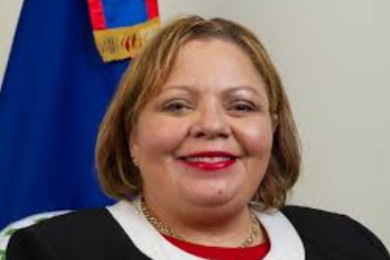
    BELMOPAN, Belize — In a landmark moment for Central American politics, Tracy Taegar-Panton has been formally inaugurated as the first woman to lead Belize’s primary opposition force, the United Democratic Party (UDP). This historic appointment signals a strategic pivot for the party as it endeavors to heal internal fractures and reestablish its political standing.

    Addressing the significance of her new role, Taegar-Panton stated, ‘The magnitude of the responsibility does not escape me. While I am profoundly excited for both Belize and the party, I approach this with sober reflection. This reset is imperative, presenting a crucial opportunity to rebuild and restore public trust and confidence.’

    Her ascension to the leadership culminates a period of intense internal conflict and legal disputes with former party leader Moses ‘Shyne’ Barrow. The power struggle led to Taegar-Panton establishing the Alliance for Democracy faction within the UDP and involved a court battle that initially favored Barrow. Nevertheless, Barrow facilitated what he described as a ‘peaceful’ transfer of power, publicly offering his prayers for her success in guiding the party back to government.

    The political shift also marks the return of former leader John Saldivar to the UDP fold. Saldivar, who briefly led the party in 2020 before resigning amid allegations connecting him to an international fraud and money laundering case involving convicted criminal Lev Dermen, asserts his experience is vital for party reunification. He has consistently denied any wrongdoing, stating, ‘The people know me, they know what I’m about. There have been some unfortunate circumstances which I believe have been explained.’

    Taegar-Panton’s political trajectory has been groundbreaking. After securing her seat in the March general elections—a contest Barrow lost—she subsequently became Belize’s first female Leader of the Opposition. In her capacity as UDP Political Leader, she has committed to initiating a fresh start and articulating a bold, forward-looking vision for the nation’s future.

  • PNM’s Keigon Denoon jumps ship, named TPP canddiate

    PNM’s Keigon Denoon jumps ship, named TPP canddiate

    In a significant political realignment, former People’s National Movement (PNM) Tobago West constituency chairman Keigon Denoon has officially crossed party lines to become the Tobago People’s Party (TPP) candidate for Buccoo/Mt Pleasant. The dramatic transition was formally announced during TPP’s candidate presentation event on December 1 at Scarborough’s Calypso Rose Boulevard.

    TPP Political Leader Farley Augustine introduced Denoon—a native Buccoo resident and coordinator of the Youth Energised for Success (YES) program—as the final addition to their electoral slate. Augustine characterized the move as evidence of TPP’s inclusive approach, describing the party as “a coalition of the competent and willing” that welcomes members from across Tobago’s political spectrum, including former TOP, NAR/DAC, Tobago Forwards, UNC, and PNM supporters.

    The transition unfolded rapidly, with PNM’s Tobago Council leader Ancil Dennis announcing Denoon’s departure via Facebook approximately one hour before the TPP’s official unveiling. Dennis responded with diplomatic grace, acknowledging Denoon’s service while urging PNM members to maintain focus on “restoring stability, opportunity, and decency to Tobago.”

    The TPP also confirmed that incumbent representative Ian Pollard will defend his Mason Hall/Moriah seat, joining thirteen other candidates previously announced on November 24. The complete TPP candidate roster represents constituencies across Tobago, signaling a comprehensive challenge in the upcoming elections.

    This development marks another chapter in Tobago’s dynamic political landscape, where party allegiances frequently shift in pursuit of regional advancement and improved governance structures.

  • Haiti moves closer to staging fresh elections

    Haiti moves closer to staging fresh elections

    Haiti’s transitional government has achieved a critical breakthrough by formally adopting a long-awaited electoral law, marking the most substantial progress toward presidential elections since 2016. This legislative move establishes the legal foundation for restoring democratic governance in the Caribbean nation following years of political instability and severe gang violence.

    The Transitional Presidential Council (TPC), established in April 2024 to steer Haiti through its crisis, approved the legislation alongside the council of ministers. Frinel Joseph, one of two non-voting observers on the nine-member council, characterized the development as “a decisive turning point in the transition” through his official social media communication on Monday.

    Despite this procedural advancement, the adoption process revealed significant internal divisions. Three of the council’s seven voting members deliberately absented themselves from the crucial meeting in an apparent attempt to block the legislation’s passage. Their absence failed to prevent adoption, though the law must still be published in Haiti’s official gazette to attain full legal status.

    The TPC faces mounting challenges beyond internal discord. Some members allegedly seek to leverage the electoral timeline to extend their authority beyond the February 2026 transition deadline and remove incumbent Prime Minister Alix Didier Fils-Aimé. Meanwhile, human rights advocates have expressed concerns about the legislation’s insufficient eligibility safeguards, citing criticisms of the draft proposal circulated before Monday’s vote.

    Haiti’s last presidential election occurred in 2016 when Jovenel Moïse achieved victory among 27 candidates. His July 2021 assassination—which injured his wife and involved former Colombian soldiers—remains unresolved in Haitian courts despite ongoing proceedings in the United States.

    Political analysts caution that while the electoral law constitutes necessary progress, Haiti’s path to legitimate elections remains fraught with institutional challenges and security obstacles that could undermine democratic restoration.

  • Club Sando whip Jabloteh, jump to TTPFL summit

    Club Sando whip Jabloteh, jump to TTPFL summit

    In a commanding display of football prowess, Club Sando ascended to the top of the TT Premier Football League (TTPFL) standings with a decisive 3-0 triumph over San Juan Jabloteh at Mahaica Sporting Complex on November 30. Under the strategic guidance of coach Angus Eve, Sando delivered their fifth victory in six seasonal outings, demonstrating both offensive flair and defensive solidity.

    The match unfolded with Sando establishing early dominance, particularly through the dynamic wing play of Real Gill, who consistently dismantled Jabloteh’s defensive structure. After creating several promising opportunities, Sando broke the deadlock in the 21st minute when striker Tarik Lee clinically finished from close range—marking his seventh goal of the campaign—following exquisite combination play between Gill and midfielder Keron Cornwall.

    Gill continued to orchestrate Sando’s attacking maneuvers, nearly doubling the advantage moments later with a perfectly weighted pass to captain Shervohnez Hamilton, only to be denied by an exceptional point-blank save from Jabloteh goalkeeper Justin Dos Santos. Sando’s first-half pressure yielded additional near-misses, including Gill’s curling strike that rattled the crossbar at the half-hour mark.

    Despite brief second-half resistance from Jabloteh—including threatening attempts from winger Andell Fraser and center forward Malachi Webb—Sando maintained control. The victory was sealed through two late goals from Luke Phillips, who first headed home from Gill’s precision free-kick delivery in the 79th minute before completing his brace five minutes later with a low left-footed finish after Gill dispossessed Jadon McShine.

    The result propelled Sando to first place with 15 points, tied with Prisons but superior in goal difference (+16 versus +7). In the evening’s secondary fixture, Police FC secured a 2-0 victory over Point Fortin Civic through goals from Mickaeel Gordon and Isaiah Hudson, consolidating their third-place position with 13 points.

  • Farewell Jason, excellent work Barbados

    Farewell Jason, excellent work Barbados

    Veteran cricketer Jason Mohammed concluded his distinguished career with Trinidad and Tobago Red Force under emotionally challenging circumstances this past weekend. The 39-year-old batsman, who holds the record as the leading run-scorer in Super50 Cup history, managed only 12 runs in his final appearance before suffering a soft dismissal. His departure coincided with a devastating nine-wicket loss against Barbados Pride at Brian Lara Stadium, marking an unfortunate conclusion to an otherwise remarkable career.

    Psychological pressures inherent in retirement matches significantly impacted Mohammed’s performance. The emotional weight of his final inter-territorial game created heightened anxiety, disrupting the mental equilibrium essential for elite athletic performance. This psychological interference often manifests in uncharacteristic strokes and diminished concentration, precisely what occurred during Mohammed’s farewell innings.

    Despite the disappointing conclusion, Mohammed’s legacy remains untarnished. His career featured captaincy of the West Indies white-ball team and consistent performance as both a reliable batsman and valuable off-spinner. Alongside contemporaries Adrian Barath and Darren Bravo—two other exceptionally talented batsmen identified as future stars during their under-19 days—Mohammed represented the Caribbean’s cricketing promise, though all three arguably underachieved relative to their potential.

    The match itself demonstrated Barbados Pride’s tactical superiority. After winning the toss, Barbados capitalized on a challenging pitch characterized by variable bounce, significant turn for spinners, and seam movement for pacers. Bowlers Joshua Bishop and Dominic Drakes excelled with nagging lengths that stifled Red Force’s scoring opportunities, while Trinidad’s bowlers failed to adapt their tactics to the improving batting conditions, ultimately bowling with insufficient accuracy and strategic variation.

  • Parliament committee queries accountability — $80M in drugs left to expire

    Parliament committee queries accountability — $80M in drugs left to expire

    A staggering $80 million worth of pharmaceuticals intended for Trinidad and Tobago’s national healthcare system expired over a decade-long period while sitting in Ministry of Health storage facilities, raising serious concerns about accountability and systemic inefficiencies within the country’s medical supply chain.

    The alarming revelation emerged during Monday’s sitting of Parliament’s Public Administration and Appropriations Committee (PAAC), where officials highlighted critical failures in drug management protocols. Committee members emphasized the urgent need for strengthened oversight mechanisms to protect public health resources and ensure taxpayer funds are properly utilized.

    Hasmath Ali, Chief Chemist and Acting Director of the Ministry’s Chemistry Food and Drugs Division, acknowledged the severity of the situation while stressing the non-negotiable requirement for rigorous due diligence in pharmaceutical management. “Due diligence is required to ensure the safety of the population. In circumstances that relate to health, there is no argument from me on that,” Ali told committee members.

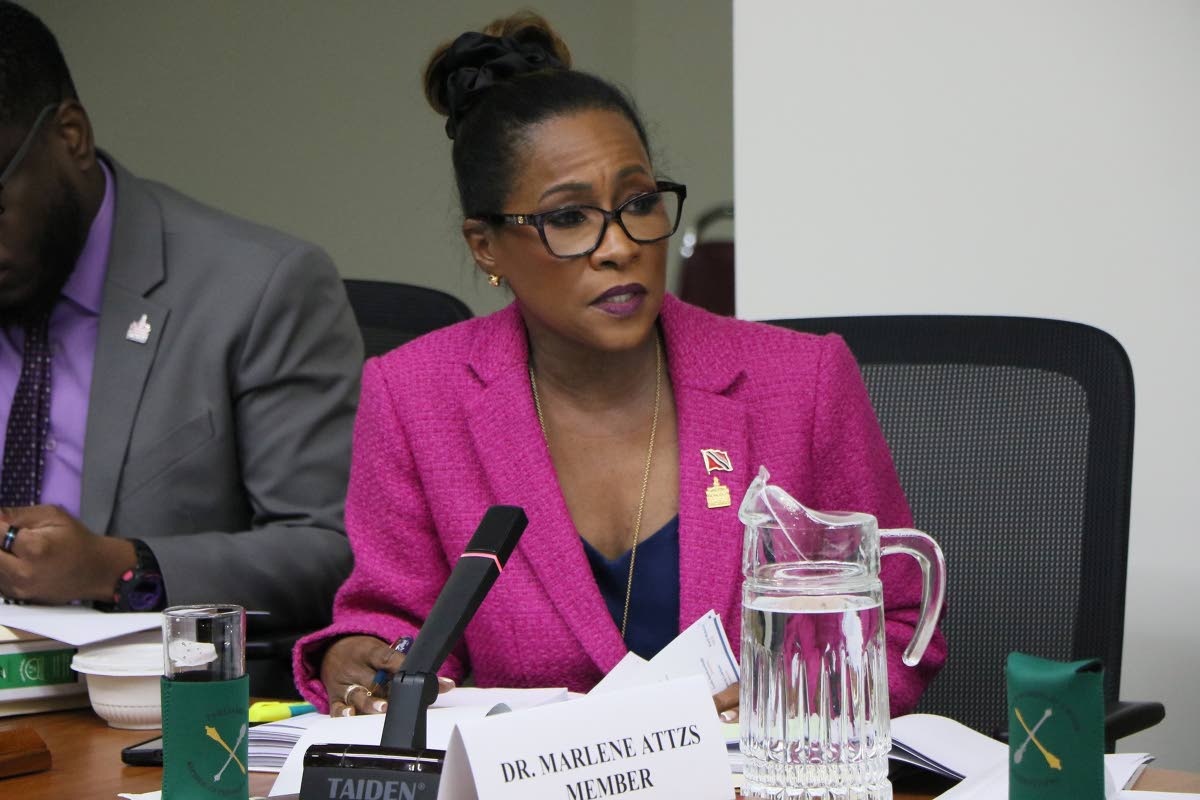
    Independent Senator Dr. Marlene Attz expressed profound concern over the massive financial loss, questioning whether systemic “lethargy” throughout Trinidad’s healthcare infrastructure contributed to this accumulation of expired medications. She suggested incorporating laypersons into oversight committees to provide fresh perspectives and enhanced accountability measures.

    Ali clarified that while the expired drugs fell under the responsibility of a separate procurement and distribution entity, the Ministry recognized the necessity of addressing these systemic shortcomings. In response to the crisis, officials revealed plans to modernize operations through legislative updates to the Food and Drugs Act and digitization of drug registration processes.

    North Central Regional Health Authority CEO Davlin Thomas provided additional context, explaining that regional health authorities don’t control procurement decisions. “The issue is not with the procurement process itself, but with how these drugs are managed upon arrival and how they are distributed,” Thomas stated, emphasizing that demand-based procurement originates from public need rather than RHA recommendations.

    An anonymous senior RHA official described persistent challenges in inventory management that contribute to pharmaceutical surpluses. The source cited difficulties in accurate forecasting, short decision-making timeframes, and consumption patterns that often differ significantly from procurement orders. Compounding these issues are staff shortages, procedural delays, and strict disposal policies that prevent repurposing drugs nearing expiration.

    Despite these challenges, the official noted gradual improvements through enhanced training programs and stricter monitoring protocols, resulting in decreasing expiration rates in recent years.

  • Paediatrician on safe toy choices this Christmas

    Paediatrician on safe toy choices this Christmas

    As the festive season approaches, pediatric expert Dr. Tricia Jailal is raising urgent awareness about toy safety during December’s international Safe Toys and Gifts Month. With 13 years of experience in child healthcare and co-founding ABC Paediatrics, Dr. Jailal emphasizes that gift selection requires careful consideration beyond mere holiday excitement.

    During the holiday period, toy-related injuries become significantly more prevalent. “Ingestion of small toy parts occurs quite frequently along with choking,” Dr. Jailal explains. “Falls and physical injuries from ride-on toys are equally concerning.”

    The pediatrician outlines five critical evaluation criteria for toy selection: age appropriateness, safety features, developmental value, durability, and child engagement potential. She particularly warns about button batteries as “the most dangerous object that can be overlooked,” noting they can cause severe internal burns within hours if swallowed.

    Other significant hazards include:
    – Plush toys with loose filling that pose choking risks
    – USB-charged toys with hidden heat sources causing burns
    – Excessively loud toys potentially damaging hearing
    – Sharp-edged plastic or wooden toys leading to cuts
    – Toxic materials in art supplies and chemically scented items
    – Projectile toys risking eye injuries
    – Water-expandable toys like Orbeez causing internal blockages

    Dr. Jailal recommends the “toilet paper roll test” for choking hazards: if any toy part fits inside the roll, it presents a choking risk. She strongly advises against unregulated market purchases, emphasizing that “unregulated toys mean these toys have not been tested, inspected or certified.”

    Certification marks like CPC, ASTM F963, or CE indicate compliance with safety standards. Parents should avoid toys containing phthalates, BPA, lead, formaldehyde, heavy metals, toxic foam materials, brittle plastics, uncoated metals, unknown fillings, scented components, and latex.

    Even with safe toys, Dr. Jailal stresses the importance of “eyes and ears” supervision during playtime, limiting distractions to enable quick reaction to potential dangers. She notes that children with special needs require additional consideration based on developmental age and sensory sensitivities rather than chronological age.

    For inappropriate gifts received from well-meaning relatives, Dr. Jailal suggests practical solutions: “You can put the toy away until your child reaches the appropriate age,” or make safety modifications by removing small parts.

    The article concludes with developmental stage recommendations:
    – Infants: Tummy time play mats and textured fabric books
    – Toddlers: Shape sorters, ring stackers, and wooden peg puzzles
    – Preschoolers: Board games, art sets, and pretend play items

    Dr. Jailal summarizes: “I know how much joy toys can bring to children, but also how important it is to pair that joy with safety. Give joy, not risk, but also think beyond toys—choose gifts that encourage the growth and development of our children.”

  • A duty to support steelbands

    A duty to support steelbands

    Cultural Minister Michelle Benjamin faces mounting pressure to address the funding crisis threatening Trinidad’s steelband tradition, as revealed in a recent editorial published by Newsday. The scathing critique exposes what the author describes as corporate exploitation of Carnival celebrations without adequate financial support for the cultural foundations that make the festival possible.

    The editorial, submitted by Gordon Laughlin via email, presents a compelling case against what he characterizes as corporate Trinidad’s imbalanced relationship with Carnival. According to the analysis, numerous commercial entities—including hotel chains, event promoters, tourism operators, chambers of commerce, and even energy corporations—significantly profit from the international attention and cultural capital generated by the festival. Despite this financial benefit, these organizations allegedly provide minimal support to the steelbands that create the musical backbone of Carnival celebrations.

    Steelbands represent more than mere entertainment, the piece emphasizes. They constitute both the rhythmic heartbeat of Trinidad’s most famous cultural export and a historically significant musical innovation—the only instrument invented during the 20th century that has achieved global recognition. Despite this cultural importance, steelbands reportedly face persistent financial challenges, forced to assemble limited resources annually while corporate entities generate millions in revenue from Carnival-associated activities.

    The editorial issues a direct appeal to the Ministry of Culture for immediate intervention, demanding the establishment of mandatory long-term sponsorship contracts for corporations benefiting from Carnival. The author argues that sustained financial commitment represents an essential requirement rather than an optional contribution, framing corporate support as an ethical obligation rather than charitable donation.

    The piece concludes with an ultimatum for commercial entities: either provide substantial support to preserve Trinidad’s cultural heritage or relinquish their profitable association with Carnival. The criticism highlights growing concerns about cultural sustainability amid commercial exploitation, presenting a challenge for cultural authorities to balance economic interests with cultural preservation.

  • Pharmacy association: No formal complaint against alleged drug monopoly

    Pharmacy association: No formal complaint against alleged drug monopoly

    During a parliamentary hearing on December 1, the head of Trinidad and Tobago’s Private Pharmacy Retail Business Association (PPRBA) revealed that no official antitrust complaint has been filed with the Fair Trade Commission (FTC) despite two years of public allegations about pharmaceutical market dominance.

    Glenwayne Suchit, president of PPRBA, testified before the Public Administration and Appropriations Committee (PAAC) at Port of Spain’s Cabildo Building, acknowledging that only an informal complaint was submitted to the FTC on September 6, 2024. PAAC Chairman Jagdeo Singh presented correspondence showing the FTC had responded within seven days, requesting extensive documentation to initiate any potential investigation.

    Suchit confirmed that despite receiving a comprehensive list of required evidence from the commission last September, the association had not provided the necessary materials to trigger a formal probe. When questioned by Singh about whether any investigation had commenced, Suchit responded, “No investigation has been launched.”

    The hearing revealed ongoing tensions between independent pharmacies and major pharmaceutical distributors. Suchit repeated previous claims that Aventa, part of the Agostini Group, controls approximately 74% of the private pharmaceutical market and 70% of the wholesale distribution sector alongside two other major players.

    According to the association’s submission, approximately 700 of Trinidad and Tobago’s 900 most prescribed medications are concentrated within a single supplier’s supply chain. Suchit alleged widespread pricing discrimination, citing examples where SuperPharm (also owned by Agostini) could sell common medications like Panadol at lower prices than independent pharmacies could purchase them wholesale.

    Works and Infrastructure Minister Jearlean John intervened, suggesting that the FTC cannot fulfill its statutory duties without proper formal complaints and evidence submission. “Why don’t you use your own impetus?” she challenged, implying the association needed to take more concrete action.

    The session grew heated when Suchit claimed independent pharmacies were being denied access to subsidized Chronic Disease Assistance Programme drugs and accused distributors of “unfair trading” and having “no principles.” Chairman Singh cautioned him to avoid “emotional hyperbole,” prompting an apology from the association president.

    The revelations come five months after Aventa Group CEO James Walker publicly dismissed monopoly allegations, setting the stage for continued tensions in Trinidad and Tobago’s pharmaceutical sector.