作者: admin

  • Controversiële Venezolaanse pin veroorzaakt diplomatieke storm met Guyana

    Controversiële Venezolaanse pin veroorzaakt diplomatieke storm met Guyana

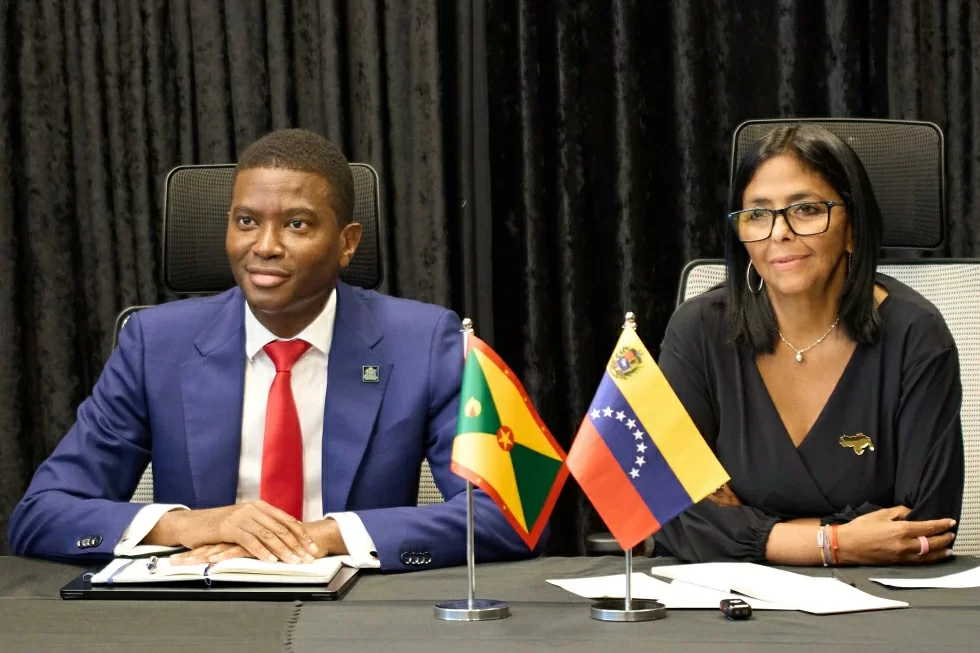
    A long-simmering territorial dispute between Guyana and Venezuela has reignited diplomatic tensions this week, after Guyana formally raised grave concerns to the Caribbean Community (CARICOM) over a provocative symbolic gesture from Venezuela’s acting president Delcy Rodríguez. During a series of recent official international visits, Rodríguez wore a custom lapel pin shaped after a map that depicts the resource-rich Essequibo region as part of Venezuelan territory – a claim Venezuela has asserted for more than a century that Guyana rejects as unlawful.

    The Essequibo region makes up nearly two-thirds of Guyana’s entire sovereign territory, holding vast untapped reserves of oil, minerals, and other natural resources that have become a core point of friction between the neighboring South American nations. The long-running border dispute has seen a marked escalation in symbolic displays of Venezuelan claims since the high-profile January arrest of Venezuelan leader Nicolás Maduro by United States authorities; the Essequibo-shaped pin is now commonly worn by Venezuelan government officials, state media personalities, ruling party legislators and cabinet members, according to diplomatic accounts.

    In a formal letter addressed to Terrance Drew, Prime Minister of St. Kitts and Nevis and current chair of CARICOM, Guyana’s President Irfaan Ali underscored that Rodríguez’s choice to wear the pin during official engagements amounts to an explicit reaffirmation of Venezuela’s illegal claim to Guyanese territory. Ali further warned that allowing such displays during official visits hosted by third countries could be misinterpreted as quiet acceptance or tolerance of Venezuela’s territorial demands by the receiving nations, undermining Guyana’s position in ongoing international legal proceedings.

    “CARICOM’s principled support for Guyana must be reflected not just in words, but in the protocols and conduct observed during official meetings,” Ali added in the letter.

    The origins of the dispute stretch back to an 1899 border arbitration ruling reached during the British colonial era, which Venezuela has long argued unfairly deprived it of the Essequibo region. Today, the competing territorial claims are being adjudicated by the International Court of Justice (ICJ) based in The Hague, Netherlands, with the case still pending a final ruling.

    For her part, Rodríguez defended her decision to wear the disputed pin, claiming the map that includes Essequibo as Venezuelan territory is “the only map of Venezuela I recognize.” She reaffirmed Venezuela’s long-standing claim to the entire region and expressed confidence the ICJ will ultimately uphold the country’s historic territorial position.

    Ali used his letter to remind CARICOM of the bloc’s long-standing unwavering commitment to upholding Guyana’s sovereignty and territorial integrity. He argued that Venezuelan officials should not be permitted to display territorial symbols and maps asserting claims to Essequibo in official international forums, noting that such actions could prejudice the ongoing legal process at the ICJ. Ali also separately condemned the inclusion of Essequibo as Venezuelan territory on official Venezuelan state maps, calling it a calculated, deliberate provocation that Guyana will continue to reject in full.

    By Tuesday evening, CARICOM issued an official response to Guyana’s complaint, acknowledging receipt of Ali’s letter and affirming that official regional platforms and gatherings should not be used to advance or legitimize territorial claims that are currently the subject of pending international legal proceedings. The bloc reaffirmed its “long-standing and unwavering support for the sovereignty and territorial integrity of Guyana, and for a peaceful negotiated resolution to the dispute through proper international legal channels.”

    In recent years, tensions over the region have spilled beyond diplomatic rhetoric. Venezuela has deployed armed patrols to offshore oil blocks licensed by Guyana and currently operated by United States energy firms, repeatedly issuing demands that oil production activities in the area halt. To date, those threats have been ignored by the energy companies operating the offshore platforms, and production has continued uninterrupted.
  • Top-Level Sailing and Caribbean Spirit Cement Modernised Antigua Sailing Week as Instant Classic

    Top-Level Sailing and Caribbean Spirit Cement Modernised Antigua Sailing Week as Instant Classic

    One of the Caribbean’s most iconic sailing competitions, the 2026 edition of Antigua Sailing Week, delivered four days of unforgettable racing marked by wildly shifting conditions, razor-tight standings, and a reimagined fleet format that united competitive sailors and casual cruising enthusiasts from every corner of the globe. Held across a full circumnavigation of the tropical island, the event blended high-stakes on-water competition with lively shoreside celebrations, all anchored by Antigua’s world-famous natural coastal beauty.

    Alison Sly-Adams, president of Antigua Sailing Week, explained that the event’s core mission centered on leveraging the island’s unique geography to deliver one-of-a-kind point-to-point courses, balanced by social gatherings that foster connection among participants. This year’s updated fleet structure successfully merged competitive racing fleets with a rally cruising division, creating an inclusive experience that catered to elite racers and leisure sailors alike.

    The regatta kicked off from the historic starting point of English Harbour, heading toward Green Island on opening day. Moderate trade winds set a steady rhythm for the fleet, giving crews front-row seats to Antigua’s dramatic, turquoise-fringed coastline. After crossing the day’s finish line, sailors gathered for the laid-back Barefoot on the Beach event hosted by the Falmouth Ocean Club, setting the tone for the week’s signature blend of fierce competition and warm camaraderie.

    Day two brought a sharp increase in difficulty, with shifting breeze and rolling North Swell that tested the tactical skills of both racing and cruising crews. While focused teams began to carve out early leads, the competition remained tight across every racing class, with crews wrapping up the day at The Hut at Little Jumby, a beloved destination on Antigua’s northeast coast.

    Light winds dominated the third day of racing, compressing the fleet and shifting the focus from speed to tactical patience. With racing gains coming incrementally, many crews took advantage of the slow pace to socialize on the water, while cruisers enjoyed sunbathing and swimming before heading to the Heineken Riddim and Tides Beach Festival at Ffryes Beach for an evening of live music and local food.

    The fourth and final race day delivered ideal, consistent breeze for the homeward leg from Antigua’s west coast back to English Harbour. Competitive racing fleets faced a challenging upwind beat in the final miles, while cruising crews maintained a relaxed Caribbean pace, stopping to explore scenic beaches and hidden coves along the way before completing their full circumnavigation of the island.

    The closing prize-giving ceremony was held at Nelson’s Dockyard, a UNESCO World Heritage Site, with sweeping views of the centuries-old Fort Berkeley Gunpowder Magazine and the iconic limestone Pillars of Hercules. Competitors mingled among the historic stone structures, sipping local Antiguan rum and enjoying a set of Caribbean rhythms and classic rock from the 17-61° band before awards were distributed.

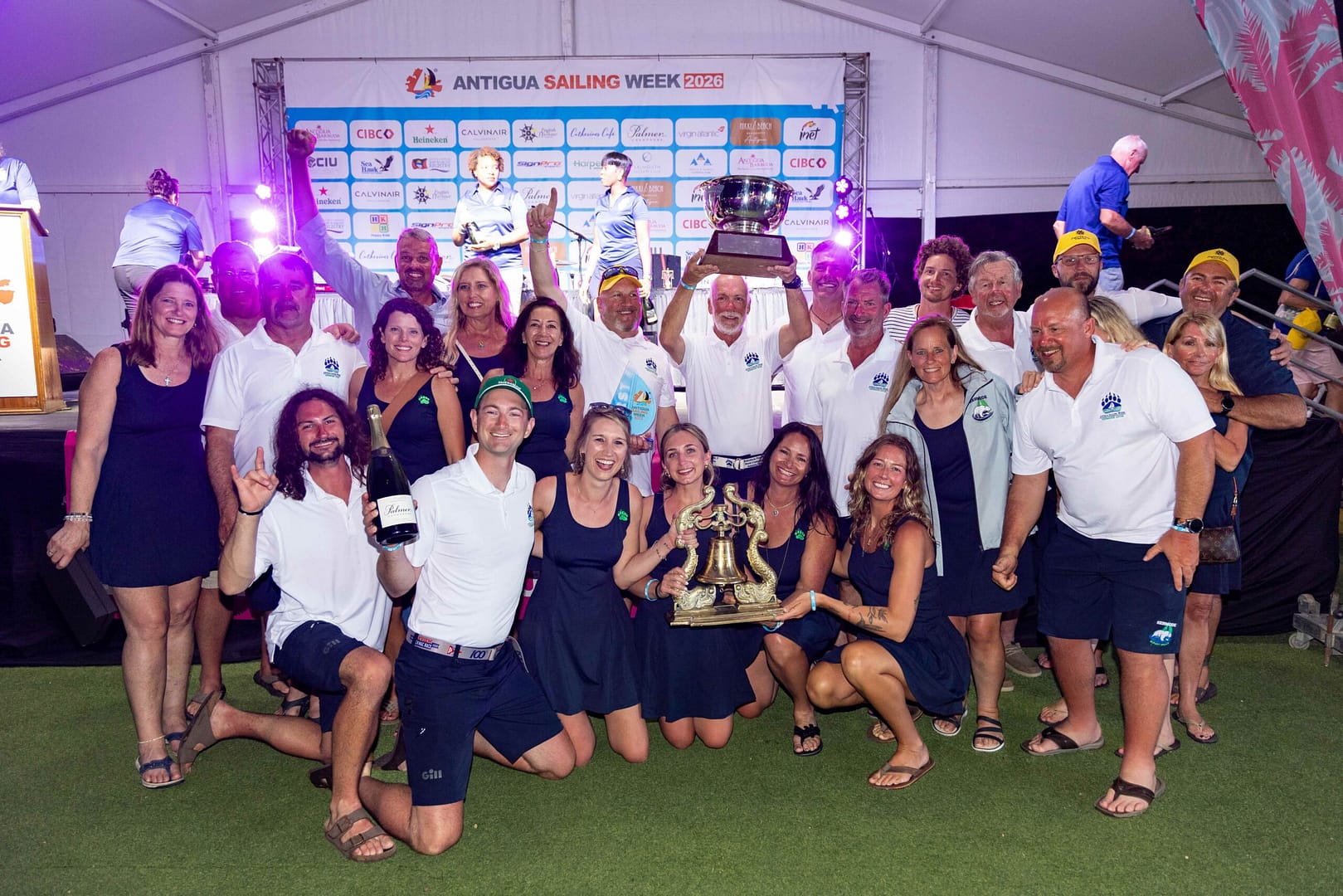
    Organizers opened the ceremony by thanking title sponsors, community partners, and more than 50 dedicated volunteers whose work made the event run smoothly. Top honors went to the crew of *Kali*, racing under the name Kermode-Grizzly led by Great Lakes skipper Chuck Bayer. The team dominated CSA Class 1 all week, taking both corrected and line honours across all four days of racing to claim the event’s most prestigious award, the Lord Nelson Trophy. Calling the win a once-in-a-lifetime achievement, Bayer said he was deeply honored to join the ranks of legendary sailors whose names appear on the iconic trophy.

    In CSA Racing Class 2, the Dutch crew of Contigo Team HI-1 secured an impressive four straight first-place finishes, holding off stiff daily competition from other teams in their class. Skipper Rien van der Post joked that the crew’s most cherished win came on the final day, when they beat the official Race Committee boat to the finish line – a first for the team, which normally races traditional Lemsteraak ships back home in the Netherlands.

    Bernie Evan-Wong, sailing his Mumm 36 *High Tension*, claimed victory in a closely contested CSA Racing Class 3. Evan-Wong credited his crew’s steady focus through wildly shifting conditions, noting that a bold tactical call on the final day made all the difference. “We did a lot of upwind sailing, and our strong point is off the wind, so we really had to work hard,” he explained. “On the last day, we managed to stay on the edge of a squall, play the shifts, and then tack out at just the right moment, and in the end, that’s what won it for us.”

    For the Multihull CSA Class, the classic 1987 Condor 40 *Troika*, co-owned by Sam Masterman, took home the Governor General’s Cup. Masterman praised the event’s new format and course design, noting that the structure created a fun experience for every skill level. “We had two to three crew on board, depending on the day, and it was a mix of racers and non-racers,” he said. “The way the courses were set up meant that everyone was able to have a good time whether they had a lot of experience or only a little.”

    Beyond class titles, a series of special awards recognized outstanding contributions to the spirit of Antigua Sailing Week. The Jan Santos Trophy went to Neal Charles, a behind-the-scenes volunteer whose tireless work ensured the event ran smoothly. The Caribbean Sailing Association Travellers Trophy was awarded to *Apollo* owner Donald Nicholson for his consistent participation in regional sailing events, while Katy Campbell’s *Panacea X* claimed top honours in the Race Charter division for the second consecutive year. The event also highlighted its youth development work, awarding the Youth Trophy to Ashley Joshua, who progressed through the organisation’s Youth to Keel programme to compete this year aboard *Eira*. The Women’s Trophy went to Sanne Bast of *Ilios*, recognizing her commitment to the regatta both on and off the water, from welcoming visiting media to helping restore and race her team’s boat.

  • Antigua and Barbuda Hosts Advance Visit on the Road to CHOGM

    Antigua and Barbuda Hosts Advance Visit on the Road to CHOGM

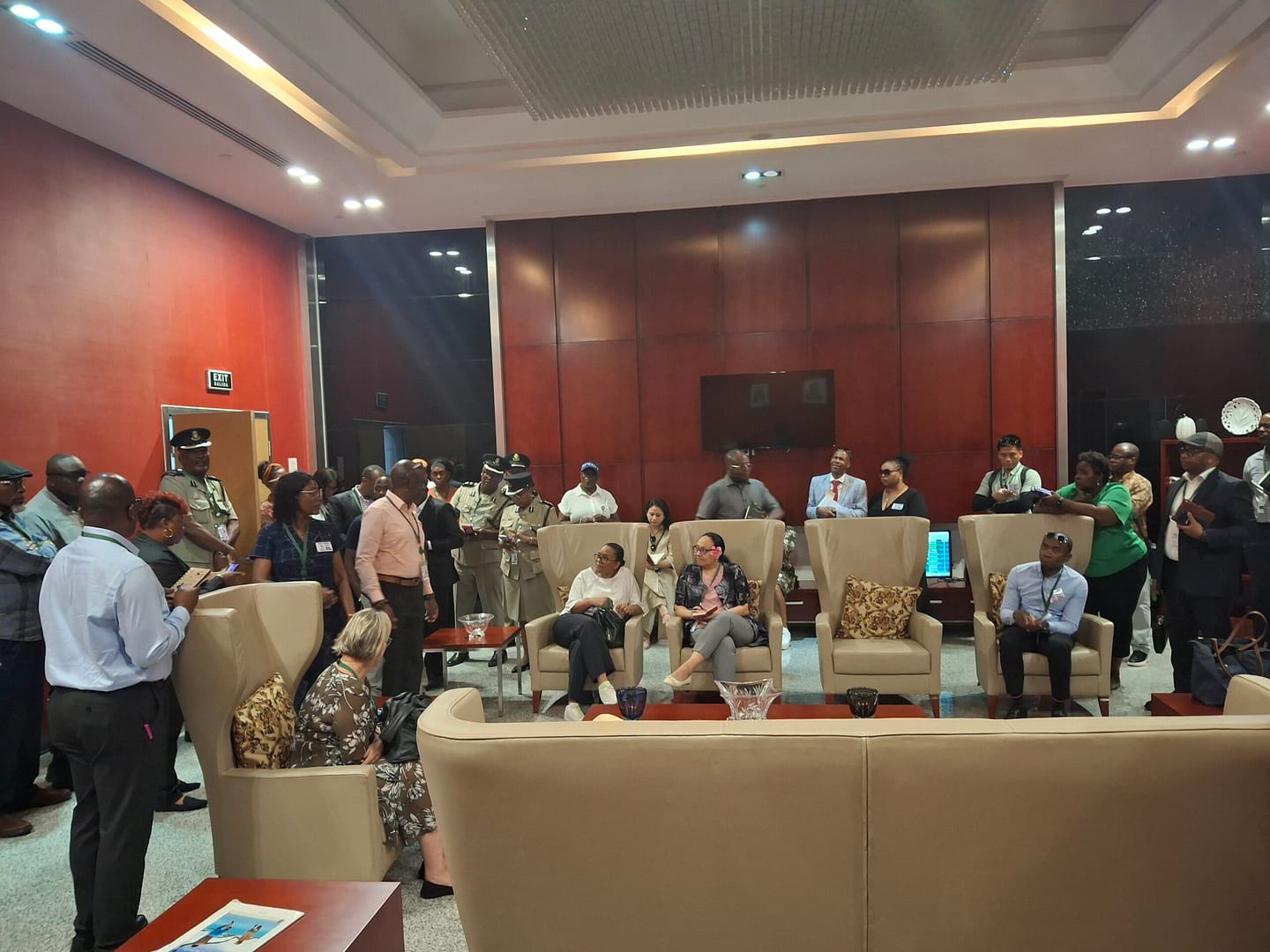
    A key milestone in preparations for the 2026 Commonwealth Heads of Government Meeting (CHOGM) got underway this week, as a cohort of diplomatic representatives from across Commonwealth member states touched down in Antigua and Barbuda on Tuesday for a two-day preliminary inspection visit. The trip, which also includes senior officials from the Commonwealth Secretariat, is a core component of the host nation’s strategy to strengthen technical, operational and protocol coordination — all critical foundations for delivering a successful global summit scheduled to run from November 1 to 4, 2026.

    Speaking on the significance of the pre-summit visit, Her Excellency Karen-Mae Hill, High Commissioner for Antigua and Barbuda, framed the trip as one of the most critical staging steps ahead of the formal summit. The advance trip gives member state delegations a first-hand opportunity to assess the host country’s ongoing preparations, she explained.

    “Representatives get to walk through every venue and facility that will be used for the summit, and they can return to their home capitals to confirm that Antigua and Barbuda is fully organized, well on track with preparations, and ready to welcome the Commonwealth,” Hill said. The senior diplomat noted that she has already been encouraged by the feedback from the visiting delegation, adding that the positive energy and engaged questions from attendees signal strong early momentum for the visit. “I am extremely optimistic that Antigua and Barbuda has put forward a strong showing, and that this advance visit has gotten off to an excellent start,” she said.

    The day’s official agenda opened with a formal welcome and briefing session held at the American University of Antigua (AUA) Conference Centre, followed by a guided tour of the AUA campus. Ann-Marie Layne, Director General of Antigua and Barbuda’s Ministry of Foreign Affairs, Trade and Barbuda Affairs, emphasized that integrated cross-stakeholder coordination is essential to pulling off a seamless 2026 CHOGM, and expressed the host nation’s eagerness to collaborate with all participating parties.

    “As a small island developing state, Antigua and Barbuda feels deeply honored to be chosen as the host of this major Commonwealth gathering. We view this not just as a solemn responsibility, but as a once-in-a-generation opportunity to highlight the strength, resilience and shared unity of the Commonwealth, and advance productive dialogue under our official summit theme: ‘Accelerating Partnerships and Investment for a Prosperous Commonwealth,’” Layne told the assembled delegation.

    She added: “We are fully committed to working closely with every delegate in attendance to ensure all operational, technical and protocol standards are met at the highest level. Your presence here this week embodies the collaborative spirit that the Commonwealth stands for, and we greatly value your partnership throughout this preparation process.”

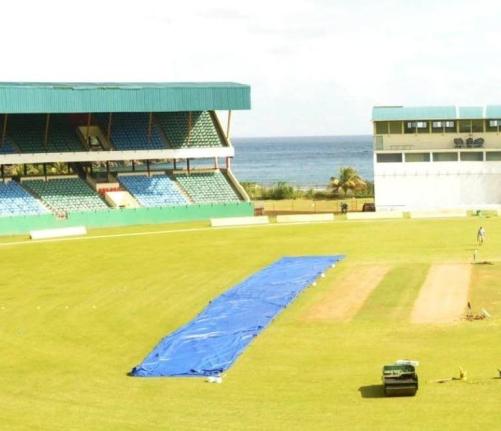
    Following the opening briefing and campus tour, Tuesday’s schedule also included guided visits to key local infrastructure and venues: V.C. Bird International Airport, the Sticky Wicket event complex, and the iconic Sir Vivian Richards Cricket Ground. On Wednesday, the delegation will turn its attention to a range of cultural and official sites, including Government House, the Cathedral of Saint John the Divine, and the SJPC House of Restoration Ministries.

    Among the countries sending representatives to this first advance inspection are Australia, Samoa, Malaysia, Mozambique, Uganda, Rwanda, and Ghana. A second delegation of Commonwealth representatives is scheduled to arrive for a follow-up visit in early May, and the host nation is also supplementing in-person tours with virtual walkthroughs of venues and historic sites for delegations that cannot travel to Antigua and Barbuda at this stage.

  • Dominican Republic and Spain sign security treaty to combat organized crime

    Dominican Republic and Spain sign security treaty to combat organized crime

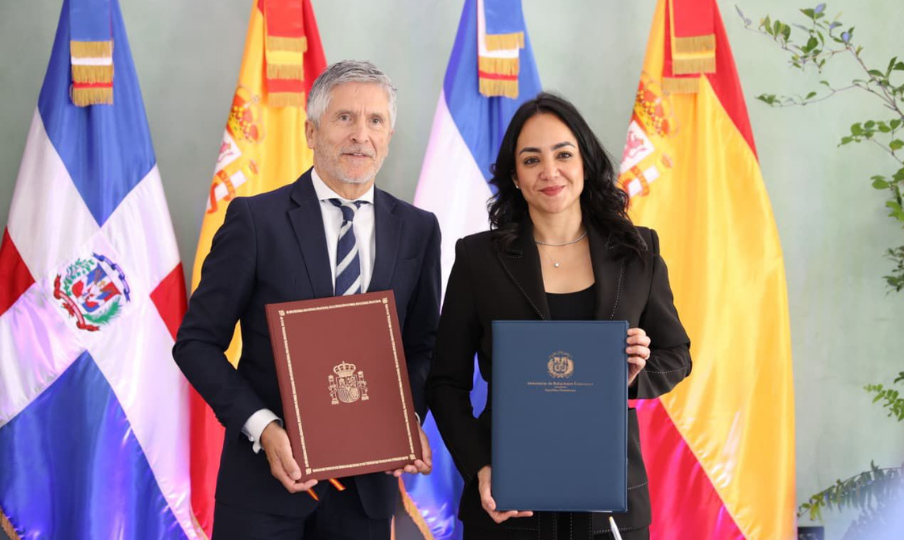
    In a formal ceremony held in Santo Domingo, the Dominican Republic and Spain have formalized a new bilateral agreement designed to ramp up collaborative action against organized criminal networks and elevate public safety standards across both countries. The landmark treaty was signed by two top interior officials: Faride Raful, Dominican Minister of Interior and Police, and Fernando Grande-Marlaska Gómez, Spain’s Minister of Interior, capping off months of diplomatic work focused on addressing the growing threat of cross-border criminal activity.

    Transnational crime has emerged as a shared challenge in recent years, with illicit networks exploiting gaps in international law enforcement coordination to move contraband, exploit vulnerable populations, and launder illegal profits across borders. This new agreement directly addresses that gap by outlining a comprehensive framework for cooperation across a wide range of high-priority criminal areas. Beyond common illicit trafficking threats including drug smuggling, illegal arms trade, and human trafficking, the treaty also covers modern criminal challenges such as cybercrime and financial fraud, alongside longstanding public safety concerns like motor vehicle theft, forged official documentation, and gender-based and domestic violence.

    To turn these cooperative goals into actionable practice, the agreement establishes formal, structured mechanisms for core law enforcement collaboration. These include standardized protocols for real-time information sharing between agencies, frameworks for launching joint cross-border investigations, pathways for direct operational support when needed, and shared processes for mapping and identifying transnational criminal networks and their suspects. In addition to operational cooperation, the treaty paves the way for long-term capacity building: officials from both nations will exchange cutting-edge law enforcement technology, share proven investigative strategies, and deliver specialized training programs to upskill personnel on both sides.

    Speaking after the signing ceremony, official delegations from both countries emphasized that the agreement is rooted in principles of reciprocity and mutual assistance, creating a balanced framework that strengthens security for all citizens. By aligning their law enforcement efforts, the two nations aim to disrupt criminal operations that have impacted communities in both the Dominican Republic and Spain, turning shared commitment to public safety into tangible progress for residents on both sides of the Atlantic.

  • Meteorological Service Pays Tribute to Pioneering Forecaster Philbert Mason

    Meteorological Service Pays Tribute to Pioneering Forecaster Philbert Mason

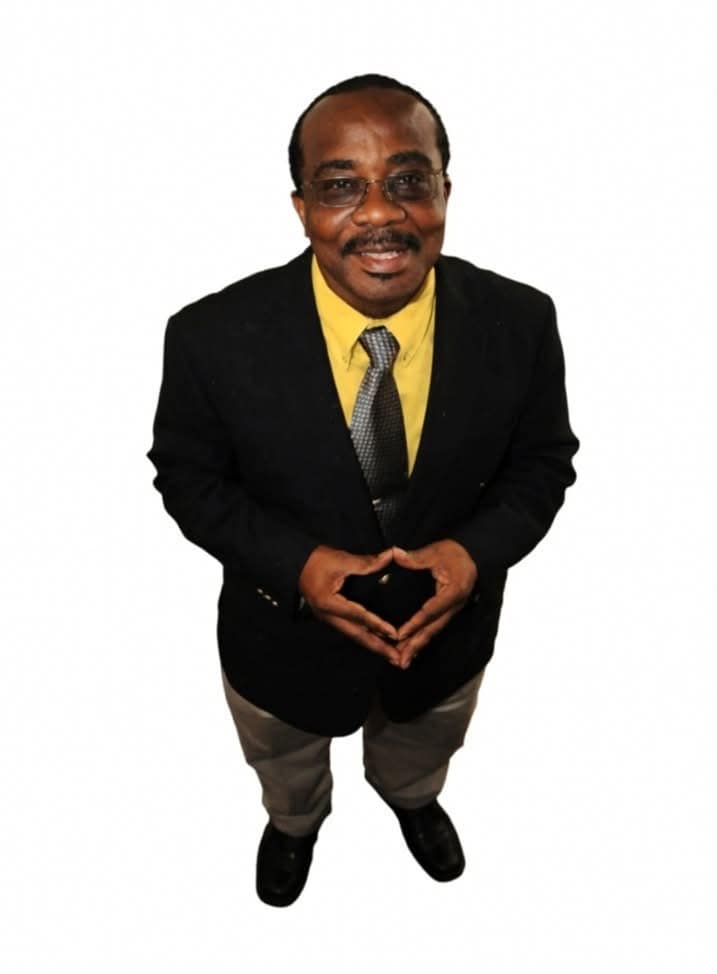
    The Caribbean nation of Antigua and Barbuda is mourning the loss of one of its most respected public science figures this week, as former Deputy Director of the national Meteorological Service Philbert Mason passed away at 75 early Wednesday morning in New York.

    A trailblazer who shaped the country’s weather forecasting infrastructure over nearly four decades, Mason dedicated 37 years of his career to advancing the Antigua and Barbuda Meteorological Service (ABMS). For generations of island residents, he became a steady, trusted voice during the region’s most high-stakes weather events—particularly when hurricane seasons brought life-threatening storm systems toward the small island nation.

    Beyond his technical work to build the country’s meteorological programming, Mason was widely celebrated for his unique ability to deliver critical weather updates to the public with calm clarity and unshakable confidence. This consistent, approachable communication earned him widespread trust across Antigua and Barbuda, turning him into a well-known and beloved public figure far beyond the confines of the weather service.

    In an official statement released this week, the ABMS leadership and staff extended their deepest sympathies to Mason’s family, friends, and former colleagues who worked alongside him throughout his decades-long career. The service noted that Mason’s professionalism, visionary leadership, and relentless commitment to excellence laid the foundation for the modern meteorological work the organization carries out today, and that his legacy will continue to inspire current and future teams at the ABMS for years to come.

  • St Vincent to get first taste of CPL, Barbados to host final

    St Vincent to get first taste of CPL, Barbados to host final

    The 2026 edition of the Republic Bank Caribbean Premier League (CPL) is set to break new ground for one of the Caribbean’s most beloved sporting competitions, with a series of historic firsts announced alongside the release of the full tournament fixture list this week. Scheduled to run from August 7 to September 20, this year’s expanded contest will feature 39 matches contested across multiple islands by seven competitive franchises, and for the very first time in the tournament’s 14-year history, top-tier CPL cricket will be played in St Vincent and the Grenadines.

    The opening matches of the 2026 tournament will kick off at St Vincent’s iconic Arnos Vale Stadium, a scenic venue that will introduce the electric atmosphere of professional Caribbean T20 cricket to a whole new audience of local fans. The seven teams competing for the 2026 title include the Antigua & Barbuda Falcons, Barbados Royals, Jamaica Kingsmen, Guyana Amazon Warriors, St Lucia Kings, St Kitts & Nevis Patriots, and defending champions Trinbago Knight Riders, who will return to defend the crown they claimed in the previous edition.

    In a second landmark milestone for the 2026 season, Barbados has been selected to host the CPL final for the first time ever, marking a historic conclusion to what organizers say will be the biggest tournament in CPL history to date.

    Pete Russell, Chief Executive Officer of the Republic Bank Caribbean Premier League, shared his enthusiasm for the upcoming groundbreaking season in an official statement. “With an expanded tournament in 2026, we are delighted to be bringing CPL cricket to St Vincent & the Grenadines for the first time,” Russell said. “We are equally excited about hosting finals week in Barbados, where we have ambitious plans to deliver the biggest and most memorable finale in the tournament’s 14-year history. Each year, our goal is to raise the bar, and I am more confident than ever that CPL 2026 will be our best season yet.”

    The expansion of the tournament to include a new host nation marks a key milestone in the CPL’s ongoing growth across the Caribbean region, creating new opportunities for local fan engagement and boosting the profile of cricket across smaller island nations. With just months to go before the first ball is bowled, anticipation is already building across the region for what promises to be a record-breaking edition of the region’s premier T20 cricket competition.

  • APUA Team Returns Home After Securing Second Place at Regional Linesworker Rodeo

    APUA Team Returns Home After Securing Second Place at Regional Linesworker Rodeo

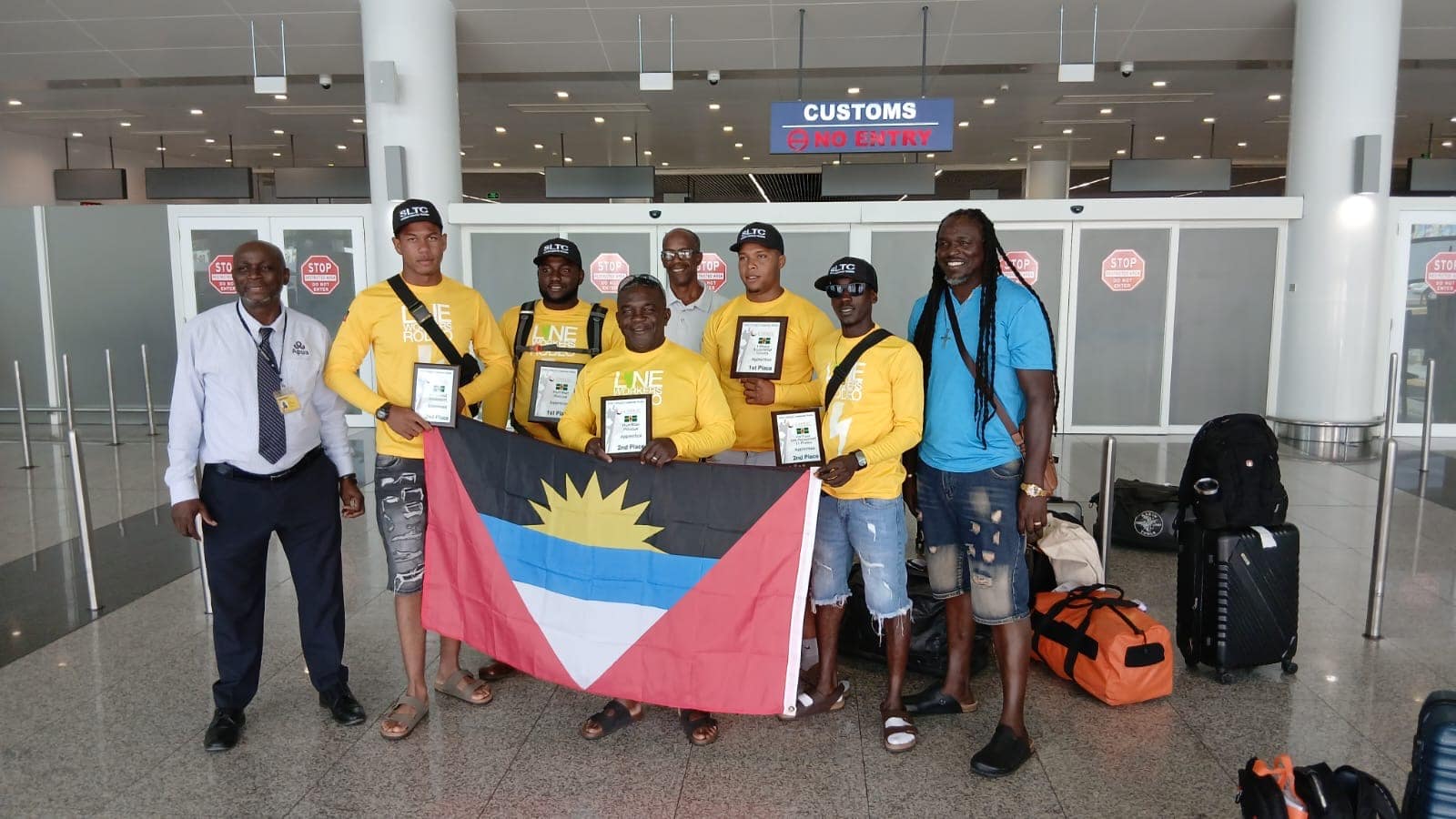
    A competition delegation from the Antigua Public Utilities Authority (APUA) has arrived back home this Tuesday, bringing home impressive silver medals from two distinct competition divisions at the annual Caribbean Electric Utility Services Corporation (CARILEC) Linesworker Rodeo. The regional event, which wrapped up over the weekend on the island of Dominica, saw APUA’s squads take second place in both the experienced professional category and the apprentice trainee division.

    This dual podium finish stands out as one of the strongest recent showings for Antigua and Barbuda’s primary utility provider, with organizational leaders quick to frame the results as a direct endorsement of the rigorous training, technical expertise, and collaborative culture that defines APUA’s lineswork teams.

    Now in its established annual cycle, the CARILEC Linesworker Rodeo is far more than a simple athletic or competitive event. It gathers skilled utility workers from 16 member jurisdictions across the Caribbean region, challenging participants to execute complex electrical repairs, maintenance procedures, and emergency response maneuvers in highly realistic simulated field conditions. The competition is structured to evaluate not just speed and technical precision, but also strict adherence to global best safety practices, a non-negotiable standard for linework that operates in high-risk environments.

    Beyond the competitive rankings, APUA officials emphasized that the event delivers lasting, tangible value for utility providers across the region. It acts as a critical networking hub, where frontline workers and organizational leaders can strengthen working relationships between Caribbean utilities, share innovative approaches to common industry challenges, and align on updated best practices for electrical infrastructure maintenance and worker protection.

    For APUA specifically, leadership noted that the dual second-place finishes offer more than just accolades. The experience confirmed that the organization’s internal work standards meet and often exceed regional benchmarks, while also providing valuable professional development opportunities for all participating team members that will translate to improved service for Antigua’s residential and commercial utility customers.

    Looking ahead, APUA has already set its sights on the 2025 iteration of the CARILEC Linesworker Rodeo, with plans to build on this year’s momentum and push for even stronger results when the next competition convenes.

  • Commonwealth Observer Group commences work in Antigua and Barbuda for 2026 General Elections

    Commonwealth Observer Group commences work in Antigua and Barbuda for 2026 General Elections

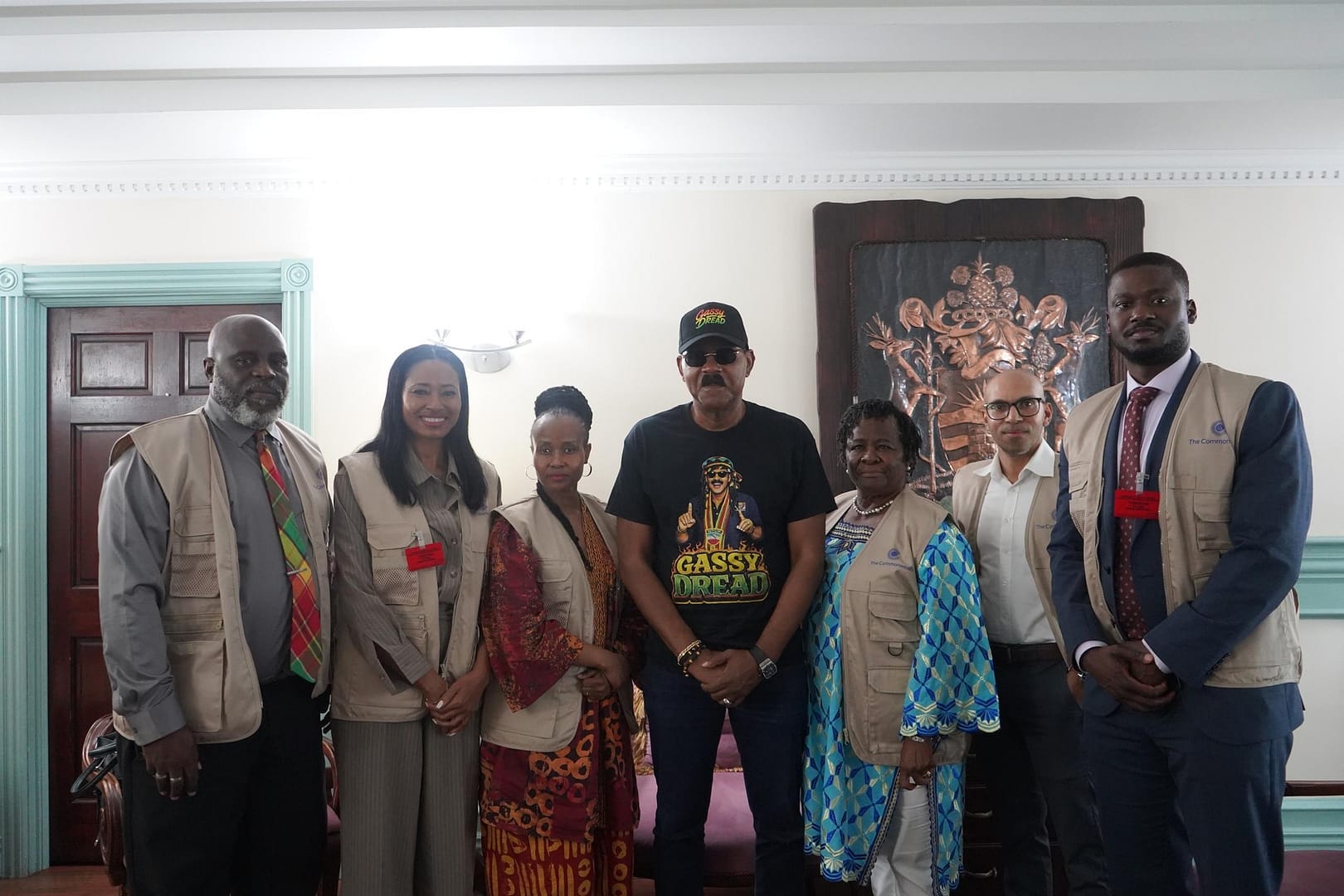
    A Commonwealth Observer Group has officially begun its monitoring mission for Antigua and Barbuda’s upcoming 2026 General Elections, after being formally deployed by Commonwealth Secretary-General Hon Shirley Botchwey. Headed by Hon. Dr Pelonomi Venson, Botswana’s former Minister of Foreign Affairs, the four-person team brings together decades of cross-sector expertise spanning election management, governance, civil society, and journalism, drawing members from across the 56-nation Commonwealth bloc. The mission was organized at the official invitation of Antigua and Barbuda’s national government.

    In remarks marking the team’s deployment, Secretary-General Botchwey highlighted the rapid willingness of senior Commonwealth figures to support democratic strengthening across member states. “I am consistently encouraged by the readiness of distinguished individuals across the Commonwealth to contribute to the strengthening of democratic processes across our member states at short notice,” she said, expressing full confidence in the group’s ability to deliver an impartial assessment. “I am confident that the Chairperson, Hon. Dr Pelonomi Venson, and the members of this Group will bring their experience to bear in delivering an independent, credible and balanced assessment of the electoral process in Antigua and Barbuda.”

    All team members have now arrived in the twin-island nation and will remain on the ground for the full duration of their mandate, covering three key phases of the election cycle: pre-election preparations, polling day operations, and post-election administrative processes. All assessments will be conducted against a framework of national electoral legislation, core Commonwealth democratic values, and widely accepted global election standards. In her public arrival statement, Dr Venson emphasized the significance of the vote for Antigua and Barbuda’s democratic development, calling it “an honour to serve in this capacity.”

    “These elections provide an important opportunity to further strengthen democratic institutions and build public confidence in the electoral process. It is therefore important that all stakeholders uphold the principles of inclusive, transparent and participatory democracy, where every vote carries equal weight,” she added.

    The observer group will receive operational support from a technical team based at the Commonwealth Secretariat, led by Lindiwe Maleleka, Political Adviser for the Secretariat’s Electoral Support Section. Over the course of the mission, the delegation will hold consultations with a broad cross-section of national stakeholders, including independent election commission officials, leaders of competing political parties, representatives from local and international civil society groups, national security agencies, members of the diplomatic community, and other international observer teams deployed to the election.

    To ensure comprehensive coverage of voting activities, observers will be dispatched across both Antigua and Barbuda to directly observe polling, vote counting, and official results management procedures. Following the completion of polling, the group will release an interim statement outlining its preliminary findings within days of election day, with a full final report containing detailed analysis and recommendations published at a later date.

    In addition to Chair Venson, the full observer team includes Candia Dames, Executive Editor of the Nassau Guardian from The Bahamas; Ian Michael Anthony, Former Chief Elections Officer from Dominica; and Aiman Rasheed, Deputy Program Director at the International Republican Institute from the Maldives.

  • Eleven provinces under Yellow Alert due to rain and flood risk

    Eleven provinces under Yellow Alert due to rain and flood risk

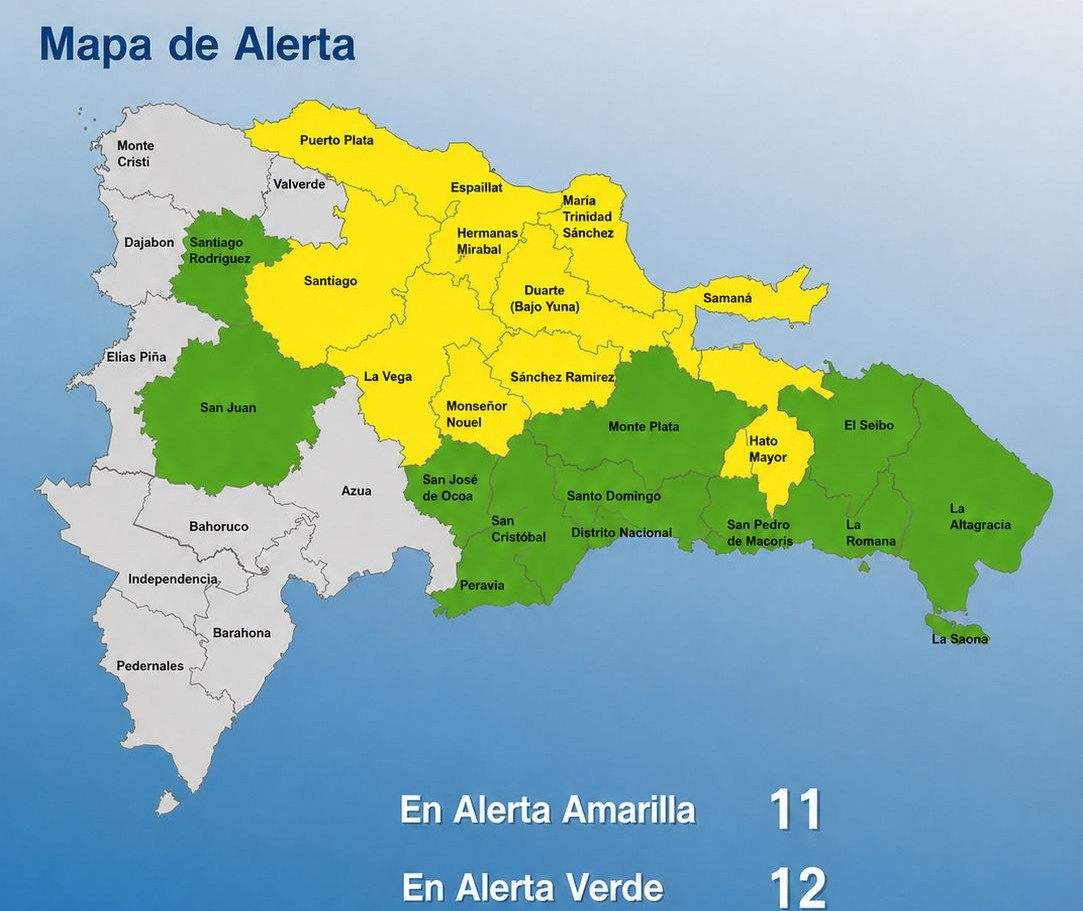
    On Wednesday, the Dominican Republic’s Emergency Operations Center (COE) announced a widespread expansion of national weather warnings, ramping up precautionary measures as an unstable atmospheric pattern continues to bring hazardous conditions across the Caribbean nation. Under the updated alert framework, 11 provinces have been placed under yellow alert – the second-highest level of warning – while 12 additional provinces and the National District remain under lower-level green alert.

    The 11 provinces now under elevated yellow warning status are María Trinidad Sánchez, Santiago, Duarte, Puerto Plata, Hermanas Mirabal, Hato Mayor, Monseñor Nouel, La Vega, Sánchez Ramírez, Espaillat, and Samaná. Areas retaining green alert include the major population centers of Santo Domingo, San Pedro de Macorís, La Altagracia, San Cristóbal, La Romana, Monte Plata, and the National District, the country’s capital administrative zone.

    Meteorological officials from the Dominican Institute of Meteorology (Indomet) confirmed that a persistent low-pressure trough system hovering over the region will continue to drive unstable weather through the afternoon. Forecasters say the system is spurring rapid cloud development that will bring heavy downpours, severe thunderstorms, and even a chance of small hail across much of the affected areas.

    The risk of extreme weather events is amplified by days of prior precipitation that have left soil across the country completely saturated. Emergency authorities have issued urgent warnings about the growing likelihood of river overflow, sudden flash floods, and widespread urban flooding in low-lying and high-risk communities.

    As of Wednesday, the impact of the persistent rain has already disrupted critical public services. The National Institute of Drinking Water and Sewerage (Inapa) confirmed that 12 regional aqueducts have been taken out of service by flood damage or operational disruptions, cutting off water access to more than 205,000 residential and commercial users across the affected regions.

    In a public advisory, the COE has urged all residents in at-risk zones to strictly follow official safety guidance. The agency specifically warned communities against attempting to cross swollen rivers or flooded streams, and reminded people living in flood-prone areas to remain ready to evacuate if conditions worsen.

  • Leisure : Did you know ? #19

    Leisure : Did you know ? #19

    In a new installment of its popular “Did You Know?” educational series, HaitiLibre has shared a concise, fact-filled breakdown of the Cold War as part of its expanding free online quiz platform, which is designed to engage knowledge-seekers of all skill levels.

    The Cold War, the defining geopolitical confrontation that structured global affairs across the second half of the 20th century, pitted two competing ideological and military blocs against one another. On one side stood the Western Bloc, led by the United States, which advanced a global order built on capitalism and liberal democracy. Opposing it was the Eastern Bloc, headed by the Soviet Union (USSR), which promoted communist governance and economic systems across its sphere of influence.

    The conflict earned its “cold” label not from a total lack of violence, but from the absence of direct, large-scale military combat between the two nuclear-armed superpowers. The ever-present threat of mutually assured destruction from nuclear arsenals deterred the two nations from open war against each other. Even so, the decades-long rivalry was far from peaceful: it played out through devastating proxy conflicts in Korea, Vietnam, and Afghanistan, a relentless global arms race that stacked thousands of nuclear warheads on both sides, and a high-stakes competition for dominance in space exploration that pushed the boundaries of human technological achievement.

    The formal end of the confrontation came with the collapse of the Eastern Bloc: the fall of the Berlin Wall in 1989 marked the beginning of the bloc’s dissolution, which concluded with the full breakup of the Soviet Union in 1991. Despite ending more than three decades ago, this era continues to leave an indelible mark on modern society. It reshaped global cultural production, accelerated breakthroughs in scientific and technological research, and redefined the structure of international relations, leaving behind the complex multipolar world we see today. Many of the lingering diplomatic tensions between major global powers can trace their origins back to the ideological divides of the Cold War era.

    This fact sheet is pulled from the answer key for the “QUIZ World, Wars and Conflicts 1.1” on HaitiLibre’s dedicated QuizHaitiLibre platform, which launched to the public earlier this year. The platform offers a wide range of quizzes covering topics from Haitian local history and culture to global events and specialized expert-level themes, allowing visitors to test their general knowledge at their own pace.

    To make the resource accessible to all users, all of the platform’s exclusive quizzes are completely free to access and require no account registration to play. Every quiz is offered in both French and English, and built to accommodate a range of skill levels with three difficulty settings: normal, intermediate, and advanced. As part of the platform’s scheduled monthly content update, 28 brand new quizzes were added to the site on Wednesday, April 8, with new content added every month for returning visitors. Dozens of knowledge games are already available to explore, and users can access the full collection at any time at https://quiz.haitilibre.com/en.