作者: admin

  • Rupununi woman fined, jailed for online harassment

    Rupununi woman fined, jailed for online harassment

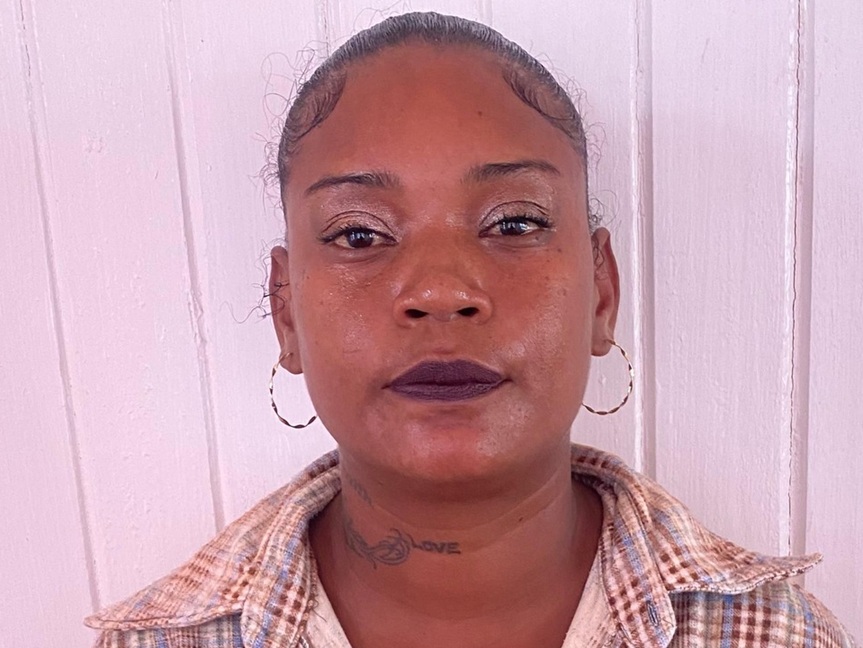
    In a landmark ruling underscoring the serious consequences of digital misconduct, a 34-year-old ambulance driver from Tabatinga, central Rupununi has been convicted under Guyana’s Cybercrime Act. Lorian Toney faced the Lethem Magistrate’s Court on Tuesday, December 2, 2025, where she pleaded guilty to using computer systems to intentionally humiliate, harass, and inflict substantial emotional distress upon victim Maxine Hendricks.

    The Guyana Police Force confirmed that Magistrate Omadatt Chandan delivered a stringent sentence combining both financial and custodial penalties. Toney was ordered to pay a substantial fine of GY$1 million (Guyanese dollars) alongside a one-year prison term. This case represents one of the most significant enforcements of the country’s cybercrime legislation to date.

    According to official police statements, the investigation began following a formal complaint about targeted online harassment. Law enforcement authorities arrested Toney on September 25, 2025, after establishing evidence that she systematically used digital platforms to conduct a campaign of emotional abuse against Hendricks.

    The ruling demonstrates Guyana’s increasingly robust approach to combating digital harassment and protecting citizens from online victimization. Legal experts suggest this judgment could establish important precedents for future cybercrime prosecutions in the Caribbean nation, particularly regarding the appropriate sentencing thresholds for digital harassment offenses that cause demonstrable emotional harm to victims.

  • Cabinet wants to renegotiate TAMCC workers agreed 5% increase for 2025

    Cabinet wants to renegotiate TAMCC workers agreed 5% increase for 2025

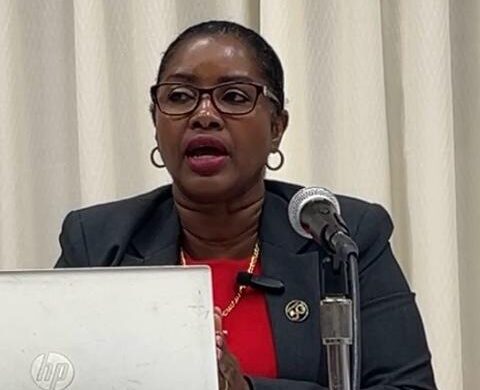
    A significant labor dispute has emerged at Grenada’s T A Marryshow Community College (TAMCC) after the Cabinet of Ministers refused to approve a previously negotiated 5% salary increase for 2025. Public Workers Union (PWU) President Daisy Hazzard revealed the development during a press conference on December 1st, characterizing the government’s intervention as “devastating” and “unprecedented.

    The conflict centers on a collective bargaining agreement that union representatives and government agents had spent nine months negotiating. According to Hazzard, just as both parties reached consensus, the Cabinet unexpectedly demanded renegotiation of terms already settled. TAMCC, as a statutory body receiving government subventions through Ministry of Education allocations, requires Cabinet approval for such agreements.

    Hazzard expressed profound frustration with the reversal, stating: “It is unprecedented when negotiations are concluded, and the Cabinet comes back to say we are not satisfied to honor what the agents did on our behalf.” She emphasized that the Cabinet had ample opportunity during the nine-month negotiation period to provide input.

    Compounding the dispute, the government has proposed that college workers accept a percentage increase reflective of 2017 levels instead of the agreed-upon 2025 adjustment. Furthermore, the Cabinet has conditioned the 2025 increase on workers accepting a reduced 3% raise for 2026-2028.

    The government has cited potential regional military conflict and declining inflation rates as justification for revisiting the salary agreement. This development affects all staff at Grenada’s sole community college and represents a significant setback in labor relations between public sector workers and the current administration.

  • Budget Loan Authorisation increased by 36% from 2022 to 2026

    Budget Loan Authorisation increased by 36% from 2022 to 2026

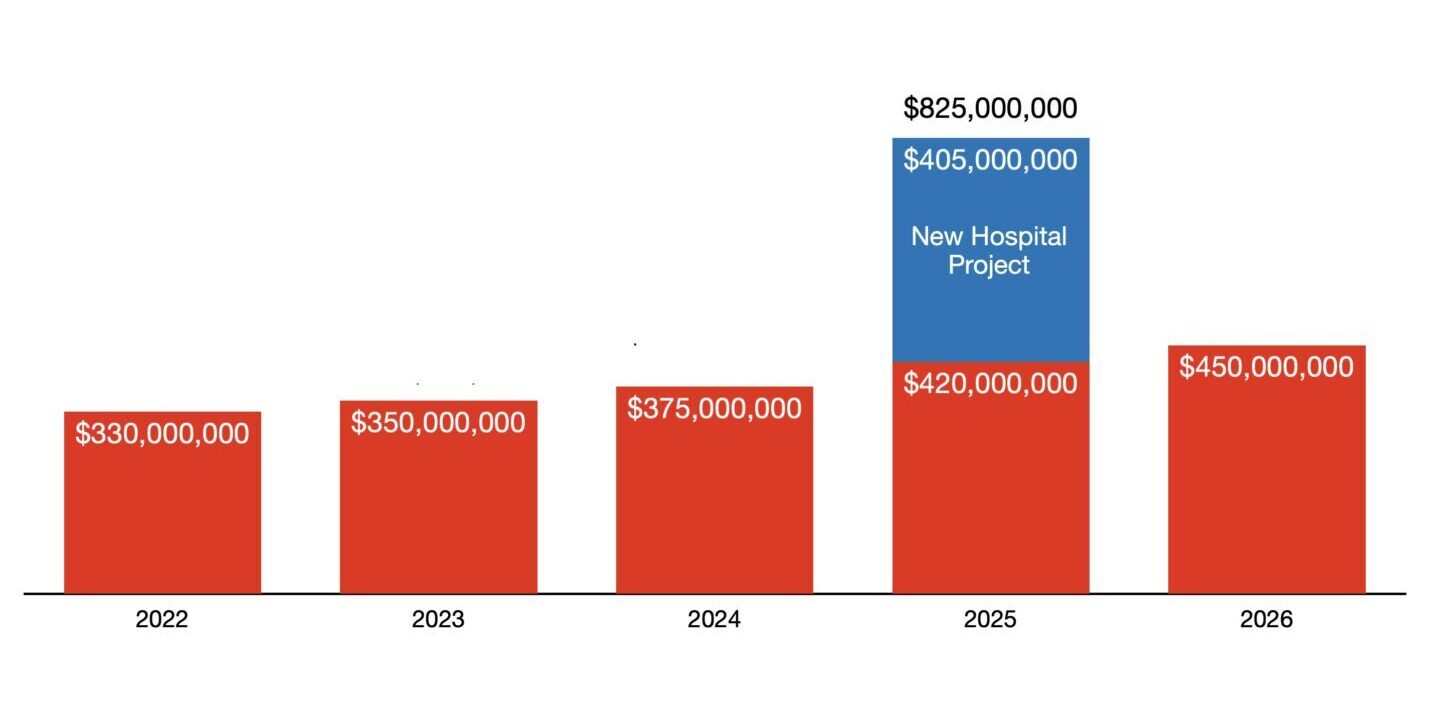
    The Grenadian Parliament has enacted substantial increases in national borrowing capacity through its Budget Loan Authorisation Act, revealing a significant expansion of the country’s fiscal framework from 2022 to 2026. Financial analysis indicates the government’s authorized borrowing limit has escalated by EC$120 million during this period, with the most dramatic single-year increase scheduled for 2025—a year that will see an extraordinary EC$825 million authorization that includes separate funding for a major hospital development project.

    This legislative mechanism, routinely approved alongside annual budget presentations, empowers the Finance Minister to secure financing through diverse instruments including international loans, bond issuances, promissory notes, and other debt vehicles. The escalating borrowing authorities correspond with a parallel 45% growth in overall budget expenditures, which are projected to reach nearly EC$2 billion by 2026 compared to EC$1.35 billion in 2022.

    Detailed examination of the authorization timeline shows progressive annual increases: EC$330 million (2022), EC$350 million (2023), EC$375 million (2024), followed by the exceptional EC$825 million allocation for 2025—comprising EC$420 million for general budgeting plus EC$405 million specifically earmarked for hospital infrastructure—before moderating to EC$450 million in 2026.

    The government maintains borrowing relationships with multiple international financial institutions, including the World Bank’s International Development Association, Caribbean Development Bank, Eastern Caribbean Central Bank, and the Saudi Fund for Development—from which Grenada secured a US$100 million loan in October 2023. Notably, despite parliamentary requirements mandating disclosure of loan agreements, few such documents have been formally presented to legislators, raising questions about transparency in sovereign debt management.

    The substantial borrowing increase, particularly the hospital project financing, represents a strategic investment in national infrastructure while simultaneously expanding Grenada’s public debt portfolio. The government has not yet disclosed whether the specifically authorized hospital funding has been activated through actual borrowing arrangements.

  • Patients’ digital info is secured- Health Minister

    Patients’ digital info is secured- Health Minister

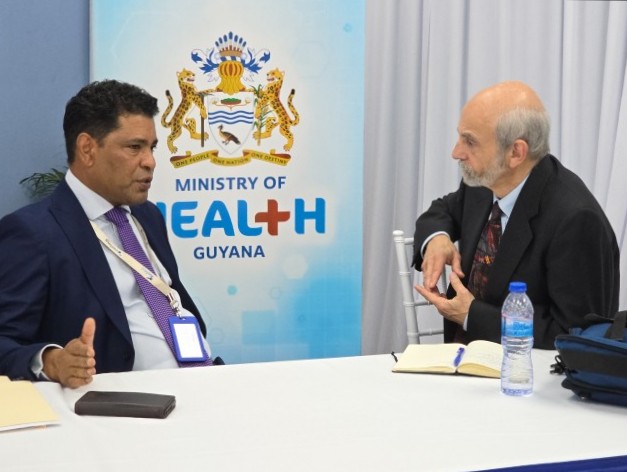
    Guyana’s Health Minister Dr. Frank Anthony has publicly guaranteed the security of citizens’ digitally stored health information, despite the nation’s 2023 Data Protection Act remaining unimplemented. The assurance came during Tuesday’s formal inauguration of the Guyana Digital Health Training Institute (GDHTI), where Anthony emphasized existing protective measures.

    “We have systems in place, we have protocols in place. We’ve done a number of regulations in collaboration with this team from Mount Sinai so health data follows these protocols. This information is not divulged to the general public, and we don’t want it to be because that’s how we will build trust with our patients,” Anthony stated in a press briefing.

    The Minister addressed growing concerns from opposition party APNU, which recently highlighted the absence of the data protection law’s commencement order. Anthony confirmed the Health Ministry’s advocacy for the legislation and expressed confidence that implementation would occur “shortly,” connecting the timeline to the new institute’s training progression and data collection processes.

    The digital health infrastructure gained significant momentum earlier this year through a $3.3 million partnership with UK-based RioMed Limited to establish a comprehensive electronic health records system. This network will enable seamless information sharing across public healthcare providers, potentially revolutionizing patient treatment efficiency. Under the pending legislation, unauthorized access to private patient information could result in substantial penalties—up to GY$20 million for individuals and GY$100 million for corporate entities.

  • Belizean Man Murdered During Robbery in Cleveland

    Belizean Man Murdered During Robbery in Cleveland

    A tragic armed robbery in Cleveland, Ohio, has claimed the life of a Belizean national and local community member. Samir Santana, 34, was fatally wounded during a violent incident at a smoke shop where he was employed on Monday morning.

    According to official statements from the Cleveland Police Division, the shooting occurred at approximately 11:30 a.m. Preliminary investigation suggests Santana was confronted during a robbery attempt at the establishment. First responders discovered the victim unresponsive outside the premises and immediately transported him to a nearby medical facility. Despite emergency intervention, Santana was pronounced deceased shortly after arrival at the hospital.

    Santana’s personal history reveals a life cut short by senseless violence. Having relocated to the United States during his childhood, he had established roots in his community and was raising three children as a devoted father. His sudden passing has created profound grief among relatives and loved ones.

    Family members expressed overwhelming sorrow regarding their loss. One sibling shared an emotional tribute stating: ‘The reality of losing a sibling is something I never prepared for. I’m currently struggling to process that you’re no longer present in our lives.’ The devastating impact of this violent crime extends beyond the immediate family to affect the broader immigrant community in Cleveland.

    Local authorities continue their investigation into the circumstances surrounding the homicide and are seeking information regarding potential suspects. The case highlights ongoing concerns about public safety and violent crime in urban areas across the United States.

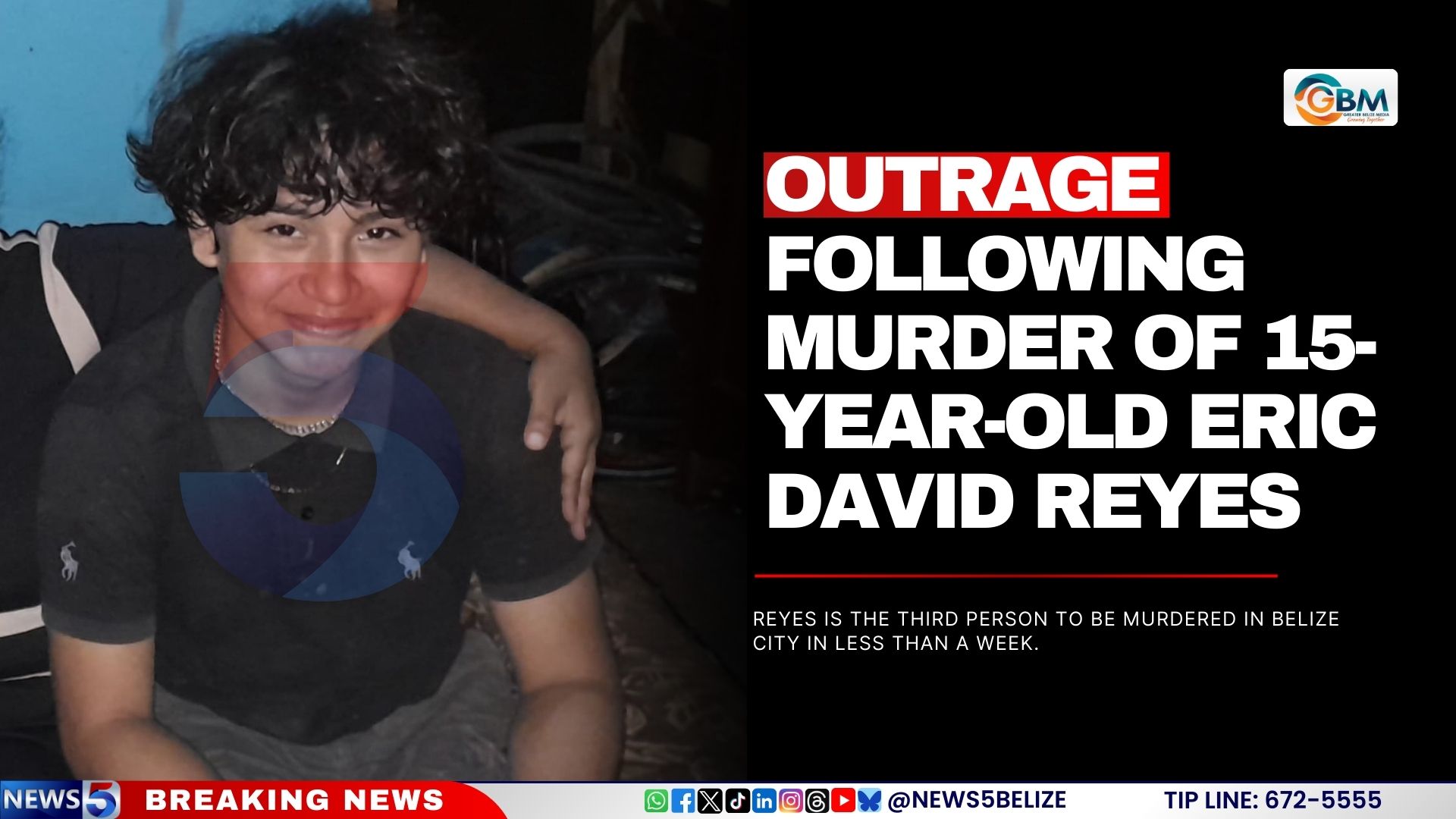
  • Outrage Following Murder of 15-Year-Old Eric David Reyes

    Outrage Following Murder of 15-Year-Old Eric David Reyes

    BELIZE CITY, BELIZE – December 2, 2025 – A wave of public fury has swept through Belize City following the brutal shooting of 15-year-old Eric David Reyes, who was killed outside his Park Street residence late Monday evening.

    Preliminary investigative findings indicate the victim was cycling home when assailants opened fire. Reyes was discovered lifeless on the roadway and subsequently transported to Karl Heusner Memorial Hospital, where medical personnel confirmed his death. The teenager, who provided care for his paralyzed mother, had been a former student of Saint Ignatius Primary School but was not currently enrolled in formal education.

    The Belize Police Department issued an official communiqué expressing profound sympathies to the bereaved family while reaffirming their “uncompromising position against communal violence.”

    Digital platforms have become arenas for escalating public dissent, with numerous citizens condemning the persistent violence plaguing the Old Capital. A representative social media commentary responding to police authorities stated: “Condemnation and hollow rhetoric achieve nothing. The capacity for intervention exists, but the necessary courage remains absent.”

    This homicide marks the third fatal incident recorded in Belize City within a seven-day period, intensifying concerns about urban security and law enforcement efficacy. The community’s anguish has been further amplified by revelations of the victim’s vulnerable domestic circumstances, fueling demands for substantive governmental action beyond ceremonial statements.

  • Digital Health Institute launched, will train hundreds to deliver high-tech health care

    Digital Health Institute launched, will train hundreds to deliver high-tech health care

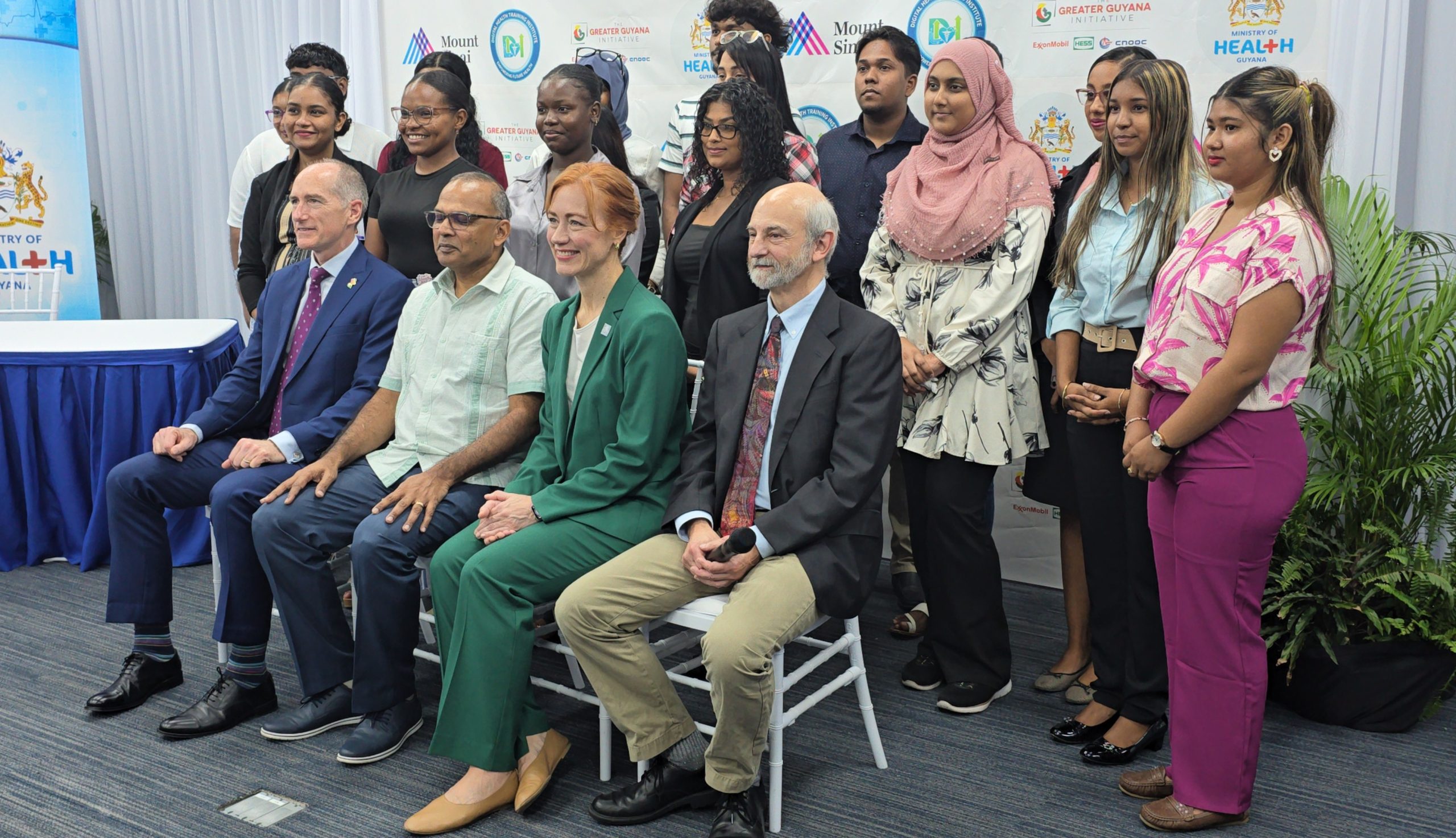
    Guyana has embarked on an ambitious digital healthcare transformation with the formal inauguration of the Guyana Digital Health Training Institute (GDHTI), a pioneering initiative designed to cultivate a new generation of health technology professionals. The $5 million project, unveiled on December 2, 2025, aims to train approximately 250 students over the next three years in critical digital health disciplines.

    The groundbreaking institute represents a collaborative effort between Guyana’s Ministry of Health and New York’s Mount Sinai Health System, with financial backing from the Greater Guyana Initiative—a GYD$20 billion sustainable development fund established by ExxonMobil and Hess. China National Offshore Oil Corporation (CNOOC), holding a 25% stake in the Stabroek Block, contributed an additional $1.25 million to the project.

    Health Minister Dr. Frank Anthony emphasized the institute’s role in addressing technical challenges within Guyana’s healthcare infrastructure. “These students will help resolve technical problems that hospitals currently face, directly improving our existing systems,” Dr. Anthony stated during the launch ceremony.

    Dr. Jeb Weisman, Director of Mount Sinai’s Arnhold Institute for Global Health, outlined the institute’s comprehensive mission to develop a digital health workforce capable of enhancing patient care, improving patient engagement, and advancing scientific research. “Our goals are to establish the Institute as an integral part of the Ministry of Health and build a robust skilled workforce of technicians, data scientists, trainers and support staff throughout the country,” Weisman explained.

    The training curriculum will focus on three primary domains: user support health, data science, and digital systems management. Dr. Rachel Vreeman, Executive Director of Mount Sinai’s Guyana Health Initiative, highlighted the program’s potential to create new career pathways and establish “a long-term pipeline of expertise rooted right here in Guyana.”

    ExxonMobil Guyana President Alistair Routledge positioned the initiative as a regional leadership endeavor, noting that GDHTI would enable Guyana to “lead the way in the Caribbean in bringing digital systems and data management to bear to improve health outcomes.”

    The institute forms part of Guyana’s broader strategy to develop a connected, patient-centered, and data-driven healthcare network. Despite challenges with electricity connectivity affecting nearly 450 health facilities, the Ministry has been implementing solar power and alternative connectivity solutions. Currently, 81 centers across remote regions already provide telemedicine services, with plans to expand to 50 additional sites by early 2026.

  • NODS advances District Command Centres for Community Level Disaster Coordination

    NODS advances District Command Centres for Community Level Disaster Coordination

    In a strategic move to decentralize emergency management, Antigua and Barbuda’s National Office of Disaster Services (NODS) is deploying a network of District Disaster Command Centres constructed from repurposed shipping containers. This nationwide initiative aims to embed robust coordination and communication capabilities directly within local communities.

    The innovative centers are being built using 20-foot storage containers mounted on concrete columns, which are then custom-fitted for operational use. NODS has already acquired nine such containers, with ongoing placements across various districts. The ambitious target is to establish a dedicated center in each of the nation’s 17 designated disaster districts, including the island of Barbuda.

    This infrastructure project represents a significant enhancement to community-level resilience by creating permanent facilities for disaster planning and response activities. These centers will serve as operational hubs for District Disaster Committees to collaborate with critical stakeholders and execute localized emergency protocols.

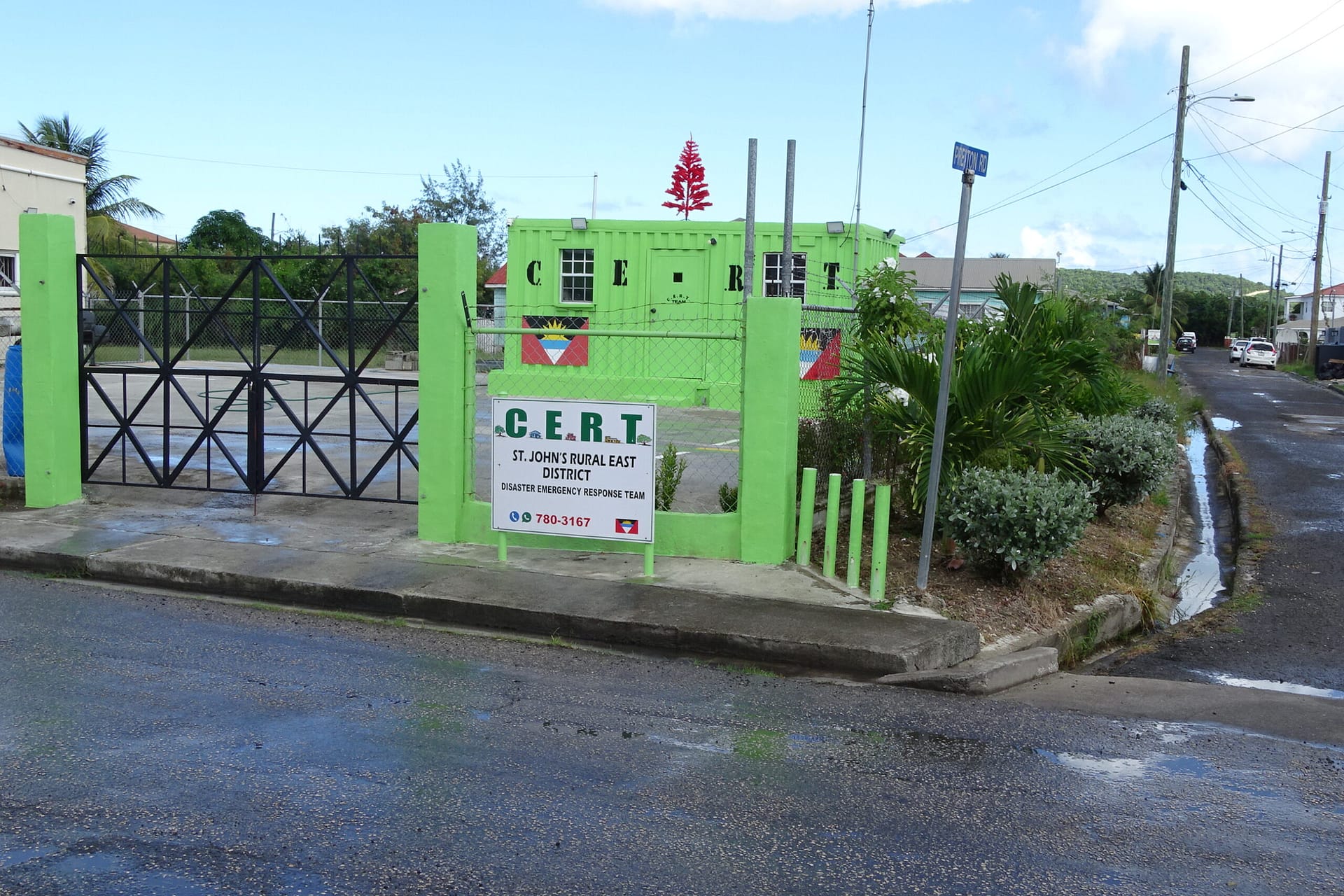
    A operational model exists in the St. John’s Rural East District, where a completed command center on Hawkins Drive in Cassada Gardens became operational on June 22, 2023. This facility now functions as the permanent headquarters for district committee operations and community planning activities.

    NODS Director Sherrod James emphasized the strategic value: ‘These dedicated command centres dramatically expand our capacity to reach affected populations directly, conduct targeted training programs, and maintain permanent operational presence in communities.’

    The project receives financial backing through the Caribbean Disaster Emergency Management Agency (CDEMA) Country Directed Fund. NODS is collaborating with the Ministry of Works, the Antigua Public Utilities Authority (APUA), and other essential entities to ensure timely completion and operational readiness of all centers.

  • Fifteen-Year-Old Murdered Weeks Before Christmas

    Fifteen-Year-Old Murdered Weeks Before Christmas

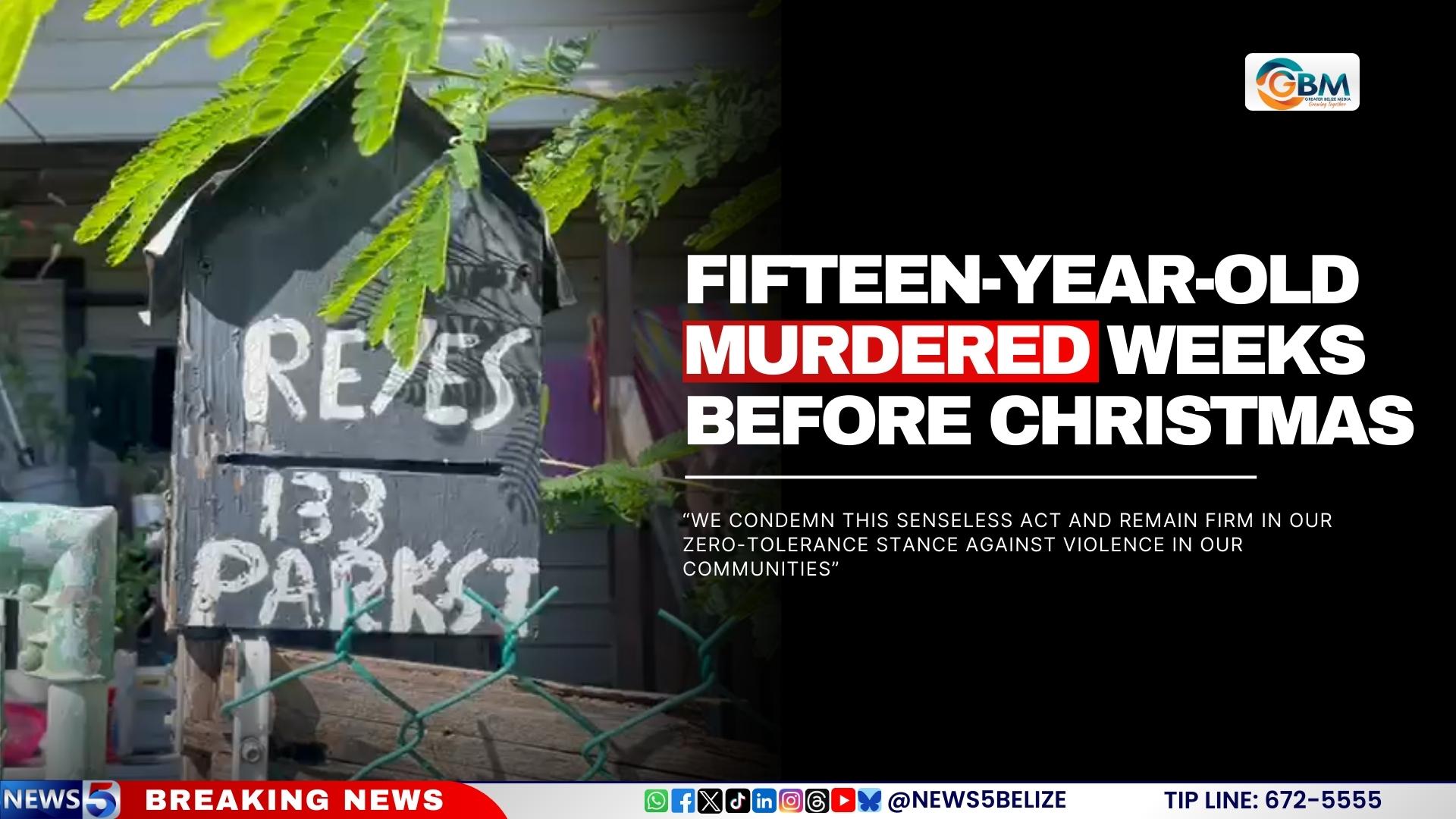
    BELIZE CITY – A tragic shooting has claimed the life of a teenage boy just weeks before the Christmas holiday season, casting a pall over the community. Eric David Reyes, aged 15, was fatally shot late Monday evening in front of his residence on Park Street, according to local authorities.

    Preliminary investigative findings indicate the victim was returning home via bicycle when multiple gunshots erupted throughout the neighborhood. Reyes was discovered unresponsive on the roadway and subsequently transported to Karl Heusner Memorial Hospital for emergency treatment. Medical personnel pronounced him deceased upon arrival at the healthcare facility.

    Background verification reveals the adolescent resided with his physically disabled mother who suffers from paralysis. Educational records show previous enrollment at Saint Ignatius Primary School, though the teenager was not actively participating in formal education programs at the time of the violent incident.

    The Belize Police Department issued an official communiqué expressing profound sympathy to the bereaved family members. The statement further emphasized: “We vehemently condemn this brutal and irrational violence while maintaining our unwavering zero-tolerance policy against community violence. Collective action remains imperative to safeguard our youth and preserve our nation’s prospective development.”

    Law enforcement agencies continue active investigations into the circumstances surrounding the shooting, with additional operational details anticipated as the probe advances.

  • Willem-Alexander wil begrijpen hoe Surinaamse rechtspraak standhoudt onder druk

    Willem-Alexander wil begrijpen hoe Surinaamse rechtspraak standhoudt onder druk

    In a landmark engagement during their state visit to Suriname, King Willem-Alexander and Queen Máxima of the Netherlands were granted an unprecedented insight into the operational realities and systemic pressures facing the Caribbean nation’s judicial system. The Monday visit to Suriname’s Court of Justice, described by legal experts as “historic,” featured frank discussions about the state of justice administration and the mounting challenges confronting the judiciary.

    Acting Court President Iwan Rasoelbaks welcomed the royal delegation with a message that balanced national pride with sobering honesty. He emphasized that Suriname’s conscious choice for a democratic constitutional state in 1975 remains unwavering, with judiciary operations continuing to be grounded in principles of independence, impartiality and integrity. However, he openly acknowledged that “the pressure is immense and capacity remains limited.”

    The institution handles an extensive annual caseload of civil and criminal matters with merely 31 judges supported by just over 270 court staff members. This structural shortage has created significant case backlogs that directly impact both citizens and legal professionals.

    In response to these constraints, Suriname has initiated an intensive judicial training program (RAIO) in collaboration with the Netherlands. Eleven new judges are anticipated by early 2026—representing the first phase toward achieving the target of 57 judges by 2027, which the Court identifies as the minimum capacity required to manage its workload effectively.

    Rasoelbaks further highlighted another chronic challenge: geographical inequality in access to justice. First instance proceedings are currently only conducted in four districts, forcing residents from other regions to travel to Paramaribo for legal proceedings. While digital justice solutions could potentially address this disparity, satellite connections remain prohibitively expensive and technically unstable.

    King Willem-Alexander, participating actively in the discussions with evident preparation, posed pointed questions regarding equal access to justice. He inquired how rights are guaranteed for citizens unable to afford legal representation and how the system prevents legally inexperienced individuals from being disadvantaged against professional parties.

    Rasoelbaks referenced existing provisions for free legal aid and emphasized that criminal defendants always have access to defense counsel. Nonetheless, he conceded that further expansion of these services remains necessary to ensure genuine equality before the law.

    The conversation also addressed technological deficits within the judicial system. The monarch questioned what alternatives exist when justice administration in remote regions remains dependent on physical hearings in Paramaribo. The court president outlined both the potential and financial constraints of technological solutions.

    Notably, King Willem-Alexander explicitly referenced the December Murder trials, stating that the process had “confirmed the strength of the independent judiciary.”

    President Jennifer Simons concluded the visit with a definitive message: Suriname continues to work toward strengthening its constitutional state, including the future implementation of cassation jurisdiction. She indicated that these efforts build upon ongoing discussions maintained for years with partners including the Netherlands and the Caribbean Court of Justice. “The judiciary faces significant pressure, as the court president clearly explained,” she stated. “But we are working toward reinforcement. This process continues undiminished.”