作者: admin

  • $60 million spent on back pay since 2022 and more to come

    $60 million spent on back pay since 2022 and more to come

    The government of Antigua and Barbuda has announced another significant disbursement of retroactive wages to public servants this month, marking a continued effort to resolve longstanding payroll obligations. Prime Minister Gaston Browne revealed the initiative during his presentation of the national budget for 2026, emphasizing his administration’s commitment to rectifying historical financial debts owed to current and former civil servants.

    Since 2022, over $60 million in overdue wages has been distributed to eligible workers. The upcoming payment round will extend to individuals who exited public service prior to December 2022, ensuring comprehensive coverage of outstanding amounts. Browne characterized these payments as a manifestation of ‘caring leadership’ and ethical governance, acknowledging that employees should not endure prolonged delays for rightfully earned compensation.

    The accumulation of wage arrears originated from previous governments and protracted negotiation stalemates, but the current administration has prioritized addressing these liabilities through improved fiscal management. Browne attributed the capacity to fulfill these obligations to robust revenue performance and budget surpluses, which have created financial flexibility for settling legacy debts.

    Concurrently, the government is implementing structural reforms to the wage negotiation process to prevent future backlog development. These systemic changes aim to establish more efficient settlement timelines and promote greater accountability in public sector payroll management.

    Additional details regarding payment schedules and administrative reforms are anticipated during the resumed budget debate next week, where cabinet ministers are expected to elaborate on the mechanics of the ongoing regularization initiative.

  • Public officers granted half-day ahead of Pierre’s swearing-in

    Public officers granted half-day ahead of Pierre’s swearing-in

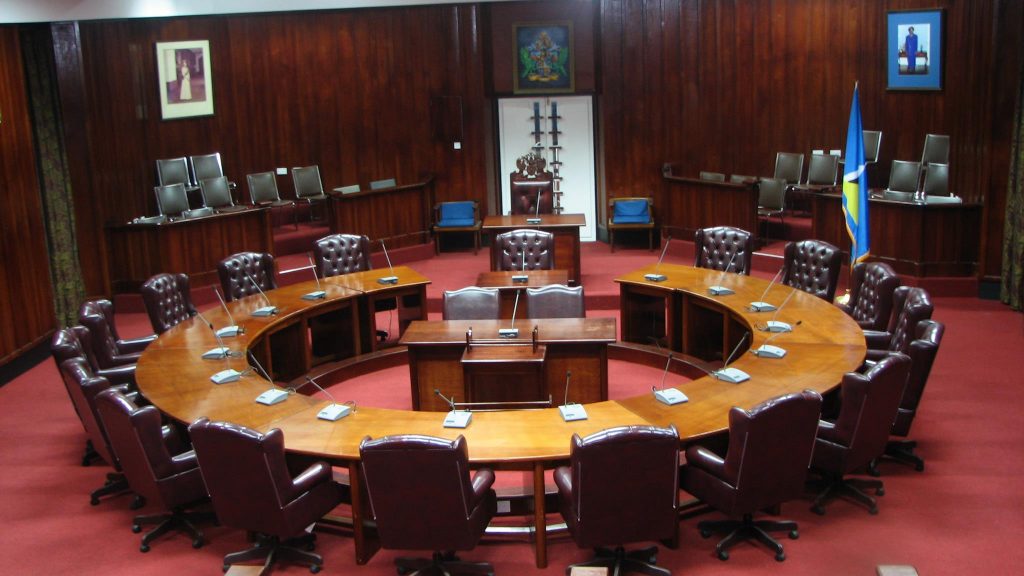
    In a move to honor the democratic process and national leadership, the government has announced an early dismissal for all public sector employees at noon on Friday, December 5, 2025. This special half-day holiday coincides with the official swearing-in ceremony of Prime Minister Philip J. Pierre, who is poised to begin his second term in office.

    The Prime Minister’s Office formally disclosed this arrangement, characterizing it as a symbolic gesture that highlights the historical importance of the occasion. The early closure is designed to enable civil servants to either witness or actively participate in the national event, thereby fostering a sense of collective engagement and civic pride.

    While non-essential government operations will pause, the administration has confirmed that all essential services will continue without interruption. Individual ministries and departments have been instructed to implement appropriate staffing plans to maintain critical public services throughout the afternoon.

    Furthermore, the government has extended a recommendation to private sector employers, encouraging them to similarly release their staff early where operationally feasible. This appeal aims to maximize public involvement in what is being promoted as a unifying national moment.

    In an official communication, the government expressed profound appreciation for the dedication of public officers and extended an invitation to all citizens to partake in this celebration of democratic continuity and national unity.

  • Dominica Athletics Association Awards Ceremony 2025 and cocktail reception slated for this weekend

    Dominica Athletics Association Awards Ceremony 2025 and cocktail reception slated for this weekend

    The Dominica Athletics Association (DAA) has unveiled plans for its highly anticipated 2025 Annual Awards Ceremony, set to unfold on December 6th at the Public Service Union venue. Under the aspirational banner “Celebrating Excellence, Inspiring the Future,” the event promises to be a landmark occasion recognizing the nation’s athletic achievements.

    For decades, the DAA has served as the cornerstone of track and field development throughout Dominica, systematically nurturing talent from introductory programs to elite international competition. The association’s press release highlighted the exceptional 2024/2025 athletic seasons, which witnessed Dominican athletes delivering standout performances on both regional and global stages. This period also saw significant growth in youth participation and an expanded national athletics calendar, signaling robust health for the sport.

    The gala evening will honor the extraordinary contributions of athletes, coaches, technical officials, dedicated volunteers, and strategic partners whose collective efforts have propelled Dominican athletics forward. The program will include formal award presentations, special recognition segments, and an elegant cocktail reception to facilitate celebration and networking among the sporting community.

    Emphasizing the deeper purpose behind the festivities, the DAA stated that the ceremony fundamentally supports its core mission: to elevate the profile and standard of athletics within Dominica while motivating emerging generations to pursue greatness in all aspects of life, extending far beyond the track.

  • Public Servants to Receive New Pay Increase by July 2026 as Reclassification Nears Completion

    Public Servants to Receive New Pay Increase by July 2026 as Reclassification Nears Completion

    The government of Antigua and Barbuda has unveiled a comprehensive modernization plan for public service compensation, with Prime Minister Gaston Browne announcing during Thursday’s 2026 national budget presentation that all civil servants will receive upgraded salaries by July 2026. This initiative comes as the administration completes an extensive nationwide reclassification exercise designed to contemporary compensation structures across the public sector.

    Browne detailed to Parliament that the salary enhancements will be integrated within a broader transformation of the wage negotiation framework, establishing a more systematic and predictable approach to compensation adjustments. The government has proactively engaged labor unions, already soliciting their proposals through a newly established framework intended to prevent the protracted delays that have historically characterized salary negotiations.

    “Civil servants will also benefit from a further upgrade in pay as a result of the reclassification that will be completed by July 2026,” Browne stated, emphasizing the government’s restructuring of the collective bargaining process to ensure implementation deadlines are met.

    The Prime Minister framed these measures as reflective of the administration’s dedication to equitable treatment, workplace stability, and enhanced conditions for public sector employees. He pointed to the government’s track record on worker compensation as evidence of its commitment to honoring obligations, citing the clearance of over $60 million in retroactive wages since 2022, with additional payments scheduled for this month. This comprehensive settlement includes former public servants who departed before December 2022, ensuring all eligible workers receive owed compensation.

    Browne concluded that these combined efforts—both the upcoming salary upgrades and ongoing systemic reforms—will cultivate a more modern and efficient public service apparatus. The budget debate is set to continue next week, with ministers expected to provide detailed analyses of how the reclassification and new wage negotiation system will impact specific sectors.

  • President: Onderwijs speerpunt nationale ontwikkeling; grote conferentie gepland in maart

    President: Onderwijs speerpunt nationale ontwikkeling; grote conferentie gepland in maart

    Surinamese President Jennifer Simons has declared education the fundamental pillar of national development, announcing sweeping reforms to decolonize the country’s educational system and foster psychological independence. Speaking at a Wednesday press conference in Commewijne, Simons emphasized that true sovereignty requires transforming colonial-era structures and mindsets within classrooms.

    “We cannot claim independence while educating our children with colonial frameworks,” stated President Simons. “Decolonization begins in how we teach our history, culture, and identity. Our youth must become critical thinkers and confident citizens equipped for a rapidly evolving global economy.”

    The government will convene a landmark National Education Conference in March, gathering educators, policymakers, universities, vocational institutions, parents, and civil society organizations. This action-oriented summit aims to establish concrete policies across six key areas: curriculum modernization, teacher professional development, digital infrastructure upgrades, technical education enhancement, equitable access for urban and rural students, and integration of Surinamese heritage into learning materials.

    In a strategic shift in international cooperation, Suriname is prioritizing vocational education exchanges with Dutch institutions. While maintaining existing university partnerships, the focus now centers on creating reciprocal vocational training programs that position Suriname as an equal knowledge partner rather than merely an importer of European educational models.

    The education overhaul extends beyond academics to encompass youth development through cultural education, sports programs, leadership training, and enhanced community libraries. President Simons envisions this comprehensive approach as essential for building both economic competitiveness and national unity.

    “Education becomes the engine of our future,” Simons concluded. “Without education that makes our people stronger, smarter, and freer, we cannot achieve economic growth, technological advancement, or true national cohesion.”

  • OWT Council: Don’t Use Santa Mailbox for Trash

    OWT Council: Don’t Use Santa Mailbox for Trash

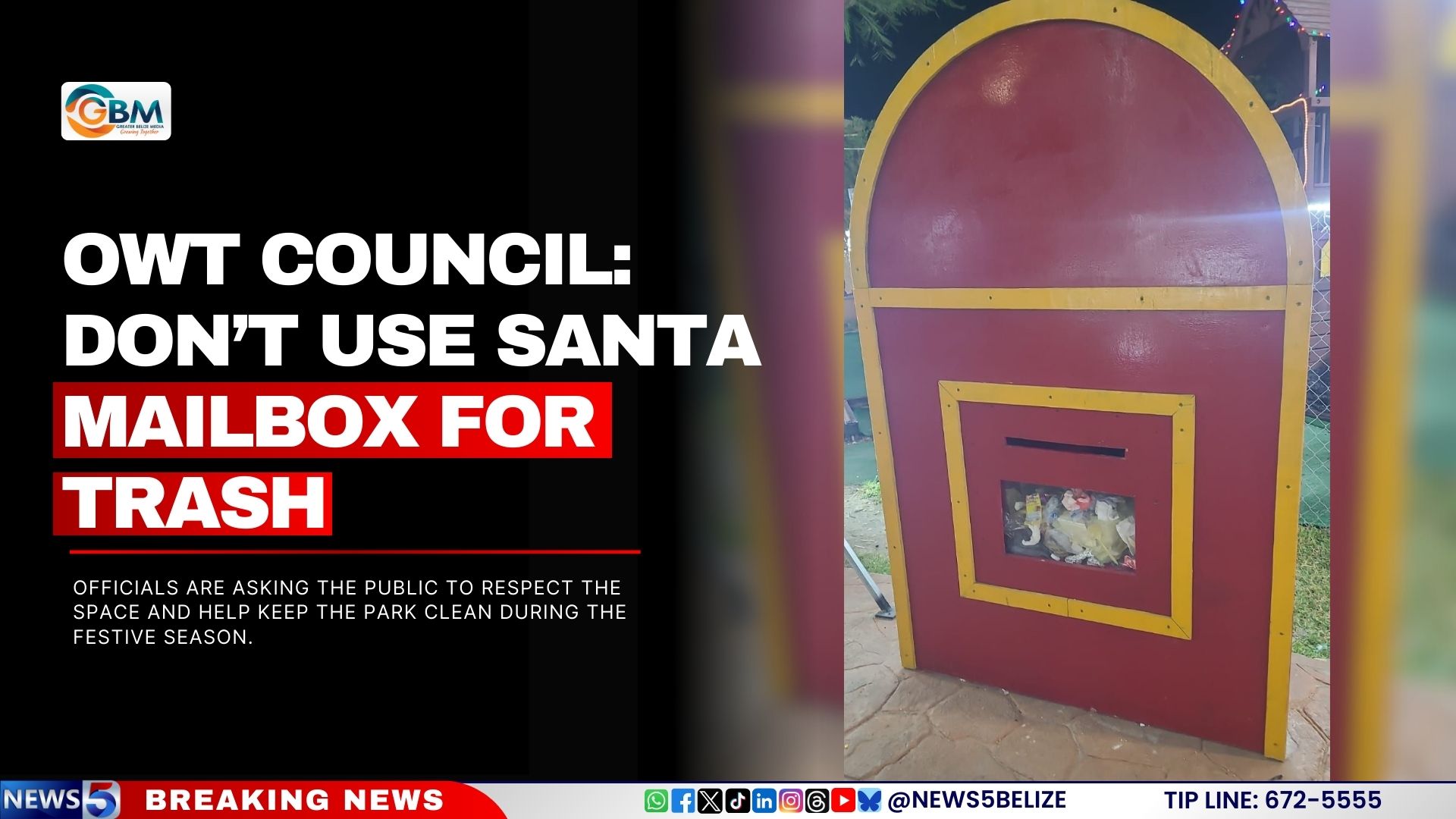
    The Orange Walk Town Council has issued a public appeal for civic responsibility following the improper misuse of a cherished Christmas installation. Authorities reported that the specially designed Santa Claus mailbox, positioned as a centerpiece in Central Park’s holiday display, has been found contaminated with refuse instead of children’s heartfelt letters.

    The vibrant red and yellow mailbox serves as a designated drop point for youngsters to post their Christmas wishes to Santa. However, recent inspections revealed it had been treated as a public waste receptacle, compromising its intended festive purpose.

    In an official statement, the Council emphasized: “We respectfully urge community members to cease disposing of garbage in this mailbox at Central Park. This installation constitutes an integral component of our Christmas decorations. We continue to welcome children to deposit their letters to Santa here.”

    The appeal highlights ongoing challenges municipalities face maintaining public decorations during holiday seasons. The incident represents both a sanitation concern and a disregard for community traditions that bring joy to local children during the festive period.

    Town officials remain hopeful that public cooperation will preserve the mailbox’s purpose throughout the holiday season, ensuring the tradition remains accessible and enjoyable for all children participating in this Christmas custom.

  • Education Gets Largest Share of 2026 Budget Allocations

    Education Gets Largest Share of 2026 Budget Allocations

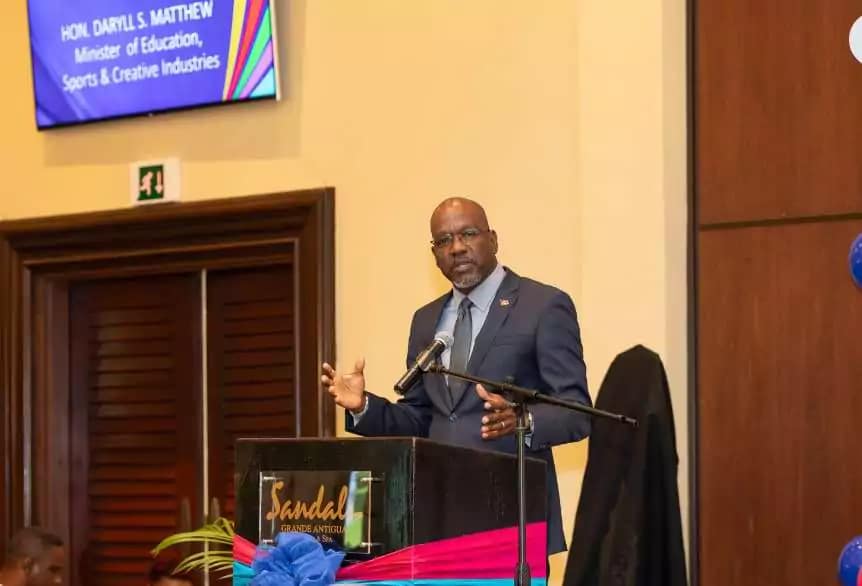
    In a significant parliamentary address on Thursday, Prime Minister Gaston Browne unveiled Antigua and Barbuda’s fiscal blueprint for 2026, positioning education as the cornerstone of the nation’s developmental agenda. The budget presentation revealed a strategic allocation of $220.1 million to the Ministry of Education, Sports and Creative Industries, marking it as the single largest recipient of recurrent expenditure funds. This substantial investment underscores the administration’s dedication to enhancing educational accessibility, particularly through the planned tuition-free initiative at the University of the West Indies Five Islands Campus following necessary infrastructure upgrades.

    The financial distribution further highlights substantial commitments to other critical sectors. The Prime Minister’s Ministry and Ministry of Finance & Corporate Governance secured the second-largest allocation at $196.9 million, followed by $147.5 million designated for the Ministry of Health, Wellness, the Environment and Civil Service Affairs. These funds are poised to bolster healthcare services, facility improvements, and staffing enhancements across the nation.

    Additional major allocations demonstrate a comprehensive approach to national development: $124.6 million for public safety and legal affairs through the Attorney General’s Office, $121.7 million for infrastructure and housing development, and significant funding for tourism ($39.1 million), foreign affairs ($35.5 million), social transformation ($31.9 million), agriculture ($29.5 million), and technology/energy sectors ($15.9 million).

    The broader fiscal framework for 2026 encompasses $1.21 billion in recurrent spending alongside $236.4 million in capital expenditure, with emphasis on infrastructure projects including roadworks and public building renovations. Personnel costs constitute the largest portion of recurrent expenses at $504.5 million for wages and salaries, followed by $336.4 million for pensions and transfers, $231.2 million for goods and services, and $138.4 million allocated for interest payments.

    Prime Minister Browne emphasized that these allocations reflect a government committed to economic stability, sustained growth, and equitable distribution of progress benefits. He noted the projected maintenance of both primary and overall surpluses for the third consecutive year, signaling continued fiscal responsibility. Parliamentary debate on the budget is scheduled to resume next week.

  • Mexico reaffirms call to respect the sovereignty of nations

    Mexico reaffirms call to respect the sovereignty of nations

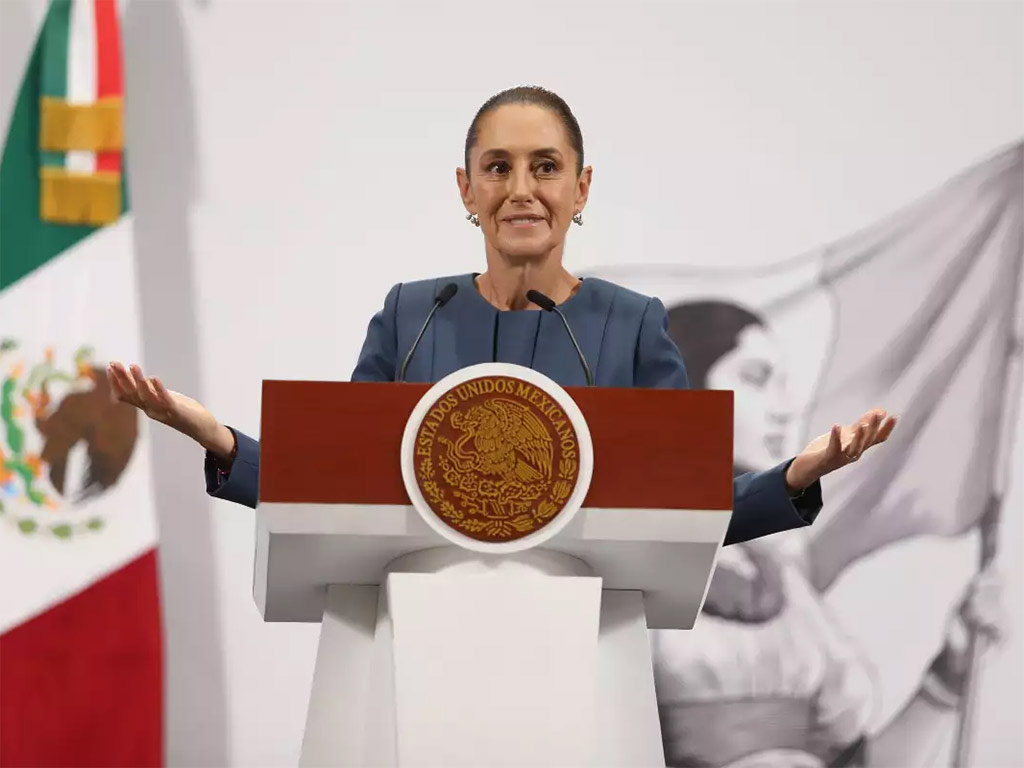
    Mexican President Claudia Sheinbaum has confirmed her intention to address concerns regarding U.S. military activities in the Caribbean and perceived threats toward Caracas during her upcoming meeting with U.S. President Donald Trump. The head of state revealed that this diplomatic encounter will occur alongside Canadian Prime Minister Mark Carney during the World Cup draw festivities in Washington.

    President Sheinbaum emphasized that Trump is fully aware of Mexico’s firm stance on international sovereignty, noting: ‘We believe that international law and the sovereignty and self-determination of nations must be respected.’ She disclosed that during their previous telephone communications, she has consistently articulated Mexico’s commitment to peaceful conflict resolution approaches.

    ‘He knows our position and, if necessary, we will reiterate it,’ Sheinbaum stated definitively. ‘This is a position we maintain both privately and publicly, and it constitutes the constitutional obligation of any Mexican president.’

    This meeting marks the first face-to-face interaction between Sheinbaum and Trump following a year characterized by multiple phone discussions. These communications occurred against a backdrop of controversial policies advanced by the Republican administration concerning immigration reform and trade relations that have significantly impacted North American dynamics.

  • Holness congratulates Pierre, commends Chastanet in post-election message

    Holness congratulates Pierre, commends Chastanet in post-election message

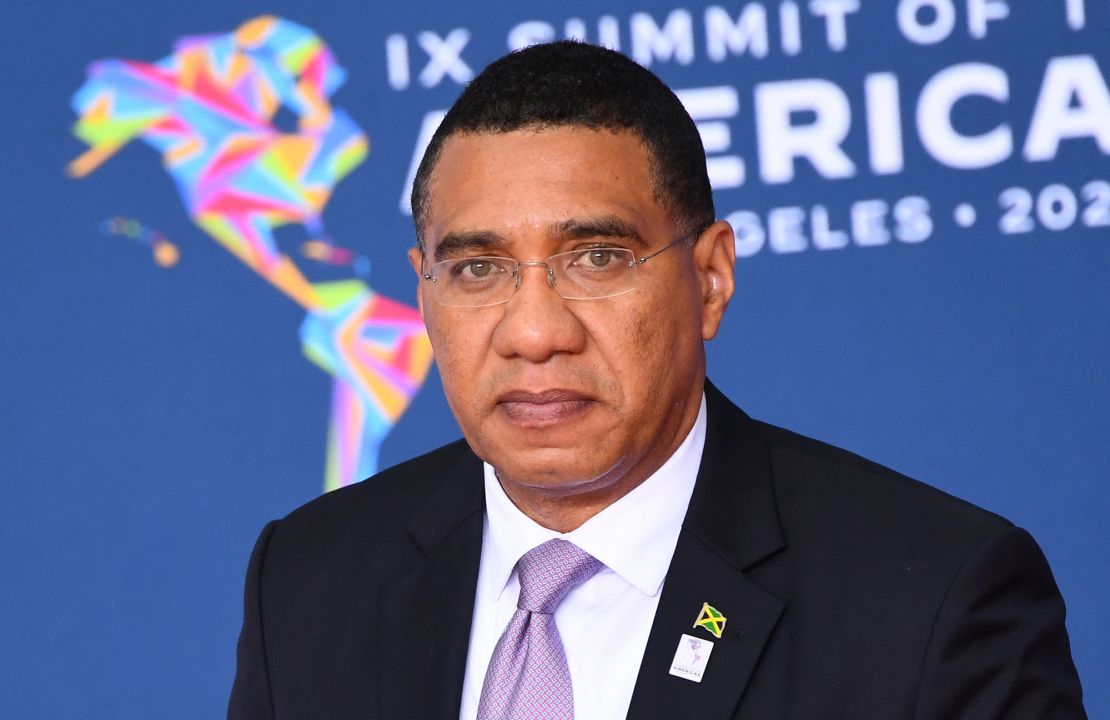
    In a notable display of regional diplomacy, Jamaican Prime Minister Andrew Holness has issued formal congratulations to both the victorious administration and opposition leadership following Saint Lucia’s December 1st general election. Through official social media channels, Holness commended Prime Minister Philip J. Pierre’s re-election while simultaneously acknowledging Opposition Leader Allen Chastanet’s democratic contributions.

    The Jamaican leader emphasized the critical importance of sustained collaboration among Caribbean Community (CARICOM) nations during this period of regional challenges. Holness specifically highlighted shared concerns including climate resilience, post-pandemic economic recovery, and regional security coordination as areas requiring unified leadership.

    In his address to Prime Minister Pierre, Holness underscored the significance of continued partnership between Caribbean governments, noting that ‘regional unity and strong democratic leadership remain essential’ for addressing common challenges. The message reinforced Jamaica’s commitment to multilateral cooperation within the CARICOM framework.

    Separately, Holness recognized Opposition Leader Chastanet’s dedication to democratic principles, stating: ‘I wish to acknowledge Mr. Allen Chastanet for his commitment to the strong democratic traditions of our region and his continued service to the people of St. Lucia.’ The statement extended best wishes for Chastanet’s ongoing political service to both Saint Lucia and the broader Caribbean community.

    This diplomatic outreach occurs amidst increasing regional integration efforts, with Caribbean nations seeking strengthened cooperation on economic, environmental, and security matters. The bilateral exchange between Jamaican and Saint Lucian leadership signals continuing political alignment within the Eastern Caribbean political landscape.

  • Venezuela’s voice in rejection of unilateral coercive measures

    Venezuela’s voice in rejection of unilateral coercive measures

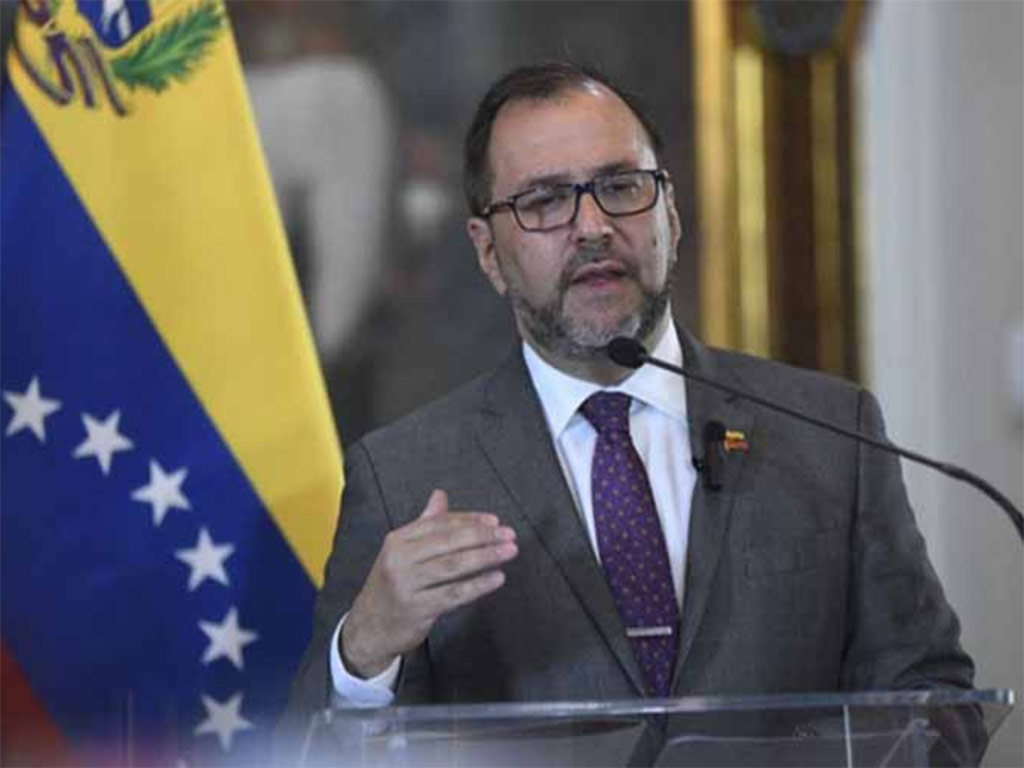
    Venezuelan Foreign Minister Yván Gil delivered a forceful condemnation of unilateral sanctions against his nation during the International Day against Unilateral Coercive Measures. Through his Telegram channel, Gil characterized the 1,042 specific measures targeting Venezuela as criminal acts designed to ‘break the will of a nation that has chosen the path of sovereignty under the leadership of President Nicolas Maduro and the power of the people.’

    The senior diplomat detailed the multifaceted impact of these sanctions, noting they extend beyond harming the Venezuelan population to deliberately disrupting regional solidarity initiatives. Gil specifically cited the PetroCaribe program, an energy cooperation agreement that previously provided discounted oil to Caribbean and Latin American nations, as a casualty of these coercive measures.

    Gil’s statement included a dual demand: the immediate cessation of economic pressure tactics and the removal of military threats hovering over Venezuela. ‘Together, we will defend our sovereignty and the rights of our people!’ the Foreign Minister declared, framing resistance as both national and international imperatives.

    The Venezuelan official broadened his critique to include other nations subjected to economic warfare, particularly highlighting the six-decade United States blockade against Cuba. Gil described the Cuban embargo as an ‘inhumane blockade’ maintained with ‘total impunity’ despite mounting global criticism annually expressed through United Nations votes.

    Gil concluded that the international day serves as a platform to ‘raise our voices against this crime that affects our peoples’ and demand the elimination of coercive measures engineered to provoke economic collapse in sovereign states.