作者: admin

  • Caribbean Travel Marketplace Returns to Antigua and Barbuda

    Caribbean Travel Marketplace Returns to Antigua and Barbuda

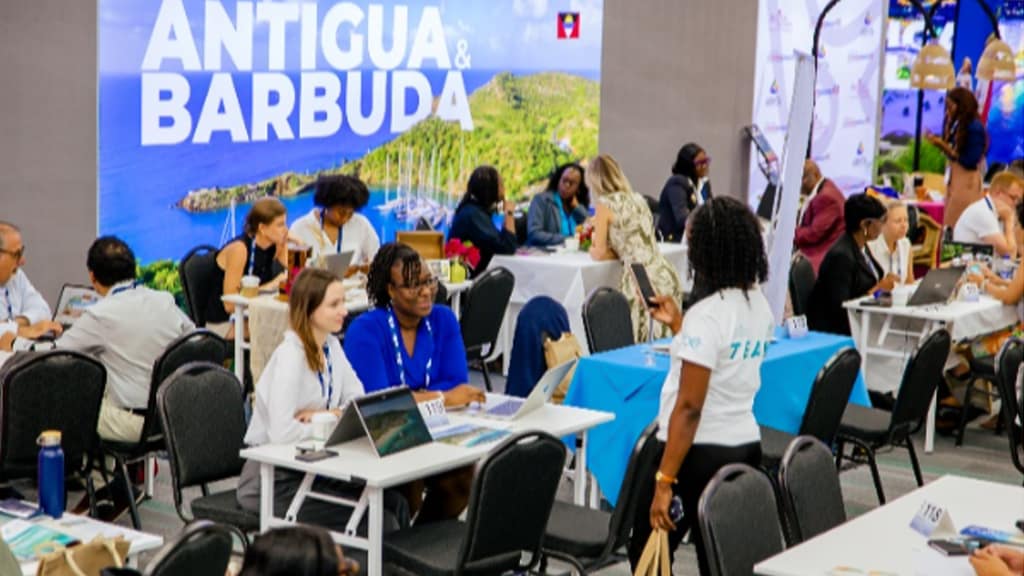
    One of the most influential gatherings for the Caribbean tourism ecosystem is set to kick off for the second straight year in Antigua and Barbuda, with the Caribbean Travel Marketplace reaffirming its standing as the region’s premier travel industry event. Organized by the Caribbean Hotels and Tourism Association (CHTA) in partnership with the Antigua and Barbuda Tourism Authority, the 2026 gathering will welcome more than 500 tourism suppliers and international travel buyers at the American University of Antigua’s purpose-built conference center. Across the four-day event, attendees will engage with a multi-faceted program that merges targeted business matchmaking, professional networking opportunities, and industry-leading professional development training.

    As a key strategic hub for cross-sector collaboration, the marketplace is designed to strengthen existing business partnerships and foster new connections that drive sustainable tourism growth across the entire Caribbean region. Pre-scheduled one-on-one meetings between buyers and suppliers form the core of the event’s business agenda, while a series of complementary side sessions and special events dive into the most pressing shifts and trends reshaping global travel.

    Two flagship special events stand out in this year’s programming. On May 14, the event will host its annual Responsible Tourism Day, a dedicated space where industry professionals can explore cutting-edge initiatives in sustainable tourism development, marine and land environmental conservation, and community-centered travel. The following day, May 15, will see the return of the Direct Booking Summit, which brings together C-level industry leaders to dissect emerging innovations, data-driven digital marketing strategies, and evolving consumer trends that are redefining how travel brands connect directly with customers.

    A strong contingent of international travel media will also be on the ground at the 2026 marketplace, expanding the event’s global footprint and amplifying Caribbean tourism messaging to the world’s top source travel markets. Adding a unique cultural layer to the professional gathering, this year’s Caribbean Travel Marketplace coincides with Antigua and Barbuda’s annual Gastronomic Month. This alignment gives attendees the chance to complement their business schedules with immersive culinary experiences, sampling local cuisine and engaging with the destination’s rich cultural heritage outside of formal meeting sessions.

    By combining targeted business development, accessible industry education, and cross-border professional exchange under one banner, the Caribbean Travel Marketplace continues to solidify its role as an indispensable catalyst for advancing the Caribbean tourism sector, supporting small and large businesses across the region to tap into growing global travel demand.

  • Antigua and Barbuda strengthens its position in Brazil with a focus on year-round connectivity and experiences

    Antigua and Barbuda strengthens its position in Brazil with a focus on year-round connectivity and experiences

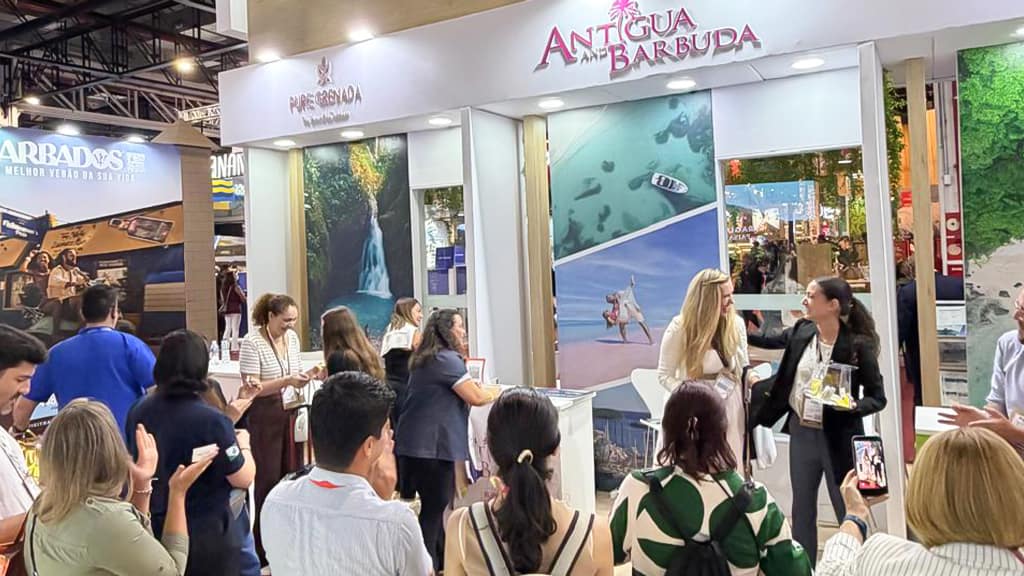
    The dual-island Caribbean nation of Antigua and Barbuda has launched a targeted strategic push to solidify its footprint in Brazil’s fast-growing outbound travel market, centering its expansion on two core pillars: establishing consistent year-round air connectivity and crafting immersive, authentic travel experiences for Brazilian visitors.

    In recent years, Brazil has emerged as one of the most promising source markets for Caribbean tourism, with a rising middle class increasingly seeking unique tropical getaways beyond traditional regional destinations. Antigua and Barbuda’s tourism authority has recognized this untapped potential, moving beyond seasonal marketing campaigns to build long-term infrastructure and partnership frameworks that support continuous visitor flow.

    Key to the strategy is negotiating new air service agreements with major Brazilian carriers, which will cut down on travel time and eliminate the common inconvenience of connecting flights through other Caribbean hubs that have historically limited Brazilian travel to the islands. Alongside connectivity improvements, local tourism stakeholders are rolling out customized experience packages tailored to Brazilian traveler preferences, including eco-adventure tours through the islands’ protected rainforest reserves, cultural exchange workshops with local craft communities, and premium luxury retreats focused on wellness and privacy.

    Industry analysts note that this focused expansion is expected to deliver mutual economic benefits: for Antigua and Barbuda, it will diversify its visitor base and reduce reliance on traditional North American and European markets, while for Brazilian travelers, it opens up a new, high-quality tropical destination with consistent access. Early indicators from the initiative already show a double-digit uptick in Brazilian visitor inquiries compared to the same period last year, signaling strong market reception for the new strategy.

  • Multiple Events Planned Across Antigua as IShowSpeed Lands in Antigua

    Multiple Events Planned Across Antigua as IShowSpeed Lands in Antigua

    One of the internet’s most popular young content creators, IShowSpeed, has officially touched down on the Caribbean island of Antigua, and local organizers have rolled out a packed schedule of public engagements spread across every major region of the country to welcome the global star.

    The streamer, who has built a massive global fanbase of hundreds of millions of followers across platforms like YouTube and Twitch thanks to his high-energy gaming broadcasts, viral reaction content and unfiltered personal appeal, drew crowds of excited local fans as soon as he exited the airport, with many waiting hours just to catch a glimpse of the influencer and snap a quick photo.

    Antigua and Barbuda’s tourism and cultural officials have partnered with local content creator collectives to put together a multi-day slate of activities designed to give both visitors and local residents opportunities to interact with IShowSpeed. These include a public meet-and-greet at the nation’s capital St. John’s central market, a friendly exhibition football match against a local youth team, a cultural tour of Antigua’s iconic natural landmarks including Nelson’s Dockyard and the Half Moon Bay beach, and a live-streamed charity fundraiser that will support local youth sports and education programs across the island.

    Local tourism leaders say they expect IShowSpeed’s visit to generate a significant surge in global attention for Antigua as a top travel destination, with the creator’s millions of young viewers around the world getting a front-row look at the island’s natural beauty, culture and hospitality through his daily live streams during his stay. Local business owners in the hospitality and retail sectors have also reported a spike in interest from fans planning future trips to the island, many of whom first learned about Antigua through the announcement of the creator’s visit.

    Local fans have taken to social media over the past week to share their excitement for the visit, with many posting countdowns to the scheduled events and sharing stories about how IShowSpeed’s content has motivated them to pursue their own content creation goals. Organizers have reminded attendees that all public events are free to attend for local residents, with limited tickets available for international fans traveling to the island to meet the creator.

  • Golding congratulates Gaston Browne on general election victory in Antigua

    Golding congratulates Gaston Browne on general election victory in Antigua

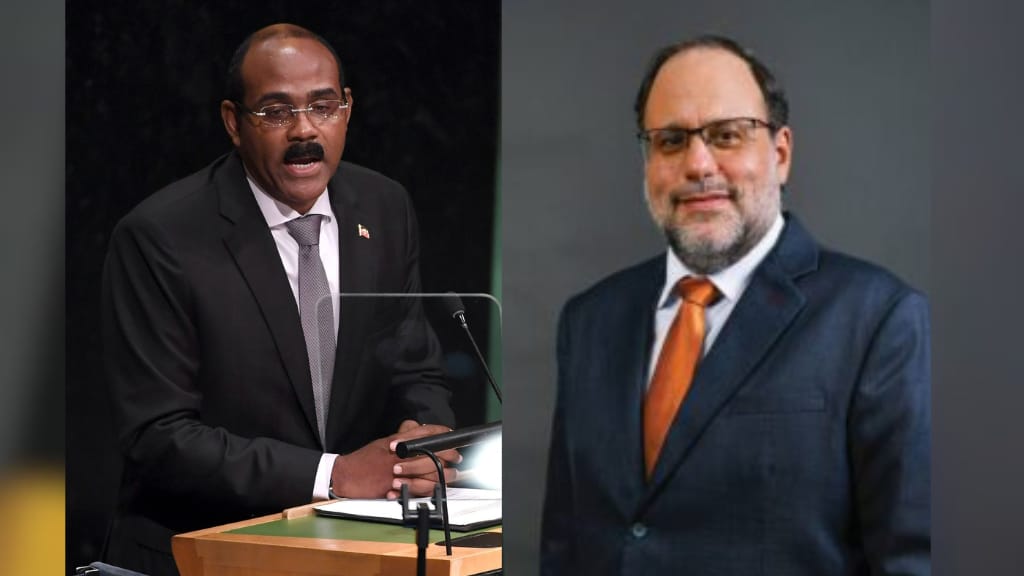
    In a historic outcome for Antigua and Barbuda’s general election, preliminary results have cemented a landslide victory for incumbent Prime Minister Gaston Browne and his ruling Antigua and Barbuda Labour Party (ABLP), drawing an official message of congratulations from Jamaica’s top opposition figure.

    Mark Golding, Jamaica’s Opposition Leader, shared his formal well-wishes in a public statement published to the social platform X, extending warm greetings to Browne and the entire ABLP on securing a fourth consecutive term in national office.

    Golding noted that Browne’s return to governance, which marks a milestone as the first four-consecutive election win for any prime minister in the country’s history, signals the unwavering trust that the voting public of Antigua and Barbuda has placed in Browne’s leadership, which first began in 2014. He also expressed enthusiasm for future collaborative work between the neighboring nations’ leadership and added that he wished Browne and his incoming administration great success throughout their new governing mandate.

    The scale of the ABLP’s victory far outstripped the party’s narrow win in the 2023 January polls, when the party held a slim 9-7 seat majority. In this most recent contest, the ruling party claimed 15 of the 17 contested parliamentary seats. The main opposition bloc, the United Progressive Party (UPP), only managed to hold onto a single seat, which will remain in the hands of UPP leader Jamale Pringle. On the island of Barbuda, incumbent Trevor Walker of the Barbuda People’s Movement retained his seat to round out the final results.

  • Antigua and Barbuda leads discussions at global Education Summit at the UN

    Antigua and Barbuda leads discussions at global Education Summit at the UN

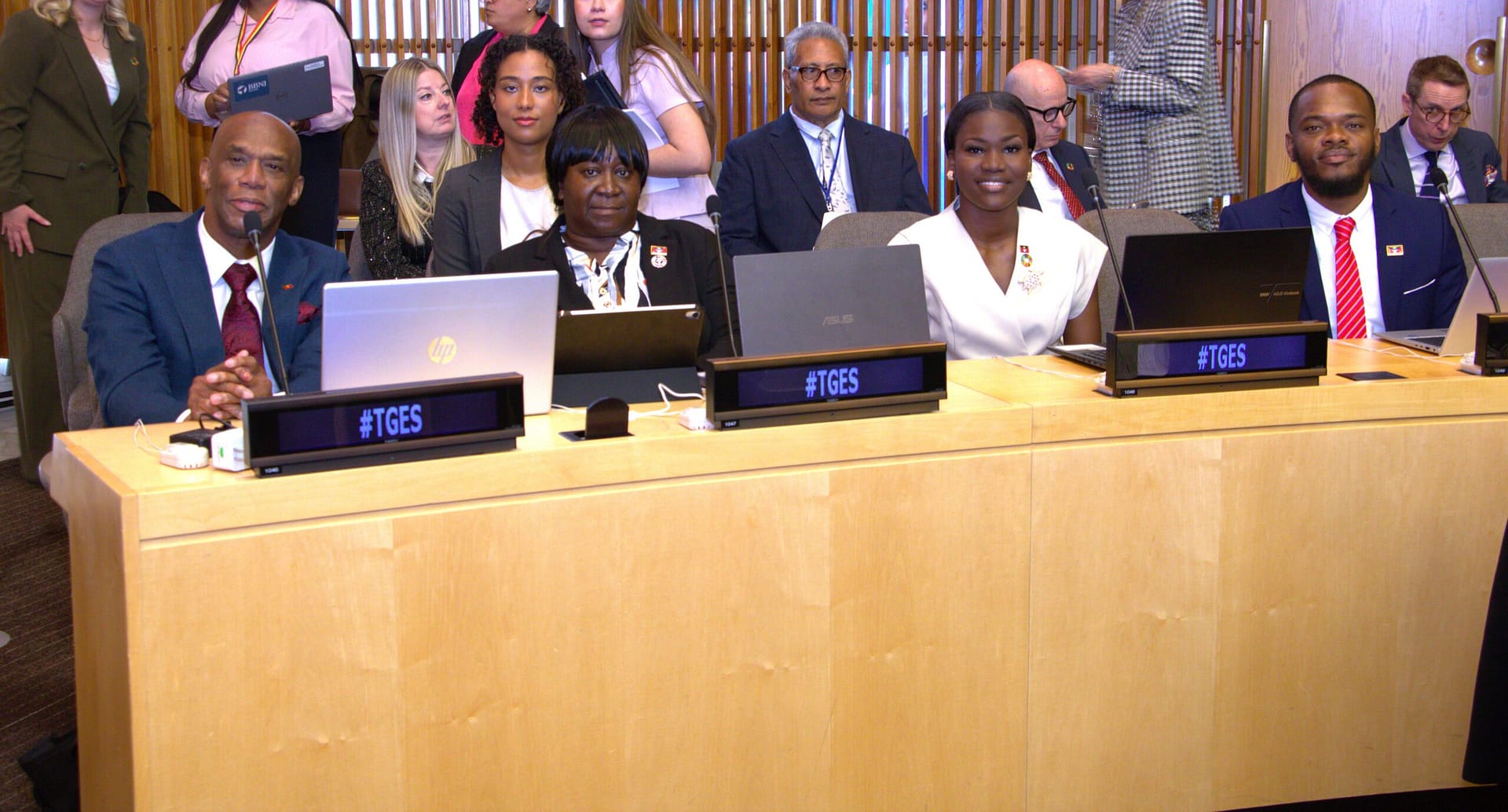
    Against the backdrop of rising global calls to reimagine 21st-century learning systems, Antigua and Barbuda stepped into a pioneering leadership role at the Transforming Global Education Summit, hosted at United Nations Headquarters in New York on May 1. Convened by the PVBLIC Foundation in partnership with the governments of Antigua and Barbuda, the Kingdom of Tonga, and the Learning Economy Foundation, the summit gathered education stakeholders from across the globe under the core banner of ‘Redefining Education as Global Infrastructure’ — framing accessible, adaptive education as a foundational pillar of global resilience, equity, and long-term sustainable development.

    Leading Antigua and Barbuda’s five-person cross-sector delegation was Clare Browne, the nation’s Director of Education, joined by Jrucilla Samuel, Director of Youth Affairs; Chevaughn Burton, Assistant to the Focal Point for Safe Schools at the Ministry of Education; Janet Simon, CARICOM Youth Ambassador; and Pia Nichols, President of the National Youth Volunteer Corps. The delegation’s presence at the summit was coordinated by the Antigua and Barbuda Permanent Mission to the United Nations, with lead logistical and administrative support from First Secretary Claxton Duberry and accompanying support from Second Secretary Jerri-Anne Jeremy.

    Opening his keynote remarks to the assembled delegates, Browne pushed back against long-held global narratives that frame large national systems as the only drivers of meaningful education change. He emphasized that transformative education reform does not require massive national scale to be effective — instead, it grows from intentional design, aligned policy, and consistent implementation. For Antigua and Barbuda, he explained, digital transformation in education is not an end in itself; it is a strategic enabler that supports broader education reform, strengthens workforce readiness for young people, and boosts national climate and economic resilience. ‘Too often, global conversations focus on large-scale systems. But Small Island Developing States like Antigua and Barbuda are not peripheral, we are practical leaders,’ Browne told attendees, setting the tone for the delegation’s actionable contributions.

    A dedicated panel led by Antigua and Barbuda delved deep into one of the summit’s most pressing sub-themes: ‘Redefining Education Systems for the Future: Integrating Mental Health, Nutrition, and Holistic Youth Development as Global Priorities.’ Moderated by Jrucilla Samuel, the panel centered youth voices, featuring the three young practitioner delegates from the nation who bring on-the-ground experience across education, youth safety, and volunteerism.

    Burton opened the panel discussion by sharing how Small Island Developing States are rethinking school infrastructure to meet dual demands: delivering high-quality learning while upholding strict disaster resilience standards, a critical priority for low-lying island nations facing accelerating climate risk. He outlined how Antigua and Barbuda has embedded disaster risk reduction into daily school life, rather than treating it as an isolated, one-time lesson. Aligned with United Nations Sustainable Development Goal 4 (Quality Education), this approach equips students with practical, life-saving skills that prepare them to navigate real-world climate and societal challenges.

    Janet Simon followed with a practical framework for integrating mental health support and nutrition education into daily schooling without adding unmanageable burdens to overstretched teaching staff. Instead of asking teachers to take on new, separate roles, she explained, these priorities can be woven into existing school structures and routines. Nutrition education can be integrated into science classes through hands-on learning, for example, using school gardens as outdoor living classrooms to teach healthy food choices. For mental health, simple daily practices — including short mindfulness breaks, peer-led support groups, and regular open classroom discussions that normalize talking about emotional wellbeing — can create sustained support without requiring major additional resources.

    Pia Nichols closed the panel by outlining how youth volunteerism can be leveraged as a strategic tool to advance education equity and narrow persistent socio-economic gaps. She noted that government education services often face hard limits on reach due to constrained budgets and limited staffing in small island states. Expanding the role of community and youth volunteers, both within schools and in surrounding communities, can address the non-academic pillars of youth development that are often underfunded — including mental health support, nutrition access, and social cohesion — that directly impact learning outcomes.

    By the close of the summit, Antigua and Barbuda’s delegation had cemented its role as a forward-thinking practical leader in global education reform, demonstrating that small states can deliver clear, coherent, innovative blueprints for transformation that are replicable across contexts of all sizes.

  • Paus eert gevallen journalisten op Wereldpersvrijheidsdag

    Paus eert gevallen journalisten op Wereldpersvrijheidsdag

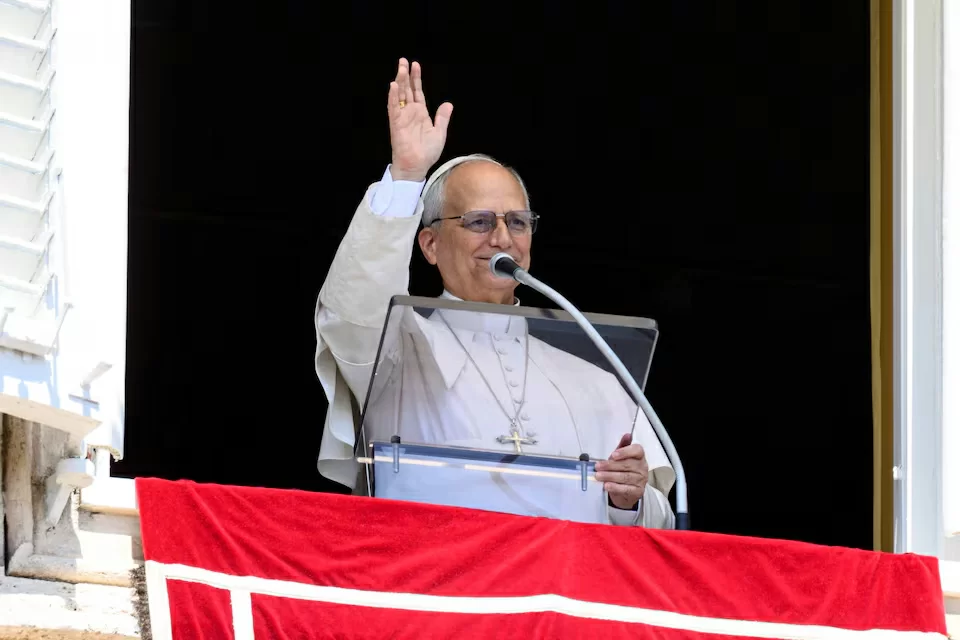
    On the occasion of World Press Freedom Day, Pope Leo XIV delivered a poignant address from a window of the Apostolic Palace in Vatican City following his weekly Angelus prayer gathered on sunlit St. Peter’s Square, using the global observance to denounce persistent violations of media freedom across the world and pay tribute to reporters who have lost their lives while covering conflict zones.

    Established annually on May 3 and backed by UNESCO, World Press Freedom Day was created to lift up media organizations facing political pressure and state censorship, and to honor the memory of journalists killed in the line of duty. This year, the pontiff centered his remarks on the growing risks that reporters face worldwide, noting that threats to the fundamental right of a free press take many forms.

    “Today we celebrate World Press Freedom Day… Unfortunately, this right is too often violated, sometimes in the most blatant, obvious ways, and sometimes through more subtle, insidious methods,” Pope Leo told the crowd gathered in the square. He called on all faithful Catholics to pause and honor the reporters who have sacrificed their lives in pursuit of uncovering and sharing the truth, particularly those working in regions torn apart by armed conflict. “We remember the many journalists and correspondents who have fallen victim to war and violence,” he added.

    This address aligns with the Pope’s long-standing public position on independent journalism. In previous remarks, the leader of the global Catholic Church has described responsible, independent reporting as a core pillar of functional democratic society, emphasizing that access to accurate, unfiltered information is a public good that must be actively protected from manipulation and misinformation. Pope Leo has repeatedly thanked working journalists for their tireless commitment to bringing truth to the public, arguing that the practice of independent journalism should never be criminalized. He has also been a consistent advocate for the release of journalists wrongfully detained or prosecuted across the globe for carrying out their professional work.

  • UN message on World Press Freedom Day: 3 May 2026

    UN message on World Press Freedom Day: 3 May 2026

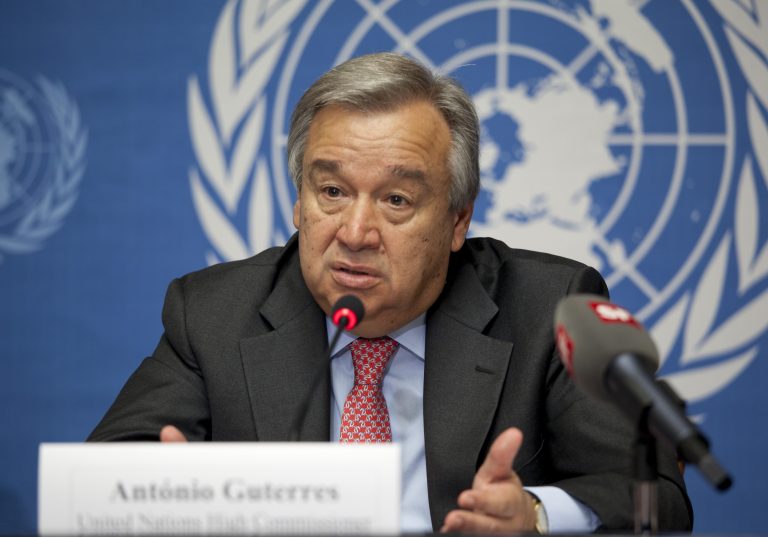
    On the observance of World Press Freedom Day, United Nations Secretary-General António Guterres has issued a stark, urgent warning about the escalating risks facing journalists worldwide and the foundational role of a free press in upholding global peace, human rights, and sustainable development.

    Guterres opened his remarks by expanding on the long-held adage that truth is the first casualty of war. He emphasized that in far too many cases, the journalists who put their lives on the line to bring that truth to the public are the first to lose everything. This danger is not limited to active conflict zones; journalists face retaliation for their work anywhere that powerful actors seek to avoid public scrutiny.

    Across every region of the world, media workers contend with a growing spectrum of threats. Many face state-backed or non-state censorship, invasive surveillance, and meritless legal harassment designed to silence their reporting. In the worst cases, they pay with their lives. Over recent years, the Secretary-General noted, the number of journalists killed in conflict zones has jumped sharply, with the vast majority of these deaths being deliberate targeted attacks.

    One of the most alarming trends Guterres highlighted is the rampant culture of impunity surrounding crimes against media professionals. Data shows that 85 percent of all violent and criminal acts committed against journalists never lead to meaningful investigation, and almost no perpetrators are held legally accountable for their actions. Guterres labeled this level of unpunished violence completely unacceptable.

    Beyond physical violence, press freedom is facing unprecedented strain from a combination of systemic pressures. Shrinking economic models for independent media, the spread of new digital technologies that enable mass surveillance and disinformation, and coordinated manipulation of public narratives by bad actors have all combined to erode the ability of journalists to do their work safely and effectively.

    Guterres went on to outline the cascading harm that comes when press freedom is weakened. When communities lose consistent access to accurate, verified information, public mistrust in institutions and one another takes deep root. When open public debate is twisted or silenced by outside interference, the social cohesion that holds communities and nations together breaks down. And when independent journalism is undermined, the international community loses its early warning system for emerging crises, making these events far harder to prevent or resolve once they escalate.

    “All freedom depends on press freedom,” Guterres stressed. Without an independent, free press, he argued, there can be no meaningful protection of human rights, no pathway to inclusive sustainable development, and no lasting peace for communities or nations.

    To mark World Press Freedom Day, Guterres issued a global call to action: world leaders, civil society groups, and individuals everywhere must unite to protect the fundamental rights of journalists, and work collectively to build a global order where truth, and the people who report it, can operate without fear of harm.

    This statement from the UN Secretary-General was carried by contributing outlets, with a standard disclaimer from NOW Grenada that the outlet is not responsible for the opinions or content shared by contributing authors, and provides a channel for users to report abusive content.

  • St Kitts and Nevis to mark 55th Sugar Mas carnival with major celebrations – WIC News

    St Kitts and Nevis to mark 55th Sugar Mas carnival with major celebrations – WIC News

    The twin-island Caribbean nation of St Kitts and Nevis is preparing to welcome thousands of visitors and locals alike for the milestone 55th edition of its beloved annual Sugar Mas carnival, scheduled to run from December 11, 2026 through January 2, 2027. A celebration deeply rooted in the country’s blended African and European cultural heritage, Sugar Mas serves as both a cornerstone of national identity and a major engine for the nation’s tourism-driven economy.

    Organizers have planned three straight weeks of immersive cultural festivities designed to highlight the best of local creativity and tradition. The packed lineup includes energetic performances from Mas Bands, soulful soca music showcases, authentic folklore displays, lively street dance parties, and a special New Year’s Day celebration to cap off the annual gathering. This year’s official slogan, “The Ultimate Vibe! It’s Sugar Mas 55,” was selected through a public nationwide competition, created by local designer Kayla T Morton. Morton will take home EC $500 in prize money along with complimentary access to all official national carnival events as recognition for her winning work.

    In a statement shared by the St Kitts and Nevis National Carnival Committee, organizers noted the slogan perfectly encapsulates the core spirit of the decades-old festival, saying it “perfectly captures the essence of Sugar Mas, reflecting the vibrant celebration, joy, and energy that this event brings to carnival lovers at home and abroad.”

    Beyond its cultural significance, Sugar Mas has grown into one of the nation’s most important economic events, drawing tourists from every corner of the globe who travel to experience iconic carnival traditions including J’ouvet, the Grand Parade, Last Lap, and a full slate of live musical events. The 54th edition of the festival, held most recently, delivered a record-breaking economic impact for the federation, generating an estimated $29.5 million in total activity — the highest contribution ever recorded for any St Kitts and Nevis carnival. Culture Minister Samal Duggins attributed the historic result to rising participation across all events, increased visitor spending, and the expansion of more elaborate, large-scale programming.

    turnout for last year’s festival reflected its growing popularity: more than 10,000 people took part in the traditional J’ouvet celebrations, while over 5,000 attendees packed the route for the Grand Parade. Across 35 independently organized private events, roughly 160 local vendors were able to generate significant income to support their small businesses throughout the festival. That marked a major jump from the 53rd edition, which generated EC$21.7 million in total economic impact.

    For the upcoming 55th anniversary celebration, tourism officials are projecting record attendance across all flagship events, especially the iconic J’ouvet and Grand Parade. Local residents share that same excitement for the milestone festival, with one community member noting, “We’re going out big for Sugar Mas 55. Last year was the best we’ve had so far which is saying something — this year we out do ourselves.”

  • Minister Landveld: Oplossing luchtverkeersleiding in zicht, overleg over looncorrectie gestart

    Minister Landveld: Oplossing luchtverkeersleiding in zicht, overleg over looncorrectie gestart

    Fresh tensions between air traffic controllers and national aviation authorities have taken center stage in Suriname’s parliament, with Transport, Communication and Tourism (TCT) Minister Raymond Landveld delivering a comprehensive address to the National Assembly detailing the root causes of the unrest, progress made to resolve outstanding grievances, and long-term structural reforms planned for the aviation sector.

    According to Landveld, the core of the current conflict stems from long-running disputes over pay scales, working conditions and systemic bottlenecks that have plagued the Suriname Civil Aviation Service for decades. Air traffic controllers argue their compensation is disproportionate to the extreme responsibilities they hold and the rigorous international standards their role demands, especially when compared to other technical departments within the organization. Controllers have highlighted that their position requires mandatory recurring professional training, regular mandatory medical certifications, and carries direct, high-stakes accountability for the safety of thousands of passengers and all national air traffic – burdens they say are not reflected in their current pay.

    Minister Landveld confirmed that several immediate demands from air traffic controllers have already been addressed. Backlogged overtime pay, totaling more than 1 million Surinamese dollars (SRD), has been fully disbursed to affected staff. Funding has also been secured to cover the cost of mandatory medical examinations required for controllers to maintain their operating licenses. Looking to address gaps in workforce development, the ministry is also drafting new regulatory provisions to double the monthly stipend for air traffic control trainees, raising it from the current SRD 5,000 to SRD 10,000 to attract new talent to the field.

    Initial negotiations saw controllers submit a demand for a 100 percent base pay increase, but Landveld noted that this position has been refined in recent talks. The trade union representing controllers now prioritizes correcting inequitable pay structures across the aviation service rather than enforcing a blanket doubling of wages. In response, the Surinamese government has opened a formal negotiation window bringing together the ministry, the union, and the national negotiating body to work toward a mutually acceptable agreement. Initial follow-up talks are scheduled for May 6, with stakeholders expected to outline feasible adjustments to pay and working conditions within a 2-3 week timeline.

    To resolve deep-seated systemic issues, Landveld announced that the government is evaluating a full corporatization of the Suriname Civil Aviation Service. Restructuring the agency into an independent statutory body would allow for collective bargaining agreements to set working conditions across all aviation roles, not just for air traffic controllers, creating a fairer, more transparent framework for employment negotiations. The minister emphasized that many of the current challenges are the result of 50+ years of delayed policy reform in the sector, adding the current administration is prioritizing sustainable, long-term solutions including expanded training for new personnel, operational collaboration with the Ministry of Defense, and targeted capacity building support from the International Civil Aviation Organization (ICAO).

    In parallel to labor reforms, the government is advancing infrastructure upgrades to improve aviation safety and capacity at Suriname’s primary gateway, Johan Adolf Pengel International Airport. In partnership with national telecom provider Telesur, a new communications mast has already been installed to support air traffic management operations. The national SURSAFE aviation safety improvement project is also ongoing, with a mandate to upgrade security protocols and modernize core infrastructure across the sector.

    Landveld acknowledged that the recent industrial action by air traffic controllers caused widespread disruption to travel and economic activity across the country, stressing that preventing future disruptions is a top government priority. Going forward, he said, the government will implement mandatory early consultation processes to address emerging grievances before they escalate into industrial action, ensuring that travelers and the Surinamese public are not caught off guard by future service disruptions.

  • Camille defends Opposition Leader

    Camille defends Opposition Leader

    During a heated Friday sitting of Trinidad and Tobago’s Parliament, senior opposition MP Camille Robinson-Regis launched a sharp counterattack against government lawmakers, defending Opposition Leader Pennelope Beckles amid growing pressure over the handling of embattled Senator Janelle John-Bates. The debate centered on a motion to adopt the controversial Special Report of the Public Administration and Appropriations Committee (PAAC), which has exposed deep partisan rifts and raised questions about parliamentary ethics and procedural fairness.

    Robinson-Regis, a sitting PAAC member who submitted a standalone Minority Report disputing the majority’s findings, pushed back against government criticism of Beckles’ delayed action on John-Bates. She emphasized that Beckles would move forward with the process on her own timeline, while turning the tables on the ruling administration to highlight what she called brazen double standards. Specifically, she called out three high-ranking government officials who remain in office despite serious legal and ethical cloud: Housing Minister David Lee, who is currently out on bail; Energy Minister Roodal Moonilal, who faces active court proceedings; and Mayaro MP Nicholas Morris, whom she labeled “Mr False Paper” over disputed document claims.

    She recalled a prior 2010s Joint Select Committee report on national security that explicitly called for Moonilal’s removal over allegations of fraternizing with criminal networks, noting that then-opposition leader (now Prime Minister) Kamla Persad-Bissessar took no disciplinary action against him at the time. “Madam Deputy Speaker, we will not let them impugn our leader. When she is ready to act, she will act. All of them on that side have questions to answer!” Robinson-Regis declared from the floor.

    The opposition MP did not shy away from acknowledging missteps on her side of the aisle, confirming that the entire opposition caucus agrees John-Bates made an “ill-advised” comment on a witness’s document before it was formally entered as evidence. Robinson-Regis admitted the action created an unfair perception of partiality that should never have happened. She also pushed back against the majority report’s timeline, noting John-Bates was promised a full opportunity to be heard on the matter on April 20, a guarantee that was never honored before the report was finalized.

    The core of Robinson-Regis’ criticism targeted PAAC chairman Jagdeo Singh, whom she accused of eroding longstanding parliamentary standards and failing to disclose critical conflicts of interest. Drawing extensively from her Minority Report, she argued Singh’s leadership has blurred the line between neutral evidence-gathering and partisan advocacy, noting multiple occasions where committee members could not distinguish between Singh’s role as chair and his past work as a private attorney. Most notably, she revealed Singh never informed the PAAC that he had previously advocated on behalf of private pharmaceutical clients ahead of the committee’s probe into the sector.

    Citing a December 18, 2024 report from the Trinidad Express, Robinson-Regis recalled that Singh publicly commented on complaints of pharmaceutical cartel activity and permit delays for importers, claims that came from his own private clients. She questioned why Singh failed to disclose this prior advocacy to the committee, a failure that she argued taints the entire probe. The rushed production of the special report, she added, creates the clear appearance of a predetermined partisan outcome rather than a balanced, evidence-based inquiry. She further criticized the report for leveling serious accusations of conspiracy to commit contempt of Parliament against John-Bates while refusing to lay out detailed factual evidence to support the claim.

    Robinson-Regis confirmed that John-Bates has already submitted her resignation, leaving the final decision on her future in the senate entirely in Beckles’ hands. Her Minority Report also documents broader concerns: an increasingly adversarial and partisan tone to PAAC proceedings, a departure from longstanding norms of objectivity, and a breakdown of procedural discipline under Singh’s leadership.

    In response to Robinson-Regis’ claims, Deputy Speaker Dr. Aiyna Ali noted the 2024 Express article predates Singh’s chairmanship and that no concrete proof of ongoing representation has been presented. Government Minister and PAAC member Saddam Hosein also interjected to claim Robinson-Regis had never raised the conflict of interest concern previously, a claim she immediately rejected. Robinson-Regis countered that she sent a formal letter to Singh dated April 24, 2026, outlining her concerns about his impartiality and prior advocacy long before the debate.

    Tensions boiled over multiple times during the address, with lawmakers trading insults across the parliamentary floor. After a government legislator mocked Robinson-Regis’ bald head, she shot back with a cutting quip referencing murdered local businessman Danny Guerra, who was also bald. “One thing I know, Madam Speaker, is that I cannot be accused of murder,” she said. By the end of Robinson-Regis’ address, the entire opposition caucus walked out of the chamber in protest of government attacks on former opposition leader Keith Rowley and criticism of Beckles’ leadership, leaving Robinson-Regis as the sole opposition speaker for the entire debate.