作者: admin

  • CMO, officials meet Hillaby school staff amid health concerns

    CMO, officials meet Hillaby school staff amid health concerns

    Barbados public health and education officials moved rapidly on June 1 to respond to mounting community anxiety at Hillaby Turner’s Hall Primary School, where dozens of students had shown unusual symptoms matching common scarlet fever presentations. A multi-stakeholder meeting brought together top leadership from two government ministries, teacher and primary school representative bodies, and campus staff to address fears and share the latest laboratory findings.

    Chief Medical Officer Dr. Kenneth George led the public health briefing, confirming that 13 students had been reported to authorities and underwent full clinical and laboratory evaluation after displaying telltale symptoms: widespread rashes, elevated body temperature, and painful sore throats. After processing all test samples, only one student received a positive result for Group A Streptococcus, the bacterial pathogen that causes the contagious childhood illness scarlet fever.

    The high-level interagency delegation included Deputy Chief Medical Officer Dr. Arthur Phillips, Environmental Health Officer Edward St. John, Chief Education Officer Dr. Ramona Archer-Bradshaw, and Deputy Chief Education Officer Julia Beckles, alongside representatives from the Barbados Union of Teachers (BUT) and the Association of Public Primary Schools (APPS). During the interactive meeting, Dr. George heard detailed concerns directly from teaching and administrative staff at the school, and moved quickly to reassure them that they did not face an elevated risk of infection from the outbreak scare.

    Even with the low positive test count, Dr. George stressed that the school community must remain alert to new cases. He outlined clear protocols for responding to symptomatic students: any child showing matching symptoms should be picked up immediately by a parent or guardian and referred to a medical provider for urgent evaluation. He also clarified a key point of public confusion around scarlet fever contagion, noting that patients who start a course of antibiotics typically stop being contagious within just 24 hours of beginning treatment, allowing for a safe return to campus once cleared by a medical professional.

    As part of ongoing preventive guidance, Dr. George emphasized the foundational role of basic public health practices in stopping bacterial spread: consistent hand washing, proper respiratory etiquette covering coughs and sneezes, early recognition of potential symptoms, and seeking timely medical care at the first sign of illness. He confirmed that the Ministry of Health and Wellness will maintain close active monitoring of the school’s situation in the coming weeks to catch any new cases early.

    The Ministry of Education Transformation reaffirmed its core commitment to maintaining safe, healthy learning and working environments for all students and staff across the island’s public education system. The department stated it will continue to collaborate closely with public health authorities to track developments at Hillaby Turner’s Hall Primary School and roll out any additional protective measures needed to support the wellbeing of the entire school community.

  • Iwokrama, Beharry Holdings sign multi-year agreement to support conservation

    Iwokrama, Beharry Holdings sign multi-year agreement to support conservation

    On June 1, 2026, one of Guyana’s leading private sector firms formalized a landmark partnership dedicated to tropical rainforest protection, marking the largest local private sector donation in the 30-plus year history of the Iwokrama International Centre for Rain Forest Conservation and Development.

    Beharry Holdings Inc. (BHI), a decades-old homegrown business group with operations spanning Guyana and international markets, signed a three-year, GY$150 million agreement that will allocate GY$50 million annually to advance Iwokrama’s core conservation and sustainable development missions. The partnership was first unveiled to the public during May 2026 celebrations marking the 30th anniversary of the Iwokrama Act, and moved to formal signing on the first day of June.

    In remarks following the signing ceremony, Iwokrama CEO Dane Gobin emphasized the unprecedented scale of the contribution, noting that it will first strengthen the centre’s critical biodiversity monitoring programs. In subsequent years, BHI and Iwokrama’s leadership will collaborate to identify additional priority areas for investment, including public conservation education, scientific research initiatives, community engagement with Indigenous and local populations, and expanded outreach to raise global awareness of rainforest protection.

    Gobin highlighted that the partnership aligns directly with the priorities set by Guyanese President Dr. Mohammed Irfaan Ali, who has tasked Iwokrama with playing a central leadership role in his Global Biodiversity Alliance initiative. He called on other private sector entities across Guyana to follow BHI’s example in supporting the centre’s globally recognized conservation work.

    The announcement comes just weeks after Iwokrama earned international acclaim when it was named one of the world’s top 50 eco-tourism destinations, cementing its reputation as a leading model for balancing conservation, sustainable economic development, and scientific research.

    For BHI Chairman Suresh Beharry, the investment is a natural extension of the group’s 90-year history rooted in Guyana’s growth. “For nearly nine decades, the Beharry Group has grown alongside Guyana, and we recognize that our country’s future prosperity must be balanced with the protection of the natural assets that make Guyana unique,” Beharry said. “Iwokrama is a globally respected model of conservation, sustainable development, and scientific research, and we are proud to support its important work through this multi-year partnership.”

    Iwokrama’s leadership also reiterated ongoing gratitude to the Government of Guyana for its sustained institutional support, and extended special recognition to the centre’s on-the-ground staff and local community partner, the North Rupununi District Development Board, for their ongoing commitment to protecting the Iwokrama forest ecosystem.

  • Derde helft WK 2026: Hoe Marokko uitgroeide tot een voetbalkracht

    Derde helft WK 2026: Hoe Marokko uitgroeide tot een voetbalkracht

    Over the past two decades, Moroccan football has undergone one of the most dramatic transformations in modern global soccer. What began as a program consistently mired in early group-stage exits at the African Cup of Nations (AFCON) and repeated failures to qualify for the men’s FIFA World Cup has evolved into a powerhouse that now sits 8th in the March 2026 FIFA global rankings – the highest-ranked African and Arab nation in the world. Following a historic fourth-place finish at the 2022 Qatar World Cup, the Atlas Lions enter the 2026 FIFA World Cup as one of the most feared and respected contenders, with success stretching across every age group and division of the sport.

    Morocco’s impressive trophy haul in recent years confirms the program’s rapid growth: the country inherited the 2025 AFCON title after Senegal was stripped of the championship, finished as runners-up at the 2025 Women’s WAFCON, claimed victory at the 2025 FIFA Arab Cup and 2025 African Nations Championship (CHAN), won the 2025 U-20 FIFA World Cup, took home the 2025 U-17 AFCON title, earned bronze in men’s football at the 2024 Olympics, and won the 2024 Futsal AFCON.

    For those wondering how this transformation happened, there is no secret magic formula. According to an anonymous source close to the Royal Moroccan Football Federation, who spoke on condition of anonymity due to restrictions on speaking to media, the success rests on three foundational pillars: strong governance, targeted financial investment, and skilled human capital.

    “King Mohammed VI laid out this national strategy during the 2008 Skhirat Sports Conference, which marked the start of a long-term national football development project,” the source explained. “The first pillar was governance reform, including the creation of a national financial oversight department that helped professionalize the entire financial structure of Moroccan football.”

    Following governance reform came massive investments in infrastructure at every level of the game. Working in partnership between the federation and the national government, Morocco built thousands of community football pitches dubbed “proximity fields” that are open and accessible to all members of the public, unlocking mass grassroots participation across the entire country.

    Beyond these local community facilities, Morocco constructed the state-of-the-art Mohammed VI Complex and Academy in Maamoura, just outside the capital Rabat. Boasting immaculate training pitches, cutting-edge physiotherapy equipment, and an on-site hotel, the facility is regularly compared to the world’s top national training centers, including France’s famed Clairefontaine. The academy has already produced a host of elite talent that now forms the core of the senior men’s national team, including Nayef Aguerd of Olympique Marseille, Azzedine Ounahi of Girona, and Youssef En-Nesyri of Al-Ittihad.

    Another critical shift that fueled Morocco’s rise came from a coordinated lobbying effort by African football federations to FIFA to change nationality eligibility rules, allowing players of Moroccan descent from the European diaspora to represent the country. This rule change opened the door for the Atlas Lions to recruit elite talent including Hakim Ziyech, Nordin Amrabat, and Brahim Díaz – the 2025 AFCON top scorer who leads the line for Real Madrid.

    The latest high-profile addition to Morocco’s roster is 18-year-old Lille midfielder Ayyoub Bouaddi, rated one of the most promising young talents in French football. Even Zinedine Zidane, who is widely expected to replace Didier Deschamps as France’s head coach after the 2026 World Cup, reportedly contacted Bouaddi’s representatives to convince him to represent Les Bleus. Despite a clear pathway to the senior French national team, Bouaddi remained committed to representing Morocco, a decision that resonated deeply with the country’s football community.

    “I don’t think we’ve ever had a young player with this much potential choose Morocco before,” long-time Atlas Lions supporter Tom Yousef Drissi told Al Jazeera. “It feels different, more meaningful, unprecedented. We’ve had talented young players from Europe before, but France is the dominant power in world football right now, and their midfield is aging. Bouaddi would have had a guaranteed spot with them, and he still chose us. With players like Samir El Mourabet, Neil El Aynaoui, and Bilal El Khannous, we have an incredible foundation for the next decade.”

    While Morocco’s long-term trajectory is undeniably positive, recent controversy following the 2025 AFCON final has created uncertainty ahead of the 2026 World Cup. In second-half stoppage time of the goalless final, with the match heading for extra time, referee Jean-Jacques Ndala awarded a controversial penalty to Morocco. What followed sent shockwaves through global football: the Senegalese team walked off the pitch in protest, while Senegalese supporters clashed with security staff behind Morocco’s goal.

    In a decision that surprised many observers, the match was not abandoned. After a 15-minute suspension, Senegal returned to the pitch, and Brahim Díaz stepped up to take the penalty, attempting a panenka that was saved easily by Senegal keeper Edouard Mendy. Senegal went on to win the match in extra time, and the title was later stripped from them for off-field violations.

    In the post-match press conference, Walid Regragui, the manager who led Morocco to its historic 2022 World Cup semi-final run, was immediately asked whether he would resign. He dismissed the question, but stepped down from his post several weeks later. It had been widely reported ahead of the tournament that Regragui would be replaced if Morocco failed to win the AFCON title, with the federation ultimately selecting Mohamed Ouahbi, who led Morocco’s U-20 side to the 2025 World Cup title with an exciting attacking style of play.

    There is a notable parallel between Ouahbi’s appointment and Regragui’s 2022 taking of the job: Ouahbi, like Regragui, took charge of the senior side just a few months before the start of the World Cup. “Ouahbi has already begun implementing his tactical ideas and style of play in friendly matches back in March, but everything is still taking shape,” said Said Abadi, a Moroccan sports journalist and author of *The History of African Football*, told Al Jazeera. “He is still working to find the right balance between the experienced veterans from the Regragui era and the exciting new generation of talent. A full overhaul of the squad and tactical setup isn’t possible in such a short timeframe.”

    While Ouahbi is widely praised for his work with young talent, questions remain about whether Regragui’s pragmatic, counter-attacking style might have been better suited to the unique pressures of a World Cup knockout tournament. In Qatar, Morocco remained undefeated in every match where they held less than 50% of possession, with their only loss coming against France in the semi-final – a match where they held the majority of possession. It remains to be seen whether Ouahbi’s more adventurous attacking approach can deliver the same resilient results in knockout matches.

    Morocco has been drawn into a challenging Group C for the 2026 World Cup, alongside Brazil, Scotland, and Haiti. Their group stage fixtures are scheduled as: June 14 vs Brazil in New York/New Jersey, June 20 vs Scotland in Boston, and June 25 vs Haiti in Atlanta.

    Even with high expectations from around the world for the 2026 tournament, Moroccan football officials view this World Cup as just one milestone on a longer development journey that will lead to co-hosting the 2030 World Cup on home soil. “Even the 2030 World Cup is not the final end goal,” the federation source said. “It is a milestone that will accelerate broader development across all key sectors of our country: infrastructure, human capital, transport, mobility, and our international appeal.”

  • Tourism Pioneer Theodore “Ted” Isaac Dies

    Tourism Pioneer Theodore “Ted” Isaac Dies

    The Antigua & Barbuda Hotels and Tourism Association (ABHTA) has confirmed the passing of beloved tourism trailblazer and former association chairman Theodore “Ted” Isaac, CM, announcing the news with deep collective sorrow across the regional hospitality sector.

    Across more than 40 years of transformative service, Isaac built an unmatched legacy that reshaped tourism not only in Antigua and Barbuda, but across the entire Caribbean and throughout North America. Widely revered for his steadfast integrity, sharp professionalism, and unshakable commitment to industry excellence, he leaves behind a community forever changed by his generosity, visionary leadership, and relentless dedication to hospitality.

    Isaac’s decades-long career in the sector began in the 1970s, when he cut his professional teeth with Holiday Inn properties across Grenada and Canada. One of his earliest and most defining contributions came in 1976, when he played a central role in reopening the Holiday Inn Antigua — a milestone that laid the critical groundwork for the modern, thriving tourism economy that Antigua and Barbuda enjoys today.

    After this early success, Isaac went on to occupy senior leadership positions at some of the region’s most iconic resorts, including The Royal Antiguan Hotel, Jumby Bay Resort, and Jolly Beach Resort. At each post, he prioritized operational improvement, forward-thinking innovation, and elevating the quality of guest experiences, setting a new benchmark for hospitality across the Caribbean.

    Beyond his corporate leadership in hotel operations, Isaac dedicated significant time and effort to advancing national and regional industry growth through service on a wide range of governing boards and industry organizations. His public-facing service included tenures with the Antigua & Barbuda Tourism Authority, ABHTA, the Antigua & Barbuda Airport Authority, and the Caribbean Hotel and Tourism Association (CHTA).

    Isaac’s far-reaching contributions to tourism did not go unrecognized during his lifetime. Among his many highest honors, he was named Commander of the Most Illustrious Order of Merit (CM), and in 2022, he received the ABHTA Lifetime Achievement Award to mark his decades of impactful service.

    Across the industry, Isaac is remembered not only as a leader, but as a mentor to countless up-and-coming hospitality professionals, a trailblazer who redefined regional tourism, and a respected statesman of the sector. His work shaped core industry institutions, strengthened the regional tourism economy as a whole, and continues to inspire new generations of hospitality workers.

    ABHTA has joined the entire nation of Antigua and Barbuda in mourning the loss of a true industry icon, while also celebrating the life of a leader who gave decades of exceptional service and created an enduring impact that will outlive him. The association has extended its deepest condolences to the Isaac family during this period of grief, and expressed hope that his legacy will continue to motivate future leaders in tourism for decades to come.

  • ‘I Miss Him’: Mother mourns son killed in Barre St Joseph shooting

    ‘I Miss Him’: Mother mourns son killed in Barre St Joseph shooting

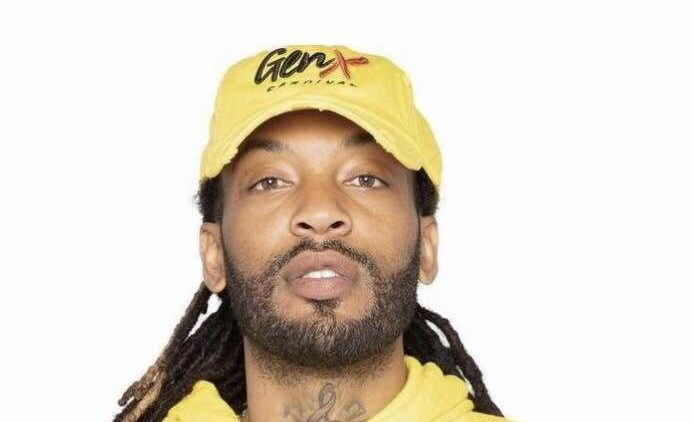
    A Barre St Joseph mother is opening up for the first time about the devastating loss of her 24-year-old son, Mitchel Jean, who was killed in a fatal shooting that remains under active investigation by local law enforcement. For Christina Jean, the pain of her sudden loss is still raw, and she says she has yet to find clear answers about the chain of events that ended her son’s life far too soon.

    “I don’t know what really happened. All I know is that somebody killed my son, but I don’t know what happened,” Jean shared in an emotional interview with reporters, describing the confusion and heartache that has consumed her in the weeks since the shooting.

    Jean and her son shared an extraordinarily close bond. He made a point to visit his mother every single day, and never hinted that he was facing conflict or danger from any person. “My son was everything to me. Every day he used to come here and visit me. We used to talk together, chat, you know. But he never told me he was in problem with anybody, nobody at all,” Jean said.

    She recalled her final conversation with her son, which took place on the morning of his death. Jean says he only mentioned that he felt uncharacteristically off, telling her “he wasn’t feeling well because his spirit wasn’t there that day. That’s the only thing he told me.”

    The entire family has been shattered by Mitchel’s death, with grief disrupting every part of their daily lives. “We cannot deal with it. At night, I cannot sleep. I have to be crying, crying, crying. Every day crying. My children crying, my grandchildren crying, the father crying,” Jean said.

    She also described the chaotic, heart-wrenching moment she learned of the shooting. When family first contacted her with the news, they downplayed the severity of her son’s injury to soften the blow, telling her he had only been shot in the leg and was stable, urging her to come to the hospital. Jean arrived at the medical facility before the ambulance transporting her son, and waited anxiously outside for its arrival. When crew members opened the ambulance’s rear doors, she saw Mitchel and called out to him — but he never responded.

    Despite overwhelming grief, Jean offered public praise for the responding law enforcement agency, saying investigators have communicated consistently and worked diligently to move the case forward. “I find the police doing a good job. From the time that happened, they have been going up and down, talking to us, calling us on the phone,” she noted.

    Now, as the family holds onto only memories and is left with far more questions than answers, Jean is issuing a heartfelt plea to end the cycle of violence that has stolen so many young lives across communities. “All those children need to stop. They need to stop. I was so in love with that little boy, and today I miss him. I miss him every day.”

    The case has been taken over by the department’s Major Crimes Unit, which is leading the ongoing investigation into the shooting. Law enforcement officials are asking any member of the public who may have information that could help investigators piece together what happened to contact the Major Crimes Unit directly at 456-3754. Tips can also be submitted anonymously through the area’s Crime Hotline at 555, or via the official Crime Hotline mobile application.

  • Efforts to protect Giant River Otters in Rupununi areas paying off

    Efforts to protect Giant River Otters in Rupununi areas paying off

    Marking World Otter Day 2026, conservation leaders gathered for a panel discussion hosted jointly by Guyana’s EMC Foundation and the Protected Areas Trust (PAT) on May 29, where they shared promising updates on efforts to protect the endangered giant river otter across the Rupununi region of southern Guyana.

    The EMC Foundation reported that joint monitoring projects carried out in two critical conservation landscapes – the Kanuku Mountains Protected Area and the Karanambu preserve – have already established comprehensive baseline population data for the species. Early observations confirm that stable otter groups now occupy multiple river systems across the study area, a major milestone for long-term recovery efforts. A large part of this progress is credited to the on-the-ground work of trained local community rangers and volunteer citizen scientists, who not only map otter distribution across remote waterways but also identify growing threats to the species’ survival. Chief among these threats are unregulated illegal gold mining operations, which contaminate freshwater habitats with mercury, disrupt aquatic food chains, and destroy critical wetland ecosystems.

    Globally classified as an Endangered species by conservation authorities, the giant river otter holds unique ecological importance across the Amazon and Guiana Shield. As a top predator in river and wetland systems, the species acts as a key indicator of overall freshwater ecosystem health. Guyana’s vast stretches of intact old-growth forest, expansive untouched wetlands, and interconnected undamaged river networks have made the country one of the last remaining strongholds for the vulnerable species.

    During the panel discussion, stakeholders outlined the multifaceted strategy needed to secure the giant river otter’s long-term future in Guyana. Alona Sankar, Commissioner of the Guyana Wildlife Conservation and Management Commission (GWCMC), stressed that policy progress must be paired with stronger enforcement. “What we need to strengthen is our monitoring and enforcement capability to ensure that persons are actually abiding by what the law requires. Now we want to increase our giant otter populations, so if you’re affecting the viability of the species, that is very negative,” Sankar said, calling for bolstered protections, expanded monitoring infrastructure, and consistent regulatory enforcement to safeguard the species and Guyana’s broader wildlife resources.

    Melanie McTurk, Managing Director of Karanambu Lodge, highlighted the persistent gaps in scientific understanding that still hamper conservation work. “Many people don’t realise that giant otters are one of the most understudied species, to the point where we don’t even know if they exist in some areas,” McTurk explained. She noted that this knowledge gap creates a critical opportunity for new research, including genetic studies of fragmented populations, to better understand how human activity impacts distinct otter groups and support more targeted conservation planning.

    Dr. Deirdre Jafferally, a Community-Based Natural Resource Management Specialist, emphasized that lasting conservation depends on centering local leadership and traditional ecological knowledge. She pointed to successful community-led efforts to rescue and care for abandoned or injured giant river otter pups, which have already supported species recovery and helped otters return to regions where they had not been seen for decades. “Citizen science is an important part of that, as well as education and awareness. Educating people is important, getting them involved, not just those who already know and see and want to be involved in established forums,” Dr. Jafferally said.

    Today, giant river otter conservation in Guyana relies on an unprecedented coordinated model that brings together Indigenous and local communities, government regulatory agencies, non-profit conservation organizations, academic researchers, and private sector partners. This cross-sector collaboration has already delivered tangible, on-the-ground results: community-led biodiversity monitoring systems have strengthened local governance of natural resources, and adaptive fishing management plans, designed to account for otter habitat needs, have supported recovery of both fish populations and otter territories.

    Sarah Singh, speaking for the EMC Foundation, outlined the organization’s ongoing outreach work in the Mahaica Watershed through the Giant River Otter Education and Conservation Programme, launched in October 2025. Split into two core components – Research and Monitoring, and Education and Awareness – the initiative partners with local environmental clubs along the Mahaica River and leverages social media to reach broader audiences with science-based conservation messaging.

    Founded by Shyam Nokta, recipient of the 2022 Anthony N Sabga Award for Entrepreneurship, the EMC Foundation works across Guyana to expand environmental education and awareness, build networks of conservation-focused stakeholders, and create opportunities for Guyanese to connect with the country’s extraordinary natural biodiversity. The Protected Areas Trust, the EMC Foundation’s partner for the panel discussion, was established to provide sustained flexible funding for effective management and protection of Guyana’s protected area network, supporting long-term biodiversity conservation, ecosystem stewardship, research and community engagement to safeguard the country’s natural heritage for future generations.

  • 2026 hurricane season begins amid drought, high uncertainty

    2026 hurricane season begins amid drought, high uncertainty

    As the 2026 Atlantic hurricane season officially gets underway, St. Vincent and the Grenadines (SVG) Prime Minister Godwin Friday has delivered an urgent national address, calling on all Vincentians to take immediate action to shore up defenses against potential threats, warning that the island nation is entering the season facing a dangerous overlap of long-running natural challenges and man-made constraints, including a persistent severe drought and depleted funding for disaster response and recovery.

    Friday opened his address, delivered on the opening day of the 2026 season, by highlighting the ongoing climate-driven crisis already impacting SVG: a prolonged, unforgiving drought that has plagued large swathes of the country. Even with scattered light rain over recent weeks, conditions remain dire, he confirmed, noting that the current dry trend matches long-term scientific projections that forecast increasingly arid conditions across the Caribbean region in the coming decades.

    “This is the new reality of global warming,” Friday emphasized. “It demands that we adapt proactively and take every possible step to reduce its harmful impacts.”

    Drawing on data from the country’s Meteorological Office, Friday outlined a clear downward trend: annual rainfall across SVG has dropped consistently over the past eight years, with 2025 recording the lowest annual total on record, breaking the previous benchmark set just three years earlier in 2022. This trend points to a future where dry spells will grow more frequent and longer-lasting, the prime minister added.

    Looking at hurricane activity patterns, Friday noted that 2025’s season followed a now-familiar trend linked to a changing climate: total storm numbers were below the long-term average, but the count of major hurricanes (Category 3 strength or higher) was above average. Out of 13 recorded tropical storms in 2025, five strengthened to hurricane status, and four of those reached major hurricane intensity. Fortunately, SVG avoided a direct hit last year – a stroke of good fortune coming just 12 months after Hurricane Beryl caused catastrophic damage across the Southern Grenadines. “We pray we will be equally fortunate this year,” Friday said.

    For 2026, leading forecasting bodies including Colorado State University (CSU) and the U.S. National Oceanic and Atmospheric Administration (NOAA) are projecting a slightly below-average season in terms of total named storms. CSU’s forecast calls for 13 named storms, six hurricanes, and two major hurricanes, while NOAA predicts a range of 8 to 14 total storms, 3 to 6 hurricanes, and between 1 and 4 major hurricanes. But Friday stressed that storm track predictions remain uncertain, and complacency is not an option. “While predictions may vary, and the paths of the potential storms are yet unknown, we must nevertheless prepare for whatever this hurricane season brings,” he said.

    The prime minister stressed that SVG enters the 2026 season with unprecedented levels of uncertainty, compounded by overlapping natural and economic hazards. Most pressing is the limited government funding available for disaster management and post-storm recovery, a challenge exacerbated by global economic volatility driven by elevated oil prices tied to the Gulf War. Friday noted that his administration has already put preliminary mitigation measures in place to cushion the economic blow, as outlined in a separate national address earlier last week. “The potential convergence of multiple crises makes it urgent that we prepare our responses and heighten our vigilance to address all possibilities,” he said. “Our government stands ready to support citizens in both preparation and response efforts.”

    Central to Friday’s message is the framing of disaster preparedness as a shared responsibility between government and all citizens. Repeatedly warning against complacency, he urged every household to take practical steps ahead of any potential storm. “Failure to prepare for hurricanes or other weather events will make us more vulnerable to the ravages of nature,” he said. “We cannot allow that to happen. So together we must act and encourage one another to prepare.”

    Drawing on hard-won experience, the prime minister pointed to past destructive storms – Hurricanes Thomas, Elsa, and Beryl – as painful but critical lessons. “We have heard it said that those who fail to learn from history are doomed to repeat it, so let us take the painful lessons learned from those storms as a call to action, ensuring every family is secured and ready for the 2026 hurricane season,” he said.

    To make preparation accessible for all households, Friday boiled his guidance down to five clear, actionable steps:

    First, he urged residents to rely exclusively on official information from the National Emergency Management Organization (NEMO) and the Meteorological Office for all updates on impending storms, heavy rain, rough seas, and high wind events.

    Second, every household should develop a written, comprehensive emergency plan covering all phases of a weather event. The plan should start with a home safety audit: Friday called for urgent roof repairs where needed, trimming of overhanging tree branches near structures, and clearing of residential and community drains to prevent clogging and flooding. The plan should include input from all family members, with clear roles assigned for before, during, and after a storm, and a full list of emergency contacts for local and national services. Households should also make contingency arrangements for evacuation, whether staying with family, friends, or at an official emergency shelter, and Friday strongly warned against delaying evacuation, noting that late evacuations put lives at unnecessary risk.

    Third, residents should stockpile a minimum of one week’s worth of emergency supplies, including food, water, personal hygiene items, and necessary prescription medications. This is particularly critical for anyone planning to stay at an official emergency shelter, where essential supplies may be limited.

    Fourth, Friday appealed to individual citizens and private sector organizations to prioritize supporting vulnerable communities, including people living with disabilities, the elderly, children, and women. “Look out for others, especially in emergencies. We have to be our brother’s keeper,” he said, noting that the past five years have made clear how critical cross-community partnerships and strong social support networks are for effective disaster response.

    Finally, Friday urged residents to report all observed hazards and damage to NEMO immediately through any available communication channel, including phone lines and social media. Prompt reporting helps emergency responders quickly identify impacted communities and households to allocate support where it is most needed.

  • Will the Minimum Wage Rise to $6? PM Says Talks Underway

    Will the Minimum Wage Rise to $6? PM Says Talks Underway

    As households across the nation continue to grapple with soaring living costs, Belize Prime Minister John Briceño has confirmed that his administration is currently holding active discussions to lift the country’s minimum hourly wage to $6, a policy shift that would mark a 20 percent increase from the current rate of $5.

    Briceño shared details of the ongoing deliberation during an appearance on the popular *Open Your Eyes* morning talk show last Wednesday, framing the proposed wage adjustment as a core component of the government’s broader agenda to reduce financial strain for working families. Responding to widespread public calls for relief, the Prime Minister emphasized that he is deeply attuned to the struggles of ordinary citizens, noting that his regular travel across the country keeps him connected to the realities facing households outside of government offices.

    “I understand the cry; I hear it. I see it. I walk the streets. I don’t just stay in the office; I’m all over this country,” Briceño told the program’s viewers.

    While the government cannot exercise direct control over prices for imported goods, a major driver of recent inflation in the small open economy, Briceño outlined a suite of existing relief measures already rolled out to ease household budgets. These include a hike in the income tax threshold to $29,000, expanded access to tuition-free public education, increased scholarship funding for post-secondary students, universal school feeding programs for low-income communities, and sustained grocery assistance initiatives for vulnerable households. On the topic of minimum wage, he added that the government aims to finalize and implement the adjustment in the near term.

    The Prime Minister also addressed longstanding pushback from the national business community, which has raised concerns that sudden minimum wage increases would force small and medium enterprises to cut jobs. Briceño recalled that when the minimum wage was last raised to $5, employers widely warned of mass layoffs that never ultimately came to pass. He attributed that positive outcome to robust economic growth at the time, a trend that continues into 2026: the country’s GDP expanded by 4.7% in the first quarter of the year, putting the country in what Briceño described as “pretty good” economic condition.

    Even so, the Prime Minister acknowledged that the country’s small, trade-reliant economy imposes natural limits on how much additional cost businesses can absorb. “The reality is that businesses can only pay what they can pay…We are a small open economy,” he said.

    As of June 1, 2026, no official timeline has been announced for a final decision on the wage adjustment, and negotiations between government representatives, labor unions, and business associations are continuing. Local outlet News 5 has committed to ongoing coverage of the policy process as it develops.

  • Govt to engage private transport operators over hurricane planning concerns

    Govt to engage private transport operators over hurricane planning concerns

    Barbados’ government has committed to integrating private public transport operators directly into the national hurricane preparedness framework, addressing longstanding grievances from industry leaders who say they have repeatedly been shut out of critical emergency planning discussions. The commitment came after Roy Raphael, chairman of the Alliance Owners of Public Transport (AOPT), which represents hundreds of transport vehicles across the island, publicly raised concerns that his organization was not invited to a recent high-level government meeting focused on readiness for the 2026 Atlantic hurricane season.

    In an interview with local media outlet Barbados TODAY, Raphael explained that the exclusion was not an isolated incident. For years, he said, AOPT has only received emergency planning information secondhand through the state-run Transport Board, a communication gap that has created dangerous confusion during past severe weather events. Raphael noted that when hurricane conditions deteriorated in previous seasons, the delayed and filtered information left some public commuters stranded, as transport operators could not mobilize quickly enough to adjust services in line with national emergency protocols. He emphasized that the industry wants a seat at the table from the earliest planning stages, not last-minute calls for support when a storm is already approaching. “We don’t want people to call us at the last minute,” Raphael said. “We want to be able to hear it at the same time as the Transport Board so that we can coordinate our efforts together.”

    Responding to the complaints, Home Affairs Minister Gregory Nicholls pushed back against claims that private transport operators were deliberately snubbed in the recent meeting. Nicholls clarified that the recent gathering of the Emergency Management Advisory Council was specifically convened to bring together the prime minister, senior government officials, and the heads of standing disaster preparedness committees to review existing plans and confirm protocols were updated and ready for the upcoming hurricane season. This session, he said, was never intended to include external stakeholder input, as the primary purpose was for committee leadership to report to top government decision-makers.

    Nicholls explained that day-to-day coordination of disaster response working groups, including the transportation and road clearance committees, falls under the purview of the Ministry of Transport and Works. While he acknowledged that private transport operators are critical stakeholders in effective emergency response, he noted that the recent meeting was structured for internal government reporting, not broad stakeholder engagement. To address the industry’s concerns, Nicholls gave a formal assurance that the government will schedule dedicated meetings between AOPT leadership and officials from the Ministry of Transport and Works to integrate private operators directly into the national preparedness framework. He also stressed that the government never intended to exclude the group long-term, emphasizing that private operators must operate within aligned national protocols to avoid uncoordinated, risky action during emergencies.
    “While the private sector transport owners are key and important, we will meet with them, of course, to ensure that they have developed their own protocols, but at the same time they have to operate within a national emergency management framework, because we wouldn’t want them out there on their own, willy nilly, just operating without following established protocols,” Nicholls said. He added that the national emergency plan activates at full capacity once a hurricane watch or warning is issued, with protocols in place to ensure all essential personnel are able to complete their duties and return to safety before conditions worsen. “I want to assure them that it was not a snub,” Nicholls added.

    Despite the government’s new commitment, AOPT remains cautious, with Raphael reiterating that the organization will continue pushing for permanent, direct inclusion in all pre-season planning discussions to eliminate communication gaps before the 2026 hurricane season intensifies.

  • ‘You Don’t Put a Person in a Piss House for a Post That Hurt Your Feelings’

    ‘You Don’t Put a Person in a Piss House for a Post That Hurt Your Feelings’

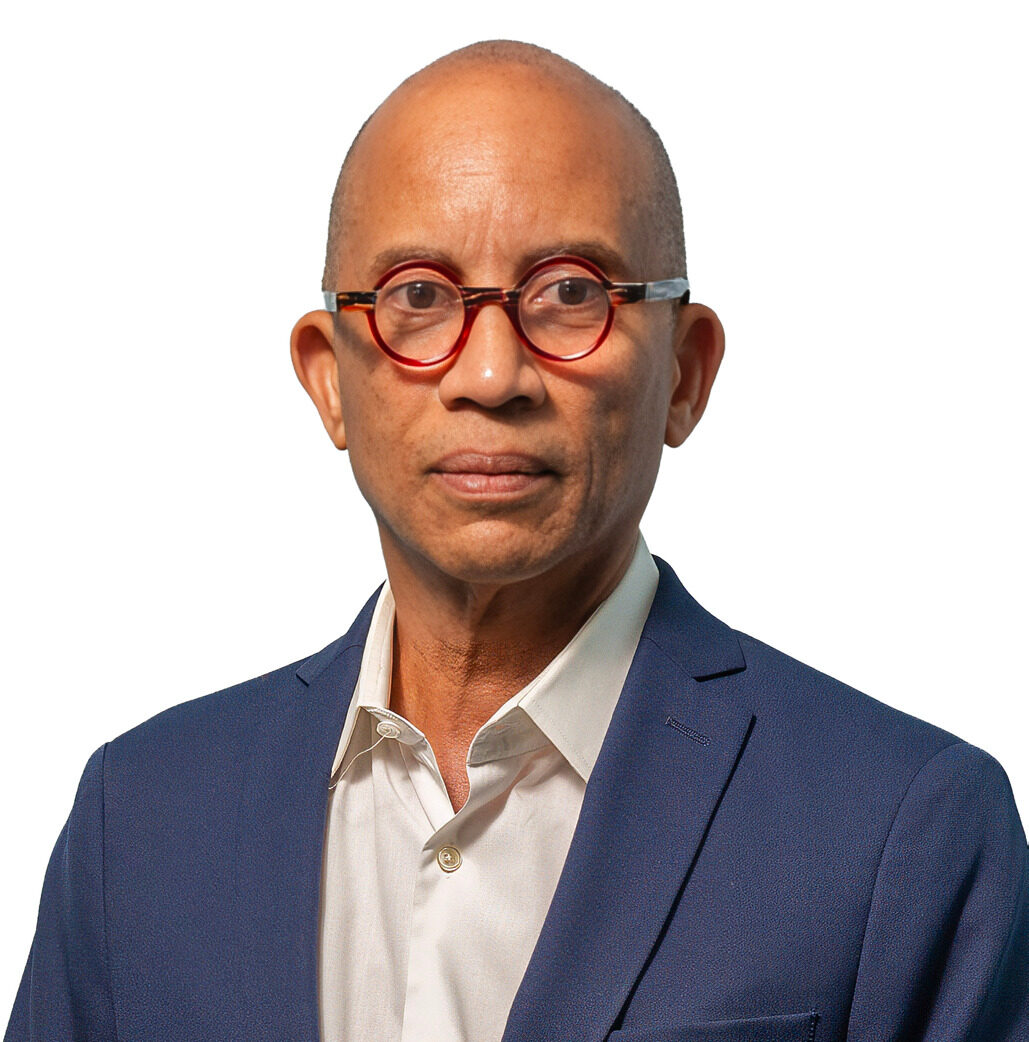
    In a controversial incident that has reignited debates over free speech and the abuse of state power in Belize, Alberto August, former chairman of the opposition United Democratic Party (UDP), was taken into custody over a weekend social media post that authorities said mocked Home Affairs and Enterprise Minister Oscar Mira. His attorney, Michael Peyrefitte, has slammed the arrest as a politically motivated attack with no legitimate legal foundation.

    According to Peyrefitte, the operation to detain his client unfolded Saturday morning, when six heavily armed police officers showed up at August’s private residence carrying a search warrant. After executing the warrant, officers took August into custody, holding him for 28 hours before formal proceedings could begin. The former UDP chair’s electronic devices remain in police possession as of Tuesday, when he was first brought before a magistrate.

    Peyrefitte has argued that the use of criminal cybercrime legislation and armed law enforcement in this case is a gross overreach of government authority. In a scathing rebuke of the operation, he noted that if a public official feels offended or defamed by a private citizen’s social media commentary, the proper legal avenue is a civil defamation suit, not a SWAT-style arrest that terrorizes the suspect’s family. He emphasized that cybercrime laws were never drafted to allow sitting government officials to imprison critics over hurt feelings, calling the detention a blatant misuse of existing legislation.

    Peyrefitte also laid out what he claims is the premeditated political timeline behind the arrest. By taking August into custody on Saturday, authorities were able to legally hold him for 48 hours through the weekend, arraign him on Monday, and bring him before the magistrate on Tuesday morning — all while staying within the letter of the law on detention timelines, despite the flimsy legal basis for the arrest. “You don’t put a person in a jail cell for a post that hurt your feelings,” Peyrefitte said in his statement, repeating his firm condemnation of the arbitrary detention.

    The attorney has directly called on Prime Minister John Briceño to remove Mira from his post as head of the country’s home affairs portfolio, arguing that any official in control of the nation’s security apparatus cannot afford to be thin-skinned when facing public criticism. “You can’t be a person who is sensitive and soft when you hold that much constitutional power,” Peyrefitte explained, adding that Mira’s overreaction to a social media post makes him unfit for the role.

    Law enforcement officials have so far declined to elaborate on the specifics of the arrest or the charges against August. During a Tuesday afternoon press briefing, Assistant Superintendent of Police Stacy Smith told reporters that the matter is now in the hands of the judiciary, and it will be up to the courts to determine whether the prosecution’s case meets the legal threshold for a conviction. “It is for the court to decide whether the circumstances that form the basis of the charge meets the threshold,” Smith stated.

    For his part, August acknowledged that the 28-hour detention was psychologically draining, but says the experience will not stop him from continuing to speak out against the government. The incident has already drawn criticism from free speech advocates, who warn that the arrest sets a dangerous precedent for criminalizing political dissent in the country.