作者: admin

  • World Cup to hold trio of star-studded opening ceremonies

    World Cup to hold trio of star-studded opening ceremonies

    The 2026 FIFA World Cup, the first edition of the men’s global football tournament co-hosted by three North American nations, will kick off with an unprecedented series of three separate opening ceremonies, one held in each host country: Mexico, the United States, and Canada. FIFA, football’s global governing body, made the official announcement of the star-studded international lineup of performers on Friday.

    The celebration will get underway in Mexico on June 11, just 90 minutes before the tournament’s opening match between host Mexico and South Africa, which will be held at the iconic Azteca Stadium, temporarily renamed Mexico City Stadium for the duration of the tournament. Leading the performance lineup for the Mexican ceremony is Colombian reggaeton superstar J Balvin, alongside multi-Grammy-winning Mexican rock icons Maná and acclaimed pop performer Alejandro Fernández, son of the late legendary ranchera music icon Vicente Fernández. The roster also includes beloved Mexican pop performer Belinda, award-winning singer-songwriter Lila Downs, Grammy-winning South African breakout star Tyla, and iconic Mexican cumbia group Los Angeles Azules.

    The second opening ceremony will take place in Toronto, Canada the following day, June 12, ahead of Canada’s opening group stage match against Bosnia and Herzegovina. Headlining the Canadian show are Grammy-winning alt-rock pioneer Alanis Morissette and legendary crooner Michael Bublé, with additional performances from Juno Award-winning singer Alessia Cara, Palestinian-Maltese pop artist Elyanna, Colombian-Canadian R&B star Jessie Reyez, and Moroccan-Indian performer and dancer Nora Fatehi. Event organizers have framed the Canadian ceremony as a cross-country journey, designed to highlight the diverse landscapes and cultures that span Canada from its Atlantic to Pacific coasts.

    Later the same day, the United States will host its opening ceremony in Los Angeles, ahead of the U.S. men’s national team’s opening match against Paraguay. Headlining the U.S. ceremony is global pop icon Katy Perry, who previously drew record audiences as the headliner of the 2015 Super Bowl Halftime Show. She will be joined by Atlanta trap pioneer Future, global K-pop superstar Lisa of Blackpink, Brazilian pop icon Anitta, Nigerian afrobeats star Rema, and Tyla, who will pull double duty after performing at the Mexico City ceremony. FIFA notes that additional performers for the Los Angeles event are still set to be announced. Other global artists set to appear across the three ceremonies include Venezuelan reggaeton singer Danny Ocean and Bangladeshi-American Los Angeles-based DJ Sanjoy.

    In official statements announcing the lineup, FIFA President Gianni Infantino emphasized that the three-part ceremony structure was designed to celebrate both the unique cultural identity of each host nation and the collective unity at the heart of the first three-nation World Cup. “Starting with Mexico City and continuing the next days with Toronto and Los Angeles, these ceremonies will bring together music, culture and football in a way that reflects both the individuality of each nation and the unity that defines this tournament,” Infantino said. “It is a powerful way to begin a truly global celebration.”

    Of the Los Angeles ceremony, Infantino added that the diverse lineup of international performers reflects the multicultural fabric of the United States, highlighting how music serves as a universal force to connect people from all backgrounds. Organizers noted that fans in attendance will have an active, integrated role in the live ceremonies, and have encouraged ticketholders to arrive at the stadiums early to take part in the full celebration. Per FIFA’s official framing, the three cross-border celebrations are tied together by a core theme: that the entire world shares a single collective heartbeat in anticipation of the nearly six-week global football spectacle.


  • Parent company of Trump’s Truth Social reports US$400m loss

    Parent company of Trump’s Truth Social reports US$400m loss

    Trump Media & Technology Group (TMTG), the parent firm behind former U.S. President Donald Trump’s social media platform Truth Social, has disclosed a staggering net loss exceeding $400 million for the first three months of 2025, with the overwhelming majority of the deficit tied to plummeting valuations in the cryptocurrency sector, per a regulatory filing released Friday.

    The company, which became publicly traded and counts Trump as its largest single shareholder, reported total revenue of just $900,000 across the first quarter. That figure marks a remarkably low top line for an enterprise that currently holds a public market valuation of $2.47 billion.

    Trump, who relies heavily on Truth Social as his primary platform for public announcements and political messaging, controls roughly 41% of TMTG’s outstanding shares. Those holdings are held in a blind trust established to manage his financial interests during his second presidential term.

    Beyond its core social media operations, TMTG has expanded into digital asset investing. Twelve months prior to this quarterly report, the firm secured $2.5 billion in dedicated funding specifically for cryptocurrency investments – a pivot aligned with Trump’s well-documented personal interest in the digital asset space in recent years.

    The broad downturn in crypto markets during the first quarter hit TMTG’s investment portfolio particularly hard. Bitcoin, the world’s largest cryptocurrency by market capitalization, saw its price drop from a peak above $126,000 in early October 2024 to less than $70,000 by the end of March 2025. While Bitcoin has since recovered partially to trade above $80,000, the markdown required for quarterly reporting still generated massive unrealized losses.

    Under U.S. accounting regulations, publicly traded companies must mark their investment holdings to current market value each quarter, even if they have not sold the assets. This requirement forced TMTG to record a total net loss of $406 million for the first quarter. The company confirmed in its filing that “the vast bulk” of this loss stems directly from its digital asset holdings.

    TMTG signaled it remains committed to its long-term growth strategy, stating in the filing that it will “continue to focus on expanding its infrastructure and audience to prepare for future monetised features.”

    In addition to its social media and crypto investment operations, TMTG announced a planned merger with TAE Technologies, a U.S.-based firm developing commercial nuclear fusion technology, back in December 2024. The merger is currently on track to close in the middle of 2026, according to the company’s latest update.

  • Senator Tomlinson cites ‘trust deficit’ as he flags lack of accountability in NaRRA Bill

    Senator Tomlinson cites ‘trust deficit’ as he flags lack of accountability in NaRRA Bill

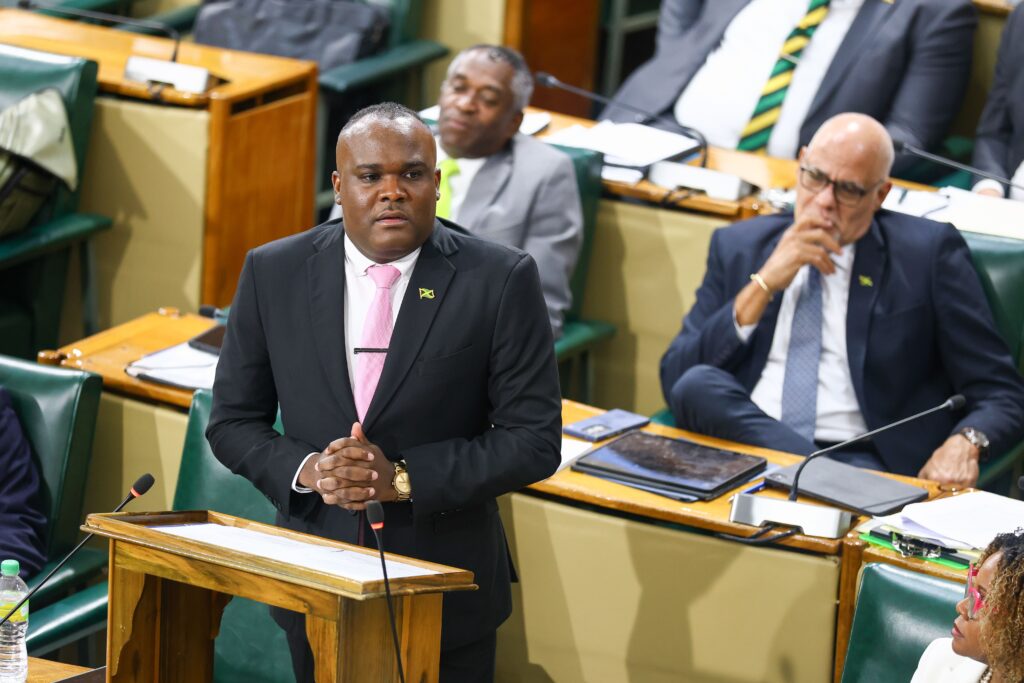
    KINGSTON, Jamaica — In a sharply critical address during Friday’s Senate debate on landmark post-disaster legislation, Opposition Senator Cleveland Tomlinson has drawn national attention to a stark “trust deficit” at the heart of the proposed National Reconstruction and Resilience Authority (NaRRA) Bill, warning that the legislation’s weak accountability frameworks could open the door for unchecked misuse of billions in public reconstruction funds. NaRRA was framed by the ruling administration as a dedicated central body to coordinate recovery and rebuilding efforts after Hurricane Melissa, a catastrophic storm that inflicted an estimated $12.2 billion USD in widespread damage across the island nation. But Tomlinson argues that the legislation’s structural flaws, paired with the government’s own track record on constitutional compliance, make granting the proposed body such broad, unconstrained power unjustifiable. In his remarks to the upper chamber, Tomlinson framed the debate as a fundamental question of good governance, rather than a partisan attack. “When a Government asks its citizens to accept a statutory body with vast powers, a single unaccountable executive, no governing board, no audit committee, no mandatory parliamentary oversight of its directions and decisions, when it asks for that level of trust, the threshold question is: has this Government demonstrated, through its conduct in office, the kind of probity and respect for institutional boundaries and constitutional norms that would justify giving any administration this kind of unrestrained executive authority over billions of public dollars?” he said. Tomlinson went on to note that the government has repeatedly received adverse constitutional rulings from Jamaica’s independent judiciary, a matter of public record that he says directly undermines its claim to unchecked executive authority. “This is a Government that has faced repeated adverse findings in our courts on constitutional grounds. This is a Government whose record of respect for constitutional constraints has been tested and found wanting, not by the Opposition, but by the judiciary,” he stated. “When the courts of this land have had occasion to examine whether this administration has remained within its constitutional boundaries, the rulings have not been flattering. That is a matter of public record, and it is directly relevant to whether this Senate should be comfortable passing legislation that concentrates this much un-reviewed executive power in this administration’s hands.” Beyond constitutional concerns, Tomlinson pointed to longstanding systemic issues in Jamaica’s public financial management that the proposed legislation fails to address, and in fact exacerbates. Under the current draft of the bill, Tomlinson explained, NaRRA would operate outside the standard national budget appropriation process, with no explicit language confirming it falls under regular budget oversight. The body’s chief executive officer would be permitted to sign procurement contracts of any value without a required co-signatory, while written operational directions from the responsible minister would not need to be gazetted, reported to parliament, or released publicly to the people whose funds are being spent. “In a country where procurement irregularities have been a persistent feature of public life, where major infrastructure projects have been plagued by cost overruns and questionable contractor selections, the Government is asking us to create a procurement and project delivery vehicle with less oversight than the bodies that already exist. That is extraordinary,” Tomlinson said. The senator emphasized that his critique is not an accusation that the current government intends to embezzle public funds, but rather a defense of the core principles of institutional accountability that apply regardless of which party holds power. “This is not an argument that the Government is planning to steal. It is an argument that good governance does not depend on the personal integrity of those who happen to hold power at any given moment. Good governance depends on systems, on structures, on checks and balances that work regardless of who is in office,” he said. Closing his remarks, Tomlinson summarized the core failure of the proposed bill, noting that the creation of a dedicated reconstruction authority is not the problem — the lack of guardrails to ensure it serves the public good is. “The tragedy of this Bill is not that it creates NaRRA; it is that it creates NaRRA without the institutional architecture that would make it trustworthy under any Government,” he added. Reporting by Lynford Simpson.

  • Fitz-Henley insists NaRRA Bill contains strong oversight mechanisms

    Fitz-Henley insists NaRRA Bill contains strong oversight mechanisms

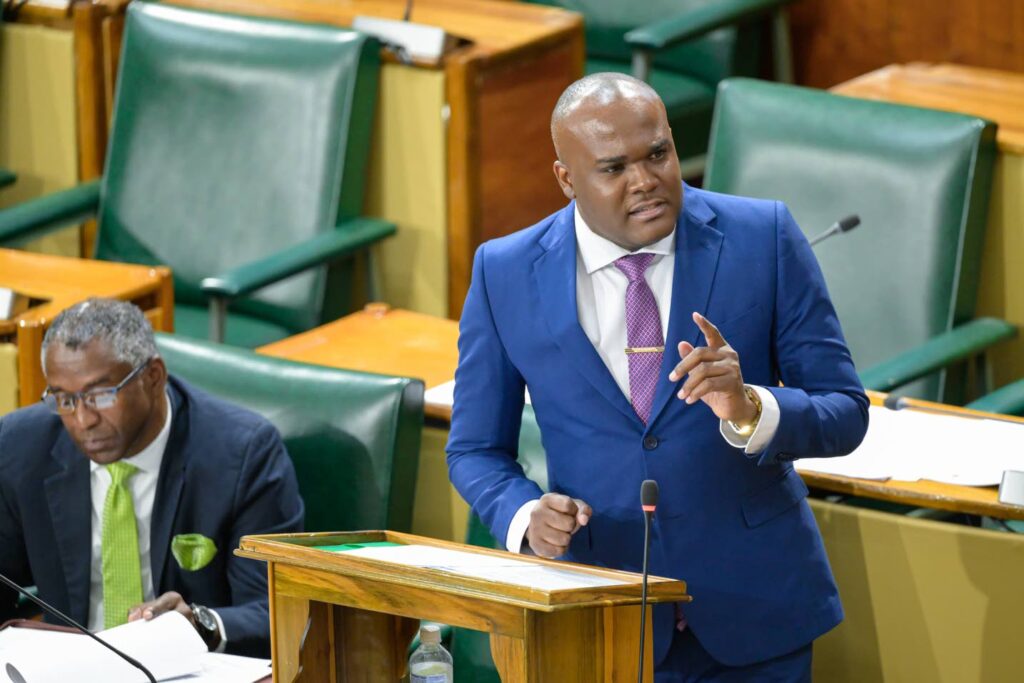
    KINGSTON, Jamaica — As debate over the National Reconstruction and Resilience Authority (NaRRA) Bill unfolds in Jamaica’s Senate, government Senator Abka Fitz-Henley has issued a forceful rebuttal to widespread claims that the proposed legislation lacks robust checks and balances to ensure accountability for the new disaster recovery body. The NaRRA Bill, if passed, will formalize the legal mandate of the already-established NaRRA, the government’s lead agency for rebuilding infrastructure and communities devastated by Hurricane Melissa. That powerful storm slammed into Jamaica’s southwestern parishes last October, leaving behind an unprecedented US$12.2 billion in total damage.

    Critics of the bill have repeatedly argued that the draft legislation does not include enough formal mechanisms to oversee NaRRA’s operations and prevent misuse of public reconstruction funds. Addressing these claims directly on the Senate floor, Fitz-Henley rejected the criticism as entirely unfounded, then walked through a comprehensive list of accountability guardrails built into the proposed framework.

    First, NaRRA will fall fully under the jurisdiction of Jamaica’s Auditor General, who retains the authority to launch audits and assessments of the agency’s activities at any time. All of NaRRA’s work, including every cent of public expenditure, will also be subject to ongoing oversight by two key parliamentary committees: the Public Accounts Committee and the Public Appropriations and Administration Committee.

    The bill also requires NaRRA to maintain all financial records in strict alignment with accounting standards set by the Institute of Chartered Accountants of Jamaica. The agency must submit annual audited financial statements to the responsible government minister, who is legally required to table those documents for full review by Parliament. Additionally, NaRRA is mandated to conduct an independent internal audit each year, led by a certified registered public accountant meeting the qualifications outlined in Jamaica’s Public Accountancy Act.

    Other requirements include the submission of a yearly corporate plan, complete with detailed revenue and expenditure projections, to the responsible minister. NaRRA must also maintain a public, searchable register of all its projects and initiatives with full pertinent details, which will be published in the official government gazette and open to inspection by any member of the Jamaican public. To top these existing safeguards, the government has established an entirely independent oversight body, the Jamaica Reconstruction and Resilience Oversight Committee (JAMRROC), tasked specifically with monitoring NaRRA’s activities.

    To put the scope of these safeguards in context, Fitz-Henley drew a comparison to the post-disaster reconstruction framework put in place by the former People’s National Party (PNP) administration after Hurricane Ivan struck Jamaica in 2004. At that time, the PNP government launched the Office of National Reconstruction (ONR) to oversee billions in recovery spending, but the agency lacked most of the formal oversight mechanisms included in the current NaRRA Bill, he noted. The ONR’s chief executive officer also served as its chairman, and the body answered directly to then-Prime Minister Percival Patterson, with only a private sector auditor providing limited review. Fitz-Henley emphasized that the comparison is not intended to undermine the ONR’s work, but rather to put current criticisms of the NaRRA Bill in proper historical context.

    The senator also acknowledged concerns raised by Jamaican citizens that the new agency could create opportunities for corruption, noting that many well-meaning members of the public hold this worry out of genuine concern for public funds. “To them I say, we hear the concern and we are not dismissive,” he stated.

    Fitz-Henley admitted that no legal framework anywhere in the world can completely eliminate the risk of public office abuse. But he argued that the multiple layers of checks and balances built into the NaRRA Bill address this risk head-on. He added that the current administration has strengthened Jamaica’s anti-corruption ecosystem through both increased funding for independent anti-corruption bodies and legislative reforms that have toughened existing anti-corruption laws.

    Closing his remarks, Fitz-Henley took a direct swipe at the opposition PNP, noting that when credible, evidence-backed allegations of public malfeasance have emerged during the current administration’s tenure led by Prime Minister Dr. Andrew Holness, the government has acted swiftly and decisively to address wrongdoing. He also highlighted that Jamaica has achieved its highest ever anti-corruption transparency score from international assessment bodies during the Jamaica Labour Party administration’s time in office.

  • National Futsal Championship launched

    National Futsal Championship launched

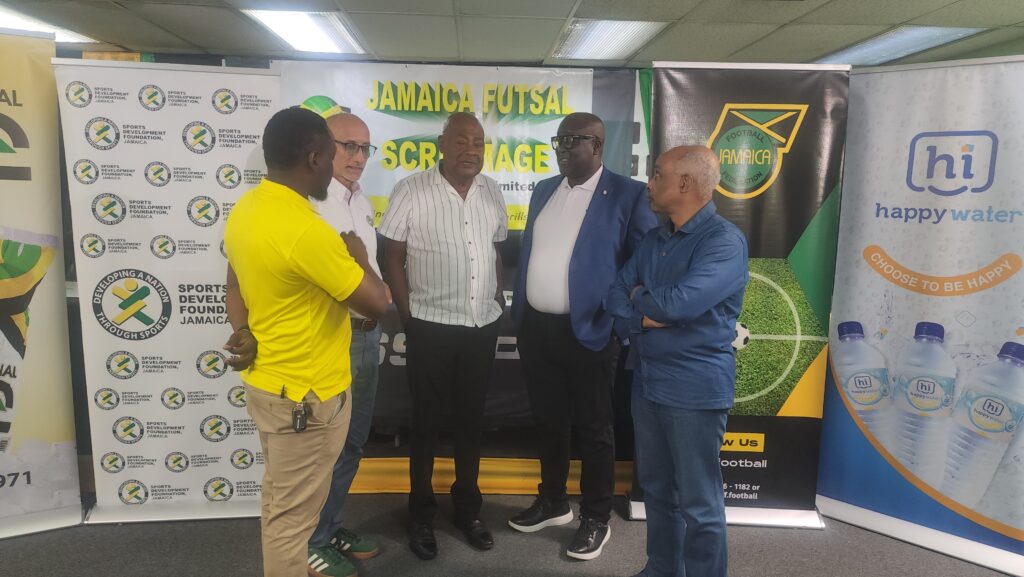
    KINGSTON, Jamaica — Jamaica’s first nationwide structured National Futsal Championship formally entered its operational phase this week, with opening matches scheduled to kick off on May 16 at the Legacy 5 facility in Runaway Bay, St Ann. The tournament’s grand “Super Final” is slated for June 6 at the Horace Burrell Centre, bringing a months-long organizational vision to a competitive climax.

    Organized by the Jamaica Futsal and Scrimmage Association (JFSA), the official launch event was hosted Friday at the headquarters of the Jamaica Football Federation (JFF), marking a milestone in the organized growth of the five-a-side indoor sport across the island. A total of 28 teams from Jamaica’s 14 parishes — two qualifying squads per parish — will compete across four geographically divided regional pools to narrow down the field for the final stage.

    The four regional groups are drawn to reflect the island’s administrative and geographic layout: the North Eastern zone draws teams from St Ann, Portland, and St Mary; the North Western pool includes squads from St James, Hanover, Westmoreland, and Trelawny; the South Western zone encompasses Clarendon, Manchester, and St Elizabeth; and the South Eastern grouping brings together competitors from Kingston and St Andrew, St Catherine, and St Thomas. The regional stage will follow a round-robin format, with the top two point-earning teams from each pool advancing to the national finale in June.

    In his address at the launch, JFSA President Dr Curven Whyte framed the championship as far more than a single seasonal sporting event. Instead, he positioned it as a core step forward for a long-term grassroots movement centered on athletic development, community opportunity, and national progress. “Since 2024, the JFSA has been intensely laying the foundation for the structured growth of futsal in Jamaica, and so what we have is a vision and the strategic planning will quickly evolve into meaningful action across communities, institutions and the wider football landscape,” Whyte explained.

    He emphasized that the association’s strategic ambitions extend well beyond the current tournament to build a sustainable futsal ecosystem across Jamaica. The JFSA’s ongoing agenda includes rolling out targeted grassroots development programs, launching dedicated youth academy competitions, expanding programming for female futsal athletes, introducing masters competitions for veteran players, and creating inclusive competitive opportunities for athletes with special needs. The body is also working to strengthen cross-border collaboration with other Caribbean futsal governing bodies to raise the profile and competitive standard of the sport across the entire region.

    The National Futsal Championship has received formal endorsement from the island’s leading sporting bodies. JFF President Michael Ricketts voiced his support for the initiative, while Jamaica Olympic Association President Christopher Samuda also backed the tournament. Sports Minister Olivia Grange also extended her blessing for the event, though she was unable to attend the launch in person.

    Beyond the immediate competition, the 2025 National Futsal Championship serves a critical high-stakes purpose: it will act as a selection showcase for Jamaica’s national futsal squads, which are set to compete in upcoming regional tournaments with the long-term goal of qualifying for the prestigious FIFA Futsal World Cup.

  • US fire on Iran tankers sparks reprisals as deal hangs in balance

    US fire on Iran tankers sparks reprisals as deal hangs in balance

    On Friday, a U.S. fighter jet carried out precision strikes that disabled two Iran-flagged oil tankers in the Gulf of Oman, an action Washington framed as enforcement of an ongoing port blockade. The targeted attack immediately triggered Iranian retaliatory strikes and sent shockwaves through a tenuous regional ceasefire, arriving at a critical moment when Tehran was actively reviewing a new U.S. diplomatic proposal to end the 10-week-old Middle East conflict.

    The confrontation unfolded in a strategically vital waterway that acts as the primary gateway to the Strait of Hormuz, the chokepoint through which roughly a fifth of global oil supplies pass daily. U.S. Central Command confirmed that an F/A-18 Super Hornet used precision munitions to disable the two vessels, stating the action was intended to stop the ships from reaching Iranian territorial waters. In the immediate aftermath, an anonymous senior Iranian military official told local media outlets that the country’s naval forces had launched proportional retaliatory strikes against what it labeled “American terrorism and ceasefire violation,” adding that active clashes had ceased following the exchange.

    This latest flare-up came less than 24 hours after smaller-scale skirmishes in the strait, a waterway that a top adviser to Iran’s Supreme Leader has compared to holding “an atomic bomb” due to its outsized geopolitical importance. U.S. Secretary of State Marco Rubio, speaking to reporters during a diplomatic stop in Rome, repeated longstanding U.S. policy that Iranian control of the critical oil transit route is “unacceptable.” Rubio also confirmed that Washington was awaiting Tehran’s formal response to its latest peace proposal, shared via Pakistani intermediaries, and expressed cautious hope that the proposal would receive serious consideration from Iranian leadership.

    The proposal put forward by the U.S. would extend the current fragile Gulf ceasefire to create space for comprehensive negotiations aimed at reaching a permanent end to the conflict. The conflict began 10 weeks ago when U.S. and Israeli forces launched joint strikes against Iranian military and nuclear targets across Iran. Iranian Foreign Ministry spokesman Esmaeil Baqaei told Iran’s official ISNA news agency on Friday that the U.S. proposal remains “under review” by Iranian authorities, with no final decision yet issued.

    In the hours following the tanker strikes, Iranian officials ramped up diplomatic pushback against the U.S. action. Iran’s United Nations Ambassador Amir Saeed Irvani sent an official letter to U.N. Secretary-General and the Security Council accusing Washington of a deliberate violation of the existing ceasefire that undermines all ongoing diplomatic efforts to de-escalate. Iranian Foreign Minister Sayed Abbas Araghchi, in a phone call with his Turkish counterpart, voiced deep skepticism about the U.S.’s commitment to a diplomatic resolution of the conflict, according to Iran’s Tasnim news agency.

    Parallel diplomatic efforts were underway in Washington Friday, where Qatari Prime Minister Sheikh Mohammed bin Abdulrahman Al Thani held talks with U.S. Vice President JD Vance focused on supporting the Pakistani-brokered peace initiative. Qatar has found itself drawn into the conflict already: Iran has repeatedly targeted Qatari sites throughout the war, in retaliation for Qatar hosting a large forward-deployed U.S. air base on its territory.

    In a separate development that adds further uncertainty to global energy markets, satellite imagery analyzed by global monitoring firm Orbital EOS shows a growing oil slick spreading off the west coast of Iran’s Kharg Island, the country’s primary oil export terminal. The slick currently covers more than 20 square miles (52 square kilometers), though the exact cause of the spill remains unconfirmed as of Friday. Kharg Island is the linchpin of Iran’s oil export industry, which forms the backbone of the country’s already severely battered economy, and sits just north of the Strait of Hormuz in the Gulf.

    The current crisis traces back to the outbreak of war on February 28, when Iran responded to the U.S.-Israeli strikes by effectively closing the Strait of Hormuz to commercial shipping. That closure sent global oil markets into turmoil and pushed crude prices sharply higher, prompting the U.S. to impose a full blockade of Iranian ports in response. Earlier last week, former President Donald Trump, whose administration launched the current military campaign, announced a large-scale U.S. naval operation to reopen the strait, only to reverse course just two days later and pivot back to diplomatic negotiations. The reversal came after Saudi Arabia, a key regional U.S. ally, publicly refused to grant U.S. forces access to Saudi bases and airspace for the planned operation. Senior Saudi sources told AFP Friday that Riyadh made the call because it believed the military operation would only escalate regional tensions and would not succeed in achieving its stated goals.

    Beyond the Gulf, the separate parallel ceasefire between Israel and Iran-backed Hezbollah in Lebanon is also crumbling under mounting pressure. Friday saw Hezbollah launch two waves of attacks against Israeli military targets: first a salvo of missiles targeting an Israeli military base south of the coastal city of Nahariya, followed hours later by a swarm of attack drones targeting a second base in northern Israel. The group said the attacks were retaliation for a recent Israeli strike on Beirut’s southern suburbs and ongoing daily Israeli strikes across southern Lebanon.

    Israel has continued its airstrikes against Hezbollah positions despite the formal ceasefire, and on Wednesday carried out its first attack on Beirut’s southern suburbs in a month, stating the strike killed a senior Hezbollah commander. Lebanon’s Ministry of Public Health reported Friday that 11 people were killed in Israeli strikes across southern Lebanon that day: 10 civilians, including two children and three women, plus one civil defense volunteer.

    The new round of violence on the Lebanon front comes just days before Lebanon and Israel are scheduled to hold the first round of direct peace negotiations in Washington next week, a meeting that Hezbollah has issued repeated and vehement statements opposing. The two countries have remained officially in a state of war since 1948, making any diplomatic breakthrough a historic shift for the region.

  • The houses are here, says Fitz-Henley

    The houses are here, says Fitz-Henley

    A heated exchange during Friday’s Senate debate on Jamaica’s landmark National Reconstruction and Resilience Authority (NaRRA) Bill has brought clarity to the status of promised post-hurricane housing for displaced Jamaicans. As proceedings adjourned for the midday break, Opposition Senator Dr. Floyd Morris, the party’s spokesperson for housing and sustainable living and a visually impaired legislator, pressed the government for concrete answers about the 5,000 promised containerized homes for victims of Hurricane Melisa. Using local Jamaican vernacular to emphasize his urgency, Morris stated: “I want to know, weh di house dem deh. Where are the houses for the people that you have promised […] I look down at the wharf and I caw find dem.”

    Within moments, Government Senator Abka Fitz-Henley delivered an official response, disclosing that 924 prefabricated modular and containerized homes have already arrived on the island, with hundreds more en route. Fitz-Henley explained that Prime Minister Dr. Andrew Holness, who holds direct ministerial responsibility for the national housing portfolio, convened a cross-agency coordination meeting with the National Housing Trust, the Office of Disaster Preparedness and Emergency Management, and the Social Housing Programme just one day prior on Thursday. At that meeting, Holness confirmed that the full order of 5,000 units has been finalized: 924 are already cleared at Jamaican ports, a further 700 are currently in transit, and an additional 700 will be shipped in the coming weeks.

    Fitz-Henley reaffirmed the administration’s commitment to delivering on its promise to support Jamaicans displaced by the destructive impact of Hurricane Melisa. He went on to draw a contrast with past housing initiatives, alleging that the previous administration’s Operation Pride programme was marred by systemic corruption that saw hundreds of millions of dollars in public taxpayer funds stolen, resulting in the arrest of a People’s National Party (PNP) activist. He emphasized that under Prime Minister Holness’ leadership, the current government prioritizes full accountability and transparency in all public spending. The modular housing relief programme, he noted, operates under strict, independent regulatory oversight to eliminate mismanagement and graft, addressing any concerns about the integrity of the initiative. By closing out the exchange, Fitz-Henley reminded Morris that his question had received an immediate, official answer just minutes after it was raised during debate.

  • Attorney happy client acquitted of gun charges

    Attorney happy client acquitted of gun charges

    A Jamaican man has walked free from the Home Circuit Court after a judge cleared him of serious weapons charges, capping a years-long legal process that fell apart when prosecutors failed to produce credible, consistent evidence against him.

    Roge Stubbs was found not guilty on two counts — possession of a prohibited weapon and unlawful possession of ammunition — this Wednesday, with co-accused Jahmala Vernon also acquitted in the same ruling. Defense attorney Shannan Clarke, who represented Stubbs, shared her relief at the outcome in an interview with Jamaica Observer Friday morning, emphasizing that her client had always maintained his innocence throughout the entire proceedings.

    “I am happy that he’s free. He has maintained his innocence from the inception. I am glad that he can now move on with his life,” Clarke told the outlet.

    The case dates back to Christmas Day 2022, when police operating in the Kingston Western division pulled over a car carrying five men just after 2:30 a.m. Prosecutors alleged that one of the vehicle’s occupants tossed a gun out of the car window during the stop, leading to all five men being arrested and charged in connection with the weapon.

    By 2023, three of the five co-accused had already been released from the case after the Crown chose not to present any evidence to support charges against them. That left only Stubbs and Vernon to face trial, which got underway on May 6 this year. From the start of the proceedings, the prosecution’s case was plagued by critical gaps that undermined its narrative.

    Key witnesses from the Jamaica Constabulary Force were unable to provide consistent, clear testimony on two core details of the allegation: which part of the vehicle the gun was supposedly thrown from, and whether any of the five occupants was actually observed holding the weapon before the stop. Compounding that evidential failure, DNA testing carried out on the recovered firearm returned no matches to any of the accused men. With no solid evidence to connect either Stubbs or Vernon to the weapon, the prosecution’s entire case collapsed, leading the court to enter acquittals for both men.

    Vernon was represented in court by King’s Counsel Tom Tavares Finson, a prominent Jamaican defense attorney.

  • CARPHA urges caution even as hantavirus infection risk low in the Caribbean

    CARPHA urges caution even as hantavirus infection risk low in the Caribbean

    A cluster of hantavirus cases linked to a central Atlantic cruise ship has prompted regional health authorities in the Caribbean to issue guidance for port and maritime surveillance, even as officials confirm the overall risk of widespread infection across the region remains low. The outbreak, which has already resulted in one death, has centered on the MV Hondius, a cruise vessel that made a stop on the remote Atlantic island of Tristan da Cunha in mid-April, and has drawn coordinated monitoring from global and regional health bodies.

    Dr. Lisa Indar, executive director of the Trinidad-based Caribbean Public Health Agency (CARPHA), broke down the contextual factors that keep regional risk muted. Unlike outbreaks in other parts of the world, hantavirus in the Americas is primarily spread by wild field rodents rather than urban rat populations, which naturally limits transmission opportunities. While the pathogen can spread between humans, she noted that such cases are extremely uncommon, with only the Andes strain found in South America carrying a limited potential for person-to-person spread through prolonged, close contact with infected, symptomatic people.

    As of the most recent updates, the United Kingdom government has confirmed three of its citizens are linked to the outbreak: two have received confirmed hantavirus diagnoses. One of those patients is now in stable condition in the Netherlands after being evacuated from the vessel earlier this week, while the second remains in intensive care in South Africa following evacuation last month. A third British national on Tristan da Cunha is currently classified as a suspected case. In total, five confirmed cases have been recorded in the outbreak, including one fatality among the cruise’s passengers.

    St. Kitts and Nevis officials have also confirmed one of their citizens was aboard the MV Hondius, but have stressed that no confirmed or suspected hantavirus cases have been detected within the country’s borders to date.

    Hantavirus is a potentially severe zoonotic disease that jumps to humans from infected rodents, most often through contact with contaminated rodent urine, feces, or saliva. The most common route of infection is inhalation of airborne particles that have been contaminated with rodent excrement from nesting materials. The Andes strain, present in parts of South America, is the only variant with documented person-to-person transmission capacity.

    The global public health alert process for the outbreak began on May 2, when the United Kingdom’s International Health Regulations (2005) Focal Point notified the World Health Organization of the respiratory illness cluster affecting passengers and crew of the cruise ship. At that time, one critically ill patient had already received a laboratory-confirmed hantavirus diagnosis. CARPHA received an alert about the emerging situation one day later through its dedicated public health monitoring and information platform.

    Given that the Caribbean is the world’s top cruise tourism destination, accounting for roughly 44% of all global cruise traffic and welcoming an estimated 16.3 million cruise passengers annually, CARPHA is urging all its member states to maintain ongoing vigilance against potential imported cases. The agency is advising national authorities to review and reinforce public health protocols and vessel surveillance systems, particularly at ports of entry where international cruise vessels dock.

    CARPHA says it remains committed to supporting safe tourism across the Caribbean through enhanced public health surveillance infrastructure. Two of the agency’s key systems, the Tourism and Health Information System and the Caribbean Vessel Surveillance System (CVSS), are designed to deliver early warnings for public health threats tied to tourism accommodation and maritime travel. Dr. Indar explained that these platforms streamline timely information sharing, improve national decision-making, and allow national health authorities to roll out rapid, targeted responses to emerging threats.

    To date, the advanced CVSS has already delivered strong results in detecting syndromic (symptom-based) suspected cases before vessels arrive at Caribbean ports. The system has a track record of sharing more than 96% of all cruise ship public health alerts with member states within 24 hours of detection. CARPHA says it will continue close monitoring of the outbreak in partnership with regional and international stakeholders, and will issue new updates to member states and the public as the situation evolves.

  • Council of Churches calls for greater accountability, consultation and safeguards in NaRRA Bill

    Council of Churches calls for greater accountability, consultation and safeguards in NaRRA Bill

    KINGSTON, Jamaica — As a key faith-based organization holding broad national influence, the Jamaica Council of Churches (JCC) has joined a growing chorus of voices demanding stricter transparency and accountability measures embedded in the National Reconstruction and Resilience Authority (NaRRA) Bill, a piece of critical emergency legislation currently undergoing debate in the country’s Senate.

    The proposed legislation already cleared the House of Representatives last week Wednesday, passing through a tight early-morning vote that split sharply along partisan lines, with every opposition legislator voting against its adoption. Once given final approval by the Senate, the NaRRA Act will formalize the creation of a dedicated central body tasked with leading large-scale recovery and rebuilding efforts across the island in the wake of Hurricane Melissa, which left widespread damage in its wake.

    In an official public statement released this week, the JCC confirmed it has been closely following the heated national conversation that has emerged around the proposed bill.

    “As a collective fellowship of Christian communities dedicated to advancing the moral, spiritual, and social welfare of all Jamaicans, we recognize how critical it is to strengthen the nation’s ability to respond to natural disasters, growing climate vulnerability, widespread infrastructure damage, and mass community displacement,” the organization noted in its statement. “Recent destructive events, most notably Hurricane Melissa and a string of other severe weather events over recent years, have made it clear that Jamaica needs a coordinated, robust national framework to deliver reconstruction that lasts.”

    Despite acknowledging the urgent need for improved disaster response systems, the JCC argued that the urgency of national crisis should never erode the core democratic principles of accountability, transparency, broad public consultation, and fair justice that undergird the country’s governance.

    “Our faith tradition teaches us that rebuilding after a crisis is far more than just a technical engineering or administrative project — it is fundamentally a moral undertaking,” the council explained. “Looking back to the ancient rebuilding narratives recorded in the Book of Nehemiah and the Book of Ezra, reconstruction was paired with intentional public accountability, responsible stewardship of public resources, open consultation with the broader community, and rigorous oversight for those granted governing authority.”

    Building on this framing, the JCC is calling on the Jamaican government and sitting senators to revise the bill to embed strong, independent oversight mechanisms, clear transparent procurement and public reporting processes, explicit safeguards against conflicts of interest, structured opportunities for meaningful input from communities directly impacted by disaster, enforceable environmental protections, and equitable safeguards for marginalized and vulnerable citizen groups.

    The organization stressed that its intervention is not an attempt to block reconstruction efforts, improve national resilience, or streamline administrative efficiency.

    “Instead, we hold that national rebuilding must earn and maintain the public’s trust, and reflect the core ethical values of fairness, responsible resource stewardship, and accountability to all Jamaicans,” the JCC said.

    “At this critical moment for our nation, we encourage leaders to continue open national dialogue before giving the bill final approval,” the organization added, pointing out that legislation passed during periods of acute urgency often leaves a lasting impact on Jamaican national life for generations to come.

    “That is why it is essential that this legislation secures broad public confidence, and reflects the collective wisdom of the Jamaican people,” the council concluded.