作者: admin

  • CARICOM SG applauds Jamaica’s continued involvement in region post-Hurricane Melissa

    CARICOM SG applauds Jamaica’s continued involvement in region post-Hurricane Melissa

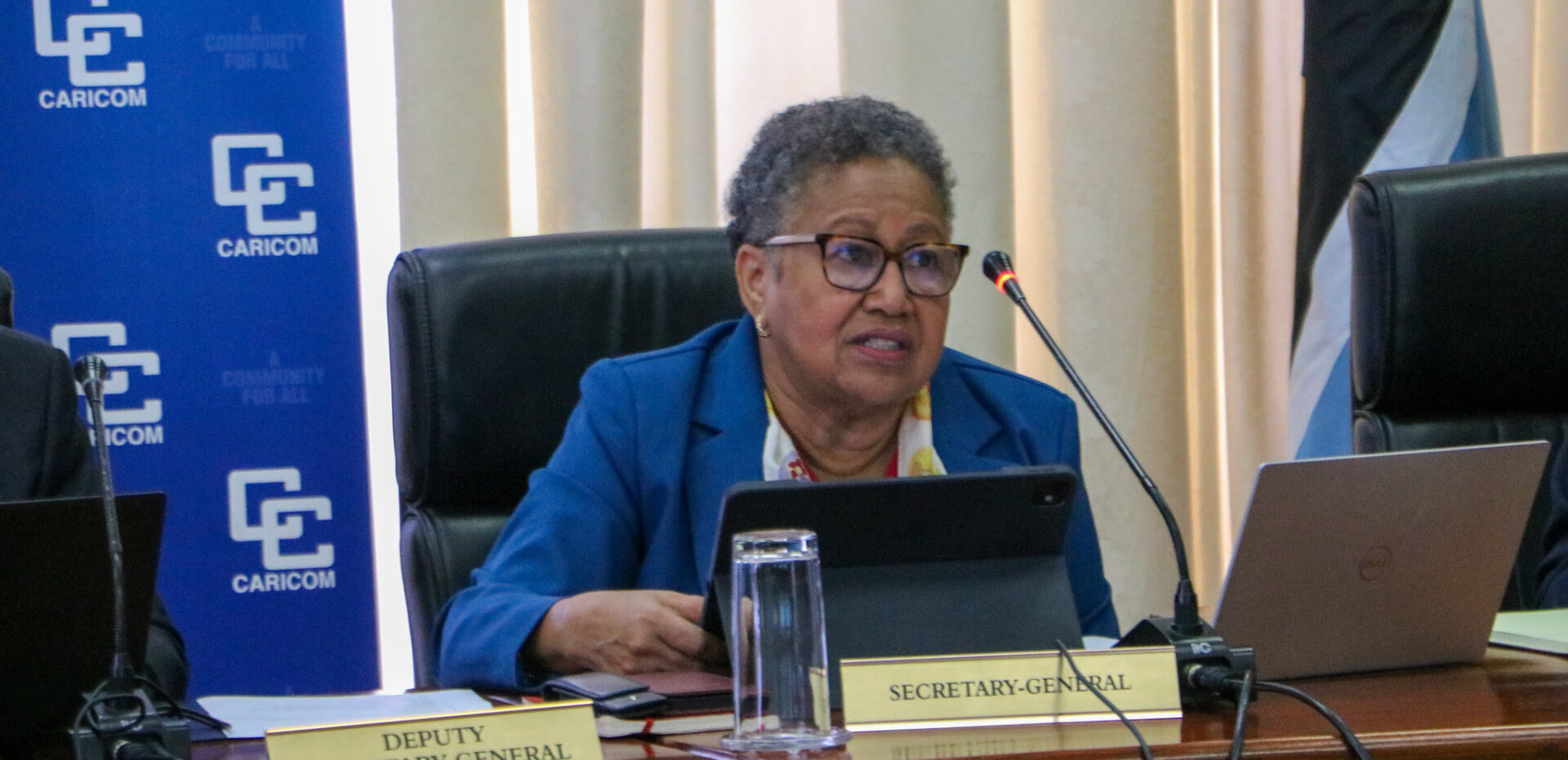
    At the 56th Community Council of Ministers meeting in Georgetown, Guyana, CARICOM Secretary-General Dr. Carla Barnett commended Jamaica for maintaining strong regional engagement while navigating complex recovery operations following Hurricane Melissa’s devastating impact. The Category Five hurricane struck Jamaica on October 28 with sustained winds reaching 185 mph, creating significant challenges for the island nation.

    Jamaican Foreign Minister Kamina Johnson Smith presided over the December 16 meeting, where Dr. Barnett expressed solidarity with Jamaica’s reconstruction efforts. Minister Johnson Smith detailed the hurricane’s severe consequences, noting it represented both the strongest hurricane to directly hit Jamaica and the first Category Five storm in the nation’s recorded history.

    The Foreign Minister expressed profound gratitude for the regional support system, specifically acknowledging personnel deployments, technical assistance through CARILEC for electricity restoration, and ongoing reconstruction work by the Guyana Defence Force in Westmoreland. “The support has been overwhelming. The goodwill has been heartwarming,” Johnson Smith stated, emphasizing how CARICOM’s unified response demonstrates the community’s strength and cohesion.

    Minister Johnson Smith connected Hurricane Melissa’s destruction to broader climate change vulnerabilities affecting the Caribbean region, particularly noting its occurrence following Hurricane Beryl’s earlier impact. She stressed the urgent necessity for comprehensive climate action and resilience-building initiatives, including advocacy for climate justice.

    Looking toward 2025, Secretary-General Barnett outlined CARICOM’s strategic priorities, highlighting climate change and climate finance as central concerns alongside ongoing challenges related to crime and violence, health systems, and the situation in Haiti. Additional focus areas include implementing the CARICOM Single Market and Economy (CSME), advancing information and communication technology including artificial intelligence, ensuring food and nutrition security, promoting youth development, and strengthening foreign relations.

    Dr. Barnett reaffirmed the Secretariat’s commitment to enhancing operational efficiency and aligning strategic initiatives with the Revised Treaty of Chaguaramas to deepen economic integration throughout the region amidst evolving global challenges.


  • Banks Beer presents 2025 Isuzu D-Max to Christmas competition winner

    Banks Beer presents 2025 Isuzu D-Max to Christmas competition winner

    In an extraordinary display of holiday generosity, Banks Beer transformed an ordinary Wednesday into a life-changing event for Lisa Morris. The beverage company orchestrated a surprise delivery of a brand-new 2025 Isuzu D-Max directly to her Swan Street workplace, fulfilling her automotive aspirations through their innovative QR code competition.

    Morris, who had consistently participated in the three-month promotional campaign, was overcome with emotion when the prize vehicle arrived. “I feel so excited. I was dreaming about this vehicle. I always wanted an upgrade,” she expressed, revealing her weekly participation through numbered bottle caps.

    The marketing initiative, which ran from August through November, generated unprecedented engagement according to Jenelle Jermain, Marketing Manager of SLU Beverage Limited. “We had a tremendous response with over 30,000 entries and more than 7,000 premiums awarded,” Jermain noted, highlighting the campaign’s global significance. “SLU Beverages and Banks Barbados Breweries Limited are the second company worldwide to execute an ‘Under the Crown’ QR campaign.”

    Beyond the vehicle, Morris received an enhanced prize package including $1,000 in SOL gas vouchers presented as a holiday bonus and an additional set of four tires. Jermain confirmed that SLU Beverages will manage all registration and licensing procedures to ensure prompt delivery of the vehicle to its thrilled new owner.

    The surprise delivery culminated months of promotional activity that combined traditional product engagement with digital innovation, creating what company representatives described as an overwhelmingly successful consumer outreach program.

  • Maduro speaks to U.N. Secretary General about regional tensions in wake of U.S. attacks

    Maduro speaks to U.N. Secretary General about regional tensions in wake of U.S. attacks

    Venezuelan President Nicolás Maduro Moros has initiated high-level diplomatic communications with United Nations Secretary-General António Guterres amid deteriorating security conditions in the Caribbean basin. This strategic telephone dialogue occurred following a series of lethal military operations conducted by United States naval forces against Venezuelan-flagged vessels.

    The U.S. government has formally characterized these strikes as targeted interventions against narcotics trafficking networks operating throughout the southern Caribbean maritime routes. Official statements from Washington maintain that these operations specifically aimed to disrupt sophisticated drug smuggling operations allegedly facilitated through Venezuelan maritime channels.

    According to detailed readouts from UN headquarters, Secretary-General Guterres articulated critical positions regarding international legal frameworks during the exchange. The diplomatic conversation emphasized the fundamental necessity for all UN Member States to uphold their established obligations under international law, particularly those enshrined within the United Nations Charter.

    The Secretary-General further advocated for measured diplomatic approaches, explicitly encouraging both parties to exercise maximum restraint. Guterres stressed the urgent need for de-escalation mechanisms to preserve regional peace and stability, highlighting the UN’s readiness to facilitate dialogue between the involved nations. This development marks a significant escalation in international attention to Caribbean security matters, with potential implications for multilateral relations throughout the Western Hemisphere.

  • Thorne: Govt undermining civil service independence

    Thorne: Govt undermining civil service independence

    In a sweeping critique delivered before the House of Assembly, Opposition Leader Ralph Thorne launched a vehement condemnation of the Mia Mottley administration’s appointment practices, alleging systematic erosion of institutional independence within Barbados’ civil service and judiciary.

    Thorne articulated profound concerns regarding the government’s propensity for installing departmental heads and even judicial figures on limited three to four-year contractual terms. He characterized this approach as a form of political interference that fundamentally compromises the autonomy of public servants. The practice, he contended, creates an environment where senior appointees prioritize contract renewal over providing impartial, objective counsel to political leadership.

    While acknowledging the Public Service (Appointments) Bill as a ‘noble’ legislative measure that would secure permanent positions for over 2,000 civil servants—including 1,170 temporary workers—and facilitate more than 900 promotions, Thorne maintained that the public service remains in a state of significant turmoil. He suggested the timing of this legislation appeared strategically aligned with impending general elections rather than genuine administrative reform.

    The opposition leader detailed widespread frustration throughout the public service hierarchy, attributing this discontent to the government’s policy of ‘planting’ contract-based personnel at senior departmental levels. Thorne emphasized that the historical integrity of Barbados’ civil service rested upon security of tenure, which enabled public officers to deliver independent advice without employment insecurity. He starkly contrasted traditional appointments ‘by status’ with the current administration’s contractual approach, which he believes undermines established public service traditions.

    Thorne delivered a pointed reminder to civil servants that their employment exists independently of Cabinet members, stating ministers are not their employers but rather policy directors. He issued a direct caution to government ministers against operational interference within departments, urging them to ‘stay out of the people’s places of work.’

    Expanding his critique beyond administrative structures, Thorne addressed systemic issues in education and law enforcement. He reported that teachers across the island experience severe burnout, noting educators frequently assume surrogate parental roles by providing lunch for students. Thorne challenged the government’s economic prosperity narrative, asserting that in a genuinely ‘buoyant’ economy with seventeen consecutive growth quarters, no child should attend school hungry.

    Regarding law enforcement, Thorne acknowledged the government’s introduction of substantial detective allowances but warned this measure has created problematic divisions between detectives and uniformed officers within the Barbados Police Service, potentially undermining operational cohesion.

  • Employers urged to adopt sign language in the workplace

    Employers urged to adopt sign language in the workplace

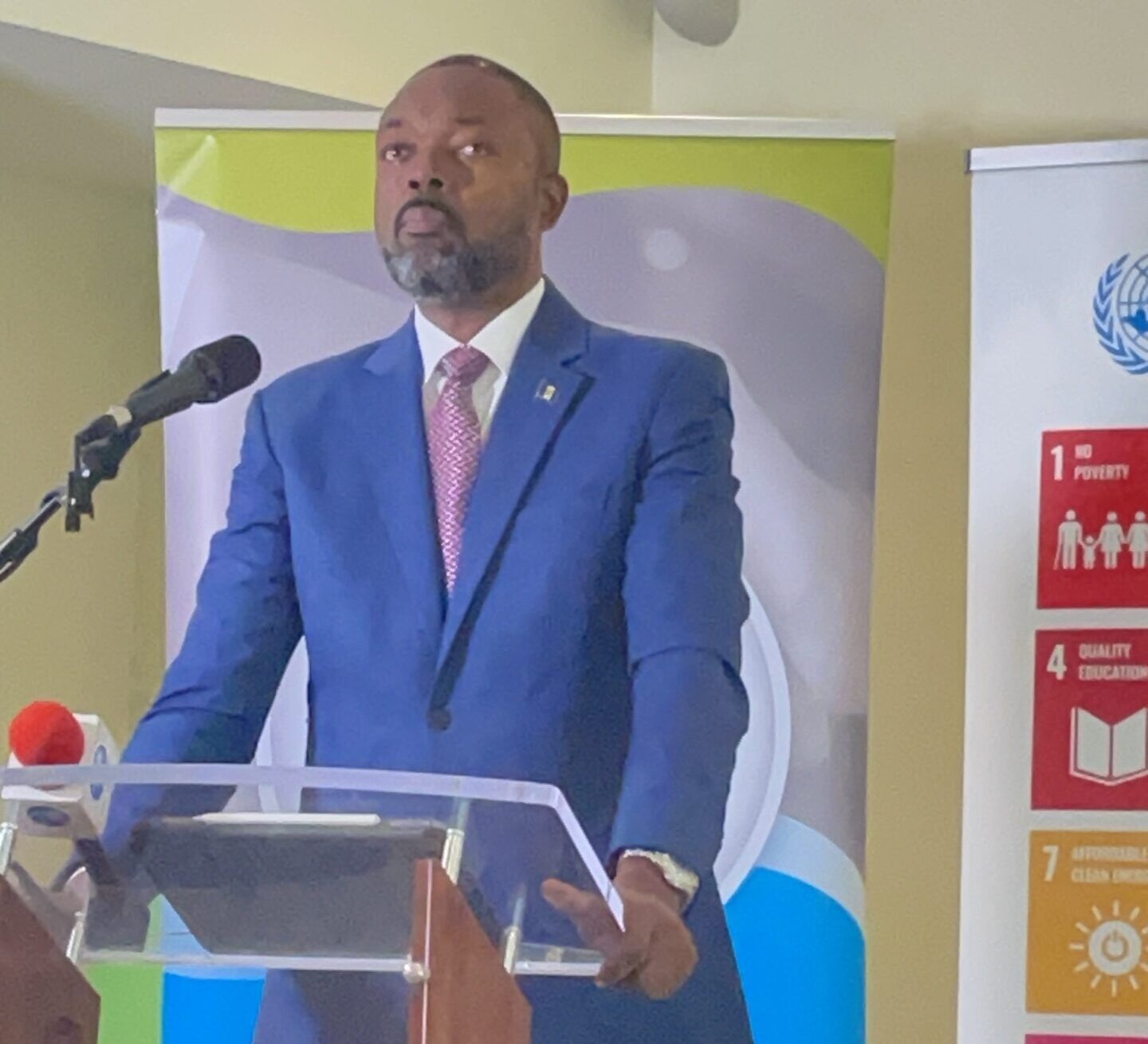
    Barbados is spearheading a transformative workplace inclusion initiative, with government officials and disability advocates urging employers to integrate sign language training as a standard organizational requirement. The campaign gained momentum during a specialized Disability Sensitivity Training session hosted by the Ministry of Labour, Social Security and Third Sector in collaboration with the United Nations, held Wednesday at Courtyard by Marriott in Hastings, Christ Church.

    Minister Colin Jordan articulated a strategic vision for organizational accessibility, proposing that sign language proficiency should mirror established workplace safety protocols. “Similar to CPR and first-aid requirements, we need designated staff members equipped with sign language skills across all departments,” Jordan emphasized. He clarified that while universal training remains impractical, creating communication access points through trained personnel is both feasible and essential.

    The training session revealed profound communication challenges facing the deaf community, with Barbados Council for the Disabled representative Heather Gazette-Corbin detailing the isolating nature of hearing impairment. “Hearing loss creates profound isolation—individuals experience internal struggles they cannot verbally express,” she explained, noting critical safety implications including limited emergency service access.

    Gazette-Corbin addressed prevalent misconceptions, clarifying terminology preferences within the community: “deaf” for congenital hearing loss and “hard of hearing” for acquired conditions, while strongly discouraging outdated terms like “dumb.” She dismantled the myth of lip-reading reliability, demonstrating how even common phrases can be misinterpreted without contextual clues.

    The presentation introduced the concept of the “deaf nod”—a social adaptation where individuals pretend comprehension to avoid disruption—and provided practical communication guidelines including maintained eye contact, clear visual access to mouths, and information rephrasing.

    Addressing safety concerns frequently cited by employers, Gazette-Corbin presented counterintuitive findings: “Deaf individuals often detect emergencies through vibrations and visual cues before hearing colleagues become aware. Fire alarms can be supplemented with flashing light systems that benefit all employees, especially as age-related hearing decline occurs.”

    The representative concluded with compelling testimony about workplace capabilities: “Deaf employees demonstrate exceptional commitment and productivity when provided appropriate accommodations. Their performance consistently exceeds expectations when communication barriers are removed.”

    This training initiative represents a cornerstone in Barbados’ broader strategy to implement inclusive employment practices, with additional sensitization sessions planned nationwide to improve accessibility for people with disabilities.

  • BTMI celebrating partners during Yuletide season

    BTMI celebrating partners during Yuletide season

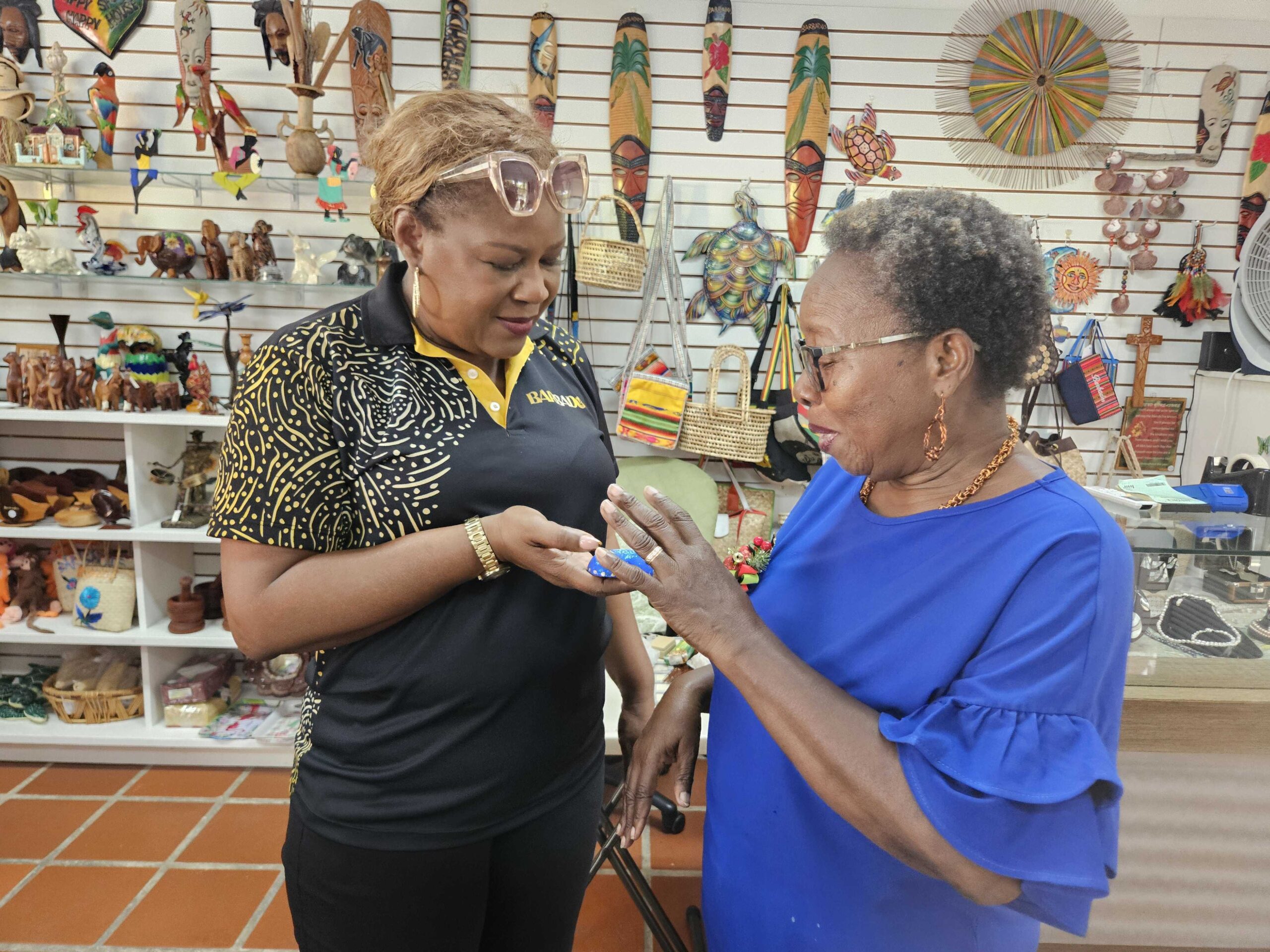
    In a strategic move to synchronize with the winter tourism season’s commencement, Barbados Tourism Marketing Inc. (BTMI) has rescheduled its annual Tourism Week from September to December. According to Marsha Alleyne, BTMI’s Chief Product Development Officer, this recalibration intentionally reflects evolving industry dynamics and shifting visitor patterns while amplifying opportunities for tourist participation.

    The revamped schedule, spanning December 14 to 21, is designed to honor tourism employees, entrepreneurs, and enduring partners who sustain the sector year-round. Alleyne emphasized BTMI’s commitment to innovation and adaptive strategies during a media interaction at Pelican Island, noting that the repositioning allows the festivities to harness the heightened energy of the peak tourist period.

    Central to the celebrations is the Community Tourism Caravan, an initiative facilitating direct engagement with local villages and towns. This outreach combines tourism advocacy with seasonal goodwill, spreading Christmas cheer across communities. The week commenced with a dedicated church service at Mount of Praise Wesleyan Holiness Church, seeking divine favor for the industry’s prosperity.

    Visitor appreciation activities are strategically organized at key entry points, including the Bridgetown Port and Grantley Adams International Airport, underscoring the growing significance of cruise tourism. Alleyne revealed that BTMI is leveraging print and social media to spotlight industry stalwarts and long-serving partners, reinforcing their invaluable contributions.

    Furthermore, BTMI is collaborating with Export Barbados to revitalize the rebranded Pelican Island (formerly Pelican Village) as a bustling hub for visitor experiences, particularly during high-traffic cruise calls such as New Year’s Eve. This partnership aims to showcase local products and cultural offerings, transforming the area into a vibrant destination within the cruise terminal and its surroundings.

    The festivities, enriched by traditional tuk band music and Mother Sally performances, align with this year’s theme: ‘Tourism and Sustainable Transformation.’ This focus highlights the sector’s role in fostering sustainable livelihoods, empowering local entrepreneurs, and driving community development while preserving cultural heritage.

  • Dominica’s Calypso Monarch Joy Stoute to vie for ‘Queen of Queens’ title

    Dominica’s Calypso Monarch Joy Stoute to vie for ‘Queen of Queens’ title

    Dominica’s reigning Calypso Monarch, Joy Stoute, is poised to represent her nation at the prestigious Queen of Queens Regional Female Calypso Competition in Montserrat on December 30th. The event, orchestrated by the Montserrat Arts Council as a highlight of the island’s 2025 Carnival celebrations, serves as a convergence point for the Caribbean’s most accomplished female calypsonians.

    This cultural showcase is designed to promote artistic excellence, foster cultural dialogue, and strengthen regional bonds through the powerful medium of calypso music. Participants will be evaluated across multiple criteria including lyrical depth, musical composition, stage dynamism, and overall interpretive delivery. Each artist must perform two original compositions to demonstrate their creative range.

    Stoute, performing under her stage name ‘Joy,’ will present two critically acclaimed pieces: ‘My Quest for Love’ and ‘The Ground We Walking On.’ These compositions were instrumental in securing her national title earlier this year and have subsequently resonated with audiences throughout the Caribbean region.

    In prepared statements, Joy conveyed both honor and determination regarding her upcoming performance. ‘Representing Dominica on a regional stage is both an honour and a responsibility,’ she stated. ‘Calypso has always been a voice for the people, and I am proud to carry our stories, our culture, and our flag to Montserrat.’

    The artist emphasized the critical importance of regional platforms for calypso’s preservation amid growing challenges to the art form’s sustainability across the Caribbean. ‘Now more than ever, we must think of calypso beyond Dominica,’ Joy remarked, highlighting concerns about the potential erosion of this cultural tradition without continued exposure and support.

    Dominica maintains a strong legacy in the competition, with previous representatives including 2024 participant Shanice Langford (stage name Shanice) and 2022 first runner-up Tasha ‘Tasha P’ Peltier, the island’s first female calypso monarch. With confident preparation and institutional backing from the Dominica Calypso Association, Joy aims to deliver a historic performance that could secure Dominica’s first Queen of Queens title.

  • LIVE: Night 2 Reflections on Prayer with Bishop Forbes

    LIVE: Night 2 Reflections on Prayer with Bishop Forbes

    The European Union has officially enacted the groundbreaking Artificial Intelligence Act, establishing the world’s first comprehensive regulatory framework for artificial intelligence technologies. This landmark legislation, approved by the European Parliament with overwhelming support, categorizes AI systems according to their risk levels and implements corresponding regulatory requirements.

    The revolutionary legislation employs a risk-based classification system that prohibits certain AI applications deemed unacceptable due to their threat to fundamental rights. These prohibited applications include cognitive behavioral manipulation, social scoring systems, and real-time remote biometric identification in publicly accessible spaces for law enforcement purposes—with limited exceptions for serious crime prevention.

    High-risk AI systems, encompassing critical infrastructure, medical devices, and educational applications, must satisfy stringent requirements including risk assessment, high-quality data sets, activity logging, detailed documentation, human oversight, and exceptional levels of accuracy and cybersecurity. Transparency obligations mandate that AI systems interacting with humans must disclose their artificial nature, while deepfakes and AI-generated content must be clearly labeled as such.

    The legislation establishes a European Artificial Intelligence Board to facilitate implementation and creates regulatory sandboxes to support innovation. Non-compliance triggers substantial penalties ranging from €35 million or 7% of global turnover for prohibited AI violations to €15 million or 3% for incorrect information supplying.

    This regulatory framework represents the most significant attempt to date to balance AI innovation with fundamental rights protection, potentially establishing a global standard for AI governance as technology continues to evolve at an unprecedented pace.

  • GHTA holds 62nd Annual General Meeting

    GHTA holds 62nd Annual General Meeting

    The Grenada Hotel and Tourism Association (GHTA) marked a significant milestone with its 62nd Annual General Meeting, convening under the forward-looking theme “Building Resilience: Sustainable Tourism, Empowered Communities.” The gathering served as a pivotal platform for industry leaders to assess progress, establish new governance, and outline strategic priorities for the nation’s vital tourism sector.

    Featured speakers included the Honourable Adrian Thomas, Minister of Tourism, Culture and the Creative Economy, and Stacey Liburd, CEO of the Grenada Tourism Authority. Both officials provided crucial insights into the strategic trajectory of Grenada’s tourism landscape and emphasized collaborative approaches to sustainable development.

    GHTA Chief Executive Officer Arlene Friday articulated the association’s visionary outlook, stating: “Our collective efforts extend beyond industry development—we are building an enduring legacy. Through community empowerment and sustainable practices, we are shaping a prosperous future for Grenada. Our ongoing priorities include strengthening collaborative partnerships, delivering enhanced value to members, and solidifying Grenada’s status as a premier Caribbean destination.”

    The assembly witnessed democratic transitions in leadership with the election of six new board members representing key industry segments. The newly appointed directors include:

    • Hotel Directors: Kendra Hopkin Stewart and Debbie Antoine
    • Affiliate Directors: Carlene Woodroffe and Marie Fielden
    • Tourism Directors: Mandoo Seales and Aaron Sylvester

    A highlight of the proceedings was the presentation of Tourism Enhancement Fund (TEF) scholarships to recipients Ciara Whiteman and Jaden Dominique. Current scholarship awardee Tia Thomas delivered an inspirational address to the new recipients, emphasizing: “This award represents more than financial support—it signifies profound belief in your potential. The entire industry recognizes your capabilities. How you leverage this opportunity matters tremendously. Approach your journey with preparation, responsibility, and initiative. Maximize every learning experience to develop professionally, and recognize the significant impact you can create within your communities and Grenada’s broader tourism ecosystem.”

    The TEF initiative continues to demonstrate its commitment to nurturing Grenada’s future hospitality leaders by supporting students pursuing careers within the sector.

    Concluding the meeting, GHTA President Elvis Lewis issued a compelling call to action, urging members to actively participate in association growth through membership expansion. “Our collective strength derives from unity,” Lewis emphasized, advocating for sustained collaboration to advance the interests of Grenada’s tourism industry.

    The GHTA reaffirmed its dedication to promoting excellence, innovation, and cross-sector collaboration throughout Grenada’s hospitality and tourism landscape.

  • Senator Says Cancer Center Reopening Will Spare Patients Overseas Treatment

    Senator Says Cancer Center Reopening Will Spare Patients Overseas Treatment

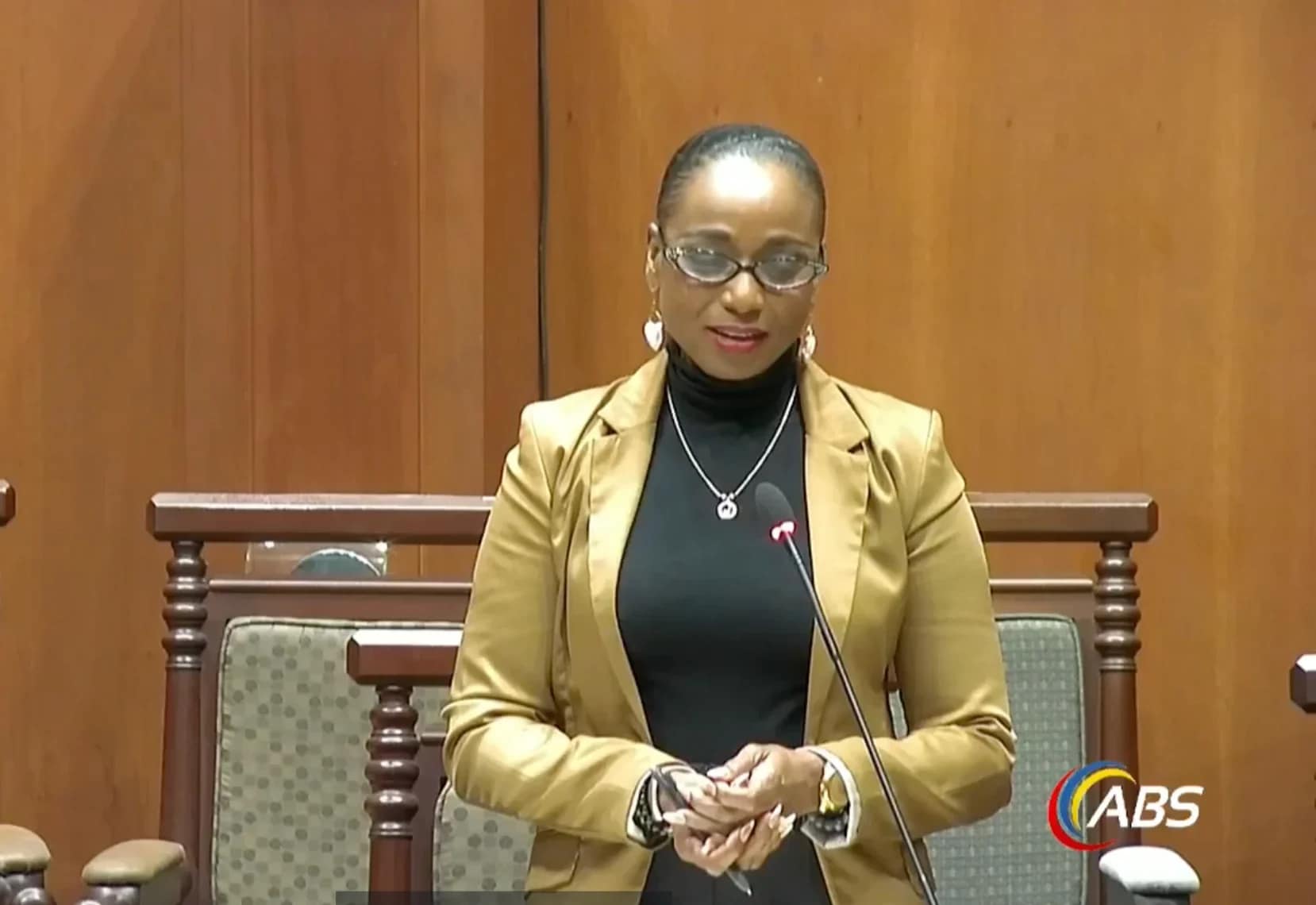
    In a powerful address to the Senate during the 2026 budget deliberations, Independent Senator Jamilla Kirwan framed healthcare accessibility as a fundamental human dignity issue. Drawing from her dual perspective as both a cancer survivor and family member of a cancer patient, Kirwan welcomed the anticipated first-quarter 2026 reopening of Antigua and Barbuda’s cancer treatment facility while issuing substantive cautions about long-term sustainability.

    The Senator characterized the center’s operationalization as a transformative development for the nation’s health services and the broader OECS region. Once functional, the facility will eliminate the necessity for patients to seek radiation treatment abroad, primarily in Colombia, thereby alleviating substantial financial burdens and emotional distress during already challenging times.

    Kirwan specifically endorsed the government’s commitment to subsidize treatment costs for local patients, emphasizing that life-saving care should not be contingent upon financial capacity. Her testimony revealed profound personal dimensions, recounting her own chemotherapy treatments coinciding with her mother’s cancer diagnosis that required overseas surgery.

    Beyond the celebratory aspect of the reopening, the Senator articulated critical prerequisites for success. She emphasized that sophisticated radiation technology demands rigorous maintenance protocols, describing preventative upkeep as non-negotiable for patient safety and equipment reliability. Kirwan warned that without established responsibility frameworks and consistent oversight, expensive medical infrastructure risks rapid deterioration, ultimately compromising care quality and public trust.

    The Senator advocated for a paradigm shift in healthcare management, urging that maintenance be treated as strategic investment rather than reactive expense. She highlighted the necessity of long-term planning over emergency repairs, noting that neglect inevitably results in higher costs and inferior patient outcomes.

    Kirwan further emphasized the vital role of public-private partnerships in healthcare delivery, particularly for specialized treatments where time-sensitive access proves decisive. Connecting these concerns to broader budgetary considerations, she challenged the government to balance service expansion with sustainable maintenance capacity, positioning the cancer center reopening as both an infrastructure milestone and a test of the nation’s commitment to equitable, people-centered healthcare.