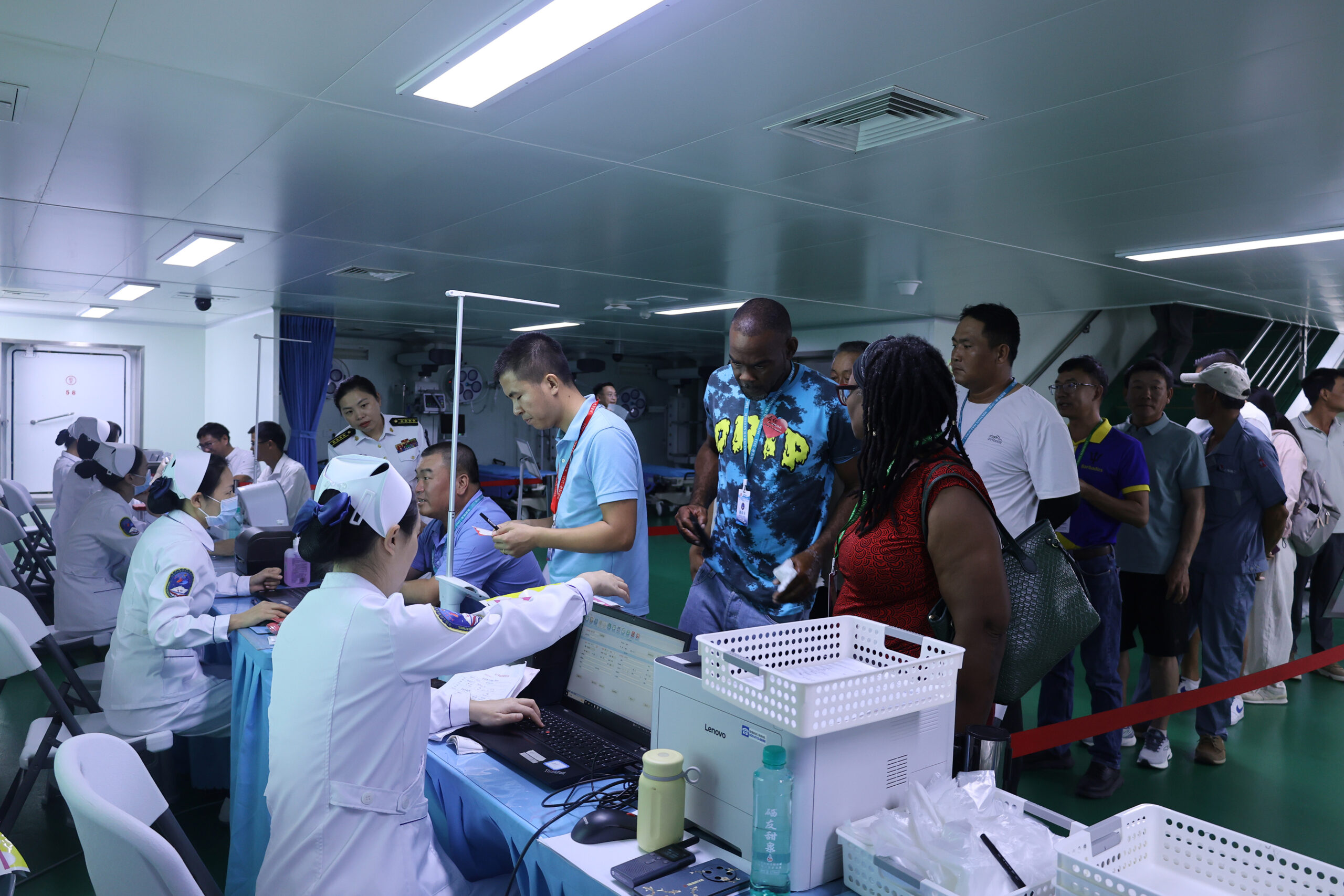
The Chinese Navy’s hospital vessel Ark Silk Road concluded its seven-day medical mission in Barbados with officials celebrating its achievements while acknowledging significant public discontent over operational challenges. According to naval authorities, the floating medical facility delivered substantial healthcare services during its Caribbean stopover, performing 202 surgical procedures, conducting 2,127 diagnostic examinations, and providing outpatient consultations to 2,455 patients.
作者: admin
-

De Bear wins Montserrat Calypso Finals 2025
In a spectacular display of musical artistry and cultural celebration, De Bear emerged victorious at the Montserrat Calypso Finals 2025, capturing the coveted Calypso Monarch title with an impressive 889 points. The prestigious competition, a cornerstone of the island’s cultural festivities, showcased ten exceptional finalists who masterfully blended sharp social commentary, lyrical wit, and exceptional musical craftsmanship.
The event culminated in a thrilling points battle that saw Kenzie claim first runner-up position with 840 points, while Sylk secured second runner-up honors with 806 points. Maggie D narrowly missed the podium, finishing fourth with 799 points in what organizers described as one of the most competitive fields in recent memory.
Additional rankings revealed Yogi Laser and Bimshaw in fifth and sixth places with 742 and 740 points respectively, followed by Boxer (714 points) in seventh position. Dardo captured eighth place with 694 points, while Blessings finished ninth with 693 points—just a single point behind his closest competitor. Black Pearl completed the talented lineup in tenth position with 677 points.
The Calypso Finals continue to serve as both entertainment and social mirror, preserving Montserrat’s rich musical heritage while providing an essential platform for storytelling, satirical expression, and meaningful social reflection. Event organizers emphasized the exceptionally high standard of competition, noting that the narrow point margins demonstrated the remarkable depth of talent within Montserrat’s calypso community and the vibrant health of this traditional art form.
-

Antigua and Barbuda Airport Handles 14 International Flights in Single Day
Antigua and Barbuda’s primary aviation gateway, the V.C. Bird International Airport (ANU), has marked a significant milestone in post-pandemic recovery and regional travel resurgence. On a single day, the airport’s operations team successfully managed an influx of 14 international flights, signaling a robust return of tourism and connectivity to the twin-island nation.
This operational achievement underscores a strategic enhancement in the airport’s logistical capabilities and its pivotal role as a central hub for Eastern Caribbean travel. The flights originated from a diverse array of key markets, including major cities in the United States, Canada, the United Kingdom, and regional Caribbean neighbors. The efficient processing of this high volume of arrivals and departures demonstrates the airport’s commitment to maintaining stringent safety and service standards amidst increasing passenger traffic.
Aviation authorities attribute this surge to a combination of factors: the peak winter tourist season, restored confidence in international travel, and the destination’s popular tourism offerings. The successful handling of this traffic density highlights the airport’s upgraded infrastructure and the effective coordination between air traffic control, ground handling services, immigration, and customs personnel. This event is widely viewed as a strong economic indicator for Antigua and Barbuda, foreshadowing a positive trajectory for the nation’s vital tourism sector and its overall economic revitalization.
-
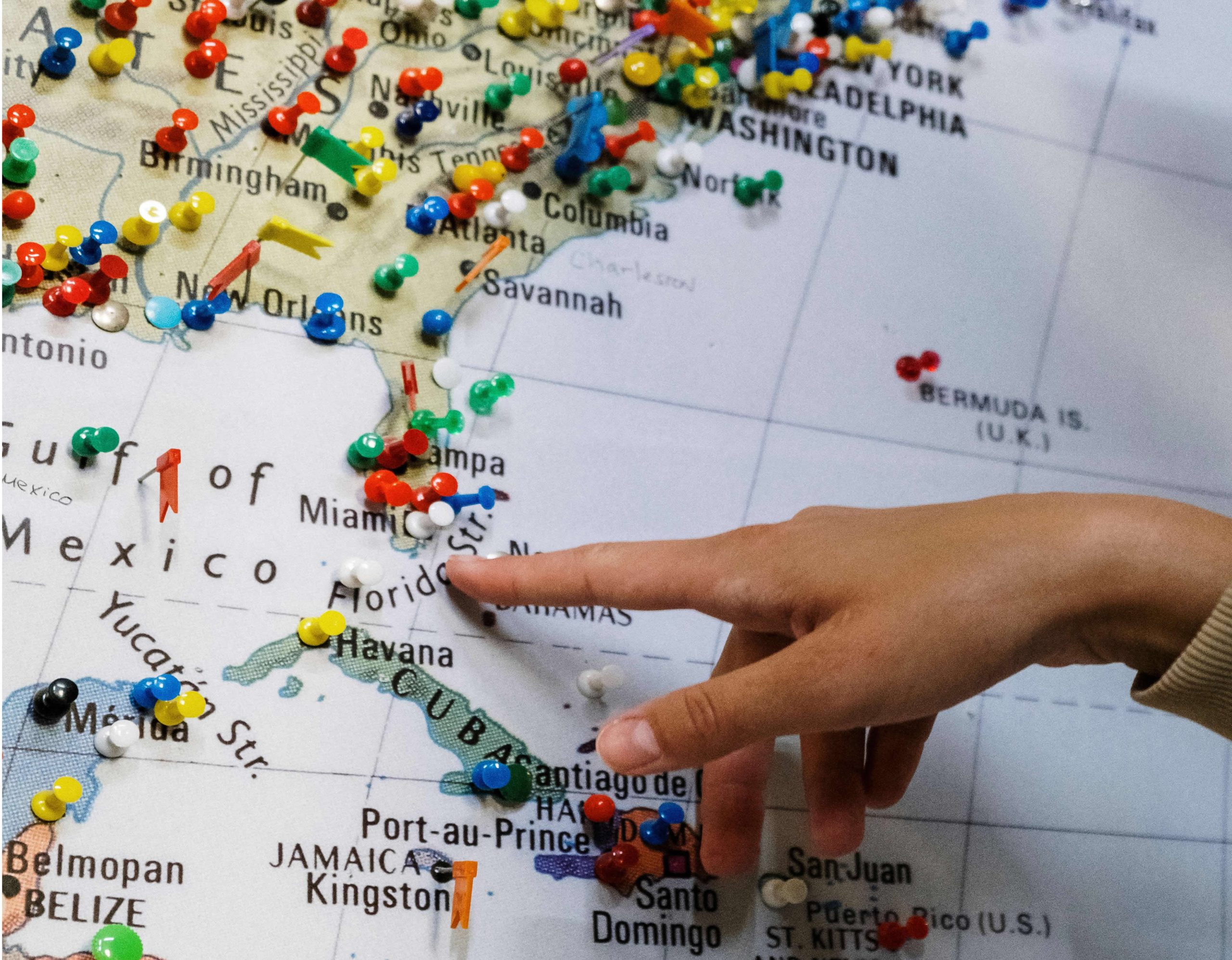
From Remittances to IP: The Dominican Republic’s Next Economic Play
Beyond the sun-drenched resorts and bustling construction sites lies the Dominican Republic’s most potent economic force—a global network of nearly three million diaspora citizens generating transformative potential that remains largely untapped by domestic policymakers.
While official narratives celebrate record tourism and resilient remittances, the country faces a critical development crossroads. The World Bank acknowledges the nation’s exceptional growth—tripling the Latin American average over two decades—but warns this progress stems from factor accumulation rather than productivity gains. With climate vulnerability ranking among the world’s highest and human capital potential stagnating at 50%, traditional growth models are hitting their limits.
The statistics reveal both promise and paradox: $10.76 billion in annual remittances represent 8.6% of GDP, dwarfing the global average of 5%. Yet this substantial flow merely scratches the surface of what the diaspora represents—a distributed national asset comprising engineers in New Jersey, fintech specialists in Madrid, and logistics experts in Panama operating within advanced economies.
This global Dominican network represents what development economists call ‘the multiplier effect’—potential co-authors of a new economic paradigm based on intellectual property, digital infrastructure, and knowledge exports rather than traditional sectors. Their combined capabilities in software development, data science, and international business operations could catalyze the productivity revolution the country desperately needs.
However, systemic barriers prevent this transformation. Political establishments accustomed to celebrating remittance figures as success metrics resist redefining economic contribution beyond cash transfers. The concept of diaspora-originated IP as legitimate exports threatens existing power structures built on physical assets and traditional foreign direct investment.
Strategic recommendations emerging from expert analysis include:
1. Formal recognition of software, algorithms, and digital platforms as strategic export categories
2. Creation of diaspora co-investment vehicles targeting IP-intensive ventures rather than real estate
3. Corporate innovation mandates connecting domestic firms with diaspora technical expertise
4. Institutional representation for diaspora operators in economic planning entitiesThe path forward requires acknowledging that the most valuable Dominican exports may not emerge from free zones but from collaborative networks spanning Santiago, Queens, and Barcelona. This distributed innovation model represents not just economic opportunity but a fundamental reimagining of national development in an increasingly digital global economy.
-

One of three detainees still on the run after St John’s police station escape
Authorities in St John’s are intensifying their search for Dante Hunkins, a resident of Golden Grove, who remains the sole fugitive following a coordinated escape from police custody. The incident occurred at approximately 5:00 PM last Saturday within the lock-up facilities of the St John’s Police Station.
According to official reports, Hunkins was one of three detainees who managed to breach their confinement. His two accomplices, Devonjay Bird and Pete Cummings, both from Nut Grove, were successfully apprehended by law enforcement on Monday. Their recapture has provided investigators with critical details about the escape method, which involved damaging a section of the cell.
Police officials have announced that Bird and Cummings will now face additional charges beyond their original allegations. These new charges include escaping lawful confinement and malicious damage to property, reflecting the severity of their actions.
The community is now being called upon to assist in locating Dante Hunkins. Law enforcement has urged anyone with potentially relevant information to immediately contact the Criminal Investigations Department at 462-3913 or 462-3914. Alternatively, tips can be submitted anonymously through Crime Stoppers at 800-TIPS (8477). The public is advised not to approach the individual but to report any sightings directly to authorities.
-

Government sets course for sweeping digital overhaul
The Barbadian government has unveiled a comprehensive digital modernization strategy targeting 2026 as a pivotal year for technological advancement. Spearheaded by the Ministry of Industry, Innovation, Science and Technology, the initiative represents a fundamental restructuring of the nation’s digital infrastructure and economic framework.
Senator Jonathan Reid outlined the three-pillar approach that forms the foundation of this transformation. The primary focus centers on GovTech implementation, accelerating the digitization of essential government services through monthly onboarding of new digital platforms. This extends beyond basic digitization to incorporate sophisticated cloud infrastructure, open API frameworks, and advanced data management systems.
The digital identity ecosystem will undergo significant enhancement, with plans for expanded digital identification and mobile ID systems. These developments aim to create a more secure and efficient digital environment for citizens while facilitating increased economic activity built upon Barbados’s emerging digital capabilities.
Heightened cybersecurity measures form a critical component of the strategy, particularly following the 2024 Barbados Revenue Authority breach that compromised sensitive citizen data. The government is prioritizing defense system fortification through the National Cybersecurity Unit, which collaborates with both domestic military cyber experts and international cybersecurity specialists.
The second strategic pillar involves an aggressive reindustrialization agenda targeting high-value, digitally-enabled production. Barbados aims to reverse its decades-long deindustrialization trend by investing in artificial intelligence, life sciences, additive manufacturing, and 3D printing technologies. Concurrently, the government is pursuing status as a global logistics hub to enhance international competitiveness and potentially reduce living costs through improved goods management.
The third component focuses on establishing Barbados as a center for advanced scientific research. The ministry is cultivating partnerships with prestigious international institutions including the University of Tokyo and University of Waterloo, while expanding existing collaborations with the University of the West Indies. These alliances aim to position Barbados as a launchpad for globally impactful research and technological solutions.
-
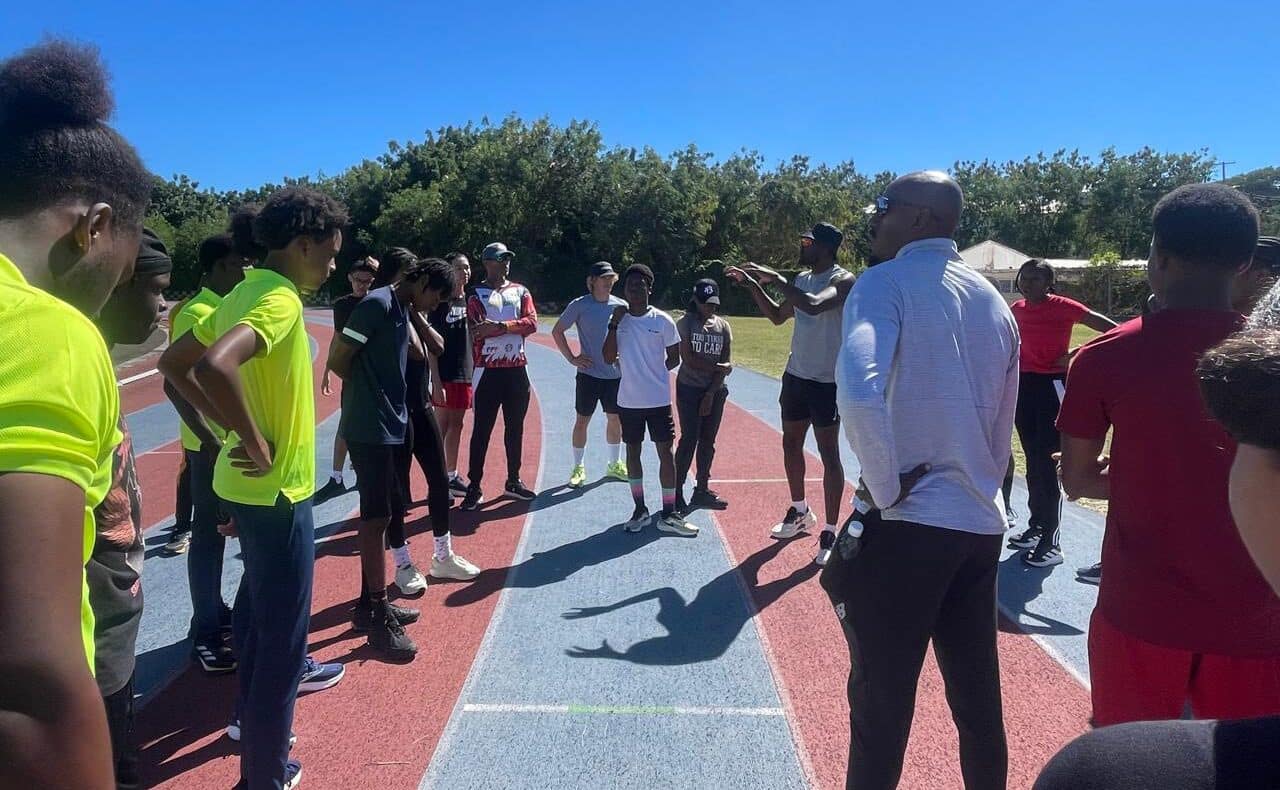
Rai Benjamin leads youth athletics clinic at YASCO Sports Complex
Olympic hurdling champion Rai Benjamin has commended the vibrant energy displayed by emerging talents during an intensive training clinic held at YASCO Sports Complex on December 29, 2025. The specialized event provided a platform for promising athletes to gain firsthand experience under the guidance of Benjamin and his elite training consortium.
The clinic commenced with an interactive meet-and-greet session, allowing participants to engage directly with the Olympic medalist and his team members. Following introductory exchanges, attendees participated in a meticulously structured warm-up routine preparing them for subsequent activities.
A rotational circuit training format exposed athletes to diverse disciplines specifically crafted to enhance velocity, explosive power, and technical proficiency. Training modules incorporated plyometric conditioning, precision block start techniques, long jump form refinement, hurdle navigation drills, and seamless relay baton exchanges.
Event coordinators emphasized the program’s dual objective: introducing adolescent athletes to elite performance methodologies while instilling essential values of disciplined practice and collaborative teamwork. The clinic concluded with participants receiving professional athletic equipment gifted by the Olympians, symbolizing both the culmination of the event and the continuation of their athletic journeys.
This initiative represents a strategic component within broader efforts to foster youth development through sports engagement, creating inspirational connections between aspiring athletes and world-class competitors to strengthen track and field’s future landscape.
-
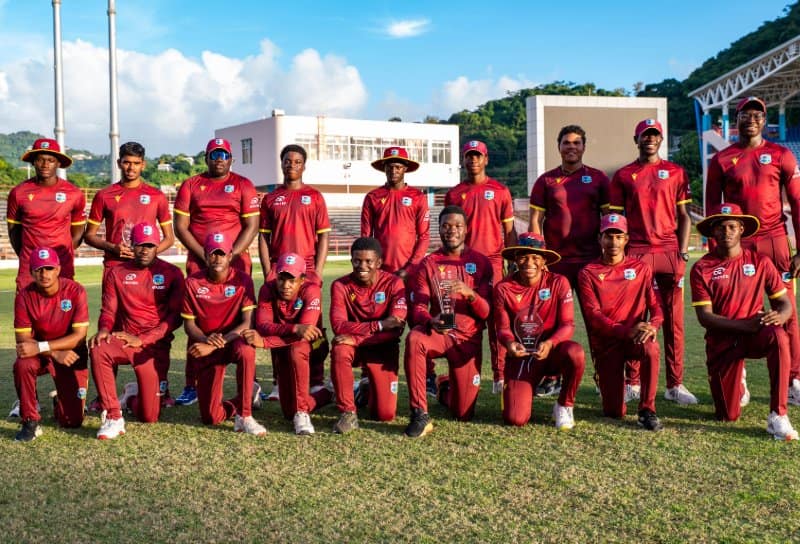
West Indies name squad for ICC Men’s U19 Cricket World Cup 2026
Cricket West Indies has officially revealed its 15-member Rising Stars Men’s Under-19 squad set to compete in the prestigious 2026 ICC Men’s U19 Cricket World Cup across Namibia and Zimbabwe from January 15 to February 6, 2026.
The selection represents the culmination of an extensive talent identification process that evaluated performances throughout regional competitions and critical international preparatory series. The young squad demonstrated exceptional form by securing consecutive series victories against formidable opponents—defeating England 5-2 in a recent Grenada-hosted Youth ODI series and overcoming Sri Lanka 4-3 in August-September encounters.
Leadership duties fall upon top-order batter Joshua Dorne, whose appointment as captain recognizes his outstanding performances across both regional circuits and youth international fixtures. Supporting him as vice-captain is all-rounder Jonathan van Lange, forming a strategic leadership duo.
The squad boasts significant international experience with several players having previously represented West Indies at youth level. Notably, Jewel Andrew brings valuable insight from the 2024 edition and has already made history as the youngest player to represent the senior team in both T20Is and ODIs.
CWI’s High Performance Manager Dwain Gill emphasized the strategic approach behind squad selection: “This group emerges from a deliberate, well-structured preparation and evaluation process. We meticulously monitored performances in Under-17 and Under-19 regional competitions, prioritizing identification of players with specialized skills and the adaptability essential for international cricket.”
Gill expressed confidence in the selected team, stating: “The outcome is a balanced and competitive squad, optimally positioned to excel at the Under-19 World Cup while contributing meaningfully to West Indies cricket’s long-term future.”
The team’s core strength draws from experienced players including Zachary Carter, Matthew Miller, Jakeem Pollard, Shaquan Belle, and Vitel Lawes—all instrumental in the recent home series triumphs. Emerging talents Micah McKenzie and Shamar Apple have secured their positions following impressive debuts in senior competitions and late-series inclusions against England.
West Indies will contest Group D matches against South Africa, Afghanistan, and Tanzania at Windhoek’s High-Performance Oval. Preparatory warm-up matches against Ireland and Japan are scheduled for January 10 and 13 respectively. The tournament structure will see top three teams from each group advance to the Super Six phase, culminating in semi-finals on February 3-4 and the championship final at Harare Sports Club on February 6.
Full Squad: Joshua Dorne (captain), Jewel Andrew, Shamar Apple, Shaquan Belle, Zachary Carter, Tanez Francis, R’jai Gittens, Vitel Lawes, Micah McKenzie, Matthew Miller, Isra-el Morton, Jakeem Pollard, Aadian Racha, Kunal Tilokani, Jonathan Van Lange
Reserves: Brendan Boodoo, Tyriek Bryan, Earsinho Fontaine, Deshawn James
Management Team: Head Coach Rohan Nurse, Assistant Coaches Jerome Taylor and Nikita Miller, Physiotherapist Kwayne Dalrymple, Strength & Conditioning Coach Shayne Cooper, Team Doctor Dr. Dwain Archibald, Manager Clint St Hill
-

Regional service set to get off the ground next year, SBA hopeful
After years of developmental delays and financing challenges, the long-anticipated regional ferry service connecting Caribbean nations is poised for potential realization in 2026. The Small Business Association (SBA) has emerged as a pivotal supporter of the Connect Caribe initiative, positioning the project as a cornerstone of its strategic export development agenda.
Dr. Lynette Holder, CEO of the SBA, confirmed the association’s formal involvement as a logistics management coordinator through its subsidiary agency. The ferry system, conceived as a multipurpose platform prioritizing trade facilitation, initially targets routes between Barbados, Trinidad and Tobago, Guyana, and Suriname, with subsequent expansion planned for Saint Lucia and other Organisation of Eastern Caribbean States (OECS) territories.
The SBA has proactively identified export-ready enterprises—including agricultural processors, small-scale manufacturers, and service providers—while establishing connections with strategic partners in destination markets. This preparatory work aligns with the association’s 2025-2028 strategic framework, which emphasizes export development and sustainability as fundamental pillars.
Despite demonstrated readiness among small businesses and identified vessels, Ambassador Andre Thomas, Chairman and CEO of Connect Caribe, acknowledges that securing adequate capital remains the primary obstacle. The project requires approximately $50 million in funding, with recent negotiations involving the Caribbean Development Bank aimed at accelerating financial resolution.
Thomas confirmed infrastructure development has commenced and stakeholder engagement continues actively, though he characterized the process as ‘comparable to climbing Mount Everest’ in complexity. The initiative has garnered strong support from business leaders including Lalu Vaswani, Chairman of the BCCI Customs and Trade Facilitation Committee, who emphasized the ferry’s potential to revolutionize regional trade dynamics by enabling smaller-scale shipments that bypass container vessel requirements.
The proposed service addresses critical gaps in Caribbean transportation infrastructure, potentially reducing dependence on costly air freight and limited shipping options while fostering intra-regional commerce among smaller enterprises unable to leverage conventional container-based export models.
-

Report Claims Crucial Canadian Tourism To The Caribbean Is Down — Here’s Why That Matters
A significant transformation in Canadian travel behavior is creating substantial economic headwinds for Caribbean destinations, according to industry analysis. Recent data reveals a pronounced decline in Canadian visitors across multiple Caribbean nations throughout 2025, with decreases ranging from moderate to severe depending on the location.
Industry publication Travel and Tour World documented substantial reductions in Canadian arrivals, with Dominica experiencing the most dramatic downturn at 36.5% fewer visitors during the first half of 2025 compared to the same period last year. Other affected destinations include Antigua and Barbuda, Barbados, Costa Rica, Jamaica, Cuba, and the Dominican Republic, all reporting declines between 1.5% and 18%. The trend extends to St. Vincent, Grenada, Saint Lucia, Bonaire, and Anguilla, confirming a regional pattern rather than isolated incidents.
Multiple factors contribute to this tourism redistribution. Canadian travelers are demonstrating altered preferences, increasingly selecting destinations beyond traditional American and Caribbean options. Economic considerations including domestic inflation pressures and cost-saving measures have made expensive vacation packages less appealing. Additionally, political developments in the United States following the 2025 presidential inauguration have further influenced Canadian travel decisions regarding neighboring destinations.
The timing presents particular challenges for Caribbean economies that traditionally rely on Canadian visitors seeking warm-weather retreats during winter months. Despite successful recovery efforts after Hurricane Melissa in October 2025—Jamaica notably welcomed 300,000 visitors post-hurricane—residual caution appears to persist among some travelers.
This tourism redistribution carries significant implications for Caribbean hospitality sectors and regional economies. Industry observers are monitoring whether decreased demand from Canadian travelers might result in more competitive pricing for other visitor demographics or alternatively trigger economic challenges for tourism-dependent communities. The long-term adaptation strategies that Caribbean destinations employ to attract Canadian visitors back to the region remain under careful observation.