作者: admin

  • At least eight dead, 25 injured in train collision that sparked bus fire in Thailand

    At least eight dead, 25 injured in train collision that sparked bus fire in Thailand

    A devastating multi-vehicle collision involving a passenger train triggered an intense fire that tore through a public passenger bus in central Bangkok on Saturday, killing at least eight people and leaving 25 others wounded, according to senior Thai rescue and law enforcement officials.

    The crash did not only involve the train and the bus, but also damaged multiple private cars and motorcycles that were in the immediate area at the time of the impact, authorities confirmed in on-site statements to reporters. First responders including municipal firefighters and specialized urban rescue teams were immediately dispatched to the busy crash site shortly after emergency calls flooded local dispatch centers around the time of the incident.

    In a high-stakes race against the spreading blaze, rescue workers mounted urgent operations to extract trapped and injured survivors from twisted wreckage of the collided vehicles, while firefighters battled the growing inferno with high-pressure water hoses to stop the fire from spreading to adjacent structures. The intense flames quickly consumed the entire public bus, and also spread to nearby parked and damaged vehicles, according to visual evidence from the scene.

    As of Saturday evening, emergency command confirmed that the fire has been fully contained. Crews have remained on site to cool overheated wreckage, vent accumulated flammable gas from the crash area, and conduct a systematic search for any additional unaccounted-for victims. The circumstances and root cause of the accident remain under active investigation by Thai transportation safety and law enforcement authorities, with no preliminary findings released to the public as of the latest update.

    This is an ongoing developing story, and further details will be released as official investigations progress and new information becomes available.

  • Counsellors ‘battling teens’ growing emotional crises’

    Counsellors ‘battling teens’ growing emotional crises’

    Across Barbados’ education system, school guidance counsellors are sounding the alarm over a steady, marked rise in students presenting with depression, anxiety and a range of other emotional and behavioral challenges, and are urging education authorities to deploy more full-time support staff to meet the surging need for student mental health care.

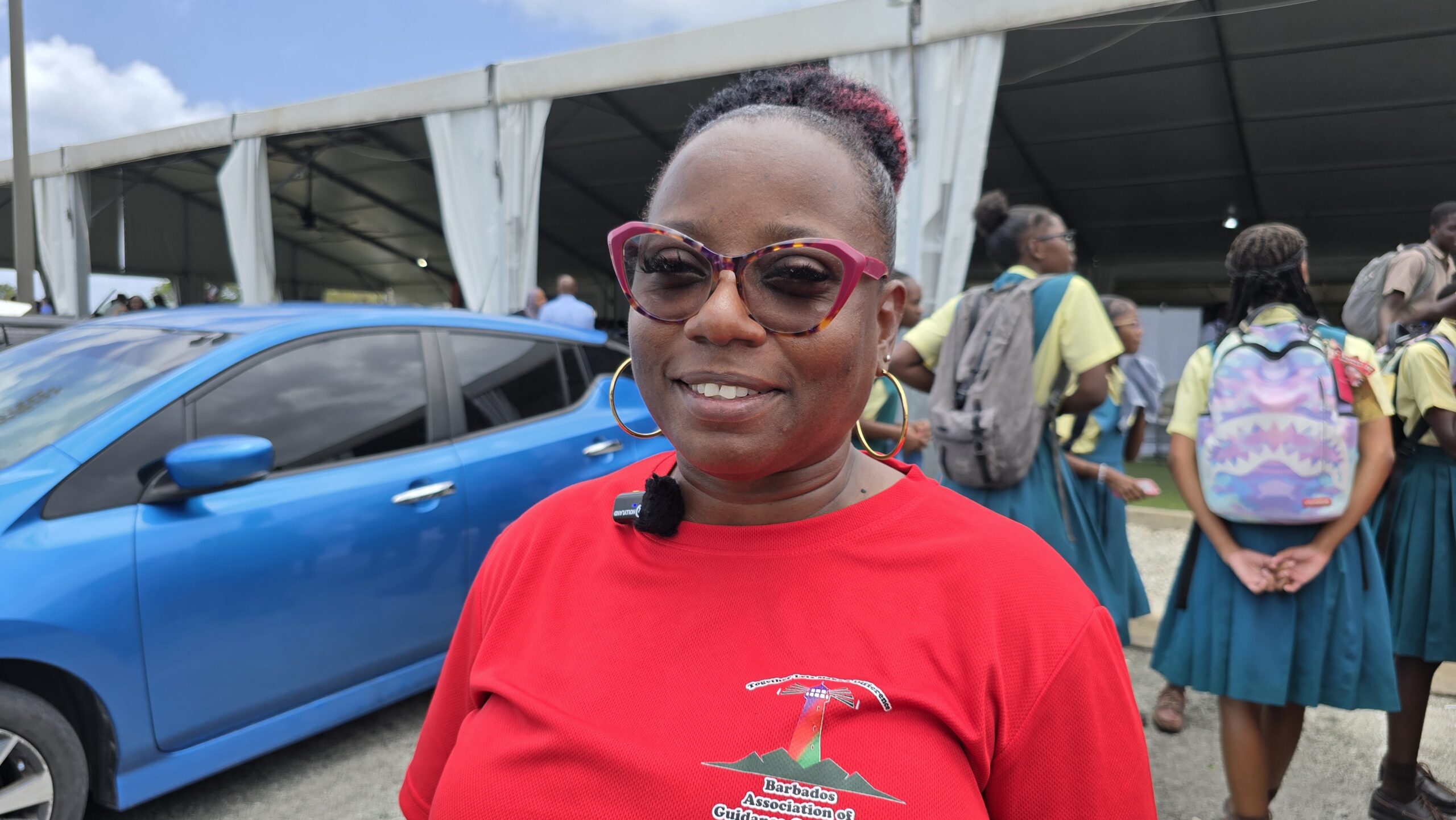
    Shernell Clarke, president of the Barbados Association of Guidance Counsellors, outlined the growing strain on the sector’s existing workforce in an interview with Barbados TODAY on Friday. Clarke explained that most schools currently operate with just one lone guidance counsellor, who is responsible for a sprawling list of duties beyond direct student mental health support: from career coaching and personal development advising to teaching mandatory Health and Family Life Education courses. Even as counsellors continue to fulfill their obligations, the cumulative workload has become unsustainable for many, she said.

    “We are not complaining about the work itself, but we cannot ignore that the demand for our services has grown exponentially,” Clarke noted. “Right now, many institutions share part-time counselling resources across multiple school campuses, which means on-site support is not consistently available when students need it. Having two full-time, dedicated counsellors on every campus would be far more effective than relying on one permanent staff member and one rotating, shared professional who is only present occasionally.”

    Clarke emphasized that while there has not been a noticeable spike in violent or severely disruptive student behavior, the number of children seeking and requiring targeted emotional support is far higher than it was in pre-pandemic and previous years. Unlike outdated disciplinary approaches that only address outward behavior, Clarke said Barbados’ guidance counsellors prioritize root-cause intervention, working to unpack the underlying issues driving negative actions rather than just punishing students for their conduct.

    Most student mental health and behavioral challenges stem from three core sources: intense peer pressure to fit in, unstable home environments, and widespread socioeconomic strain, Clarke explained. Many young people struggle with dissatisfaction about their current life circumstances, and lack healthy outlets to express their frustration or a clear path to improve their situation. This unaddressed pressure can lead vulnerable students to turn to negative peer groups or harmful coping mechanisms as they seek a sense of status or belonging, she added.

    While more students today are comfortable naming and discussing their emotional struggles than in past generations, many severe cases fall outside the scope of school-based guidance counselling. Clarke said outward referral to specialized mental health professionals is a core part of counsellors’ work, with staff regularly connecting students and families to advanced psychological care when needed. She did note, however, that many families referred to public mental health services ultimately opt for private care, a trend that may point to gaps in the public system’s ability to meet growing demand.

    The work of supporting students through acute emotional and traumatic challenges also takes a toll on counsellors’ own mental health, but Clarke said the Barbados Association of Guidance Counsellors has put systems in place to support its members. The organization regularly hosts professional-led self-care and therapeutic sessions to help counsellors process emotional stress from their work, and maintains a peer support community where members can share their experiences and struggles without compromising student confidentiality. Counsellors are also often called in to support entire school communities during traumatic events such as the death of a student or staff member, and the association’s internal support systems help counsellors process the emotional weight of those responses.

  • Urban planning minister calls for safer practices, policy review in aftermath of Roseau fire

    Urban planning minister calls for safer practices, policy review in aftermath of Roseau fire

    After a second large-scale destructive fire tore through multiple structures in Dominica’s capital Roseau this month, senior government official Melissa Poponne-Skerrit has unveiled urgent fire prevention calls and long-term policy review plans to address mounting safety risks in unregulated development zones.

    Poponne-Skerrit, who serves as Parliamentary Representative for Roseau Central Constituency and Minister for Housing & Urban Development, outlined the new guidance during a recent press briefing, urging all property owners across her constituency to proactively assess their immediate environments to reduce fire hazards. She specifically recommended that residents remove or swap out highly flammable building materials wherever feasible, and conduct routine inspections of aging electrical wiring—key preventative steps that can cut the likelihood of destructive blazes.

    The most recent fire, which broke out earlier this May, left a trail of damage across several Roseau buildings, marking the second major fire event to impact the capital in 2026. The first incident, recorded in early March, caused far-reaching destruction across the affected area, prompting government officials to re-examine long-standing safety gaps in the city.

    A core point of concern raised by Poponne-Skerrit is the outsized risk posed by unplanned settlements and informal development, which have proliferated in parts of Roseau without formal regulatory oversight. The minister noted that while many areas of the capital present a planned facade along main thoroughfares, entire informal communities, unlicensed commercial operations, and unregulated outbuildings often sit just behind formal developments. “In Roseau, what you see at the forefront is one building, but there’s like a whole village at the back, and then sometimes you have bars, mechanic shops, other structures without proper planning, people tend to do the things on their own, and so these long-standing issues will pose increased risk,” she explained.

    To address these systemic risks, Poponne-Skerrit called for a full top-to-bottom review of national and local policies governing unplanned and ancillary development, saying a complete re-evaluation of current regulatory frameworks is long overdue to bring heightened safety to at-risk neighborhoods.

    Beyond long-term reforms, the minister extended a formal assurance to residents and property owners impacted by the latest May blaze, reaffirming the Dominican government’s commitment to standing with affected communities through the recovery process. “As we usually do through this difficult time, and we remain committed to helping you to rebuild stronger and safer,” she stated.

  • Suriname en Venezuela willen samenwerking uitbreiden op meerdere gebieden

    Suriname en Venezuela willen samenwerking uitbreiden op meerdere gebieden

    On the 50th anniversary of the formal establishment of bilateral diplomatic relations between Suriname and Venezuela, senior diplomatic officials from both nations gathered in Caracas on Friday to take tangible new steps toward deepening cross-border partnership. The high-level meeting brought together Melvin Bouva, Suriname’s Minister of Foreign Affairs, International Trade and Cooperation, and his Venezuelan counterpart Yván Gil Pinto, with discussions centered on expanding collaboration across a range of strategically critical sectors.

    As both sides marked this golden milestone in diplomatic history, the two ministers jointly underscored the long-standing value of the ties binding their nations, and reaffirmed their shared commitment to strengthening the historical bonds that have shaped bilateral relations over five decades. The talks covered priority areas identified by both governments for expanded cooperation, including agriculture, fisheries, oil and energy, cross-border trade, tourism, education and diplomatic coordination.

    Officials from both the Surinamese and Venezuelan delegations confirmed that the meeting has formally opened a new chapter of targeted strategic partnership between the Republic of Suriname and the Bolivarian Republic of Venezuela, laying clear groundwork for concrete collaborative projects in the coming months. The anniversary summit reflects both nations’ shared interest in leveraging geographic proximity and complementary economic strengths to drive mutual development and stability in the region.

  • Magnitude 3.6 Earthquake Recorded Northeast of Antigua

    Magnitude 3.6 Earthquake Recorded Northeast of Antigua

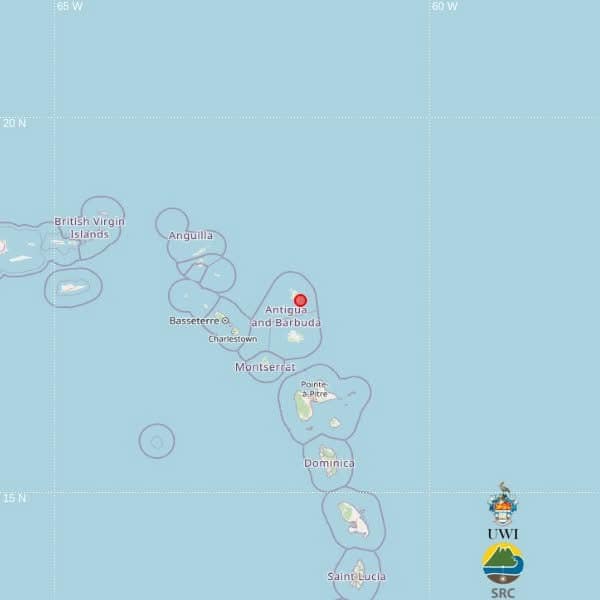
    A light 3.6-magnitude earthquake has been confirmed in waters northeast of Antigua by the University of the West Indies Seismic Research Centre (UWI SRC), the region’s leading authority on seismic activity, in a statement released over the weekend.

    According to the UWI SRC’s initial monitoring data, the tremor struck at roughly 9:10 p.m. local time on Friday, registering a depth of 14 kilometres beneath the ocean surface. Preliminary geolocation calculations place the epicenter at coordinates 17.57 degrees north latitude and 61.73 degrees west longitude.

    This positioning puts the earthquake approximately 52 kilometres north-northeast of St. John’s, the capital city of Antigua and Barbuda. Beyond Antigua’s territorial waters, the epicenter also sits 101 kilometres northeast of Brades, the administrative center of Montserrat, and 115 kilometres east-northeast of Basseterre, the capital of St. Kitts and Nevis.

    The UWI SRC emphasized that the current epicenter location was generated automatically by pre-programmed computer processing algorithms. Before final data is published, the location and other key parameters of the earthquake will undergo manual review and potential adjustment by the center’s team of expert seismologists as part of standard quality control processes.

  • Diabetes Association Plans 40th Anniversary Hike to Body Pond

    Diabetes Association Plans 40th Anniversary Hike to Body Pond

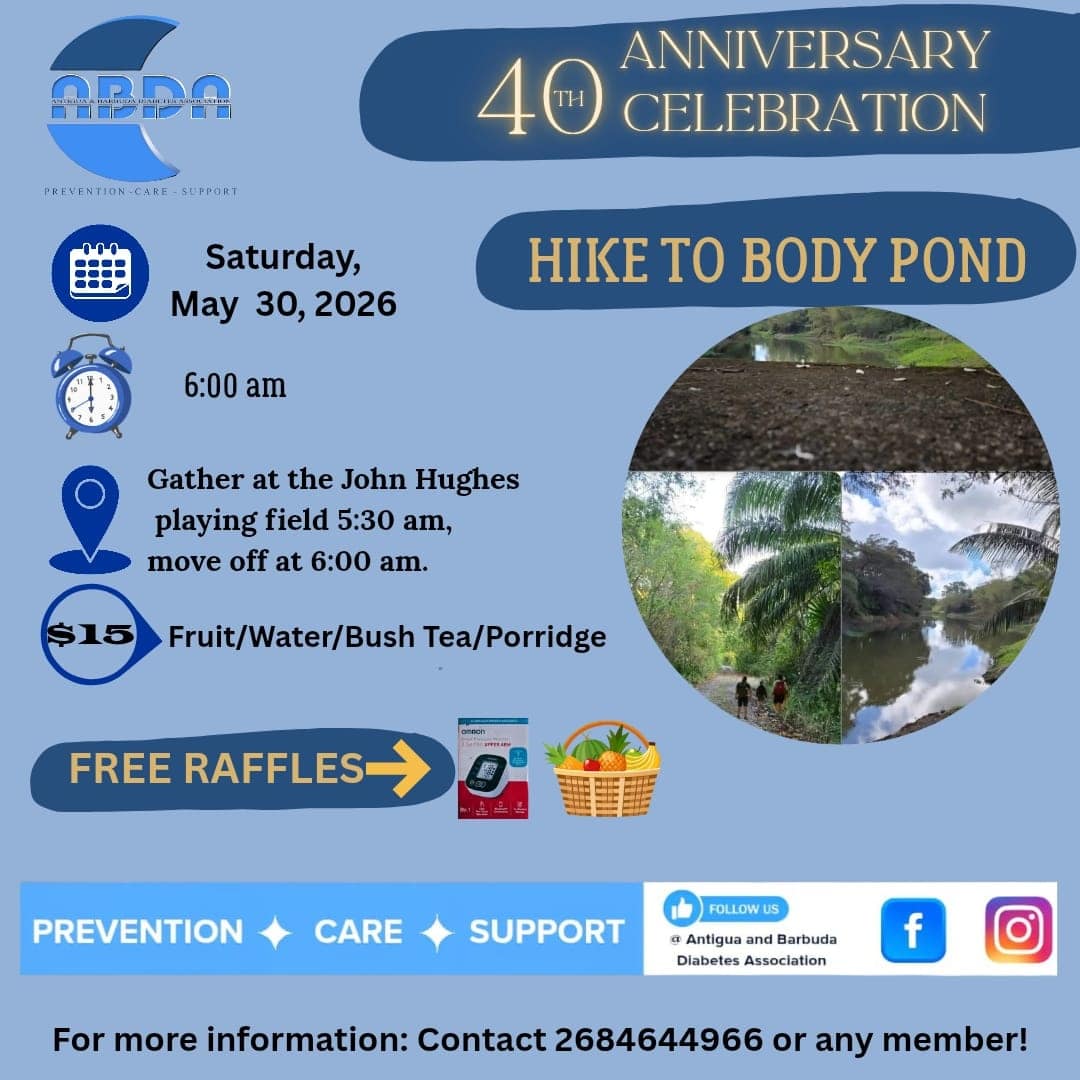
    As the Antigua and Barbuda Diabetes Association prepares to mark four decades of critical work in the community, organizers have unveiled a unique public engagement initiative: a scenic group hike to Body Pond, one of the destination’s beloved natural spots. This outdoor adventure forms a core part of the association’s year-long 40th anniversary calendar, which features 40 distinct events centered on the organization’s long-standing mission of diabetes prevention, clinical care, and community support for people living with the condition.

    The scheduled hike will kick off on Saturday, May 30, 2026, with a clear timeline for participants. All attendees are asked to assemble at the John Hughes Playing Field by 5:30 a.m., and the group will depart for the trail promptly at 6:00 a.m. To ensure hikers stay energized and comfortable throughout the journey, event planners have arranged complimentary refreshments including fresh fruit, bottled water, locally prepared bush tea, and hearty porridge. Beyond the physical activity and natural scenery, attendees will also have the chance to take part in free raffle draws held during the event, adding an extra element of community fun to the anniversary celebration.

    Founded four decades ago, the Antigua and Barbuda Diabetes Association has built its reputation on expanding access to diabetes education, supporting affected families, and advancing public health initiatives to reduce the condition’s prevalence across the twin-island nation. This anniversary event is designed not only to celebrate the organization’s decades of service but also to encourage public engagement with diabetes awareness, promoting physical activity — a key component of diabetes prevention and management — as an accessible, enjoyable community activity.

  • ECCB Holds Regional Attorneys General and Financial Secretaries Meeting in Antigua and Barbuda

    ECCB Holds Regional Attorneys General and Financial Secretaries Meeting in Antigua and Barbuda

    Top legal and finance leaders from all member states of the Eastern Caribbean Currency Union (ECCU) have converged on Antigua and Barbuda this week for the eighth annual joint gathering of Attorneys General, Chief Parliamentary Counsel, and Financial Secretaries.

    Hosted by the Eastern Caribbean Central Bank (ECCB), the two-day policy conference ran from May 14 to 15, centered on advancing coordinated legislative and financial industry reforms across the entire Eastern Caribbean region. Throughout the meeting, delegates delved into a wide range of priority policy initiatives designed to reinforce financial governance and oversight across the currency union. These included draft updates to regional insurance and pension regulations, new licensing frameworks for digital and traditional payment systems, updated data protection governance standards, and enhanced cross-border crisis management protocols to mitigate systemic financial risk.

    In addition to general regional policy discussions, the meeting featured dedicated presentations on country-specific and institution-focused modernization projects. Attendees were briefed on Grenada’s upcoming Cooperative Societies Bill, which aims to update regulation of the island’s cooperative sector, as well as Saint Vincent and the Grenadines’ progress rolling out its new Single Window for Land and Property Transactions, a digital initiative designed to cut red tape and speed up real estate processing across the country. Delegates also reviewed proposed legislative changes to update the Eastern Caribbean Home Mortgage Bank (ECHMB), centered on a new draft agreement that would formalize changes to ECHMB’s capital structure to support its modernization and expansion.

    Per statements from the ECCB, this week’s gathering is a core component of the central bank’s long-term strategic agenda laid out in its 2026-2031 Strategic Plan, which identifies strengthening regional regulatory and supervisory systems as a key priority to support sustained financial stability and economic growth across the ECCU. The annual cross-sector meeting has long been one of the ECCB’s flagship collaborative events, creating a structured space for regional legal leaders and financial regulators to align on shared legislative priorities that shape the future of the Eastern Caribbean’s financial sector.

  • CDEMA ‘learned’ Hurricane Melissa lessons

    CDEMA ‘learned’ Hurricane Melissa lessons

    Against a backdrop of intensifying climate-fueled natural hazards, shifting global geopolitics, and dwindling international financial support, Caribbean nations are launching a complete overhaul of their 10-year regional disaster management framework. The shift comes after hard lessons learned from the widespread destruction of Hurricane Melissa, pushing regional authorities to abandon the long-held focus on post-disaster recovery and adopt a proactive pre-event planning model.

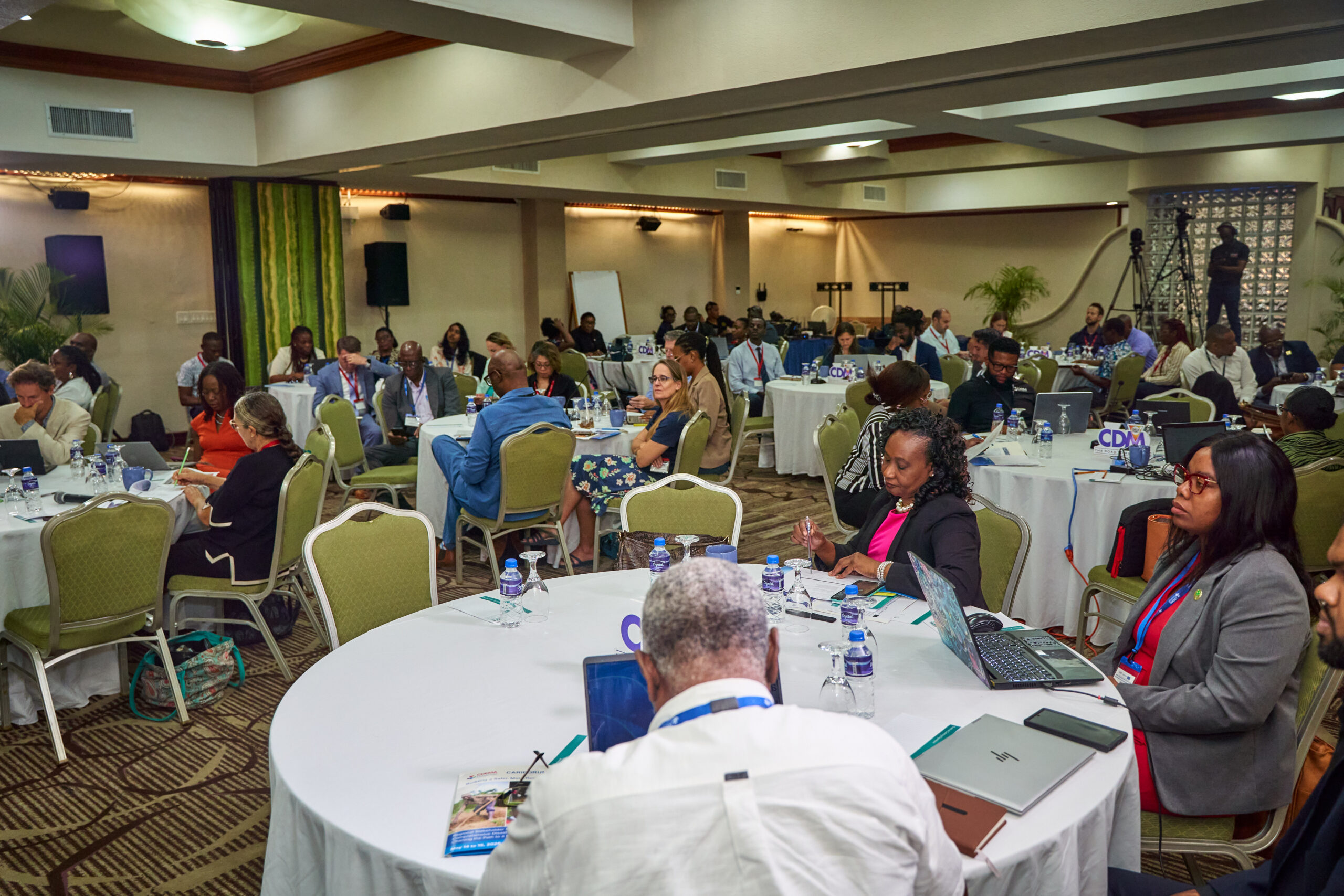
    Over two days of intensive consultations held at Barbados’ Accra Beach Hotel & Spa, representatives from the Caribbean Disaster Emergency Management Agency’s (CDEMA) 20 member states gathered to revise the Comprehensive Disaster Management Strategy, a foundational policy first rolled out in 2014. CDEMA Executive Director Elizabeth Riley explained in an interview with Barbados TODAY that the original framework is no longer fit for purpose, as both hazard patterns and global operating conditions have transformed dramatically over the past decade.

    “We recognise that since the start of this iteration of the strategy in 2014, there have been a lot of changes,” Riley noted. “These changes have been related to the hazards themselves, which have become a lot more complex, but also related to the geopolitical environment, which has become a lot more challenging.” Climate change stands as one of the most transformative drivers, Riley confirmed, linking rising global temperatures to a sharp uptick in both the frequency and severity of destructive weather events across the Caribbean. Compounding this growing risk is a steady decline in international funding earmarked for regional disaster management programs, stretching already thin national and regional budgets even further.

    One high-priority emerging issue being integrated into the updated strategy is disaster-induced human displacement, a crisis that has become far more common in recent years. Riley pointed to two recent major events that underscore the urgency of this challenge: Hurricane Melissa, which displaced thousands of residents in Jamaica, and the 2021 eruption of the La Soufrière volcano in St. Vincent and the Grenadines, which forced roughly 20,000 people to flee their homes. “This is a feature we’re seeing a lot more frequently, and we’re discussing how do we integrate these types of issues now into our planning,” she said.

    A core focus of the regional workshop was reimagining disaster recovery systems, with Riley emphasizing that the region can no longer afford to develop recovery plans only after a catastrophe hits. Instead, she argued, all member states need to have detailed, actionable recovery frameworks in place well before storms or other disasters make landfall. “We’re discussing modalities by which we can better assist countries to prepare for the recovery processes ahead of time and ensuring that that is treated not after the actual disaster takes place,” Riley explained.

    Hurricane Melissa, which swept through the Caribbean recently, provided a critical real-world test of existing regional coordination and response protocols, Riley said. In March, CDEMA assembled a cross-regional after-action review to assess the performance of the agency’s response mechanism, with a particular focus on strengthening coordination with new international humanitarian partners operating in the region and streamlining emergency logistics support.

    Riley also highlighted the successful first deployment of the CDEMA-World Food Programme logistics hub, which launched in Barbados in 2023, during the Hurricane Melissa response. “We reviewed how the operations of that hub went forward, the timeliness of the support, and the type of logistics support provided,” she said, adding that insights from this first activation will be used to refine the hub’s operations for future emergencies.

    Looking ahead to the 2026 Atlantic hurricane season, which officially kicks off on June 1, Riley urged residents across the region to participate in the agency’s annual pre-season press conference, scheduled for 10 a.m. local time on Thursday, May 28. The event will bring together regional officials to share the latest seasonal hurricane forecasts and outline key preparedness steps that households and communities can take to get ready before the first storm of the season forms.

  • Cedar Grove Primary Teachers Honoured for Their Dedication and Service

    Cedar Grove Primary Teachers Honoured for Their Dedication and Service

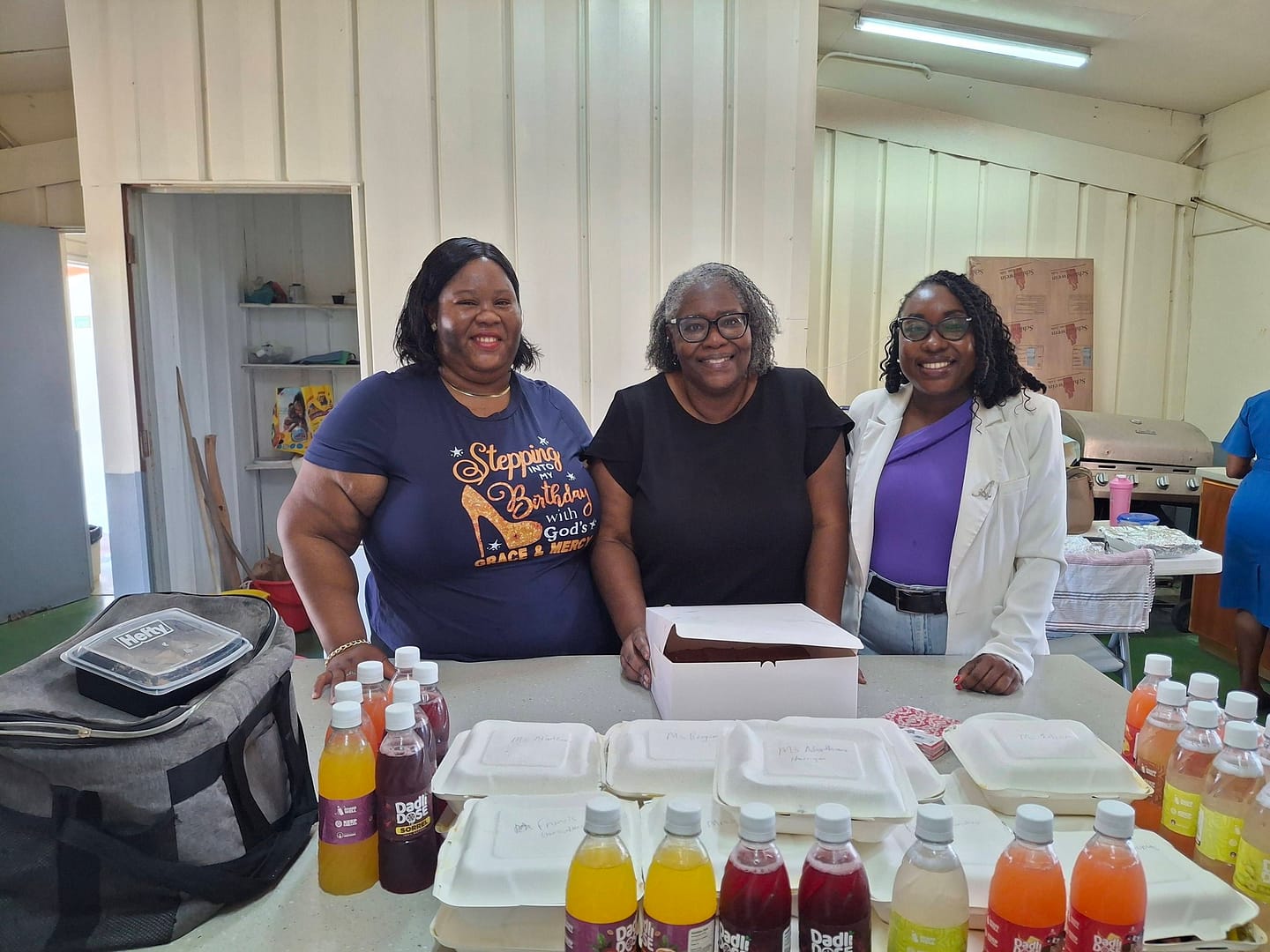
    In a heartfelt ceremony held earlier this week at Cedar Grove Primary School, a cohort of dedicated teaching staff was celebrated for their unwavering commitment to student success and years of exceptional service to the local education community. School administrators, parent representatives, and local education officials gathered to honor the educators, highlighting the profound impact each has made on the lives of hundreds of young learners over their tenures at the campus.

    Many of the honored teachers have served the school for more than two decades, guiding generations of students through foundational learning milestones, from early literacy and numeracy to social-emotional development. During the event, several current and former students shared personal anecdotes of how these teachers went above and beyond their formal job duties, offering extra support after school, mentoring struggling learners, and fostering inclusive classroom environments where every child feels seen and valued.

    Local school board chair Margaret Hale presented the educators with custom service awards and praised their work as the backbone of the community’s public education system. “Great primary school teachers don’t just teach lessons from a textbook—they shape the trajectory of young lives,” Hale said in her remarks. “Their dedication shows up every single day, in small acts of patience and big investments in student potential, and it is past time we give them the public recognition they deserve.”

    Parent-teacher association president James Torres noted that the commitment of these educators has helped build Cedar Grove Primary’s reputation as a welcoming, high-performing campus that serves as a cornerstone of the neighborhood. “When families move to this area, one of the first things they hear about is how caring and dedicated the teaching staff is here,” Torres said. “That reputation is built entirely by the work of these men and women who have given so many years to our kids.”

    Following the award presentation, the honored teachers thanked the school community for the recognition, emphasizing that their work is a collaborative effort that relies on support from families, administrators, and fellow staff members. Many reflected on how seeing their former students go on to achieve their own goals is the most rewarding part of their career in education.

  • Health Authorities says we are consuming way too much salt

    Health Authorities says we are consuming way too much salt

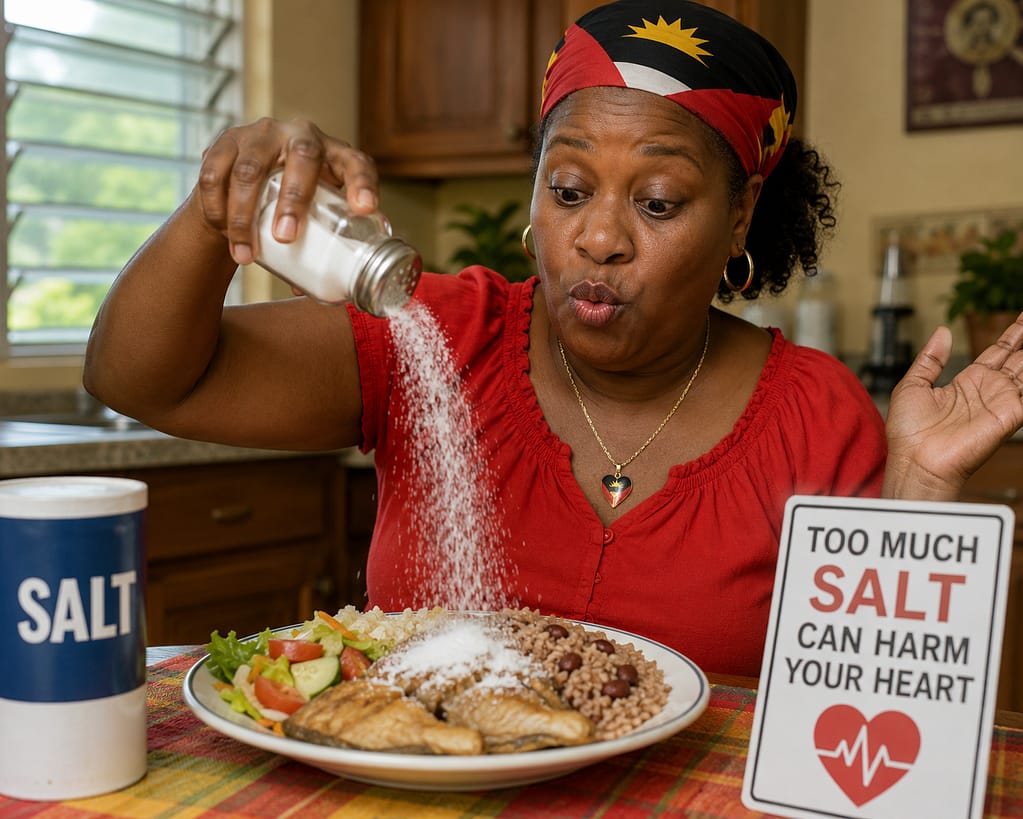
    As rates of hypertension and cardiovascular disease continue climbing across Caribbean nations, the Caribbean Public Health Agency (CARPHA) is sounding the alarm on excessive salt consumption, urging coordinated action from governments, food industry stakeholders, and individual consumers to reverse a growing public health crisis. Current data shows that between 21% and 27% of all Caribbean adults live with hypertension, and regional populations consume nearly twice the maximum daily salt intake recommended by the World Health Organization (WHO). This public health threat is not unique to the Caribbean: globally, high sodium intake is linked to roughly 1.89 million premature deaths every year, and the worldwide average adult salt intake sits at 10.78 grams per day—more than double the 5 gram (under 1 teaspoon) daily limit updated by the WHO in 2025. Alarmingly, only a handful of countries worldwide have rolled out comprehensive national salt reduction strategies to address the crisis.

    CARPHA has long prioritized sodium reduction as a core component of its regional non-communicable disease (NCD) prevention efforts, working in close partnership with regional Ministries of Health, the Pan American Health Organization (PAHO), and other local public health stakeholders to drive evidence-based change. The agency provides targeted technical guidance on food labeling systems, designs and executes public education campaigns, tracks NCD risk factors through ongoing surveillance, and leads advocacy and research to support scalable, effective interventions.

    In line with these ongoing efforts, CARPHA will join the global observance of World Salt Awareness Week 2026, held from May 11 to 17 under the global theme “Salt It Out”. This international campaign aims to amplify public understanding of the life-threatening harms of excess sodium intake, and push for stronger policies and public health interventions that reduce the population-level burden of cardiovascular diseases including hypertension, heart attack, and stroke. A 2025 PAHO report underscores the severity of this burden: cardiovascular diseases alone account for 30.8% of all NCD-related deaths in the region.

    In a statement on the urgent need for sodium reduction action, CARPHA Executive Director Dr. Lisa Indar emphasized that excess salt consumption is a “silent but significant contributor” to the region’s rising rates of hypertension, heart disease, and stroke. Dr. Indar noted that a common misconception among the public leads many to underestimate their sodium intake: most salt consumed in daily diets does not come from salt added during cooking or at the table, but from processed and ultra-processed food products that dominate modern grocery shelves. “Through stronger policies, food reformulation, better labelling, and public education, we can reduce sodium intake and save lives,” Dr. Indar said. “World Salt Awareness Week reminds us that reducing salt is one of the simplest and most cost-effective actions we can take to improve public health and protect future generations.”

    CARPHA has already laid the regulatory and programmatic groundwork for regional salt reduction through two key frameworks. First, the agency introduced the Six-Point Policy Package (6-PPP), a regional blueprint for building healthier food environments and improving food security to address childhood obesity and the growing NCD crisis. One of the package’s core recommendations calls for establishing unified regional standards and time-bound salt reduction targets for high-risk food product categories. Building on this foundation, CARPHA launched the CESA Regional Sodium Reduction Framework in 2020 to guide national governments in developing their own localized sodium reduction strategies. The framework is organized around four core pillars captured in the acronym CESA: Change the food environment through targeted policies and legislation; Educate the general population on the risks of excess sodium; Strengthen systems capacity through ongoing research, monitoring, and evaluation; and Assess national progress toward intake reduction targets.

    Updating the framework to align with 2025 WHO benchmarks, CARPHA has outlined a suite of priority measures for regional adoption. These include integrating nutrition education into school curricula, enforcing restrictions on advertising high-sodium foods to children, and launching widespread public media campaigns to raise awareness. The agency also identifies mandatory front-of-package nutrition labeling, updated nutrition facts panels, enforced regional nutrition standards, and widespread product reformulation by food manufacturers as critical, non-negotiable actions to cut population sodium intake across the Caribbean.

    The CESA framework sets an ambitious long-term goal: a healthier Caribbean where average adult salt intake falls below the WHO global target of under 5 grams (one teaspoon) per day, with even lower intake targets for children. To support early adoption of low-sodium eating habits, CARPHA has also developed supplementary public-facing resources, including *Kids Can Cook Too*, a recipe book featuring nutritious, kid-friendly meals with little to no added salt, fat, or sugar. More information on the Regional Sodium Reduction Framework is available on CARPHA’s official website: https://carpha.org/What-We-Do/NCD/Nutrition/Knowledge-Banks/CESA/Regional-Sodium-Reduction-Framework